
Last updated November 18, 2026
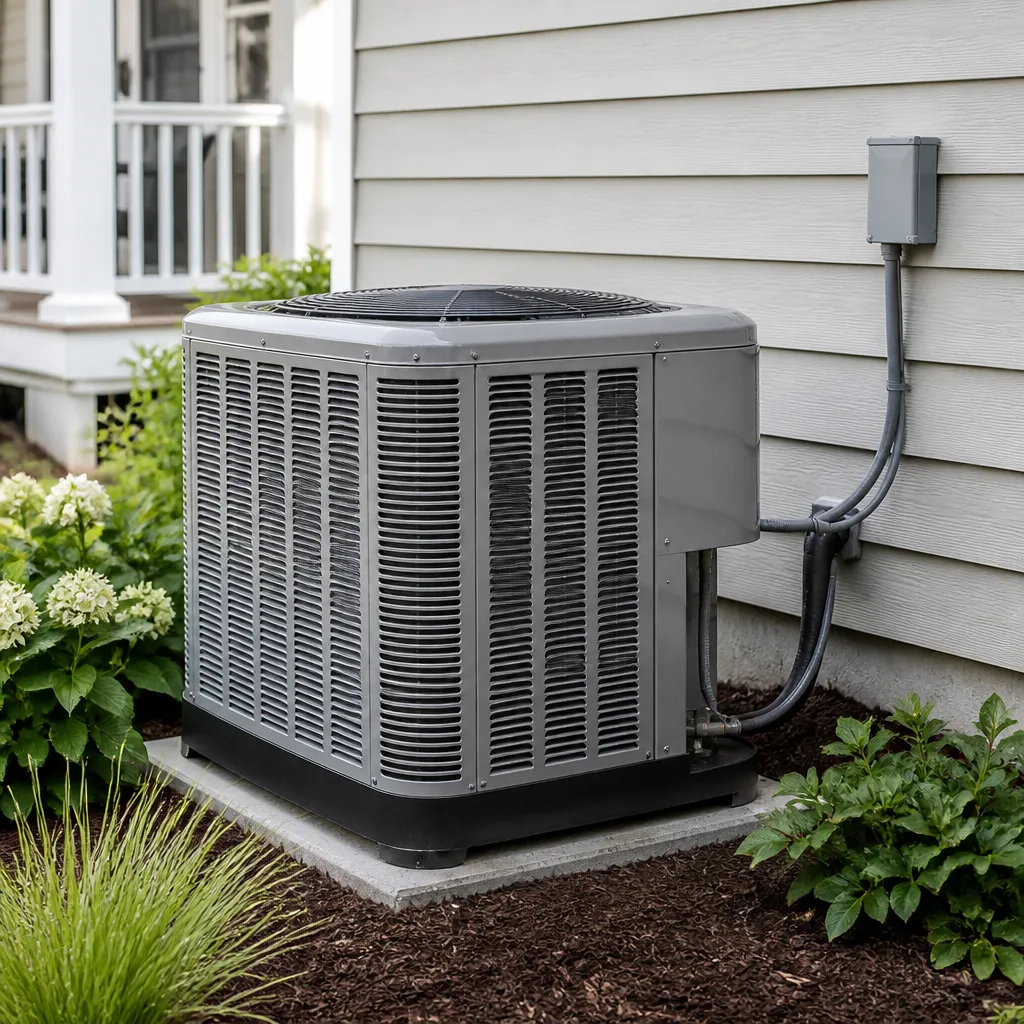 AC repair
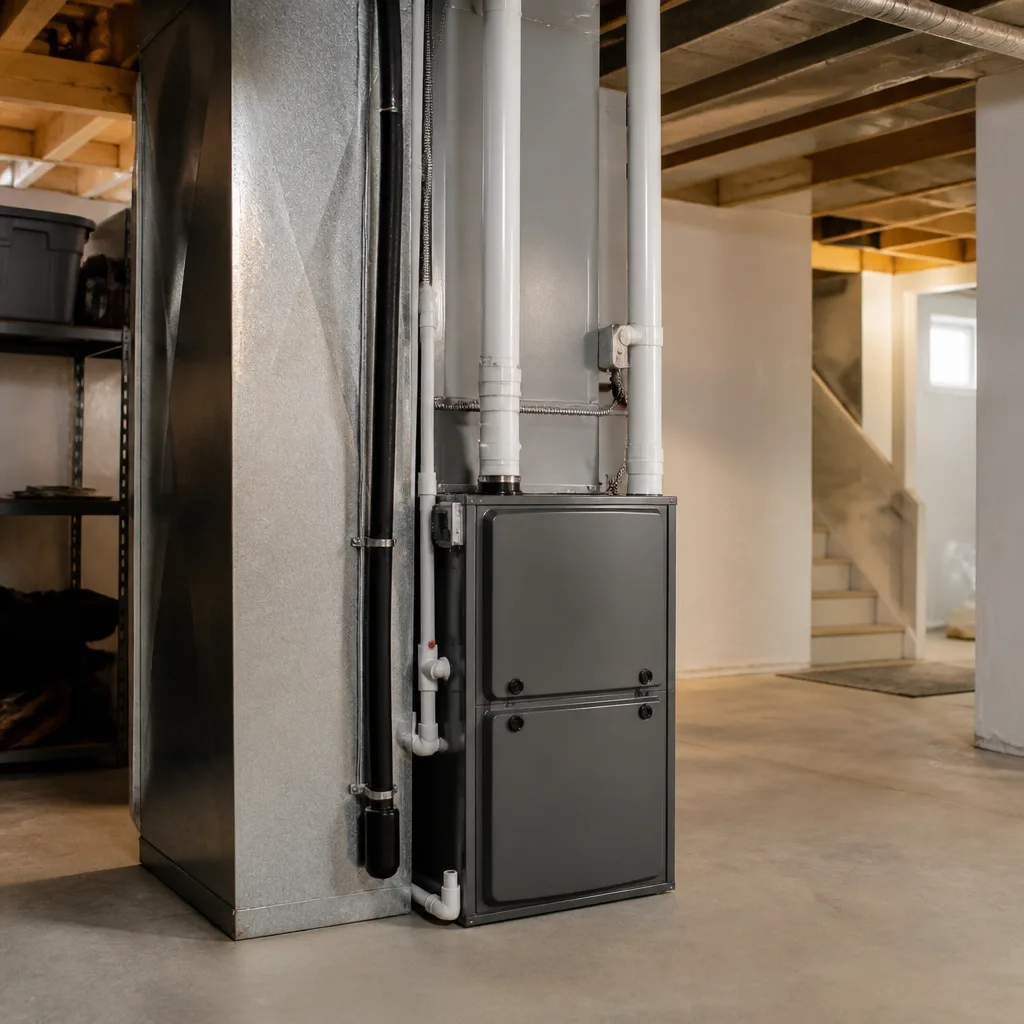 Furnace & heating
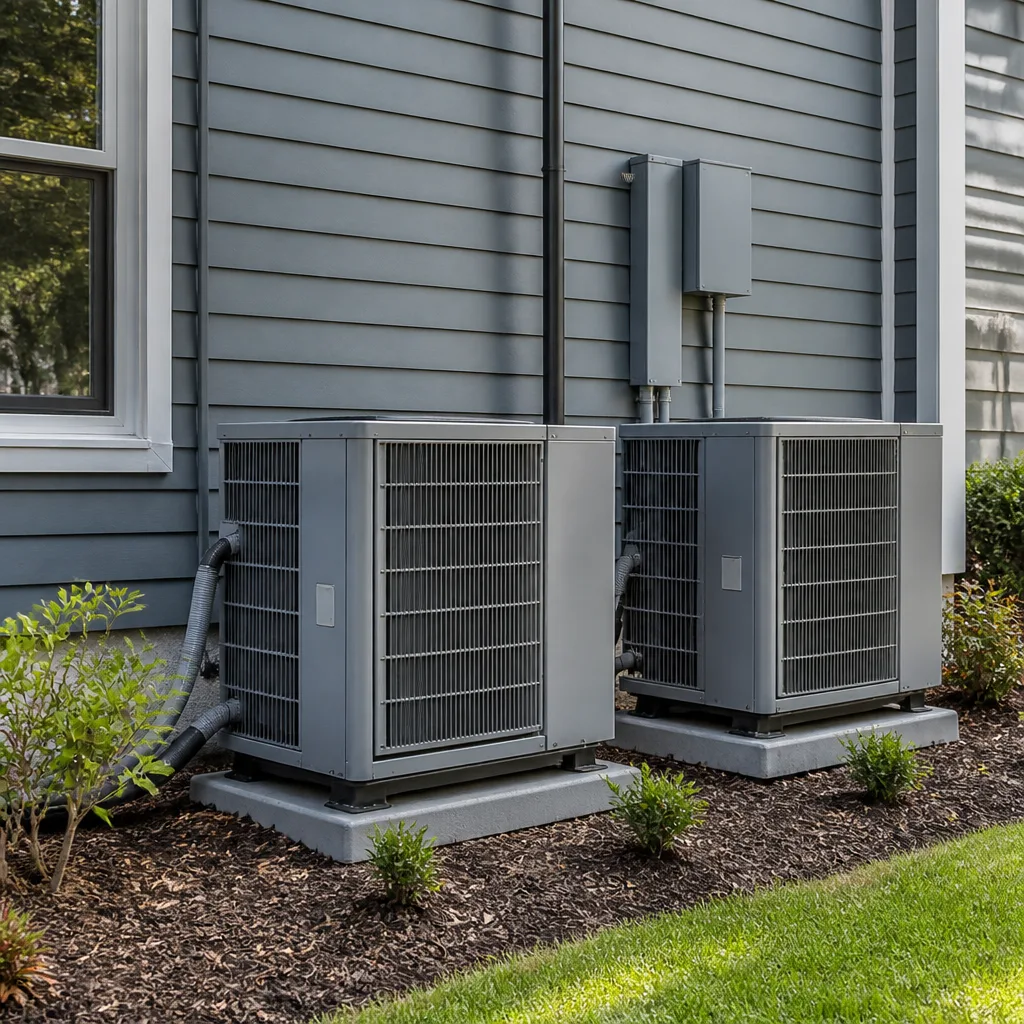 Heat pumps
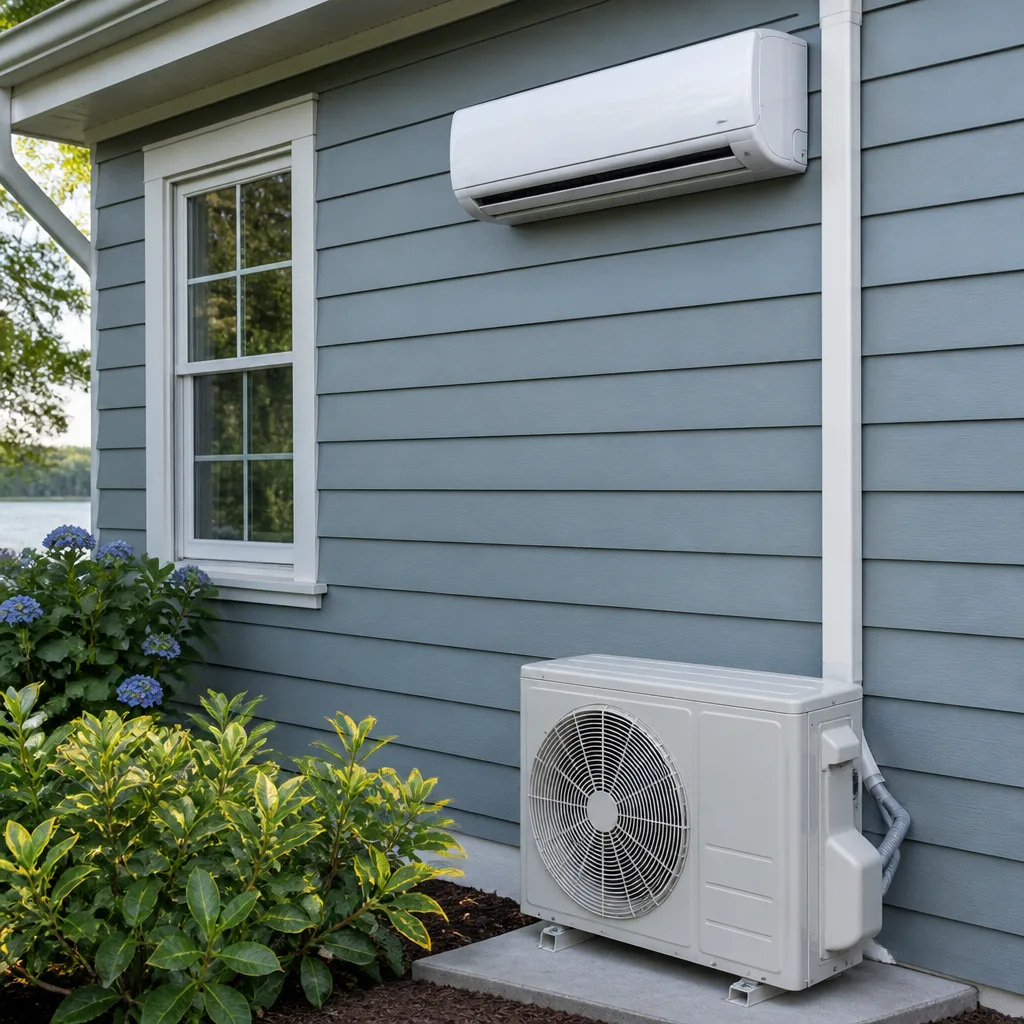 Ductless mini splits
 Carrier
 Trane
 Goodman
Seasonal tune-up and full diagnostic on your Carrier, Trane, or Goodman system - readings shown to you before any repair is proposed
Diagnosis first, numbers second - you approve the repair price before a single part goes in.
Get your free estimateEmergency & Commercial HVAC Maintenance Schedule: What to Do and When
The average compressor that fails in a Boulder City July was last serviced in October – nine months before the heat that killed it. That gap is the problem this schedule fixes. It is not the heat itself that takes systems down. It is what was missed while the heat was still months away. Most emergency calls we take in July and August trace back to a filter change nobody made, a capacitor nobody tested, or a coil nobody rinsed. Every one of those is a five-minute item in March. This guide lays out a maintenance calendar built around what 115°F days actually demand, with the commercial practices worth borrowing for heavy-use homes and the documentation that keeps a warranty from becoming an argument.
Quick Answer
In Boulder City, HVAC maintenance should run on four touchpoints a year – not two: a March pre-season inspection before the first heat wave, a mid-summer filter and condenser check in June or July, a pre-heating check in September before the first cold snap, and a documentation pass in November or December. Systems here run 2,000+ hours a year, roughly double a mild-climate average, so a twice-a-year cadence leaves predictable gaps.
If you want that schedule handled by someone who knows the climate, call Fireside Heating & Air Co. at (844) 312-0133. We answer live, any hour, and estimates are free.
Styles & brands we work with
- AC repair
- Furnace & heating
- Heat pumps
- Ductless mini splits
- Carrier
- Trane
- Goodman
Table of Contents
- Why “Twice a Year” Falls Short in Mojave Heat
- The March Pre-Season Checklist
- Mid-Summer: What to Check in June and July
- What Commercial Schedules Do Differently – and What’s Worth Borrowing
- Maintenance That Extends Compressor Life
- Documenting Your Maintenance History
- The Full-Year Maintenance Calendar at a Glance
- Common Mistakes to Avoid
Why “Twice a Year” Falls Short in Mojave Heat
Most maintenance plans in milder parts of the country run a spring tune-up and a fall tune-up, and that’s plenty. Here it isn’t. A residential system in Boulder City runs through an average cooling season that starts in May and doesn’t really quit until October, then swings straight into heating. Equipment that runs 2,000 or more hours a year wears differently than equipment that runs 1,000.
Three things happen in a Mojave summer that don’t happen elsewhere:
- Dust loading. The desert wind moves fine particulate matter constantly. Filters that would last three months in a humid climate load up in six to eight weeks here.
- Condenser stress. An outdoor unit pulling 115°F air into a 130°F-plus cabinet is already near its design limits. A half-clogged coil on top of that pushes head pressure into territory the compressor can’t hold indefinitely.
- Long run cycles. When a system runs for hours without cycling off, every marginal component – a weak capacitor, a slightly undercharged line – gets tested relentlessly.
We’ve seen plenty of Boulder City homes where the owner did everything right by the standard advice and still lost a compressor in August. What the twice-a-year cadence misses is the late-June window, when the first real heat has exposed a filter problem but the worst of the season is still ahead. Catching it there is the whole point of this schedule.
The March Pre-Season Checklist
March is the most important month on this calendar. Peak load hasn’t arrived, technicians have room in their schedules, and any part that’s going to fail has usually already started to show it. This inspection catches the components most likely to break under July conditions while there’s still time to order parts and schedule the work without an emergency premium.
Here is what a proper pre-season inspection covers:
- Filter condition and static pressure. Not just “is the filter dirty” – does the return duct move air freely, and is the MERV rating appropriate for the blower? Overly restrictive filters strain systems as surely as dirty ones.
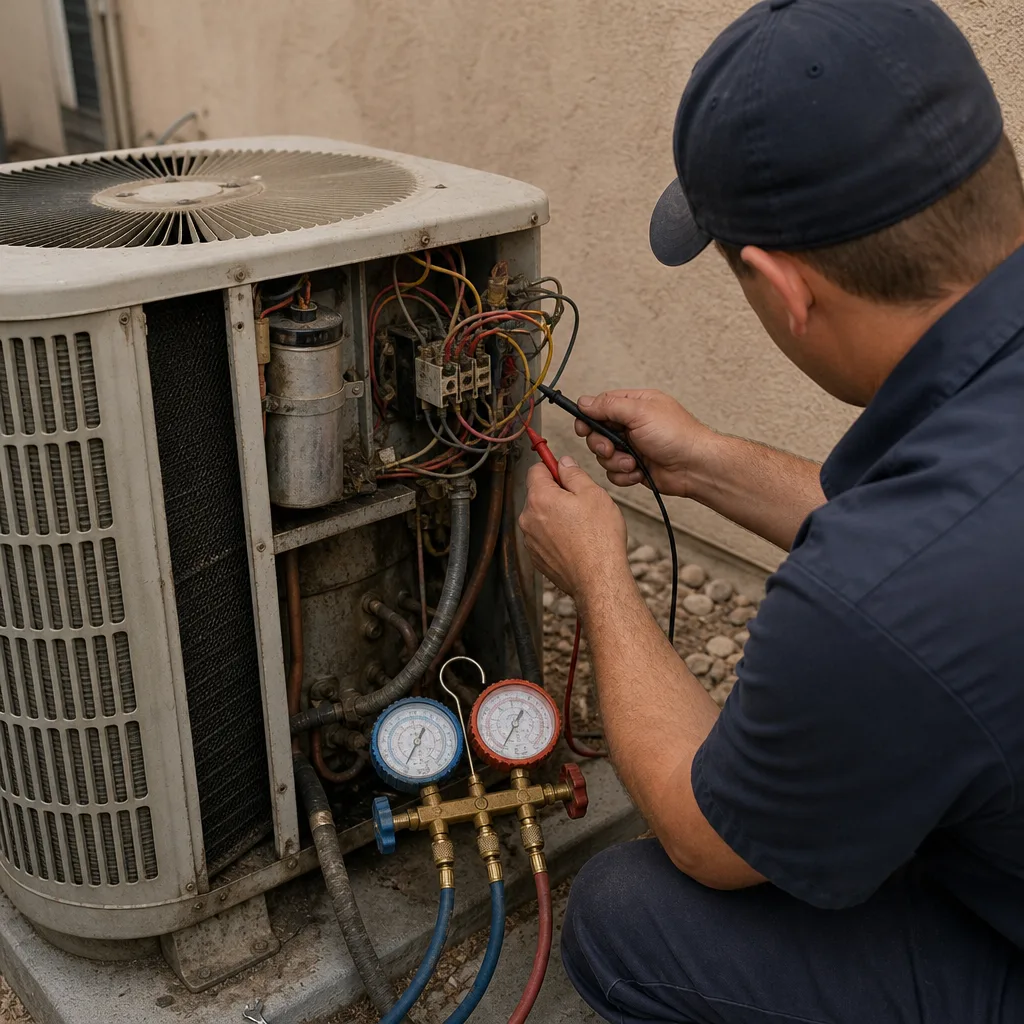
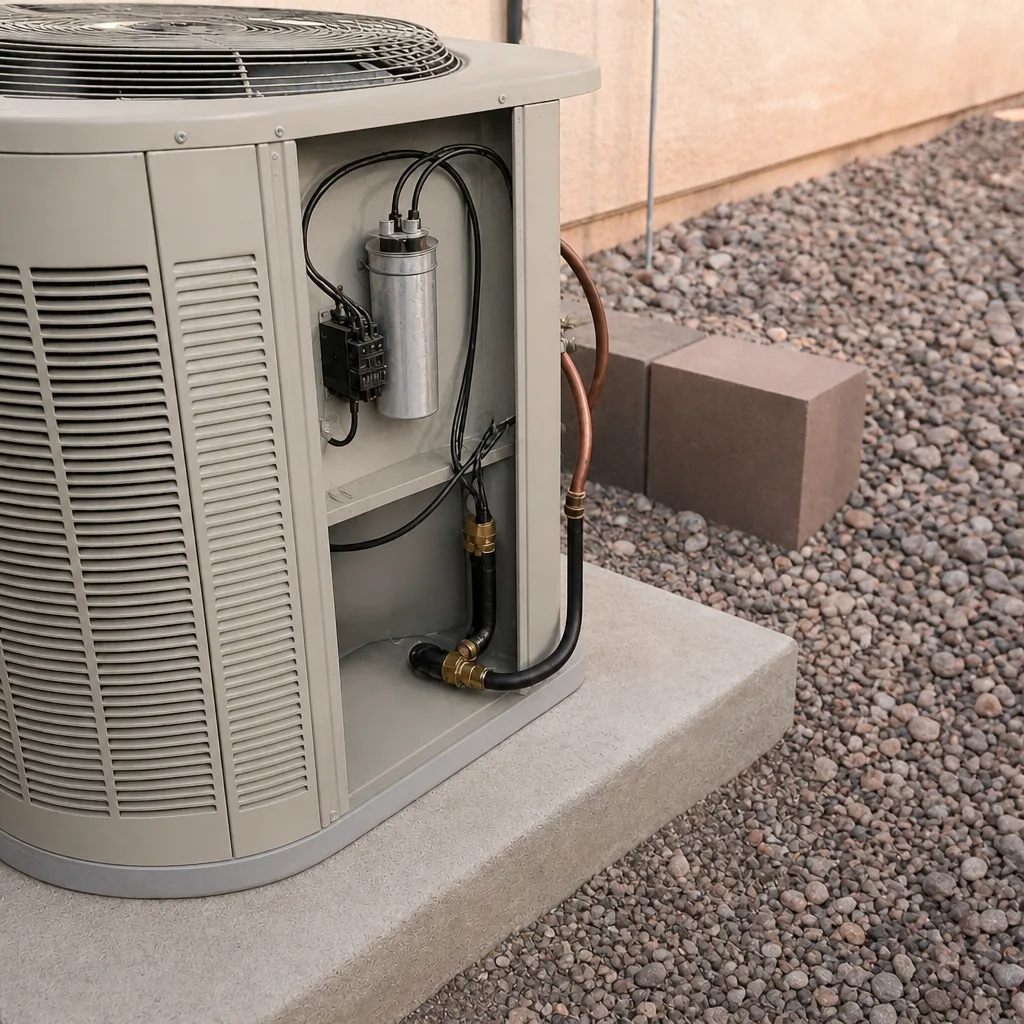
- Capacitor testing under load. The single most common July failure. A capacitor that reads fine at 85°F can drop out of spec at 130°F inside the cabinet. Testing it cold tells you less than testing it under realistic load.
- Contactor pitting. Look for carbon buildup on the contacts. A pitted contactor that arcs intermittently is a failure waiting on a hot day.
- Refrigerant charge verification by superheat and subcooling. Not just a pressure gauge glance. An undercharged system works twice as hard for half the cooling.
- Condenser coil cleaning. Rinse the coil and clear the fins. In Boulder City, cottonwood and dust combine into a mat that a garden hose won’t touch by August.
- Drain pan and condensate line flush. A clogged drain in July means water on the ceiling, and that’s a call nobody wants to make.
- Blower motor amp draw. Compare against nameplate. Rising amps mean a bearing going, and a blower that quits in August takes the whole system with it.
This is the inspection where we find things like a Bryant or American Standard unit that’s been running with a marginal dual-run capacitor for two seasons. Replacing it in March is a small line item. Replacing it at 10 p.m. on a 112°F night, along with the compressor it took out, is not.
Mid-Summer: What to Check in June and July
By late June, the system has been running hard for a month. That’s the right moment for a quick health check, not a full inspection.
What a mid-summer check should confirm:
- Filter still clean – replace if loaded. In a Boulder City home, plan on every six to eight weeks during peak season.
- Condenser clear of debris and unobstructed airflow on all sides.
- No ice on the suction line or indoor coil. Ice means low charge or restricted airflow, and both get worse, not better.
- Supply-return temperature split in range – typically 15 to 20°F for most residential systems.
- Drain line flowing freely.
- Unusual noise from the outdoor unit: a hard start, a rattle, or a compressor that sounds labored.
- Capacitor bulge or leak – visible from the outside in many cases.
This is a thirty-minute visit in most homes, and it’s the one that keeps a small issue from becoming an emergency call in the middle of a heat advisory. If we catch a failing capacitor here, you skip the emergency. If we don’t, you don’t. Our AC Repair & Installation in Boulder City page covers what happens when that call comes in at the wrong time.
What Commercial Schedules Do Differently – and What’s Worth Borrowing
Commercial HVAC maintenance is built around uptime, because a failed system in a retail space or an office building costs money by the hour. That’s a different mindset than most residential plans, and some of it transfers directly to a heavy-use home system. Here’s the commercial practice, and here’s how it maps to your house.
- Log every visit, not just the ones where something broke. A commercial building has a maintenance log that lives on-site, so any technician walking in knows what’s been done and what hasn’t. For a home, that’s a folder or a magnet on the air handler with the last three service reports.
- Test components on a schedule, not on failure. Commercial plans replace capacitors and contactors at set intervals, not when they go bad. For a Boulder City home that runs hard all summer, that means testing at each seasonal inspection and swapping when readings drift, not waiting for a shutdown.
- Log filter changes with dates. Sounds trivial. It isn’t. “Changed the filter recently” and “changed it on March 14” are different records when you’re filing a warranty claim in September.
- Track run hours. Commercial equipment has hour meters. Most homes don’t, but your thermostat likely logs run time, and that number tells any technician whether your system is working like a system that lives in Boulder City.
- Annual refrigerant leak check. Commercial codes require it. Residential doesn’t, but a slow leak in a sealed system is the kind of thing that shows up as “the AC ran fine in March and was warm in July.” Verifying charge in spring catches it before the season.
What doesn’t transfer: the full quarterly commercial contract, the monthly filter swaps, and the documentation thickness that a property manager needs. For a single-family home, the four-touchpoint schedule in this guide covers it. If your home is running an unusual amount of hours because of a heat pump or a multi-zone mini-split setup, our Heat Pump & Mini Split in Boulder City page describes the specific service intervals those systems want.
Maintenance That Extends Compressor Life
The compressor is the most expensive single component in any residential system. Everything else is designed to be serviced, swapped, or cleaned on a modest budget. The compressor is the part where a failure means a five-figure decision. So it makes sense to build the maintenance schedule around the compressor’s needs, not the other way around.
The variables that shorten compressor life most in a Boulder City system:
- Heat. A compressor that can’t reject heat runs hotter than designed. The condenser coil and surrounding airflow are what buy it relief. Cleaning and clearing that coil is the single most cost-effective compressor-life item on this list.
- Poor refrigerant charge. Both undercharge and overcharge shorten life. Undercharge means the compressor runs longer for the same cooling. Overcharge floods the windings with liquid refrigerant. A spring superheat and subcooling check gets it right.
- Dirty filters and low airflow. Restricted airflow raises coil temperature and pressure and forces the compressor to work harder for worse results.
- Failing starting components. A weak capacitor forces the compressor to work its way to speed. A pitted contactor arcs. Both add up.
- Short cycling. A system that starts and stops too often cycles the compressor through extra start-ups, and every start is the hardest moment of the cycle.
There’s a specific thing many homeowners miss: a failing run capacitor on a compressor that just went into hard-start mode is often the only warning before a full failure. Testing it in March and again in June is a small line item. Together, these are the maintenance tasks worth prioritizing. Nothing on this list requires you to open the electrical cabinet or touch refrigerant lines – those are jobs for a trained technician, and high-voltage components in a rooftop condenser are genuinely dangerous.
Documenting Your Maintenance History
Maintenance documentation does two things: it makes future service faster, and it gives any warranty claim a paper trail. Both matter more in Boulder City than most places because systems here wear at a higher rate, and warranty departments ask harder questions when a compressor fails at year four instead of year nine.
What to keep, and how:
- Keep every service report. Date, technician, findings, work performed, parts replaced. The paper report a professional leaves behind is the earliest claim you can make that the equipment was maintained. Keep it in a single folder, digital or physical.
- Log filter changes with date and filter model. Warranty departments don’t care that you “changed it regularly.” They care that there’s a record.
- Record the model and serial number of each component once. Compressor, air handler, condenser, blower motor. Two minutes now; saves a scramble later.
- Note any technician recommendations you deferred. If a technician flagged a capacitor as “tested marginal, recommend replacement” and you chose to wait, log the date. If it fails later, that record shows you were working with a plan.
- Note the date the new system was installed, and the warranty expiration. Better yet, store the warranty paperwork with the maintenance file.
- Note the parts replaced, and by whom. If a component was replaced under warranty, keep the paperwork. If it was replaced out of pocket, the same.
The other benefit is less obvious. When a technician walks into your home and sees a well-kept service file, they start ahead. They know what’s been tested and what hasn’t, and they can see how this particular Boulder City system has been behaving. That saves time on the visit – and on a hot Friday in July, saving twenty minutes is worth a lot.
The Full-Year Maintenance Calendar at a Glance
Here’s the whole schedule on one page:
- January – February: Routine heating check – ignition, burners, heat exchanger, airflow. Check filter monthly through heating season.
- March: The big one. Full pre-season cooling inspection: capacitor test under load, contactor inspection, refrigerant charge verification, condenser coil cleaning, drain flush, filter change, blower motor amp draw.
- April: Confirm any deferred March work is done and scheduled. This is also the right window to schedule system replacement or major component repairs before summer demand hits.
- May: First real cooling load. Watch for anything that feels different from last year – longer run times, warmer air, unfamiliar noises.
- June: Mid-summer quick check: filter, condenser clearance, ice, noise, temperature split, drain.
- July – August: Emergency window. If something is going to fail, it’s usually here. Shut the system down and call if you hear a hard start or see ice.
- September: Pre-heating check – furnace or heat pump, ignition test, airflow, heat exchanger inspection.
- October: Shoulder season. Best window for any planned repairs or replacements that got deferred in summer.
- November – December: Documentation pass. Update the maintenance file, file warranty paperwork, record any parts replaced during the year.
For heavier-use homes – a heat pump system, a well-insulated house with an oversized system, or a large family – add a second filter change between each of the milestones above. Our Heating & Furnace in Boulder City page covers the specific heating-side checks in that September visit.
Common Mistakes to Avoid
- Skipping the March inspection because “it was fine last summer.” Past performance doesn’t predict peak-load behavior. A component that was healthy at 95°F in October can drop out at 118°F in July.
- Replacing the filter “when it looks dirty.” A filter can look fine and still be pulling way too much pressure due to a loaded pleat you can’t see. Use the calendar, not your eyes.
- Running the system through the first hot stretch of the year without a filter change. The first real heat wave is what exposes the filter problem. Change it before, not after.
- Waiting until the system fails to call. Emergency calls cost more because the work is urgent, the parts may not be in town, and the weekend call is the same work at a higher rate. Our Fireside Heating & Air Co. Boulder City home page explains the standing offers, including $50 Off Any Repair Over $250, which is easier to use when the job is a repair and not a rescue.
- Assuming a commercial-grade maintenance contract is what you need at home. It rarely is. The practices are worth borrowing, but the quarterly contract cost doesn’t pencil for a single-family home in Boulder City.
- Tossing the service reports into a drawer. Two years later, they’re gone. That’s the moment a warranty department asks for them.
- Not having a live person to call when it fails at 9 p.m. A voicemail tree at 9 p.m. on a 108°F night is the reason people miss work the next day. Confirm the number you have answers live, any hour, before you need it.
See the difference
 Before
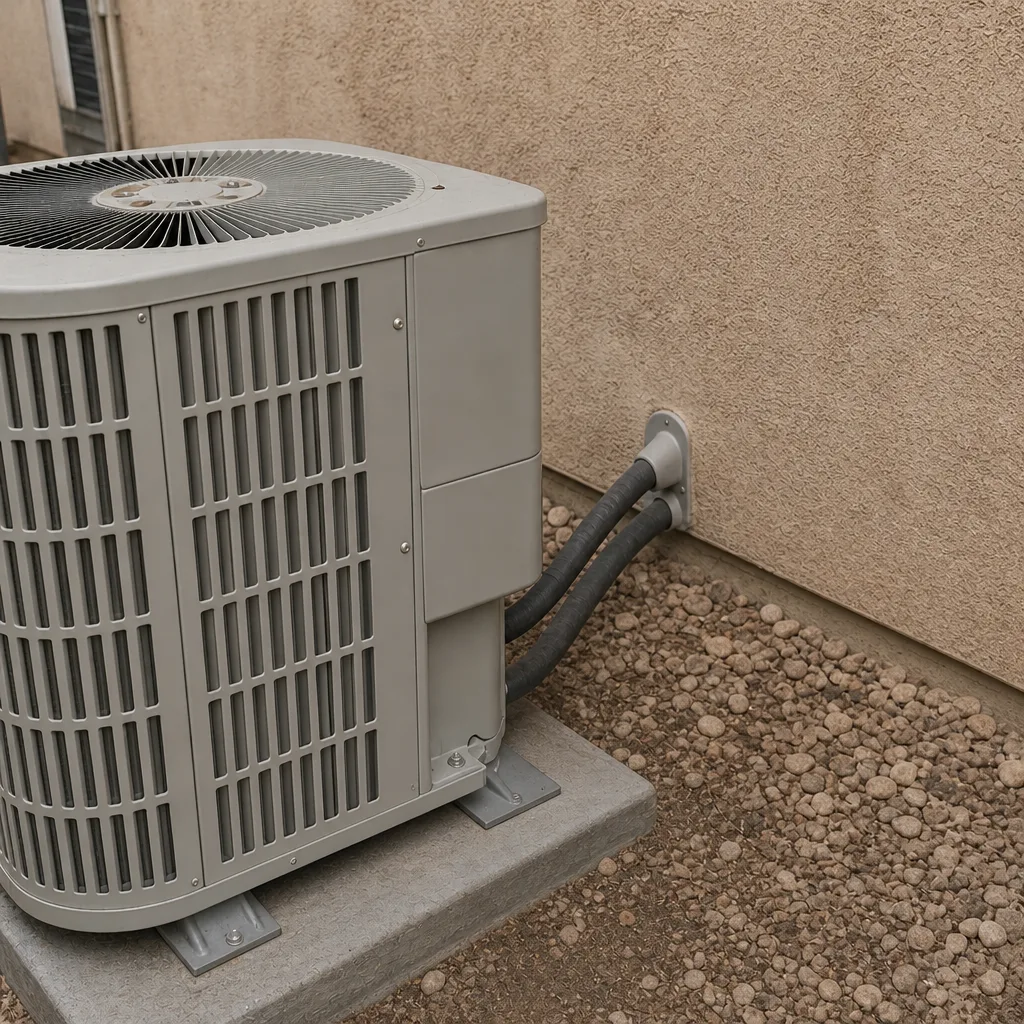 After
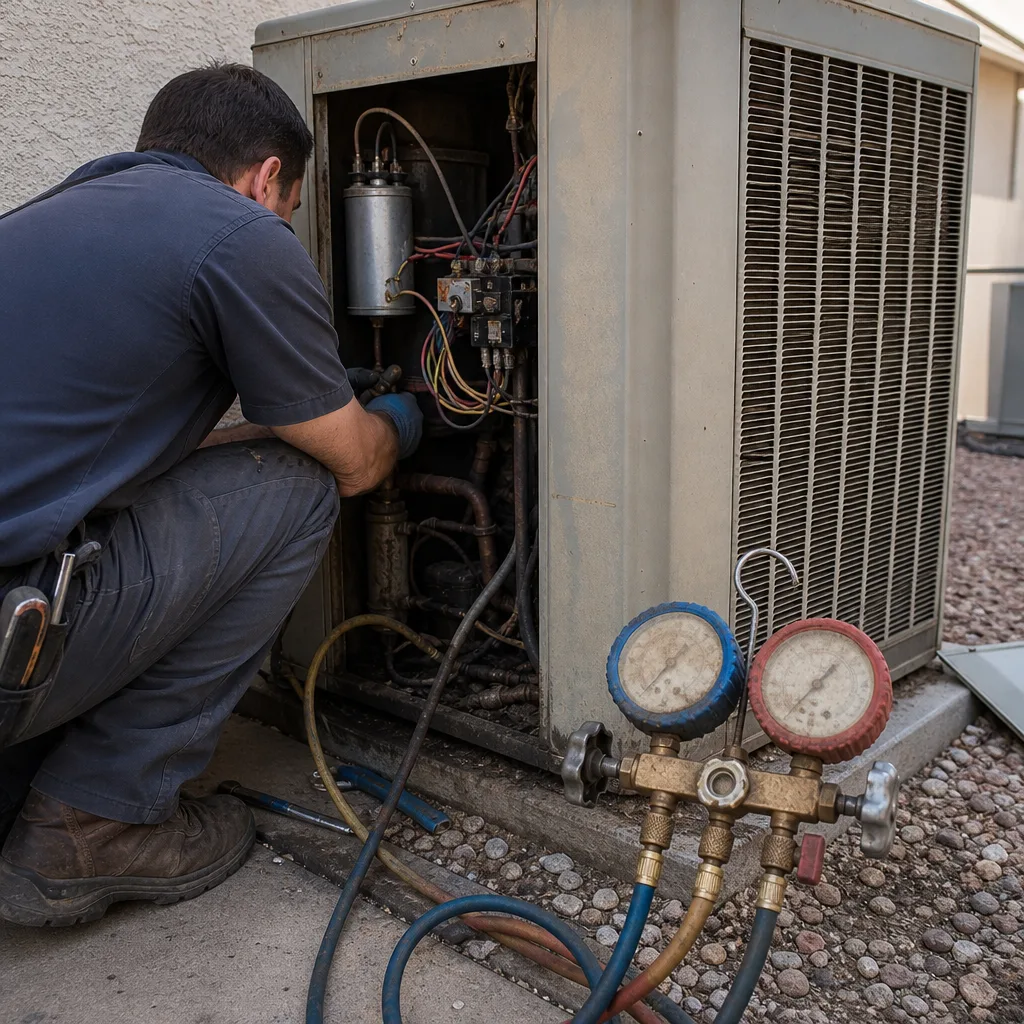 Before
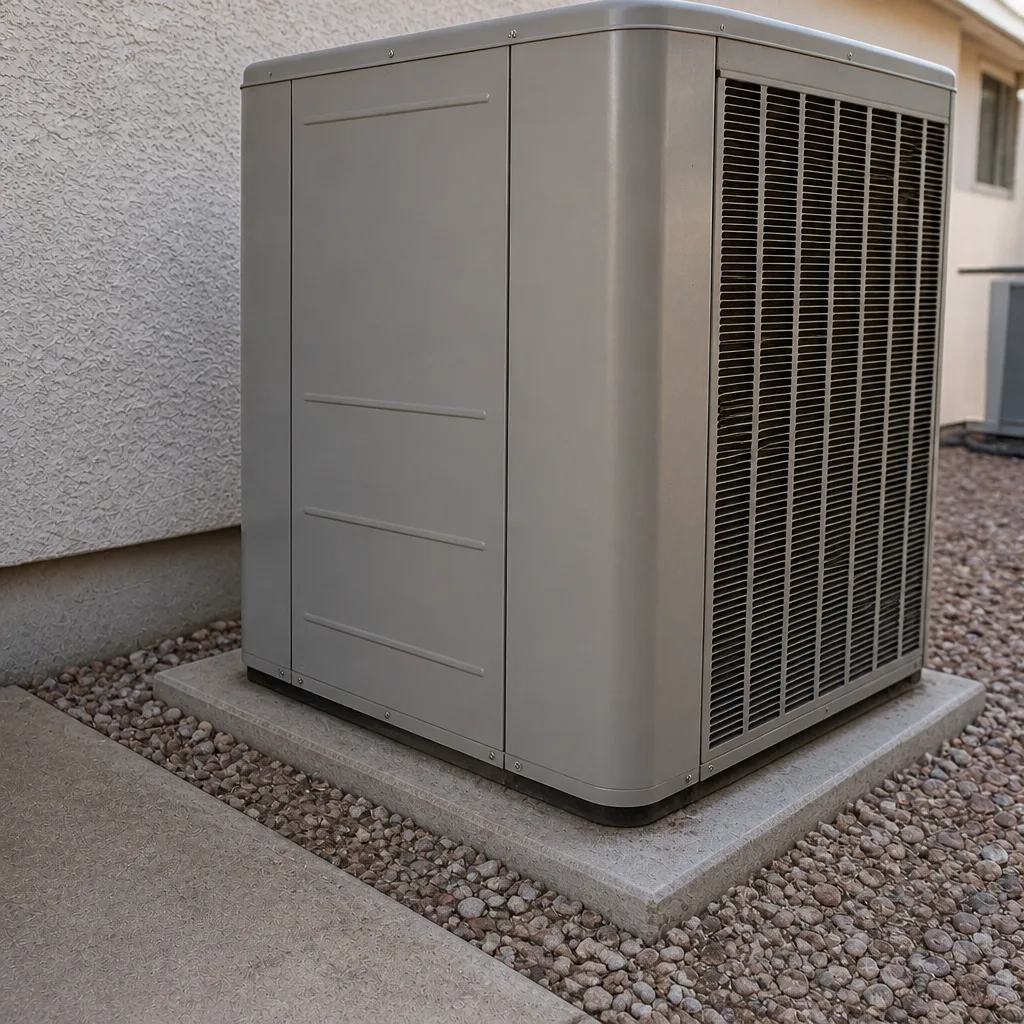 After
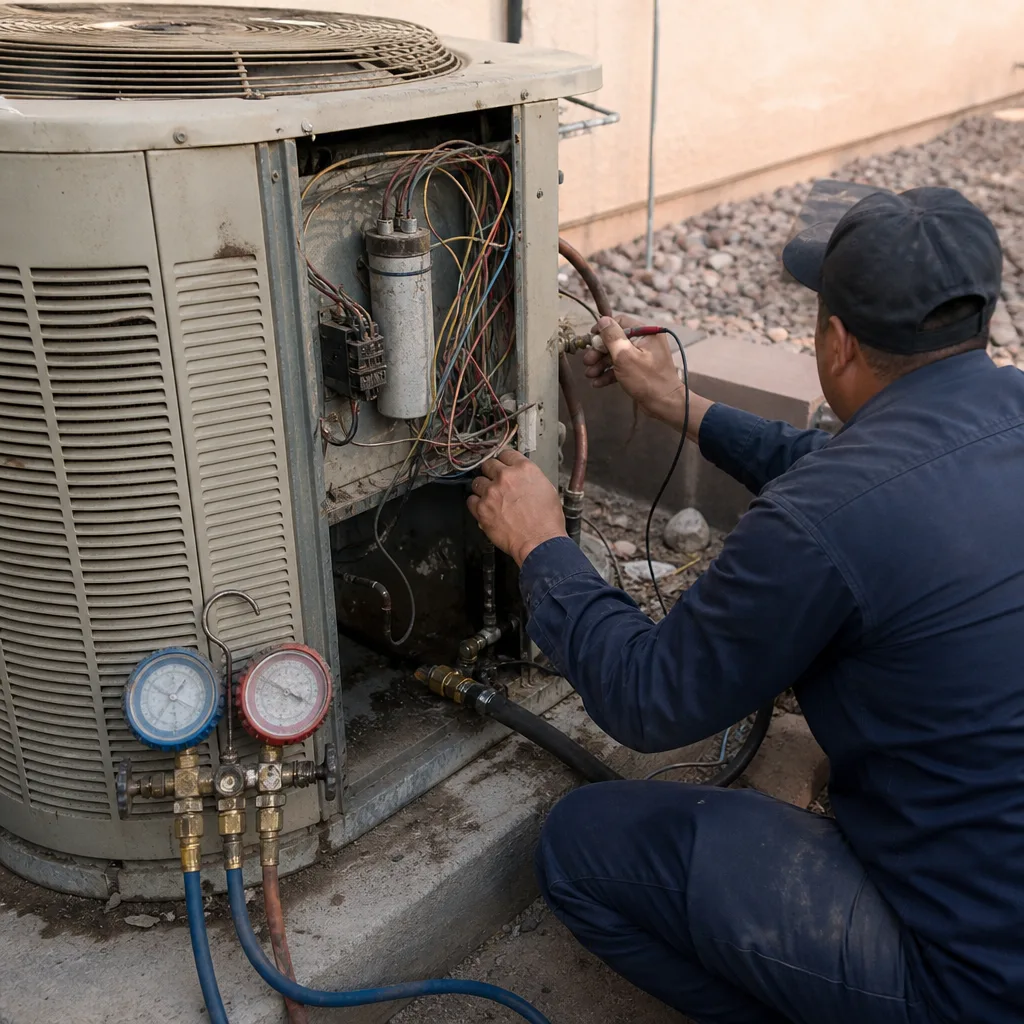 Before
 After
When to Call a Professional
Some of this schedule is homeowner work – filters, condenser debris, thermostat settings, logs. Some of it isn’t. Call a professional if you hear a hard start or repeated clicking from the outdoor unit, if you see ice on the suction line or indoor coil, if the compressor is short cycling, if the system is blowing warm air during cooling, or if a breaker trips repeatedly. High-voltage components, refrigerant handling, and any work inside the cabinet are not homeowner tasks – a capacitor holds a charge capable of serious injury even after the breaker is off, and refrigerant lines under pressure are dangerous. Never open the electrical panel or attempt to recharge a system yourself.
Fireside Heating & Air Co. Boulder City offers free estimates in Boulder City – call (844) 312-0133. We answer live, any hour, and our technicians are trained on York, Daikin, Bryant, and American Standard systems, among others.
Frequently Asked Questions
Four times a year, not twice. The extra touchpoints are March, June, September, and a documentation pass in November or December. The reason is run hours: Boulder City systems run 2,000+ hours annually, and the twice-a-year cadence designed for milder climates leaves gaps that fill with dust, worn capacitors, and dirty coils. Call (844) 312-0133 to schedule a maintenance visit – estimates are free.
Get the March pre-season inspection done, and don’t skip the capacitor test. The majority of July emergency calls we take involve components that were marginal in March and could have been replaced for a small cost at the time. A capacitor tested under realistic load in spring tells you what the system will do under peak demand in July. Scheduling is easier in March, too – call (844) 312-0133.
Only if your home runs an unusual load. The commercial practices worth borrowing – log-keeping, scheduled component testing, filter tracking, annual charge verification – are the ones in this guide. The full quarterly contract that property managers use is built for uptime on critical systems, and the cost rarely makes sense for a single-family home in Boulder City. Ask us what fits your system – (844) 312-0133, free estimates.
Usually yes, provided you log it and use the correct filter. Warranty terms vary, but most ask for documented maintenance and evidence that specified parts were serviced by a qualified technician. Change the filter yourself if you want; log the date and model; have a professional handle everything inside the cabinet. Our Fireside Heating & Air Co. Boulder City home page covers the standing $89 Seasonal Tune-Up, which handles the parts that should be professional. Call (844) 312-0133 to book it.
Because the failure was already seeded, and peak heat is what exposes it. A capacitor losing capacitance over a winter reads fine at 85°F and drops out at 130°F inside the cabinet. A condenser coil half-clogged with cottonwood and dust works at 100°F and can’t hold head pressure at 118°F. The system didn’t suddenly fail; it finally hit the load it couldn’t handle. The March inspection catches this specific pattern – call (844) 312-0133 for a free estimate on any recommended work.
Every service report, every filter change with date and model, the model and serial numbers of each major component, any technician recommendations you deferred and when, and the warranty paperwork for the current system. That file does two things: it supports a warranty claim later, and it gives any technician a head start on the visit. Our AC Repair & Installation and Heat Pump & Mini Split guides lay out the parts most worth tracking. Call (844) 312-0133 with questions about yours.
The Bottom Line
Emergency HVAC calls in Boulder City are largely predictable, and predictable means preventable. The gap is almost always the same: a system running 2,000+ hours a year on a maintenance cadence built for half that. Move to four touchpoints a year, keep March as the anchor, log everything, and treat the compressor as the reason for every other task on the calendar. Most of the rest is filtering, cleaning, and testing – cheap in spring, expensive in July. That’s the whole schedule, and it’s the same one we use on every system we service.
If you’d like the schedule handled by a live person on the other end of the phone – any hour, any day – call Fireside Heating & Air Co. at (844) 312-0133 for a free estimate. The price quoted is the price paid, and every job is backed by the 90-Day Done Right Promise in writing. If it’s not done right, we make it right.
Written by the team at Fireside Heating & Air Co. Boulder City.