
Last updated November 18, 2026
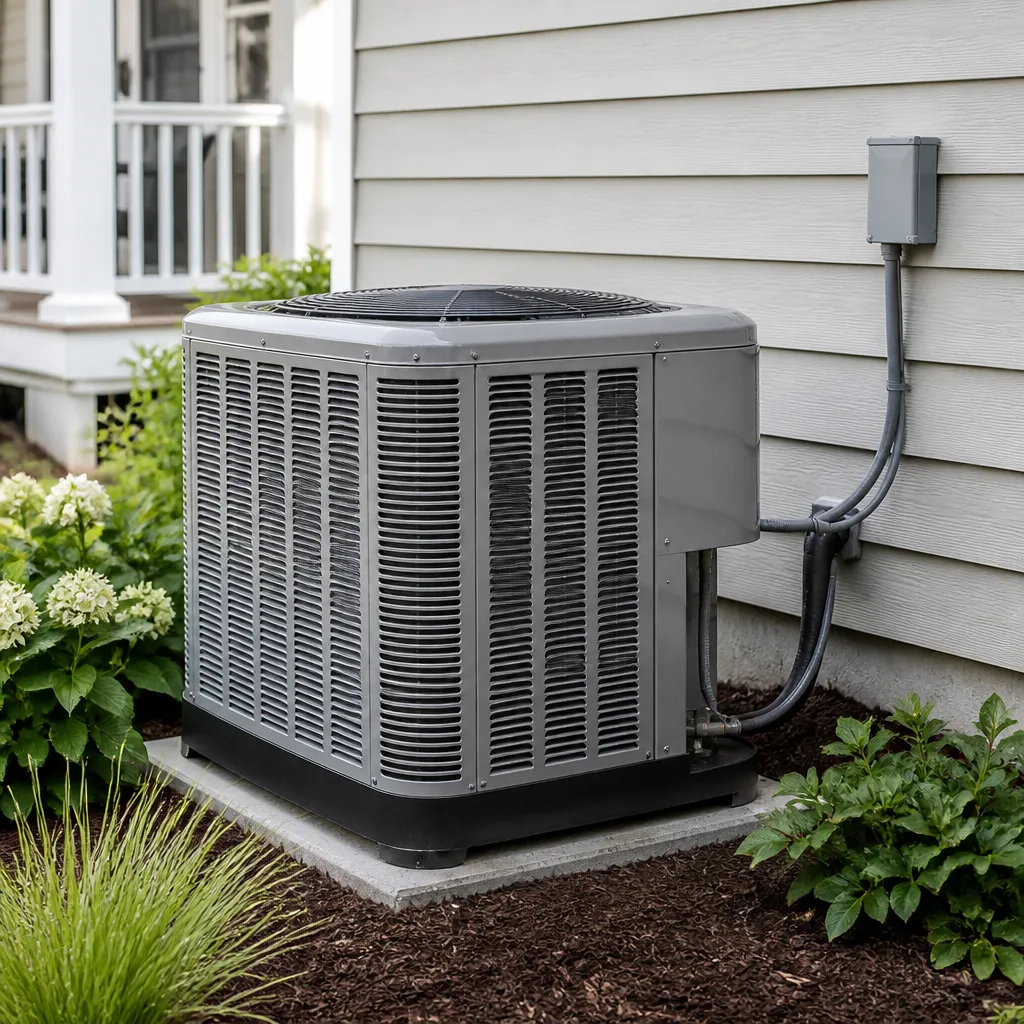 AC repair
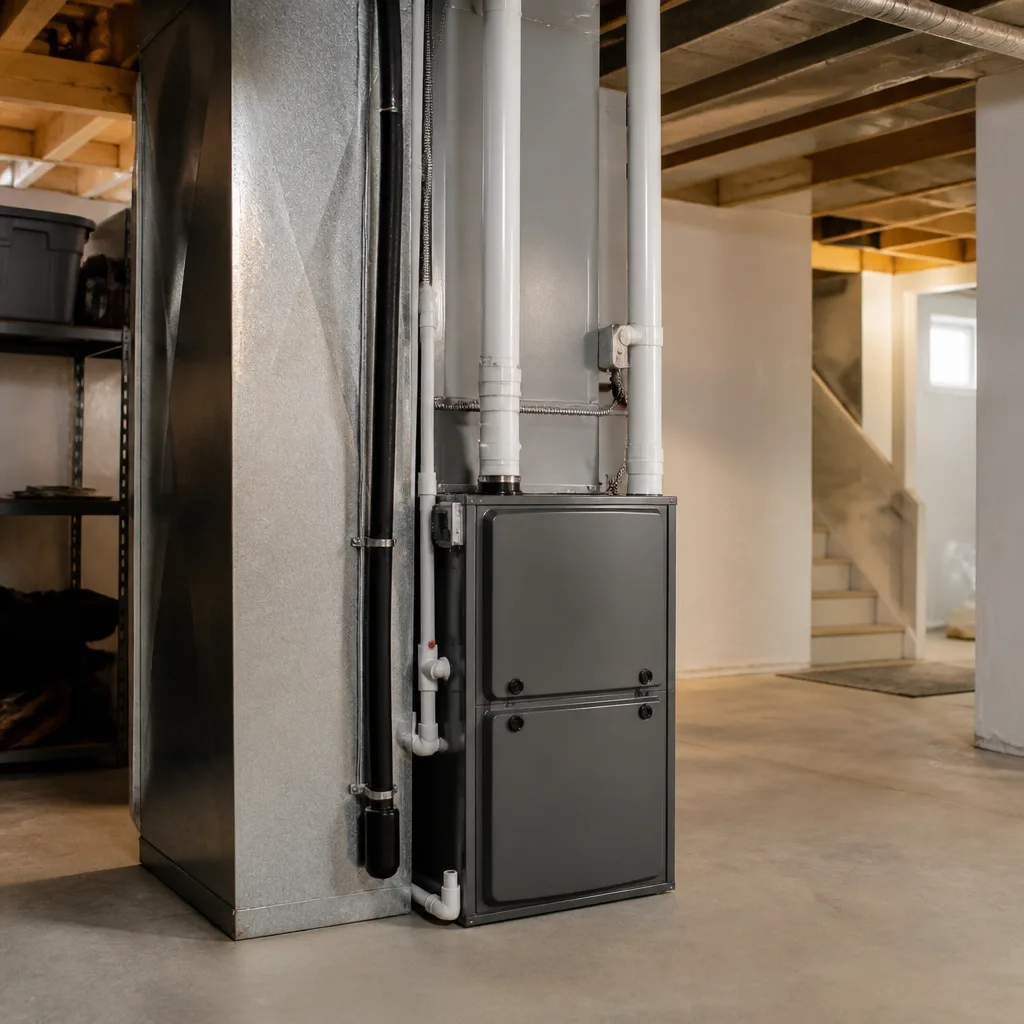 Furnace & heating
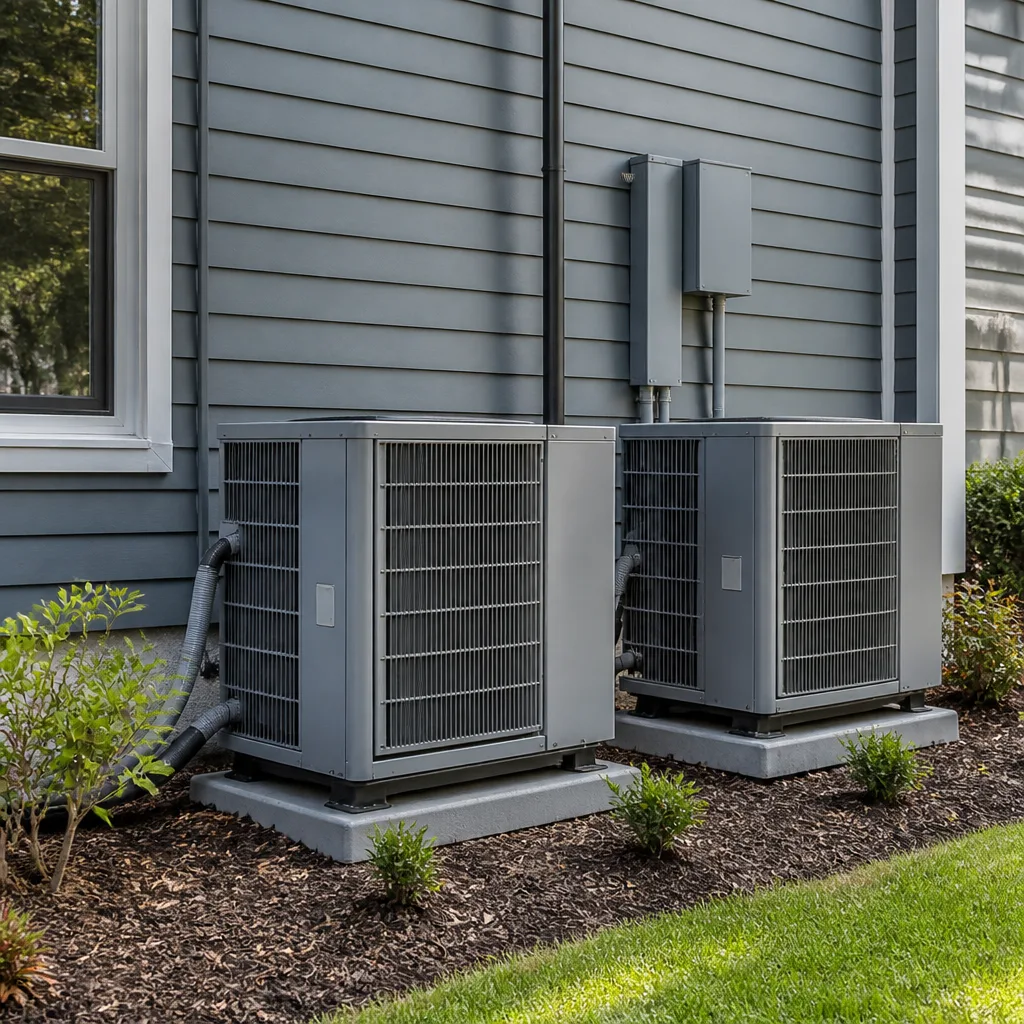 Heat pumps
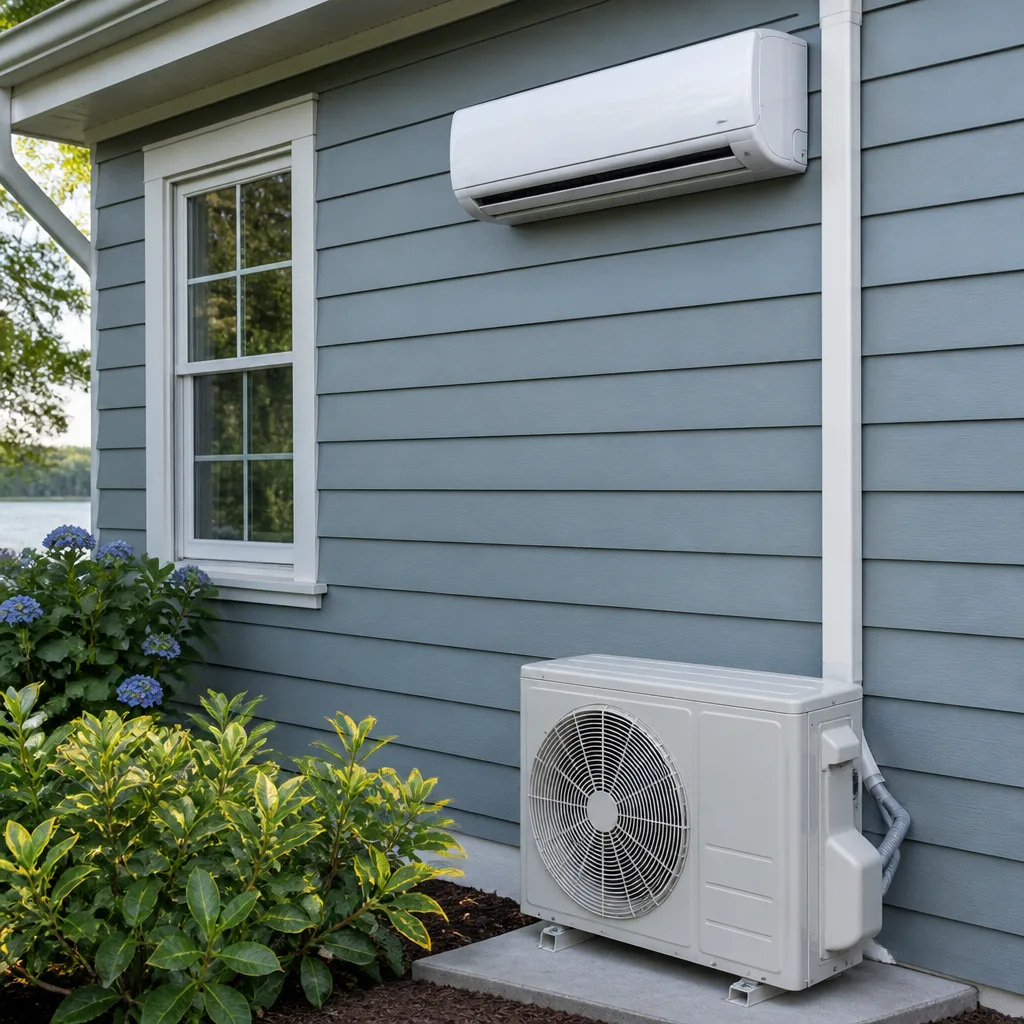 Ductless mini splits
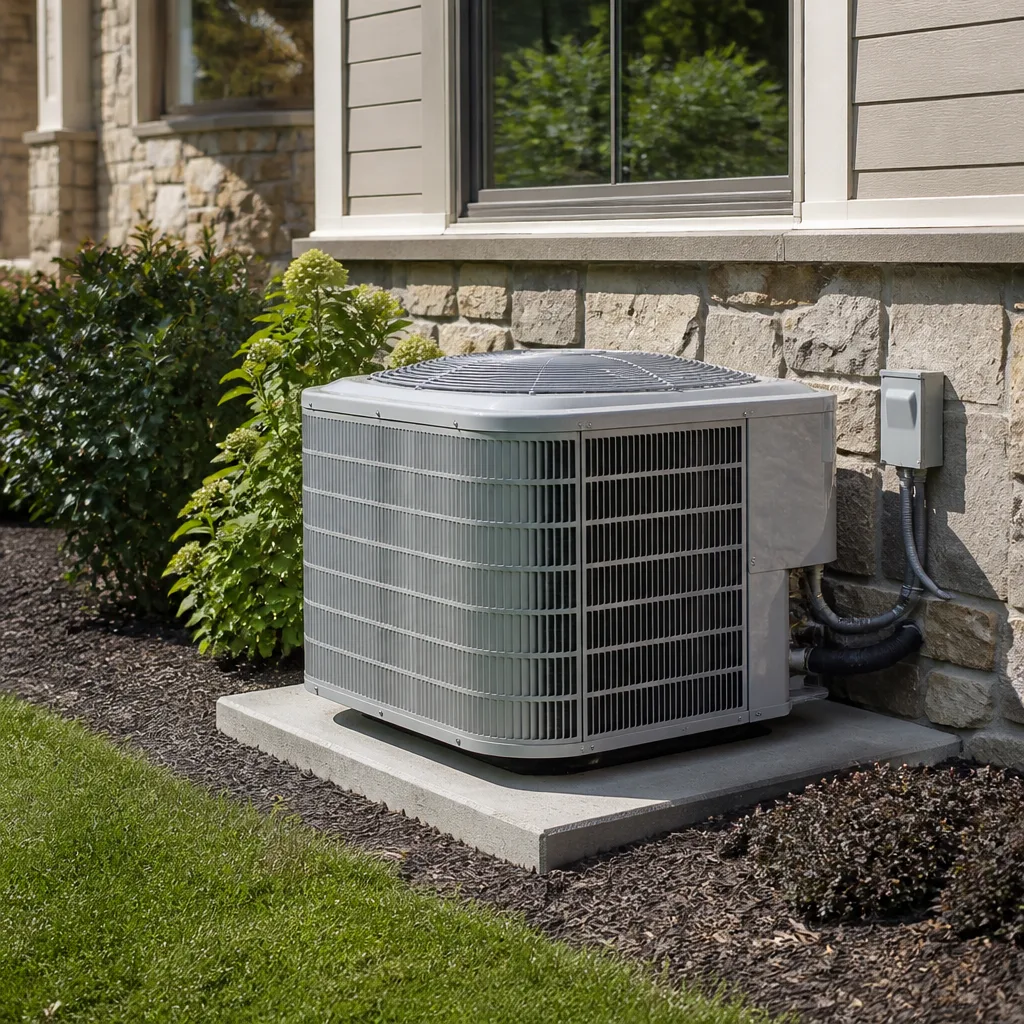 Carrier
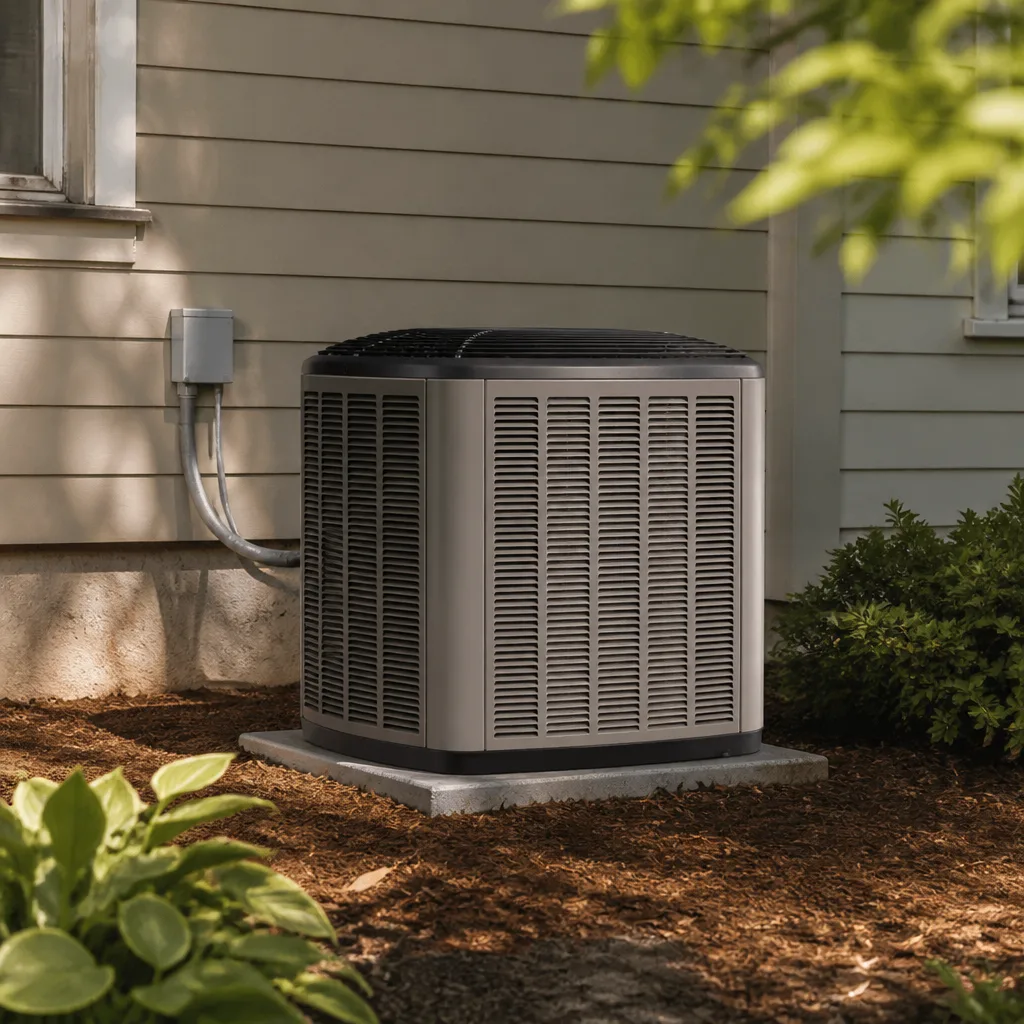 Trane
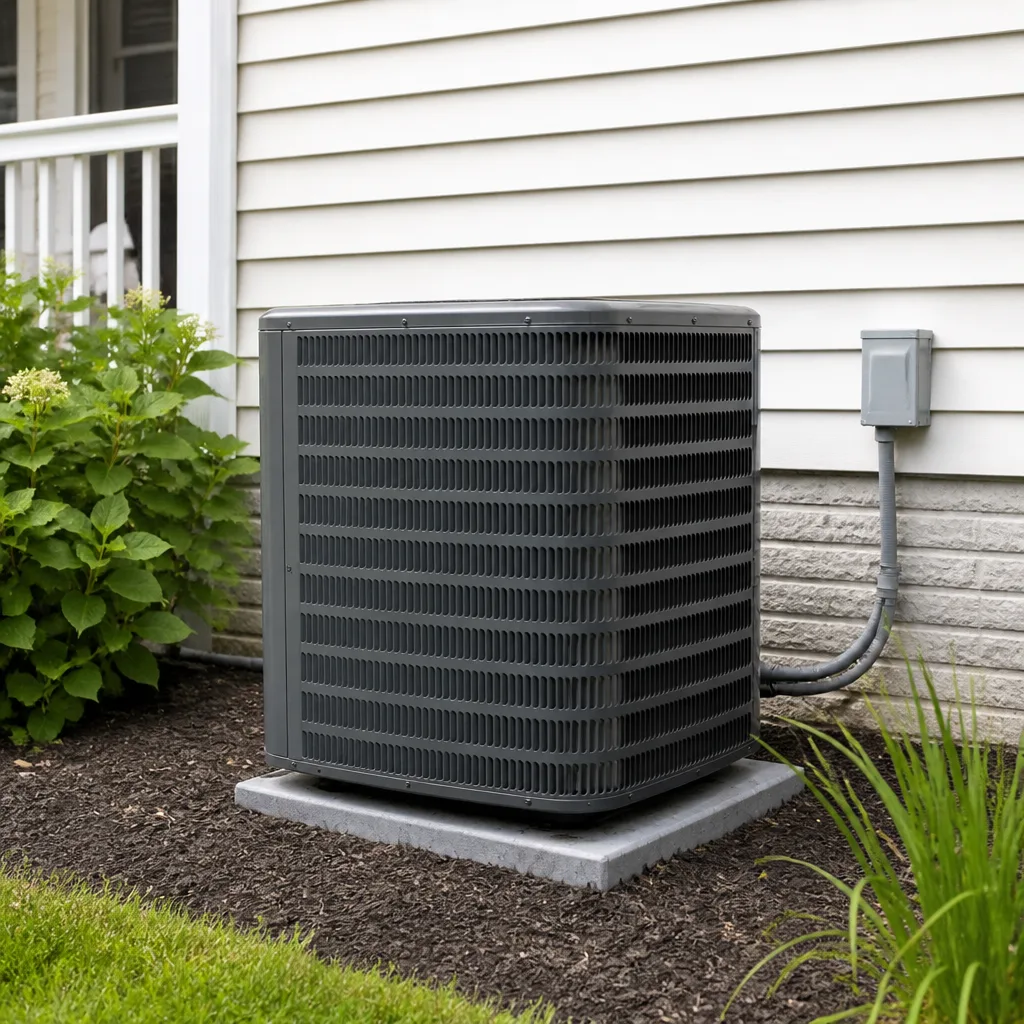 Goodman
Seasonal tune-up and full diagnostic on your Carrier, Trane, or Goodman system - readings shown to you before any repair is proposed
Diagnosis first, numbers second - you approve the repair price before a single part goes in.
Get your free estimateEmergency & Commercial HVAC Warning Signs Every Homeowner Should Know
A compressor that’s about to fail often still runs. It just runs longer than it used to. If your system is reaching temperature but taking 20 percent longer than it did last summer, you have about one season to act before you have an emergency on a 115°F Boulder City afternoon. Most homeowners are trained to notice comfort problems, not system problems. They feel warm air and call. But the machine told them months earlier through runtime, sound, and the power bill. This guide teaches you to read the machine, not just the thermostat.
Quick Answer
The earliest HVAC emergency warning signs are longer runtimes, short cycling, new noises (rattle, screech, hum), rising energy bills without a rate change, and refrigerant symptoms like oily residue or indoor condensation. In Boulder City’s desert climate, a system that’s trending wrong is usually one cooling season from a full failure. Catching the signs early turns a $200 repair into a routine service call instead of a $2,000 emergency replacement.
Styles & brands we work with
- AC repair
- Furnace & heating
- Heat pumps
- Ductless mini splits
- Carrier
- Trane
- Goodman
Table of Contents
- Runtime and cycling patterns that signal mechanical stress
- What a rattle, a screech, and a hum actually mean
- Your energy bill is a leading indicator
- Indoor refrigerant leak signs most homeowners miss
- Short cycling: from service call to emergency call
- Commercial system warning signs
- Boulder City climate and code context
- Common mistakes to avoid
Runtime and cycling patterns that signal mechanical stress
You don’t need special equipment to track runtime. You need a notebook, a clock, and three days of attention.
Pick three hot days in a row, ideally in the same week. Every time the system kicks on, note the time. Every time it shuts off, note the time. At the end of three days, you’ll have a rough picture of how long your system runs per cycle and how often it cycles per hour. That picture is your baseline.
What healthy looks like: a system that runs in long, steady stretches during the hottest part of the day. A system that reaches setpoint in roughly the same time it did last season. And a system that sits quietly overnight when the outdoor temperature drops into the eighties.
What stress looks like:
- 20 percent longer runtimes than last summer. That’s the hook. If it took 15 minutes to recover two degrees last July and it now takes 18, the system is losing capacity. Common causes: low refrigerant, a failing capacitor, a dirty condenser coil, or a compressor on its way out. Some of those are $150 repairs. One of them is a $1,800 replacement.
- Cycling on and off every five to seven minutes during mild weather. That’s a sign the system is oversized, overcharged, or struggling to shed heat.
- Never reaching setpoint at all. If the thermostat sits at 78°F with the system running full-tilt at 4 p.m. on a 112°F day, that’s not efficiency, that’s failure in progress.
- Running clean through the night when it used to shut off. The house isn’t holding cooling, which points to a heat load problem (ducts, insulation, envelope) or a system that’s lost capacity.
In our experience across Boulder City neighborhoods like the Historic District and the homes off Nevada Way, this pattern shows up first in late June and early July, once the system starts working for real. Owners who track it catch it early. Owners who don’t meet us at 2 a.m. in August.
What a rattle, a screech, and a hum actually mean
HVAC sounds aren’t interchangeable. Each one maps to a specific component and a specific level of urgency. If you learn the categories, you can tell the difference between “schedule it this week” and “shut it off and call now.”
The rattle
A rattle is usually mechanical looseness. Loose panels, a fan blade with debris caught in it, or a blower wheel that’s out of balance. It’s low urgency on the first day, medium by the end of the week. A loose panel vibrates the blower housing and eventually cracks a weld. A debris-clogged outdoor fan blade can warp over a season. Rattle is the kind of problem that costs $120 if you call now and $600 if you wait until January. Shut the system off before you go poking around the outdoor unit – the fan is sharp and spins faster than it looks.
The screech
Screech is metal-on-metal. It almost always means a bearing that’s drying out, usually on the outdoor fan motor or the indoor blower motor. Screech is a shutdown noise. Turn the system off at the thermostat and call. Running a bearing until it seizes can burn out the motor and, on some setups, drag the compressor winding with it. We’ve seen a $280 fan motor replacement turn into a $1,300 job because the homeowner figured “it’s still cooling, we’ll call Monday.”
The hum
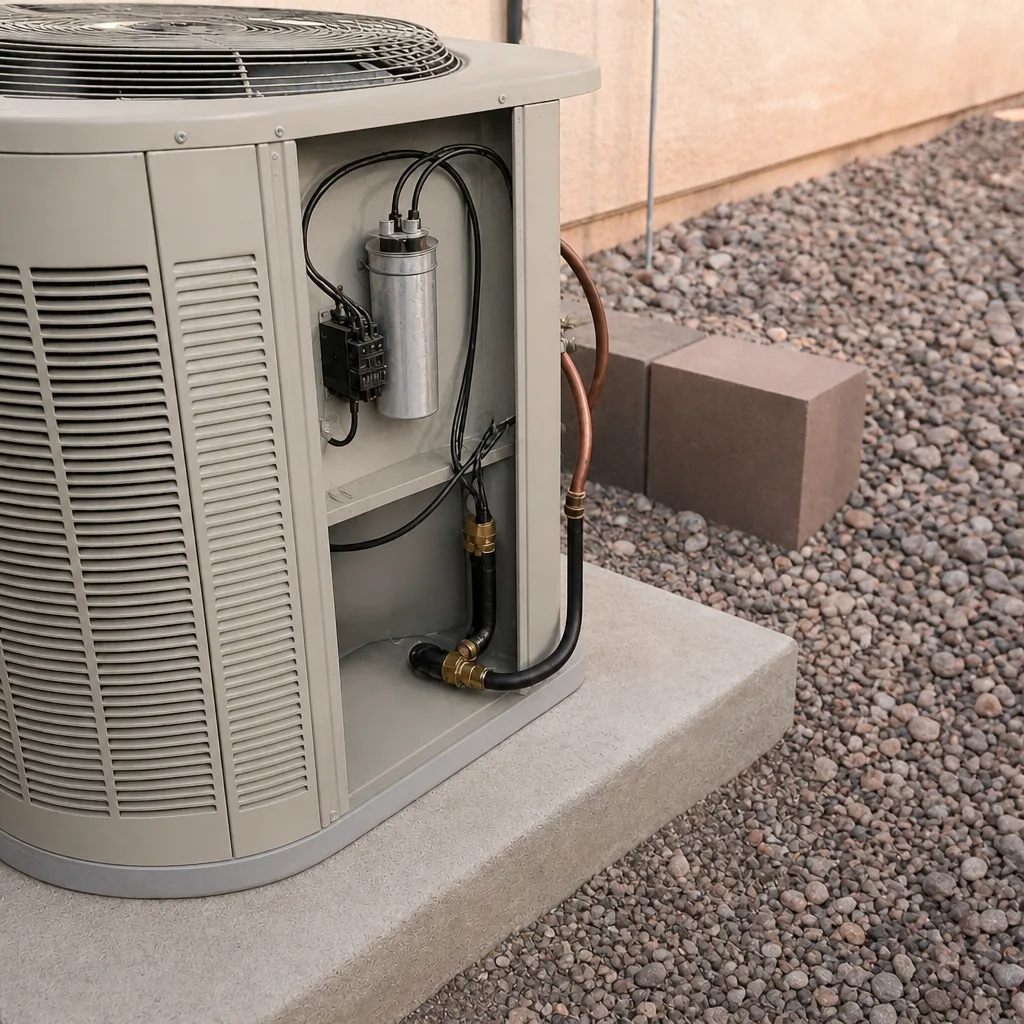
Hum is the trickiest one because a low, steady hum is normal. What isn’t normal: a loud, low hum from the outdoor unit that starts when the thermostat calls and then times out. That’s often a capacitor on the way out or a contactor welding shut. Both will pass current when the system shouldn’t be running, which is a fire-category problem and worth a call today. If you also smell hot electrical insulation near the outdoor unit, kill the breaker.
Electrical components in an outdoor condenser carry line voltage and can hold charge after the disconnect is pulled. That’s why we don’t give step-by-step diagnostic instructions for capacitors and contactors. It’s a trained-technician job. AC repair and installation in Boulder City is where our team handles exactly this.
Your energy bill is a leading indicator
Comfort problems show up after mechanical problems. Energy bills show up before comfort problems. That’s the sequence. Read it in that order.
Here’s the method. Pull the same month from last year and the year before. Compare kilowatt-hours, not dollars. Dollars drift with rate changes. Kilowatt-hours are the system’s fingerprint. If you used 1,400 kWh in July last year and you’re at 1,750 kWh this July, that’s a 25 percent jump. Unless you bought a hot tub or a second refrigerator, that jump belongs to your HVAC system.
What that jump usually means, in order of frequency:
- Dirty condenser coil. A coil that’s 20 percent clogged with dust and cottonwood seed forces the compressor to work harder. Boulder City’s spring dust and summer winds make this a Colorado River valley special.
- Refrigerant undercharge. Low charge means the compressor runs longer to move the same amount of heat. The compressor itself eats the extra cost.
- Failing compressor. A compressor that’s losing efficiency draws more amps per unit of cooling delivered. The energy bill is often the first place you see it.
- Duct leakage. The system works fine, but a fifth of the cooling is going into the attic or the crawlspace. Common in older Boulder City homes that have never had duct sealing.
If your electric bill has jumped more than 15 percent year-over-year and your comfort seems fine, call for a service visit before the noise shows up. That’s the cheapest possible window for a repair. A $89 seasonal tune-up catches most of these on the front end, and our team will hand you a written report of what we actually found – not a sales pitch.
Indoor refrigerant leak signs most homeowners miss
Ice on the line set gets all the attention. It’s the sign every “warning signs of HVAC failure” article leads with, and it usually shows up after the system has already been struggling for weeks. It’s not the earliest sign. It’s the loudest one.
The earlier signs are indoors, and they don’t look like HVAC problems. Watch for:
- Oily residue on the indoor coil access panel. Refrigerant oil migrates with a leak. If you see a dark, wet-looking patch on or around the indoor air handler cabinet, that’s often the leak announcing itself before the system loses enough charge to complain.
- Condensation on the indoor cabinet or on the ductwork near the air handler. A properly functioning system keeps everything above freezing. Liquid refrigerant that’s flashing early will frost the cabinet itself.
- A persistent musty or chemical smell from supply registers. A slow refrigerant leak plus a wet coil produces an odor that most homeowners write off as “old house smell” or “dust.” It’s neither.
- Headaches and sore throats in one room and not others. Refrigerant displaces oxygen. A very slow leak in a closed bedroom can produce mild symptoms that get blamed on allergies. If it correlates with the HVAC running, take it seriously.
- Fading or peeling paint on the wall behind the indoor air handler. Condensation that never quite dries stains drywall first.
Refrigerant work is regulated. Handling refrigerants requires EPA certification, and the equipment to find a leak in a Boulder City attic in July is not something to DIY. If you see any of the above, get the system looked at before the compressor pays for it. Heat pumps are especially sensitive to low charge, and the heat pump and mini split team in Boulder City sees this pattern most in systems that cross between heating and cooling seasons without a proper charge check.
Short cycling: from service call to emergency call
Short cycling has a clear threshold. Below it, it’s a service call. Above it, it’s an emergency.
Short cycling means the system turns on, runs briefly, and turns off before it’s done its job. If a system is cycling on and off more than three times per hour during mild weather, or more than five times per hour during peak heat, that’s short cycling. Between two and three per hour with long runtimes, it’s likely a control setting or a thermostat issue. Below that, it’s normal.
The reason short cycling matters is cumulative damage. Every compressor start draws six to eight times running amps. Every start wears the contacts in the contactor, stresses the windings, and pushes a slug of cold refrigerant into a hot compressor. A system that short cycles 30 times a day is going through more mechanical stress in a week than a healthy system sees in a month.
The threshold that turns the service call into an emergency:
- Cycling more than five times per hour AND rising indoor temperature.
- Cycling with a burning smell, a hot electrical smell, or a breaker that trips repeatedly.
- Cycling that starts immediately after a power blip, a lightning storm, or a brownout. That pattern often signals a failed capacitor, and pushing the system through it will burn the compressor.
- Cycling that stops on its own, with the indoor unit running but the outdoor unit silent. That’s the compressor’s internal overload – the compressor is thermally tripping, which means it’s already hot.
The most common cause of short cycling we see in Boulder City is a refrigerant charge issue paired with a capacitor that’s drifted out of spec. It’s a $150-$400 fix as a service call. It’s a $1,500-$2,200 fix as a compressor replacement. That’s the whole difference.
Commercial system warning signs
Commercial HVAC runs on a different clock than residential. The system runs 12 to 16 hours a day, often five or six days a week. Failures happen faster, and downtime has a real cost.
The signs a commercial system is about to fail under load:
- Staggered start problems. Rooftop units that stage on in sequence and one stage that lags behind by more than 30 seconds. That lag is usually a failing contactor or a compressor that’s not pulling its load.
- Return air temperature creeping up. If the leaving air temperature from a rooftop unit is rising over a season, the coil or charge is degrading. Track it monthly with a simple thermometer at the supply diffusers. It’s the single cheapest commercial diagnostic in the toolbox.
- Fixture-specific comfort complaints. One office cold, another hot, in a building that used to be balanced. That’s usually a damper, VAV box, or economizer problem, and it’s the kind of thing that never fixes itself.
- Condensate stains on ceiling tiles. By the time you’re seeing them, the drain pan has been overflowing for a month. A wet ceiling cavity in Boulder City’s heat grows mold fast.
- Compressor short cycling during the hottest two hours of the day and running fine otherwise. That’s a system that’s lost capacity at peak load. It also means the next 110°F afternoon is the one that takes it down for good.
Commercial systems carry higher voltage, larger refrigerant charges, and more code-driven safety controls than residential equipment. That’s not a do-it-yourself zone. If you own or manage a commercial building in Boulder City, put the system on a seasonal check schedule and keep the reports. Routine visits beat emergency visits every time.
Boulder City climate and code context
HVAC systems in Boulder City work against conditions most of the country doesn’t see. Summer highs regularly hit 110°F to 115°F. Winter overnight lows dip into the thirties and occasionally into the twenties. And whatever the season, the desert air carries dust, and the spring brings cottonwood seed that finds every condenser coil in town.
That combination changes what warning signs matter most. In a coastal climate, refrigerant leaks and short cycling are the big categories. In Boulder City, dust loading is a closer third. A condenser coil that would stay reasonably clean for a season in a humid climate starts losing efficiency within 60 to 90 days here. If you’re tracking energy bills and you see a bump in late May, that’s often the first sign the coil needs cleaning before the real summer load hits.
The other Boulder City-specific factor: homes built in the 1960s through the 1990s across the neighborhoods north of Buchanan Boulevard and near Hemenway Park often have original ducting that’s never been pressure-tested. Attic temperatures in July reach 150°F or higher. A duct with a 15 percent leak in that environment dumps more cooling than it delivers. If your system is running longer and your energy bill is climbing but the mechanical sounds are normal, ask for a duct inspection. It’s often the least-considered fix and the highest-payoff one.
Permit questions come up too. Any equipment swap in Boulder City runs through the county building department, and the paperwork matters when you sell. If a contractor quotes you a replacement and skips the permit, that’s not a deal, that’s a problem. Our Fireside Heating & Air Co. Boulder City home page spells out how we handle it: permits pulled, inspections scheduled, 90-Day Done Right Promise in writing. If it’s not done right, we make it right.
Common Mistakes to Avoid
- Waiting for a comfort failure before calling. By the time the house stops cooling, the system has usually been signaling for weeks. The energy bill and the runtime drift were the earlier signs. Call when the trend shifts, not when the room is hot.
- Ignoring the first screech as “just a noise.” A bearing that screeches in April will seize by July in Boulder City’s heat. The first screech is the whole warning. Shut it off and call.
- Cleaning the outdoor coil with a pressure washer. A pressure washer bends the fins flat and turns a cleanable coil into a replaceable one. Low-pressure garden hose, from the inside out, or leave it to the technician. This is one of the most common mistakes we see on Boulder City homes that have had a recent DIY tune-up.
- Resetting the breaker and hoping. A breaker that trips when the HVAC calls is telling you something is wrong with the electrical path. Reset once to confirm, then call. Resetting three times is how you turn a $200 contactor into a $2,000 compressor.
- Trusting a “recharged” system without a leak test. Topping off refrigerant without finding the leak means you’ll be topping it off again in six months. Insist on a leak-down test and a documented charge.
- Skipping the permit on a replacement. Boulder City permits are cheap. What’s expensive is discovering two years down the line that the equipment swap was never inspected and now the buyer’s inspector is asking questions.
- Letting a commercial system run to failure to save a service call. A seasonal commercial check is the cheapest insurance in the building. Emergency commercial work is the most expensive thing in the building.
See the difference
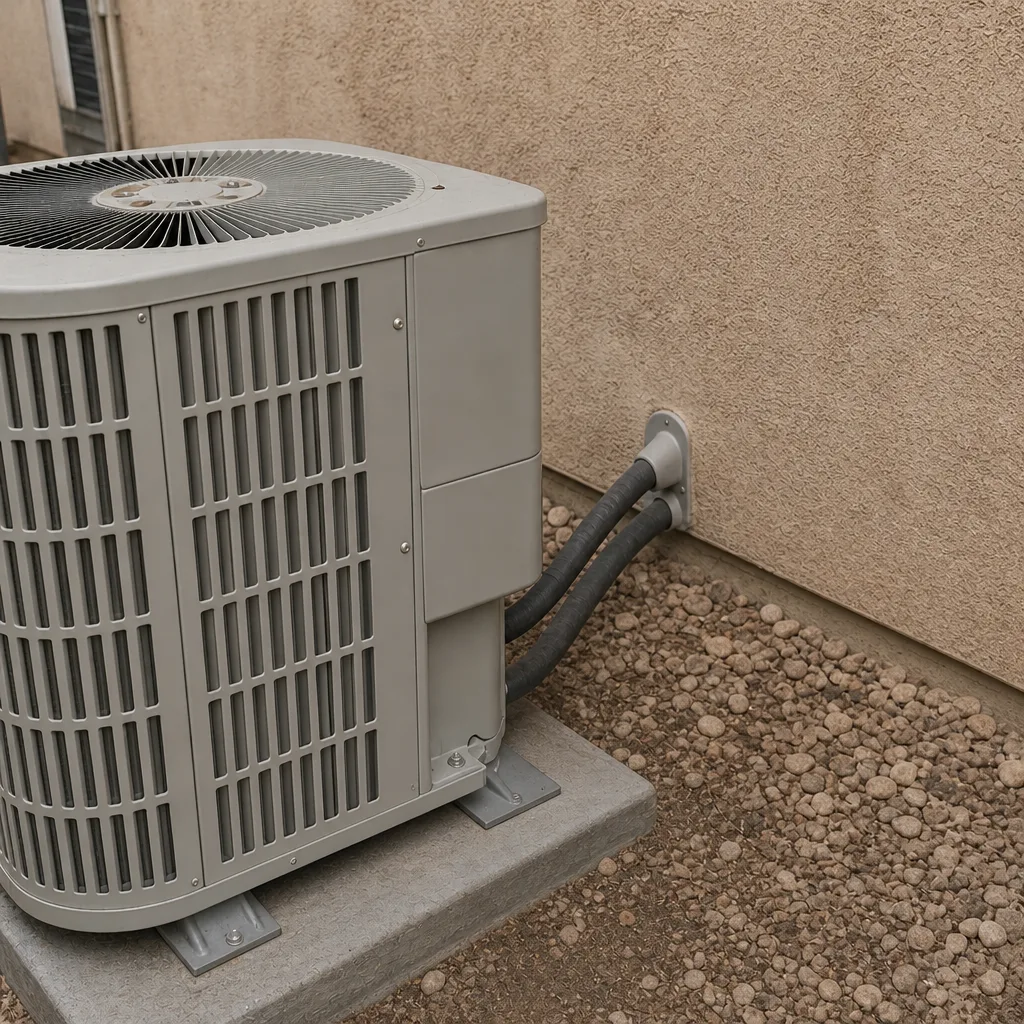
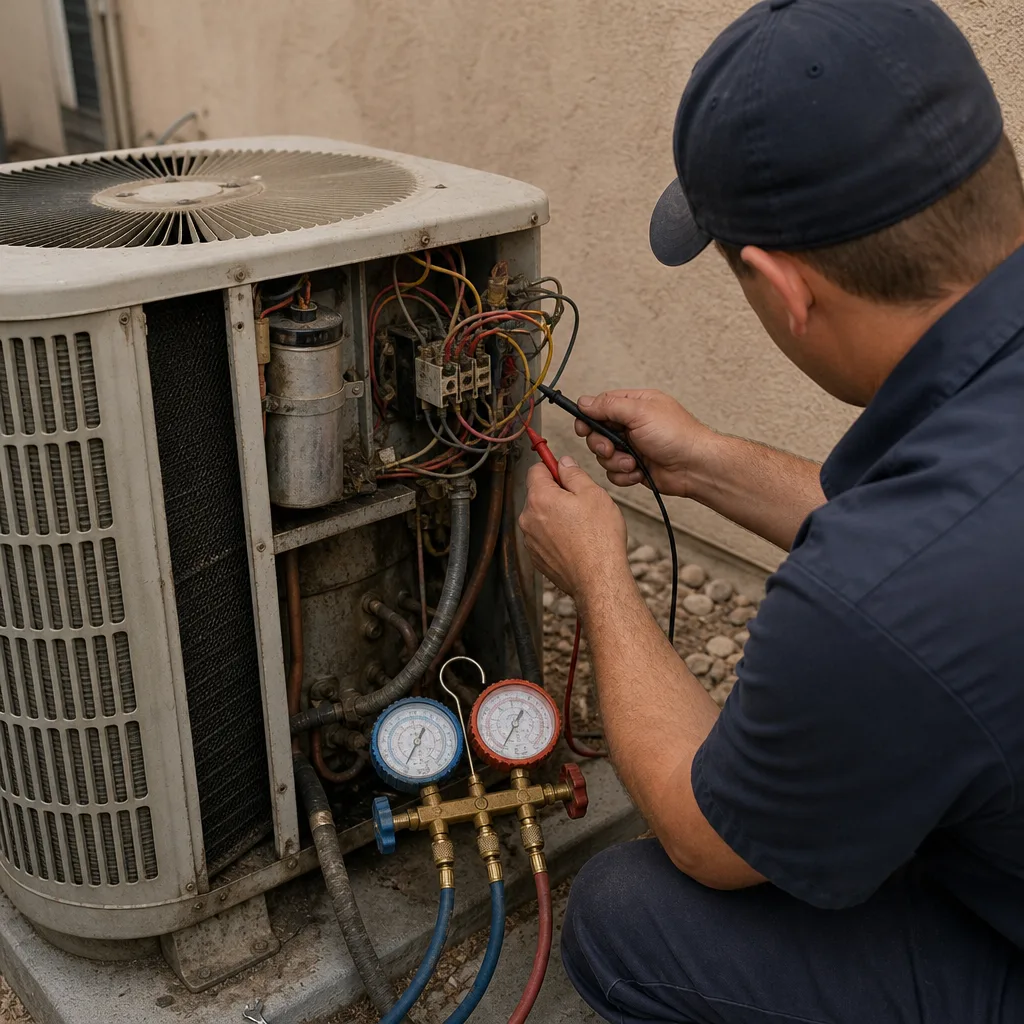 Before
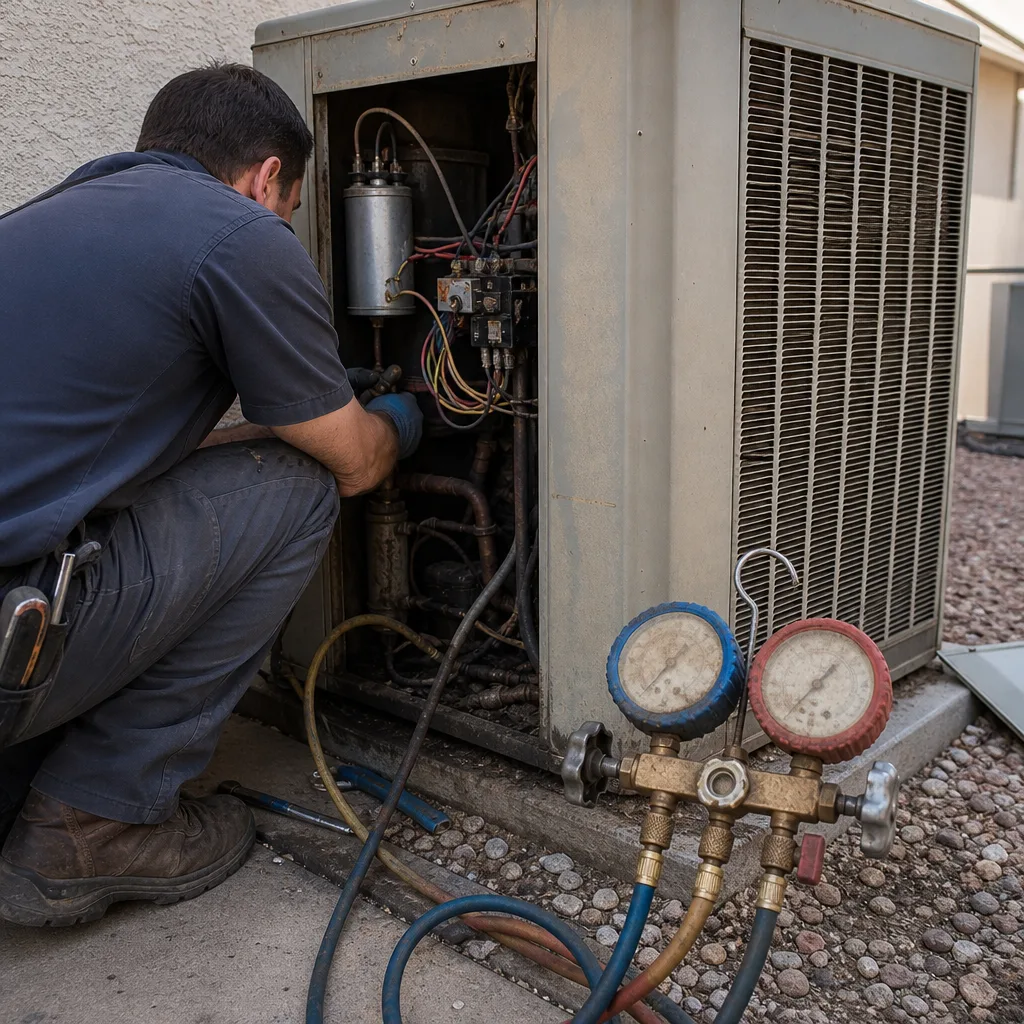
 After
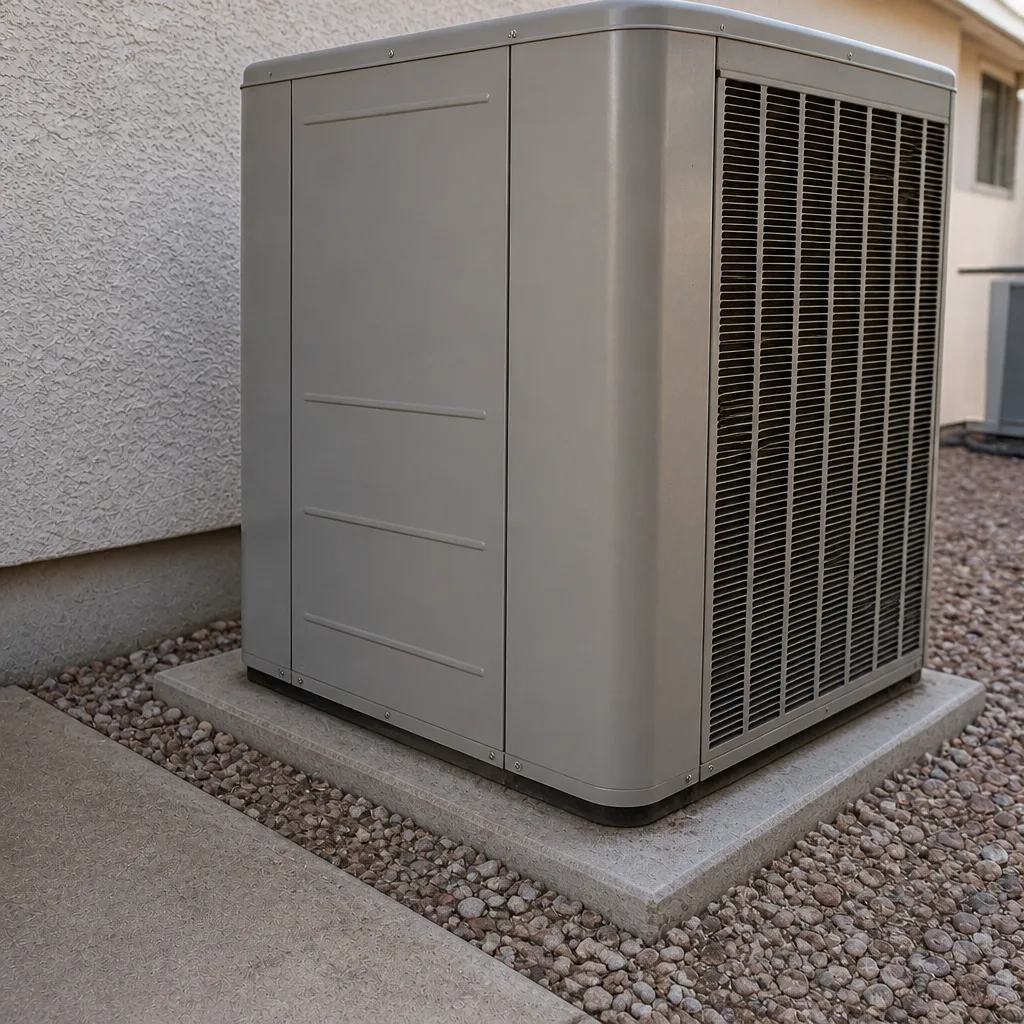
 Before
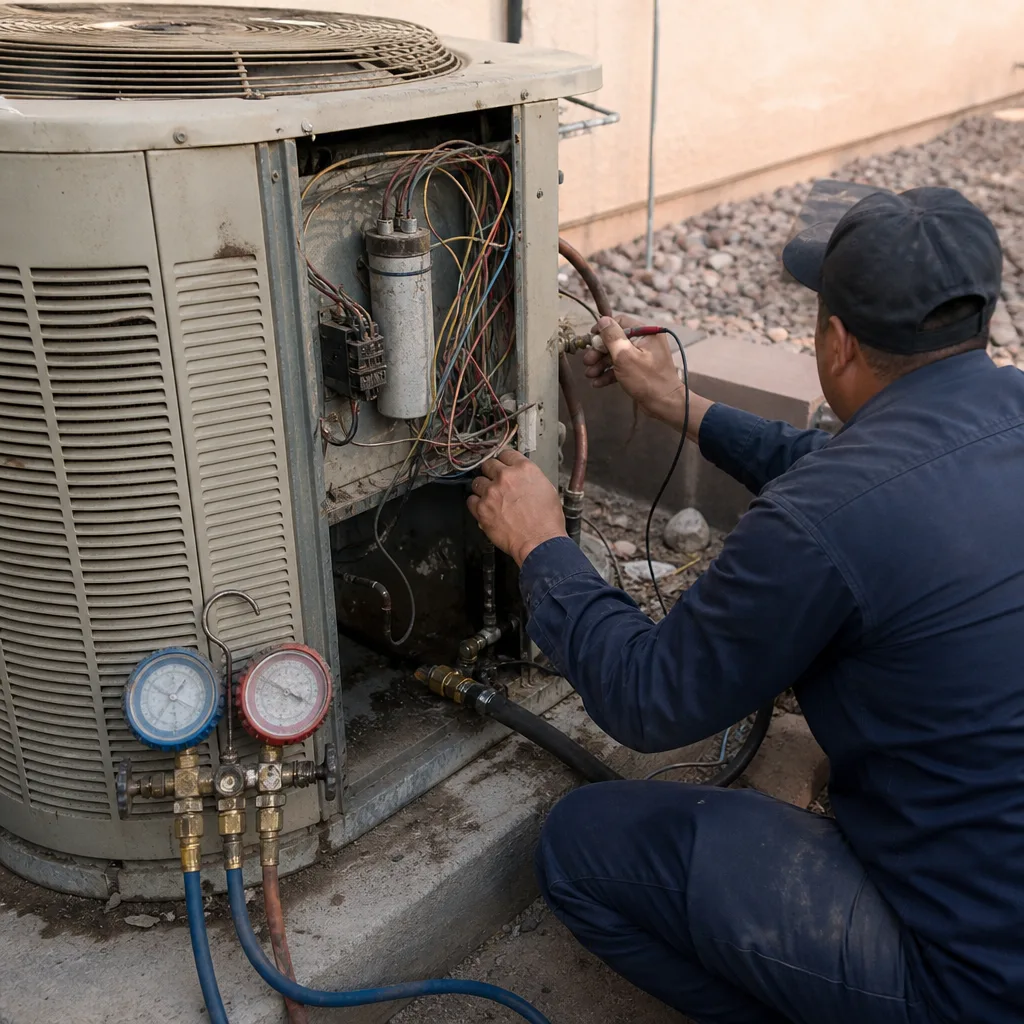
 After
 Before
 After
When to Call a Professional
Call us when the system is trending wrong and you want a straight answer. Specifically: the energy bill has jumped 15 percent or more with no explanation, the system is running 20 percent longer than last summer, you’ve heard screeching or a repeating loud hum, you’ve spotted oil residue or condensation on the indoor air handler, or the system is short cycling more than five times per hour. Any one of those is worth a visit. Any two at once is worth a visit today.
Fireside Heating & Air Co. Boulder City offers free estimates in Boulder City – call (844) 312-0133. We answer with a live person around the clock, and the price we quote is the price you pay. Technicians are trained to service nine major brands, including Carrier, Trane, Lennox, Goodman, Rheem, York, Daikin, Bryant, and American Standard – so whatever’s on your wall, we’ve likely worked on it. Current offers: $50 off any repair over $250, a free second opinion on any written estimate, $89 seasonal tune-ups, and our permanent senior and veteran 5 percent discount. If your system is due for a heating check, see our heating and furnace services in Boulder City for what’s included.
Frequently Asked Questions
The three earliest indicators are a 15 percent or greater year-over-year jump in kilowatt-hours, runtimes about 20 percent longer than the prior season, and any new noise (rattle, screech, or repeated loud hum). Those signs appear weeks to months before comfort problems do. If you see two of the three, call for a service visit before the next heat wave. Call (844) 312-0133 – estimates are free.
Short cycling becomes an emergency the moment the system is cycling more than five times per hour with rising indoor temperature, producing a burning smell, or tripping a breaker. Below that threshold, it’s a service call – but a fast one. Continued short cycling damages the compressor with every start, and the repair gap between a contactor and a compressor is roughly $200 versus $2,000. Call (844) 312-0133 for an exact quote; estimates are free.
Most homeowners are told to look for ice on the line set, but that’s a late sign. The earlier indicators are oily residue on the indoor air handler cabinet, condensation or frost on the cabinet itself, a recurring musty or chemical smell from supply registers, and one room that’s always colder or always hotter than the rest. A proper leak-down test is the only way to confirm – call (844) 312-0133 to schedule one; estimates are free.
Because energy consumption is the first measurable symptom of mechanical decline. A dirty condenser coil, refrigerant undercharge, or a losing compressor all cause the system to run longer to deliver the same cooling – which shows up in kilowatt-hours before it shows up on the thermostat. Pull last year’s bill from the same month and compare. A 15 percent jump with no behavior change is worth a service visit. Call (844) 312-0133 for an exact quote; estimates are free.
Commercial systems fail faster because they run long hours under higher load, so the first warning is often a single stage of a rooftop unit lagging behind on the sequence, or a leaving-air temperature that’s been creeping up over a season. Residential warning signs tend to unfold over months. Commercial warning signs can unfold over a single summer month. Seasonal checks on a documented schedule are the only reliable way to stay ahead. Call (844) 312-0133 for a commercial assessment; estimates are free.
Reset the breaker once to confirm the state, then stop and call. A breaker that trips when the HVAC calls is a signal that something is wrong with the electrical path – a capacitor, a contactor, or a shorted winding. Resetting it repeatedly sends surge current through a compressor that’s already in trouble, and that’s the difference between a $200 contactor and a $2,000 replacement. Call (844) 312-0133 and we’ll be there when we say we will; estimates are free.
The Bottom Line
HVAC systems tell you they’re about to fail long before they do. The signals are runtime, sound, energy consumption, and indoor residue – not comfort. Learn to read those four and you’ll catch the emergency while it’s still a repair. Watch your kilowatt-hours against the same month last year. Notice when a rattle turns into a screech. Don’t wave off an oil stain on the air handler as old-house character. And in Boulder City, remember that dust and heat make every warning sign arrive faster than it would in a milder climate. Done right, or we make it right – that’s the standard we hold to, and the reason we back every job in writing with our 90-Day Done Right Promise. That’s not marketing. That’s a square deal.
Call Fireside Heating & Air Co. Boulder City at (844) 312-0133 for a free estimate today. A live person answers every call, 24 hours a day.
Written by the team at Fireside Heating & Air Co. Boulder City.