
Last updated November 18, 2026
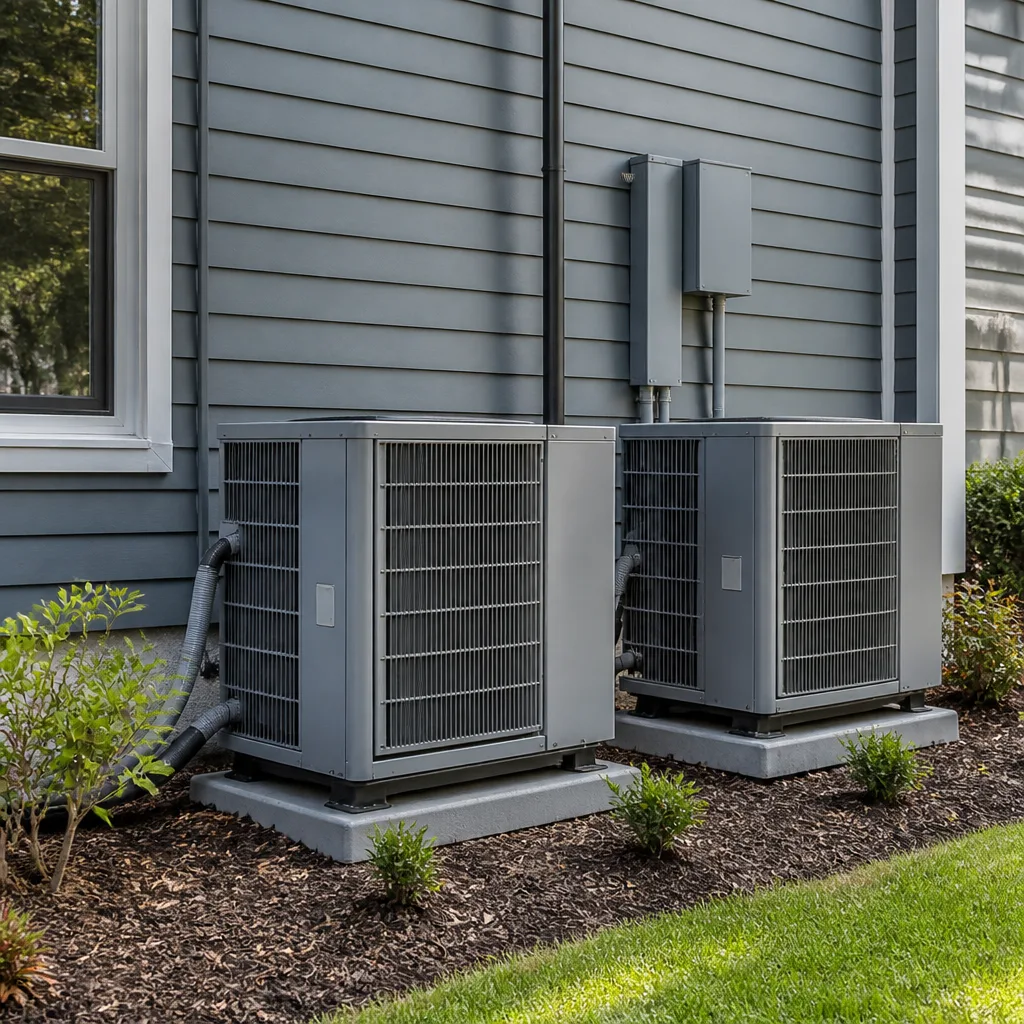 Heat pumps
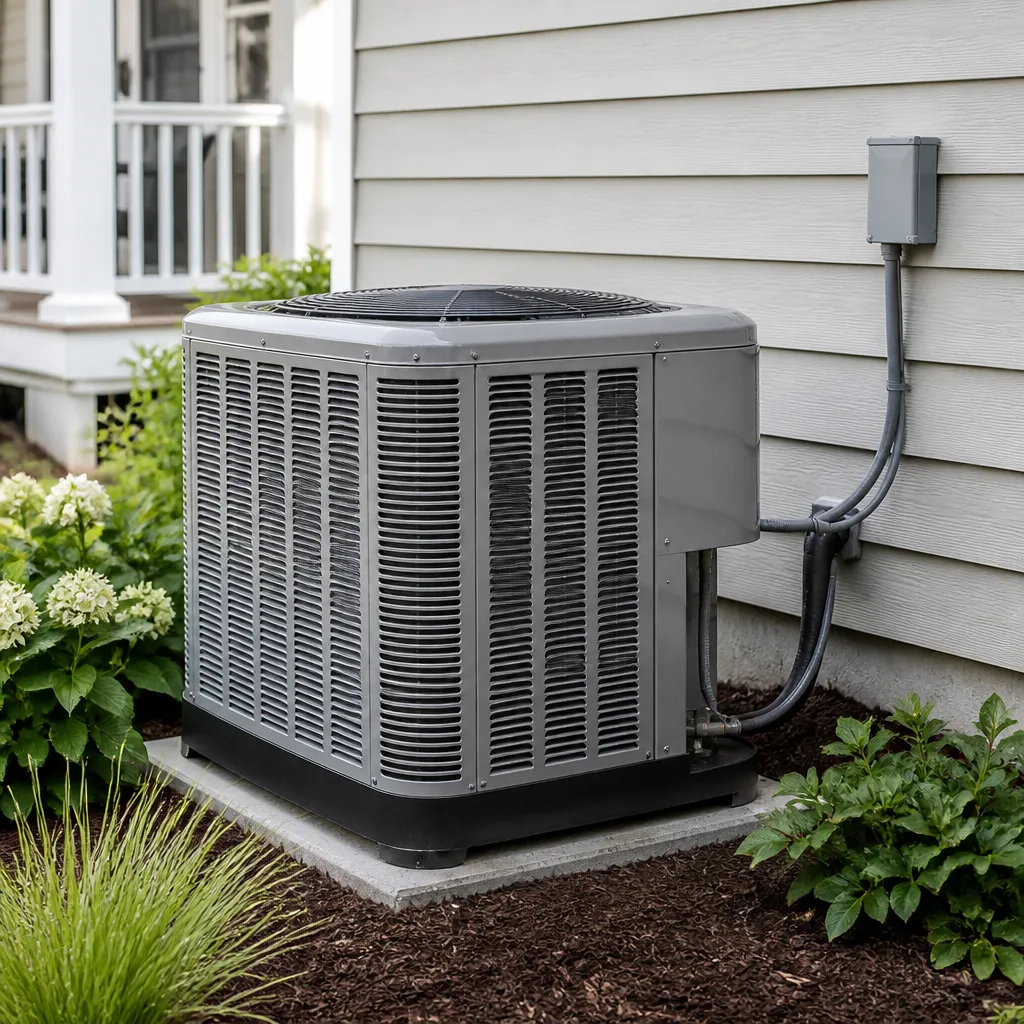 AC repair
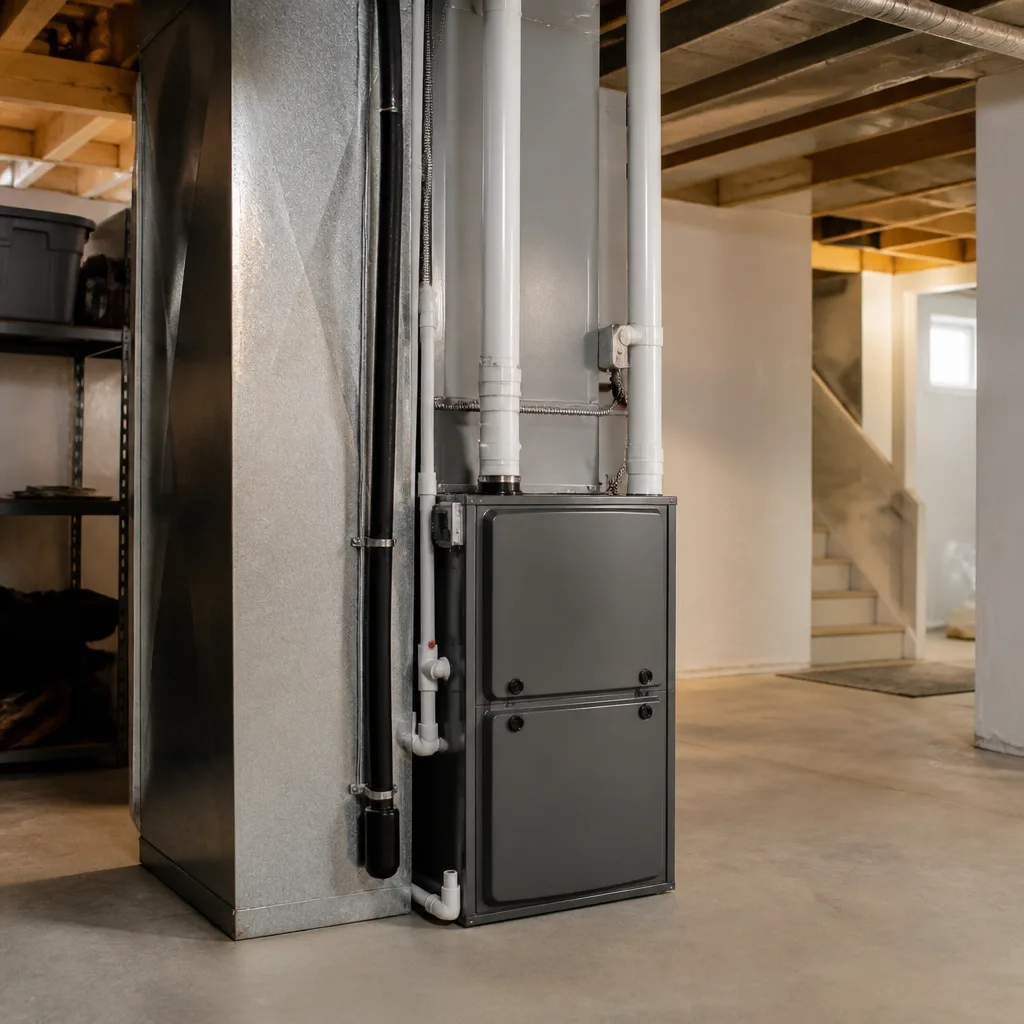 Furnace & heating
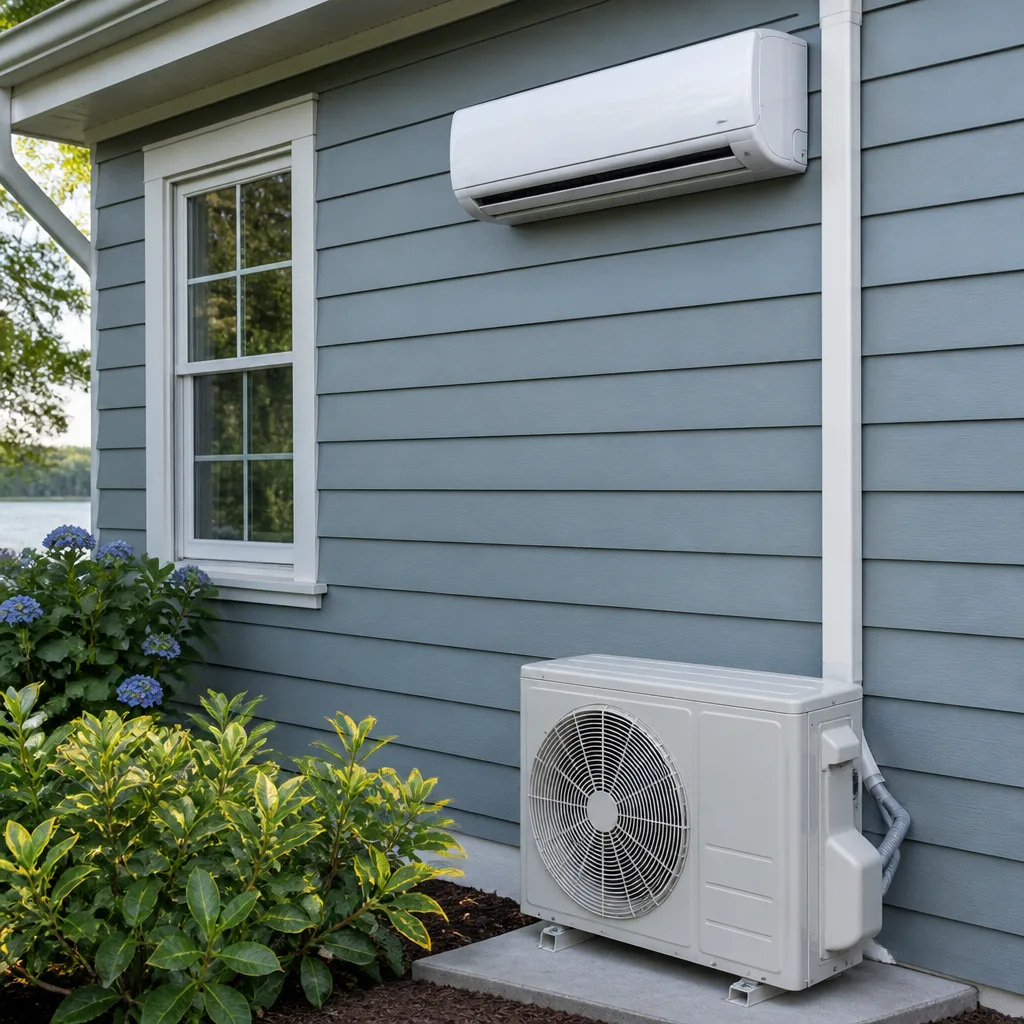 Ductless mini splits
 Carrier
 Trane
 Goodman
Seasonal tune-up and full diagnostic on your Carrier, Trane, or Goodman system - readings shown to you before any repair is proposed
Diagnosis first, numbers second - you approve the repair price before a single part goes in.
Get your free estimateHeat Pump & Mini Split Maintenance Schedule: What to Do and When
Here’s something we see on service calls across Boulder City all the time: a homeowner points at a seven-year-old mini split and says, “It’s just getting old.” Often it isn’t old. The condenser coil fins have packed with caliche dust, and between service visits the system has quietly lost 15 to 20 percent of its efficiency. Manufacturer schedules are written for average conditions. Boulder City isn’t average. Extreme heat, blowing desert dust, and hard water compress what most makers treat as a full year of wear into roughly seven months. This guide gives you a maintenance calendar built for that reality: what to do each month, what you can handle yourself, what needs a technician, and how to document it all.
Quick Answer
A heat pump or mini split in Boulder City needs filter cleaning every two to four weeks during cooling season, a professional coil and condensate service once or twice a year (spring and fall), and a full tune-up before summer rather than in it. Because desert dust and hard-water scale pack into coils faster here than in milder climates, the standard “once a year” schedule leaves your system running at reduced capacity for much of the season. Treat maintenance as a seven-month cycle timed to the heat, not a generic spring/fall habit.
Styles & brands we work with
- AC repair
- Furnace & heating
- Heat pumps
- Ductless mini splits
- Carrier
- Trane
- Goodman
Table of Contents
- Why the Manufacturer Schedule Isn’t Built for Boulder City
- Month-by-Month Maintenance Calendar
- What You Can Maintain Yourself vs. What Needs a Technician
- Coil Cleaning in Hard-Water and Caliche-Dust Conditions
- Condensate Drain Maintenance in a Dry Climate
- Filter Cleaning Cadence for Desert Dust Loads
- How to Keep a Maintenance Log That Holds Up for Warranty and Resale
- Common Mistakes to Avoid
Why the Manufacturer Schedule Isn’t Built for Boulder City
Manufacturers write one maintenance schedule and ship it with every unit sold in North America. That schedule assumes moderate humidity, seasonal pollen, and a coil that sees a moderate dust load. Boulder City breaks three of those assumptions at once. Our summer heat holds well above 100°F for long stretches, so the system runs near continuous duty. The dry, dusty air off the desert and the wash bottoms carries fine caliche and mineral particulate that coats coil fins. And our water is hard enough that a simple rinse leaves mineral scale behind. Together, those three factors age a coil faster than the calendar suggests.
This matters for heat pumps and mini splits in particular because they run year-round. A furnace sits idle most of the summer; a heat pump does not. It cools in July, heats in January, and every one of those cycles pulls air (and dust) across the same coils. In our experience, a Boulder City mini split that gets a single annual service is running compromised for two to three months a year – roughly the same span that does the most damage. The schedule on the box isn’t wrong. It’s just written for a climate that isn’t ours.
If you want the deeper picture on how these systems are set up and serviced in our area, our Heat Pump & Mini Split in Boulder City page covers the equipment itself and what to expect from install through service.
Month-by-Month Maintenance Calendar
Here is how we’d sequence it for a Boulder City home. The rule of thumb: do the heavy work in the shoulder months so the system enters the peak season clean and ready. Never wait until the middle of a heat wave to schedule service – that’s when everyone calls at once.
- January – filter check and outdoor unit inspection. Heating season is underway. Clean or replace filters, clear any debris that blew against the outdoor unit, and listen for unusual noise on startup.
- February – pre-summer tune-up slot. This is the ideal window to book the full professional tune-up. Coils get cleaned, refrigerant charge gets checked, and any small issue gets found before summer.
- March – coil inspection and condensate check. The first real heat builds. Verify the condensate line is draining and have the coil inspected for dust buildup after winter’s winds.
- April – filter cadence tightens. Move to cleaning filters every two to three weeks as the system shifts into cooling mode and runs longer hours.
- May through September – filter cleaning every two to four weeks. The dust load peaks in these months. Clean filters often, watch for reduced airflow, and don’t ignore a coil that starts to smell or lose capacity.
- October – post-summer professional service. A second visit after the cooling season clears the coil of the summer’s caliche dust and confirms the system is ready to switch into heating.
- November – heating-mode check. Confirm the reversing valve and defrost cycle are working before the cold settles in. A heat pump that struggles in heating often has a charge or coil issue.
- December – filter check and log review. Review your maintenance log for the year, note anything that recurred, and plan next spring’s tune-up.
That’s the schedule in brief. The rest of this guide digs into the individual tasks – especially the ones most homeowners get wrong. If your system is also due for service, our AC Repair & Installation in Boulder City page explains how we approach diagnostic visits.
What You Can Maintain Yourself vs. What Needs a Technician
Not every task belongs to a pro. Keeping filters clean is the single highest-value thing you can do, and it costs you nothing but a few minutes. Beyond that, the line gets clear fast. Anything involving refrigerant, electrical components, or the sealed refrigeration circuit is a technician’s job – both because it’s dangerous and because handling it wrong can void your warranty. Here’s the honest split.
Homeowner tasks:
- Clean or replace filters on the cadence below.
- Clear leaves, dust, and debris from around the outdoor unit to keep airflow open.
- Wipe down accessible surfaces and check the condensate drain exit for obvious blockage.
- Keep a written maintenance log (more on this later).
Technician tasks:
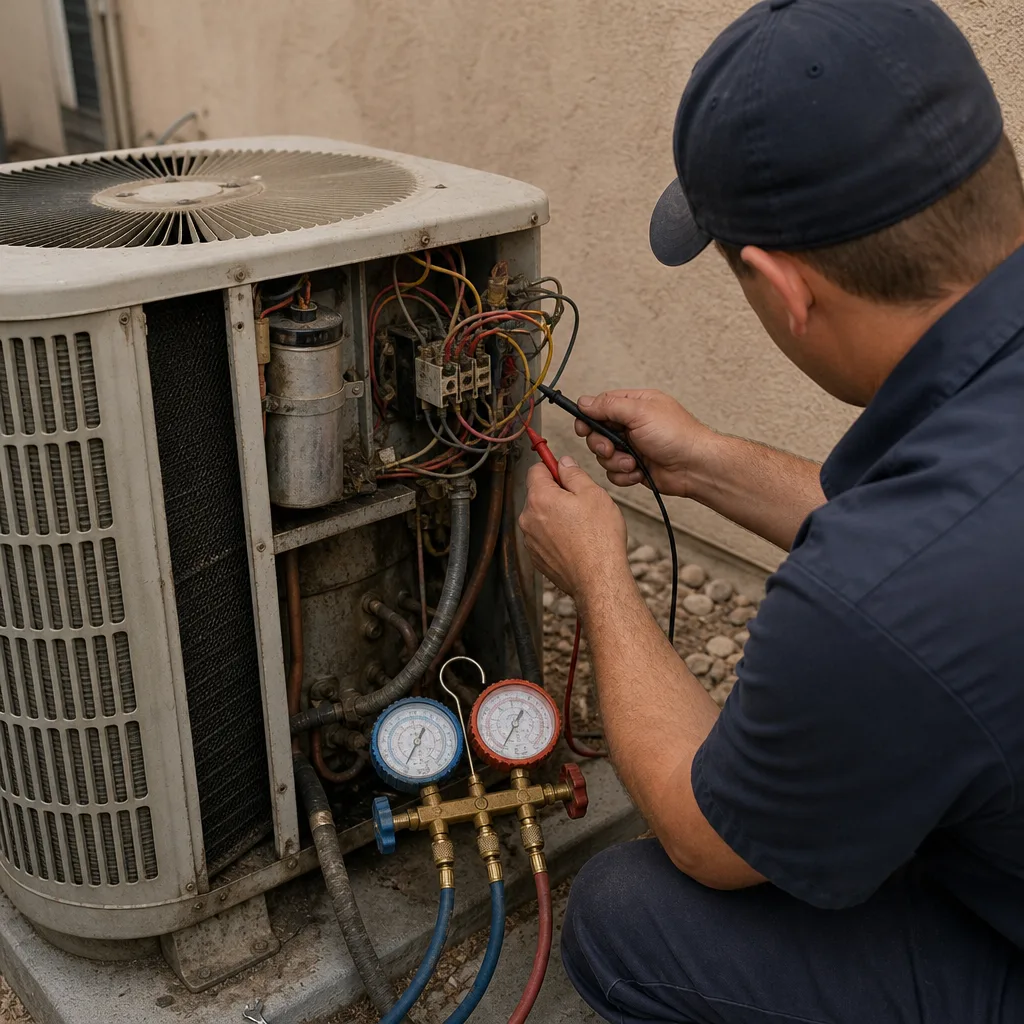
- Cleaning condenser and evaporator coils properly, including mineral scale.
- Checking refrigerant charge and looking for leaks in the sealed circuit.
- Cleaning condensate lines and traps, and flushing the drain pan.
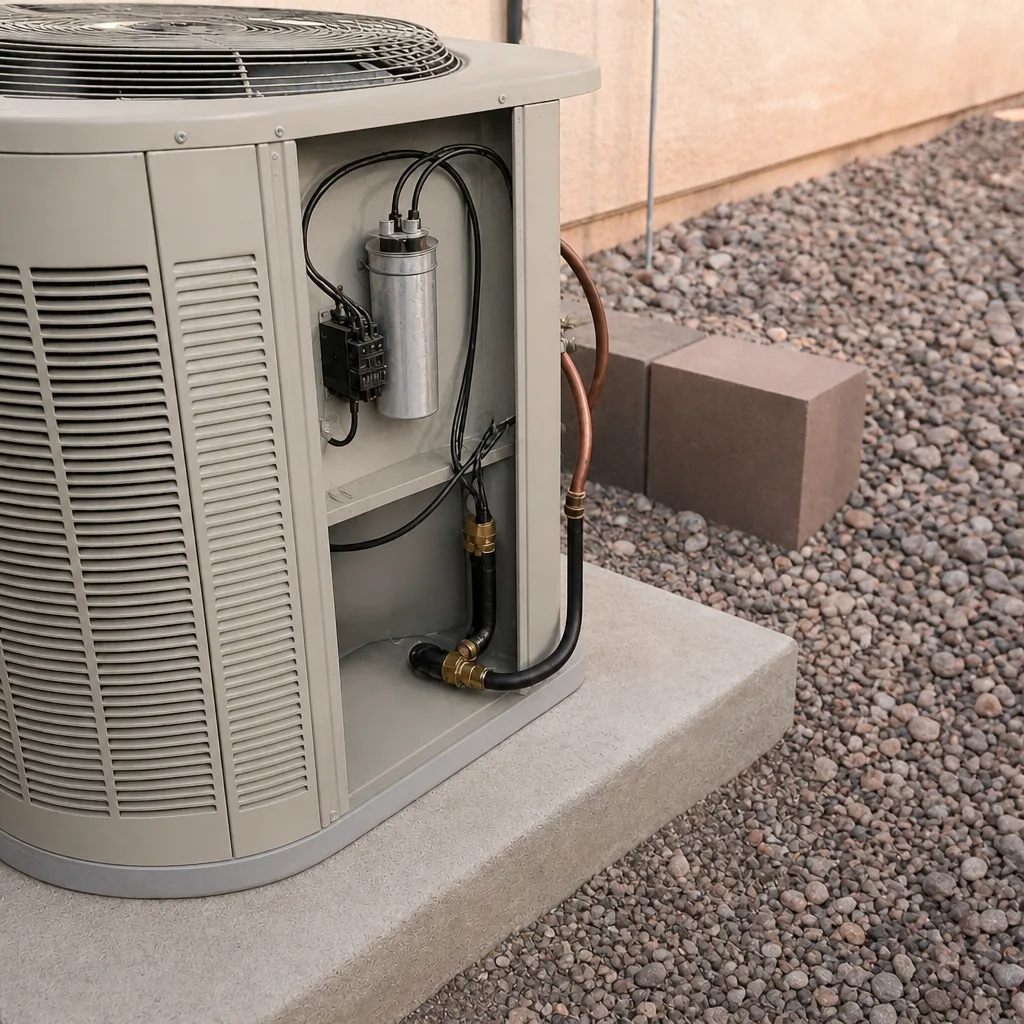
- Inspecting electrical connections, capacitors, and the reversing valve.
- Testing defrost cycles and verifying heating and cooling performance.
One caution worth stating plainly: refrigerant work and electrical diagnostics are genuinely dangerous and require training and equipment a homeowner doesn’t have. We’d never walk a homeowner through opening a sealed circuit or probing a live electrical panel. That’s work for a trained professional, and we handle it on every visit. If your system lives in a part of the house where summer heat is hardest to manage, that’s worth a service call too. Homeowners in neighborhoods like the historic district and near Bootleg Canyon often find their units working hardest against the heat gain, which makes a proper tune-up more valuable.
Coil Cleaning in Hard-Water and Caliche-Dust Conditions
This is where most maintenance advice falls short for Boulder City. A garden hose rinse is not sufficient here. Plain water won’t cut the mineral scale that hard water and caliche dust bond to the fins, and a high-pressure blast can bend the fins and do more harm than good. The right approach is a purpose-made coil cleaner designed to break down mineral deposits, followed by a controlled rinse and a careful inspection of the fin surface.
Why it matters: when caliche coats the coil, the system has to work harder to move heat, and that strain shows up as longer run times, higher bills, and eventually premature failure. Our dry desert air doesn’t carry moisture that would help wash the coil, so the dust simply accumulates until someone cleans it off. That’s the 15 to 20 percent efficiency gap mentioned at the top of this page, and it’s the most common reason a Boulder City system feels “tired” before its time.
What a proper coil service looks like:
- Power down the unit safely before any coil work.
- Apply a coil-safe cleaner formulated to dissolve mineral scale.
- Let it dwell, then rinse with controlled pressure – never a jet.
- Inspect fins for bending and straighten where needed.
- Confirm airflow and performance before closing up.
Boulder City systems deserve this roughly twice a year given the dust load. Skipping it is the number-one thing that turns a healthy heat pump into a replacement candidate ahead of schedule. If you’re weighing a repair against a new system, our Fireside Heating & Air Co. Boulder City home page is a good starting point for the rest of what we do.
Condensate Drain Maintenance in a Dry Climate
Humidity changes the story with condensate drains. In a damp climate, a clogged drain line shows up as a wet ceiling or a puddle. In dry Boulder City, that blockage often fails differently: the line drains slowly, the pan stays wet, and mineral scale builds up in a low spot until it finally plugs – sometimes after the water has been quietly pooling and encouraging algae or mold in the pan. It’s not a leak you’ll see. It’s a slowdown you won’t.
What to watch for and what to do:
- Check the drain exit once a month during cooling season – a steady trickle is normal, nothing is not.
- Watch for water stains, musty smells, or a pan that stays wet inside the unit.
- Have the line and pan flushed professionally at each tune-up.
- Don’t ignore a slow drain; a capped line can back up into the unit and cause real damage.
If your system is near the lakeshore where humidity runs a touch higher than the open desert, the drain moves more water and deserves closer watching. Either way, this is a small check that prevents an expensive surprise.
Filter Cleaning Cadence for Desert Dust Loads
The manufacturer printout says “clean filters monthly.” In Boulder City, monthly is the floor, not the target, during peak dust season. Caliche dust settles on everything, and a dirty filter makes the system work harder against restricted airflow. That’s the opposite of what you want in July. Here’s the cadence we recommend.
- Winter (December-February): Check and clean every four weeks.
- Spring (March-May): Every two to three weeks as the winds and dust pick up.
- Summer (June-September): Every two weeks, weekly during the windiest stretches.
- Fall (October-November): Every two to three weeks.
Reusable filters can be washed and reused per the manufacturer’s instructions. Disposable filters should be replaced. Either way, mark the date on your log each time so you can see the pattern. A filter that clogs faster than usual can signal a bigger dust intrusion – a gap in the cabinet, a loose access panel, or a nearby construction project blowing particulate at the coil.
How to Keep a Maintenance Log That Holds Up for Warranty and Resale
A maintenance log is one of the most useful documents a homeowner can keep, and almost no one does it well. For warranty claims, manufacturers want proof that the system was maintained as required. For resale, a documented service history reassures buyers and supports your disclosure. A shoebox of receipts doesn’t cut it. A simple, dated log does. Here’s how to build one that holds up.
- Record every task with a date and a note. “Filter cleaned, April 12” is enough to show a pattern.
- Keep professional invoices together in one folder, physical or digital, and note the technician’s findings.
- Log anything unusual – odd noises, ice on the coil, a slow drain – even if it resolved on its own. Patterns matter.
- Bring the log to every service visit so the technician can see what you’ve tracked.
- Store it with your home documents so it’s ready for a warranty claim or a sale.
A log isn’t paperwork for its own sake. It’s the difference between “I think we serviced it” and proof. When a warranty question comes up, the documented homeowner wins the argument.
Common Mistakes to Avoid
- Waiting until summer to book service. That’s the busiest window, and a system that limped in on a dirty coil starts a heat wave already behind. Book the tune-up in spring.
- Assuming a hose rinse cleans the coil. In Boulder City’s hard water and caliche dust, a rinse leaves the scale behind. It takes a proper coil cleaner and controlled pressure.
- Cleaning filters monthly and calling it done. Filters are the start, not the whole job. Coils, drains, and electrical checks matter too.
- Ignoring a slow condensate drain. Dry-climate blockages don’t announce themselves with a puddle. A quietly pooled pan can cause damage before you notice.
- Letting a technician “top off” refrigerant without finding the leak. A sealed circuit shouldn’t lose charge. Topping off without a leak hunt just delays the problem.
- Skipping the log. Without a documented history, a warranty claim gets harder to win and a resale gets harder to support.
- Treating a mini split like a furnace. It runs year-round, so it needs service on both sides of the calendar, not just before heating season.
See the difference
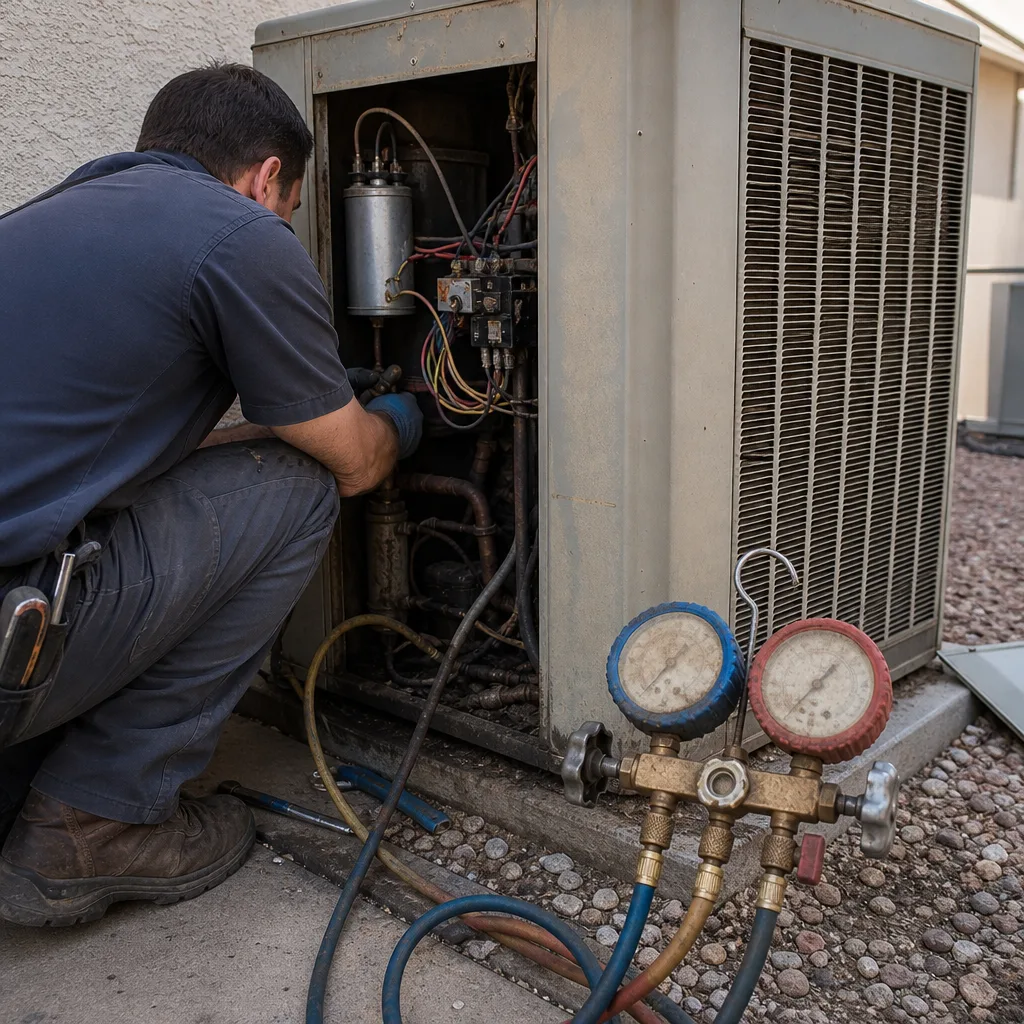
 Before
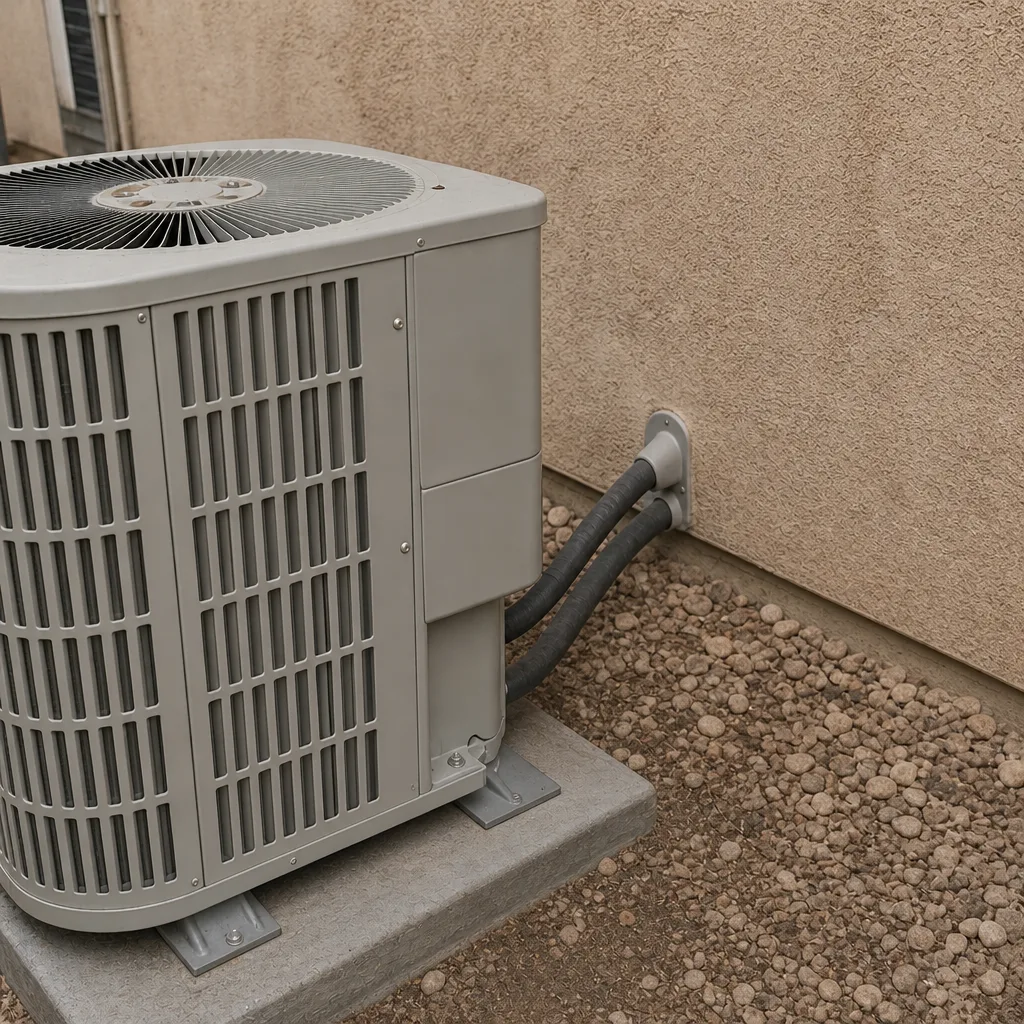 After
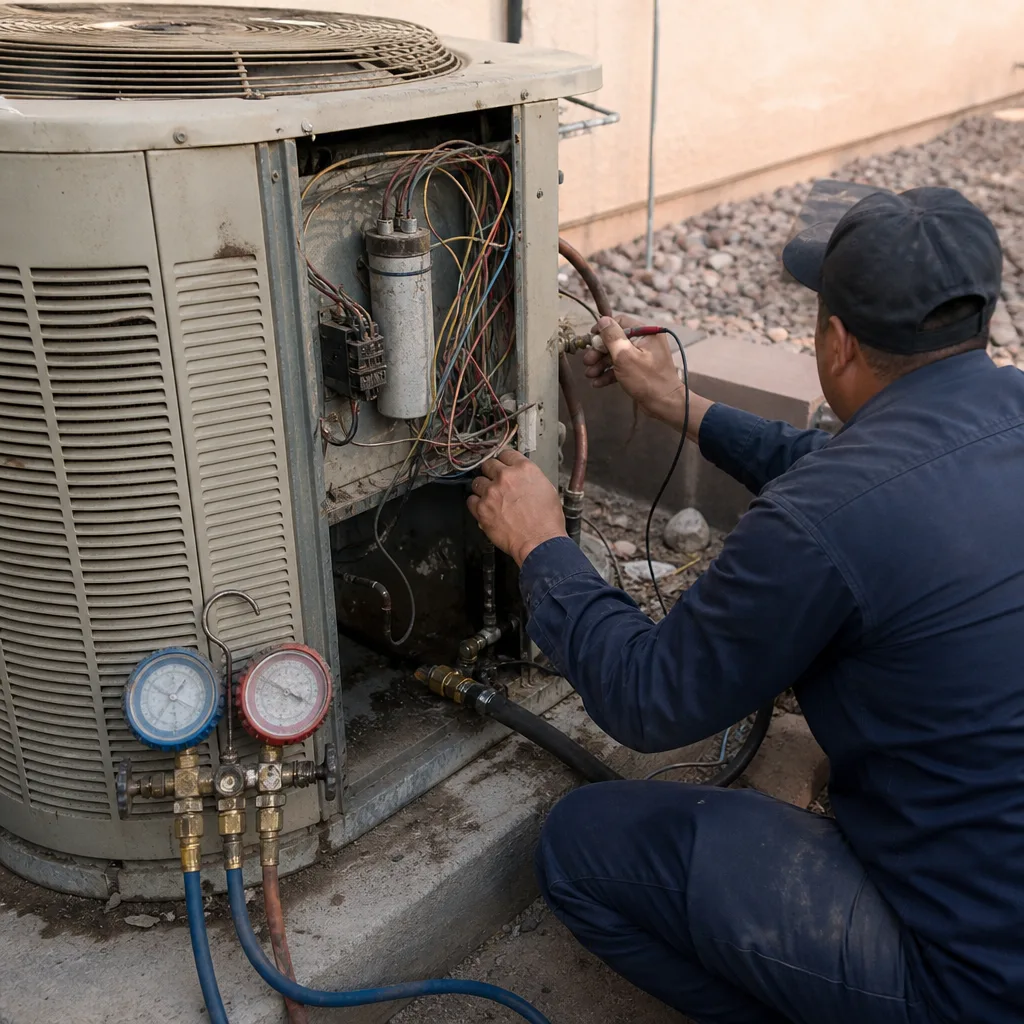
 Before
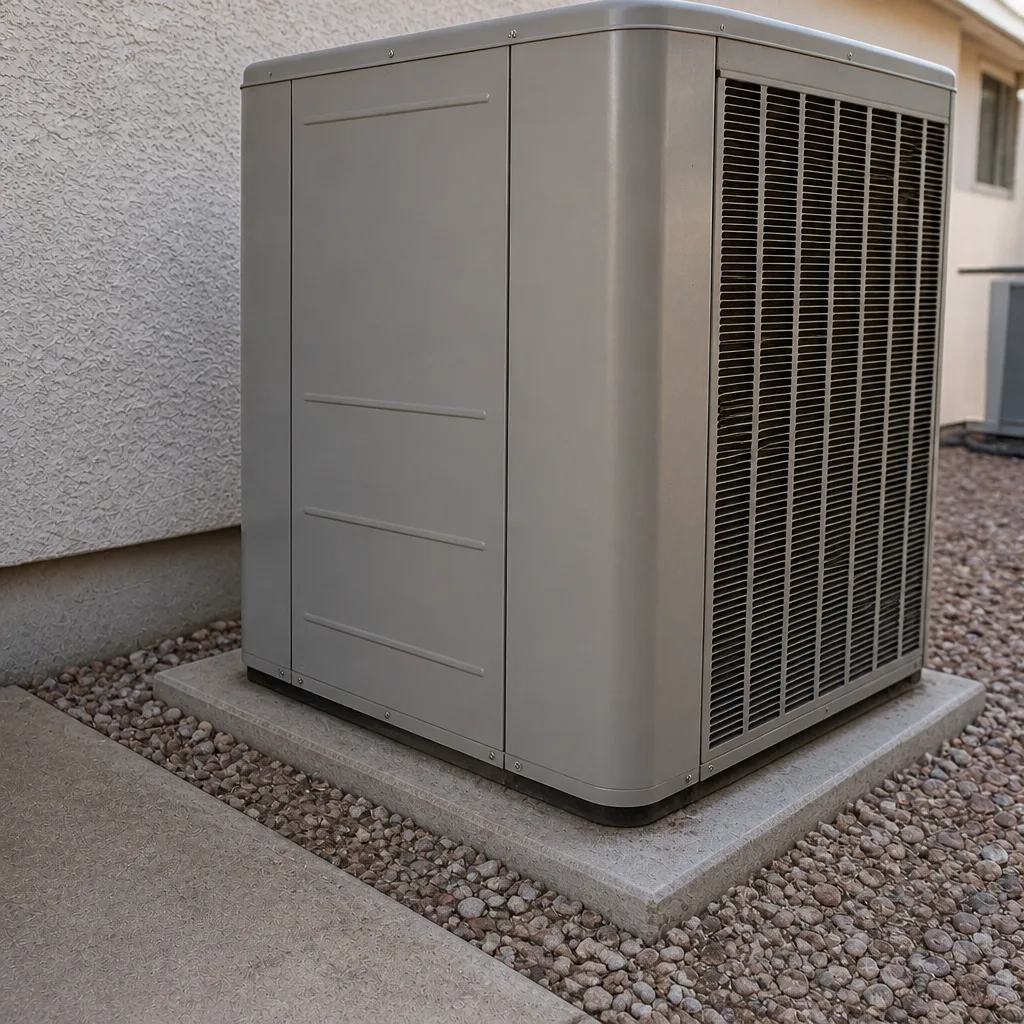 After
 Before
 After
When to Call a Professional
Some issues are maintenance; some are signals to pick up the phone. Call a professional if your system is running longer than usual but not keeping up, if the coil is visibly coated or the fins bent, if you see ice on the outdoor unit in heating mode, if the condensate pan stays wet, if you smell musty air, or if your electric bills climb without explanation. Those symptoms point to charge, coil, or drain problems that need trained eyes and proper tools – not a homeowner’s tinkering. If your unit is under warranty, professional service also keeps the paperwork in order. Fireside Heating & Air Co. Boulder City offers free estimates in Boulder City – call (844) 312-0133. We answer with a live person, day or night, and the price we quote is the price you pay.
Frequently Asked Questions
Twice a year is the right cadence here – a spring tune-up before the heat and a fall service after the cooling season. The dust load and hard water in Boulder City wear a coil faster than a mild climate would, so the once-a-year schedule many manufacturers print leaves the system compromised for part of the year.
You can handle filters, the outdoor cabinet’s surroundings, and a visual drain check yourself. Coil cleaning with mineral-dissolving cleaner and controlled pressure, plus any refrigerant or electrical work, is a technician’s job. Those tasks are either dangerous or easy to do wrong in a way that voids your warranty.
In most Boulder City homes, it’s not age – it’s caliche dust and mineral scale packing into the condenser coil. A coated coil can cut efficiency by 15 to 20 percent between services. A proper professional coil cleaning restores performance that most homeowners assume is gone for good.
Dated notes for every filter cleaning, every professional visit with the technician’s findings, and any unusual symptoms you noticed. Keep invoices together and note the date and task in one place. That record supports warranty claims and makes resale disclosures straightforward.
Over time, yes. A coil coated with dust and scale forces the system to run longer and hotter, which strains the compressor and can shorten its life. The dust won’t stop the system overnight, but it accelerates wear and eventually turns a repair into a replacement decision.
Book it before summer, not during. The cooling season is the busiest time for service calls, and a dirty system entering a heat wave has no margin. A spring tune-up is the cheapest insurance against a mid-July breakdown. Call (844) 312-0133 for an exact quote – estimates are free.
The Bottom Line
The schedule that works in Boulder City isn’t the one printed on the box. It’s a seven-month cycle timed to our heat and dust: filters every two to four weeks in the busy months, a spring pro tune-up, a fall post-season service, and real coil cleaning with proper products – not a hose rinse. Keep a dated log, know which jobs are yours and which belong to a technician, and treat maintenance as the way you protect a system you intend to keep. Done right, the equipment lasts longer and runs closer to its rated efficiency all season. Done late, you find out the hard way in July.
Fireside Heating & Air Co. Boulder City has served local homeowners for over 42 years, with technicians trained to service nine major brands including Carrier, Trane, Lennox, and American Standard, and every job backed by our 90-Day Done Right Promise – in writing, no arguing. Our technicians have up to 8 years of experience, and we answer every call with a live person, 24 hours a day. Standing offers include $50 Off Any Repair Over $250 and a $89 Seasonal Tune-Up, plus a 5% senior and veteran discount. For a free estimate or to schedule your seasonal tune-up, call (844) 312-0133 today. We’ll be there when we say.
Written by the team at Fireside Heating & Air Co. Boulder City.