
Last updated November 18, 2026
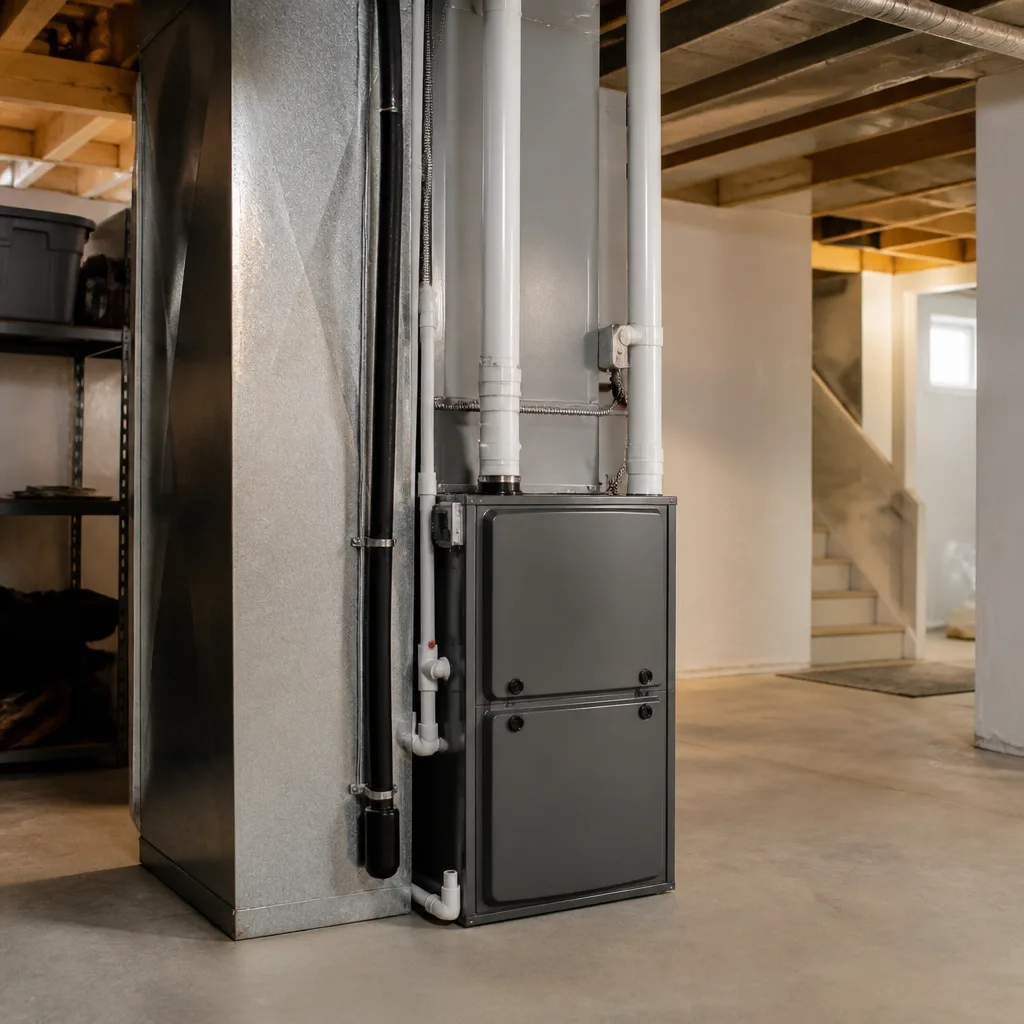 Furnace & heating
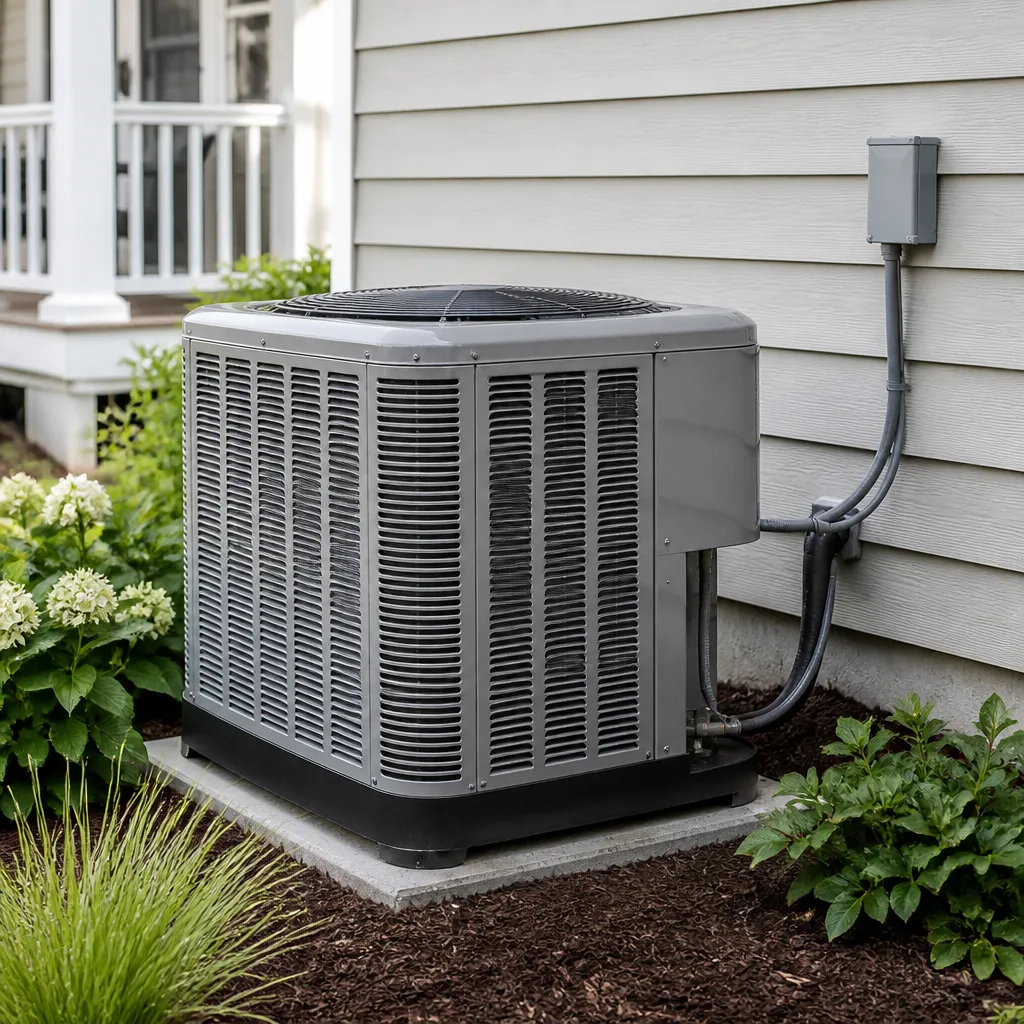 AC repair
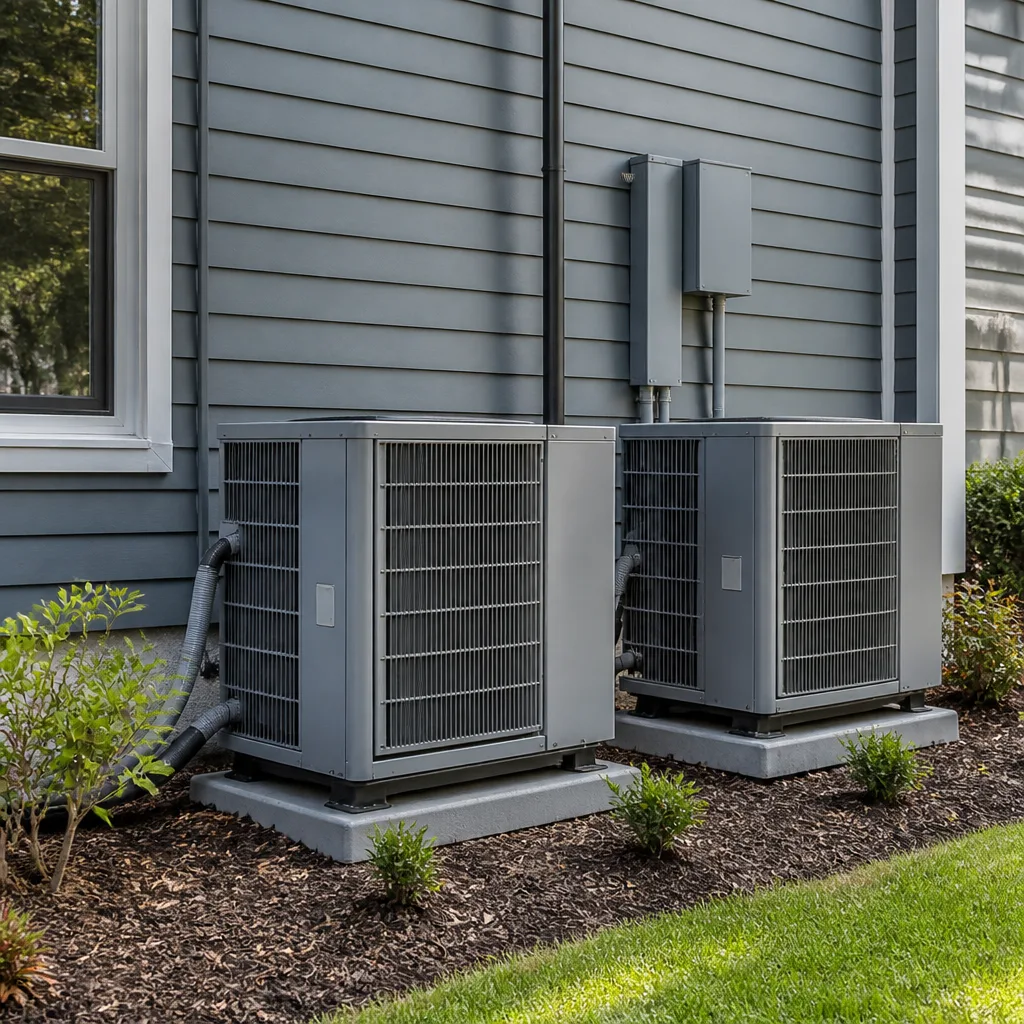 Heat pumps
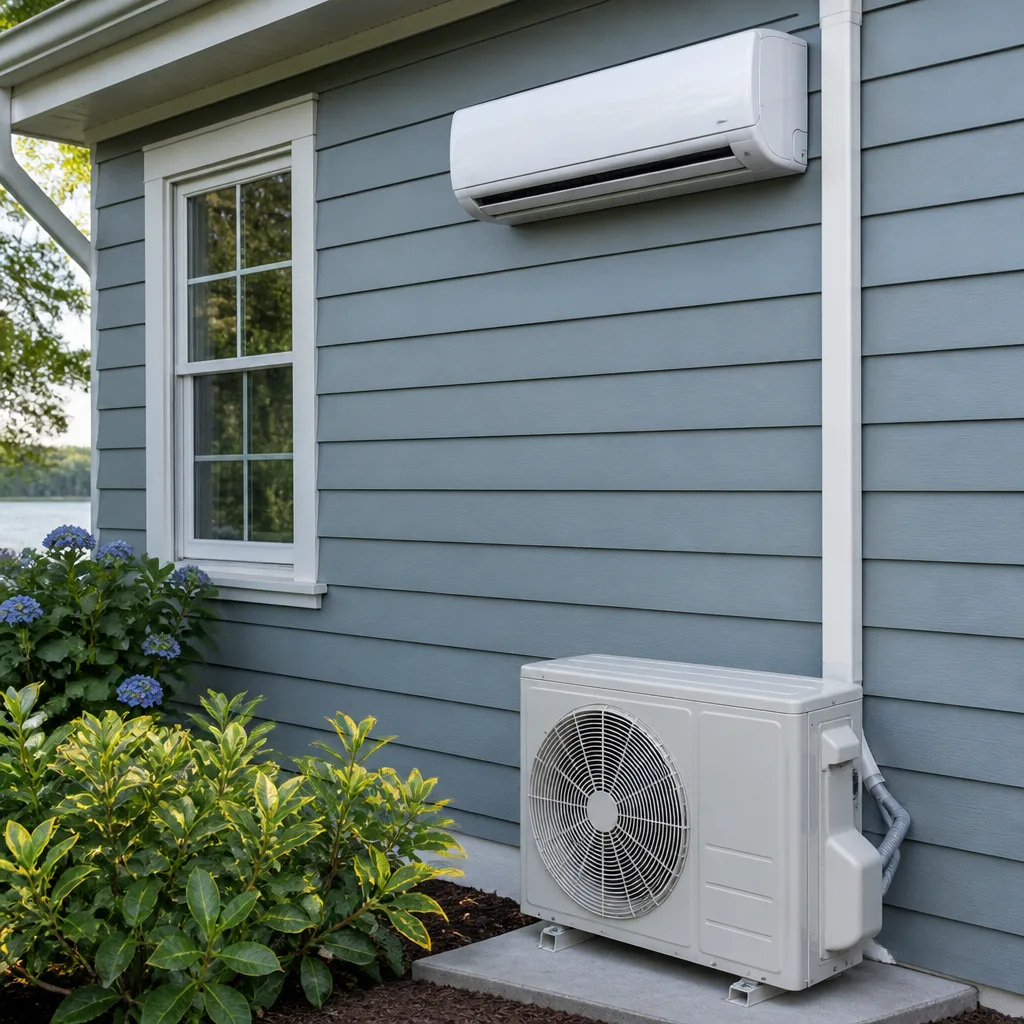 Ductless mini splits
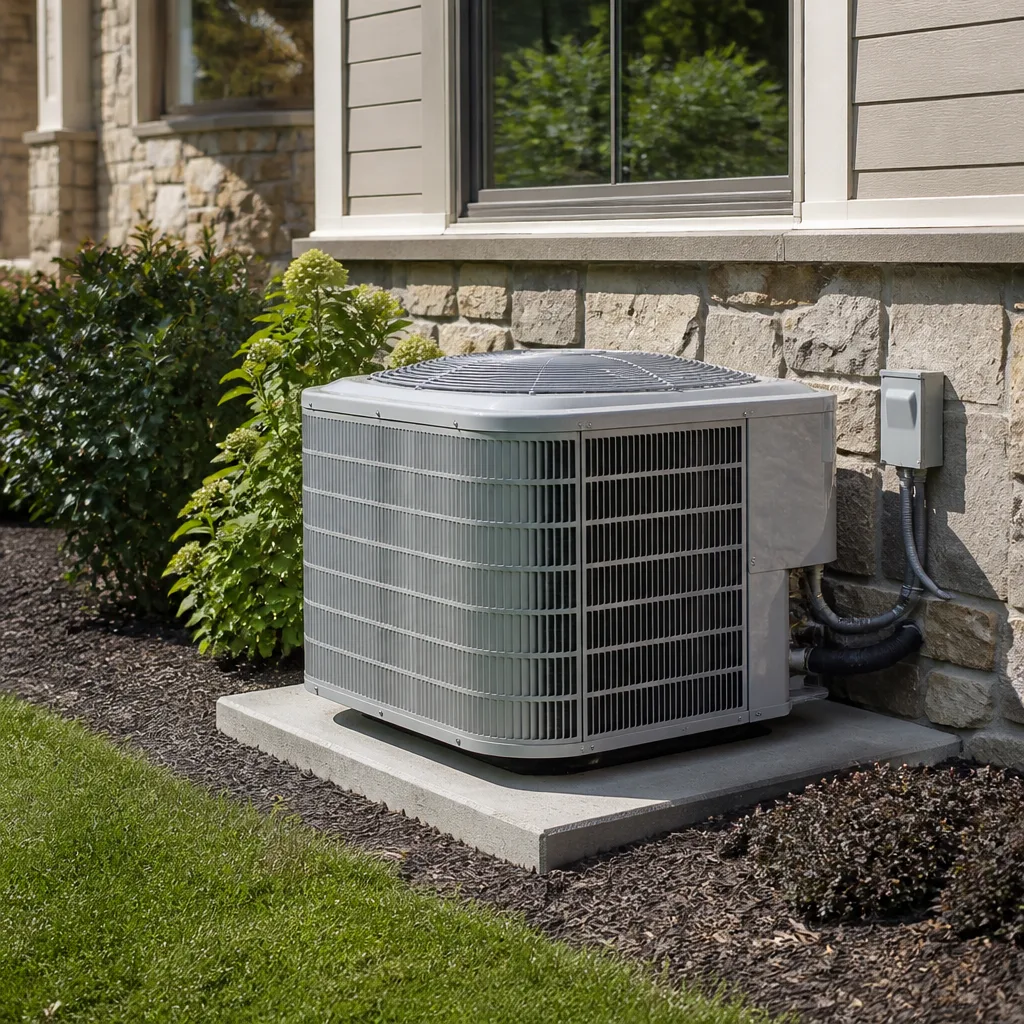 Carrier
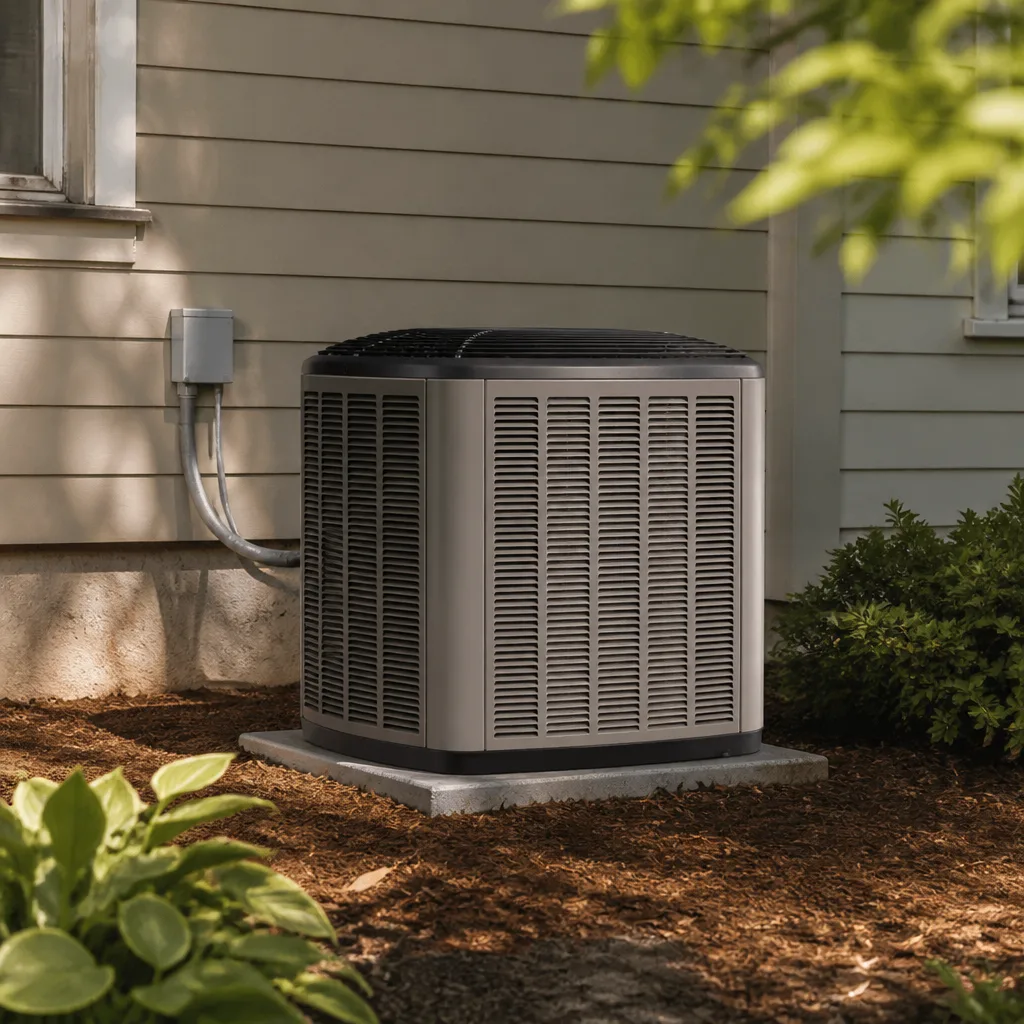 Trane
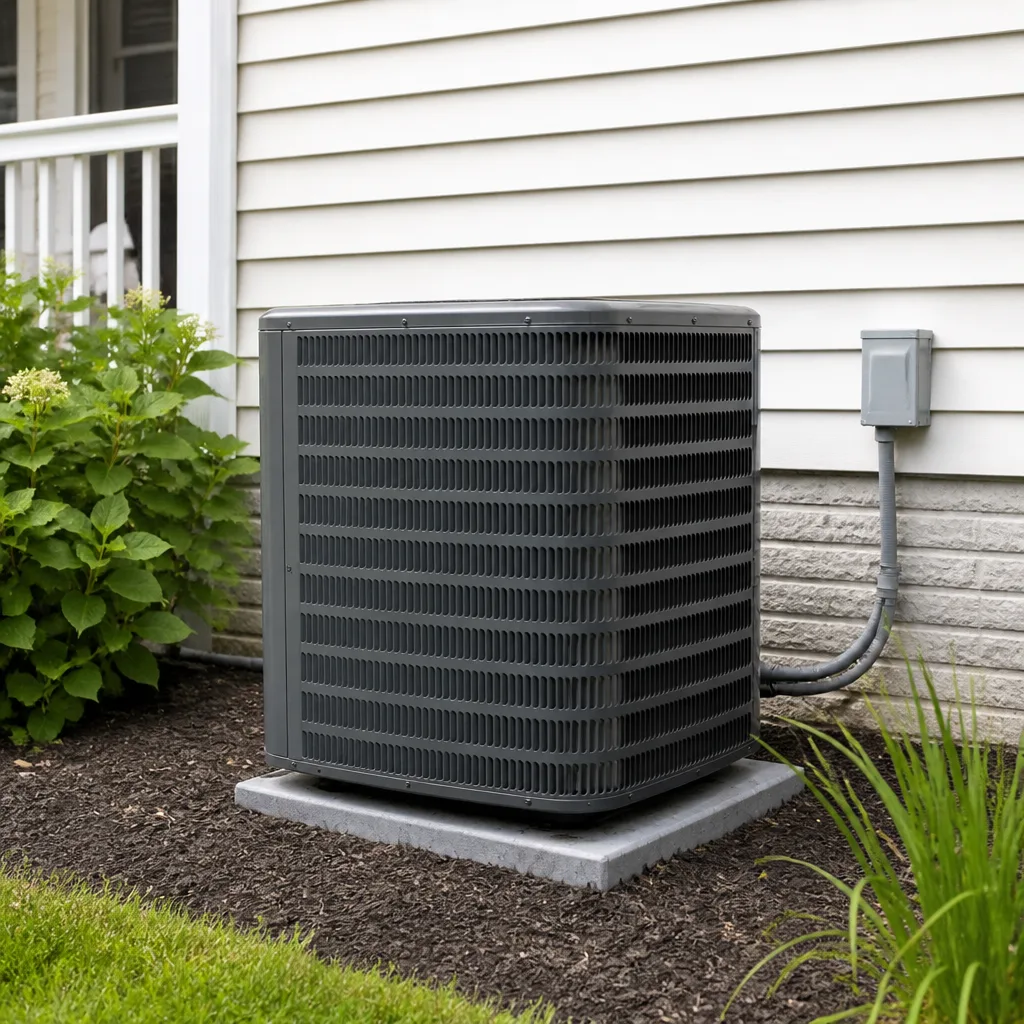 Goodman
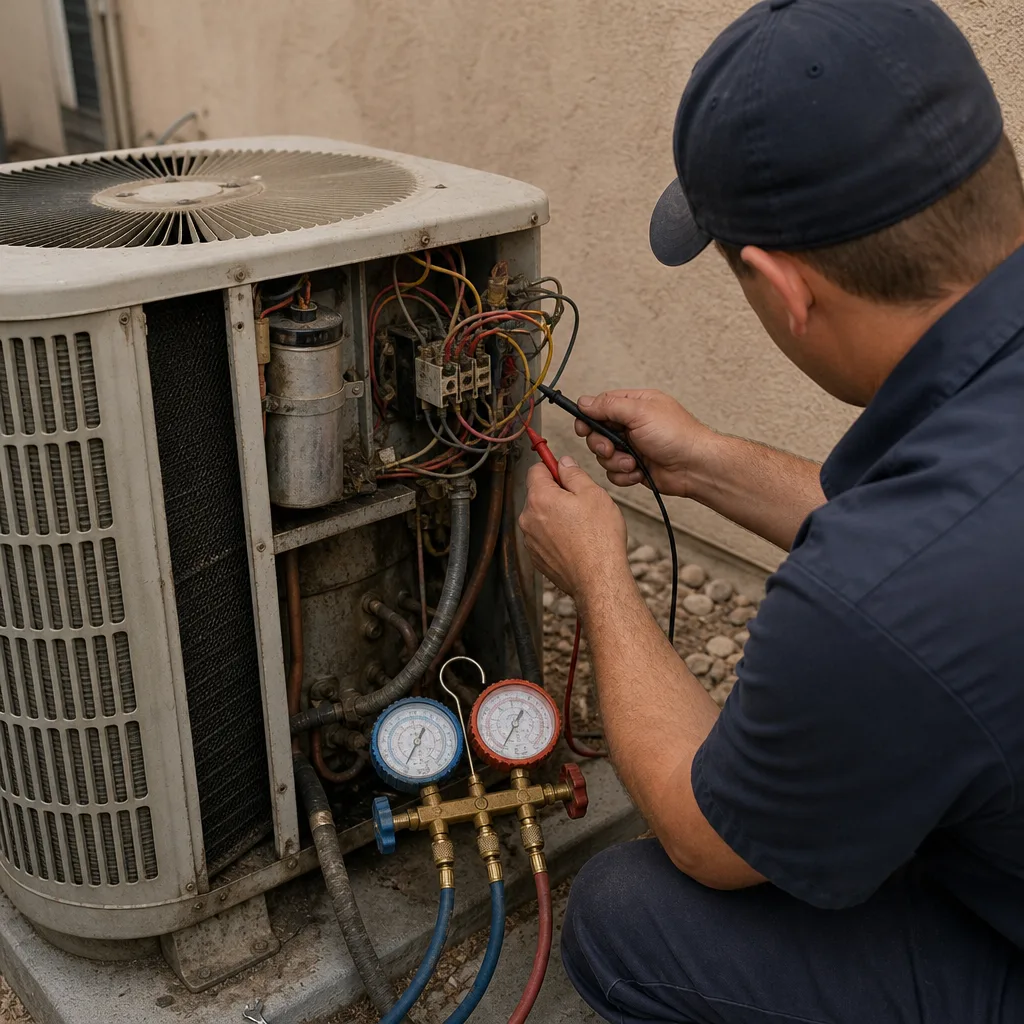
Seasonal tune-up and full diagnostic on your Carrier, Trane, or Goodman system - readings shown to you before any repair is proposed
Diagnosis first, numbers second - you approve the repair price before a single part goes in.
Get your free estimateHeating & Furnace Maintenance Schedule: What to Do and When
Here’s a fact that surprises most Boulder City homeowners: the furnace filter in your closet was probably dirtier in September than it was in January, and your furnace didn’t run a single day in between. That’s because the blower motor that pushes warm air through your heat exchanger in winter is the same blower that pushes cold air across your evaporator coil all summer. It loads the filter for six months, then hands that clogged filter to your furnace right when the first cold snap arrives. This guide lays out a furnace maintenance schedule built around that reality, not a northern-climate template. You’ll learn what to do each month, what you can safely handle yourself, and what a real fall tune-up should include.
Quick Answer
In Boulder City, the right time to prepare your furnace is September, not November. Get a filter in, do a visual flue and venting check, test the thermostat, and schedule a professional tune-up with combustion analysis before the first cold snap. Space the rest of the year around light use: a filter change after the cooling season, a mid-winter check of filter and drain, and an off-season inspection of the flue and heat exchanger.
Styles & brands we work with
- AC repair
- Furnace & heating
- Heat pumps
- Ductless mini splits
- Carrier
- Trane
- Goodman
Table of Contents
- Why September, Not November, Is Furnace-Prep Month in Boulder City
- The Shared-Filter Problem: Why Summer AC Loads Your Furnace Filter
- The Annual Tasks You Can Do Yourself
- What a Real Professional Fall Tune-Up Should Include
- The Month-by-Month Boulder City Furnace Schedule
- How to Document Maintenance for Warranty and Service Visits
- Safety: What to Leave to a Trained Technician
- Common Mistakes to Avoid
Why September, Not November, Is Furnace-Prep Month in Boulder City
Most furnace maintenance advice is written for climates where the heat runs eight months a year. In those places, timing barely matters because the equipment gets constant attention and any problem surfaces fast. Boulder City isn’t that. Our winters are short and the deep cold is brief, but the swings are real: daytime temperatures that feel like fall can drop fast overnight once the desert loses its heat, and a furnace that sat idle since March gets called into service without warning. If that furnace has a dirty filter, a pilot or ignition issue, or a blocked flue, you find out at the worst possible moment.
September is the right month for three practical reasons:
- You’re not competing for appointments. The first cold snap produces a run on service calls. Booking in September means a technician can spend real time on your system instead of triaging a dozen no-heat emergencies.
- There’s still time to fix what turns up. A cracked heat exchanger, a failing igniter, or a gas pressure problem flagged in September can be scheduled and repaired well before you need heat. Flagged in November, it’s an emergency with a premium attached.
- The dust argument. Our desert dust settles into return-air grilles, closets, and ductwork through the summer. By September the system has had months of accumulation, and the tune-up is the natural point to clean up and start the heating season from a known baseline.
If you’ve wondered whether the furnace needs attention at all in a mild climate, the honest answer is yes, and the reason is the length of the idle stretch. A furnace that runs every day stays limber. A furnace that sits for six or seven months in a dusty garage or closet is the one that develops surprises. That’s the case for front-loading the effort in fall. If your system includes a heat pump rather than a gas furnace, the fall checklist shifts slightly, and we cover that on our Heat Pump & Mini Split in Boulder City page.
The Shared-Filter Problem: Why Summer AC Loads Your Furnace Filter
This is the point most maintenance guides skip, and it’s the one that matters most in Boulder City. In a typical gas furnace with central air, the furnace cabinet holds the blower and the filter. When you run the air conditioner, the blower pulls air through that same filter and pushes it across the indoor coil. So the filter does double duty, and by the end of a desert summer it has pulled in months of dust from a house that’s been closed up against the heat.
What that means in practice:
- A filter that looked clean in April can be loaded by September even if the furnace never ran. Check it, don’t just look at it from a distance.
- Running cooling on a loaded filter strains the blower, drives up energy use, and can push dust past the filter into the coil and ductwork.
- That same loaded filter becomes the furnace’s protection in November. If it’s clogged when the heat comes on, the heat exchanger is running hot with restricted airflow, which is exactly the condition you don’t want.
Our recommendation: change the filter at the end of cooling season, ideally in September as part of the fall prep, and then check it monthly through the heating months. In most Boulder City homes that means a new filter in September and another around mid-winter, with a monthly visual check in between. If you have pets, a fireplace that gets used, or you’re near a dusty lot or wash, plan to change it more often. Write the date on the filter edge with a marker so you can see it from the grille.
While the filter is fresh, it’s also worth confirming the thermostat and the cooling side are in good order going into fall. Our AC Repair & Installation in Boulder City page covers the cooling-side checks, and the furnace side is covered below and on our Heating & Furnace in Boulder City page.
The Annual Tasks You Can Do Yourself
Some furnace maintenance is safe and reasonable for a homeowner to handle. This is where most of the money-saving is, and it’s the part that keeps the system clean between professional visits. The tasks below are visual checks and simple swaps, not hands-on work with gas, combustion, or electrical components.
1. Replace the filter
Turn the system off at the thermostat first. Slide out the old filter, note the size and the airflow arrow on the frame, and install the new one with the arrow pointing the same way. If you can’t remember which direction the airflow goes, the arrow points away from the return duct and toward the blower. Write the date on the new filter’s edge.
2. Do a visual flue check
With the system off, look at the metal flue pipe that carries exhaust from the furnace up and out. You’re looking, not touching. Check for rust, white crusty deposits, loose joints, or a flue that connects weakly to the furnace. If anything looks off, stop and call. On newer high-efficiency furnaces with PVC venting, look for sagging, disconnected joints, or a blocked termination outside.
3. Calibrate the thermostat with a simple test
Set the thermostat to heat and raise the setpoint a few degrees. Confirm the furnace comes on, runs, and shuts off at the setpoint. If you have a digital or programmable thermostat, verify the schedule is set for the season. If the display flickers, the batteries are weak, or the reading seems off, replace batteries or flag it for service. If your thermostat is a smart model, check it’s still connected to Wi-Fi and hasn’t lost its schedule.
4. Check venting clearance
Make sure the furnace cabinet isn’t blocked by stored boxes, holiday decorations, paint cans, or old papers. There should be clear space around the unit and clear space in front of the return grille. Look at any high-efficiency intake or exhaust pipes outside the house and clear leaves, debris, or anything blocking the termination.
5. Look at the drain and the cabinet floor
If your furnace has a condensate drain (high-efficiency models do), check for standing water or a clogged line. Look at the floor around the cabinet for moisture, rust, or staining. If you see water, shut the system off and call.
What a Real Professional Fall Tune-Up Should Include
A $49 furnace tune-up and a real maintenance visit are not the same service, and the gap is where safety lives. Plenty of low-cost tune-ups amount to a filter swap, a wipe-down, and a sticker. The parts that matter for a furnace, combustion and the heat exchanger, get skipped because they take time and the right tools. Here’s what a proper fall tune-up should involve.
- Combustion analysis. The technician measures the fuel being burned and the gases being produced with a combustion analyzer. It’s how you know the burner is set correctly, whether there’s carbon monoxide risk, and whether the heat exchanger is leaking combustion gas into the airstream.
- Heat exchanger inspection. This is the safety inspection, and it should be visual and methodical, including the visible portions of the exchanger and the flue connections. A cracked exchanger is a no-run condition, not a maintenance note.
- Gas pressure verification. The technician checks manifold gas pressure to the manufacturer’s spec. Too high and it runs hot; too low and the flame is wrong. Either way, it affects efficiency and safety.
- Burner and ignition check. Flame appearance, flame sensor, igniter, and any pilot. A weak igniter works in September and fails in the first cold snap, which is a classic pattern.
- Blower motor and electrical check. Amp draw, capacitor health, and blower wheel condition. A worn capacitor makes the blower run hot and slow, which shortens motor life.
- Filter and airflow review. The technician confirms filter type, size, and change interval, and checks for any airflow restrictions or duct issues that shorten furnace life.
- Thermostat and controls test. A full cycle from start to shutdown, verifying the sequence of operations, limit switches, and safety controls function as designed.
- A written report of findings. You should get back a written account of what was checked and what was found, not just a sticker. That report is what protects you later.
Our seasonal tune-up is $89, and we put findings in writing. If something turns up that needs repair, the report lets you compare estimates and make a decision without a sales pitch. And because some of what a tune-up turns up is a repair rather than a tune-up, we offer $50 off any repair over $250, and a free second opinion on any written estimate you get from another company. The point isn’t to sell you something. The point is a square deal: the price quoted is the price paid.
The Month-by-Month Boulder City Furnace Schedule
Here’s the schedule to actually follow. It puts the heavy lifting in September and keeps the rest light, because that matches how a furnace is used here.
- September: the big one. Change the filter, do the visual flue and venting checks, test the thermostat, clear the cabinet and grilles, and schedule the professional fall tune-up with combustion analysis and heat exchanger inspection. Confirm any repair found is scheduled and done now, not in November.
- October: first cold sweeps. Once the heat runs a few times, walk past the furnace a few days later and look for anything new: soot, moisture, an unusual smell, odd noises on startup. Check the filter is still clean and the thermostat is holding setpoint.
- November through February: heating season. Check the filter monthly with a visual, replace as needed. Listen for a change in how the furnace sounds on startup. If the heat is weak in a particular room, note it rather than run the furnace longer.
- March: a last visual. Look at the flue, drain, and cabinet for anything that developed over the winter. If you had any repair deferred, now’s the time to schedule it off-season.
- April through August: cooling season with the furnace quiet. The furnace filter does double duty. Check and replace the filter periodically as the AC runs. At the end of the cooling season, this is the filter that hands off to the furnace, which takes you back to September.
That loop is the whole system: front-load in fall, keep the filter clean, watch the basics through the winter, and let the off-season be quiet. Homes with older equipment, dusty locations, or heavier use should consider checking the filter every month through the heating months rather than every other month. If the furnace begins to show trouble mid-winter, our Heating & Furnace in Boulder City service is where we cover the repair side, and we answer the phone at any hour, including the 2 a.m. no-heat call.
How to Document Maintenance for Warranty and Service Visits
A furnace is a long-term investment, and the paperwork that comes with it is what determines whether a warranty claim goes smoothly or becomes a fight. Manufacturers often require proof that the equipment was maintained, and that requirement shows up at the exact moment something expensive fails. Here’s how to keep the record clean.
- Keep every report. A tune-up should produce a written report. Keep hard copies in a file with the furnace’s owner’s manual and warranty paperwork, and keep a photo on your phone as a backup.
- Write the date on the filter. It’s the simplest record of the maintenance you did yourself, and it’s the first thing a technician checks.
- Note the repair, not just the tune-up. If a repair was done, keep the written estimate and invoice. When a technician visits next, the report from last time tells the whole story in a few minutes.
- Keep it in one place. A folder, an envelope, or a labeled box near the furnace: whatever you’ll actually check. A stack of receipts in a drawer doesn’t help anyone.
- Track the equipment model and serial. Write them down on the folder. It saves time when you call for service, and it’s the first thing a manufacturer’s warranty center asks for.
When we visit, that paperwork lets us pick up where the last visit left off: what was checked, what was found, what was replaced. The 90-Day Done Right Promise is written down, and so should your maintenance history be. A company that’s willing to put it in writing is the one to keep. If you’re first meeting us, our Fireside Heating & Air Co. Boulder City home page is a plain account of what we do and how we price it.
Safety: What to Leave to a Trained Technician
A furnace is a gas appliance with a combustion chamber, a flue, and a heat exchanger, and it’s one of the few things in your house where a novice mistake can be genuinely dangerous. The filter, the thermostat, and the visual checks are homeowner territory. The rest is not.
- Heat exchangers and combustion gas: if the exchanger is cracked, carbon monoxide can enter the air you breathe. Finding a crack is not a DIY job; it’s a trained inspection with the right tools.
- Gas pressure and gas valve adjustment: gas pressure is set by a technician with a manometer to the manufacturer’s spec. Adjusting it without the right tool and knowledge is dangerous.
- Flue and venting: a flue that’s disconnected, blocked, or improperly sloped can vent combustion gas into the home. A visual check is fine; correcting the flue is a professional job.
- Electrical components: igniters, control boards, and blower motor wiring carry real voltage risk. Leave that to a trained technician.
If you ever smell gas, hear a rumbling that doesn’t clear, or see a yellow, lazy flame where you’d expect a steady blue one, shut the thermostat down, leave the area, and call for service from a safe spot. Don’t open panels or try to “see what’s going on.” That’s the plainest safety advice we can give and we’ll give it every time.
Common Mistakes to Avoid
- Waiting until November to think about the furnace. Booking a tune-up after the first cold snap means competing with every other homeowner with a no-heat call, and it means any repair found has to be done in a hurry. September is the right month.
- Trusting a filter by looking at it. A desert-summer filter can look fine from the grille and be loaded in the pleats. Check it out of the cabinet, and write the date on it.
- Changing the filter with the wrong airflow direction. The arrow on the filter points toward the blower. Installed backward, the filter’s pleats don’t do their job and the system runs harder.
- Paying for a tune-up that doesn’t include combustion analysis. A low-cost coupon tune-up that skips the analyzer and the heat exchanger inspection can leave the most expensive failure in your system untested. Ask what’s included before you book.
- Ignoring the exhaust termination outside. A high-efficiency furnace with a PVC vent can be blocked by leaves or debris. It’s a two-minute check that prevents a shutdown.
- Throwing away the tune-up report. When a warranty claim comes up, the paper trail matters. Keep the report with the equipment paperwork.
- Running the heat “just to test it” without fixing a known issue. If the filter is clogged or the flame was off last time, fix that first. Running a system you know isn’t right is the surest way to make a small repair into a large one.
When to Call a Professional
Call for a professional when the problem goes past the filter, the thermostat, and the visual check. That includes an annual tune-up you haven’t scheduled yet; any smell of gas; a flame that’s yellow or uneven; a furnace that won’t light or keeps shutting down on its own; a new noise on startup; moisture, rust, or staining around the cabinet; a thermostat that won’t hold setpoint; or a furnace that ran trouble-free last spring but now won’t start. If you’ve had a repair done and something still isn’t right, the 90-Day Done Right Promise means we come back and make it right, in writing, with no arguing. Fireside Heating & Air Co. Boulder City offers free estimates in Boulder City. Call (844) 312-0133 and a live person will answer. As part of our standing offers, our seasonal tune-up is $89, we take $50 off any repair over $250, and we give a free second opinion on any written estimate.
See the difference
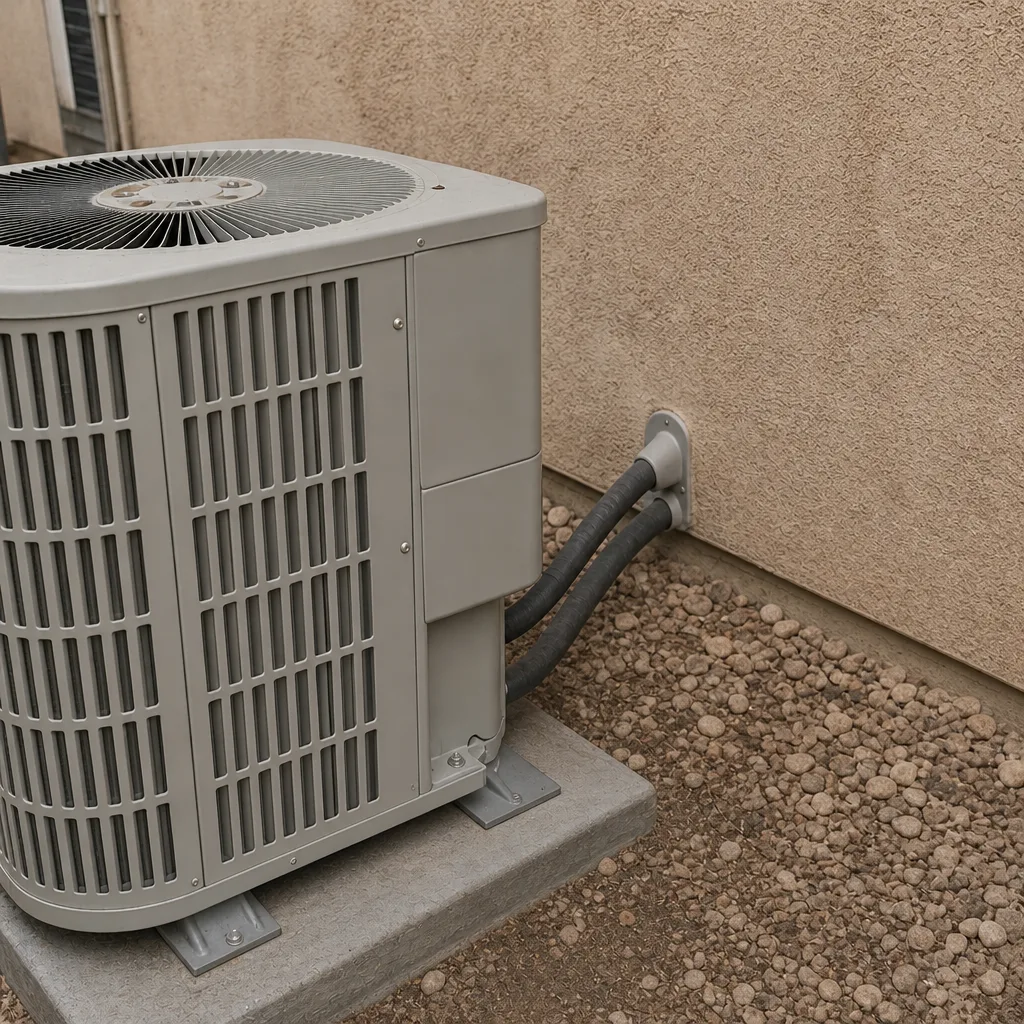
 Before
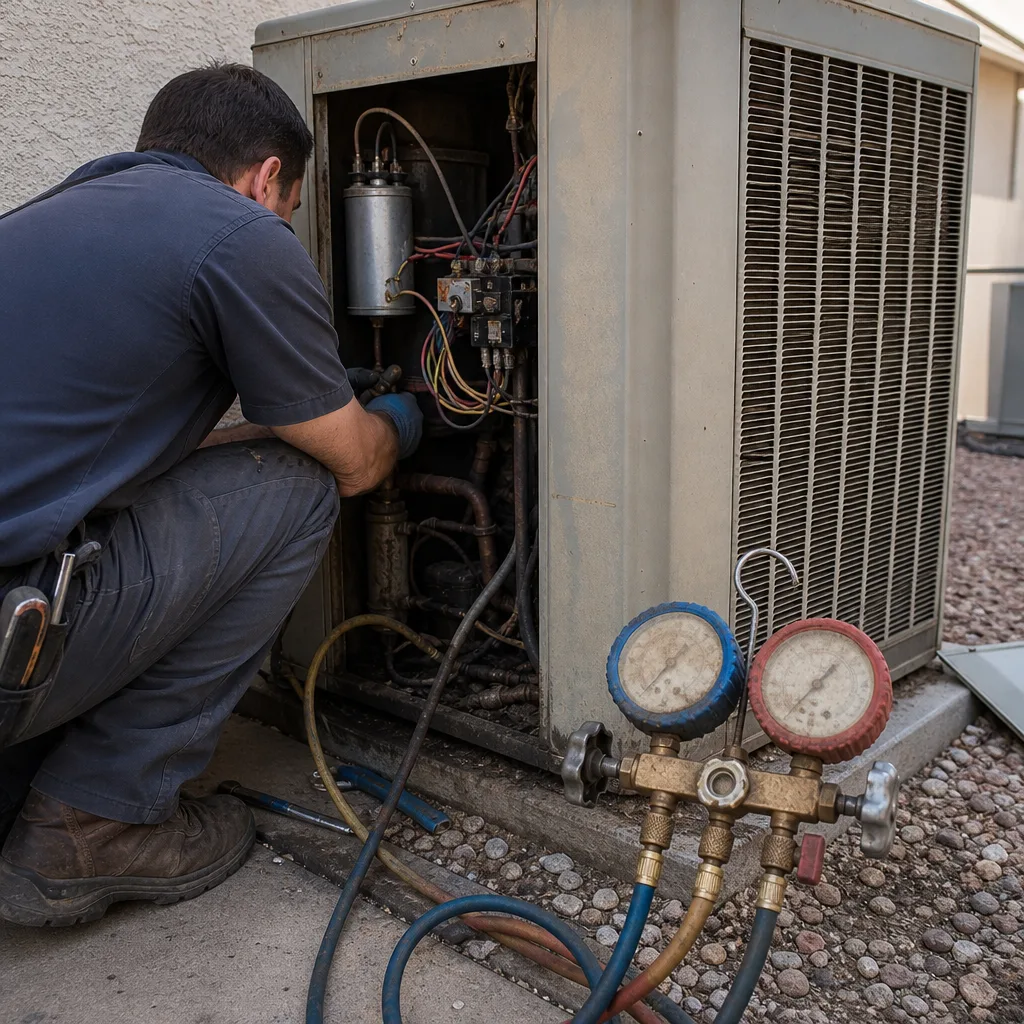
 After
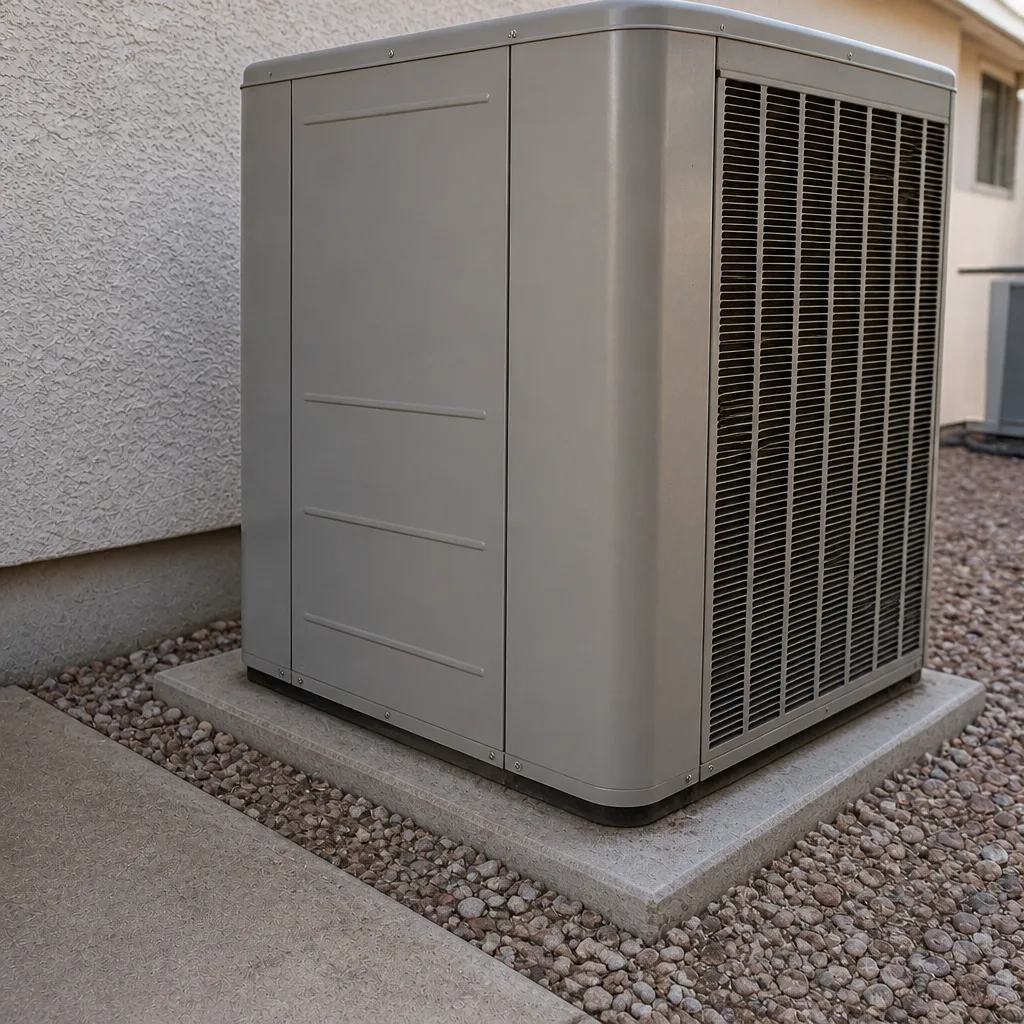
 Before
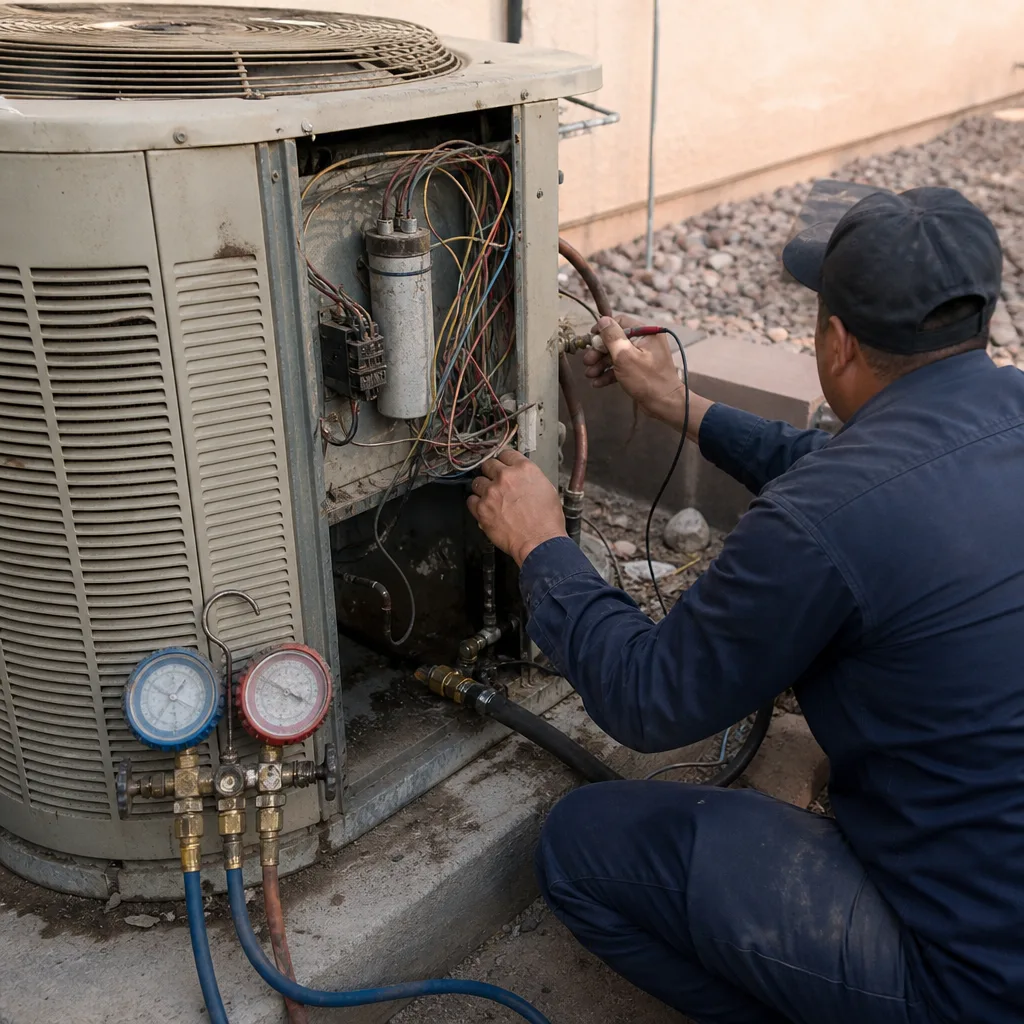
 After
 Before
 After
Frequently Asked Questions
September is the right month in Boulder City. The furnace runs little here, so a fall tune-up before the first cold snap gives you time to schedule and complete any repair found, and it gets you ahead of the service rush when the cold arrives. Waiting until November turns a scheduled tune-up into a scramble.
Change the filter at the end of cooling season in September, then check it monthly through the heating months and change as needed. Because the blower runs all summer for air conditioning, the same filter loads up during cooling season even when the furnace is off. Desert dust, pets, and a dusty lot all shorten the interval.
It depends on what’s included. A tune-up that skips combustion analysis, heat exchanger inspection, and gas pressure verification leaves the safety-critical parts untested. Ask what the service covers before you book. Our $89 seasonal tune-up includes those checks and puts findings in writing.
No, and the light use is the reason not to. A furnace in Boulder City sits idle for months, which is when dust accumulates and small issues wait for the first cold snap to show themselves. The annual tune-up is how you find a failing igniter or a cracked heat exchanger before it’s an emergency.
A tune-up is inspection, cleaning, testing, and adjustment, plus a written report of what was found. A repair is correcting a specific fault. A tune-up often reveals the need for a repair, which is why the report matters: it lets you decide when and how to handle it, and it keeps a record for warranty purposes.
Age, repair history, and the size of the repair all matter. A furnace that’s had repeated repairs, a heat exchanger issue, or is at the end of its expected service life is usually a replacement candidate; a younger furnace with a single failed component is usually a repair. The honest conversation is worth having in person. Straight talk about repair versus replace is what we’re here for. Call (844) 312-0133 and we’ll walk through it with you; estimates are free.
The Bottom Line
The schedule that suits a Boulder City furnace is front-loaded. Do the real work in September: filter, visual flue check, thermostat test, venting clearance, and a professional tune-up with combustion analysis and heat exchanger inspection. Keep the filter clean all year because the blower runs it hard for the air conditioner all summer. Document everything in writing so warranties and future visits are simple. The furnace doesn’t need constant attention here, but it needs the right attention at the right time, and that time is before the first cold snap, not after. Done right, or we make it right, is how we run every job.
Contact
If your furnace is due for its fall prep or something’s already acting up, we’ll give you a free estimate and a straight answer. Call Fireside Heating & Air Co. at (844) 312-0133 to get your Boulder City furnace ready for the season. We answer the phone around the clock, every day of the year, and we’ll be there when we say.
Written by the team at Fireside Heating & Air Co. Boulder City.