
Last updated November 18, 2026
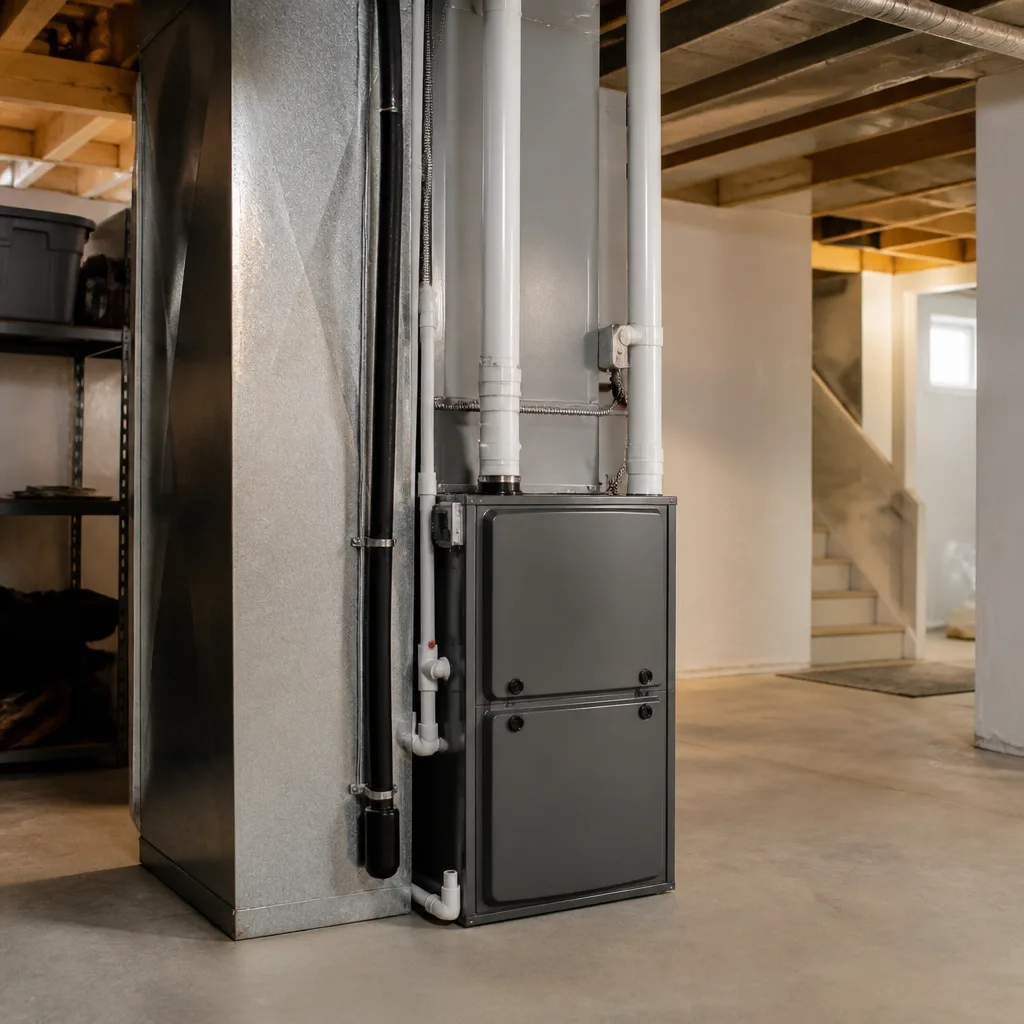 Furnace & heating
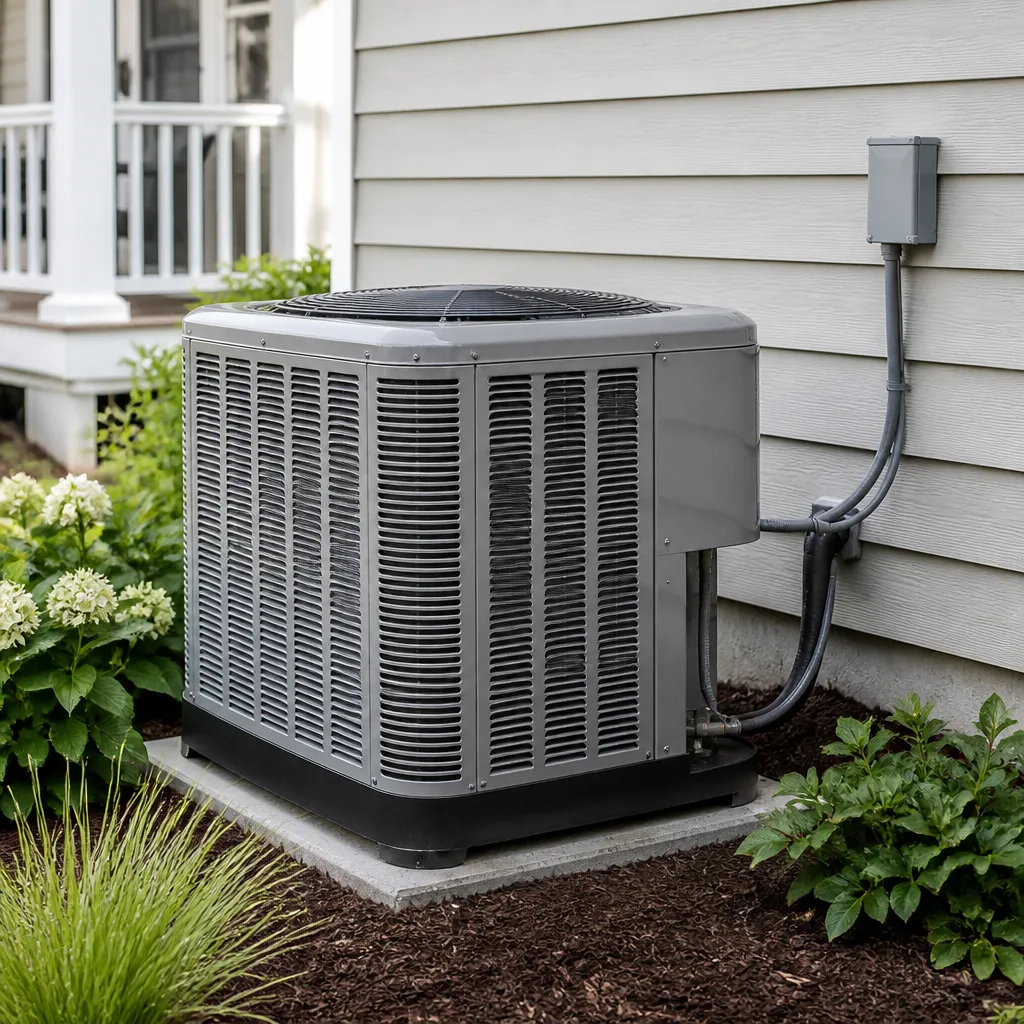 AC repair
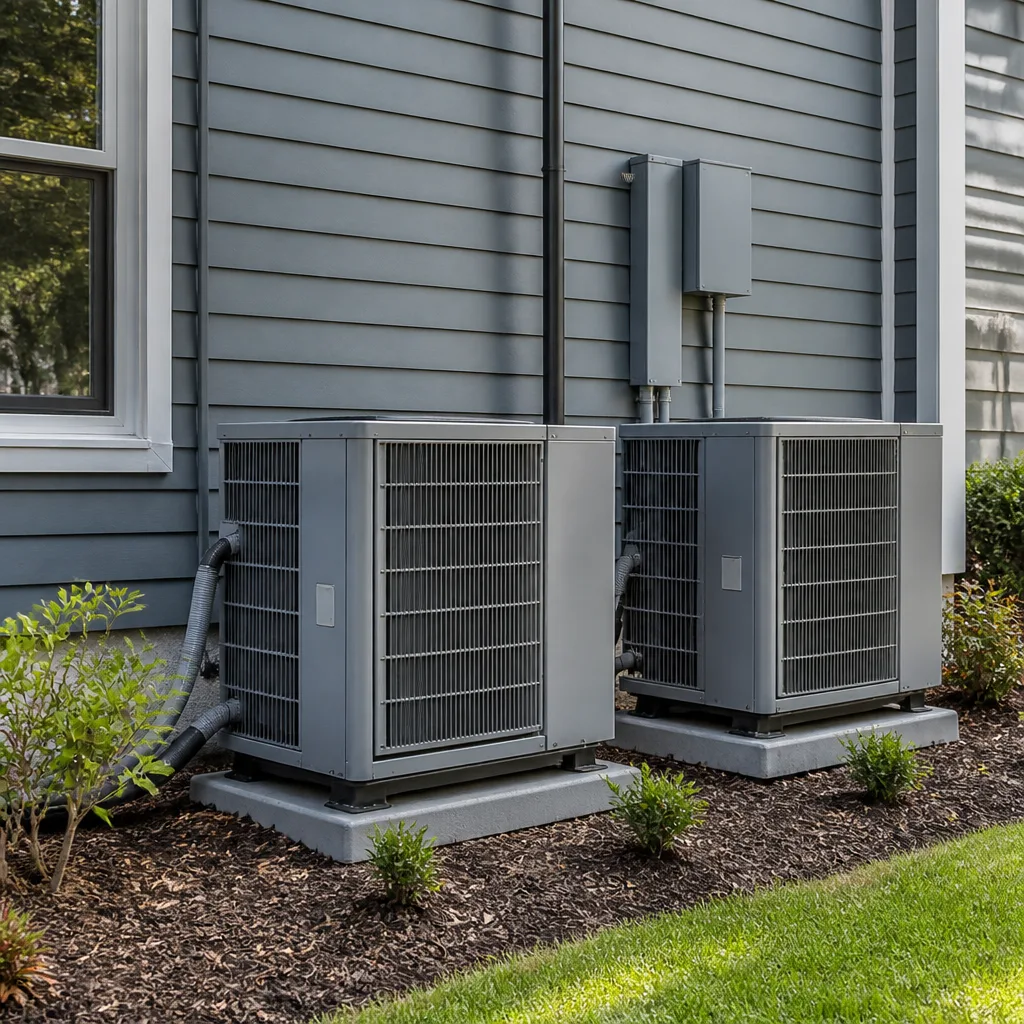 Heat pumps
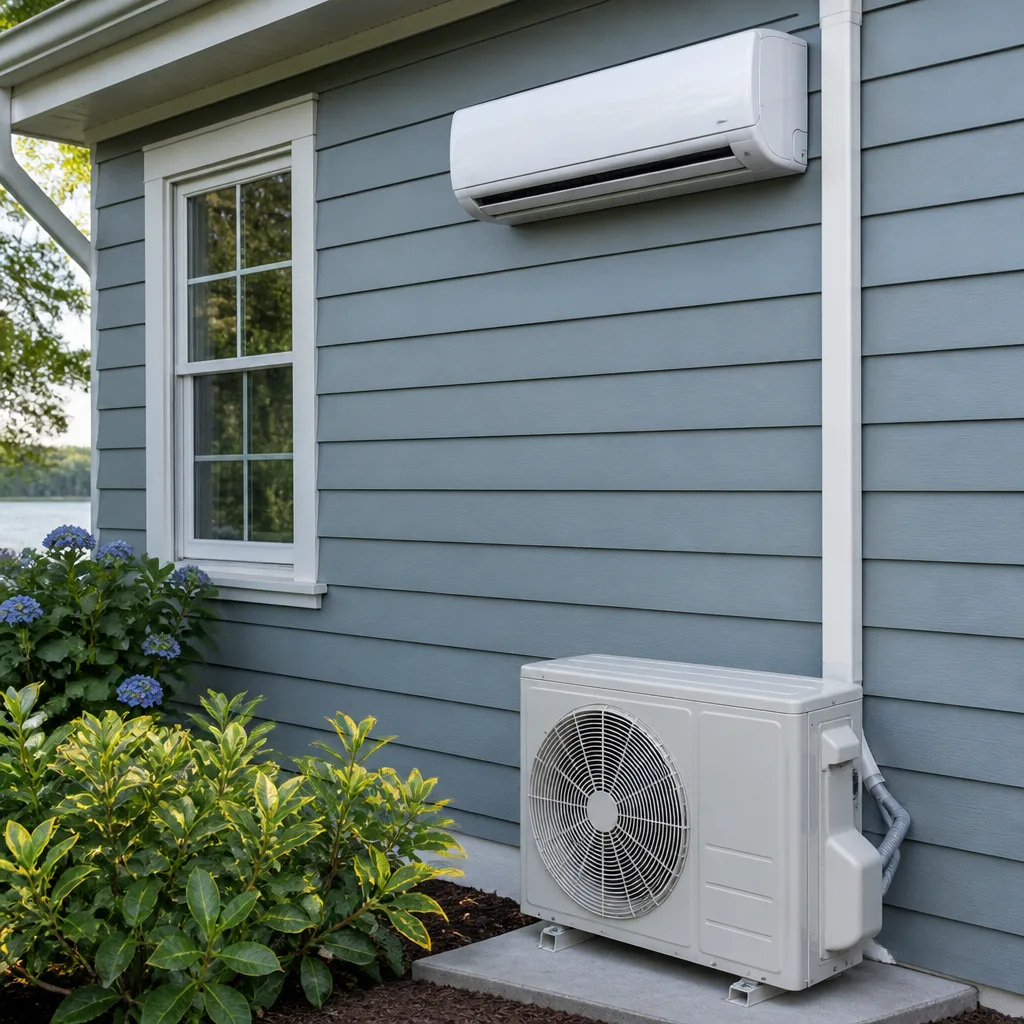 Ductless mini splits
 Carrier
 Trane
 Goodman
Seasonal tune-up and full diagnostic on your Carrier, Trane, or Goodman system - readings shown to you before any repair is proposed
Diagnosis first, numbers second - you approve the repair price before a single part goes in.
Get your free estimateHow Long Does Heating & Furnace Take? Timelines and What to Expect
A furnace replacement quoted as a “one-day job” can stretch to four days in Boulder City if the unit needs a permit pull from Clark County and the part ships in from a regional warehouse. That gap between the sales pitch and the calendar is where most homeowners get blindsided. The work itself is rarely the slow part. What eats the days is everything surrounding it: diagnostics, permits, parts, and scheduling. In this guide we lay out honest time ranges for the three most common heating jobs, explain the hidden delays nobody warns you about, and show you what to do during the waiting window so a cold night doesn’t turn into a cold week.
Quick Answer
A routine furnace diagnostic visit takes 45 to 90 minutes, an ignitor replacement is usually a same-day job of one to two hours total, heat exchanger repair runs two to five hours once the part is on hand, and a full furnace replacement is typically one to two days of actual install time. Add permitting (one to five business days in Clark County) and any parts lead time, and a realistic replacement window is three to seven days from the first call.
Styles & brands we work with
- AC repair
- Furnace & heating
- Heat pumps
- Ductless mini splits
- Carrier
- Trane
- Goodman
Table of Contents
- Diagnostic Visit vs. Repair: Two Very Different Clocks
- Boulder City and Clark County Permit Timelines
- Parts Availability in the Nevada Market
- Real Timelines for the Three Most Common Jobs
- What to Do (and Not Do) While You Wait
- How Boulder City Climate Affects the Schedule
- What Actually Happens on Install Day
- Common Mistakes to Avoid
Diagnostic Visit vs. Repair: Two Very Different Clocks
The single biggest source of confusion we run into is homeowners treating the diagnostic visit as the repair. They are not the same appointment, and they don’t run on the same timeline. A diagnostic is a trained technician figuring out what’s wrong. It takes 45 to 90 minutes on a standard Boulder City residential furnace, sometimes a little longer on an older system or a two-stage unit where the fault can hide behind an intermittent code. You pay for that visit, and at the end you get a straight answer about what’s broken and what it costs to fix.
The repair is a separate event. Once we know the problem, the question becomes whether the part is on hand or has to be ordered, and whether the fix is a 20-minute swap or a half-day job. Those variables can’t be promised over the phone before anyone has looked at the system.
- Diagnostic only: 45 to 90 minutes on site.
- Diagnostic plus a simple repair (ignitor, flame sensor, capacitor, thermostat): often the same visit, adding 30 to 60 minutes.
- Diagnostic plus a part-dependent repair: the visit ends with an estimate, and the repair is scheduled once the part lands.
- Diagnostic plus replacement recommendation: you’re now on the replacement clock, which is measured in days, not hours.
When you call Heating & Furnace in Boulder City, we’ll tell you plainly which of those four you’re likely in for. What we won’t do is guess at a repair time before a technician has opened the unit. That guess is how contractors end up “running late” on a job they never should have promised.
Boulder City and Clark County Permit Timelines
Here’s the part that surprises people. A like-for-like furnace swap in many jurisdictions doesn’t require a permit, but a replacement that changes the unit’s BTU input, fuel type, venting configuration, or electrical circuit often does. In the Boulder City area, that permit runs through Clark County, and the review clock is real: typically one to five business days depending on the queue and whether the submittal is clean. A paperwork error resets that clock.
Most contractors will not mention the permit until the morning they’re supposed to start, which is exactly when the schedule slips. We put it in the written estimate up front so you know whether your job needs one before you sign.
- Day 0: You call. We schedule the diagnostic, usually same day or next day in Boulder City.
- Day 1: Technician confirms the system needs replacement and documents the existing unit’s specs.
- Day 2: Permit submittal goes in if required. Equipment order goes out.
- Days 2 to 6: Permit review and equipment transit run in parallel.
- Day 6 to 8 (typical): Install day, one to two days on site.
That’s the honest version of a “one-day job.” The install itself is often one day. The full sequence from call to warm house is usually closer to a week. Knowing that up front is the difference between planning for a space heater and getting caught cold.
Parts Availability in the Nevada Market
Parts sourcing is the wildcard that wrecks the most schedules, and it breaks down into three tiers. Understanding them tells you how long your specific repair will take.
- On the truck: Ignitors, flame sensors, capacitors, thermostats, and common fuses. These are the parts a technician carries on every call. If your problem is one of these, you’re fixed the same visit. This is the fastest tier and it covers a large share of no-heat calls.
- Regional warehouse: In the Las Vegas and Henderson area, most Goodman, Rheem, York, and Daikin components are stocked regionally. Expect one to two business days transit. This is where most mid-level repairs land: control boards, blower motors, inducers.
- Manufacturer-direct: Heat exchangers and specialty assemblies for older or less common equipment. Lead times here can run five to fourteen business days, and during a cold snap they stretch further because every contractor in the region is ordering the same part. We’ve seen a heat exchanger order in Boulder City sit a full week longer than quoted because the manufacturer’s distribution center ran dry.
Two things you can do: ask whether the part is on the truck or ordered before the technician leaves, and ask for the written estimate with the part lead time stated. When we quote a repair over $250, the $50 off any repair applies, and the estimate tells you whether the part is stocked or on backorder rather than leaving you to wonder.
Real Timelines for the Three Most Common Jobs
Here are honest ranges for the jobs that make up most of our calls in Boulder City, from minimum to maximum.
1. Ignitor Replacement
Minimum to maximum: 1 to 2 hours, same day. This is the fastest repair in our book. The ignitor is a common failure on cold mornings, it’s a stocked part, and once the technician confirms the fault the swap takes minutes. A Boulder City homeowner calling at 2 a.m. with a cold house often has hot air moving again before the coffee’s done. If the ignitor fails alongside the flame sensor or control board, add time for the companion repair.
2. Heat Exchanger Repair
Minimum to maximum: 2 to 5 hours on site, plus 5 to 14 days if the part is manufacturer-direct. The on-site work is a half-day job in a typical residential furnace, but the schedule hinges entirely on parts. If the exchanger is in stock regionally, you’re looking at a couple of days from diagnosis to completion. If it has to ship, plan for a week or more, and be aware that a cracked heat exchanger is a carbon monoxide concern. This is one of the parts where we recommend shutting the system off and using a space heater while you wait rather than running it.
3. Full Unit Swap
Minimum to maximum: 1 to 2 days of install time, three to seven days from first call to warm house including permit and equipment lead time. The equipment itself is often in a regional warehouse (Goodman and Rheem stock well in the Nevada market). The permit and the install window are the real drivers. A straightforward single-story swap that’s a code-clean like-for-like can happen in a single day. Ductwork changes, flue reconfiguration, or an equipment upgrade that trips a permit review push it to two days or into the following week.
What to Do (and Not Do) While You Wait
The waiting window is where homeowners make problems worse. Here’s what to do and what to leave alone.
- Do keep the house from freezing. If the system is off, run a space heater in the room you use most. Keep doors to unused rooms closed to trap heat.
- Do keep the filter clean. A clogged filter restricts airflow and can trip a high-limit switch, adding a second repair to the first.
- Don’t keep resetting the breaker and restarting the furnace hoping it catches. On a cracked heat exchanger or a failing blower, repeated restart attempts can spread a carbon monoxide problem.
- Don’t run the system if you smell gas. Leave the house and call from outside. Gas leaks are a call-the-professional-now situation, not a wait-for-the-appointment one.
- Don’t take a unit apart. The sealed combustion chamber and the heat exchanger are not DIY territory. A wrong gasket on reassembly can leak carbon monoxide into the living space.
- Do keep the appointment window open. A technician who has to leave because nobody’s home burns a day of your schedule and someone else’s.
If the wait stretches and you’re worried about the safety of running the unit, call. A live person answers at any hour. That’s how we stay useful while the part is in transit.
How Boulder City Climate Affects the Schedule
Boulder City winters are gentler than the rest of southern Nevada, but they’re not nothing. Nights regularly dip into the thirties and forties between December and February, and that’s exactly when furnace calls stack up. Everyone’s system fails on the same cold week, which is when lead times grow longest. On top of the cold snaps, the desert dust and the dry air put extra strain on ignitors and flame sensors, so component failures cluster in the shoulder months. Planning a furnace replacement in October gets you a same-week install. Doing it in January, on the first hard freeze, gets you a week or more. Homeowners who schedule a pre-season tune-up in September or October in Boulder City almost never wait for parts.
What Actually Happens on Install Day
Install day is longer than people expect, and we’d rather you plan for it. A typical furnace replacement in a Boulder City home runs six to nine hours from arrival to cleanup. Here’s the shape of it.
- Arrival and protection: Technicians lay down floor protection and put on shoe covers before they bring equipment in. Expect to be without heat for most of the day.
- Removal: The old unit comes out, along with any obsolete venting or obsolete adapters.
- Installation: New unit is set, connected, vented, and wired to code.
- Commissioning: Gas pressure, airflow, and combustion are checked and set. The technician runs the unit through a full cycle.
- Walkthrough and sign-off: You get a clear explanation of the new system, the filter schedule, and the 90-Day Done Right Promise in writing.
That’s the day. It’s long, but it ends with a warm house and a written guarantee. If something isn’t right in the first 90 days, we make it right, no arguing and no paperwork.
Common Mistakes to Avoid
- Assuming the diagnostic is the repair. It isn’t. The diagnostic ends with an estimate; the repair happens once the part is confirmed. Expecting the same appointment for both leads to frustration when the part is ordered.
- Booking the cheapest bid without a written timeline. If the estimate doesn’t say whether the part is on the truck or ordered, you have no schedule. A Boulder City homeowner we worked with had been told “next week” twice before the contractor finally admitted the unit was manufacturer-direct.
- Pulling the trigger on replacement the first cold night. In a rush, people buy the wrong unit. Load calculation matters in a Boulder City home with a mix of old and new windows; a unit sized by rule of thumb runs a cycle too short and fails early.
- Skipping the permit question. If a permit is needed and nobody pulls it, you’re the one holding a code problem. Ask, and get the answer on the estimate.
- Running the system on a suspected cracked heat exchanger. The carbon monoxide risk isn’t worth keeping the house warm. Off, space heater, wait for the part.
- Choosing a contractor on price alone for a heat exchanger job. Heat exchanger work is the highest-risk repair on a furnace. The cheap bid is often the one that skips the commissioning check.
- Not scheduling a pre-season tune-up. A $89 seasonal tune-up in the fall catches ignitor and flame sensor wear before the first freeze. That’s less a sales pitch and more a schedule-management strategy for Boulder City winters.
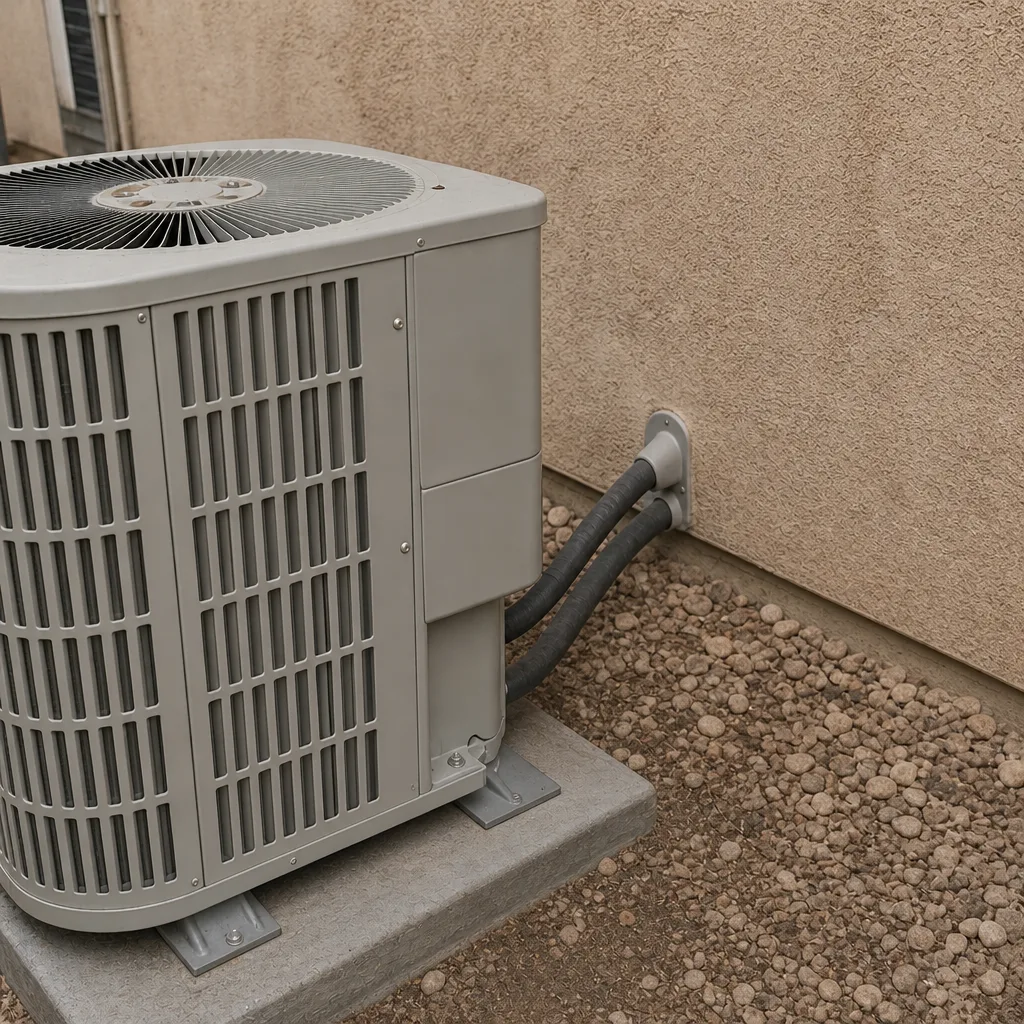
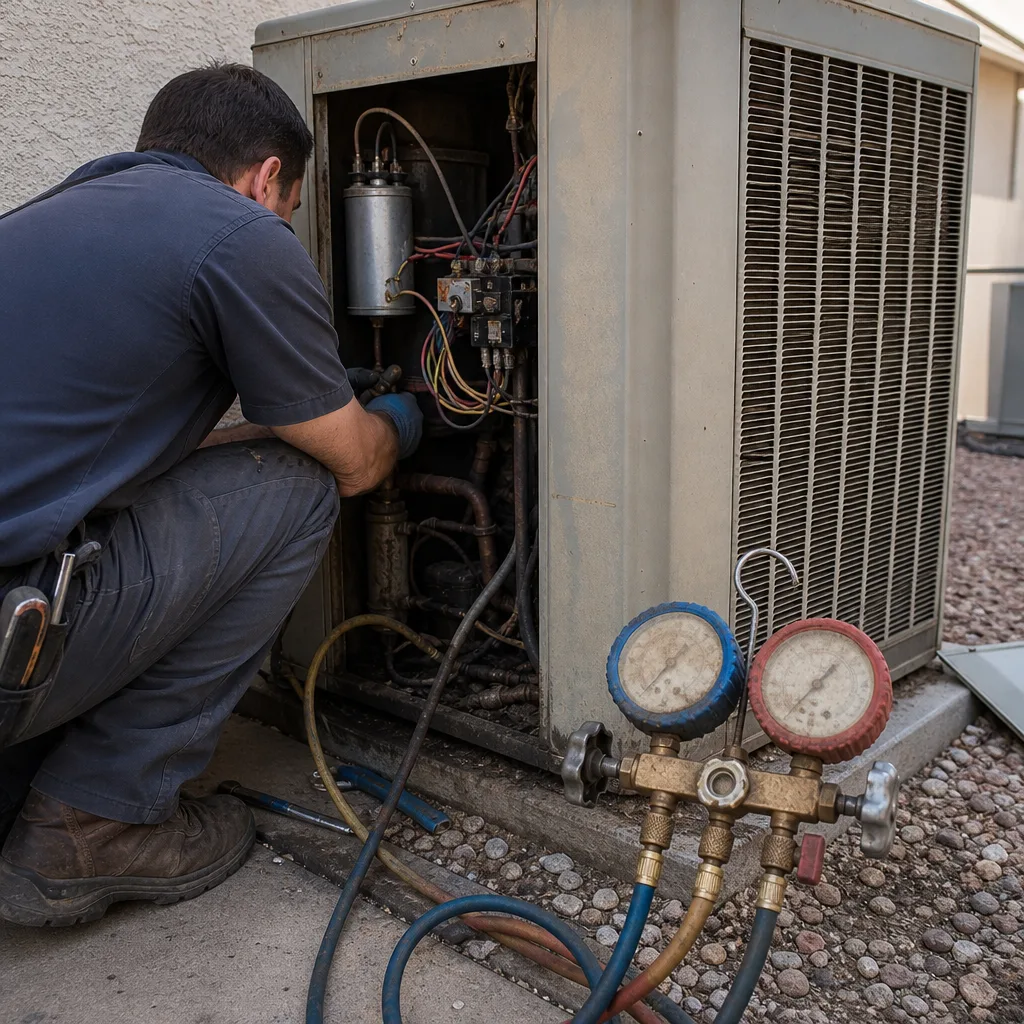
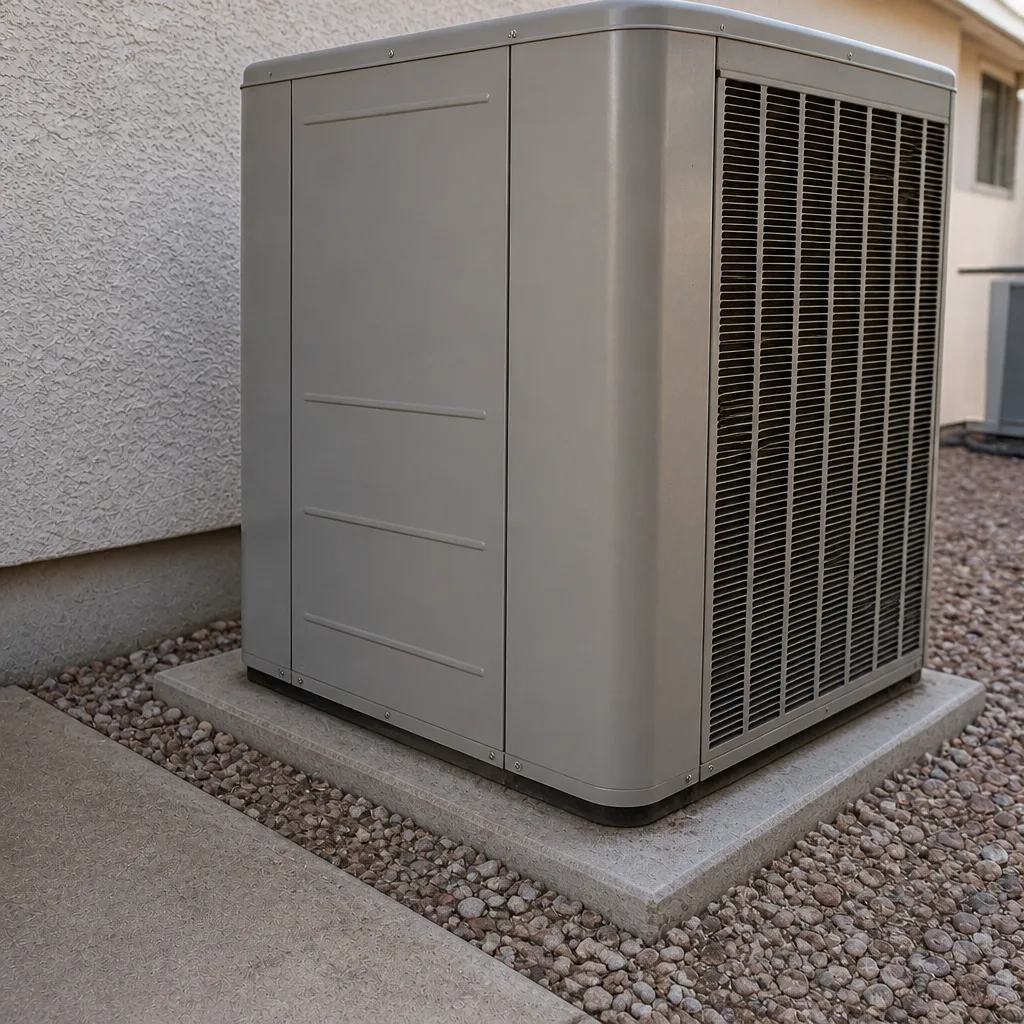
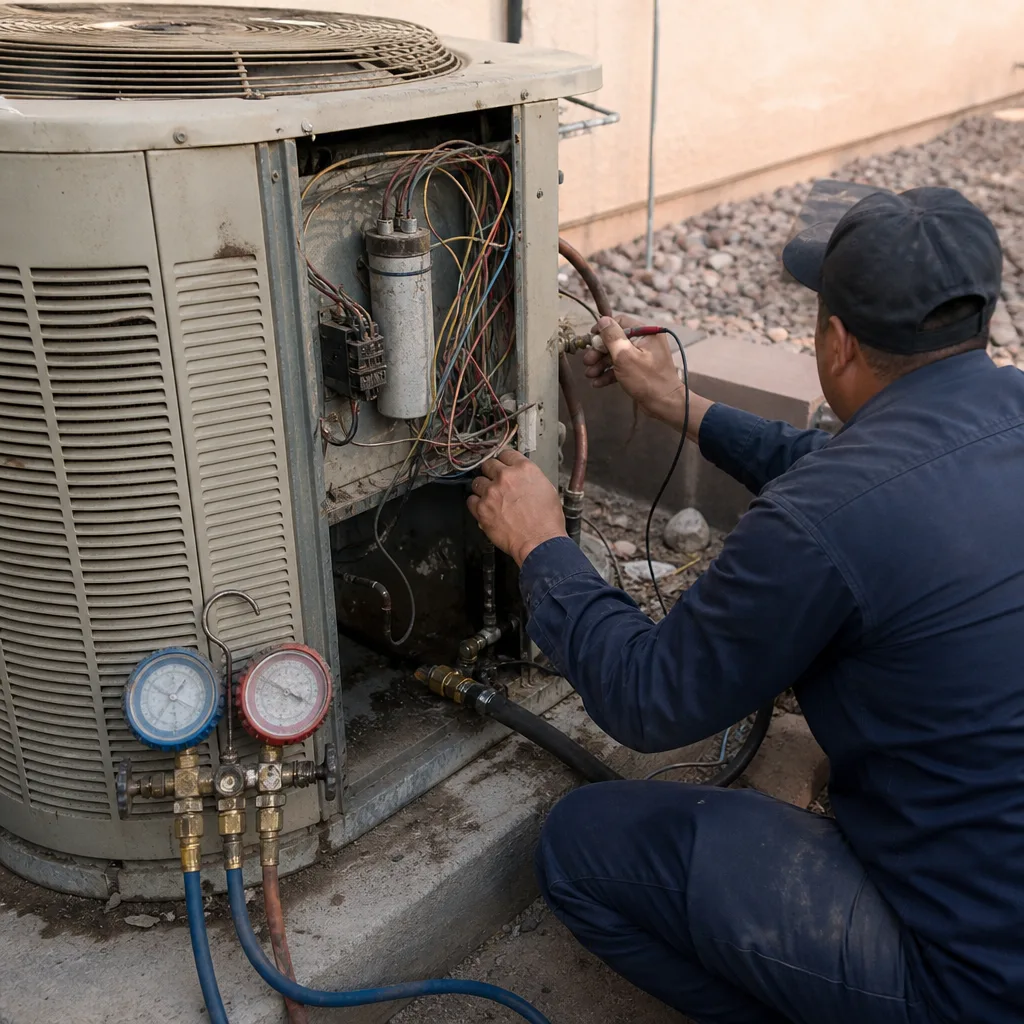
See the difference
 Before
 After
 Before
 After
 Before
 After
When to Call a Professional
Call us when the furnace won’t light, when it lights and shuts off after a minute, when you smell gas, or when you see soot around the burners. Call when you hear a boom on startup or grinding from the blower. Call when the system’s more than 15 years old and repairs are piling up faster than the unit is warming the house. Call when the carbon monoxide alarm goes off and you’ve already left the building. Call when you want a straight answer about repair versus replace rather than a sales pitch. We don’t guess. Fireside Heating & Air Co. Boulder City offers free estimates in Boulder City – call (844) 312-0133.
Frequently Asked Questions
The install itself is typically one to two days on site. From your first call to a warm house, plan on three to seven days to account for diagnostics, the Clark County permit pull if required, and equipment lead time. Call (844) 312-0133 for an estimate that states the timeline in writing.
Often, yes – if the problem is a stocked part like an ignitor, flame sensor, or thermostat, we can usually complete the repair on the diagnostic visit, same day. If the part needs to come from a regional warehouse, plan on one to two business days. Call (844) 312-0133 and a live person will answer, day or night, to get you on the schedule.
Because the “one-day job” only counts the install day, not the permit review, the equipment order, or the diagnostic. In Boulder City, a permit pull through Clark County adds one to five business days, and equipment lead time adds more. A written estimate that lists the permit and the part lead time is the only way to know the real schedule before you sign.
Repair if the unit is under about 15 years old and the fix is a component rather than the heat exchanger. Replace if the exchanger is cracked, if repairs in a single season would run more than a third of a new unit’s cost, or if the system can’t keep the house warm. Call (844) 312-0133 for a straight repair-versus-replace answer – the diagnostic is free with the estimate.
Two to five hours on site once the part arrives. The schedule depends on whether the exchanger is stocked regionally (a couple of days) or manufacturer-direct (five to fourteen days). During a Boulder City cold snap, expect the longer end, and shut the system off while you wait due to carbon monoxide risk.
Keep a space heater in your main room, keep the filter clean, and don’t keep resetting the breaker or restarting the unit. If you smell gas, leave the house and call from outside. Call (844) 312-0133 – a live person answers at any hour, including 2 a.m. no-heat emergencies.
The Bottom Line
The install day isn’t the whole job. The real timeline runs from your first call through diagnostics, the permit pull, and the parts lead time – three to seven days for a replacement, same day for a stocked-part repair. Knowing the difference is what keeps a cold night from becoming a cold week. If you’re in Boulder City and the furnace is acting up, call Fireside Heating & Air Co. at (844) 312-0133 for a free estimate. We’ll be there when we say, quote a price that’s the price you pay, and stand behind it in writing for 90 days. Done right – or we make it right.
Written by the team at Fireside Heating & Air Co. Boulder City.