
Last updated November 18, 2026
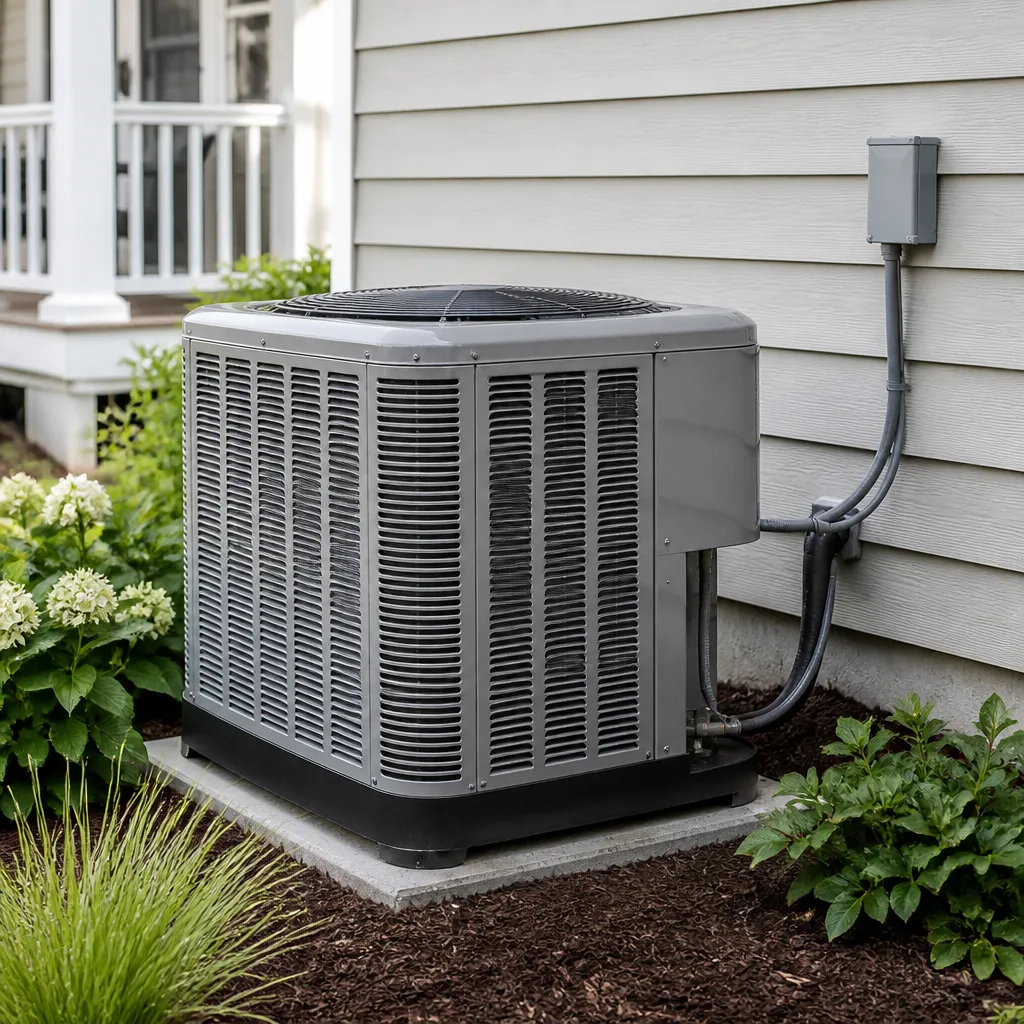 AC repair
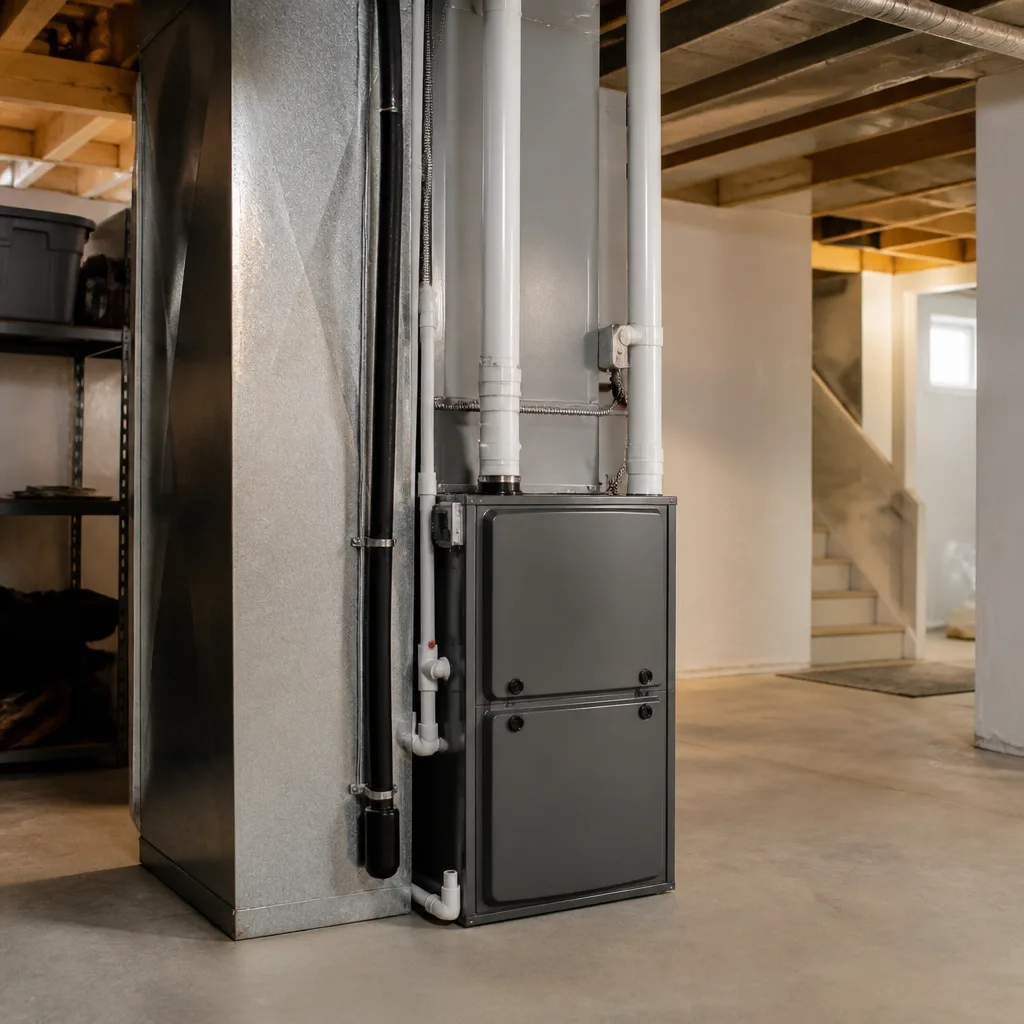 Furnace & heating
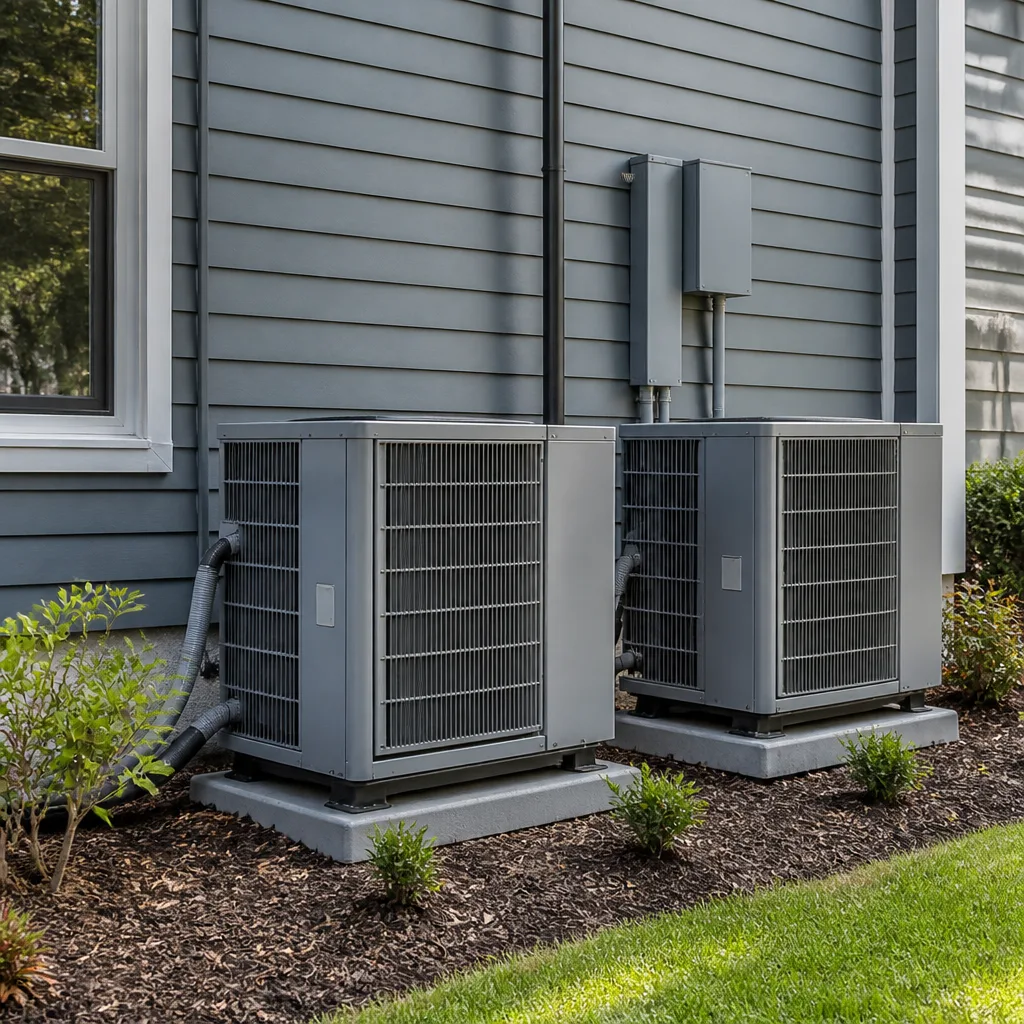 Heat pumps
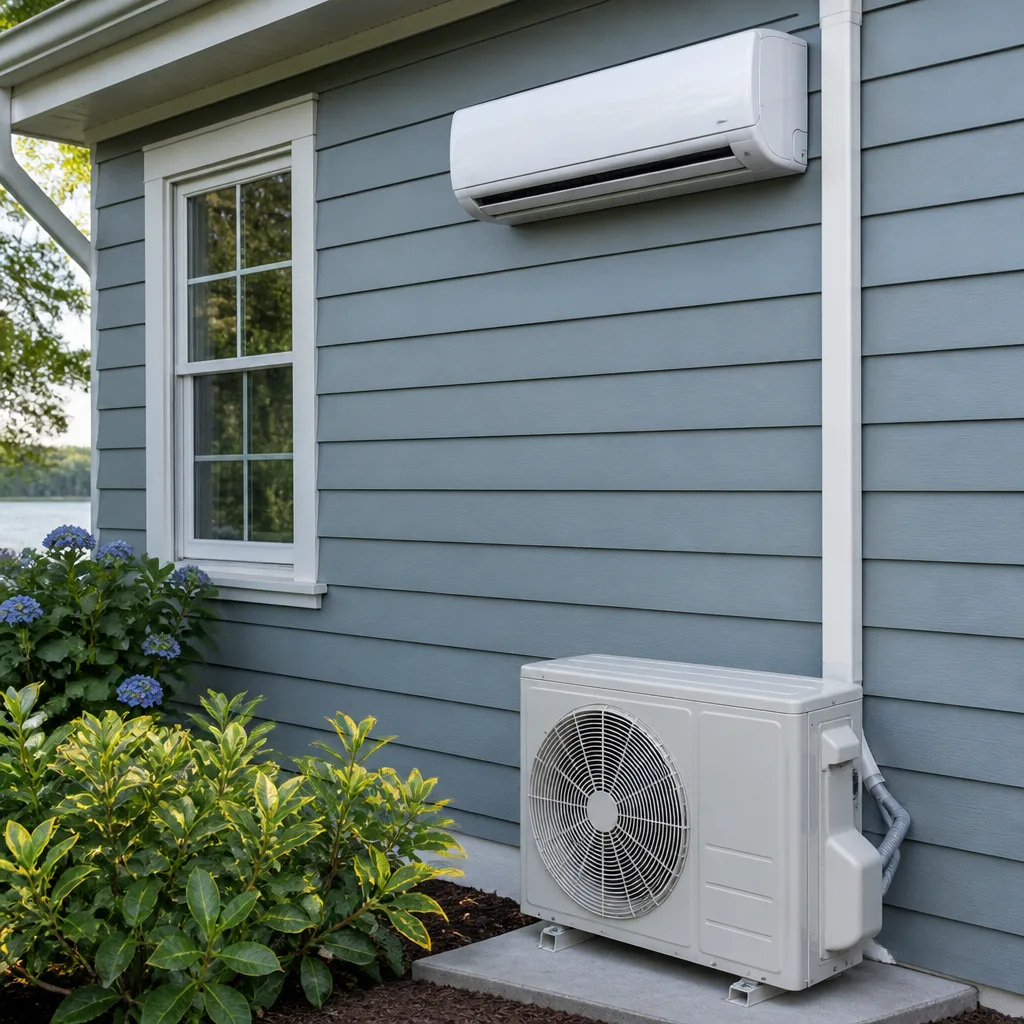 Ductless mini splits
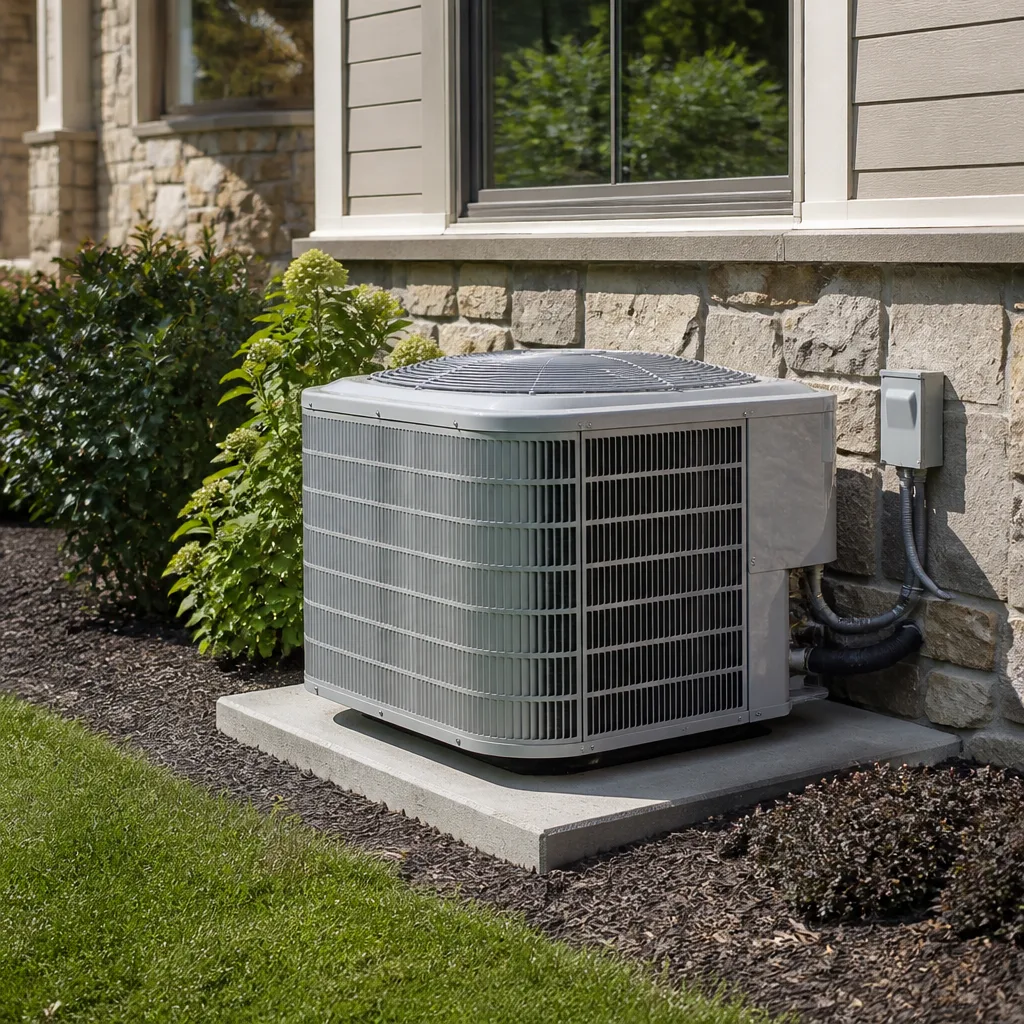 Carrier
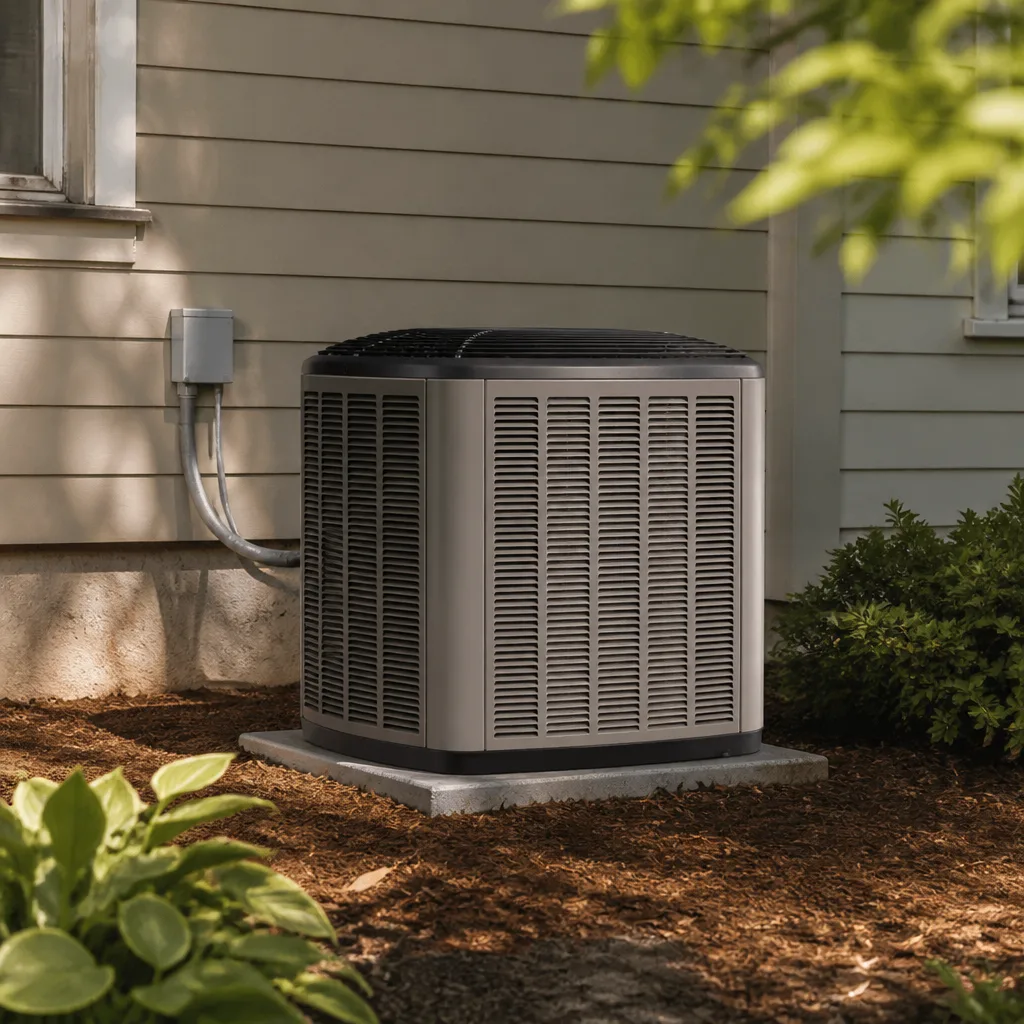 Trane
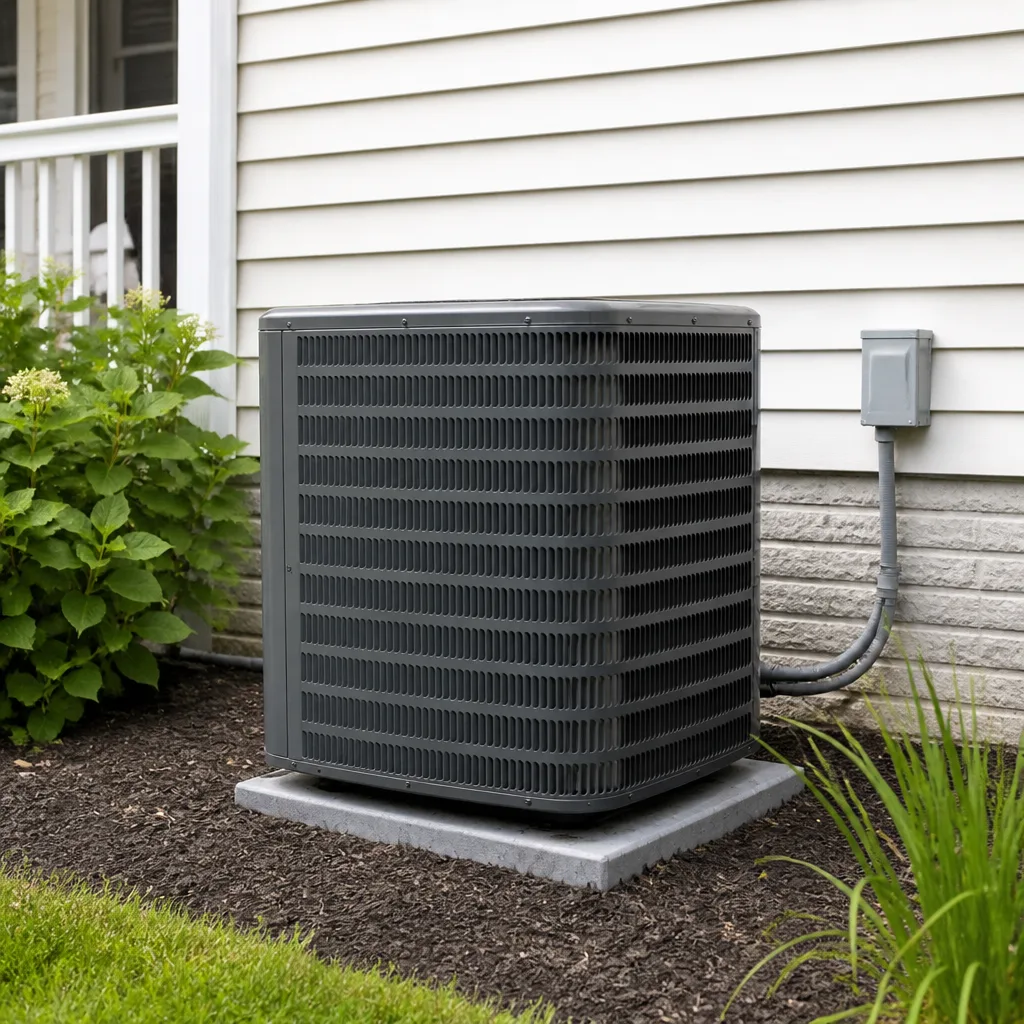 Goodman
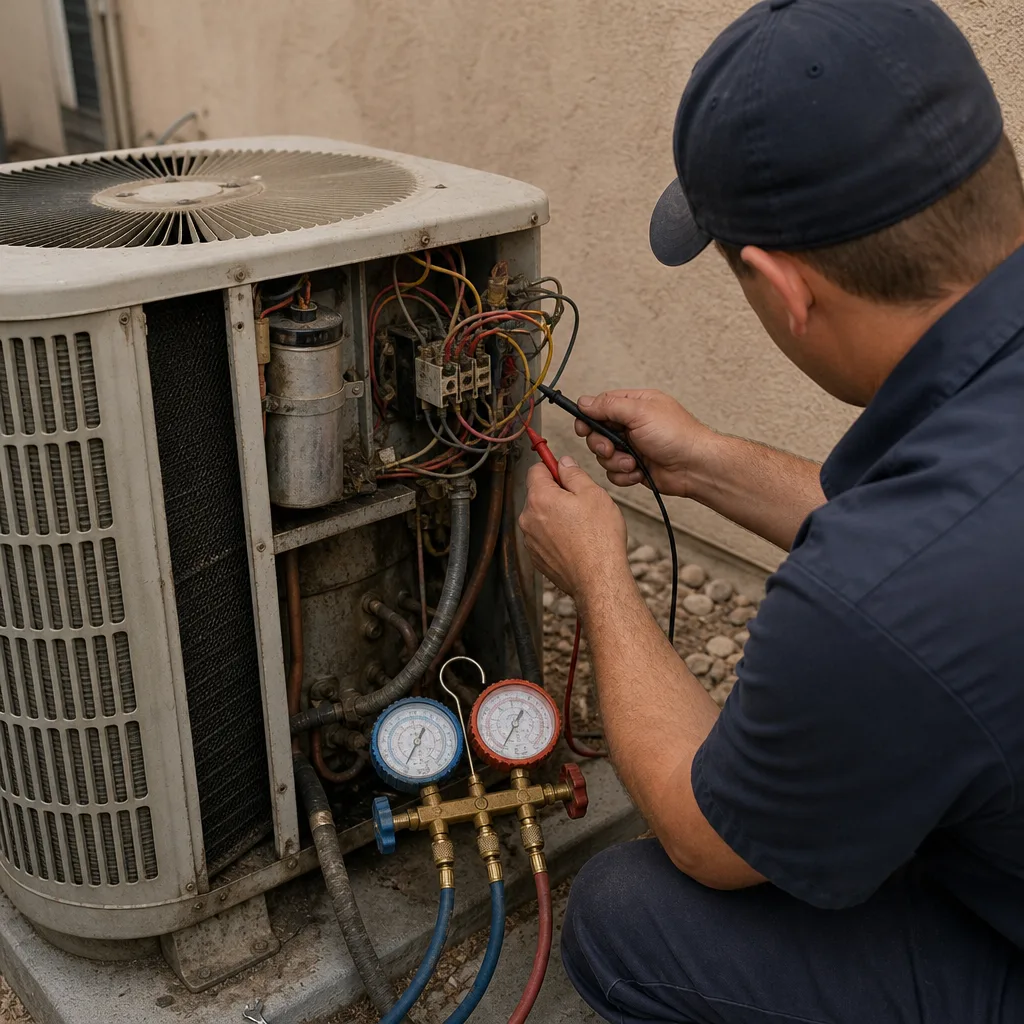
Seasonal tune-up and full diagnostic on your Carrier, Trane, or Goodman system - readings shown to you before any repair is proposed
Diagnosis first, numbers second - you approve the repair price before a single part goes in.
Get your free estimateHVAC Cost Breakdown: The Boulder City Homeowner’s Reference for 2026
The same 3-ton central AC installation quoted at $6,800 by one Boulder City contractor and $11,400 by another isn’t automatically a case of someone cheating. It usually reflects real differences in equipment tier, warranty terms, duct modification scope, electrical work, and permit fees that neither contractor bothered to explain line by line. That gap is where most homeowners get stuck, because a bid without a breakdown is a number without a reason. This guide walks through actual 2026 cost ranges for the five jobs Boulder City homeowners call about most, explains what legitimately drives those prices up or down, and shows how to read two bids side by side so you’re comparing the same work. You’ll finish knowing what a fair price looks like and what questions to ask before you sign.
Quick Answer
In Boulder City, a standard central AC replacement in 2026 runs roughly $6,200 to $11,500 installed, a gas furnace replacement about $4,300 to $8,900, duct repair $450 to $3,200 depending on scope, refrigerant recharge $280 to $850, and an evaporator or condenser coil replacement $950 to $2,600. High-efficiency heat pump systems climb higher, into the $9,000 to $16,000 range once electrical and line-set work is included. The price you pay depends far more on equipment tier, duct condition, electrical capacity, and permit and inspection costs than on the brand name on the box.
Styles & brands we work with
- AC repair
- Furnace & heating
- Heat pumps
- Ductless mini splits
- Carrier
- Trane
- Goodman
Table of Contents
- What the Five Most Common Boulder City HVAC Jobs Cost in 2026
- Why Two Bids for the Same Job Differ by Thousands
- Boulder City Utility Rates, Rebates, and the Net Cost of High-Efficiency Equipment
- Duct Repair: The Line Item Homeowners Underestimate
- Refrigerant Recharge and Coil Replacement: When Repair Makes Sense
- What Financing Really Costs Over the Full Term
- The Cost of Doing Nothing at Boulder City’s Utility Rates
- How to Compare Two HVAC Bids on Equal Terms
What the Five Most Common Boulder City HVAC Jobs Cost in 2026
These ranges come from the work we quote and see across Boulder City every week, from the older single-story homes near downtown to the newer builds up toward the lake. Treat them as a starting frame, not a fixed bid. Any contractor who quotes you a hard number without walking the house, checking the panel, and looking at the ductwork is guessing.
- Central AC replacement (3-ton, standard efficiency): $6,200 to $11,500 installed. Low end is a code-minimum single-stage unit with existing line set reused; high end is a two-stage or variable-speed system with a new line set and pad.
- Gas furnace replacement (80,000 BTU): $4,300 to $8,900 installed. High-efficiency condensing furnaces sit at the top of that range and often need a new vent route.
- Duct repair and sealing: $450 to $3,200. Small disconnect repairs land near the bottom; full attic duct replacement with new insulation and a Manual D redesign pushes the top.
- Refrigerant recharge (R-410A or R-454B): $280 to $850. A leak search and repair adds $250 to $600 on top, and you should always ask for one before agreeing to a recharge.
- Evaporator or condenser coil replacement: $950 to $2,600. Coil-only swaps on an older system cost less than a coil plus the labor to recover and recharge refrigerant.
Two more numbers worth keeping in your head. First, a heat pump replacement, which many Boulder City homeowners are now considering as both a cooling and heating answer, runs about $9,000 to $16,000 installed. Second, a seasonal tune-up should cost $89 to $150; anything above that usually means add-ons you didn’t ask for. When you’re ready to move from ranges to a real figure, our AC Repair & Installation in Boulder City page lays out what a site visit covers.
Why Two Bids for the Same Job Differ by Thousands
A $4,600 spread between two AC quotes doesn’t have to mean one contractor is dishonest. It usually means they’re pricing different work. Here’s what actually moves the number, in order of how often it’s the culprit.
- Equipment tier. A single-stage builder-grade unit and a variable-speed communicating system can differ by $3,500 in equipment cost alone. Both cool the house. They don’t cool it the same way, and they don’t last the same number of years.
- Warranty terms. A 5-year parts warranty and a 10-year parts-and-labor warranty reflect very different risk the contractor is carrying. Ask what’s covered and for how long, in writing.
- Line set condition. Reusing an old copper line set saves money. Replacing it, or running a new one through finished walls, adds labor. On Boulder City homes built in the 1970s and 1980s, we’ve seen original line sets that are still serviceable and others that are kinked or oil-stained and simply can’t be reused.
- Electrical panel capacity. A new high-efficiency system may draw differently than the old one. If the panel is full or the disconnect is undersized, an electrician’s visit adds $400 to $1,200.
- Duct modification scope. If the new air handler moves or the plenum needs rebuilding, that’s sheet metal labor. A bid that ignores it will look cheaper until change orders show up mid-job.
- Permit and inspection fees. Boulder City requires permits for HVAC replacement, and the fee and the inspection visit both cost money. A bid that skips the permit is cheaper and exposes you to problems at resale.
That last point matters more than most homeowners realize. When a contractor skips the permit, the work is unpermitted, and unpermitted work can complicate a home sale or an insurance claim years later. When we quote a job, the permit is in the number. The price quoted is the price paid.
Boulder City Utility Rates, Rebates, and the Net Cost of High-Efficiency Equipment
Boulder City is one of the handful of American communities that runs its own electric utility, and that changes the math on a high-efficiency replacement in ways most national HVAC pricing pages ignore. Boulder City residents buy electricity from the municipal utility, not from a large regional provider, and the rate structure shapes how quickly a more expensive unit pays itself back.
Here’s the honest version of that math. A code-minimum 14.3 SEER2 unit might cost $6,800 installed. A 16-to-18 SEER2 two-stage system might run $9,500. At Boulder City’s rates, the efficiency difference saves real money each summer month during the long cooling season, but the payback period is measured in years, not months. Whether the higher tier is worth it depends on how long you plan to stay and how hard the system works.
- Long-term owners (10+ years planned): the higher-efficiency unit usually wins on total cost of ownership.
- Homeowners planning to sell in under five years: a solid mid-tier unit is often the smarter spend.
- Homes with a heat pump replacing both heating and cooling: the efficiency gain matters across more of the year, which shortens payback.
Rebates change, so ask before you buy rather than after. Programs tied to high-efficiency heat pumps and to utility efficiency incentives do come and go, and a good contractor knows what’s active in the year you’re buying. Our team stays current on what’s available and includes rebate paperwork in the job. We don’t promise a figure we can’t verify. For the full picture on heat pump economics in this climate, see our Heat Pump & Mini Split in Boulder City guide.
Duct Repair: The Line Item Homeowners Underestimate
Ductwork is the part of an HVAC system that hides in the attic and crawlspace, and it’s where a surprising share of Boulder City energy dollars leak away. Desert heat is hard on duct insulation. Attic temperatures here routinely crest well above 130 degrees in July, and that heat cooks the outer wrap on older flex duct until it turns brittle and flakes off. Once the insulation is gone, the duct itself radiates heat into the cold air you paid to produce.
What duct repair costs depends entirely on scope:
- Single disconnect or joint sealing: $450 to $850. Common after a rodent issue or a failed mastic joint.
- Partial duct replacement (one trunk or a few runs): $900 to $1,800.
- Full attic duct replacement with new insulation: $2,200 to $3,200 for a typical single-story home.
- Duct redesign for a new system: add $600 to $1,500 if static pressure testing shows the existing layout can’t move enough air.
If your ducts are original to a house built before 1990, there’s a decent chance you’re losing somewhere between 20 and 30 percent of your cooling before it reaches the room. A proper duct job starts with a pressure and leakage test, not a guess. Ask any contractor to show you the before-and-after numbers.
Refrigerant Recharge and Coil Replacement: When Repair Makes Sense
A system that stops cooling in June is usually low on refrigerant, and low refrigerant almost always means a leak. That distinction matters, because a recharge without a leak search is money spent on a problem that comes back. Here’s how to think through the repair decision on a system that’s still running.
- Get a leak search first. Any honest contractor will locate the leak before quoting a recharge. A $300 recharge on an unlocated leak is a temporary fix.
- Weigh the age of the system. A coil repair on a 6-year-old system is sensible. The same repair on a 14-year-old system often costs more than a third of a new unit’s price.
- Check refrigerant type. Newer systems use R-454B, and older units run on R-410A. Refrigerant prices shift, and a coil replacement on an older refrigerant system costs more as that supply tightens.
- Ask what the repair buys you. A coil replacement should reset the system for years, not months. If the compressor is also tired, a repair may not be worth it.
Our general rule, stated plainly: if a repair costs more than 40 percent of a new system’s installed price and the equipment is already past 12 years old, replacement usually makes more financial sense. Below that threshold, repair. Straight talk, no upsell. When the call points toward heat-side work instead, our Heating & Furnace in Boulder City page covers furnace repair and replacement ranges in more detail.
What Financing Really Costs Over the Full Term
Financing is a useful tool and a common source of quiet overspend. The monthly payment makes a $11,000 system feel like a $180 line item, and that’s exactly why it works. Here’s what that payment actually costs across the full term.
- 0% APR for 12 to 18 months: genuinely free if you pay it off inside the promotional window. Miss the window and the deferred interest can hit retroactively, all at once.
- 0% APR for 60 months: rare in HVAC. When offered, check whether it’s a true 0% or a deferred-interest product with a rebate structure behind it.
- 7.99% to 12.99% APR over 60 to 84 months: on a $9,500 system, total interest can run $2,000 to $4,500 over the term. That’s real money, and it should be compared against the savings the new system produces.
- Paying upfront: usually comes with the best total cost. Some contractors offer a cash discount; ask.
The honest question isn’t “what’s the monthly payment,” it’s “what’s the total I’ll have paid when the last check clears, and will this system outlive that term?” A well-installed system in Boulder City should last 15 to 20 years for the outdoor unit and 20-plus for the furnace if it’s maintained. Financing over 10 years against a unit that lasts 18 is defensible. Financing over 10 years against a bargain install that fails at year 9 is not. Our technicians have up to 8 years of experience each, and every Fireside install is backed by our 90-Day Done Right Promise in writing.
The Cost of Doing Nothing at Boulder City’s Utility Rates
An HVAC system running 15 percent below peak efficiency is easy to ignore, because it doesn’t break. It just costs more to run every month. Here’s the number, side by side.
Take a Boulder City home with a summer electric bill of $280 during peak cooling months, with about $150 of that being the AC’s share. A 15 percent efficiency loss adds roughly $22 to that AC portion each month across the roughly five months that cooling dominates here. That’s about $110 a year in wasted electricity, and it climbs as the system ages. Over the last five years of a system’s life, when losses usually deepen to 25 or 30 percent, the annual waste can reach $300 or more. The compounding cost matters because that money is spent on nothing. It goes out the meter and into the desert heat.
There’s a second cost that doesn’t show up on the bill: the emergencies. A system running at reduced efficiency is a system working harder than it was designed to, and in our experience the failures tend to land on the hottest week of the year, usually on a Friday evening. Emergency repair in July costs more than scheduled repair in April, and the discomfort is worse. That’s why we answer the phone at 2 a.m. when it happens. But the better plan is a tune-up before the season turns.
How to Compare Two HVAC Bids on Equal Terms
Now that you know what drives the number, here’s the practical method for reading bids side by side. Two bids that differ by $3,000 are only a fair comparison if they cover the same work. In our experience, most spreads shrink after these questions get asked.
- Ask for the equipment model number, not the brand name. “Carrier” covers a dozen tiers. The model number tells you exactly what you’re buying. A Bryant or American Standard quote should carry the same specificity.
- Ask whether the permit is included. If it isn’t, the bid is incomplete. Full stop.
- Ask what happens to the old equipment. Haul-away and disposal should be in the price.
- Ask about the line set and electrical. Reused or new? Included or extra? Get it in writing.
- Ask for the warranty in writing. Parts, labor, and compressor coverage, with the number of years spelled out.
- Ask what the company’s own guarantee is. Ours is 90 days, in writing, no arguing. Any reputable contractor should be willing to stand behind the work for a similar period.
- Ask whether the bid is a fixed price or an estimate. An estimate is a guess. A fixed price is a commitment. The price quoted is the price paid.
If you already have a written estimate and want a second opinion on it, bring it in. We’ll walk it line by line with you and tell you whether the scope and price make sense, even if you decide to go with the other contractor. Start at our Fireside Heating & Air Co. Boulder City home page and we’ll get you pointed in the right direction.
Common Mistakes to Avoid
- Buying on the sticker price alone. The lowest bid often skips the permit, the line set, or the electrical work, and you pay for all three as change orders. Compare total scope, not the headline number.
- Recharging refrigerant without a leak search. In a desert climate, refrigerant loss almost always means a leak, and a recharge without a search buys you one season at most. Ask for the leak test first.
- Ignoring the ductwork. A premium system connected to leaking 1980s ducts still delivers mediocre comfort. Nobody should install new equipment without checking the ducts.
- Choosing a bigger system because bigger feels safer. Oversized units short-cycle, dehumidify poorly, and wear out faster. A load calculation (Manual J) should determine size, not a rule of thumb.
- Assuming a brand name guarantees quality. Installation quality matters more than brand. A well-installed mid-tier system will outlast a badly installed premium one.
- Skipping the permit to save money. Unpermitted HVAC work can surface at resale and complicate insurance. The permit exists for a reason and should be in the bid.
- Using a deferred-interest financing plan and missing the payoff date. Deferred-interest promotions can retroactively charge all the interest at the end of the window. Read the terms and set a calendar reminder if you take one.
See the difference
 Before
 After
 Before
 After
 Before
 After
When to Call a Professional
Some HVAC work belongs in a homeowner’s hands: changing the filter, clearing debris from the outdoor unit, keeping the return grilles unobstructed. Beyond that, the work involves refrigerant handling, gas piping, high-voltage electrical, and equipment that weighs more than it looks. Those aren’t the places to teach yourself. If your system is blowing warm air in July, tripping the breaker repeatedly, making a grinding or screeching noise on startup, leaking water from the indoor unit, or throwing a carbon monoxide alarm anywhere near the furnace, call a professional. Those signals mean the equipment needs a trained set of eyes and hands, not a YouTube video. Fireside Heating & Air Co. Boulder City offers free estimates in Boulder City. Call (844) 312-0133 and a live person will answer, day or night, including the 2 a.m. no-heat call. Same-day visits are available for repairs and emergencies, and our technicians are background-checked, uniformed, and trained as journeymen.
Frequently Asked Questions
A standard 3-ton central AC replacement in Boulder City runs roughly $6,200 to $11,500 installed, with mid-tier two-stage systems landing around $8,000 to $9,500. High-efficiency systems and any job requiring new ductwork or electrical work push toward the top of the range. Call (844) 312-0133 for an exact quote, estimates are free.
Rebate programs tied to high-efficiency heat pumps and efficiency upgrades do exist and change from year to year, so the right move is to ask your contractor what’s currently active before you buy. Fireside includes rebate and financing paperwork in the job. Call (844) 312-0133 and we’ll walk you through what’s available for your situation.
Repair usually makes sense when the fix costs less than 40 percent of a new system’s installed price and the equipment is under 12 years old. Past that threshold, replacement typically wins on total cost of ownership. Call (844) 312-0133 for a free second opinion on any written estimate before you decide.
Yes, same-day repair is available for most AC and heating failures in Boulder City, and a live person answers the phone every hour of every day. Call (844) 312-0133 and we’ll tell you exactly when a technician can be at your door.
Duct repair in Boulder City runs from about $450 for a single disconnect to $3,200 for a full attic duct replacement with new insulation. Older homes with original flex duct and deteriorating outer wrap often need more than a single repair. Call (844) 312-0133 for a free walkthrough and a fixed price.
We’re trained to service nine major residential brands, including Carrier, Trane, Lennox, Goodman, Rheem, York, Daikin, Bryant, and American Standard. Whether your system is one of those or a different make, call (844) 312-0133 and we’ll tell you honestly whether we’re the right company for the job.
The Bottom Line
Boulder City HVAC pricing isn’t arbitrary. It moves with equipment tier, duct condition, electrical capacity, permit costs, and warranty terms, and understanding those drivers is how you have a fair conversation with any contractor instead of hoping the bid is honest. Repair usually beats replacement below the 12-year mark; above it, replacement usually wins on total cost of ownership. Ducts and electrical are the two line items most homeowners miss, and financing deserves the same scrutiny as the equipment. The price quoted should be the price paid, and the work should be backed in writing. Fireside Heating & Air Co. Boulder City stands behind every job with our 90-Day Done Right Promise. Current offers include $50 Off Any Repair Over $250, Free Second Opinion on Any Written Estimate, $89 Seasonal Tune-Up, and a permanent 5% Senior and Veteran discount. When you’re ready for a real number on your specific home, call (844) 312-0133 for a free estimate, and a live person will answer.
Written by the team at Fireside Heating & Air Co. Boulder City.