
Last updated November 18, 2026
 Heat pumps
 AC repair
 Furnace & heating
 Ductless mini splits
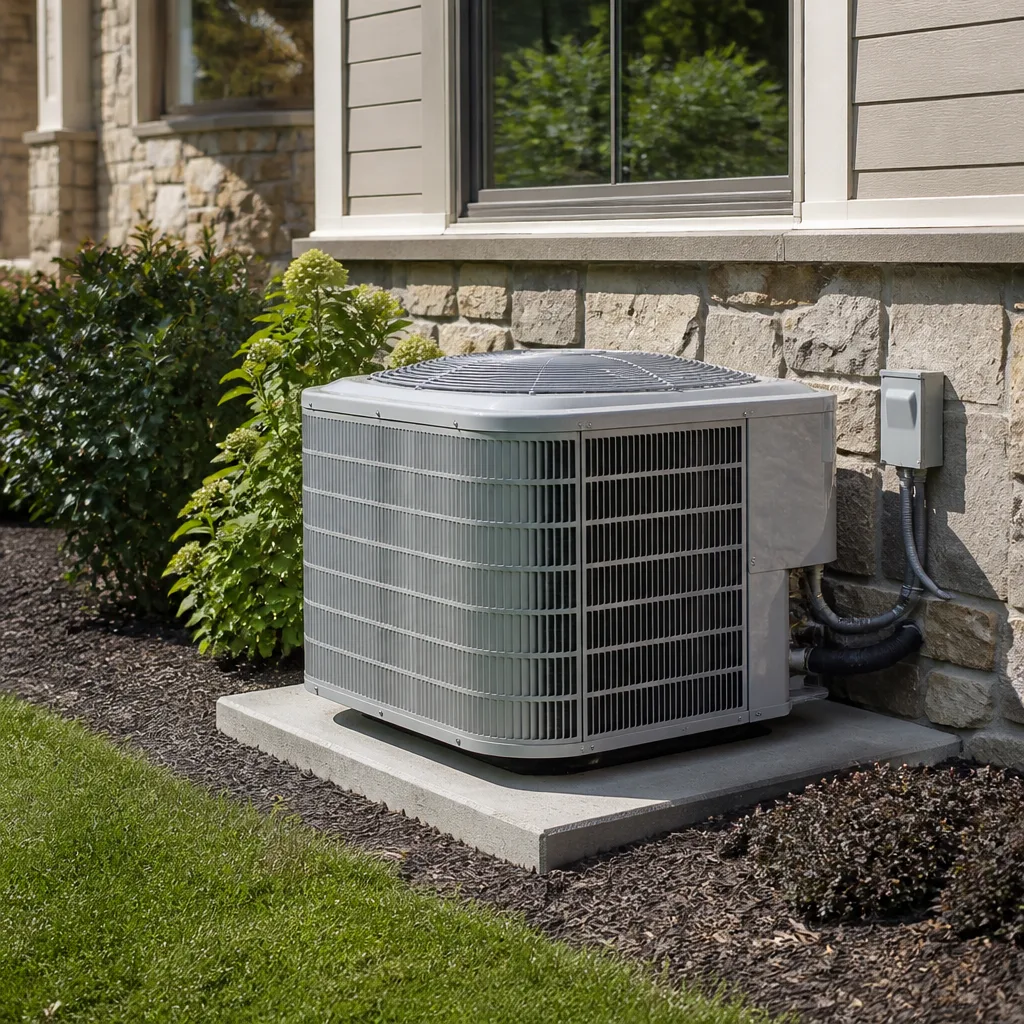 Carrier
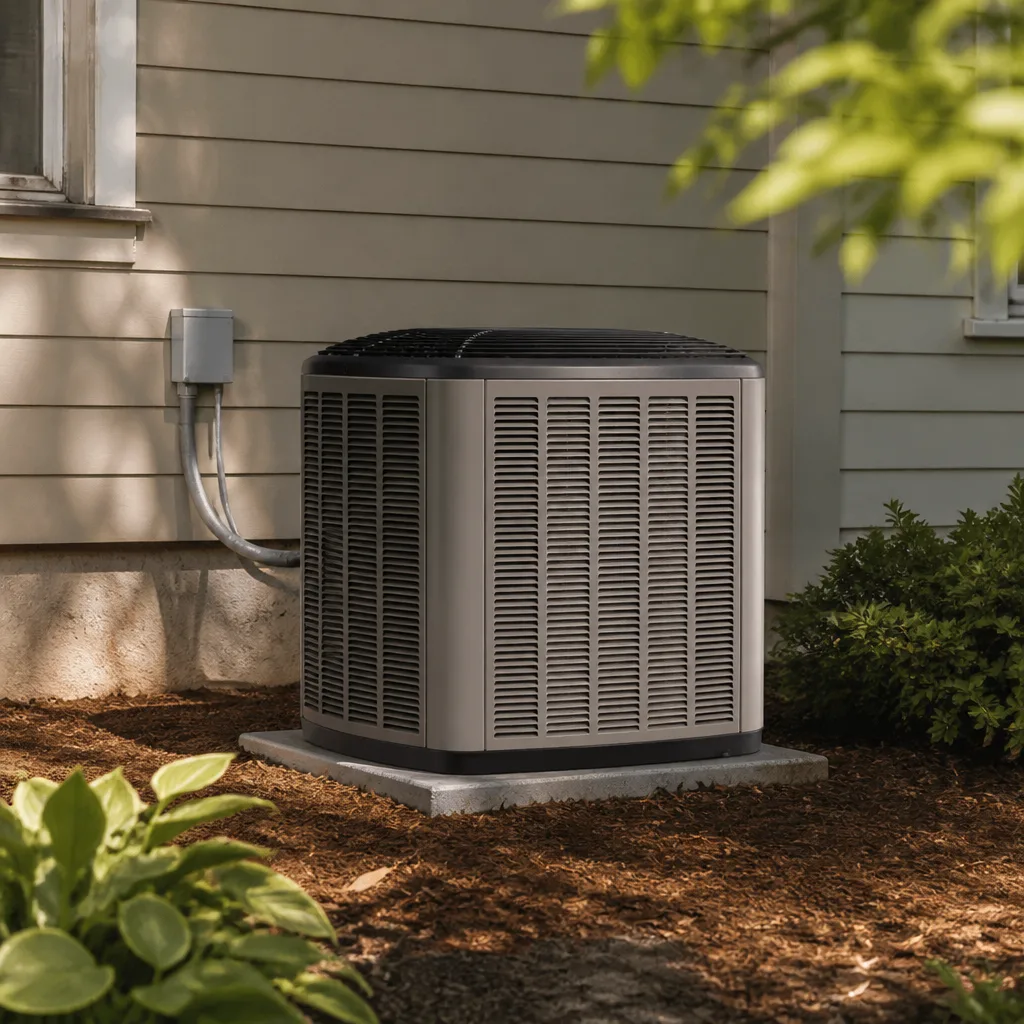 Trane
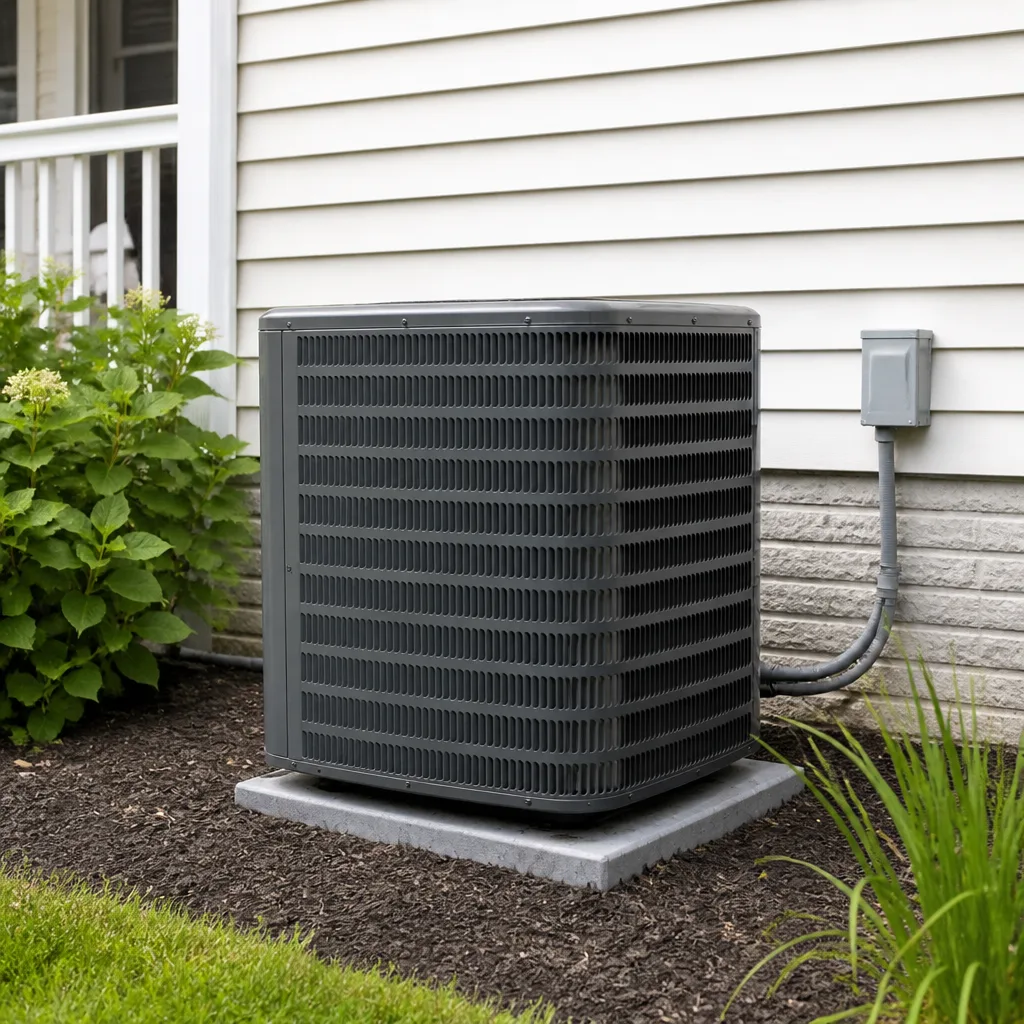 Goodman
Seasonal tune-up and full diagnostic on your Carrier, Trane, or Goodman system - readings shown to you before any repair is proposed
Diagnosis first, numbers second - you approve the repair price before a single part goes in.
Get your free estimateHow Long Does Heat Pump & Mini Split Take? Timelines and What to Expect
A single-zone mini split installation genuinely does take four to six hours of labor. But if your electrical panel needs a dedicated 240V circuit added, that work requires a licensed electrician, a separate permit, and an inspection that in Clark County currently schedules three to seven business days out. That means a job quoted as “we’ll have you comfortable by dinner” can stretch into next week, and nobody warned you. This guide breaks a heat pump or mini split project into its real phases – equipment lead time, pre-work, install day, inspection, and commissioning – so you know what actually determines when you’ll have a working system here in Boulder City.
Quick Answer
Plan on one to two weeks total for a single-zone mini split installation in Boulder City – four to six hours on install day, plus permit pulls, any needed electrical work, and a scheduling window of three to seven business days for inspection. A multi-zone system or a full heat pump replacement can run two to four weeks. The equipment itself is usually the least of the wait. Pre-work and inspection scheduling set the real clock.
Styles & brands we work with
- AC repair
- Furnace & heating
- Heat pumps
- Ductless mini splits
- Carrier
- Trane
- Goodman
Table of Contents
- The Five Phases of a Mini Split or Heat Pump Project
- How Long Is the Equipment Lead Time in the Boulder City Area?
- Pre-Work: Electrical, Wall Prep, and What Slows It Down
- What Happens on Install Day
- The Inspection Phase and Why It Isn’t Optional
- Commissioning: Why Power-On Isn’t the Finish Line
- Multi-Zone Systems: How Complexity Scales
- What You Can Do Now to Compress the Timeline
The Five Phases of a Mini Split or Heat Pump Project
Most homeowners hear one number – “four to six hours” – and think that’s the answer. That number covers install day only. The full project runs through five distinct phases, and any one of them can become the bottleneck.
- Equipment lead time. How long until the right unit is on hand. Stocked single-zone units move in days. Special-order configurations can run two to four weeks.
- Pre-work. Electrical upgrades, dedicated circuits, line-set routing decisions, and wall or pad prep. This is where surprises live.
- Installation day. Setting the indoor head and outdoor unit, running line sets and drain lines, pulling the vacuum, and sealing penetrations.
- Inspection. Clark County permits require a passing inspection before the job closes. The scheduling window is the wildcard.
- Commissioning. Verifying refrigerant pressures, checking temperature splits, testing modes, and confirming the system actually performs – not just turns on.
When you ask a contractor “how long will this take?” and get a labor-only answer, you’re hearing phase three. The honest project answer adds all five. Our team walks through each phase before a single tool comes out, because nobody likes being surprised by an inspection date they didn’t plan for.
How Long Is the Equipment Lead Time in the Boulder City Area?
Lead time depends almost entirely on whether the exact configuration you need is stocked. The Boulder City and Henderson supply chain carries common single-zone units in the big names – Carrier, Trane, and Bryant among them – and those typically move in a few business days. The wait starts when your job needs something that isn’t sitting on a shelf.
What usually ships quickly
- Standard single-zone mini splits in common capacities (9,000 to 24,000 BTU).
- Popular heat pump sizes in brands stocked regionally, like Carrier and Trane.
- Replacement units sized to match an existing system’s footprint.
What can add one to four weeks
- Multi-zone configurations with specific head combinations that sell less often.
- High-efficiency models that have to come from a regional warehouse or factory.
- Special-order sizes for older or unusually shaped rooms.
- Any unit tied to a rebate program that requires specific model numbers.
Here’s the practical point. In a Boulder City bungalow with one tricky bedroom that never cools evenly, the unit you need may be a stock item – a few days. But a two-zone setup for a home that’s been added onto over the years often needs a special combination, and that’s where the calendar stretches. Ask your contractor to confirm the exact model is available before you set an install date.
Pre-Work: Electrical, Wall Prep, and What Slows It Down
This is the phase that surprises the most homeowners, and it’s the reason a “four-hour job” becomes a two-week project. Mini splits and heat pumps need a dedicated circuit, and in many Boulder City homes built decades ago the panel is already tight.
The electrical question comes first
A single-zone mini split typically needs a dedicated 240V circuit. If your panel has room and capacity, an electrician can often add it within the pre-work phase. If it doesn’t, you’re looking at a panel upgrade or a subpanel, which pulls in a licensed electrician, a separate permit, and its own inspection window. That’s the three-to-seven-business-day scheduling gap mentioned up top – and it stacks on top of everything else.
We can’t tell you your panel’s condition over the phone. It has to be looked at. That inspection is the single best way to know whether your timeline is one week or three.
Wall and pad prep
- Indoor head location. The spot on the wall has to clear the framing, allow proper airflow, and reach the drain route.
- Line-set path. Longer routes take more time and care, especially through brick or stucco common on older Boulder City homes.
- Outdoor pad or bracket. A ground pad or wall bracket needs a level, stable spot clear of the desert sun’s worst bake and any drainage path.
- Condensate route. Drain lines need proper slope and a path that won’t freeze in a cold snap or leak into a wall.
All of this can be mapped in advance. When it’s not, install day turns into a discovery tour and the timeline slides.
What Happens on Install Day
Install day for a single-zone mini split is a focused, four-to-six-hour stretch. Here’s the order of work so you know what’s happening in your home.
- Protection and setup. Floors covered, shoe covers on, tools staged near the work area.
- Mount the indoor head. Bracket or plate set and leveled on the chosen wall.
- Set the outdoor unit. Pad or bracket placed, unit leveled, clearances confirmed.
- Run the line set and drain. Refrigerant lines and condensate routed, secured, and sealed through the wall penetration.
- Vacuum the lines. A proper evacuation of the line set before charging – this step is not skippable and takes real time.
- Electrical connection. Wiring tied to the dedicated circuit.
- First power-up and commissioning. Handled per the section below.
A full heat pump replacement follows the same rhythm but adds time for removing the old outdoor unit, checking the air handler or ductwork, and confirming refrigerant charge against the manufacturer’s spec. That’s typically a longer single-day or two-day job depending on the home. If you’re weighing a heat pump against a straight AC swap, our Heat Pump & Mini Split in Boulder City page lays out the differences.
The Inspection Phase and Why It Isn’t Optional
Permitted HVAC work in Clark County gets inspected, and the scheduling window can run three to seven business days. This is the phase homeowners most often forget to plan for, and it’s the one that makes the honest total go from “install day” to “a week or more.”
The inspection confirms the electrical work, the installation, and the permit were done to code. A system that’s technically running but not yet inspected isn’t a closed job. When timelines get quoted without inspection mentioned, that’s a sign the contractor is quoting labor and skipping the rest of the project.
What we do differently is schedule the inspection as part of the plan from the start, not as an afterthought once install day ends. If a permit is required for your job, you’ll know the target inspection window before we set the install date. And if the work isn’t right, the 90-Day Done Right Promise means we make it right – in writing, no arguing. That’s the standard we hold every Boulder City job to.
Commissioning: Why Power-On Isn’t the Finish Line
A mini split that hums to life is not a finished system. Commissioning is the step where the numbers get checked, and it’s the difference between “it turns on” and “it actually cools and heats the way it should.”
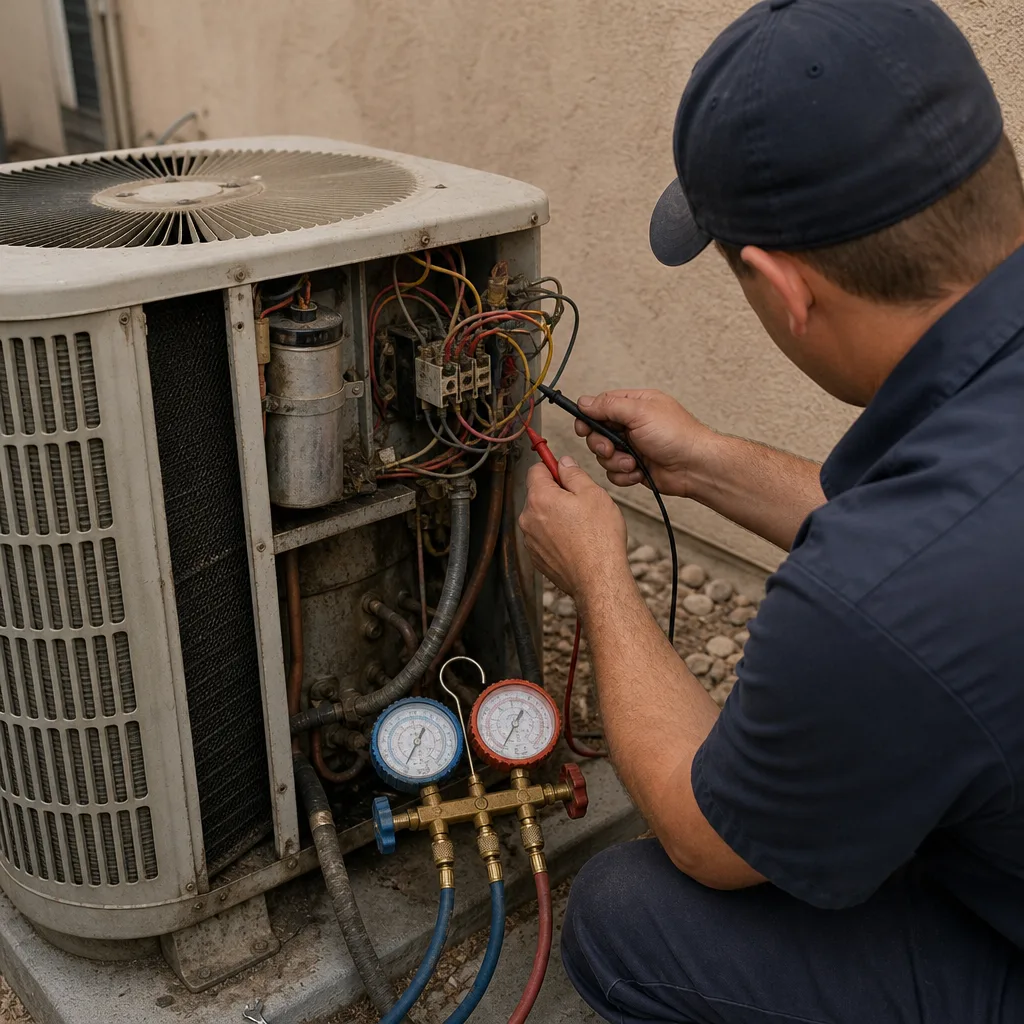
- Refrigerant pressures verified. Overcharge or undercharge shortens equipment life and cuts efficiency. Gauges confirm the charge is right, not guessed.
- Temperature split checked. Measuring the difference between return air and supply air tells you the system is moving heat the way it’s designed to.
- Modes and controls tested. Cooling, heating, fan speeds, and any remote or app controls exercised.
- Drain verified. Confirming condensate flows and doesn’t back up.
- Penetrations sealed. Air and pest gaps closed around the line set and drain.
This step is where a rushed install shows up months down the road. We’ve seen systems in Boulder City where the line set was never properly evacuated and the unit lost efficiency within a season. Commissioning prevents that by proving performance before the job closes. When questions come up after the fact, our team is a phone call away – the line is answered by a live person, day or night.
Multi-Zone Systems: How Complexity Scales
A two-zone system is not double the time, and it’s not quadruple – it’s somewhere in between, because each zone adds its own head, line-set run, drain, and control. The outdoor unit is shared, so the work of setting it happens once. But every additional head multiplies the wall routing and commissioning checks.
Rough timeline by configuration
- Single-zone mini split: one install day (four to six hours of labor), plus pre-work and inspection.
- Two-zone mini split: one long day or two install days, depending on whether both heads are in the same part of the home.
- Three-zone mini split: typically two install days, plus more complex line-set routing across multiple rooms.
- Full multi-zone heat pump: two to four days of labor, with the schedule set by pre-work and equipment lead time as much as install labor.
The reason it scales unevenly is that each zone’s line set has to reach the same outdoor unit. Running lines to a second or third room often means going through ceiling or wall cavities, which takes more time than the first zone did. It’s not linear – it’s about routing, not head count. On a Boulder City home with an addition or an odd floor plan, that routing is the whole conversation.
What You Can Do Now to Compress the Timeline
You can’t control inspection schedules or factory lead times, but you can move the timeline along in a few concrete ways before the install date is even set.
- Get the panel verified early. Knowing whether you need a 240V circuit added – and whether your panel can take it – is the single biggest lever. Do this before you shop units.
- Confirm the exact model in writing. Ask for the model number and confirm it’s stocked, not special-order, unless you’ve planned for the lead time.
- Decide head locations ahead of time. Pick the walls, clear the rooms on install day, and think about where the outdoor unit can sit with good clearance.
- Have the permit pulled early. The permit window runs alongside everything else if it’s done up front.
- Check rebate eligibility before the order. Some programs require specific models; changing the order later resets the lead time.
Every one of these shortens or protects the schedule. And none of them require you to lift a finger beyond a couple of phone calls. Call (844) 312-0133 and a live person picks up – not a voicemail tree. That’s the fastest way to get the electrical question answered and get a real project window on the calendar.
Common Mistakes to Avoid
- Assuming the quoted hours are the whole project. Four to six hours is install labor. The permit, inspection, and electrical work are separate clocks, and the honest total is one to two weeks in Boulder City.
- Skipping the panel check. Discovering on install day that the panel can’t take a new circuit is the most common cause of a blown timeline.
- Buying a special-order unit without factoring lead time. A desirable configuration that has to come from a regional warehouse can add two to four weeks.
- Forgetting the inspection window. In Clark County, scheduling can run three to seven business days. Build it into the plan.
- Accepting “we’ll fire it up and you’re good” as commissioning. Refrigerant pressures and temperature split have to be verified, not assumed.
- Skipping the second opinion on a written estimate. A free second opinion on any written estimate is a standing offer here, and it catches timelines that leave out pre-work or inspection.
- Assuming multi-zone is a simple multiple. Each additional zone adds line-set routing, drain work, and commissioning – the complexity isn’t proportional.
See the difference
 Before
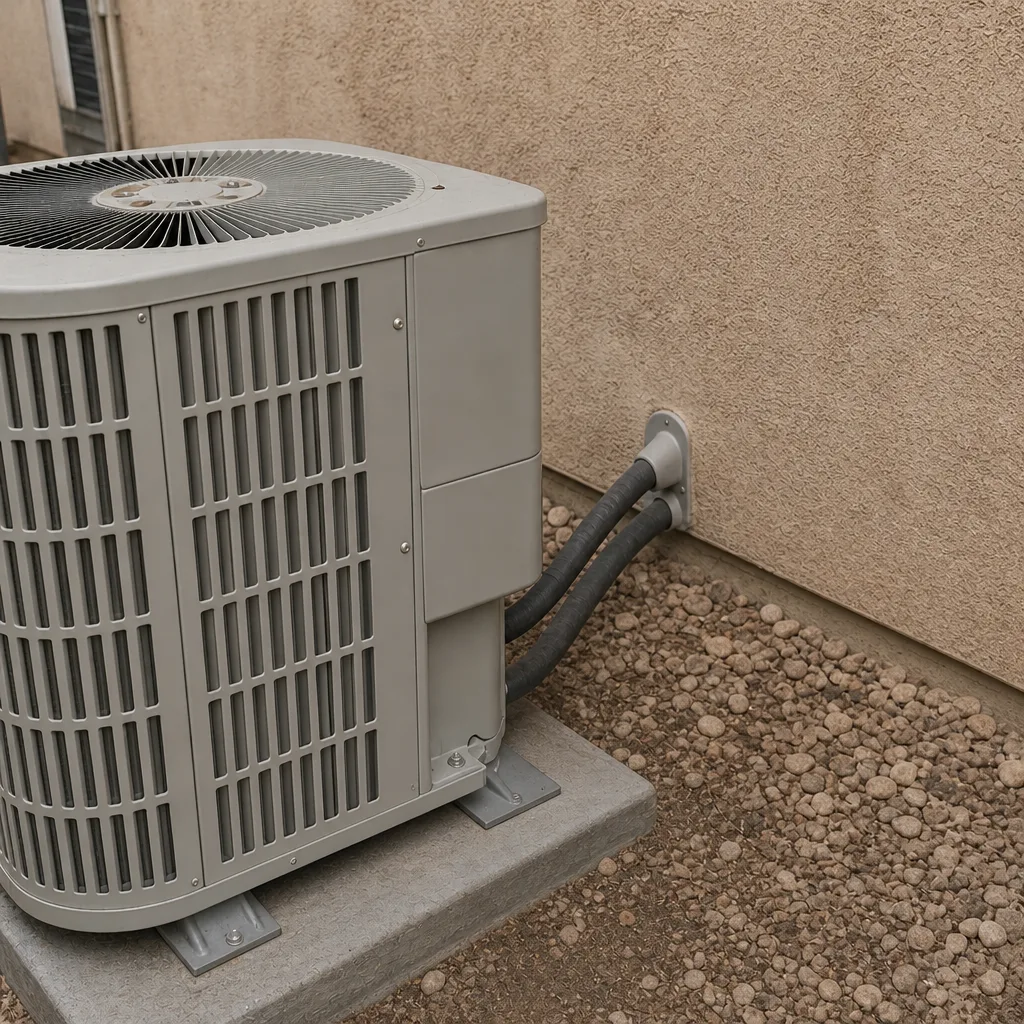 After
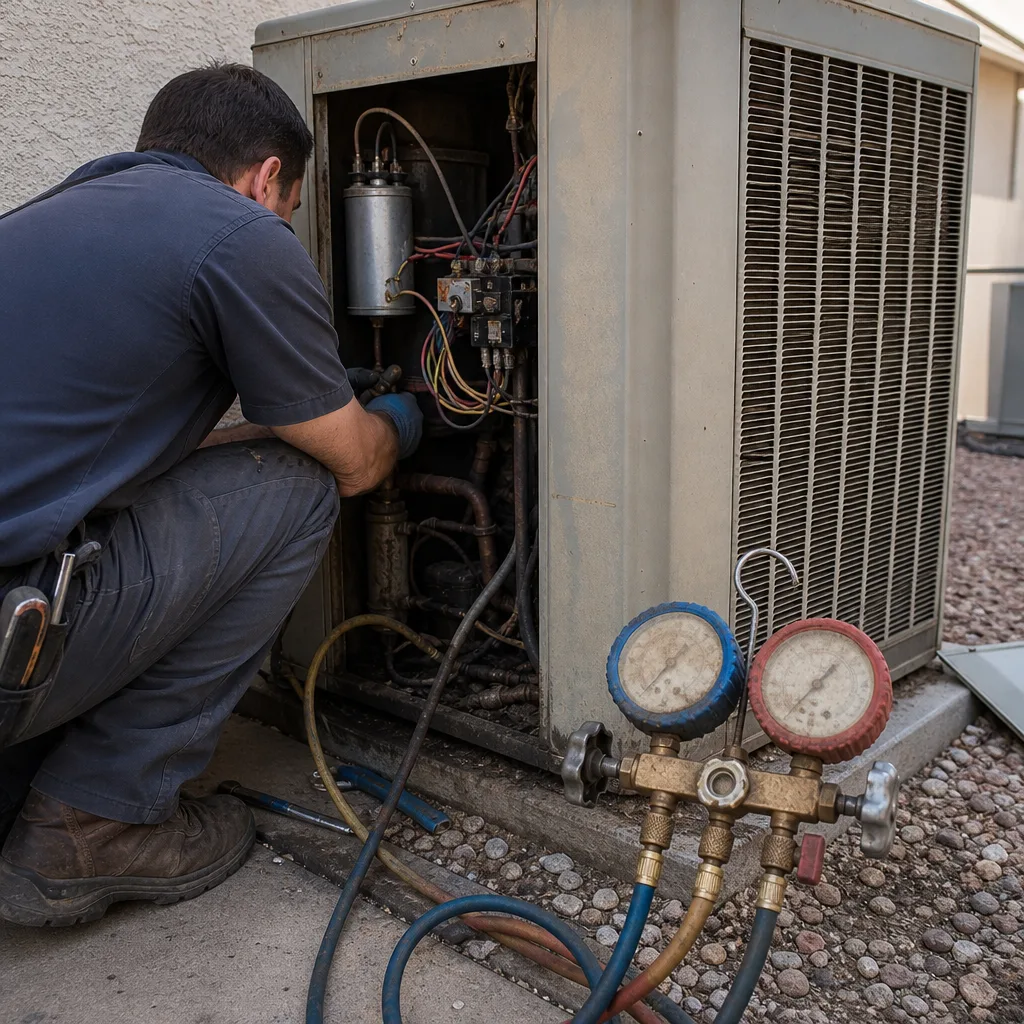 Before
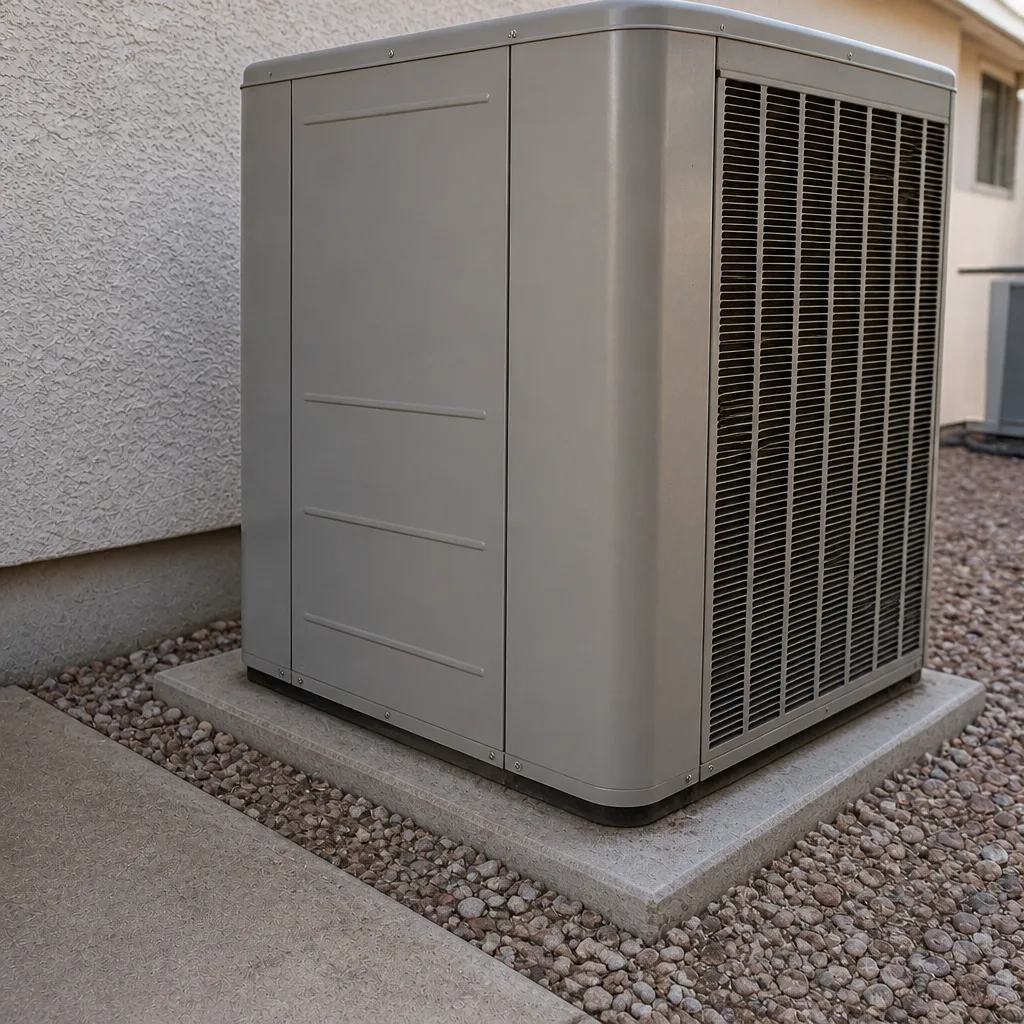 After
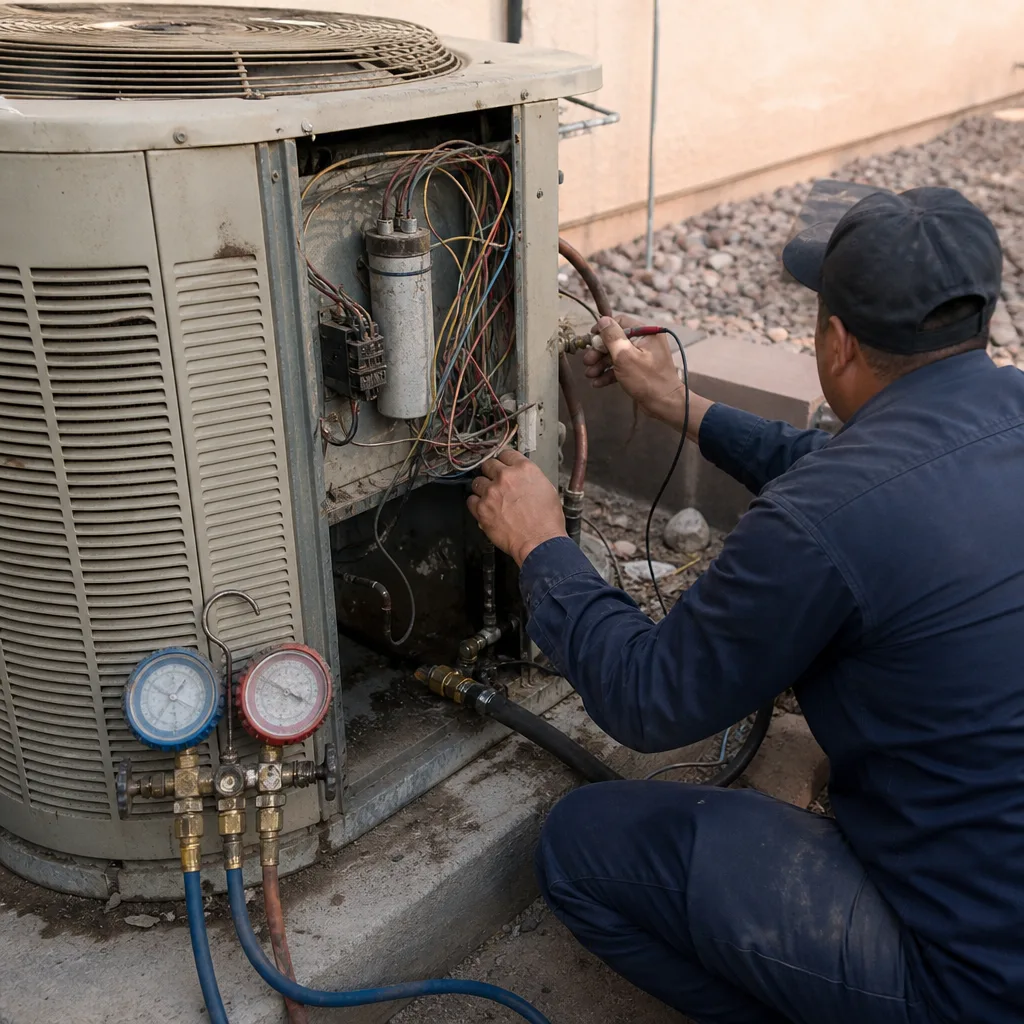 Before
 After
When to Call a Professional
Any mini split or heat pump project that involves a dedicated 240V circuit, a panel upgrade, refrigerant work, or a permit belongs in trained hands. The line set and refrigerant handling alone are not a homeowner job – a mistake there can void a manufacturer’s warranty and is genuinely dangerous. And in Boulder City, adding a circuit to an older panel is a code question a licensed electrician has to answer. If your current system is short-cycling, icing up, or a room just won’t hold temperature, that’s a diagnostic question worth answering before you commit to new equipment. Same-day service is available for active heating and cooling problems, and a live person answers whenever you call. Fireside Heating & Air Co. Boulder City offers free estimates in Boulder City – call (844) 312-0133.
Frequently Asked Questions
The whole project usually takes one to two weeks in Boulder City: four to six hours of install labor, plus pre-work, permit pulls, and a three-to-seven-business-day inspection window. Install day alone is fast. The rest of the phases set the real timeline.
The four-hour figure is labor only – it doesn’t include the panel work, permit, and inspection that often fill out a project. If your job needs a dedicated circuit added and a scheduled inspection, the calendar stretches well past install day.
A full heat pump replacement typically runs two to four weeks when you include equipment lead time, pre-work, and inspection. The single-day portion is the install itself, but the model you need and any electrical upgrades determine the real completion date.
We handle active heating and cooling repairs same day and answer the phone around the clock. New installs are load-checked, permitted, and scheduled – and the price you’re quoted is the price you pay, with the install date set up front. Call (844) 312-0133 for a free estimate.
Permitted electrical and HVAC work in Clark County usually requires a permit, and the inspection confirms it’s done to code. Your contractor should pull it up front and schedule the inspection as part of the plan, not after the fact.
The 90-Day Done Right Promise covers that in writing – if the work isn’t right, we make it right, no arguing. That’s how we’ve stood behind jobs for over 42 years. Call (844) 312-0133 and speak to a live person for free pricing and a real timeline.
The Bottom Line
The number that gets quoted – four to six hours – is install labor, not the project. In Boulder City, a single-zone mini split realistically takes one to two weeks once you account for the panel check, permit pulls, and an inspection that can schedule three to seven business days out. Multi-zone systems and full heat pumps run longer because complexity isn’t proportional. The way to protect your timeline is to verify the electrical situation early, confirm the exact model is stocked, and schedule inspection up front. Done right, the project is predictable. Done without those steps, the surprises add up. For a free estimate and a straight answer on your project, our Fireside Heating & Air Co. Boulder City home page is the place to start, or call (844) 312-0133 for AC repair and heating questions alike.
If your current system is struggling and an install is on the horizon, our guides to AC Repair & Installation in Boulder City and Heating & Furnace in Boulder City cover what to expect in the meantime.
Written by the team at Fireside Heating & Air Co. Boulder City.