
Last updated November 18, 2026
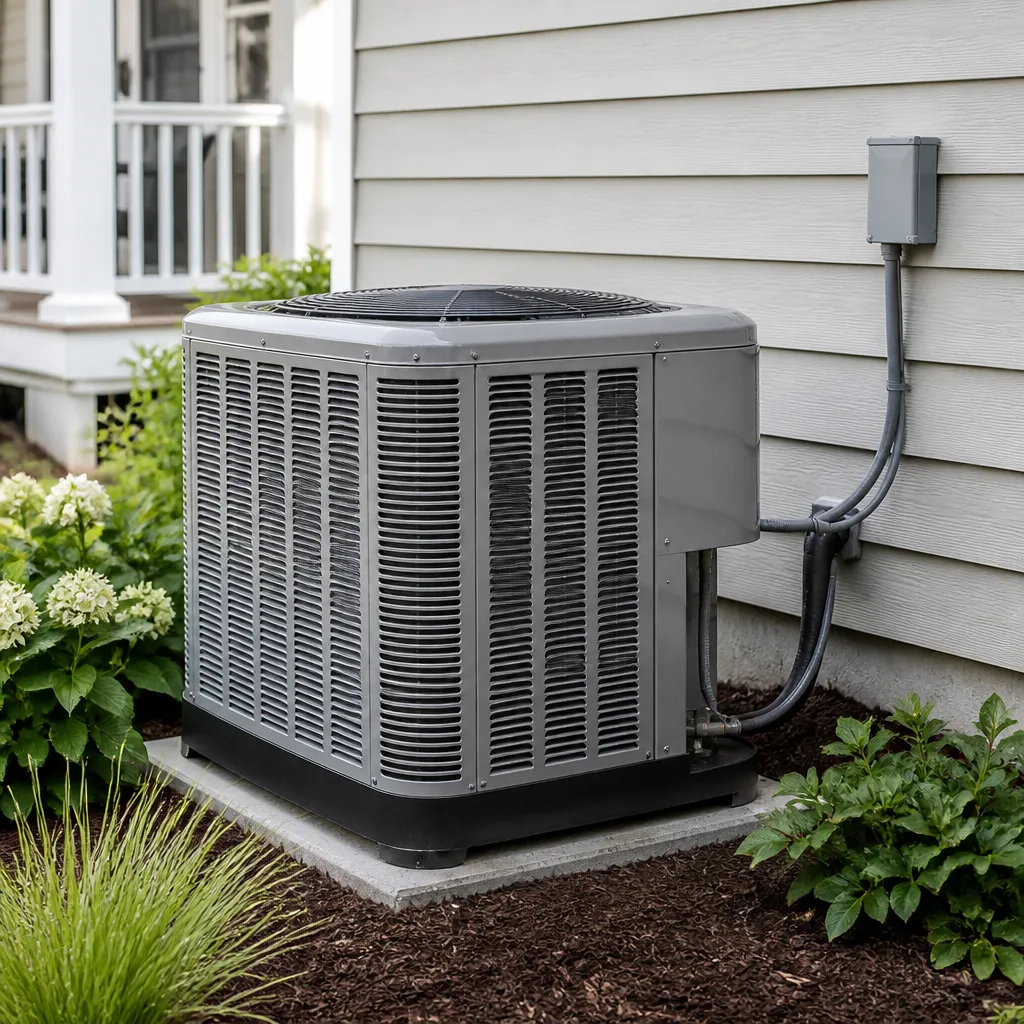 AC repair
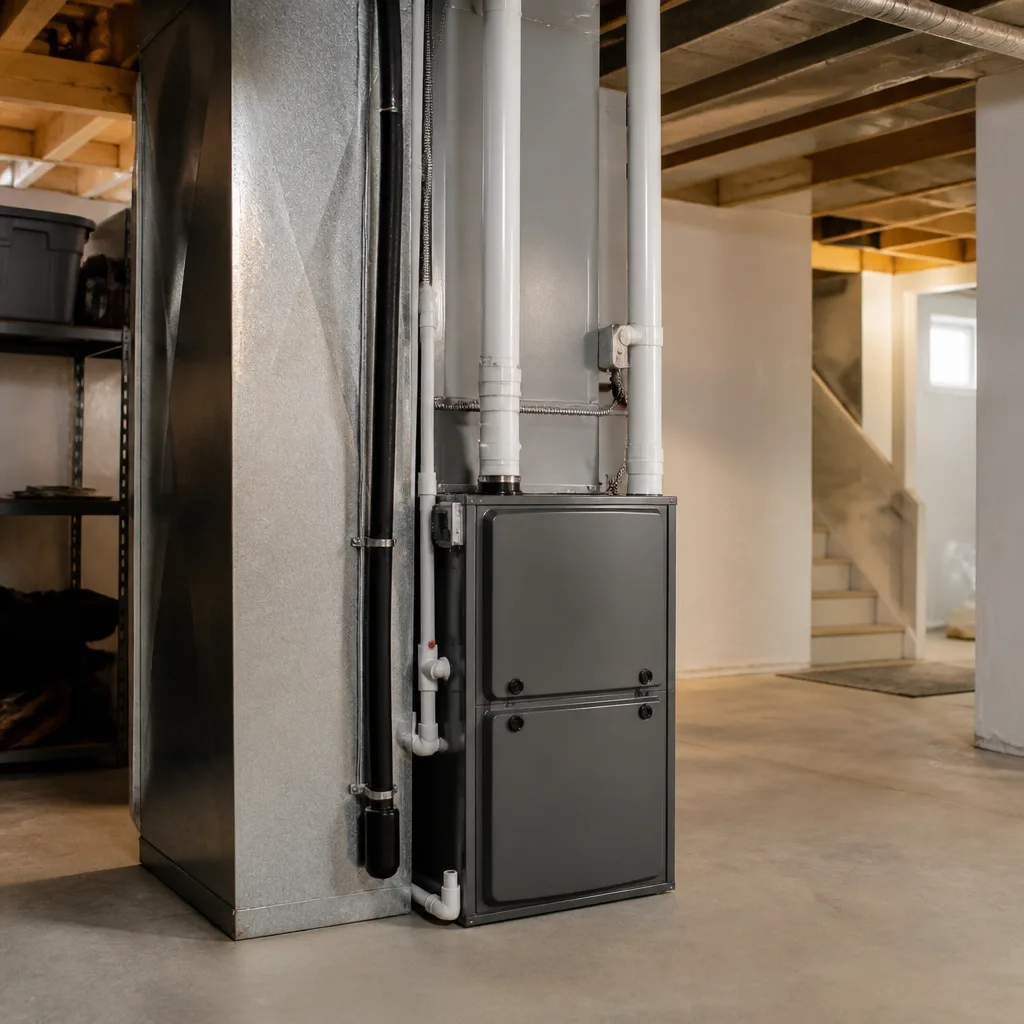 Furnace & heating
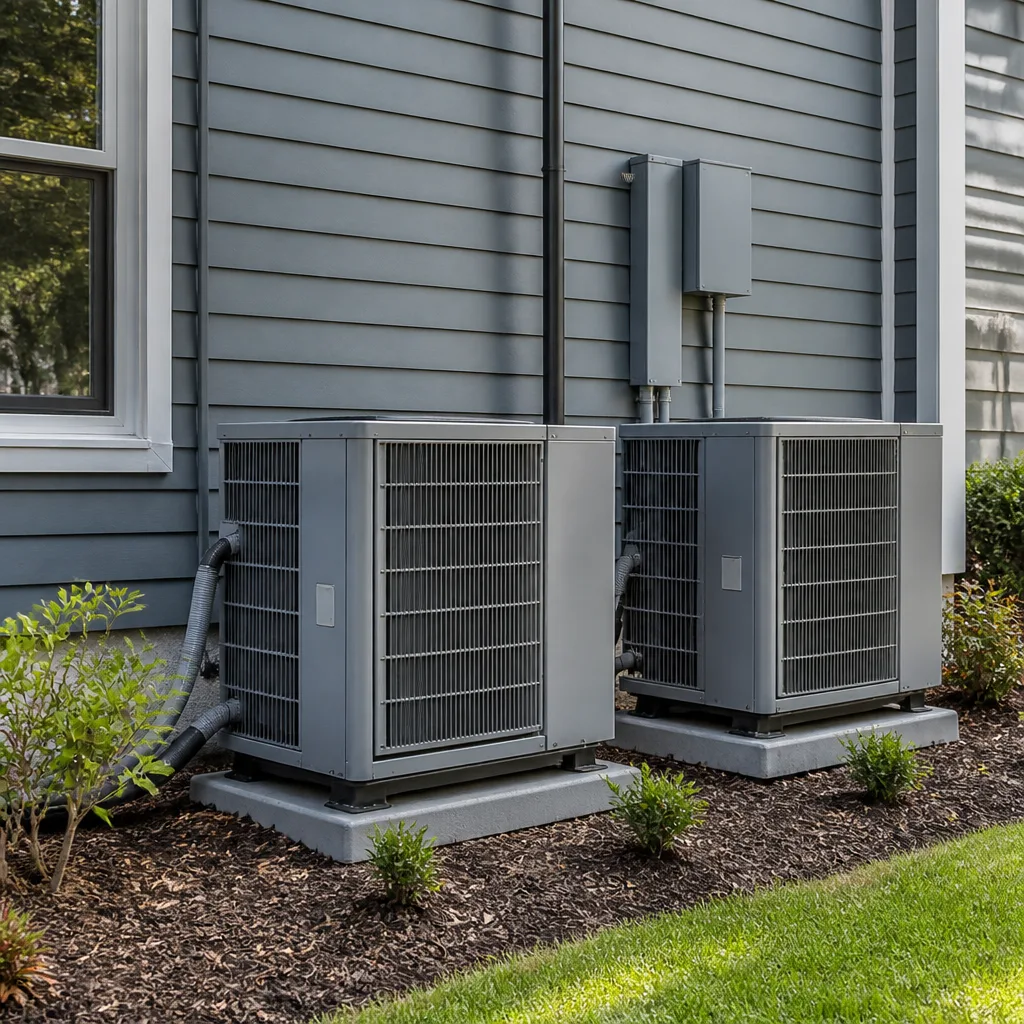 Heat pumps
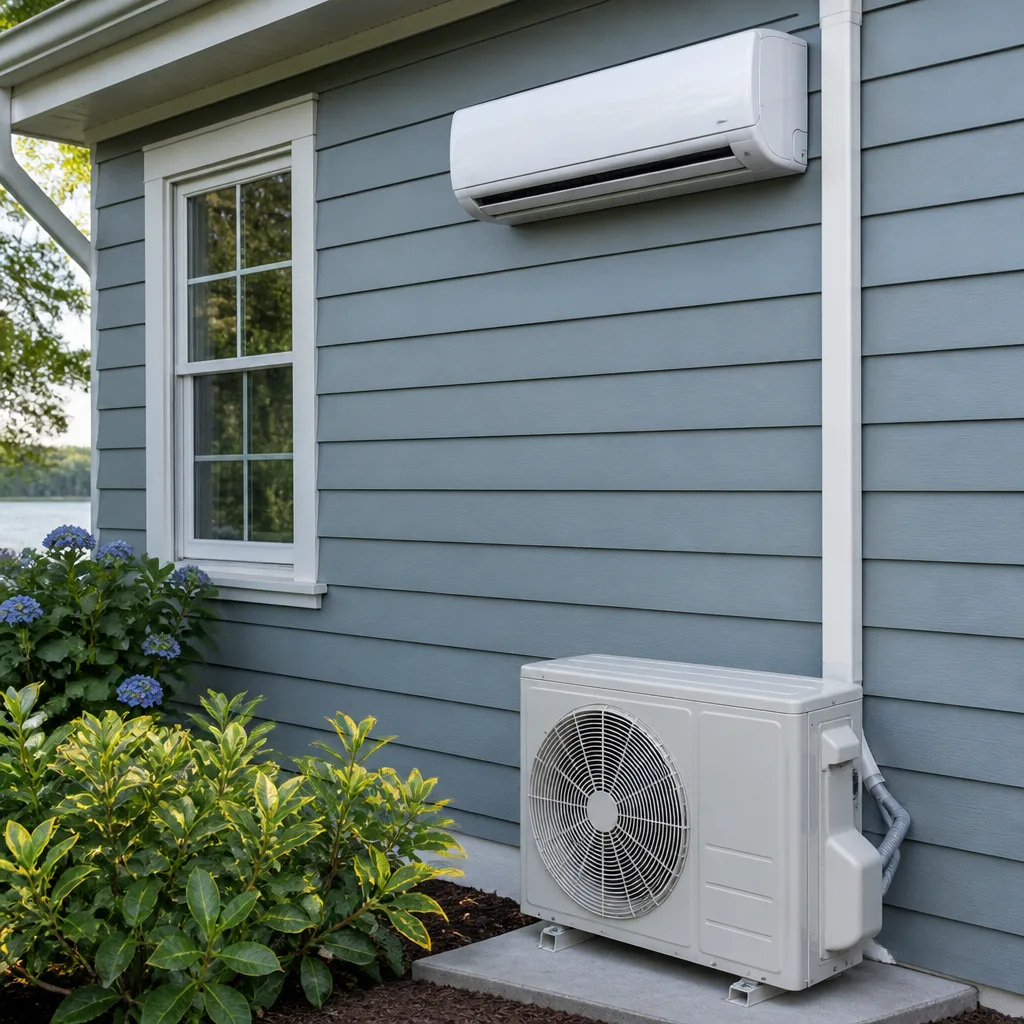 Ductless mini splits
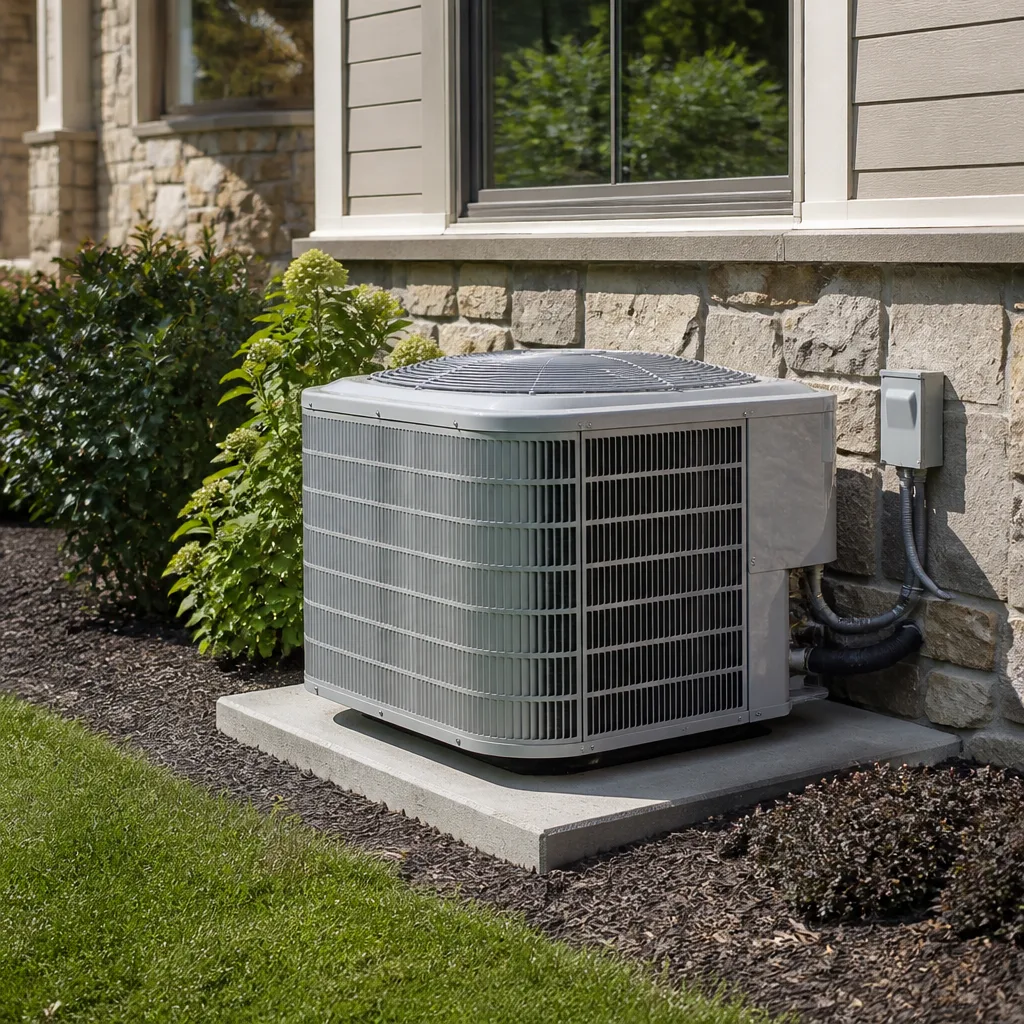 Carrier
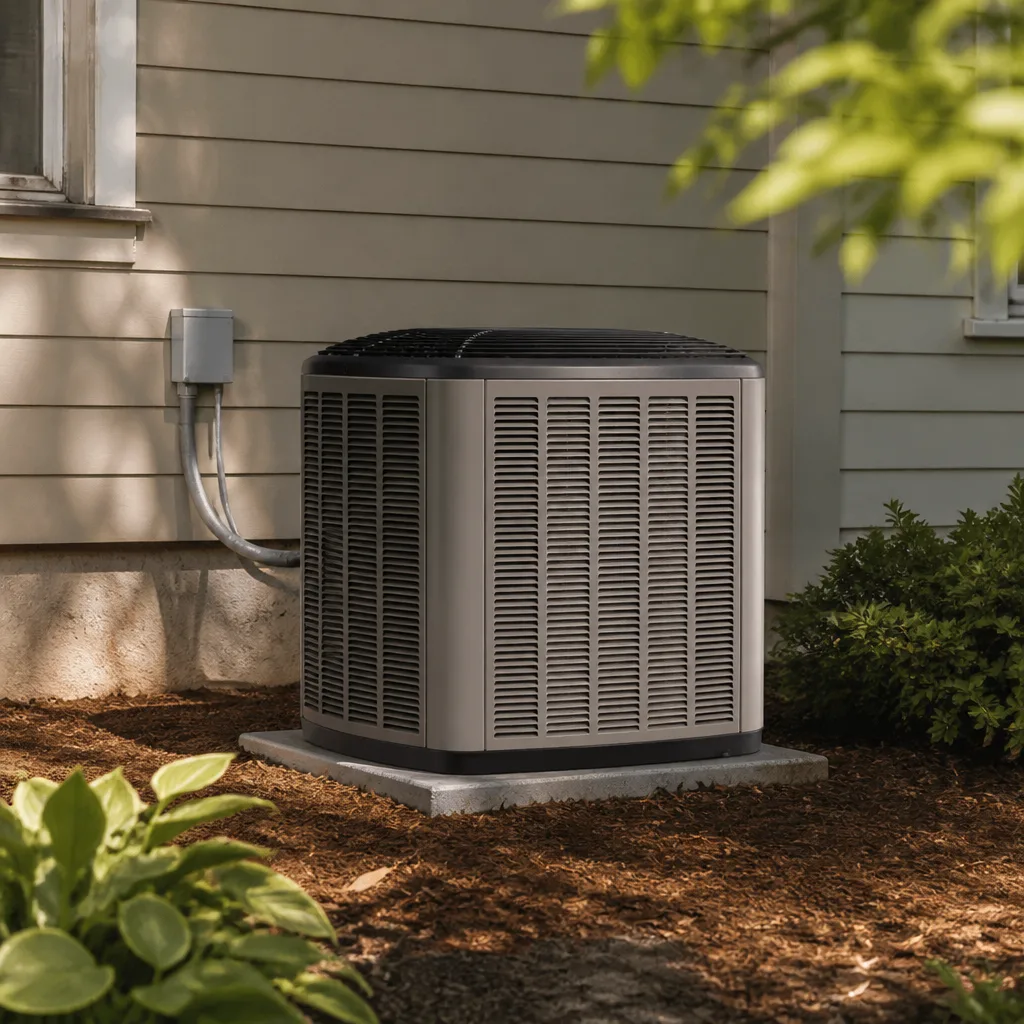 Trane
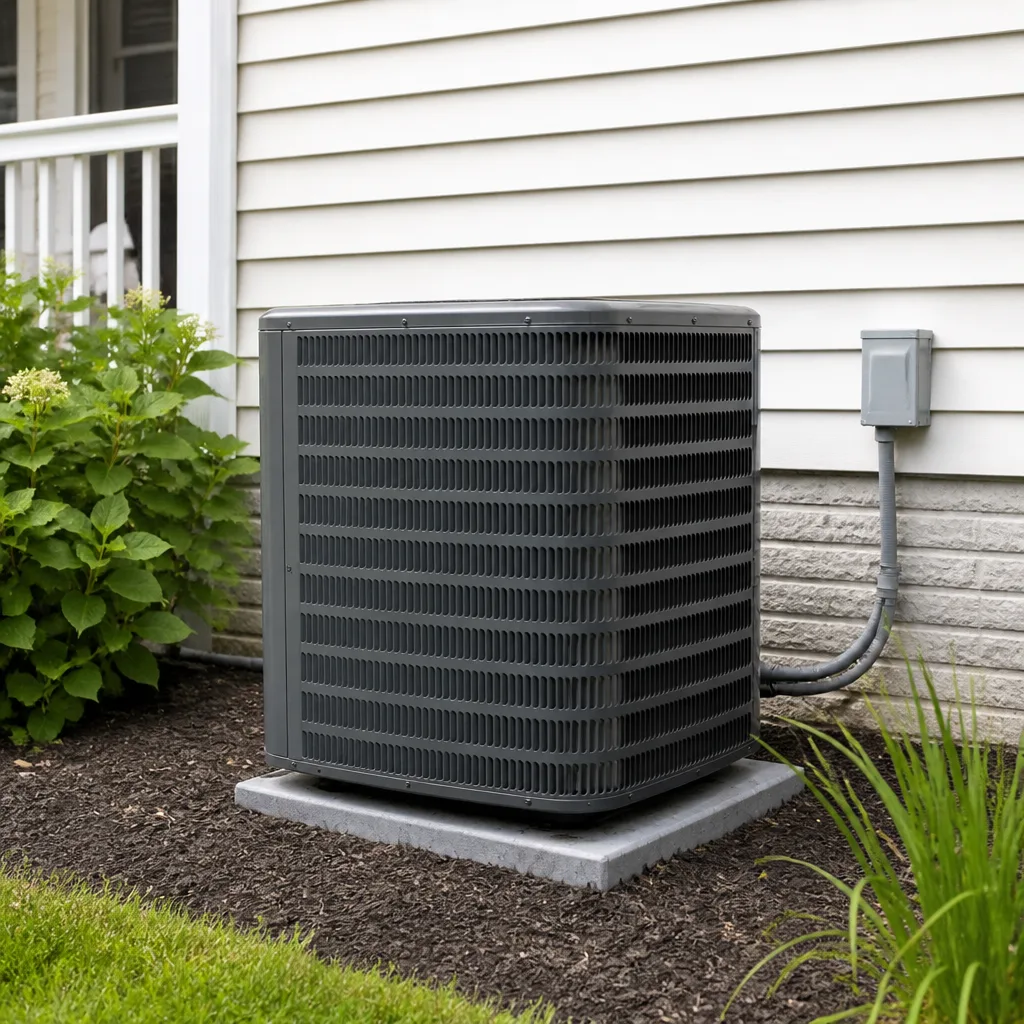 Goodman
Seasonal tune-up and full diagnostic on your Carrier, Trane, or Goodman system - readings shown to you before any repair is proposed
Diagnosis first, numbers second - you approve the repair price before a single part goes in.
Get your free estimateHow Long Does Emergency & Commercial HVAC Take? Timelines and What to Expect
During a Boulder City heat event, response times from Las Vegas-based HVAC companies can stretch to eight hours or more. That number surprises people, and it’s the part of an emergency nobody plans for. The repair itself might take ninety minutes. The waiting is what wears a family down. In this guide we’ll walk through realistic timelines for every phase of an emergency call – response windows, parts sourcing in a small desert town, repair versus replacement speed, what a callback should look like, and how to stay safe while you wait. You’ll finish knowing how to tell a true emergency promise from a next-day one.
Quick Answer
A genuine emergency HVAC call in Boulder City typically gets a technician on-site within 1 to 4 hours, and most repairs are completed the same visit in 1 to 3 hours once the tech arrives. Next-day “priority” service is a different promise entirely – it means a scheduled window tomorrow, not a technician heading your way now. Commercial systems and replacements take longer: commercial diagnostics run 2 to 4 hours, and a full system replacement is a scheduled job measured in days, not hours.
Styles & brands we work with
- AC repair
- Furnace & heating
- Heat pumps
- Ductless mini splits
- Carrier
- Trane
- Goodman
Table of Contents
- True Emergency vs. Next-Day Priority: How to Tell the Difference
- The Phase-by-Phase Timeline of an Emergency Call
- Parts Availability in Boulder City and What It Does to Your Timeline
- Repair vs. Replacement During an Emergency: Which Is Actually Faster?
- Commercial HVAC Timelines: Why They Run Longer
- What a 90-Day Guarantee Really Covers, Including Callback Timing
- How to Stay Safe During an Extended Wait in Desert Heat
- Common Mistakes to Avoid
True Emergency vs. Next-Day Priority: How to Tell the Difference
The word “emergency” gets used loosely in this trade. When you call, listen to exactly what you’re being promised. A true emergency response means a live person answers, a technician is dispatched, and someone gives you an honest arrival window. Next-day priority means your call gets scheduled for tomorrow morning ahead of routine work. Both are useful. They are not the same thing, and during a triple-digit Boulder City afternoon the difference matters.
Here’s how to sort one from the other on the phone:
- Ask for an arrival window in hours, not a day. “Sometime tomorrow” is not emergency service. “Between 2 and 4 this afternoon” is.
- Ask who answers the phone after hours. If you reach a voicemail tree or a national call center reading a script, you’re not talking to the people who dispatch the truck.
- Ask whether the price is quoted upfront. A true emergency outfit can give you a service call price before anyone leaves the shop. A vague “the tech will let you know” is a warning sign.
- Ask what happens if they can’t make the window. The honest answer is a phone call telling you so, not silence.
In our experience, the companies that overpromise on emergency response are the same ones that leave you waiting. We answer every call with a live person, day or night, because a homeowner in a 110-degree house shouldn’t have to guess whether anyone heard them. If you want to understand what full emergency coverage looks like from a company that lives here, see our Fireside Heating & Air Co. Boulder City home page for how we handle after-hours calls.
The Phase-by-Phase Timeline of an Emergency Call
Most homeowners picture an emergency call as one event. It’s really four phases, and knowing each one helps you plan. Here’s the realistic breakdown for a residential no-cool or no-heat call in Boulder City.
- Call and dispatch (5 to 15 minutes). You describe the problem, a live person confirms it’s an emergency, and a technician is assigned. You should leave this call with an arrival window and a service call price.
- Travel and arrival (30 minutes to 4 hours, depending on demand). On a normal day in Boulder City, arrival runs toward the short end. During a regional heat wave, when every company in the Las Vegas Valley is slammed, it stretches. This is the phase that eats the most time and the one you can’t control once you’ve called.
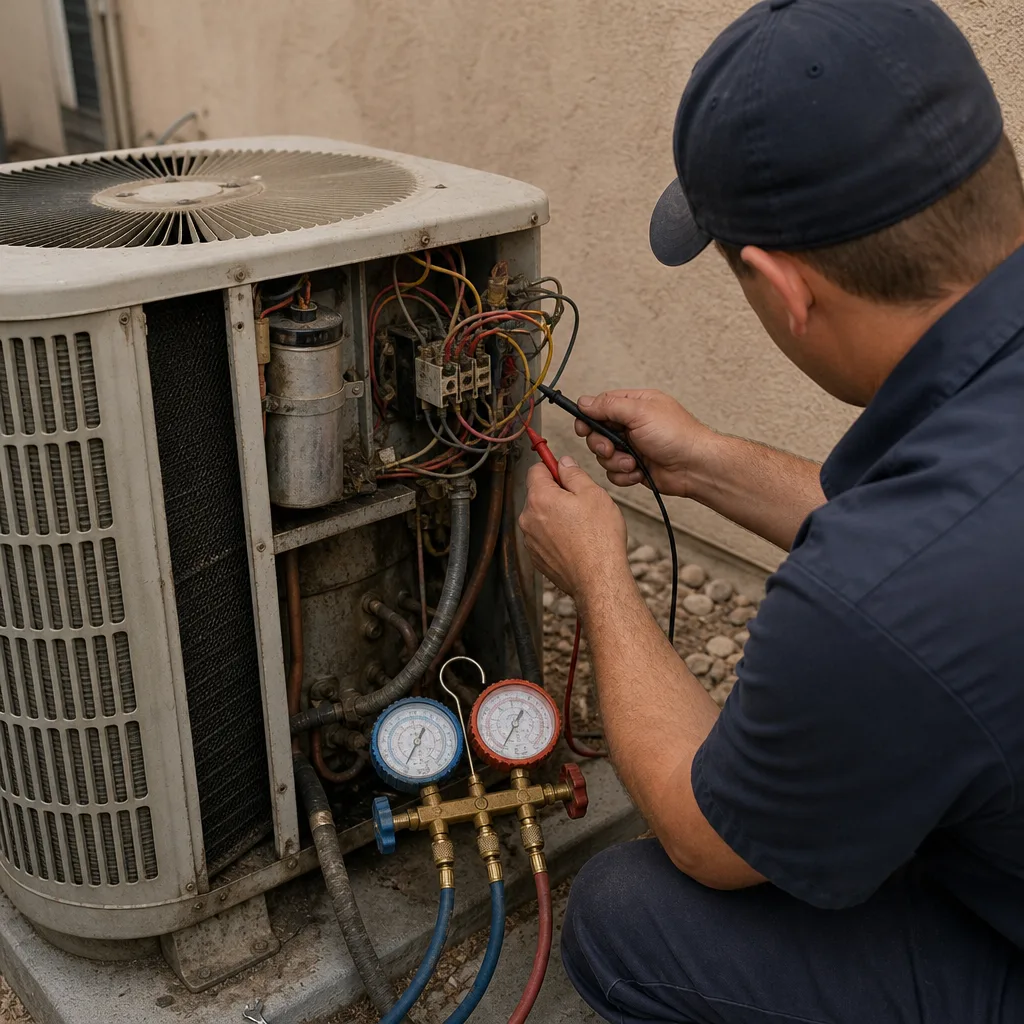
- Diagnosis (30 to 60 minutes). The technician tests the system, finds the fault, and explains what’s wrong in plain terms. You get a written price before any repair begins.
- Repair (1 to 3 hours, if parts are on hand). Most common failures – a capacitor, a contactor, a blower motor, a clogged condensate line – are fixed in a single visit. If a specialty part has to be ordered, you’re looking at one to three business days, which is where the next section comes in.
Add it up on a bad day and a real emergency can run six to eight hours from your first call to a cool house. On a good day it’s two to three. That spread is why the phone call matters as much as the repair.
Parts Availability in Boulder City and What It Does to Your Timeline
Boulder City sits a good drive from the supply houses that stock the deepest parts shelves in the valley. That geography shapes repair timelines in ways a homeowner in Henderson never thinks about. When a technician needs a part, the supply run is real time added to your day. For common components this is a non-issue – most trucks carry the everyday parts that fail. For older or less common equipment, it can add a day or more.
Here’s what we see in practice around Boulder City:
- Common parts are quick. Capacitors, contactors, thermostats, igniters, and flame sensors for major brands like Carrier, Trane, and Lennox are the bread and butter of emergency repair. These are usually on the truck or a short drive away.
- Older equipment slows things down. A 20-year-old system with an obsolete control board or a discontinued blower motor can mean a specialty order. That’s one to three business days, sometimes longer for a rare part.
- Brand matters less than age and model. Being trained to service nine major brands helps us diagnose fast. It doesn’t make a discontinued part appear. Straight talk: if the part is rare, we’ll tell you the wait and give you options for staying comfortable in the meantime.
This is one reason we ask model and serial numbers on the first call when we can. It lets us check part availability before the technician rolls, so you’re not waiting on-site for a supply run that could’ve been flagged earlier.
Repair vs. Replacement During an Emergency: Which Is Actually Faster?
Here’s the counterintuitive part: replacement is sometimes faster than a repair. If your system has a failed compressor on a unit that’s already past its useful life, chasing a repair can mean two visits, an ordered part, and a bill that approaches replacement cost. A replacement is a scheduled job with a known date, and once it’s done you’re not waiting on anything.
The decision comes down to a few questions:
- How old is the equipment? A system in its teens with a major failure is a strong replacement candidate.
- How big is the repair? A minor part is a clear repair. A compressor or a heat exchanger is the moment to have the replacement conversation.
- What’s the part wait? If the repair means three days without cooling in July, the faster path may be a replacement, if that’s what you decide.
- What’s your plan? If you’re staying in the house, a written fixed price on a new system ends the cycle of emergency calls.
Replacement is never an emergency impulse buy. It’s scheduled, load-checked, and priced in writing before anyone orders equipment. If you want to understand what that process involves, our page on AC Repair & Installation in Boulder City walks through both paths. And if your emergency is heat rather than cooling, the same repair-or-replace logic applies to heating – see Heating & Furnace in Boulder City for how we handle furnace emergencies and replacements.
Commercial HVAC Timelines: Why They Run Longer
Commercial systems follow the same phases as residential ones but with more moving parts, and that stretches the clock. A rooftop unit serving a small Boulder City business often has multiple circuits, economizers, and controls that take longer to diagnose. Add the reality that a commercial outage affects customers or tenants, and the stakes raise the pressure to get it right the first time.
Realistic commercial timelines:
- Initial diagnosis: 2 to 4 hours. Larger equipment and controls take longer to test and confirm.
- Repair with parts on hand: 2 to 6 hours. Bigger components, more labor.
- Repair with ordered parts: 1 to 5 business days, depending on the part and the equipment vintage.
- Replacement: scheduled over multiple days, planned to minimize downtime, often staged around your business hours.
For commercial work, the smartest thing you can do is not wait for a failure. A seasonal check on rooftop units catches failing capacitors and dirty coils before they strand a business on a 108-degree afternoon. When a commercial emergency does hit, the same rule applies: ask for an arrival window in hours, ask for upfront pricing, and get a written plan before work starts.
What a 90-Day Guarantee Really Covers, Including Callback Timing
A written service guarantee should tell you exactly what happens if the repair doesn’t hold. Ours is the 90-Day Done Right Promise: if the work isn’t right, we make it right, in writing, no arguing, no paperwork runaround. That’s the promise. What homeowners often ask next is: how fast does a callback happen when something’s still wrong?
A realistic callback timeline for a repair that failed inside the guarantee window:
- You call and a live person answers, day or night, and logs the callback as a priority.
- A technician is scheduled within 24 to 48 hours for a non-emergency callback, and the same day if the system is down and it’s a safety issue.
- The technician re-diagnoses at no charge under the guarantee and fixes the issue or explains what changed.
What a guarantee should not require: you proving you didn’t cause the problem, filling out a claim form, or waiting a week for a callback. If a company’s “guarantee” comes with a page of conditions, it’s not a guarantee – it’s marketing. The 90-Day Done Right Promise is short on purpose.
How to Stay Safe During an Extended Wait in Desert Heat
An extended wait in Boulder City summer heat is more than uncomfortable. For older adults, young children, and anyone with a health condition, a house that climbs past 90 degrees inside becomes a genuine safety concern. Plan for the wait before it happens.
- Cool one room, not the whole house. Close doors and windows in a single room and use a window unit, portable unit, or fans pulling in cooler evening air. Concentrating your cooling is far more effective than trying to cool the whole house.
- Drink water before you feel thirsty. Dehydration sneaks up on people in dry desert heat.
- Know your safe-zone options. Libraries, senior centers, and shopping centers in the area offer cooling during the hottest hours. Going somewhere cool for a few hours is a reasonable move, not an overreaction.
- Don’t run a system that’s failing. If you hear grinding, smell burning, or see ice on the lines, shut it off and wait for the technician. Running a failing system can turn a small repair into a large one. Never open a furnace cabinet or touch electrical components yourself – that’s work for a trained professional, and the risk of shock, burns, or gas exposure is real.
- Check on neighbors. The folks on your street who live alone and don’t have AC running are the ones most at risk.
Common Mistakes to Avoid
- Calling the first number on a search ad. National lead-generation sites sell your call to whichever contractor pays, and the technician who shows up may not be local. A live person in Boulder City who can name their arrival window beats a call center every time.
- Believing “same-day” without asking for hours. “Same-day service” can mean an arrival at 7 p.m. Ask for a window in hours before you hang up.
- Not mentioning the equipment’s age and model. Telling the dispatcher the model and serial number up front lets them check parts before the technician leaves, which can shave a day off an older-system repair.
- Letting a technician start work without a written price. In an emergency, people accept whatever’s said verbally. A reputable company gives you a price in writing before the repair begins, and the price quoted is the price paid.
- Trying to fix it yourself. Opening a furnace or poking at a capacitor to “see if it resets” is how people get hurt. Capacitors hold a charge, and gas and electrical work belong to trained technicians.
- Ignoring the repair-or-replace question until the system dies. The worst time to weigh replacement is in a 110-degree emergency. Planning ahead with a second opinion on a written estimate is far cheaper than a mid-summer scramble.
- Assuming a contractor’s “guarantee” is automatic. Ask what the guarantee covers and how fast a callback happens. Read the fine print before you sign, not after.
See the difference
 Before
 After
 Before
 After
 Before
 After
When to Call a Professional
Some HVAC problems are DIY-friendly: a thermostat battery, a tripped breaker, a filter change. Most emergencies are not. Call a professional if your system won’t cool or heat and the basics don’t fix it, if you smell gas or burning, if you hear grinding or banging from the equipment, if there’s ice on the refrigerant lines, or if the house is climbing past 85 degrees inside and you have vulnerable family members. Never open a furnace cabinet, handle refrigerant, or test electrical components yourself – those are the jobs that send people to the hospital. Fireside Heating & Air Co. Boulder City offers free estimates in Boulder City – call (844) 312-0133. A live person answers every call, 24 hours a day.
Frequently Asked Questions
Plan on 1 to 4 hours for a technician to arrive and 1 to 3 hours for the repair once they’re on-site, so a typical emergency runs two to seven hours from your first call. During a regional heat wave when every valley company is slammed, arrival can stretch longer – ask for an arrival window in hours when you call. For an exact timeline and free estimate, call (844) 312-0133.
Emergency service means a technician is dispatched now with an arrival window of hours; next-day priority means your call is scheduled for a window tomorrow, ahead of routine work. Ask exactly which one you’re being promised before you hang up. If a company can’t give you a window in hours, you’re not getting emergency service.
Commercial diagnosis runs 2 to 4 hours and a common repair with parts on hand takes 2 to 6 hours; a repair requiring an ordered part can take 1 to 5 business days. Commercial systems have more components and controls, so the timeline is naturally longer. Call (844) 312-0133 for a commercial assessment and a written plan.
Yes. Common parts for major brands are usually on the truck or a short supply run away, but older or less common equipment can mean a specialty order that adds one to three business days. Giving the dispatcher your model and serial number up front lets the company check availability before the technician leaves. Call (844) 312-0133 with your model number for a faster answer.
Our 90-Day Done Right Promise covers the repair we performed: if it isn’t right, we make it right, in writing, at no charge. A callback is typically scheduled within 24 to 48 hours, and the same day if the system is down and it’s a safety issue. That’s the promise, and we put it in writing. Call (844) 312-0133 to schedule.
Repair makes sense for a minor failure on a system with years left; replacement makes more sense when the equipment is old and the failure is major, like a compressor or heat exchanger. A free second opinion on any written estimate helps you decide without pressure. For straight talk on repair versus replace in Boulder City, call (844) 312-0133.
If you’re weighing a heat pump or ductless system as part of a longer-term comfort plan, our Heat Pump & Mini Split in Boulder City page covers how those systems are sized and installed – worth reading before an emergency forces the decision.
The Bottom Line
The most expensive part of an emergency is often the wait, not the repair. A true emergency gets a technician on-site in one to four hours with a repair done the same visit in one to three. Next-day priority is a different promise. Parts availability in Boulder City can add a day or more for older equipment, and commercial or replacement work is scheduled, not sprinted. The one thing you control is who you call before the emergency. We’ve been answering that call for over 42 years, with a live person on the line around the clock, upfront pricing in writing, and the 90-Day Done Right Promise behind every job.
When you’re ready, call Fireside Heating & Air Co. Boulder City at (844) 312-0133 for a free estimate. A live person answers, day or night, and the price quoted is the price paid.
Written by the team at Fireside Heating & Air Co. Boulder City.