
Last updated November 18, 2026
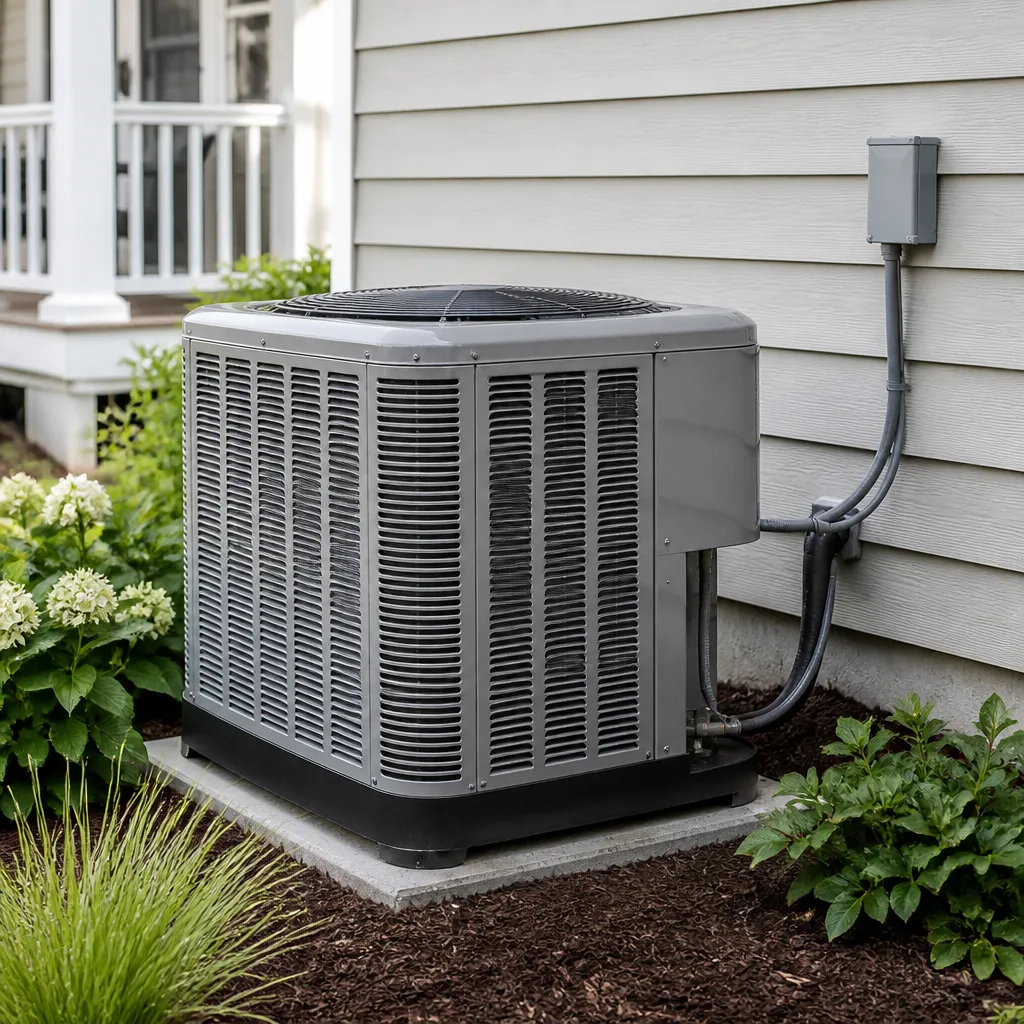 AC repair
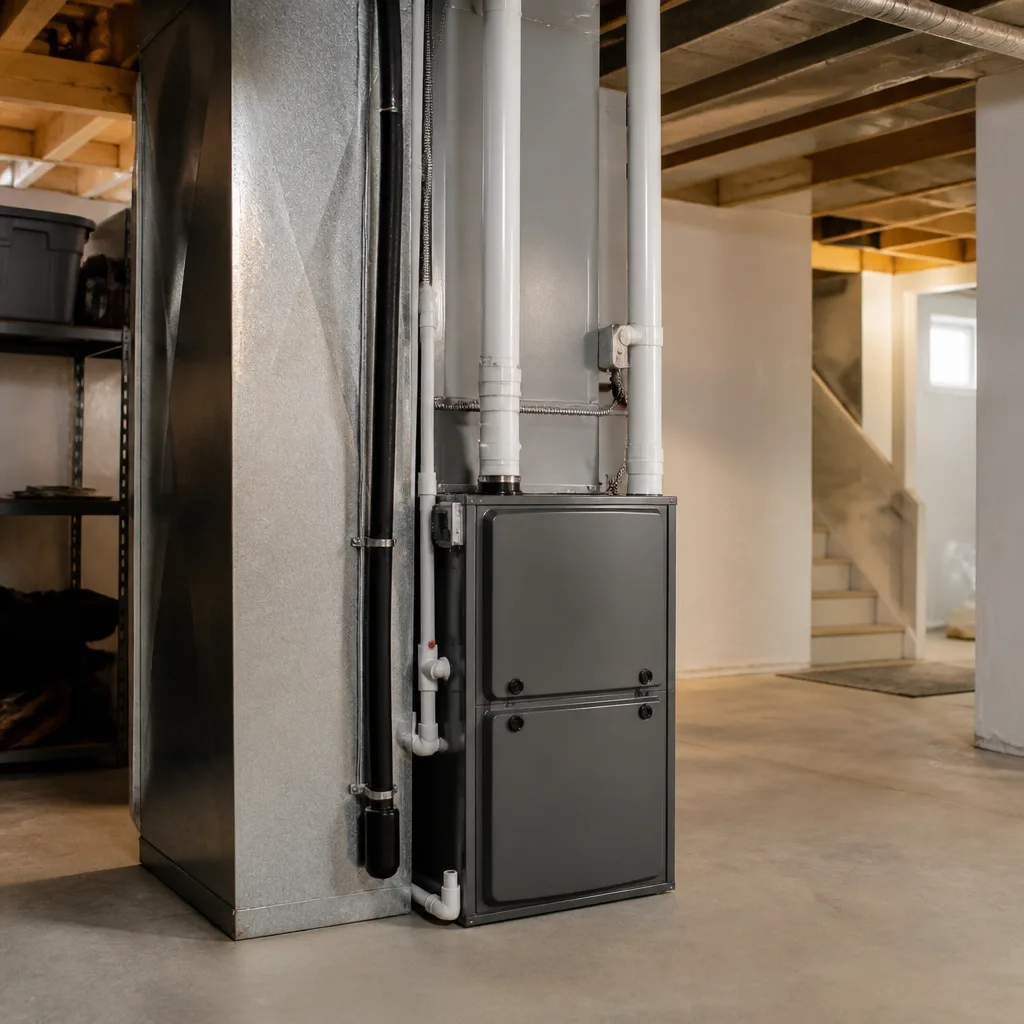 Furnace & heating
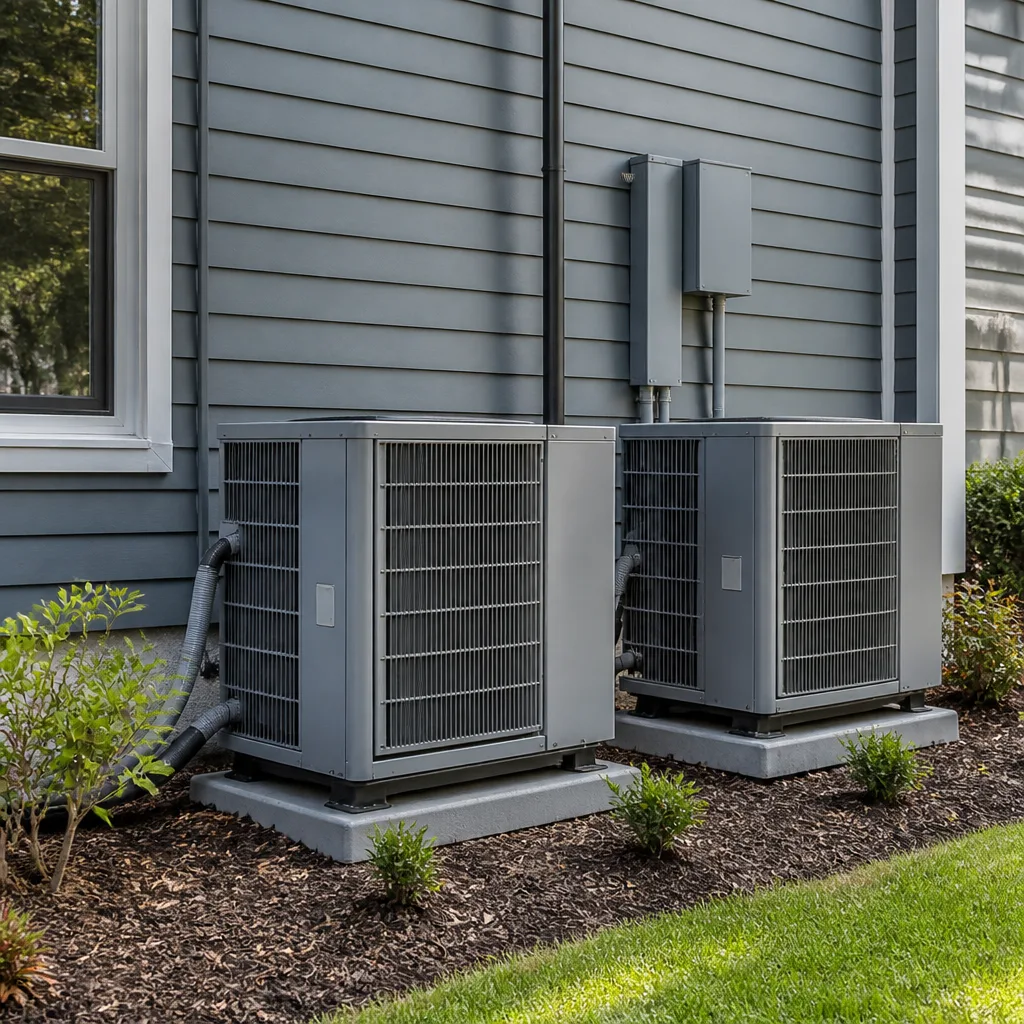 Heat pumps
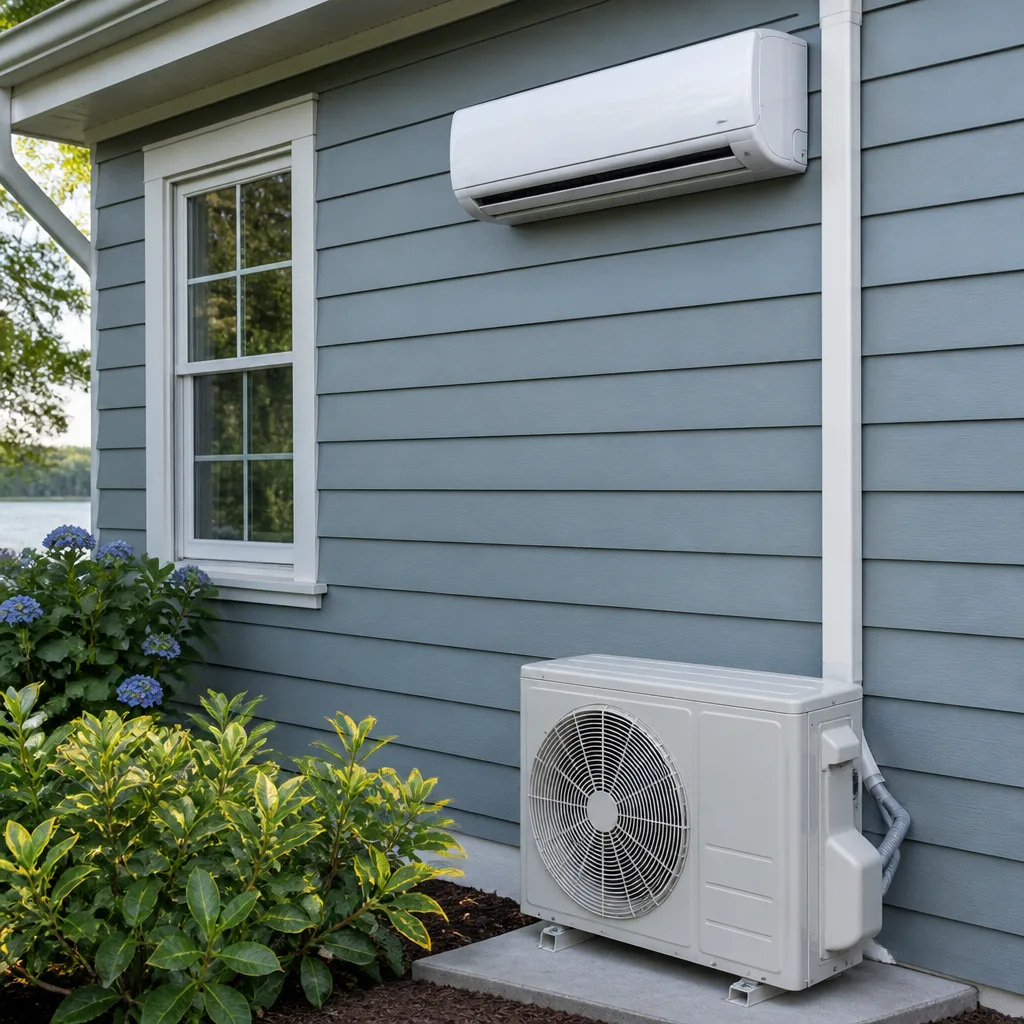 Ductless mini splits
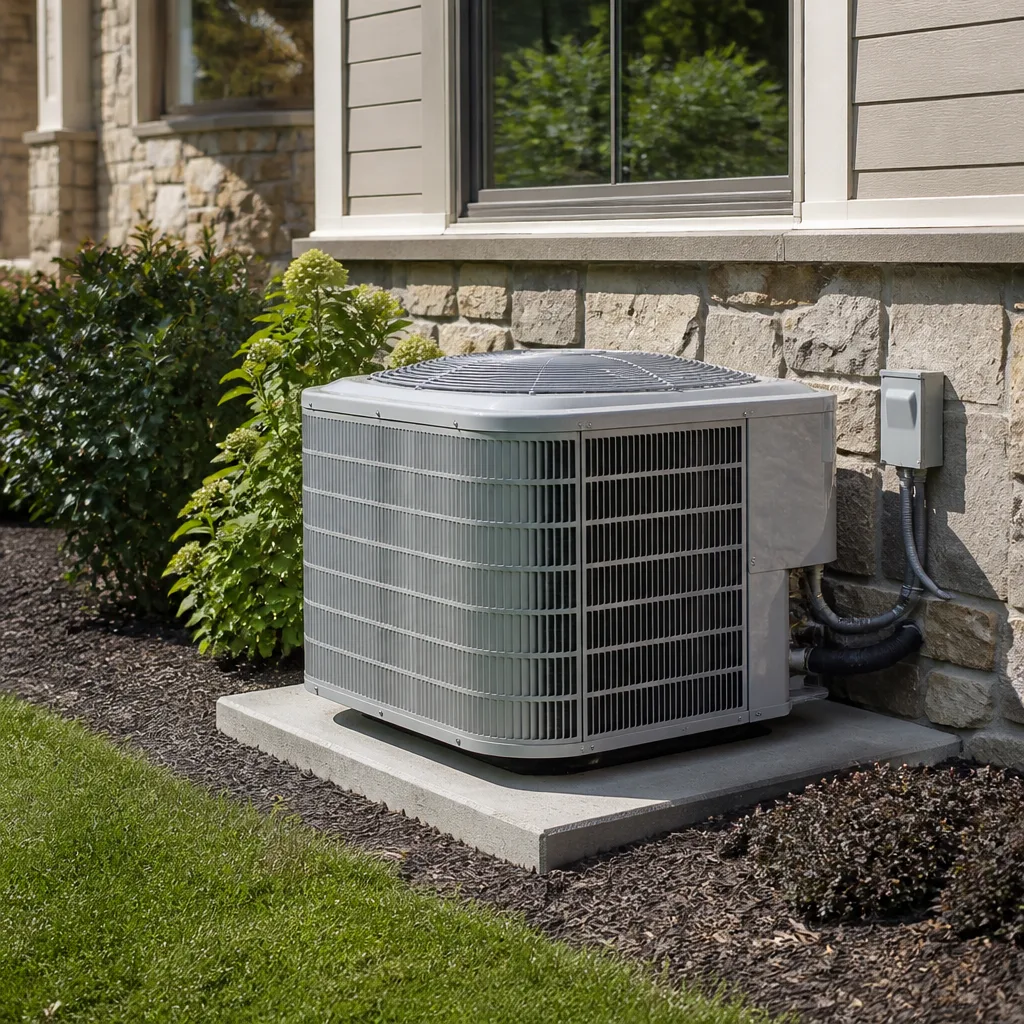 Carrier
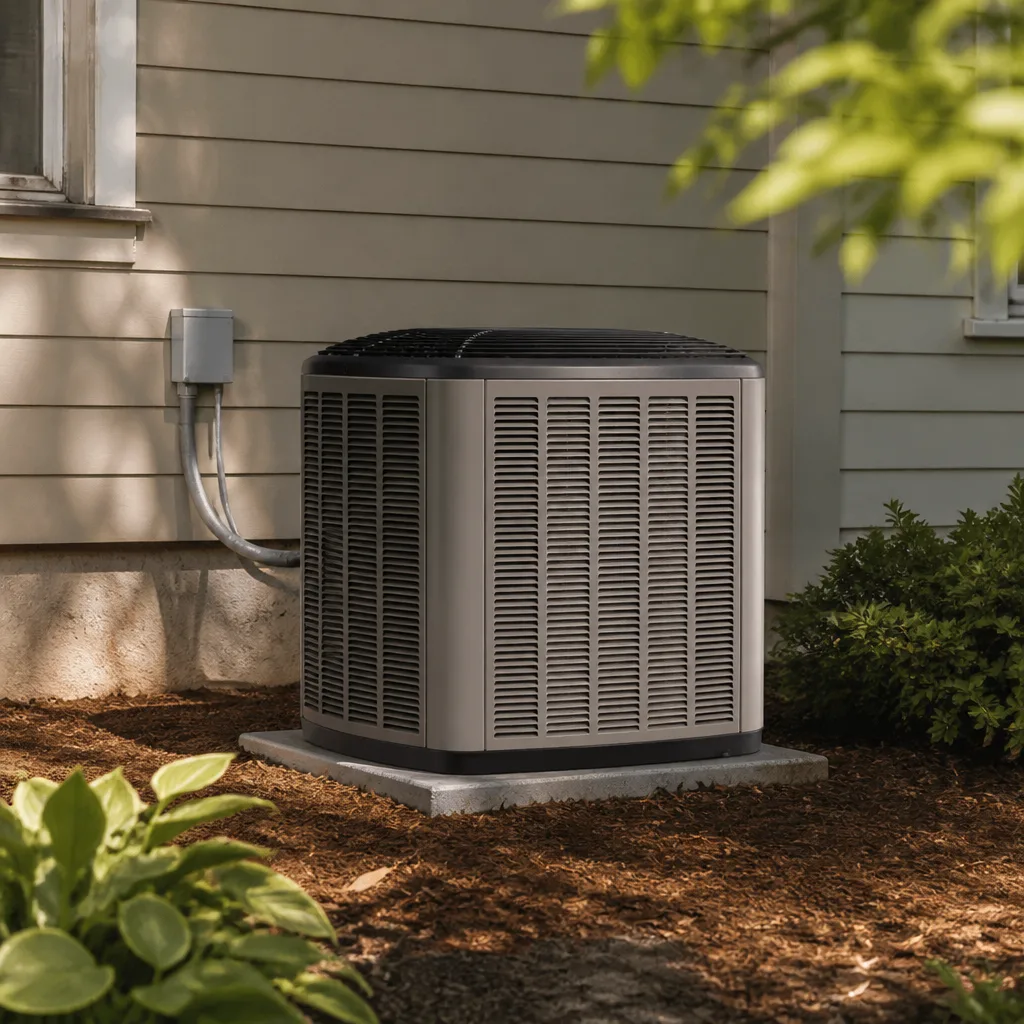 Trane
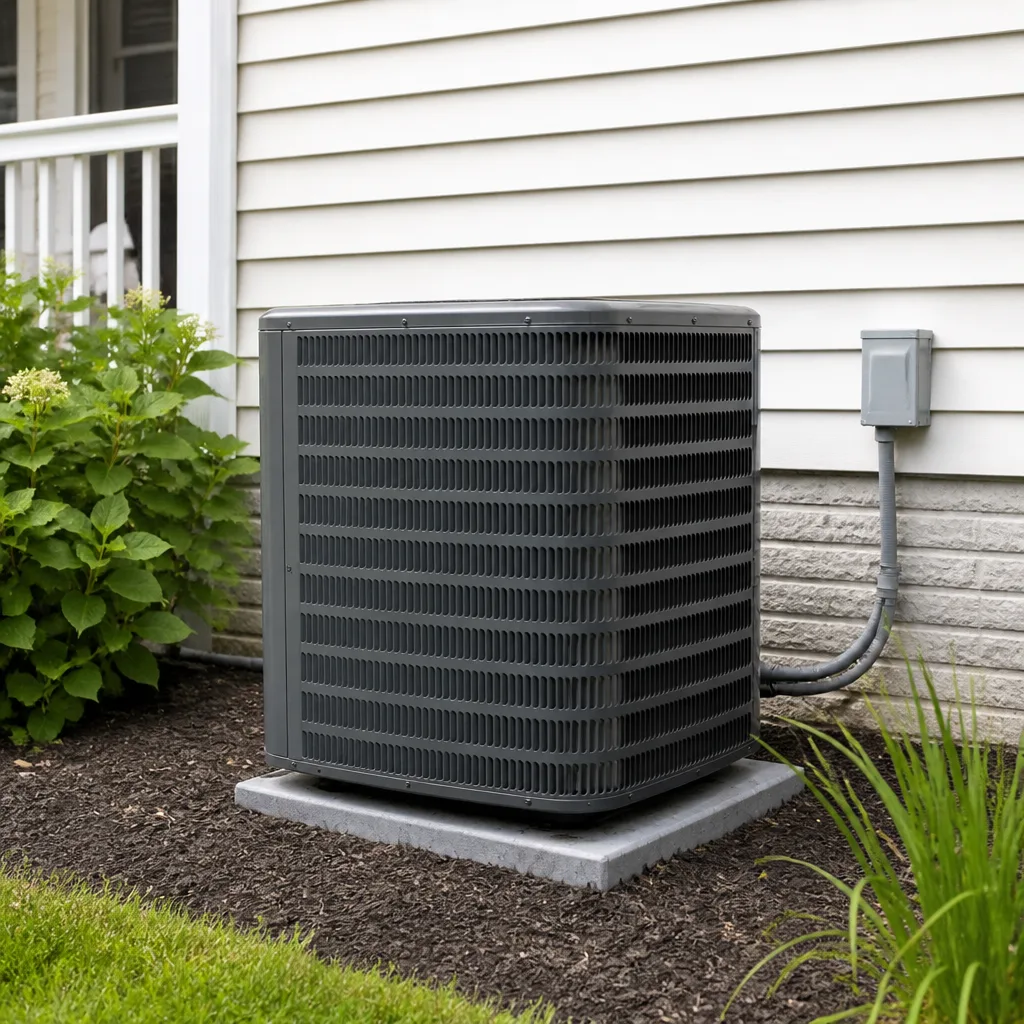 Goodman
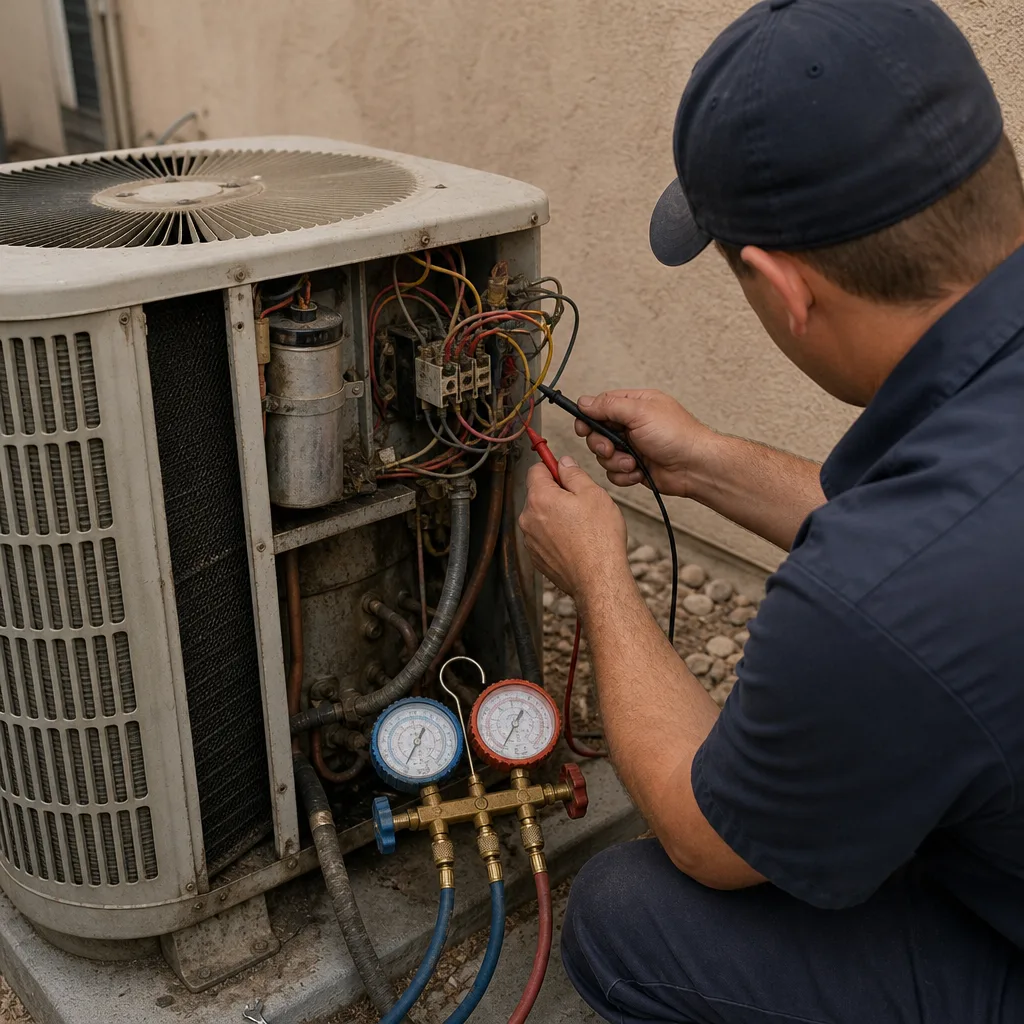
Seasonal tune-up and full diagnostic on your Carrier, Trane, or Goodman system - readings shown to you before any repair is proposed
Diagnosis first, numbers second - you approve the repair price before a single part goes in.
Get your free estimateHow Long Does Air Quality & Ventilation Take? Timelines and What to Expect
A proper duct cleaning for a 2,000-square-foot home takes three to five hours done right. If a crew says they can do it in ninety minutes, they’re skipping steps, and you’ll breathe the evidence for months afterward. That gap between a real timeline and a bid-winning timeline is where homeowners get blindsided. Not by the price, usually. By the time.
We’ve watched this play out across Boulder City for a long while now. A contractor quotes a half-day, shows up late, rushes the sealing or skips the pressure test, and the callback happens three weeks later when the dust settles back into the return grilles. This guide gives you honest, task-specific time ranges for the work you’re most likely to need: filter system upgrades, ERV and HRV installation, duct sealing, and whole-home air quality assessments. You’ll learn what legitimate prep and cleanup actually look like, how Boulder City home layouts stretch or shorten a job, and which timeline red flags should send you looking for a second opinion before you sign anything.
Quick Answer
Most residential air quality and ventilation work in Boulder City takes between two hours and two full days. A whole-home assessment runs 1.5 to 2.5 hours, filter system upgrades take two to four hours, duct sealing takes four to eight hours depending on leakage, and ERV or HRV installation is a full day, sometimes two if the home has a flat roof and tight attic access.
Styles & brands we work with
- AC repair
- Furnace & heating
- Heat pumps
- Ductless mini splits
- Carrier
- Trane
- Goodman
Table of Contents
- Whole-Home Air Quality Assessments: What 2 Hours Buys You
- Filter System Upgrades: Half a Day, Done Right
- ERV and HRV Installation: The Full-Day Job
- Duct Sealing: Where the Hours Actually Go
- Prep and Cleanup: Why Rushing These Causes Callbacks
- How Boulder City Home Layouts Change the Clock
- One Visit or Two? Reading the Estimate Honestly
- Timeline Red Flags That Signal a Low-Ball Bid
Whole-Home Air Quality Assessments: What 2 Hours Buys You
A thorough air quality assessment takes 90 minutes to two and a half hours for a typical single-story Boulder City home. If someone claims they can do it in twenty minutes walking through with a clipboard, they’re not assessing anything. They’re selling.
Here’s what a legitimate assessment involves, and roughly how long each phase takes:
- Intake interview and home walkthrough (15-20 minutes). Where do you notice dust, musty smells, or allergy flare-ups? Do you run the system fan continuously? Have you had water intrusion?
- Filter and return-air inspection (10-15 minutes). Filter type, MERV rating, fit, and how much bypass exists around the frame.
- Static pressure testing (20-30 minutes). This measures whether your system is moving air the way it was designed to. High static pressure is one of the most common and most ignored air quality problems we find in Boulder City.
- Duct inspection and moisture check (30-45 minutes). Visual walk of accessible duct runs, plus checking for gaps, disconnects, and condensation issues.
- Airflow and ventilation measurement (15-20 minutes). Room-by-room supply readings to spot dead zones and over-pressurized rooms.
- Review and written report (15-20 minutes). Findings, priorities, and what can be fixed now versus what needs a scheduled visit.
Boulder City’s desert climate matters here. Low humidity most of the year means we see fewer mold problems than coastal markets, but the summer dust load and the widespread use of evaporative coolers in older homes create their own patterns. Homes that switched from swamp coolers to refrigerated air often have duct systems sized for the wrong airflow, and the assessment is where that shows up.
Filter System Upgrades: Half a Day, Done Right
A filter system upgrade (moving from a 1-inch throwaway filter to a media cabinet, for example) takes two to four hours for most homes. That includes the actual cabinet install, but also the part homeowners forget to factor in: verifying the return-air path can handle the higher-efficiency filter without starving the system.
What that timeline looks like in practice:
- Two-hour jobs: Straight swap in an accessible return plenum with room to work and existing duct that’s already sized correctly.
- Three-to-four-hour jobs: Filter cabinet retrofit with a slight return-path adjustment, or a tight mechanical closet where the tech has to work around existing equipment.
- Four-plus or a second visit: Older Boulder City homes where the return duct is undersized for a high-MERV filter, or where the only practical location is a flat-roof attic with limited clearance.
One thing we always tell homeowners: don’t oversize the filter media for the airflow. A MERV 13 filter in a system that wasn’t designed for the pressure drop will choke the airflow, and you’ll notice it as rooms that never quite heat or cool. The right answer is often MERV 11 with a better-fitting cabinet, not the highest number on the box. The upgrade is quick. Getting it wrong costs you comfort and equipment life.
ERV and HRV Installation: The Full-Day Job
An energy recovery ventilator (ERV) or heat recovery ventilator (HRV) installation is a full day for most single-story homes, and two days when the home has a flat roof, a tight attic, or the duct routing has to cross the entire house. This is the single most time-intensive item on this list, and the one most often underquoted.
A realistic ERV/HRV install timeline:
- Site layout and core drilling (1-2 hours). Locating the best exterior wall, drilling for the two ducts, sealing the penetrations.
- Unit mounting and electrical (1.5-2.5 hours). Wall or attic mount, wiring to a dedicated circuit, low-voltage controls.
- Duct routing to the HVAC system (2-4 hours). Connecting the ERV to the return side of the air handler or to dedicated supply and exhaust points, depending on the home.
- Commissioning and airflow balancing (1-2 hours). This is the step that gets skipped on cheap installs and it’s the step that determines whether the system actually works.
Why rush an ERV? Because an unbalanced ERV can pressurize or depressurize the house, which pulls dust in from everywhere except where you want it. In Boulder City, where the outside air carries fine desert particulate during windy stretches, an unbalanced ERV can be worse than no ERV. The commissioning phase isn’t optional, and it’s why we don’t promise same-day ERV installs.
If you’re weighing ERV against a heat recovery setup, or wondering how this fits alongside a heat pump and mini split installation in Boulder City, that’s a conversation worth having before the timeline gets locked. The two systems interact, and sequencing matters.
Duct Sealing: Where the Hours Actually Go
Duct sealing typically takes four to eight hours, and the spread is wider than most homeowners expect. The single biggest variable is how much leakage is in the accessible versus inaccessible portions of the system. A home with 90% of its ductwork accessible in an attic or crawlspace can be done efficiently. A home with duct runs buried in ceilings or under slabs takes longer, because the workarounds are more careful.
Here’s roughly how the time breaks down for a typical Boulder City single-story home:
- Initial leakage test (45-60 minutes). Pressurize the system and measure baseline leakage.
- Sealing work (2.5-5 hours). Mastic sealing on all accessible joints, boots, register connections, and plenum penetrations.
- Post-sealing test (30-45 minutes). Re-test to confirm the sealing actually reduced leakage, and how much.
- Wrap-up and register re-check (30 minutes). Reinstall the register covers, verify airflow at each grille.
We’ve seen crews who “seal ducts” in ninety minutes. What they actually did was tape over the most visible joints with foil tape and skip the leakage test on both ends. Foil tape on dust is a temporary fix at best. It lifts within a season in a hot attic, and the leakage returns. The hours are what you’re paying for, and they’re the part that makes the difference.
Prep and Cleanup: Why Rushing These Causes Callbacks
Legitimate contractors build preparation and cleanup into the timeline. Prep on an air quality or ventilation job runs 30 to 60 minutes. Cleanup runs 30 to 45 minutes. If a contractor’s estimate adds up to the exact length of the work with no room for either, the math is off or they plan to skip one.
What real prep looks like:
- Floor protection and drop cloths set before any equipment comes in
- Furniture moved, not just nudged aside
- HVAC system powered down and verified off before duct access
- Return-side filters temporarily capped during dusty work
- Clear plastic sheeting at work-area boundaries in occupied spaces
Cleanup isn’t just tidying. It’s HEPA vacuuming the work area, wiping down surfaces where dust settled, restoring the registers, and doing an operational walk-through with you before the tech leaves. That last step is what catches the problems before they become callbacks. When a crew skips the walk-through to beat traffic, you’re the one who discovers the loose register two weeks later.
We build prep and cleanup into every quoted timeline, and it’s part of why our technicians aren’t paid on what they sell. There’s no incentive to hurry through cleanup to get to the next job, and no incentive to invent a problem to pad the visit. A job that ends on time with clean floors and a working system is the whole point.
For related reading, our guide on AC repair and installation in Boulder City covers how airflow and duct issues surface as cooling problems first.
How Boulder City Home Layouts Change the Clock
National timeline averages don’t map cleanly onto Boulder City housing stock, and contractors who quote off a national app instead of walking your attic will usually be wrong. Three layout features drive the variance most:
- Single-story slabs with long horizontal duct runs. Boulder City has a high concentration of ranches and mid-century homes built on slab foundations. Horizontal duct runs in slab or shallow attic configurations take longer to access and seal than vertical runs, often adding an hour or more to a sealing job.
- Flat roofs with low-clearance attics. Flat-roof construction is common here, and the attic space above is often tighter than what techs see in pitched-roof markets. Every phase of duct work and ERV install gets slower when a tech is working on hands and knees. We schedule for it rather than blowing through on a promise.
- Dense duct runs in older homes. Homes built before the mid-1980s often have ductwork that was retrofitted in phases as the house was added onto. The runs don’t follow a clean plan, and the tech has to trace them before touching them. That tracing time is real work and it belongs in the estimate.
Compare a 1,800-square-foot single-story in Boulder City to the same square footage in a two-story home in a market with a basement and a full attic. The square footage matches. The accessible duct cubic feet don’t. Time estimates should account for the second number, not the first.
One Visit or Two? Reading the Estimate Honestly
Most air quality and ventilation work can be completed in a single visit if the diagnosis is clear and the parts are on hand. Some jobs, honestly, need two visits, and it’s better to hear that upfront than to spend a second appointment arguing about it. Here’s how to tell which kind of job you have.
One-visit jobs (the common case)
Filter upgrades, sealing work where the inspection is done during the same visit, assessment-and-minor-ventilation tweaks, and most ERV installs where the equipment is confirmed available and the layout is known ahead of time. These are same-day repairs in the sense that they start and finish within the appointment window.
Jobs that honestly need a return visit
- Repairs requiring a part the technician has to order, like a specific ERV core or a non-standard filter cabinet size
- Sealing jobs where the initial leakage test reveals an inaccessible section that needs a plan
- ERV installations where the exterior wall location requires inspection and HOA or permit coordination before drilling
- Multi-zone ventilation upgrades in homes with original equipment on more than one system
The right answer when a second visit is needed is a written schedule and a fixed price for each phase. We quote the whole job, not the visible part, so the return visit doesn’t come with a surprise invoice. Done right the first time means it’s done right at each step, and the price quoted is the price paid.
Timeline Red Flags That Signal a Low-Ball Bid
Certain timeline patterns show up over and over in jobs we’re called back to fix. Watch for these before you sign.
- A timeline that matches the price, not the work. If the bid comes in far below the others and the timeline is suspiciously short, the work is being scoped to the price, not the other way around. Cheap and fast usually means both.
- No mention of testing, only fixing. Any air quality or sealing job that doesn’t include a “before” and “after” measurement isn’t a tuned job. It’s an educated guess with a bill attached.
- Scheduling too many jobs in one day. If the dispatch desk promises a specific narrow arrival window on a job that clearly needs four to eight hours, and simultaneously books the same crew for three other stops, someone is going to get shorted. Usually the last customer of the day.
- Vague cleanup language. “Cleanup included” is fine. So is “we leave the space clean.” Neither is the same as “we HEPA vacuum and do an operational walk-through.” Ask which one the estimate actually covers.
- No visit before the bid. A timeline for a duct sealing job quoted over the phone without an attic walk is either a guess or a low-ball designed to be revised later. The revision is the real price.
- Pushback on the written estimate. If the timeline lives only in the sales conversation and not in the paperwork, the clock is already slipping. Get it in writing.
Calling for a free second opinion on any written estimate is one of the simplest ways to catch these before the ink dries. That’s an offer we make on any estimate, ours or someone else’s, because a written comparison makes the low-ball math obvious.
Common Mistakes to Avoid
- Confusing “same day” with “done right.” A rushed job that finishes in ninety minutes and fails the post-test three months later wasn’t faster. It just moved the cost to your second phone call, and that call usually comes with a fresh invoice.
- Skipping the before-and-after test. Any sealing or filtration job without a measurement on both ends can’t prove it worked. In Boulder City’s dust-heavy spring stretches, a duct job that doesn’t hold up under wind load will show you the difference with a new layer on the coffee table.
- Oversizing the filter for airflow. High-MERV filters in systems designed for low-MERV media are the most common self-inflicted air quality problem we see. The filter catches more, but the system moves less air, and both comfort and equipment life pay for it.
- Installing an ERV without commissioning. A balanced ERV helps. An unbalanced one pulls dust in from places you didn’t know existed. Insist on the commissioning step and get the airflow numbers in writing.
- Not asking about prep and cleanup in the estimate. The cleanest-looking bid often isn’t scoping the cleanup. Ask explicitly what’s included and what isn’t, and compare that line across bids, not just the total.
- Believing that all flat-roof attics are equal. Boulder City’s flat-roof construction varies wildly in attic clearance. A contractor quoting off a national average is underestimating every one of those jobs by an hour per task, and the customer absorbs the slip.
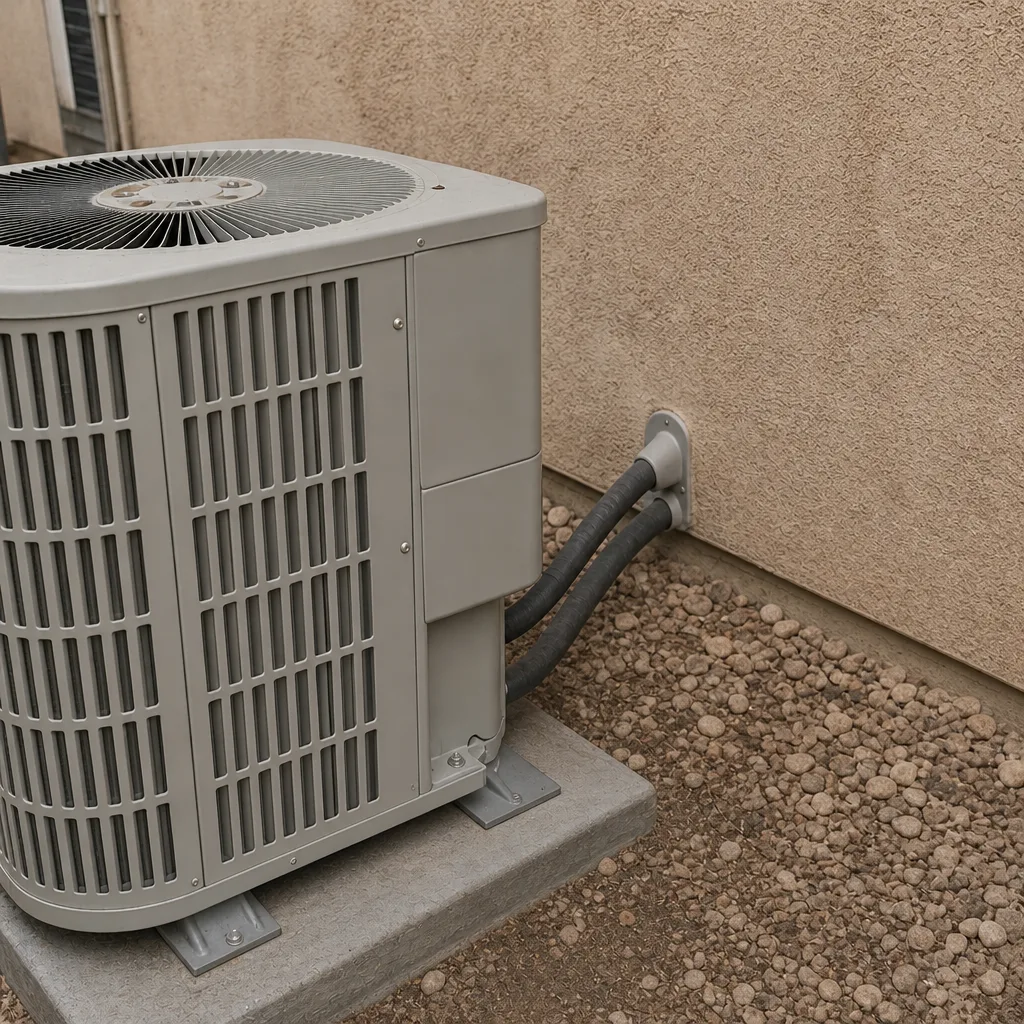
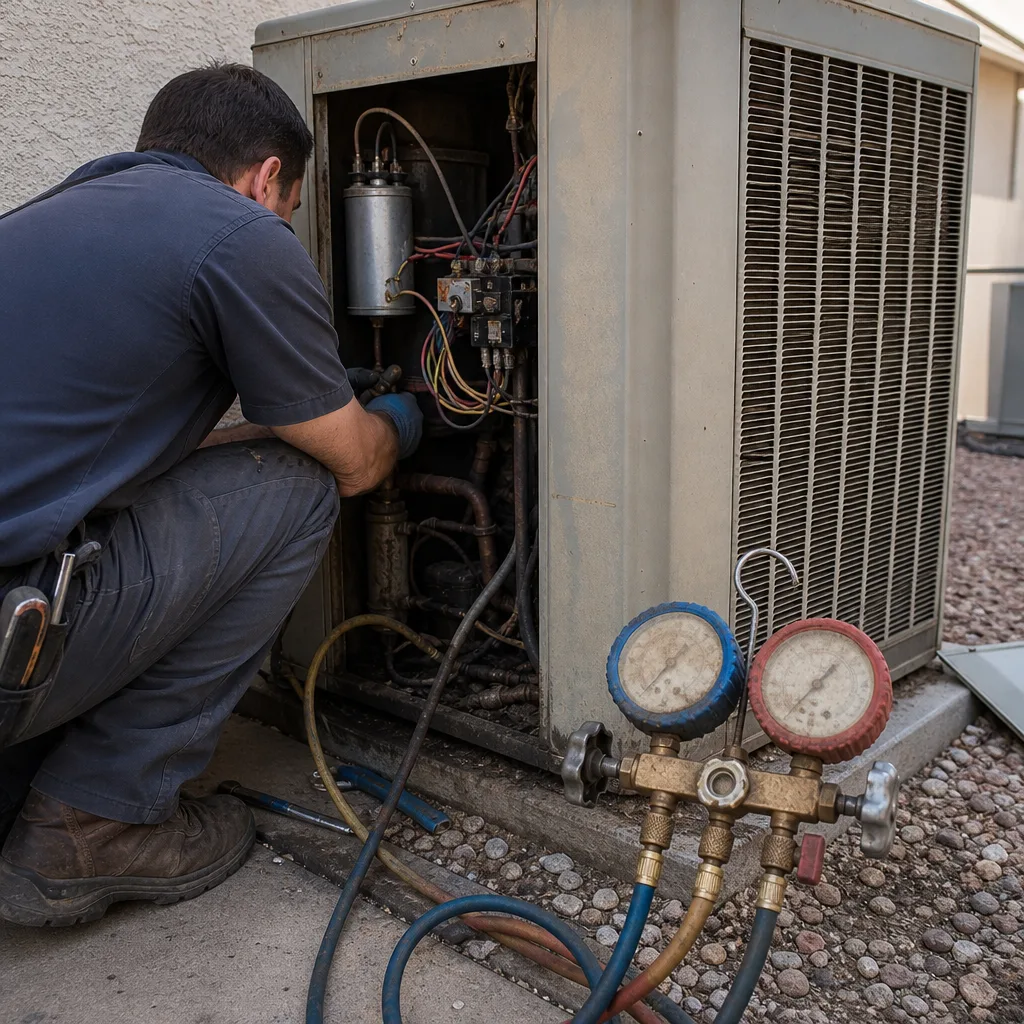
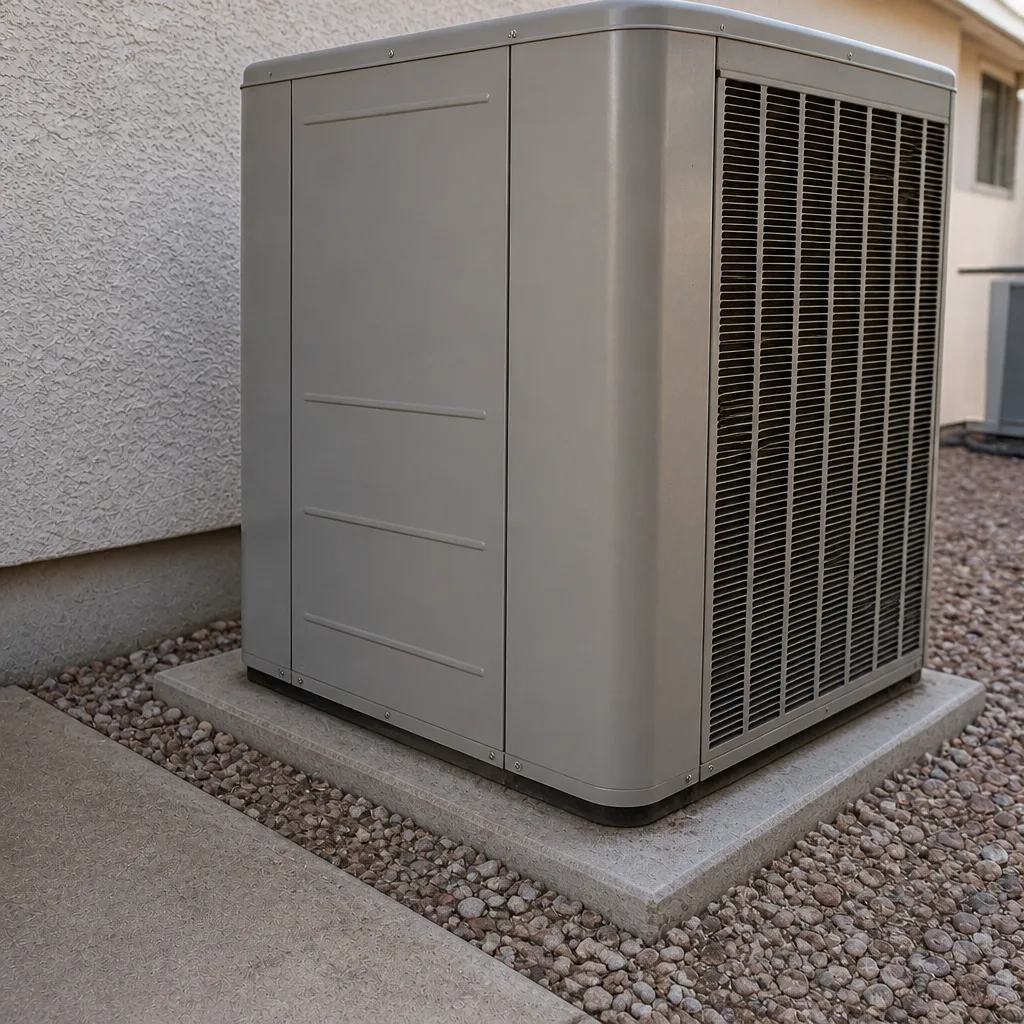
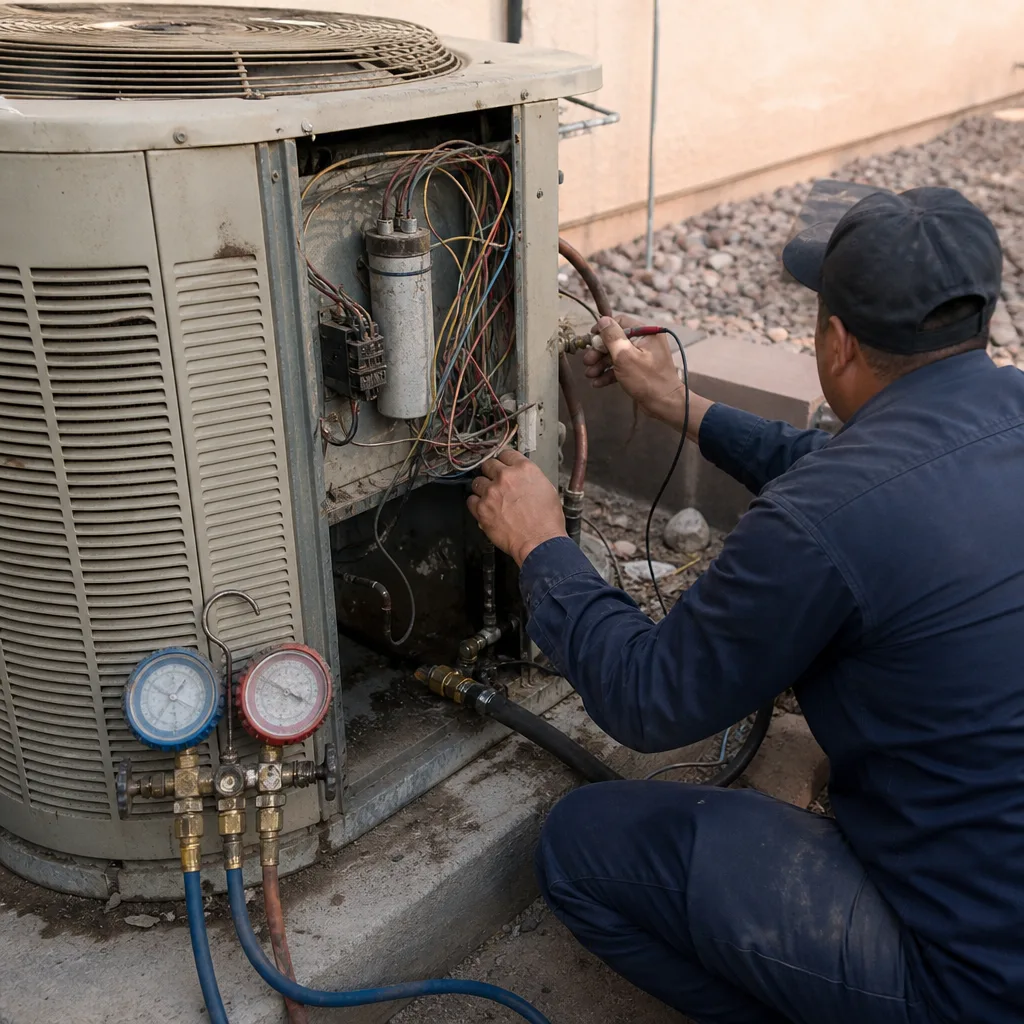
See the difference
 Before
 After
 Before
 After
 Before
 After
When to Call a Professional
Call a professional when your home has visible dust patterns near supply registers, persistent musty odors despite filter changes, allergy symptoms that improve when you leave the house and worsen when you return, or rooms that never balance with the rest of the house. Call when a prior “quick” duct cleaning or sealing job produced no measurable improvement. Call when your home has an evaporative cooler to refrigerated air conversion in its history, since duct sizing often wasn’t revisited. And call when the timeline on a written bid looks suspiciously short and you want a second set of eyes before you commit. Fireside Heating & Air Co. Boulder City offers free estimates in Boulder City. Call (844) 312-0133 and a live person will pick up, day or night.
Frequently Asked Questions
A whole-home assessment typically takes 90 minutes to two and a half hours for a single-story Boulder City home, including a written report of findings. Homes with flat-roof attics or retrofitted duct systems can take longer, sometimes closer to three hours, because the tech may need to trace the duct path before testing it. Call (844) 312-0133 to schedule, (844) 312-0133 for an exact window, and estimates are free.
Not usually, and a contractor who promises both in one day is likely underestimating one of them. Duct sealing takes four to eight hours on its own, and ERV installation is a full day for most homes. Both jobs need proper prep, commissioning or post-testing, and cleanup. Scheduling them on separate days protects the quality of each. Call (844) 312-0133 for a realistic two-visit plan.
Flat-roof construction in Boulder City often results in tighter attic clearances than pitched-roof homes, which slows every phase of duct and ventilation work. A tech working on their hands and knees can’t move as fast as one with full headroom, and the safety precautions take time too. Contractors quoting off national averages rarely factor this in. Call (844) 312-0133 and we’ll give you a realistic window for your specific attic.
For most Boulder City homes, we can schedule an assessment within a few business days, and sooner if the situation is urgent. A live person answers every call, day or night, so you’re never routed through a phone tree. Estimates are free, and you’ll get the written timeline before any work is scheduled. Call (844) 312-0133.
The quoted time covers the full install: layout, core drilling, unit mounting, electrical, duct routing, commissioning, airflow balancing, and cleanup. The commissioning phase is where most cheap installs cut corners, and it’s the step that determines whether the ERV actually does what you’re paying for. We schedule the full day, every time. Call (844) 312-0133 for a written fixed price.
Yes, for most homes. A filter system upgrade from a 1-inch filter to a media cabinet takes two to four hours, so it fits within a single same-day appointment if the return path is accessible and the parts are on hand. Homes with tight mechanical closets or undersized returns may need a return visit for parts. Call (844) 312-0133 and we’ll confirm your exact job type before scheduling.
The Bottom Line
Realistic air quality and ventilation timelines aren’t a mystery once you know the tasks inside them. Whole-home assessments run about two hours. Filter upgrades run two to four hours. Duct sealing runs four to eight. ERV and HRV installs run a full day, sometimes two. Prep and cleanup add another hour to ninety minutes total, and those are the phases that prevent callbacks. Boulder City layouts, especially single-story slabs and flat-roof attics, add time over national averages, and honest contractors schedule for it. If a bid comes in far below the others with a timeline to match, the work is what shrinks. Compare written timelines, not just prices, and you’ll spot the low-ball before it costs you.
For the broader picture on how your HVAC and air quality systems work together, see our Fireside Heating & Air Co. Boulder City home, our heating and furnace service in Boulder City, and our heat pump and mini split page. When you’re ready for a straight timeline and a fixed price, call (844) 312-0133 for a free estimate. A live person answers every call, day or night, and every job comes with our 90-Day Done Right Promise in writing. Done right, or we make it right. That’s the whole deal.
Written by the team at Fireside Heating & Air Co. Boulder City.