
Last updated November 18, 2026
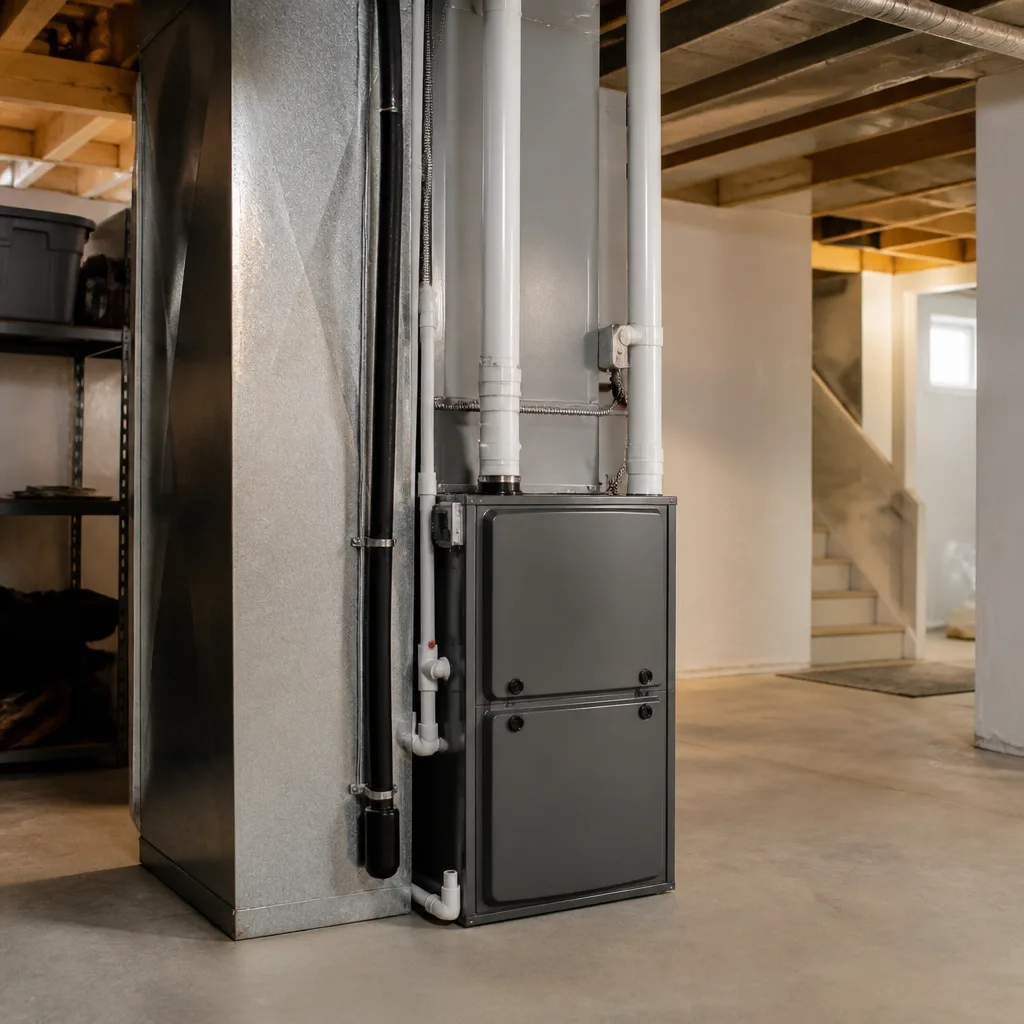 Furnace & heating
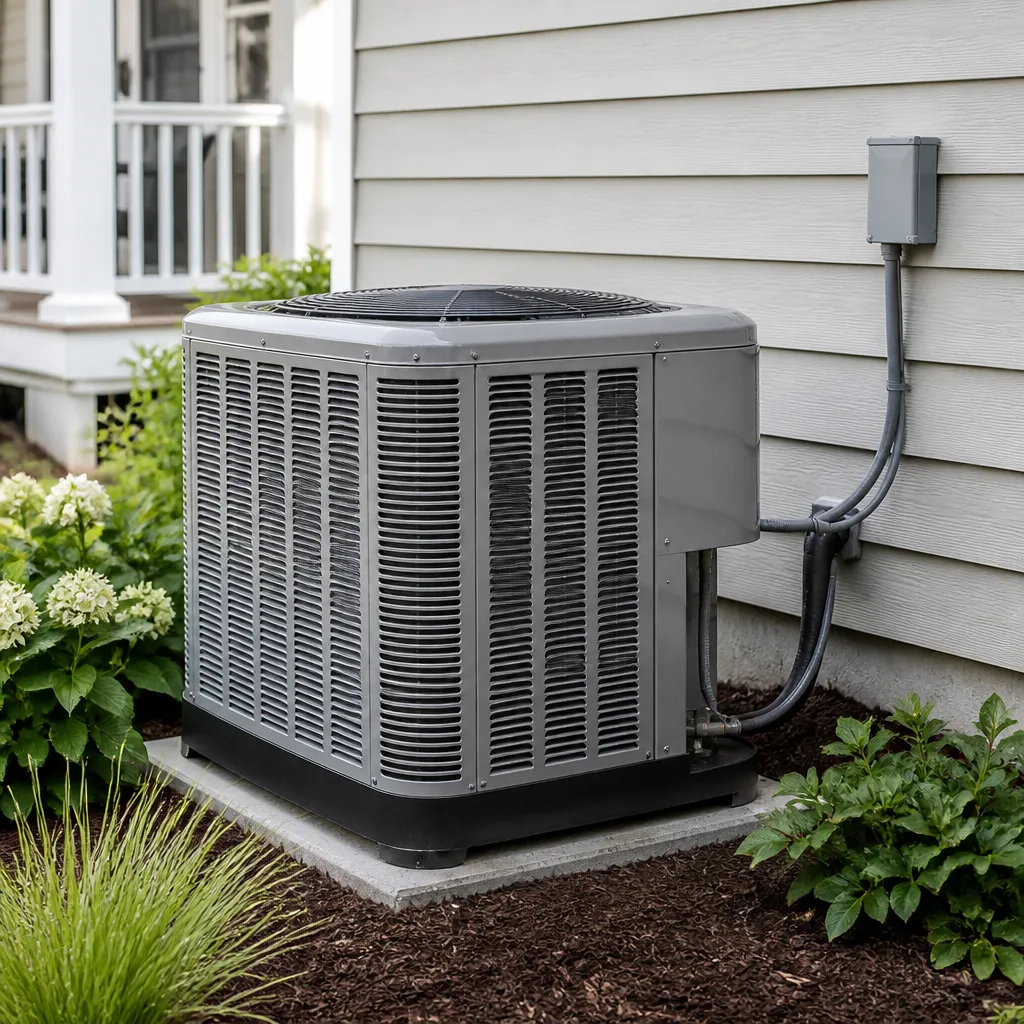 AC repair
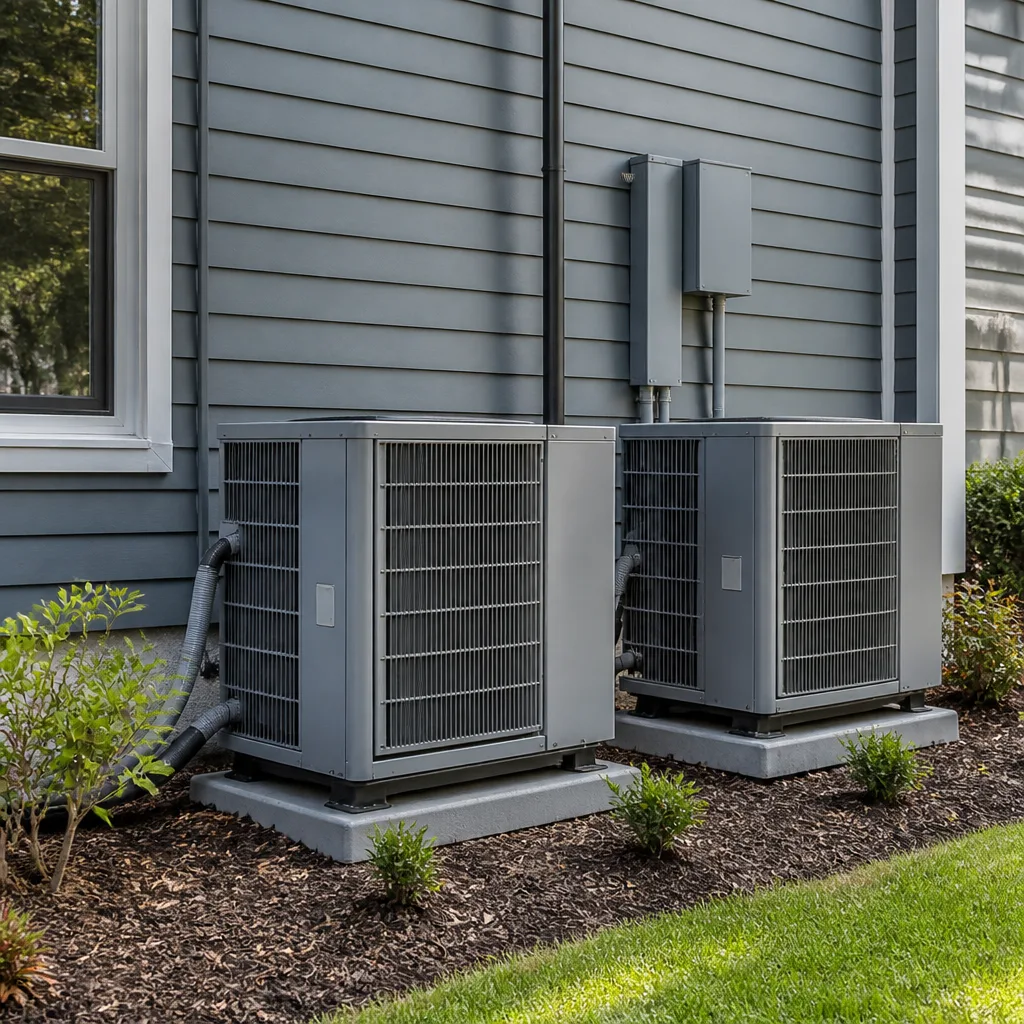 Heat pumps
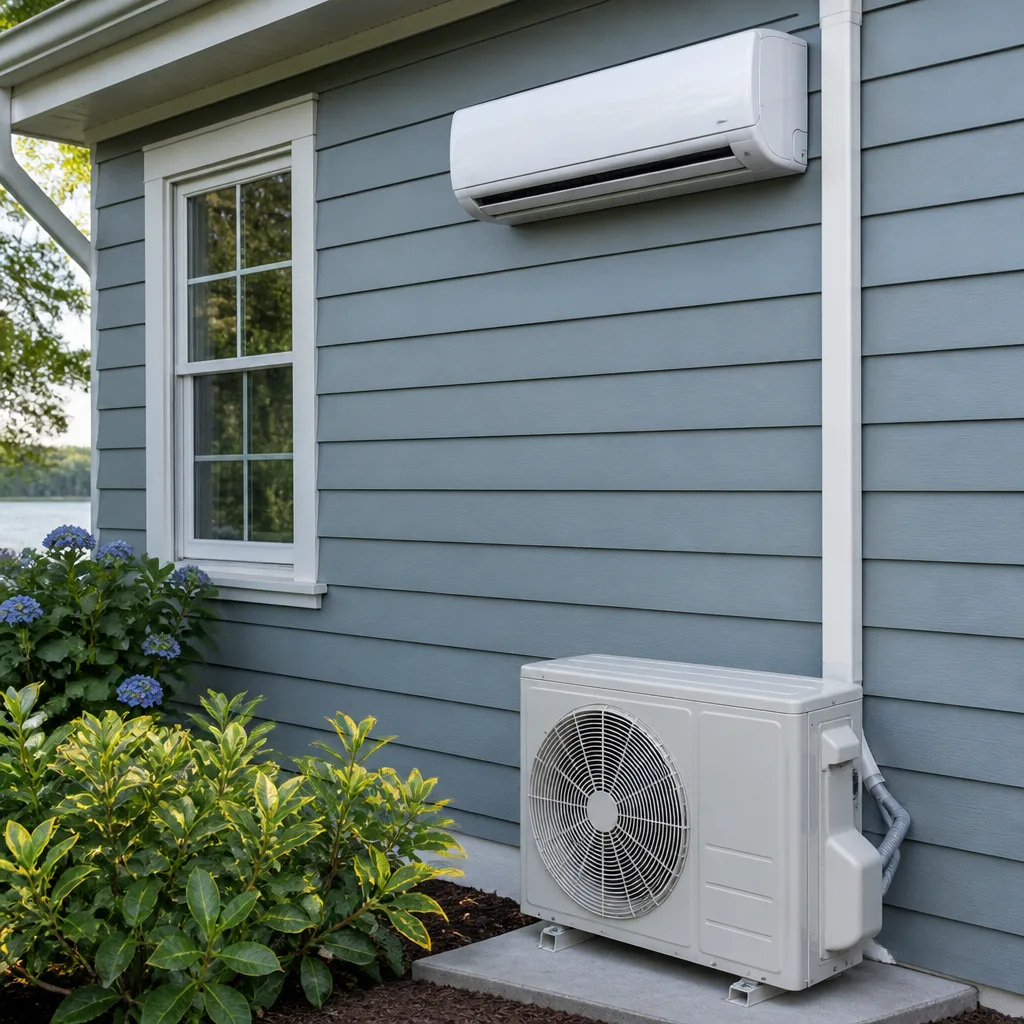 Ductless mini splits
 Carrier
 Trane
 Goodman
Seasonal tune-up and full diagnostic on your Carrier, Trane, or Goodman system - readings shown to you before any repair is proposed
Diagnosis first, numbers second - you approve the repair price before a single part goes in.
Get your free estimateThe Complete Heating & Furnace Guide for Boulder City Homeowners
Boulder City’s coldest recorded overnight low is 17°F. That number isn’t the one that causes trouble. The more dangerous number is the 40-degree single-day temperature swing that rolls through the desert and sends homeowners to a furnace that hasn’t run since March, often to find it won’t start. Desert winters are mild by most standards but volatile by desert standards, and that pattern of long idle stretches followed by sudden hard use stresses heating equipment in ways a continuous cold-climate system never experiences. This guide covers how that dynamic plays out in Boulder City homes, how to spot trouble before it strands you, what replacement actually looks like under local building codes, and what it costs to heat a house here.
Quick Answer
Heating and furnace service in Boulder City, NV typically runs $89 for a seasonal tune-up, $180 to $450 for a common repair like an ignitor, flame sensor, or gas valve, and $2,800 to $6,500 for a full furnace replacement depending on size, brand, and ductwork condition. The desert’s wide temperature swings make an idle-then-surge usage pattern the leading cause of mid-season breakdowns, so annual service before the first cold snap is the single best way to avoid a no-heat call in January.
Styles & brands we work with
- AC repair
- Furnace & heating
- Heat pumps
- Ductless mini splits
- Carrier
- Trane
- Goodman
Table of Contents
- Why Desert Furnaces Fail Differently Than Cold-Climate Systems
- The Idle-Then-Surge Problem: Ignitors, Heat Exchangers, and Gas Valves
- How Boulder City’s Gas Infrastructure Affects Furnace BTU Selection
- Furnace Replacement Permits and Code Requirements in Boulder City
- Heat Pump vs. Gas Furnace: An Honest Cost Comparison for This Market
- Inside Our 90-Day Done Right Promise for Heating Work
- What Annual Heating Service Actually Covers
- Carbon Monoxide and Heat Exchanger Safety in Aging Homes
Why Desert Furnaces Fail Differently Than Cold-Climate Systems
A furnace in Minneapolis runs every day from November through March. A furnace in Boulder City might run a handful of nights in December, sit idle for three weeks, fire up hard during a January cold front, then go quiet again. That irregular cycle is hard on equipment. Cold-climate wear is steady and predictable; desert wear is intermittent and abrupt.
The main reason is condensation and thermal cycling. When a furnace sits idle for weeks, residual moisture in the combustion chamber and venting has time to settle and dry unevenly. Then a sudden temperature drop calls the system into full-fire service, and it goes from room temperature to operating temperature in minutes. Metal expands fast. Dust that accumulated over the idle months burns off inside the cabinet and often trips a flame sensor before it ever gets to do its job.
In our experience, most Boulder City no-heat calls in the first cold week of the season are not catastrophic failures. They’re ignition faults: a dirty flame sensor, a failed hot-surface ignitor, or a gas valve that sat with residual pressure too long and needs service. Most of those jobs are done in a single visit, and most could have been prevented by a tune-up in October or early November.
What to check before you call:
- Whether the thermostat is actually calling for heat, not just set to “on”
- Whether the furnace has power (a tripped breaker at the panel is the most common surprise)
- Whether the gas shutoff valve at the furnace is open
- Whether the filter has been changed since last season (a clogged filter is the most under-diagnosed no-heat cause)
- Whether the exhaust vent on the exterior wall is clear of debris or bird nests
If none of those resolves it, it’s time for a technician. Gas appliances are not a DIY repair, and we don’t recommend opening a furnace cabinet to check anything beyond the filter.
The Idle-Then-Surge Problem: Ignitors, Heat Exchangers, and Gas Valves
The three components that fail most often in desert-climate heating systems fail for different reasons, and understanding each helps you understand why we recommend the inspection we do.
Hot-Surface Ignitors
Modern furnaces use a silicon nitride or silicon carbide ignitor that heats up to roughly 2,200°F to light the burners. Ignitors are durable, but they’re also the most fragile component in the cabinet. They’re sensitive to physical handling and to the thermal shock of going from dead cold to full heat in a single cycle after months of idleness. When an ignitor fails, the furnace often goes through its start sequence and shuts down without ever producing heat. Many units flash a diagnostic code on the control board. An ignitor replacement typically runs $180 to $320 installed.
Heat Exchangers
The heat exchanger is the metal chamber that separates combustion gases from the air your house breathes. It’s the single most important safety component in a gas furnace. Cracks develop from repeated thermal cycling, but they also develop from uneven heating: a chamber that fires up cold after a long idle period is more likely to stress than one that stays warm through a season. A cracked heat exchanger can leak carbon monoxide into the supply air, which is why every service call in an aging unit includes a visual and combustion analysis check. Some units can be repaired; most cracked exchangers mean replacement. A pre-2000 furnace with a failed heat exchanger is seldom worth saving.
Gas Valves
The gas valve is the component that opens and closes to send fuel to the burners. It’s rated for hundreds of thousands of cycles, but it’s also sensitive to inactivity. A valve that sits closed for eight months can develop a sticky diaphragm or a slowly degrading solenoid. Symptoms include delayed ignition, weak flame, or a unit that fires and shuts off within 30 seconds. Gas valve replacement usually runs $280 to $480 installed. Anything involving the gas valve or the gas line requires a licensed technician. We don’t give homeowners step-by-step instructions for this repair, and no honest contractor should.
How Boulder City’s Gas Infrastructure Affects Furnace BTU Selection
Furnace sizing in Boulder City isn’t the same exercise as in cold climates because our design temperature is different. A properly sized furnace is calculated from a Manual J load: room-by-room heat loss at the design outdoor temperature. In most of the Midwest, designers work from a design temperature near 0°F. In Boulder City, the design temperature most engineers work toward is around 25°F to 28°F. That changes the math.
The practical result is that homes here need fewer BTUs per square foot than the national rules of thumb suggest. A 35 to 50 BTU-per-square-foot estimate (the number that gets thrown around on internet sizing charts) usually oversizes a Boulder City furnace by 20 to 30 percent. An oversized furnace short-cycles: it heats the house fast, shuts off, cools, and repeats. That cycling stresses the heat exchanger and ignitor more than a correctly sized unit that runs longer, steadier cycles.
Gas utility infrastructure also matters for planning. Southwest Gas serves Boulder City with a distribution system that’s reliable for most residential addresses, but homes on the edges of older neighborhoods or on the more rural parcels near the river corridor sometimes face line pressure or meter considerations that affect appliance sizing. When we quote a replacement, we confirm the gas line capacity at the meter before we put a BTU number on paper. That’s not padding; it’s the difference between a furnace that works and one that lights weakly and trips the pressure switch on cold nights.
What we check before sizing a Boulder City furnace:
- Room-by-room heat loss calculation (Manual J, not a square-footage rule)
- Window condition and orientation (west-facing glass in summer matters, north-facing in winter)
- Attic and wall insulation levels relative to the 2009 or later IECC standards adopted locally
- Ductwork condition and leakage (a well-sized furnace loses half its value through leaky ducts)
- Gas line size and meter capacity at the appliance
- Existing venting path and whether it’s Category I or Category IV compliant
Furnace Replacement Permits and Code Requirements in Boulder City
Furnace replacement in Boulder City requires a mechanical permit issued by the city’s Building Department, and in most cases the work must be inspected. That includes the appliance installation, the gas line connection, the venting, and in some cases the electrical work. Skipping the permit isn’t a legal gray area; it’s a code violation that can surface at resale and can void certain insurance claims.
What the permit and inspection typically cover for a furnace replacement:
- Mechanical permit: Required for the installation of a new heating appliance. Pulled by the installing contractor, not the homeowner, in most cases.
- Gas line pressure test: Confirmation that the new appliance’s connection holds at the required test pressure.
- Venting inspection: The flue and exhaust path must meet the manufacturer’s Category I or IV requirements and clear local building requirements for height above roofline and distance from operable windows.
- Combustion air: The installation must have adequate air for combustion, whether from inside the space or drawn from outside per code.
- Electrical permit (sometimes): If the furnace requires a new circuit or a disconnect, the electrical inspector may also be involved.
When we quote a furnace replacement in Boulder City, the permit and inspection are part of the number, not an add-on. Any quote that lists them as “extra” is a quote that will grow. Homeowners should also keep the permit paperwork. It’s the proof that the work was done to code and inspected, and that matters when a house sells or when an insurance company asks.
Heat Pump vs. Gas Furnace: An Honest Cost Comparison for This Market
Boulder City is one of the few climates where a heat pump is genuinely competitive with a gas furnace for the whole year. Mild winters mean a heat pump can carry the heating load without needing a gas backup for most of the season. Extreme summers mean the same unit’s cooling performance matters as much as its heating. Here’s the honest comparison for this specific market.
- Gas furnace, 80% AFUE, 60,000 BTU: $2,800 to $4,200 installed, plus permit. Life expectancy 15 to 20 years with service. Heating cost depends on Southwest Gas rates.
- Gas furnace, 96% AFUE, two-stage: $4,500 to $6,500 installed. Higher efficiency, more comfort, quieter cycles. Requires Category IV venting.
- Ducted heat pump, 15 SEER2 / 8.5 HSPF2: $5,500 to $8,500 installed. Handles both heating and cooling in one system. Heating performance drops below 30°F outdoor temp, which only matters a handful of nights a year here.
- Cold-climate heat pump, 18 SEER2 / 10 HSPF2: $7,500 to $11,000 installed. Full capacity to 5°F. Oversized for Boulder City’s mild winters but delivers excellent efficiency.
- Mini-split (ductless), single-zone: $3,800 to $6,000 installed. Best for additions, rooms without ducts, or garages. Less appropriate as whole-home primary heat.
Two things tip the economics in Boulder City. First, the cooling load is the dominant cost here, not heating. A heat pump that’s excellent at cooling in July is doing the heavier work. Second, our mild winters mean a standard heat pump rarely encounters the temperatures that require a cold-climate model. Homeowners with an existing gas line and a working furnace often come out ahead by replacing the furnace alone and keeping the AC until it ages out. Homeowners replacing both systems at once usually do better with a heat pump, especially with current federal tax credits and utility rebates that vary by year. We walk through both scenarios in writing before anyone commits.
If you want to compare options side by side for your house, see our full guide to heat pump and mini-split installation in Boulder City, where we walk through sizing, ducting, and rebate paperwork in more detail.
Inside Our 90-Day Done Right Promise for Heating Work
The 90-Day Done Right Promise is a written guarantee that covers our labor for 90 days from the date of service. If something we repaired or installed fails in that window, we come back and make it right. No arguing, no paperwork chase, no phone tree. You call, a live person answers, and we schedule the return visit.
What’s covered:
- The labor on any repair we performed, for 90 days from service
- The installation labor and workmanship on any equipment we installed, for 90 days
- Comebacks related to the specific fault we diagnosed and addressed
- Re-inspection of related components if the original issue recurs
What’s not covered:
- New, unrelated failures (a compressor that fails 60 days after an ignitor repair is a new issue, not a callback)
- Damage from power surges, rodents, or homeowner modifications
- Manufacturer equipment warranties, which run on the equipment maker’s terms and are separate from our labor guarantee
- Filters, belts, and other maintenance consumables
How to invoke it: call the same number you called the first time. A live person answers any hour, any day. We pull the record, confirm the original work, and schedule the return. No form, no email chain, no proof of purchase required beyond what’s already in our system. If it’s within 90 days and it’s related to the work we did, we own it.
For heating specifically, that promise means a gas valve or ignitor we replaced is our responsibility through the entire first cold stretch of the season. It’s the reason we don’t rush a diagnostic to get to the next call.
What Annual Heating Service Actually Covers
A seasonal tune-up is not a filter change and a pat on the back. A proper heating service on a gas furnace covers a specific checklist that catches the failures most likely to leave you without heat in the middle of a cold front.
- Combustion analysis: Measure carbon monoxide and combustion efficiency at the flue. This is the single most valuable diagnostic in the appointment, and it’s the one most cheap tune-ups skip.
- Heat exchanger inspection: Visual and, where accessible, camera inspection for cracks, corrosion, or warping. Safety issue; not optional.
- Burner inspection and cleaning: Burners pull, clean, and re-seat. Carbon buildup and dust from idle months cause delayed ignition.
- Ignitor and flame sensor check: Test resistance on the ignitor, clean or replace the flame sensor. The two most common no-heat causes, caught here.
- Gas pressure test at the manifold: Confirm the appliance is receiving the pressure the manufacturer specifies.
- Blower motor and wheel cleaning: Dust buildup on the blower wheel reduces airflow and overheats the heat exchanger over time.
- Duct and vent inspection: Check for disconnected boots, leaking joints, and clear exhaust.
- Thermostat calibration and safety switch test: Confirm limit switches, pressure switches, and rollout sensors function.
Our seasonal tune-up is $89 and includes the full checklist above, with a written report of what was found. Technicians are not paid on what they sell, so the report reflects what the furnace actually needs, not what makes a number. If a part is fine, we say so. If it’s not, the finding is written down with a price attached before anyone touches a tool.
The best time to schedule a Boulder City heating tune-up is October through early November, before the first hard cold front. Systems serviced before the first cold snap have a far lower callback rate than systems serviced after they’ve already failed. That isn’t a marketing claim; it’s the operational reality of what a proper inspection catches.
Carbon Monoxide and Heat Exchanger Safety in Aging Homes
Boulder City has a substantial stock of homes built in the 1960s through the 1980s, and a lot of them still have the original furnace or a replacement from the 1990s. Those appliances were built to code for their era, but a 30-year-old heat exchanger is far past its expected service life. The risk isn’t hypothetical.
Any furnace over 15 years old should have its heat exchanger inspected annually, and any furnace that shows any of these signs needs immediate attention from a technician:
- Yellow or orange burner flame instead of crisp blue
- Soot streaks around the cabinet or on the burners
- A smell of exhaust inside the house, or backdrafting at the flue
- Frequent headaches, nausea, or drowsiness that improve when away from home
- A CO alarm triggering (leave the house and call from outside; do not run the furnace or any gas appliance)
Every home with a gas appliance should have a working carbon monoxide alarm on each level, tested monthly. If you haven’t replaced the alarm in five years, replace it. That’s a safety step we will not compromise on, no matter how good the furnace looks on inspection.
Common Mistakes to Avoid
- Waiting until the first cold snap to call. In our experience, the week after a sharp Boulder City cold front brings a backlog of no-heat calls. The homeowner who called in October gets a scheduled appointment; the one who called on a 32°F night gets whatever slot is left. Schedule service before you need it.
- Sizing a replacement furnace by square footage alone. The national rules of thumb (40 to 50 BTUs per square foot) oversize most Boulder City homes by 20 to 30 percent. An oversized furnace short-cycles and stresses the heat exchanger. Insist on a load calculation.
- Skipping the permit to save $150. The permit is a code requirement, and the inspection is the one independent confirmation that the gas, vent, and electrical work were done correctly. Skipping it can surface at resale or in an insurance claim.
- Choosing the lowest bid on a replacement. A low quote is often low because it excludes permit, inspection, haul-away, or gas line work. Ask each contractor to quote the permit, inspection, and disposal as line items before comparing.
- Ignoring a yellow flame. A blue flame with occasional orange tips is normal. A steady yellow or orange flame, especially with soot, is a combustion problem that can indicate a cracked heat exchanger. Shut the furnace down and call.
- Thinking heat is a “need it when it breaks” system. A furnace is not a light switch. It’s an appliance that pays back what you put into it in annual service, and the failure mode we see most often in Boulder City is a system that got no attention for two or three years, then quit mid-January.
- Not keeping the paperwork. The permit, the installation invoice, the service reports, and the equipment warranty card all matter when you sell the house or file an insurance claim. An envelope in the furnace cabinet is fine.
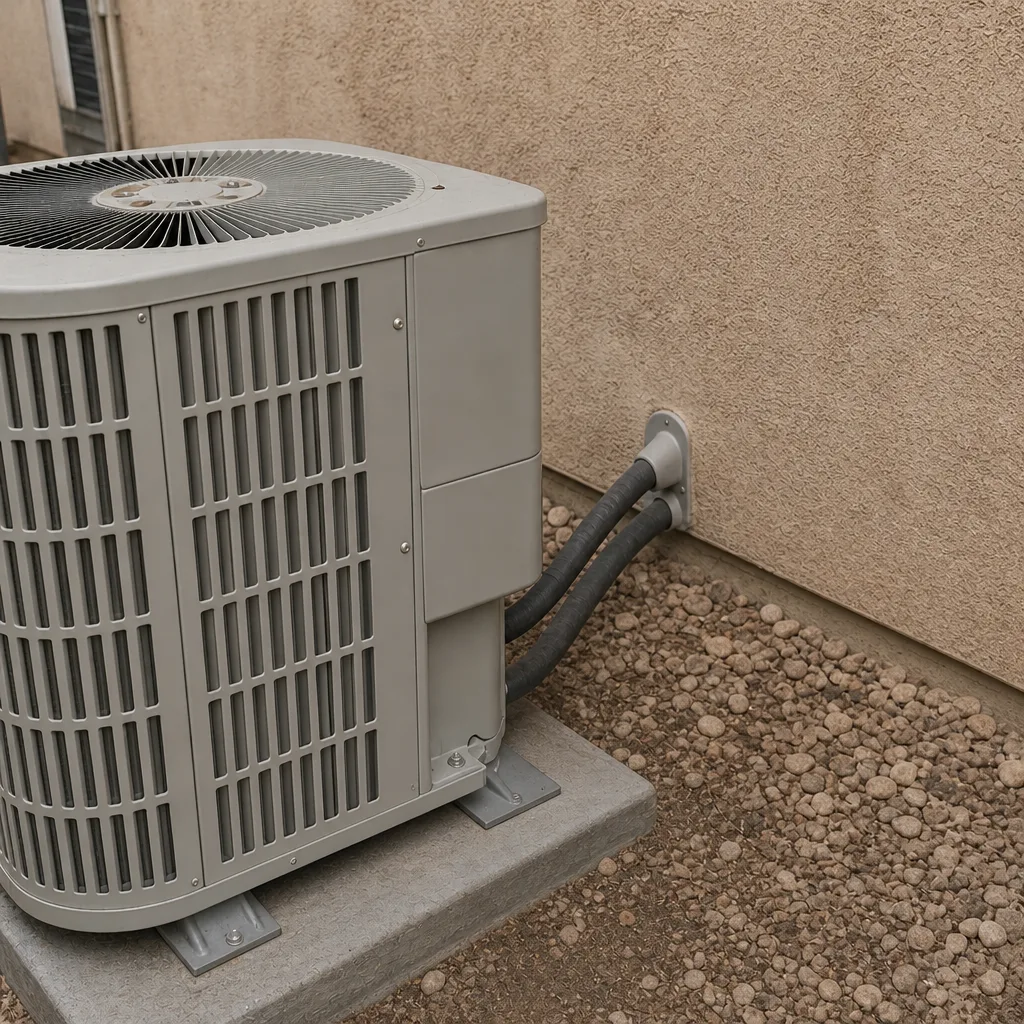
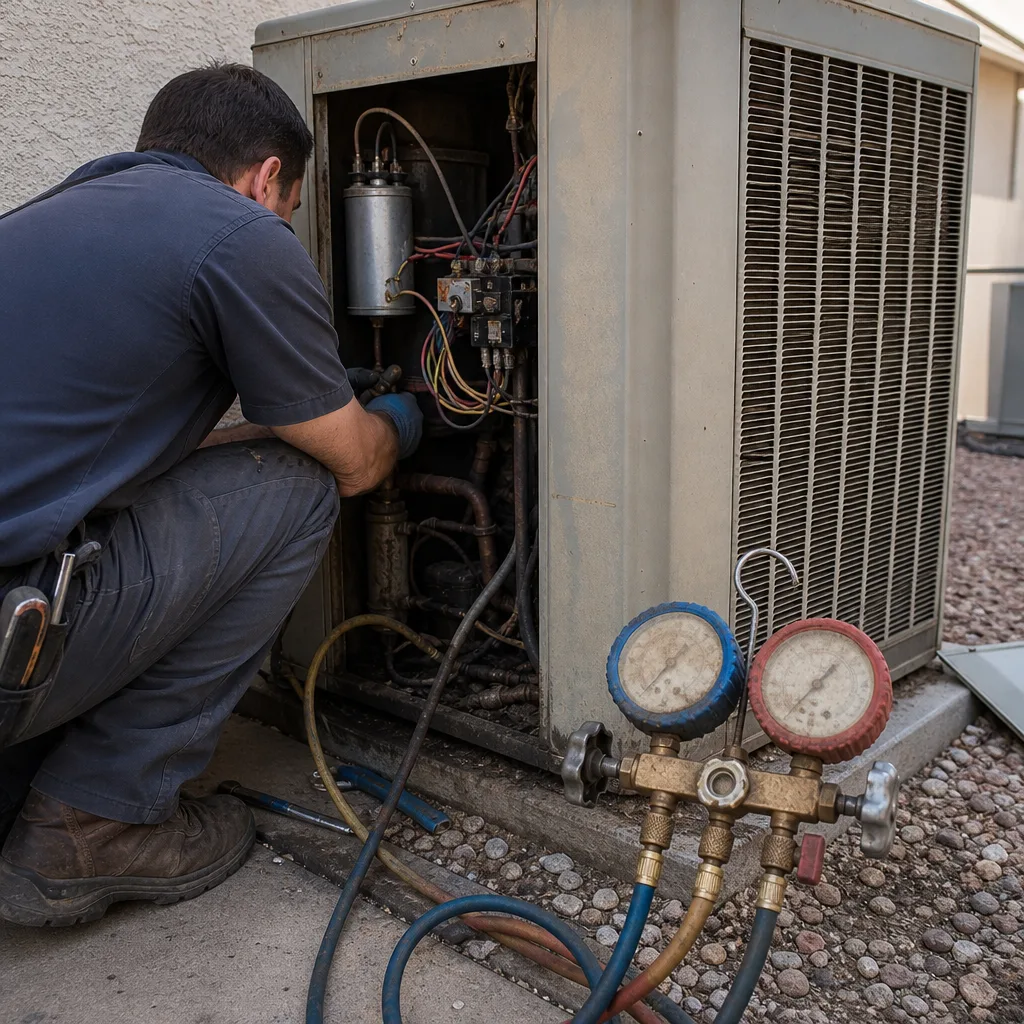
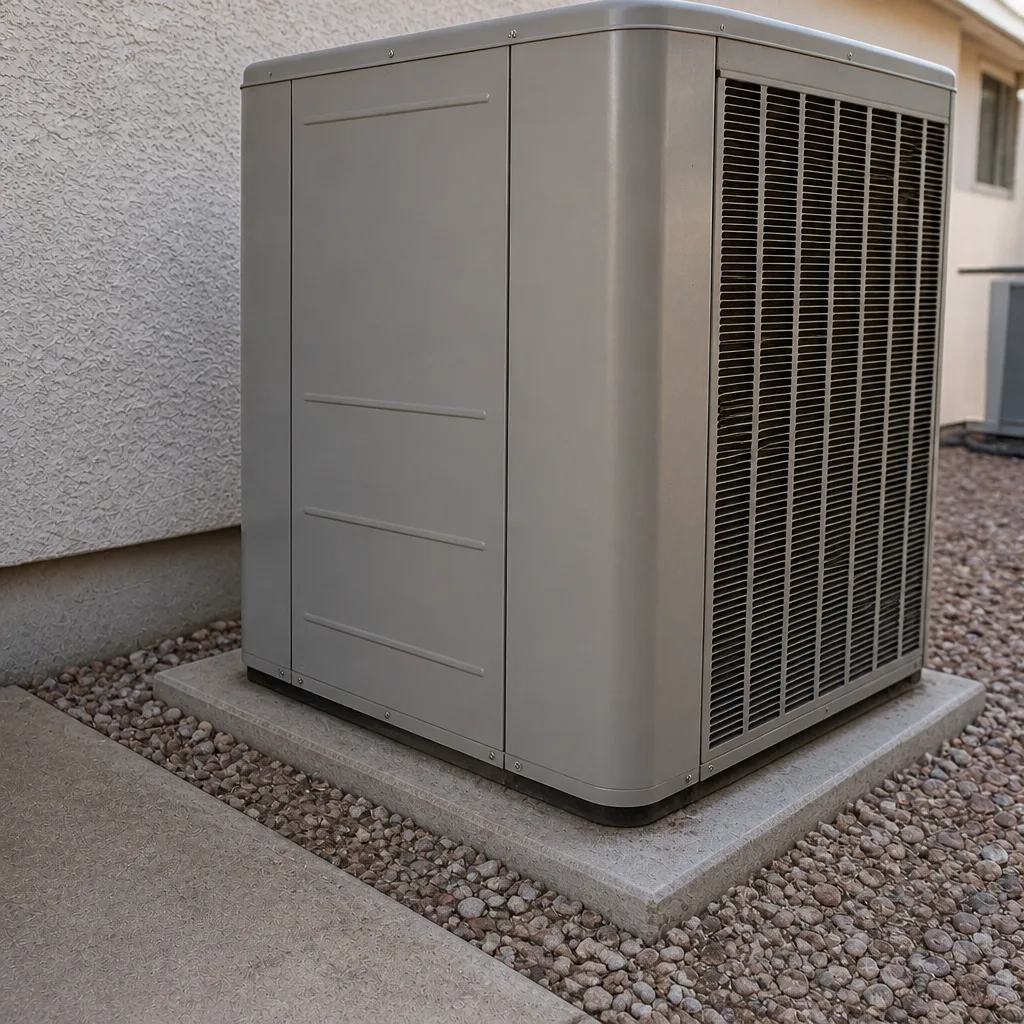
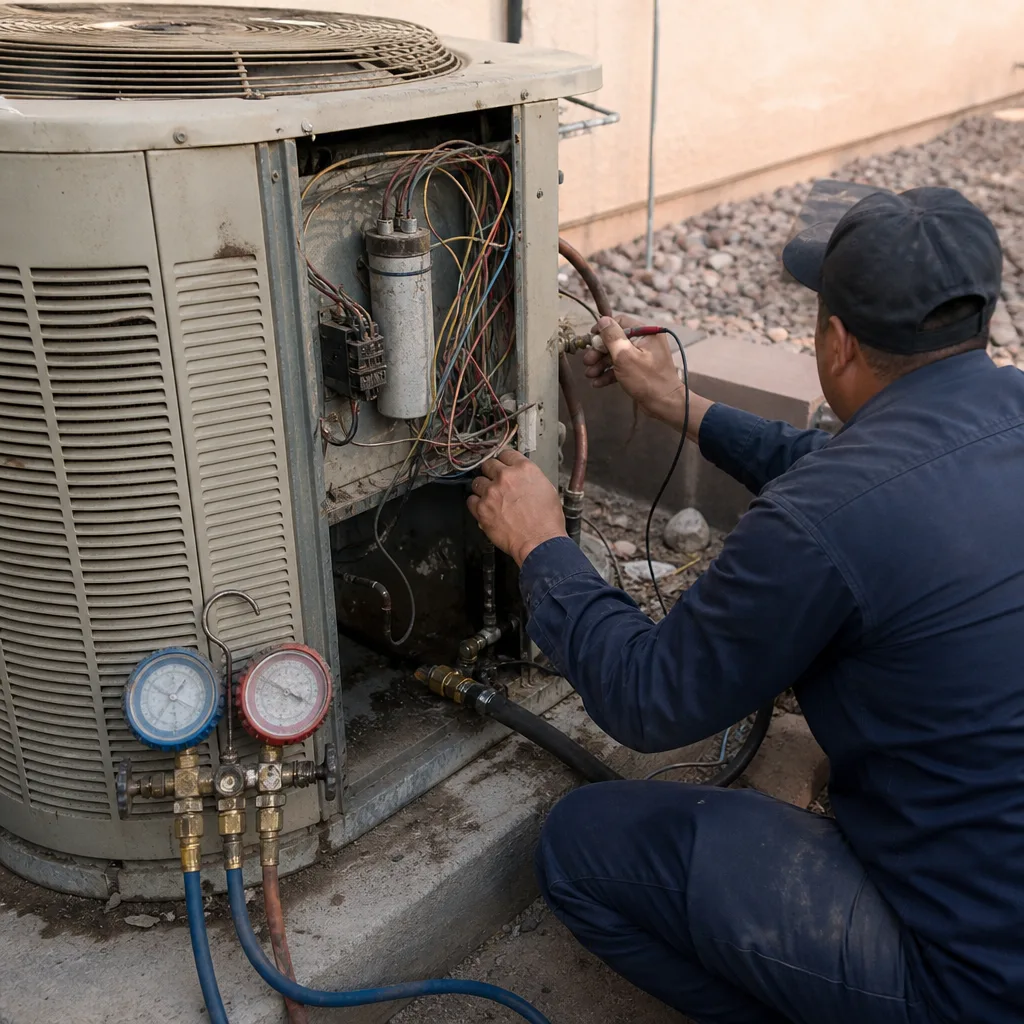
See the difference
 Before
 After
 Before
 After
 Before
 After
When to Call a Professional
Some heating problems are safe to investigate yourself: check the thermostat, check the breaker, check the filter, check the gas valve position. Anything beyond that is a professional call. Any smell of gas in the house is a “leave the house and call from outside” situation, without exception. Any flame that isn’t burning clean blue, any CO alarm, any smell of exhaust inside the house, or any furnace stuck in a start-and-shut-down loop needs a technician. Older homes with the original furnace and no service record for five years or more should have a full inspection before the first cold stretch, not after.
Fireside Heating & Air Co. Boulder City offers free estimates in Boulder City and answers every call with a live person, day or night. Call (844) 312-0133 to schedule heating service, a gas furnace repair, or a replacement quote. We service all the major brands including Rheem, York, Daikin, and Bryant, and every job is backed in writing by our 90-Day Done Right Promise.
Frequently Asked Questions
Most common furnace repairs in Boulder City run $180 to $450, including the ignitor, flame sensor, gas valve, and blower motor capacitor replacements that account for the majority of no-heat calls. A seasonal tune-up is $89. Call (844) 312-0133 for an exact quote before any work begins; the price quoted is the price paid, and estimates are free.
A gas furnace in Boulder City typically lasts 15 to 20 years with annual service, though the desert idle-then-surge pattern means a neglected furnace often fails on the shorter end of that range. Furnaces past 15 years without a recent heat exchanger inspection should be evaluated before the next heating season. Call us to schedule that inspection; we’ll tell you plainly whether it’s worth repairing.
For most Boulder City homes, a heat pump is a strong choice because the same unit handles both the mild winter heating load and the heavy summer cooling load, and our mild winters rarely require a cold-climate model. Homes with an existing gas line and a furnace that still has life often do best replacing the furnace alone. We’ll quote both scenarios in writing so the comparison is on paper, not in the air. Call (844) 312-0133 for a free second opinion on any written estimate.
Yes. Furnace replacement in Boulder City requires a mechanical permit from the city Building Department, and the installation is subject to inspection for gas line, venting, combustion air, and electrical connection. The installing contractor pulls the permit as part of the job. If a bidder quotes the work without the permit, ask why.
Because it sat idle for eight months and then went from 65°F to operating temperature in a few minutes, which dries out residual moisture, burns off accumulated dust, and stresses the ignitor all at once. The most common failure on the first cold night is a dirty flame sensor or a failed hot-surface ignitor, both of which are caught at an October tune-up. If your furnace won’t start, call (844) 312-0133; a live person answers any hour.
It covers the labor on any heating repair or installation we performed for 90 days from the date of service, including comebacks for the specific fault we addressed. It doesn’t cover new or unrelated failures, equipment manufacturer warranties, or consumables like filters. To invoke it, call the same number you called the first time; a live person answers and we schedule the return visit, no paperwork required.
The Bottom Line
Boulder City heating is not complicated, but it is specific. The furnace here spends most of the year idle and then works hard on short notice, which is why annual service before the first cold stretch matters more than it does in a cold climate. A load calculation, a permit, and a contractor who quotes in writing are the three things to insist on for replacement. A technician who inspects the heat exchanger, tests combustion, and reports what was found is the standard to hold on service. If you want a company that answers the phone at 2 a.m., quotes a price it stands behind, and makes it right in writing for 90 days, that’s what we do. For service, repair, or a straight-talk replacement quote in Boulder City, see our heating and furnace service in Boulder City, our AC repair and installation in Boulder City, or start from the Fireside Heating & Air Co. Boulder City home page. Call (844) 312-0133 for a free estimate.
Written by the team at Fireside Heating & Air Co. Boulder City.