
Last updated November 18, 2026
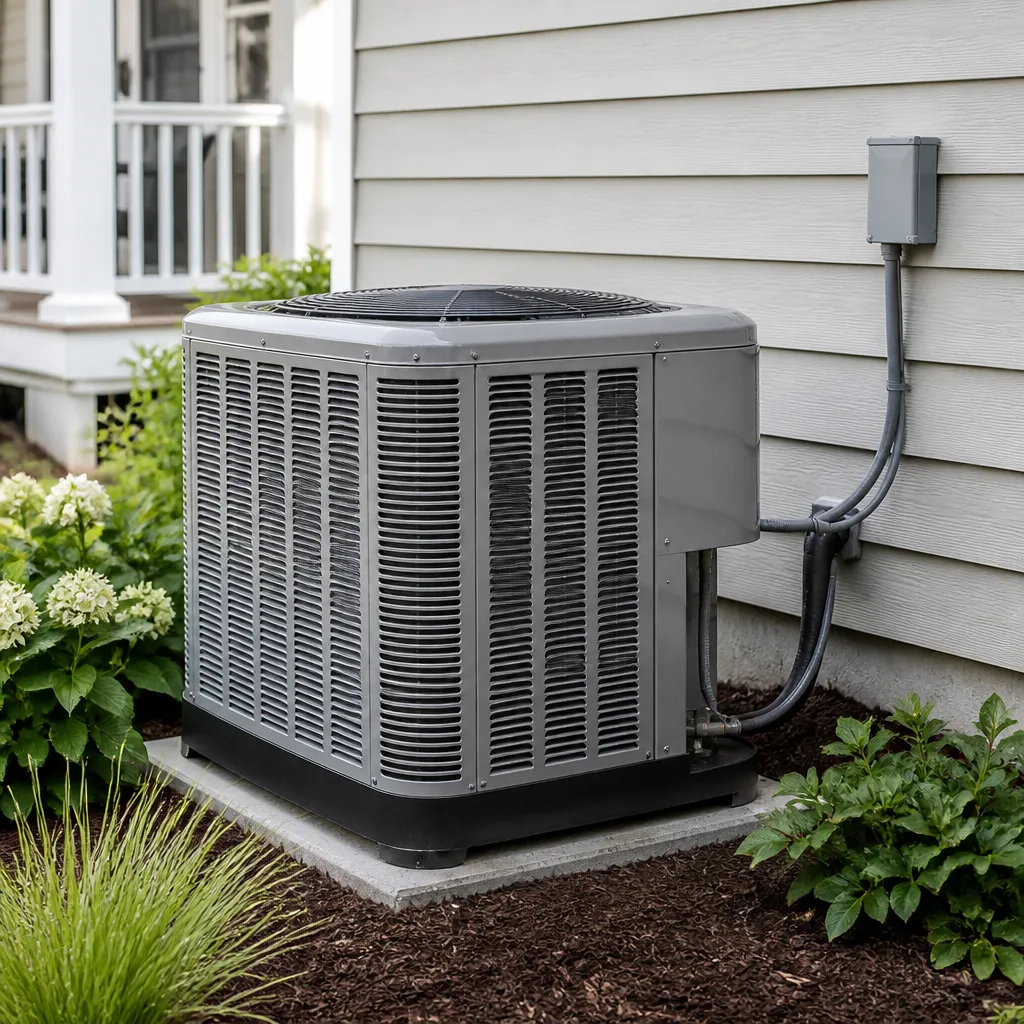 AC repair
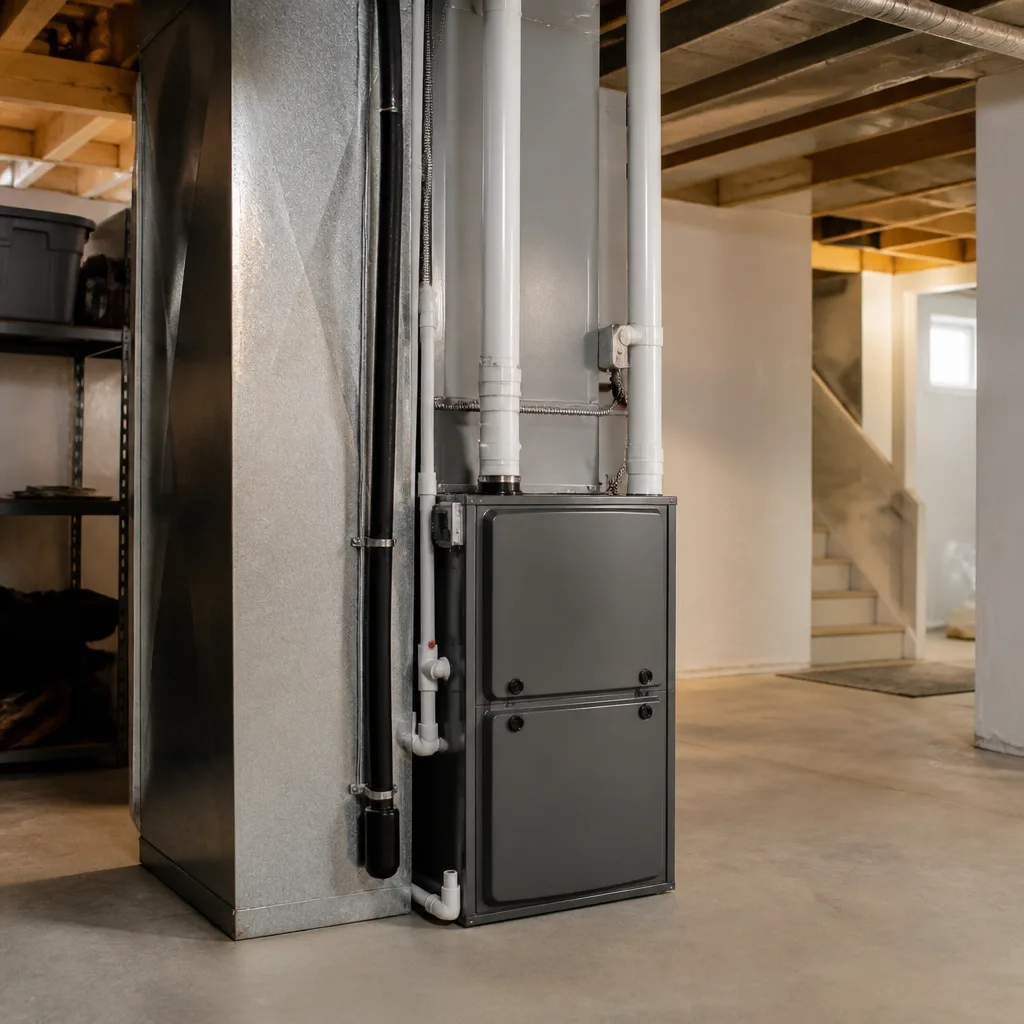 Furnace & heating
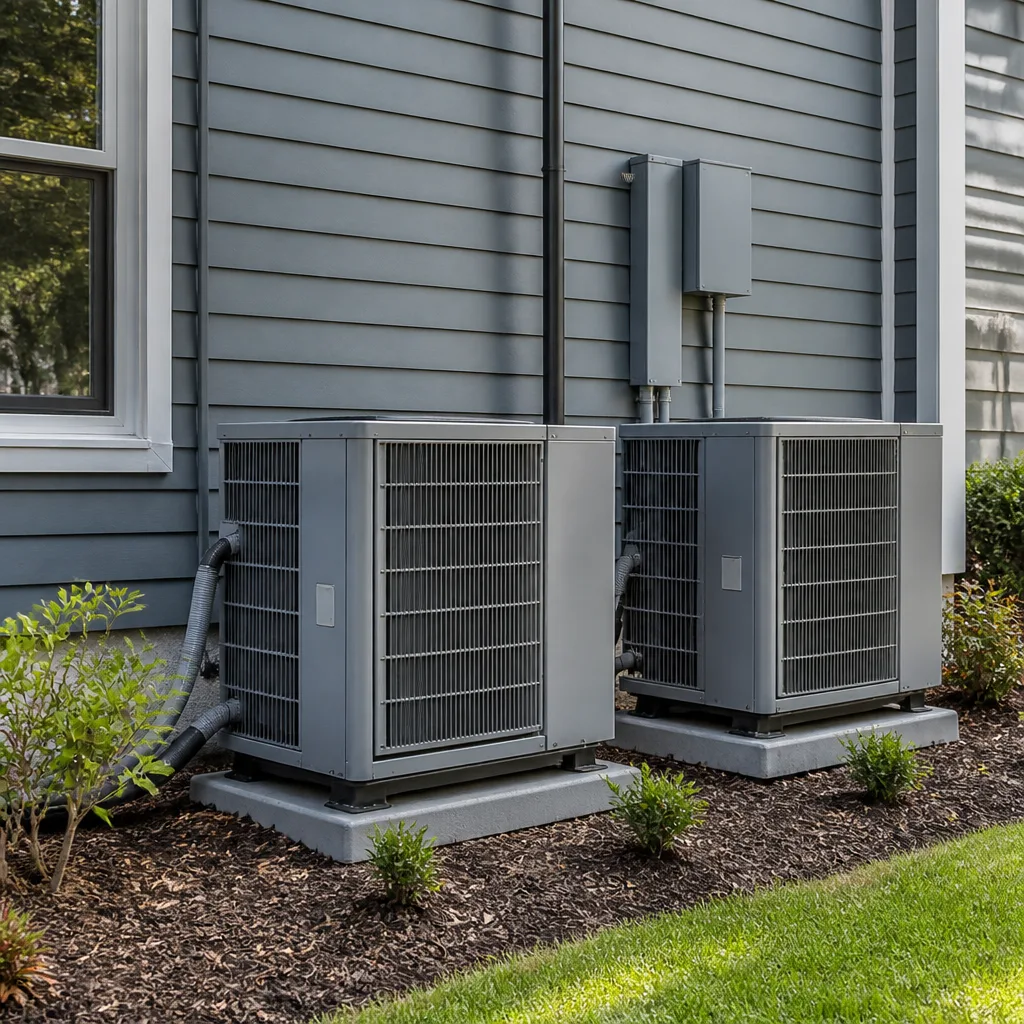 Heat pumps
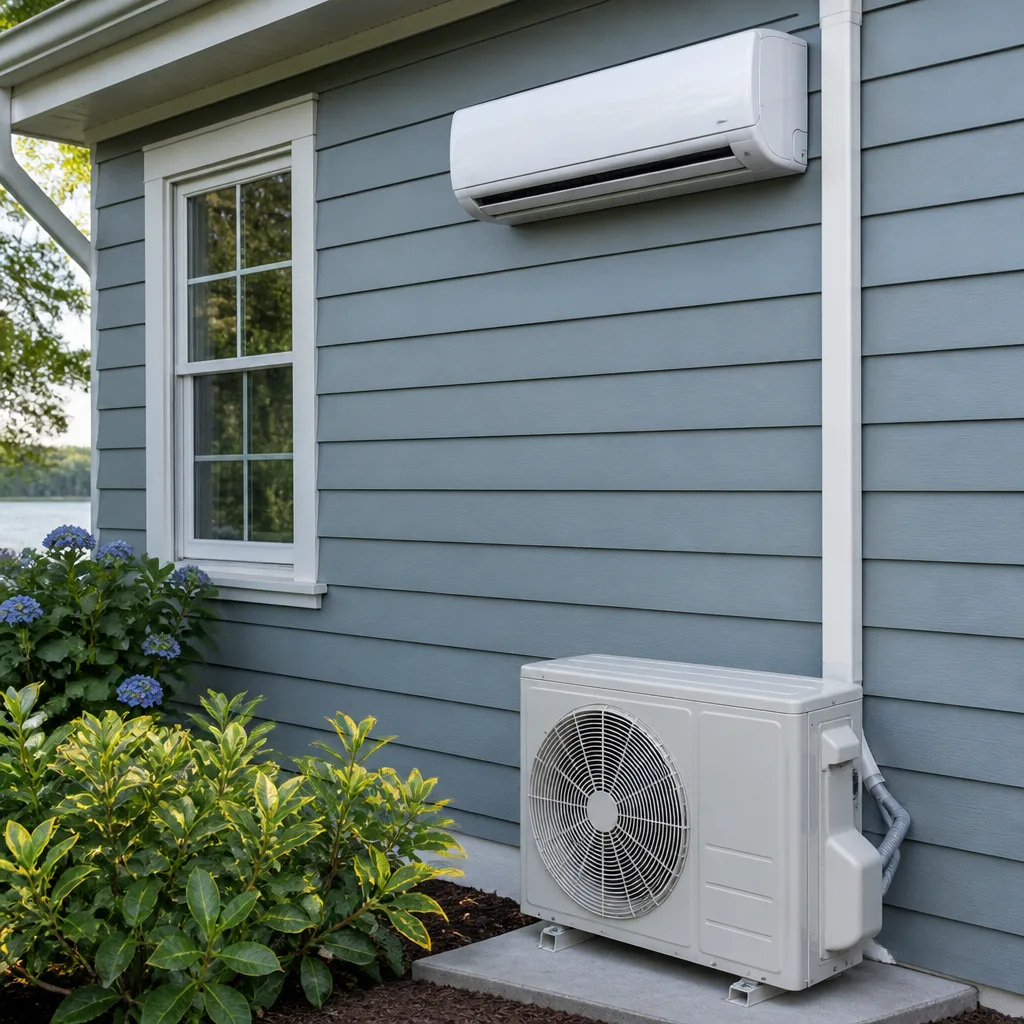 Ductless mini splits
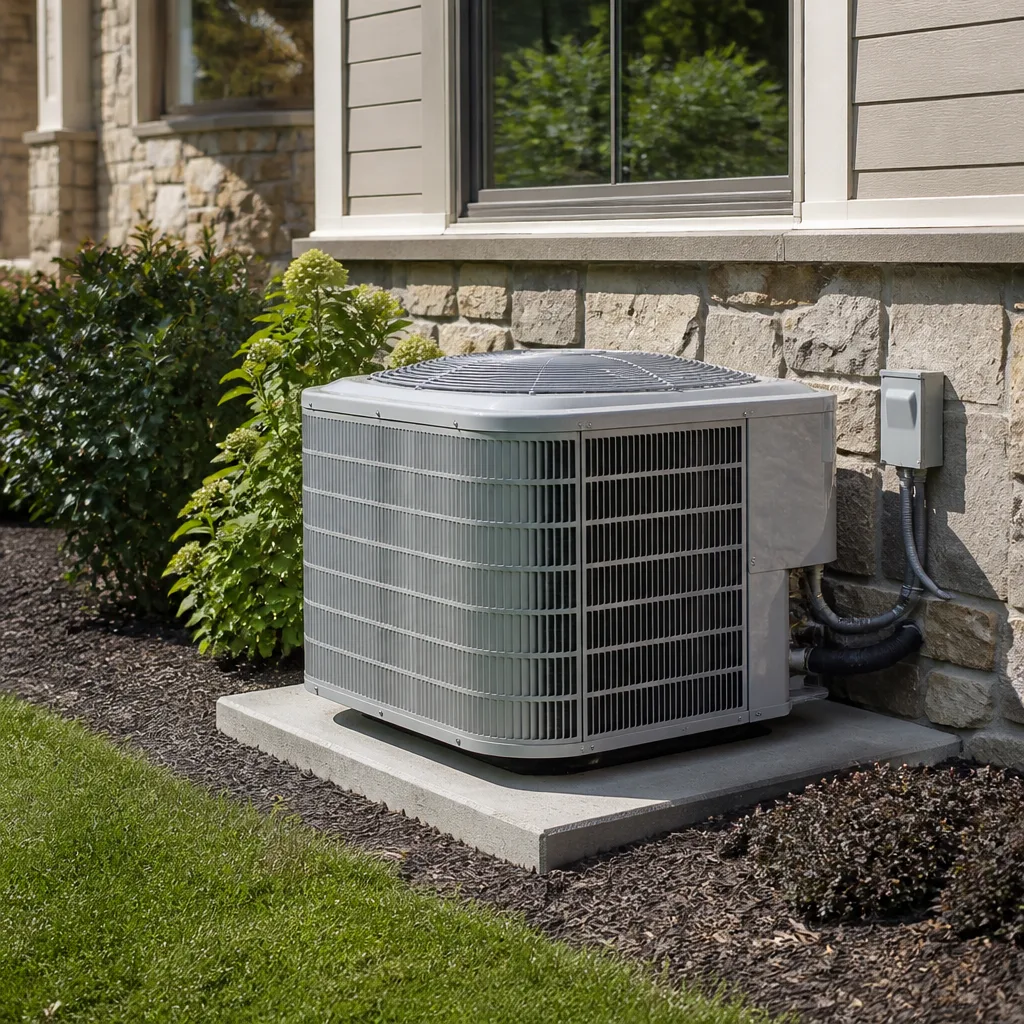 Carrier
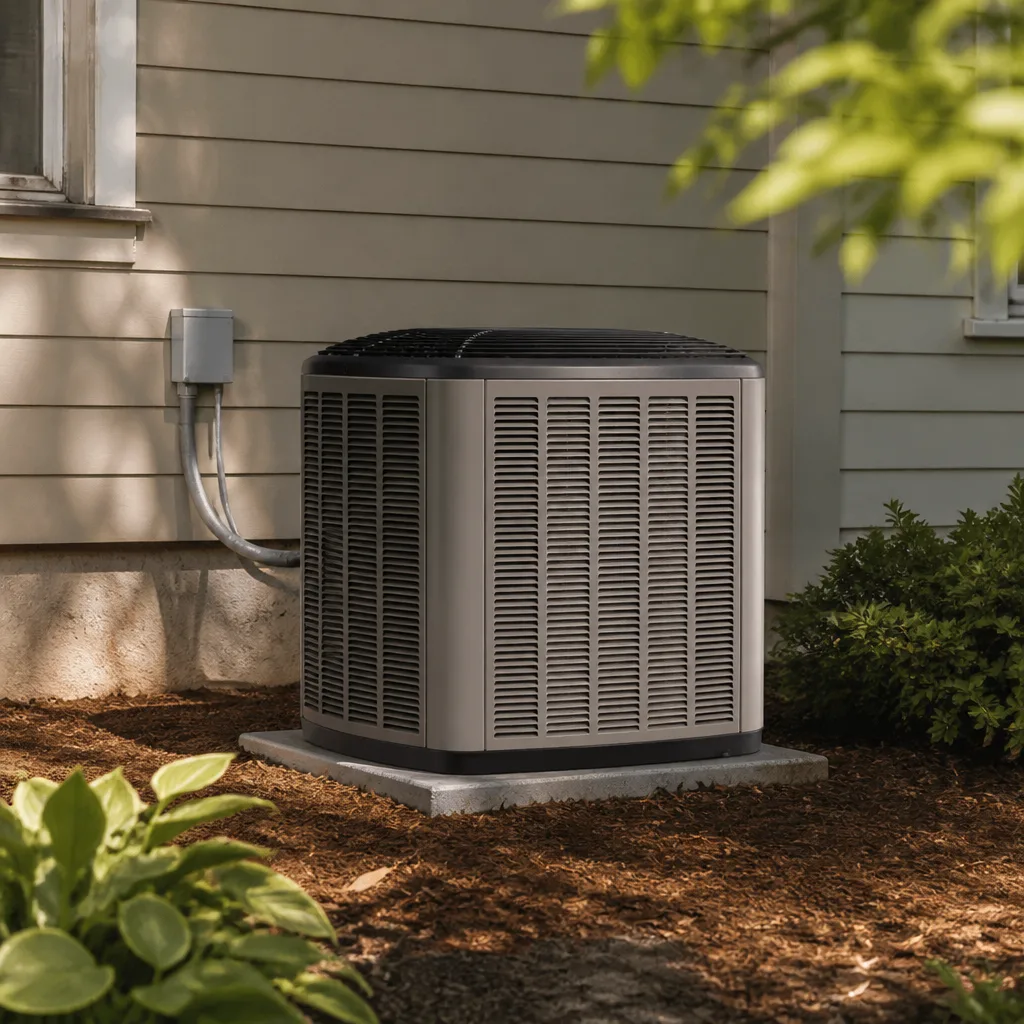 Trane
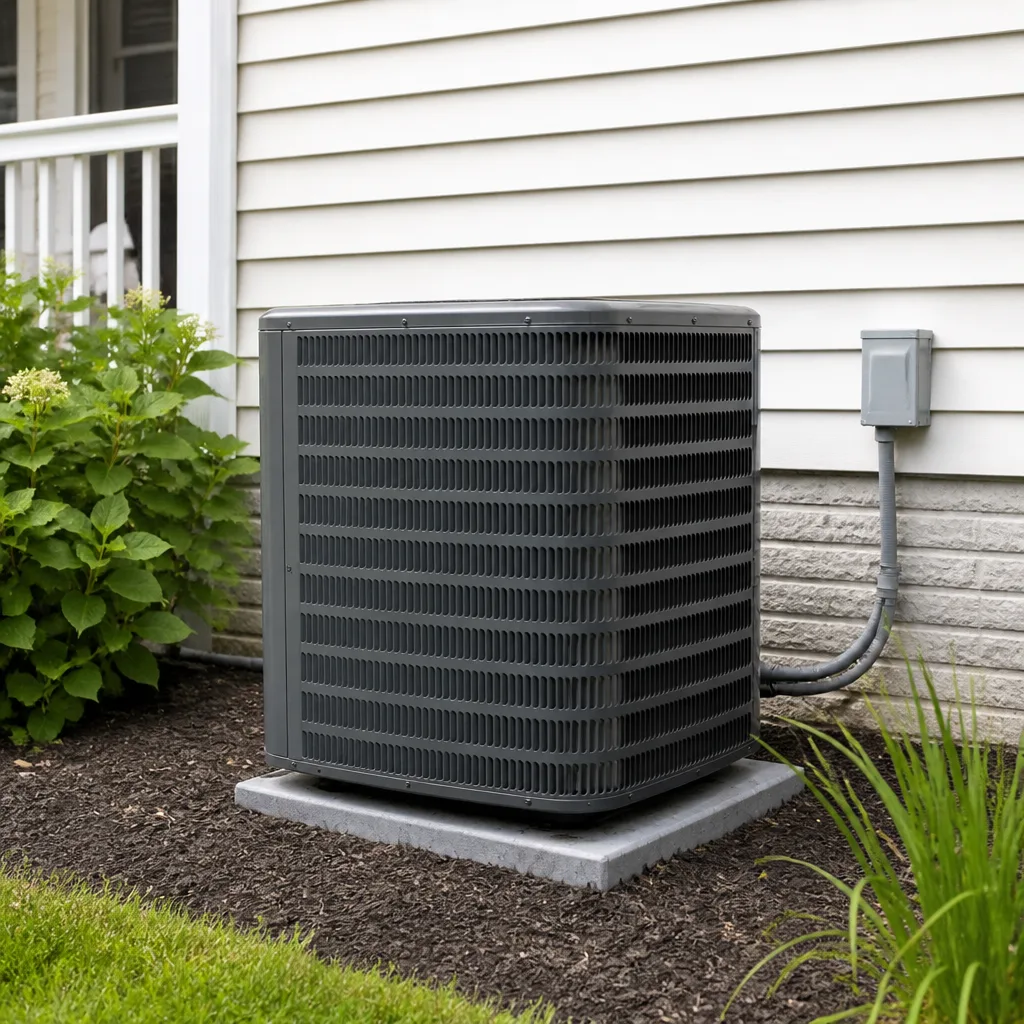 Goodman
Seasonal tune-up and full diagnostic on your Carrier, Trane, or Goodman system - readings shown to you before any repair is proposed
Diagnosis first, numbers second - you approve the repair price before a single part goes in.
Get your free estimateDIY vs Professional Emergency & Commercial HVAC: What’s Safe to Do Yourself
Touching refrigerant lines without an EPA Section 608 certification isn’t a gray area. It’s a federal violation with real fines attached, and it’s one of three emergency HVAC “fixes” that cross a legal line most homeowners don’t know exists. The other two involve gas and certain electrical work. We’ve answered enough panicked calls over the years to know the instinct is understandable: the system quits on a 110-degree Boulder City afternoon, and you want it fixed now. This guide draws the boundary clearly. It tells you what you can safely do yourself during an emergency, what will void a warranty or break the law, and how to protect yourself if you’ve already tried something.
Quick Answer
During an HVAC emergency, you can safely handle the simple stuff: check the breaker, replace a filter, clear debris from the outdoor unit, confirm the thermostat settings, and shut the system down if you smell gas or burning. You should not touch refrigerant lines, open the electrical panel beyond flipping a breaker, or work on any gas connection. Those tasks require licensing, and on Carrier, Trane, or Lennox equipment, an amateur repair to a major component can void the manufacturer warranty on a system that was otherwise fixable.
Styles & brands we work with
- AC repair
- Furnace & heating
- Heat pumps
- Ductless mini splits
- Carrier
- Trane
- Goodman
Table of Contents
- Where the legal line sits: refrigerant, gas, and electrical
- What you can safely do during an emergency while waiting for a technician
- How to judge an online repair tutorial for accuracy
- Warranty language in Carrier, Trane, and Lennox equipment
- Commercial HVAC: why the boundary moves further in
- Protecting yourself financially if a DIY attempt went wrong
- Common mistakes to avoid
- When to call a professional
Where the Legal Line Sits: Refrigerant, Gas, and Electrical
The boundary between homeowner maintenance and licensed work comes down to three systems. Each carries a different rule and a different consequence. In the Mojave climate, where a failed system during a July heat wave can push indoor temperatures past 95 degrees within hours, the temptation to improvise is strong. Understanding why the line exists helps you respect it.
Refrigerant
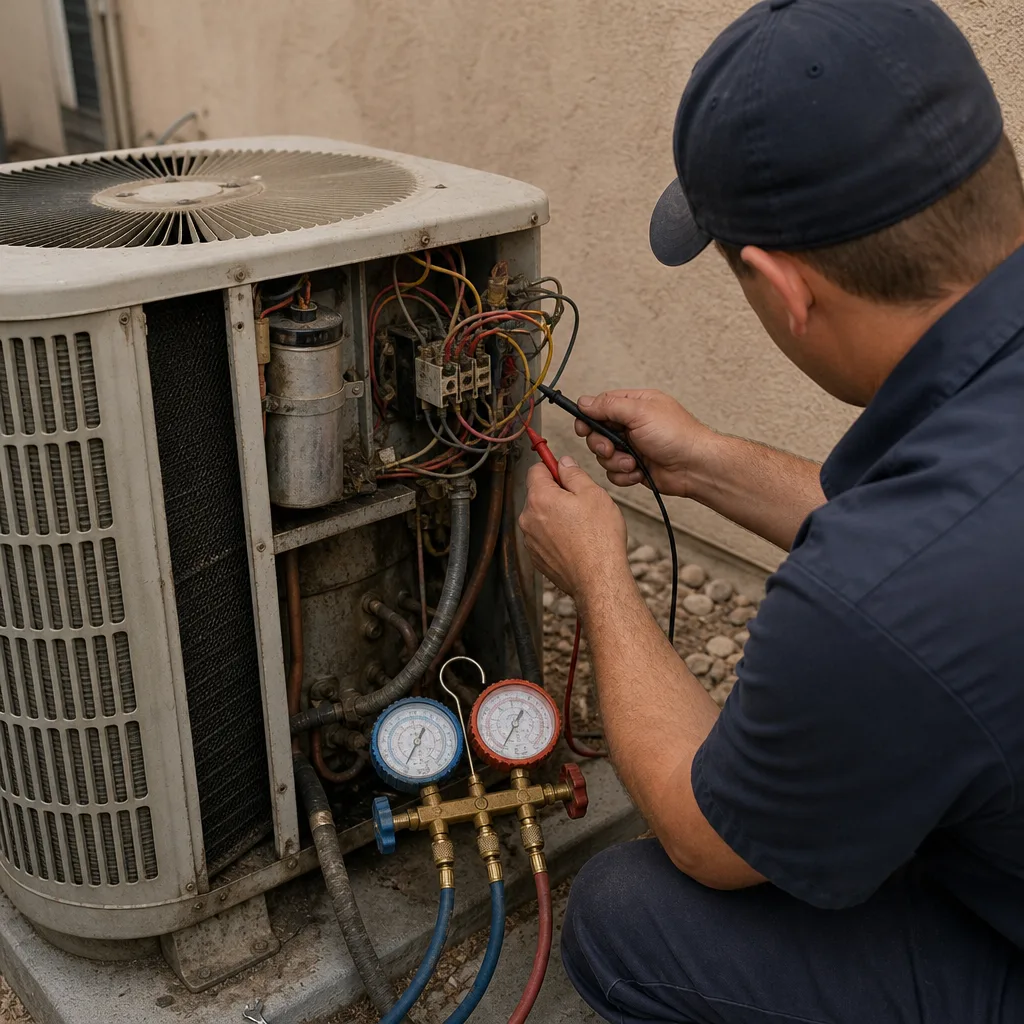
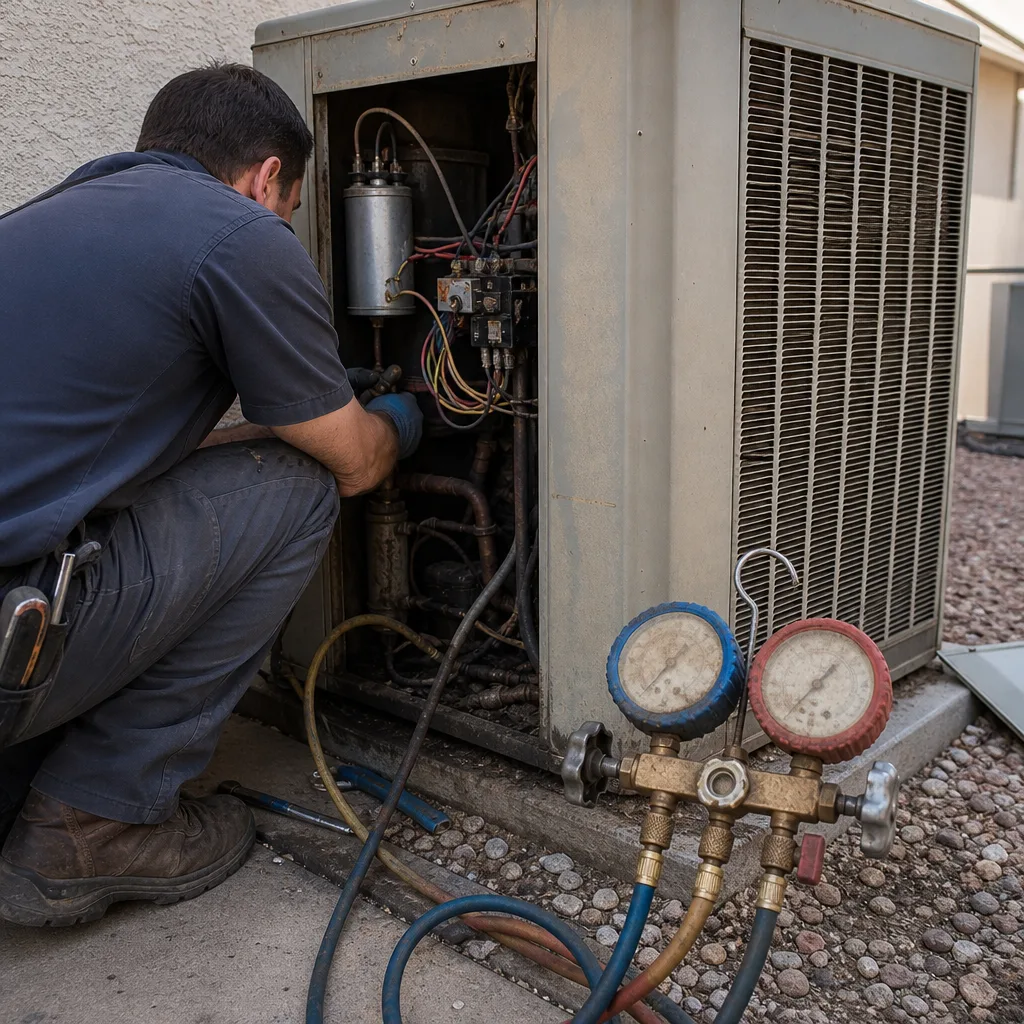
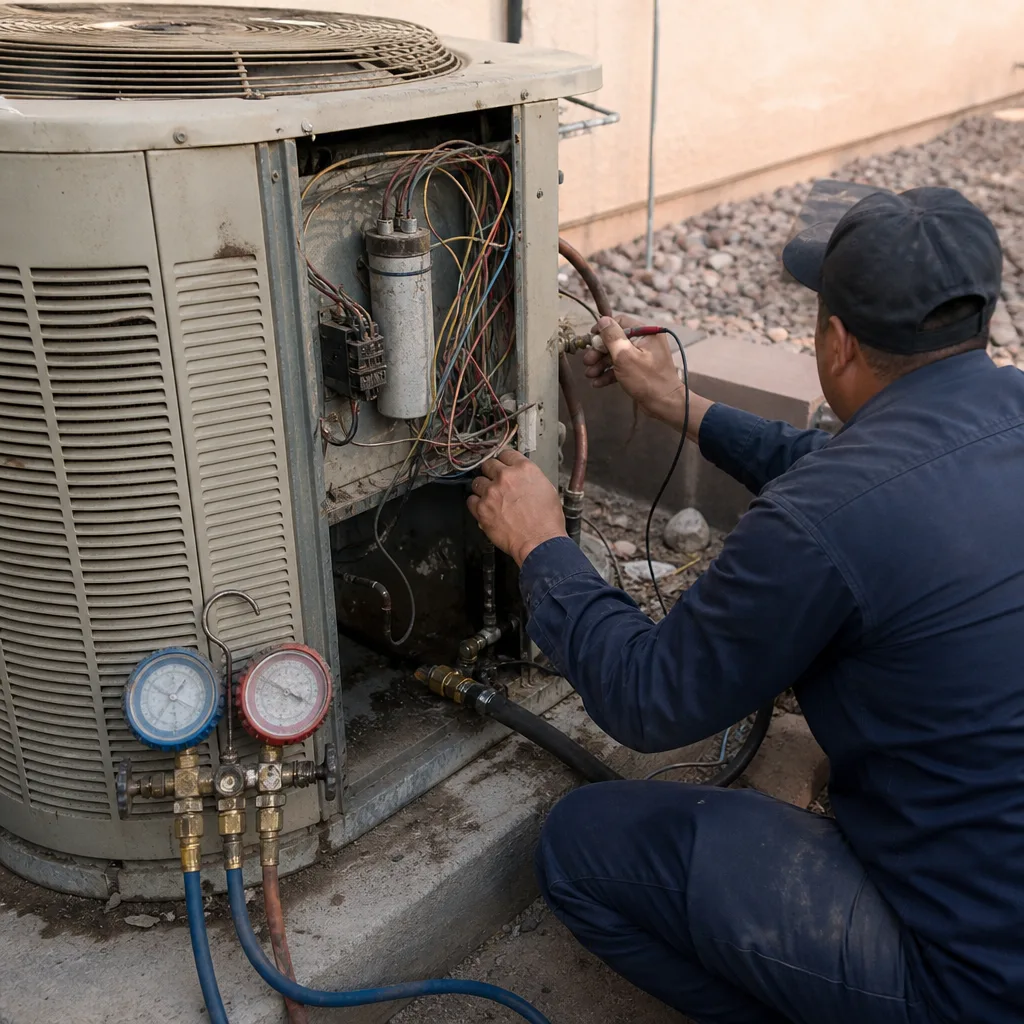
Under Section 608 of the Clean Air Act, anyone who handles refrigerant, including adding it, recovering it, or connecting gauges to a sealed system, must hold EPA certification. Doing it without that certification is a federal violation. The equipment itself is also easy to damage: overcharging a system by a few ounces can destroy a compressor, and cross-contaminating refrigerant types creates a repair bill in the thousands.
Gas
Any work on a gas line, gas valve, or the gas side of a furnace belongs to a licensed professional. This isn’t caution for its own sake. A gas leak in a closed garage or utility closet is a genuine hazard, and a homeowner adjustment that seems minor can create one. If you smell gas, leave the home and call your gas utility first, then us.
Electrical
Flipping a breaker is fine. Opening a panel, replacing a contactor, or rewiring a thermostat circuit is not. In Boulder City, where many homes were built decades ago and wiring may have been updated piecemeal over the years, the risk of encountering an unexpected circuit is higher than in newer construction. A rated electrician or a licensed HVAC technician should handle anything past the breaker switch.
What You Can Safely Do During an Emergency
While you wait for a technician, there are real steps that reduce damage and keep your household comfortable without crossing into licensed work. These are the same steps we walk homeowners through on the phone when they call at 2 a.m. in the middle of a heater failure. They work, and they’re safe.
- Turn the system off at the thermostat. If it’s making a grinding, rattling, or screeching noise, shut it down. Running a failing blower or compressor can turn a $300 repair into a $3,000 replacement.
- Check the breaker. A tripped breaker is the single most common cause of a system that won’t start. Reset it once. If it trips again, leave it off and call.
- Replace the filter. A clogged filter in a desert home is common; fine dust from Boulder City’s surrounding terrain loads filters faster than in greener climates. A clean filter restores airflow and can resolve some no-cool calls on its own.
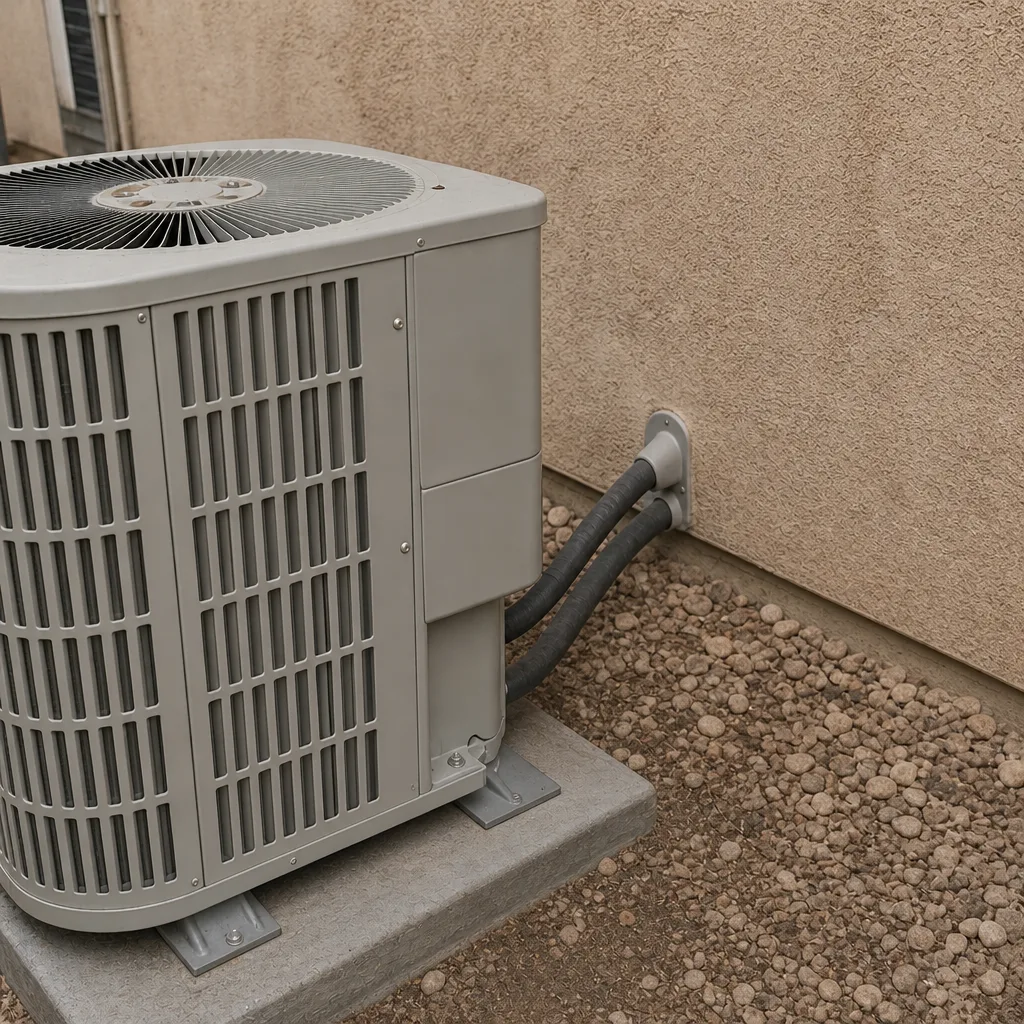
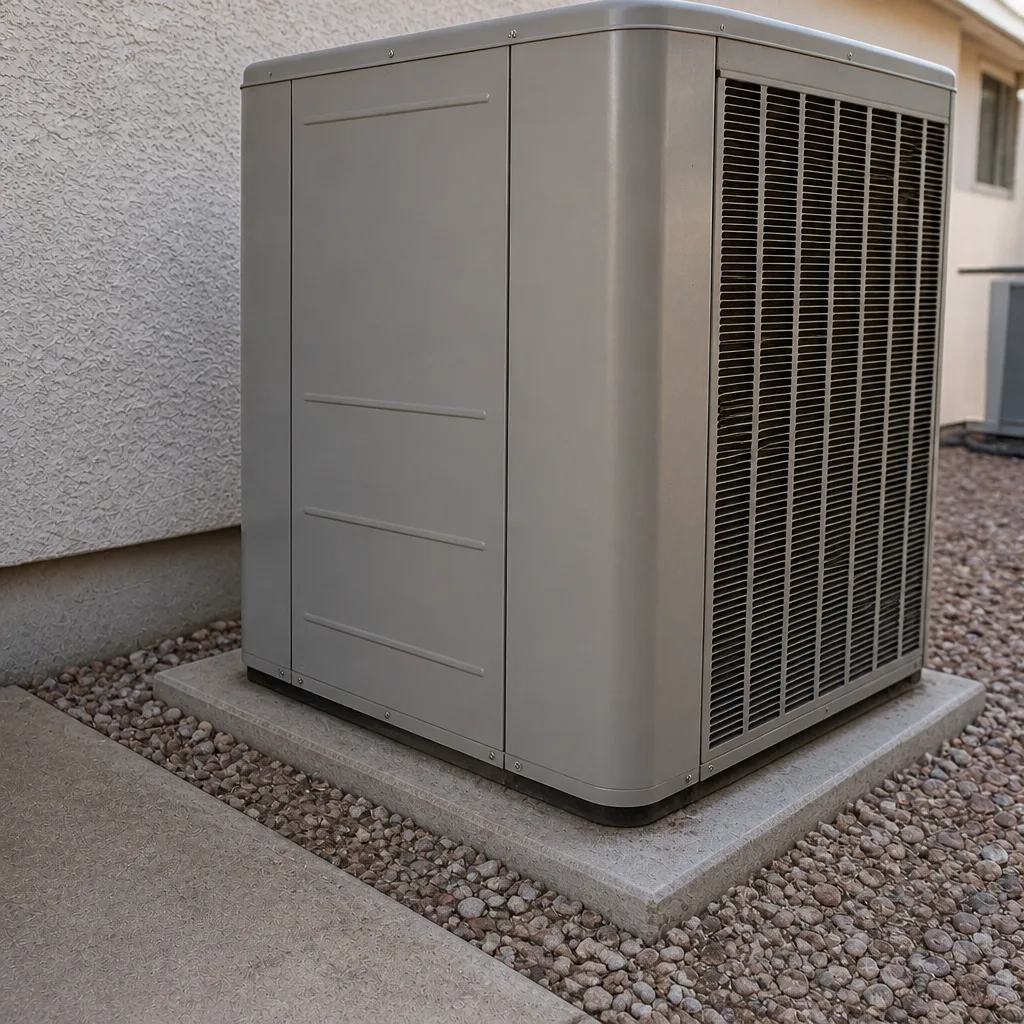
- Clear the outdoor unit. Remove leaves, tumbleweeds, and debris from around the condenser. Give it two feet of clearance on all sides. Never hose down the electrical components.
- Check the thermostat batteries and settings. Confirm it’s set to COOL or HEAT as appropriate, and that the fan is set to AUTO rather than ON. Dead batteries in a programmable thermostat cause a surprising number of “emergency” calls.
- Close window coverings and doors. During a summer outage, closing blinds on sun-facing windows and confining the household to one room can keep interior temperatures manageable until help arrives.
- Open windows at night in a winter outage. If a furnace quits in January, over-bundling the house can trap carbon monoxide from any other combustion appliance. Ventilate and use safe supplemental heat only if the manufacturer allows indoor use.
These steps are what we’d tell a neighbor over the fence. They don’t fix a broken compressor, but they often prevent a small problem from becoming a large one, and they buy you the hours a technician needs to get there. If you’re not sure whether your situation qualifies, call and ask. Our phones are answered by a live person around the clock, and there’s no charge to tell you it’s a filter.
How to Judge an Online Repair Tutorial for Accuracy
The internet is full of HVAC repair videos, and most of them were filmed somewhere else. A tutorial shot in a humid climate may be addressing a completely different failure mode than what you’re seeing in Boulder City. A presenter on the Gulf Coast walking through a condensate drain repair is solving a problem you may not have. Here in the desert, the dominant failure patterns are dust-driven airflow problems, capacitor failures from sustained heat, and refrigerant issues from systems cycling hard through long summers. Different problem, different video.
Before following any tutorial, run these checks:
- Watch for the disclaimer. A responsible video will warn that refrigerant, gas, and panel work require a licensed technician. If it doesn’t, close the tab.
- Check the equipment match. A tutorial on a Bryant furnace may not map to a Trane unit or an American Standard condenser. Model numbers matter. Look for a video that shows your brand and approximate model series.
- Look at the region. If the creator is filming in snow country with a different code environment, the procedure may not apply to a Boulder City installation built to Nevada code.
- Watch for safety shortcuts. Anyone telling you to bleed refrigerant without EPA certification, jump a pressure switch, or bypass a limit control is teaching something dangerous and likely illegal.
- Check the posting date. Equipment and code practices change. A twelve-year-old video may walk you through a technique that’s no longer recommended or compliant.
- Read the comments. Real technicians often correct bad advice in the comments, and other homeowners will flag what went wrong when they tried it.
None of this means every tutorial is wrong. Plenty of good ones exist for the safe tasks we listed above: changing a filter, cleaning a condenser coil, and diagnosing a tripped breaker. The problem is that the safe tasks are rarely the ones people search for when they’re panicking.
Warranty Language in Carrier, Trane, and Lennox Equipment
Manufacturer warranty language matters more than most homeowners realize. When a system is five or ten years old and a compressor fails, the parts warranty may cover hundreds or thousands of dollars of replacement parts, but only if the repair work was performed by a licensed professional according to manufacturer specifications. An unauthorized repair to a major component can void that coverage on exactly the system that might otherwise be worth repairing. We’ve seen this happen in Boulder City with older homes where the original equipment was a solid brand and years of dust had simply worn down one part.
The pattern is similar across the major brands we work on. Carrier, Trane, Lennox, Bryant, and American Standard all condition their parts warranties on proper installation and repair by qualified, licensed technicians. Specifically, the language covers:
- Proper installation. All five brands condition coverage on installation by a licensed, qualified contractor. Self-installation of a major component typically voids coverage from day one.
- Authorized repair. Any repair to a major component performed outside a licensed contractor is excluded, and some brands require the repair to be documented in a certain way.
- Refrigerant handling. Because refrigerant work requires EPA certification, a system serviced by an uncertified homeowner is outside the warranty terms by definition.
- Specified maintenance. Some warranties require documented periodic maintenance. A missing service history can be used to deny a future claim on that basis alone.
One practical takeaway: if a repair seems small enough to try yourself, ask first whether the system is still under any parts or labor warranty. If it is, call. A $180 service call that preserves a $1,400 parts warranty is money well spent. Our AC repair and installation in Boulder City page covers what a diagnostic visit includes, and a free second opinion is available on any written estimate you’ve already received.
Commercial HVAC: Why the Boundary Moves Further In
Every rule above applies to homes, and commercial work adds more. Commercial systems typically operate under stricter code requirements, sometimes run on three-phase power, may use larger refrigerant charges with different reporting obligations, and are usually tied to annual maintenance contracts. A DIY attempt on a commercial rooftop unit in Boulder City doesn’t just risk the equipment. It can put the business’s occupancy at risk if the system fails inspection or shuts down during business hours.
Equipment variety compounds the risk. A single commercial property can carry Carrier rooftop units, a Trane split system, and a pair of American Standard mini-splits, each with different service requirements. Where a homeowner might be safe to clear debris from a residential condenser, nobody untrained should be on a rooftop unit at all. Fall risk, electrical exposure, and refrigerant quantity all rise the further you move from a residential air handler.
For commercial, the safe boundary is essentially the thermostat and the internal filter, and often not even that if the equipment is under a service contract. Everything else is a call. Our commercial service in Boulder City is scheduled around business hours, and after-hours emergencies are answered by a live person.
Protecting Yourself Financially If a DIY Attempt Went Wrong
If you’ve already tried a repair and made things worse, you’re not alone, and you’re not in trouble. Plenty of homeowners we’ve served in Boulder City have done exactly that. What matters is how you handle it from here. A technician’s diagnosis depends on an honest account of what happened, and the quality of that account determines whether the repair is straightforward or expensive.
When you call, be clear about these points, in this order:
- What you did. State the task and the part involved. “I tried to replace the run capacitor” is useful. “I looked at it” is not.
- What you noticed after. Any new noise, smell, or behavior since the attempt.
- What you touched. Whether you moved a wire, opened a panel, or added anything to the system.
- What documentation you have. Keep photos of the equipment before you touched it, the original receipt, and any prior service invoices. These help the technician, help any warranty claim, and help you if the problem turns out to be unrelated to your repair attempt.
A good technician won’t make you feel bad for trying. We’ve seen too many homeowners hesitate to call because they were embarrassed about a broken part they’d caused. That hesitation costs money the longer the system runs in a failed state. When you call, we ask direct questions to figure out what’s happening and quote a price you can hold us to.
Common Mistakes to Avoid
- Assuming a stuck system needs a professional fix right away. A tripped breaker or a clogged filter explains most no-cool calls in Boulder City, and checking both costs nothing.
- Bleeding refrigerant into the open air. Beyond the legal violation, venting refrigerant destroys the compressor and puts a federal fine on the record.
- Bypassing a safety switch. If the pressure switch, limit control, or flame sensor is tripping, it’s telling you something important. Jumping a safety to “get through one more summer” risks the equipment and your household’s safety.
- Using a wet/dry shop vac on a running condenser. Water and live electrical components do not mix. Turn the system off at the breaker before clearing debris, and never spray directly into the electrical cabinet.
- Following a tutorial built for a different region. A repair filmed in a humid climate may not apply to Boulder City’s dry conditions and dust-driven failure patterns, and following the wrong procedure can cause real damage.
- Assuming the warranty will cover a DIY-attempted repair. Carrier, Trane, Lennox, Bryant, and American Standard all condition coverage on licensed repair. Check before you touch anything.
- Delaying a call to avoid embarrassment. A system that’s already struggling gets worse fast in a desert summer. Calling early usually costs less, not more.
When to Call a Professional
Call right away on any of these: a gas smell anywhere in or around the home; the system making grinding, screeching, or banging noises; tripped breakers that reset and fail again within minutes; ice on the indoor coil or outdoor refrigerant lines; a system that still won’t cool or heat after a clean filter and reset breaker. If a technician is already scheduled, call sooner if anything changes. If you’re in commercial space or the system is under warranty, call before you touch anything at all.
Some jobs we can resolve in a single visit – most, in our experience. Our heating and furnace in Boulder City page and our heat pump and mini split service in Boulder City cover repairable scenarios, and our Boulder City home page lays out what we do generally.
Fireside Heating & Air Co. offers free estimates in Boulder City – call (844) 312-0133. Phones are answered by a live person around the clock, including the 2 a.m. no-heat call. Every job carries our 90-Day Done Right Promise: done right, or we make it right, in writing, no arguing.
See the difference
 Before
 After
 Before
 After
 Before
 After
Frequently Asked Questions
No. Adding refrigerant requires an EPA Section 608 certification, and doing it without one is a federal violation. Even if it weren’t, overcharging by a few ounces can destroy the compressor, and mixing refrigerant types ruins the system. Call (844) 312-0133 and we’ll diagnose the cause behind the low charge.
You can check the breaker, replace the filter, confirm the thermostat settings and batteries, and clear debris from around the outdoor unit. You can also turn the system off if it’s making unusual noises. Anything past that, especially refrigerant, gas, or panel work, needs a licensed technician.
Possibly. Carrier, Trane, Lennox, Bryant, and American Standard all condition their parts warranties on installation and repair by licensed professionals. A DIY repair to a major component can void coverage on exactly the system you’re trying to save. Call before you touch anything that could affect a live warranty.
Yes. Long, dry summers stress systems harder than in greener climates, and dust from the surrounding terrain loads filters fast. A clogged filter that would just reduce efficiency elsewhere can tip a struggling system over in Boulder City. Change filters on schedule and check them more often during summer.
Sometimes, for the simple stuff like a filter change or a thermostat reset. For anything involving refrigerant, gas, or the electrical panel, no. Many tutorials are also filmed in different regions with different equipment and codes than Boulder City. Watch for a license disclaimer, and if there isn’t one, close the tab.
Repair is usually the right call if the system is under warranty, the repair cost is modest, and the equipment is otherwise sound. Replacement starts to make sense when repairs pile up or the warranty is gone. Our AC repair and installation page covers how we walk through that call.
The Bottom Line
You can safely handle the filter, the breaker, the thermostat, and the debris cleanup around the condenser. You cannot legally or safely handle refrigerant, gas, or electrical panel work. That boundary isn’t red tape. It’s the line that protects your household, your warranty, and the system itself. If a repair attempt went wrong, call and tell us what happened. No lecture, no judgment. We’ll diagnose the damage, quote a price we stand behind, and back the work with our 90-Day Done Right Promise. Households in Boulder City have called us for this kind of help for over 42 years because we answer the phone and do what we say. For a free estimate, call (844) 312-0133.
Written by the team at Fireside Heating & Air Co. Boulder City.