
Last updated November 18, 2026
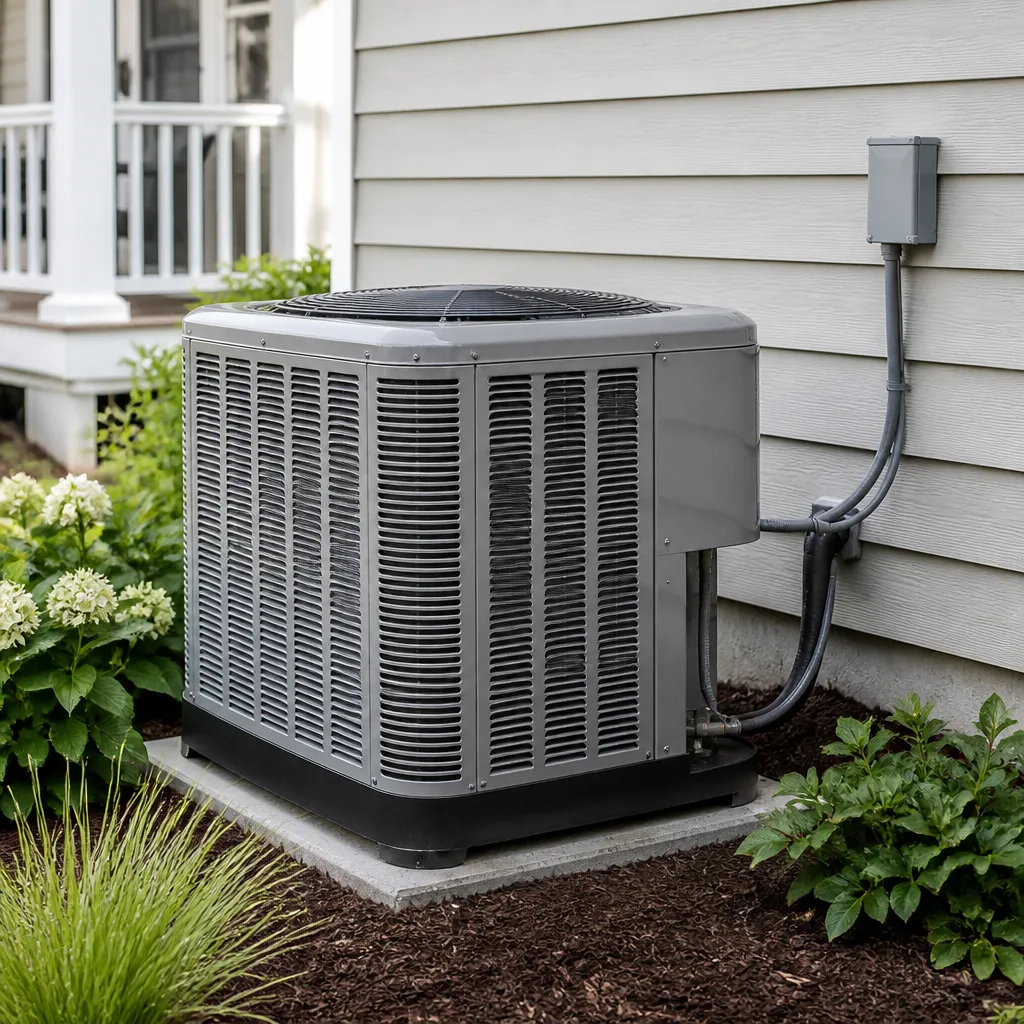 AC repair
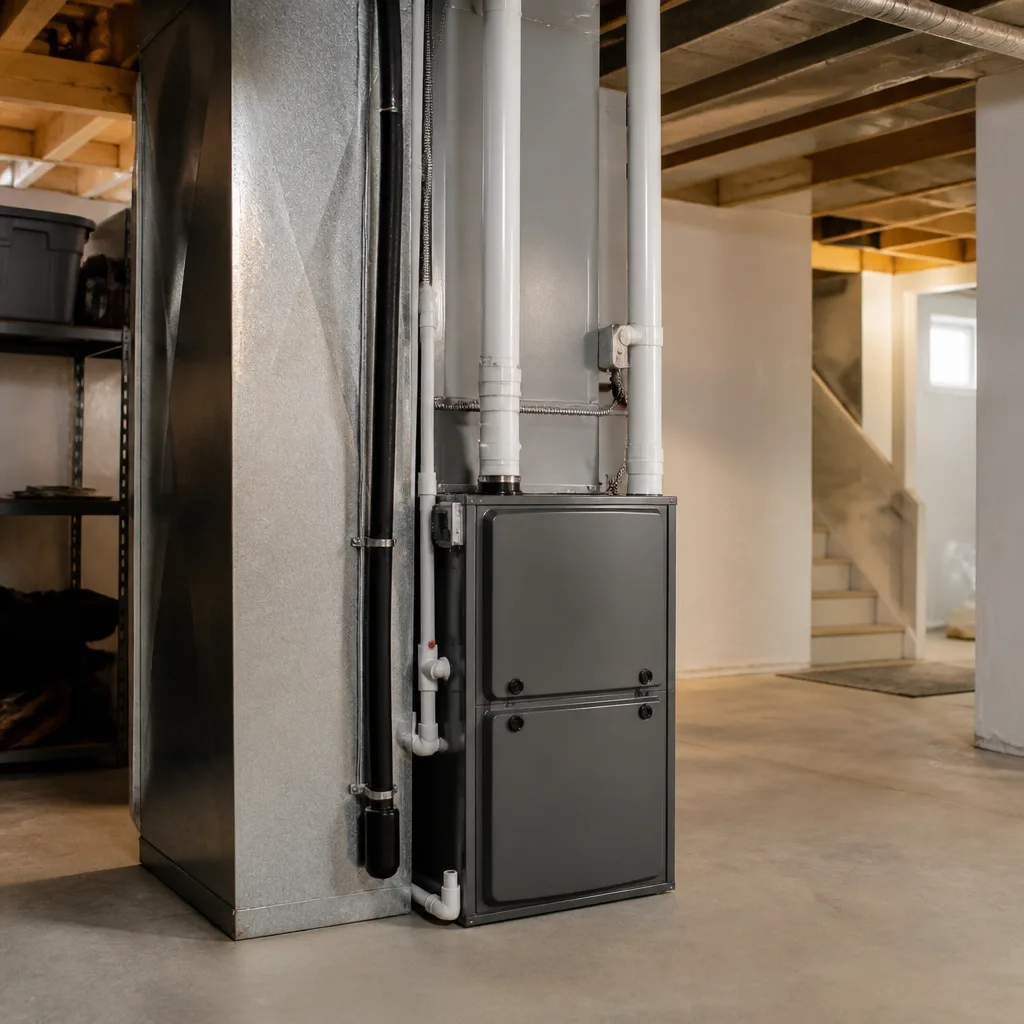 Furnace & heating
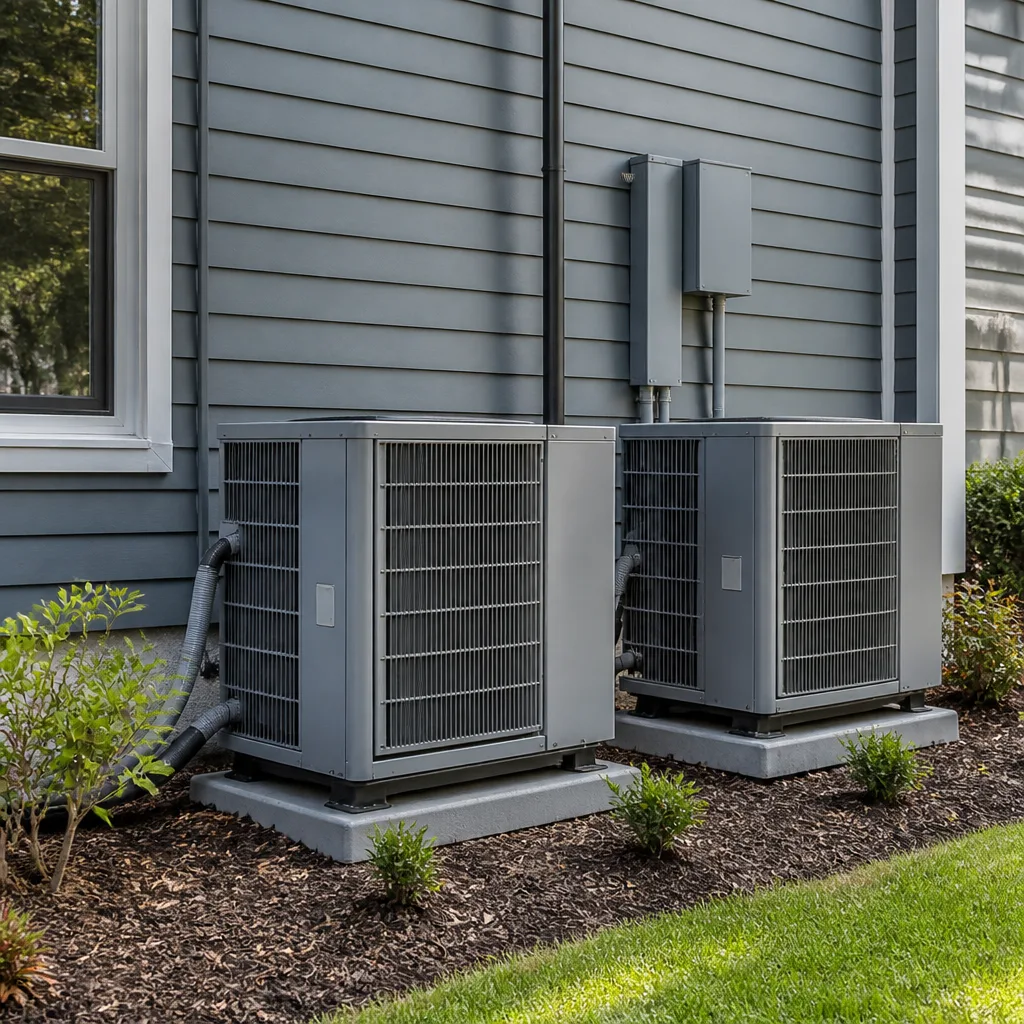 Heat pumps
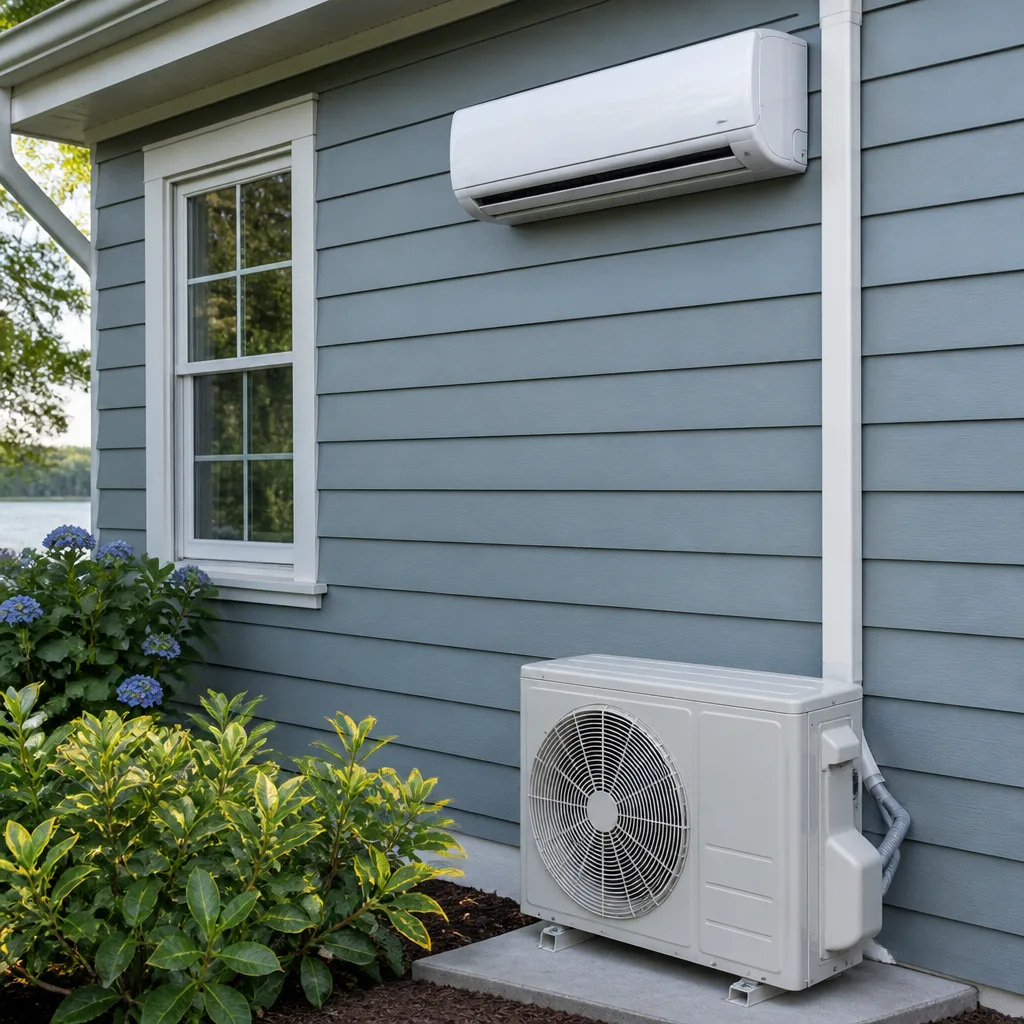 Ductless mini splits
 Carrier
 Trane
 Goodman
Seasonal tune-up and full diagnostic on your Carrier, Trane, or Goodman system - readings shown to you before any repair is proposed
Diagnosis first, numbers second - you approve the repair price before a single part goes in.
Get your free estimateDIY vs Professional AC Repair & Installation: What’s Safe to Do Yourself
Handling refrigerant without an EPA Section 608 certification is a federal violation carrying fines up to $44,539 per day, yet dozens of YouTube tutorials walk homeowners through exactly that, without mentioning the word “EPA” once. That gap between what looks easy on video and what’s actually legal is where most people get hurt. In Boulder City, where summer afternoons run past 105°F and the desert dust finds every seam in a condenser, we’ve watched plenty of homeowners try to save a service call and end up with a voided warranty or a citation instead. This guide draws the line for you: which tasks are genuinely safe, which are possible but costly, and which carry legal or insurance consequences you can’t undo.
Quick Answer
Safe DIY air conditioning work is limited to filter changes, thermostat swaps, condensate line flushing, pad leveling, and outdoor coil rinsing. Anything involving refrigerant, electrical components beyond a thermostat, or a full system installation is not safe or legal to do yourself. Diagnosing, repairing, and installing AC equipment requires a licensed HVAC contractor in Boulder City, Nevada, both for the work and for the permit and warranty trail that protects your home’s value.
Styles & brands we work with
- AC repair
- Furnace & heating
- Heat pumps
- Ductless mini splits
- Carrier
- Trane
- Goodman
Table of Contents
- The Three Categories: Safe, Warranty-Voiding, and Legally Risky
- What “Safe DIY” Actually Looks Like in Boulder City
- Why Refrigerant Handling Is a Federal Matter
- Why Permits Matter for Your Insurance and Future Sale
- The Warranty Clause That Erases Your Coverage
- How to Verify a Nevada C-21 License Before You Hire
- DIY vs Pro: Repair, Replace, and the Decision in Between
- What Each Path Really Costs
The Three Categories: Safe, Warranty-Voiding, and Legally Risky
The DIY-versus-pro question is almost never about whether you’re handy enough. Plenty of Boulder City homeowners are handy. It’s about which tasks carry hidden liability you can’t repair with a wrench. We sort every AC task into three buckets, and the bucket matters more than the skill.
Category 1: Genuinely safe DIY. These are simple, low-risk, and don’t touch refrigerant or the electrical panel. Filter changes, thermostat replacement, condensate line flushing, pad leveling, and gently rinsing the outdoor coil with a garden hose. No permit needed, no warranty clause triggered, no federal violation possible.
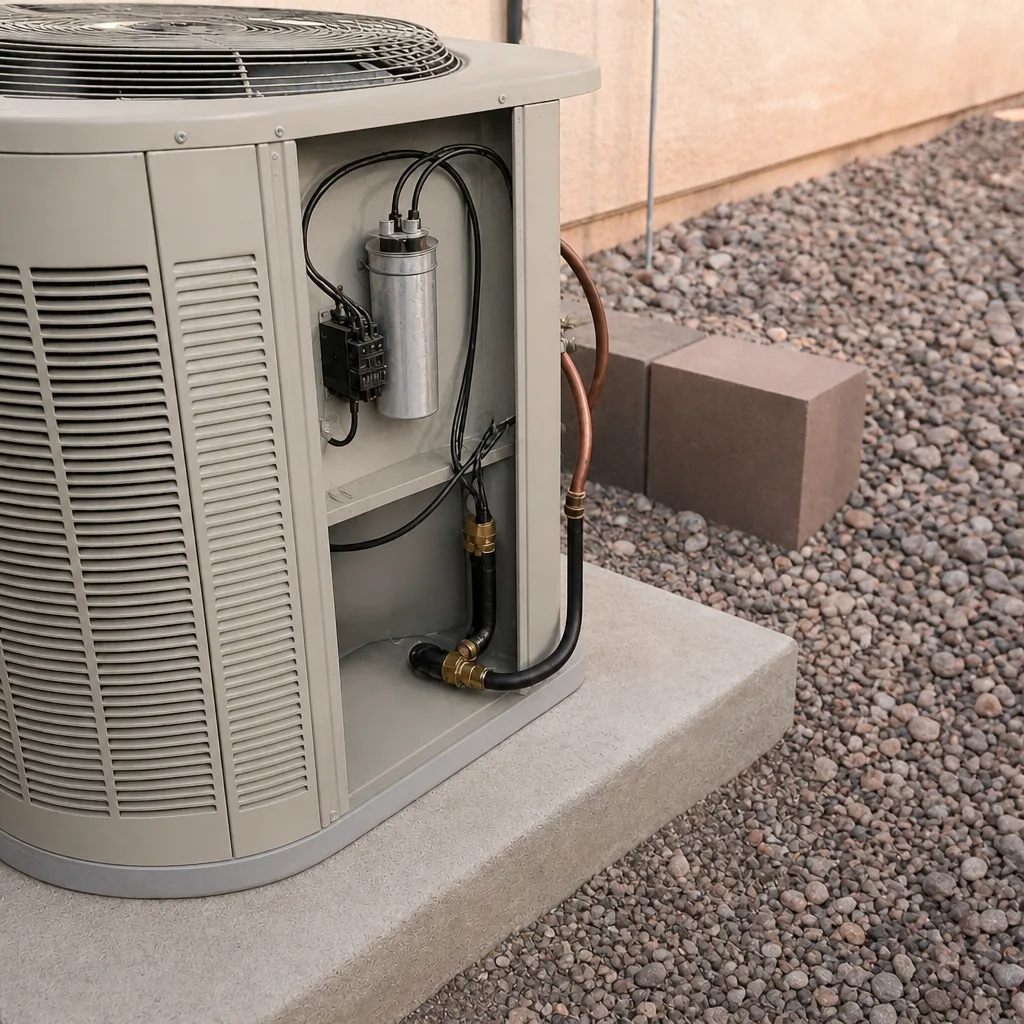
Category 2: DIY-possible but warranty-voiding. These are tasks a homeowner can technically attempt but which trip manufacturer warranty clauses. Swapping a capacitor, replacing a contactor, or installing a new condenser or air handler yourself. The equipment can be bought, the work can be done, and the manufacturer will usually deny the warranty claim later when the compressor fails.
Category 3: Legal or safety consequences. Anything involving refrigerant lines, brazing, vacuum pumps, or gas connections. Anything requiring a permit to install. Anything touching 240-volt equipment inside the air handler. These are not “skill-level” questions. They are federal law questions, insurance questions, and safety questions. Boulder City’s dry climate makes the electrical risk even higher; static, dust intrusion, and aged insulation in older homes raise the odds of an arc flash.
Understanding which bucket each task sits in saves money and, in some cases, saves your home’s insurability.
What “Safe DIY” Actually Looks Like in Boulder City
Here is the honest list of what you can do yourself without creating future problems. These tasks take minutes and keep your system running between professional visits. In our experience, a homeowner who handles these well avoids a meaningful share of breakdowns, especially with the dust load we see across Boulder City neighborhoods like the Historic District and the older blocks off Nevada Way.
1. Filter swaps. Change the filter every 30 to 60 days during cooling season. In Boulder City, the spring and early summer dust storms clog a 1-inch filter in half the advertised time. Use the filter size printed on the existing frame and don’t oversize the MERV rating without a check; a MERV 13 in an older system can starve airflow.
2. Thermostat replacement. A basic or programmable thermostat swap is safe if you turn off the air handler breaker first and match the wire labels (R, W, Y, G, C). Label the wires before removing the old unit. If your system uses a communicating thermostat or a heat pump with a defrost board, don’t swap it yourself.
3. Condensate line flush. Pour a cup of white vinegar down the condensate drain every month or two. Algae grows faster than you’d expect in the wet trap even in a dry climate, and a clogged line shuts the system down on float-switch safety or leaks into the ceiling below.
4. Pad leveling checks. The outdoor condenser pad should sit level. Boulder City’s soil shifts at the edges of the newer subdivisions and can throw a pad off enough to stress the lineset. Eyeball it once per season; if the pad is badly out of level, call.
5. Outdoor coil rinse. With the breaker off, rinse the outdoor coil with a garden hose from the inside out. Don’t use a pressure washer, and don’t bend the fins. In our experience, the dust and cottonwood fluff that builds up on a Boulder City condenser in one summer is enough to raise head pressure and drag efficiency down. If you’d rather hand the whole system to a trained eye, our AC repair and installation in Boulder City service covers the checks that matter.
Why Refrigerant Handling Is a Federal Matter
Refrigerant is not a homeowner-doable item. Under Section 608 of the Clean Air Act, anyone who handles, adds, or recovers refrigerant from an appliance must hold EPA certification. Doing it without that credential, whether by buying refrigerant and gauges online or by having an uncertified friend top off the charge, is a violation. Civil penalties run up to roughly $44,539 per day per violation. That’s federal, not municipal, and it applies to the person doing the work, not just the company.
Three practical points Boulder City homeowners should know:
- Venting refrigerant is illegal and dangerous. R-410A and R-454B systems run at higher pressures than older R-22 equipment. A wrong connection or a botched recovery is a serious injury risk, not just an environmental fine.
- An uncertified top-off usually hides a leak. If your system is low, refrigerant left the closed loop. Adding refrigerant without finding and repairing the leak just delays the next failure and usually costs more in the end.
- No licensed shop will certify a system another party touched. When a contractor inspects a system and finds evidence of uncertified refrigerant work, most will document it and step back from responsibility for that portion of the system. That’s not a sales tactic; it’s liability management.
This is the piece most DIY tutorials skip entirely. The tool is buyable, the video is free, and the fine isn’t.
Why Permits Matter for Your Insurance and Future Sale
Boulder City’s permitting process for HVAC replacement exists for a reason: to make sure the equipment, electrical connections, and gas piping (if applicable) meet code before a system starts running. A permit triggers inspection, and inspection produces a record. That record matters two ways:
Insurance. Many homeowner policies contain language requiring permitted work on major systems. If a fire or water damage later traces to an unpermitted installation, the carrier can dispute the claim. That’s not a scare tactic; it’s in the fine print of more policies than most people realize.
Home sales. Boulder City home inspectors routinely pull the permit history for a property. An unpermitted condenser swap or an unpermitted electrical change to the air handler can become a negotiation item or a blocker at closing. Buyers’ lenders get involved. The cost to cure later is usually higher than the permit would have been in the first place.
A licensed contractor pulls the permit as part of the job. A homeowner working alone usually can’t, or shouldn’t. This is one of the reasons our Fireside Heating & Air Co. Boulder City home page leads with the paperwork side of every job; the permit and the written guarantee travel together.
The Warranty Clause That Erases Your Coverage
Almost every major residential manufacturer warranty contains language requiring installation by a licensed HVAC contractor. Lennox, Goodman, Rheem, and York all publish variations of the same clause. If you buy equipment online and install it yourself, the equipment warranty is often void from day one. The parts are real; the coverage usually is not.
Read the clause before you buy, not after. The specific sections to look for:
- The “licensed contractor” clause. Usually near the top of the warranty document under “Installation Requirements” or “Eligibility.” If it names a license requirement, self-installation voids the warranty.
- The “proper installation” clause. Some warranties don’t explicitly require a licensed installer but void coverage if the installation wasn’t performed to manufacturer specs and local code. In practice, that means the same outcome for a DIY job, because you can’t document compliance to code without a permit and inspection.
- The “registered within 60 days” clause. Many brands shorten the base warranty unless the equipment is registered online within a set window (commonly 60 days from install). Miss the window and the coverage drops from a longer term to a shorter one.
- The refrigerant or sealed-system clause. Coverage on the compressor and sealed system often requires that no unauthorized party has opened the circuit. That ties directly back to the EPA point above.
Before you spend money on equipment, have a licensed contractor review the warranty language with you. If you’ve already bought equipment, get a written second opinion on the quote before you commit; that’s one of our standing offers, and it applies even if you end up hiring someone else.
How to Verify a Nevada C-21 License Before You Hire
Work that can’t legally be self-performed should go to a contractor whose license you’ve checked yourself. Nevada’s C-21 classification covers heating, ventilation, air conditioning, and refrigeration. Verifying it takes five minutes and saves a lot of pain.
- Ask for the license number in writing. Any contractor who won’t put the number in an email or on the estimate is a warning sign.
- Look it up on the Nevada State Contractors Board site. The public lookup tool confirms the license classification, its active status, and whether there are any disciplinary actions on file.
- Confirm the classification matches the work. A C-21 covers HVAC. A general contractor license does not authorize refrigerant work or HVAC installation on its own.
- Ask for a certificate of insurance. General liability and workers’ comp should both be active. If a crew member is injured on your property with no workers’ comp coverage, that’s a problem for you.
- Get the price in writing with no “plus materials” language. Upfront pricing means the number you see is the number you pay. That’s a standard we hold ourselves to on every call.
When the work involves a heat pump or a mini-split, licensing rules still apply because refrigerant and line voltage are involved. Our heat pump & mini split in Boulder City page covers what those systems require in the way of permit and installation documentation.
DIY vs Pro: Repair, Replace, and the Decision in Between
Most homeowners who ask about DIY are really deciding between three paths: fix it themselves, hire a repair, or replace the system. Here’s how we walk through it with a customer on the phone or on site.
If it’s a filter, thermostat, condensate, or pad issue, the DIY path is fine. Handle it.
If it’s a no-cool call in July, a licensed diagnostic is almost always the smart money. In our experience on Boulder City homes, the failure is usually a capacitor, a contactor, a blower motor, or a refrigerant charge issue, and the first two are inexpensive repairs once correctly diagnosed. Guessing at parts swaps online is how the bill doubles.
If the system is 12+ years old, a repair makes sense if the fix is small and the equipment has life left. A compressor or evaporator coil failure on aging equipment is usually the point to talk about replacement. This is where a written second opinion pays off; it’s the only way to know whether the first quote is fair. Anything involving the heating side carries the same logic; our heating & furnace in Boulder City page covers the parallel cases for the colder months.
The question isn’t repair versus replace in the abstract. It’s whether the next repair keeps this machine running for a few more seasons, or just postpones the replacement you already know is coming.
What Each Path Really Costs
Here’s the rough financial picture homeowners actually face. Ballpark ranges reflect what we see across Boulder City jobs. Exact pricing depends on the equipment and the condition of the home, so treat these as starting points, not quotes.
| Task | DIY Cost | Professional Cost | Hidden Exposure |
|---|---|---|---|
| Filter change | $10 – $30 | Included in tune-up | None |
| Thermostat replacement | $80 – $250 (unit) | $150 – $400 installed | Miswired low-voltage control |
| Condensate line flush | $2 (vinegar) | Included in tune-up | Clog leads to water damage |
| Capacitor replacement | $25 – $60 (part) | $150 – $320 | Voids warranty; possible injury |
| Refrigerant top-off | Illegal without EPA 608 | $250 – $600 depending on type and amount | Federal violation; leak undiagnosed |
| Full system replacement | Not legal without permit/license | Varies by tonnage and brand | Voided warranty; insurance and sale risk |
The DIY column looks cheaper until you read the hidden exposure column. That’s the whole point of this guide. A $40 capacitor swap can void a warranty on a compressor that costs more than a new condenser to replace. A $60 “quick fix” refrigerant add from an uncertified friend can create federal exposure and leave a leak uncorrected. The numbers don’t lie, and the ones that don’t show up on the receipt are the ones that bite hardest.
Our standing offers exist for exactly this reason: $50 off any repair over $250, a free second opinion on any written estimate, an $89 seasonal tune-up, and a permanent 5% Senior and Veteran discount. The $89 tune-up is often the cheapest way to catch a problem before it becomes a real repair.
Common Mistakes to Avoid
- Buying equipment online before checking the warranty clause. The Lennox or Goodman unit you found at a steep discount still requires licensed installation for the manufacturer warranty to stand. Read the warranty document before you click buy.
- Adding refrigerant without finding the leak. Topping off a system that has lost charge is a temporary bandage. In a Boulder City summer, that bandage lasts weeks, and the leak continues to vent.
- Skipping the permit to save a few dollars. The permit is your insurance documentation and your future sale’s clean record. Skipping it can cost far more than the permit fee.
- Replacing a thermostat without labeling the wires. The classic mistake. Photograph the wiring, then label each wire before you pull it off the subbase. A miswired C-wire can fry a control board.
- Power-washing the outdoor coil. High pressure bends fins and drives water where it shouldn’t go. A garden hose is the correct tool.
- Hiring the first quote without a second opinion. HVAC pricing varies widely for the same work. The free second-opinion offer exists so you can see what a fair number looks like.
- Assuming an unlicensed neighbor who “does HVAC on the side” is safe. That arrangement almost always voids the warranty and creates insurance questions the moment something goes wrong.
See the difference
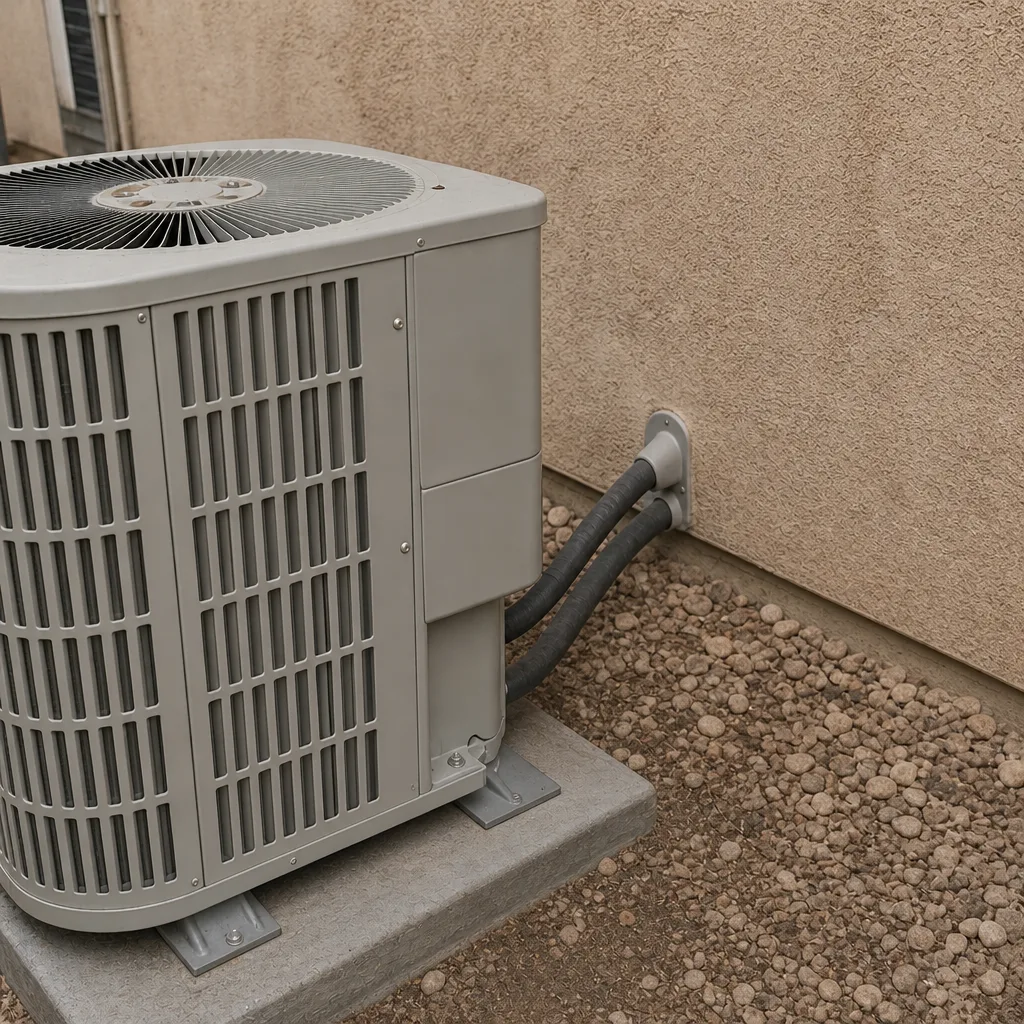
 Before
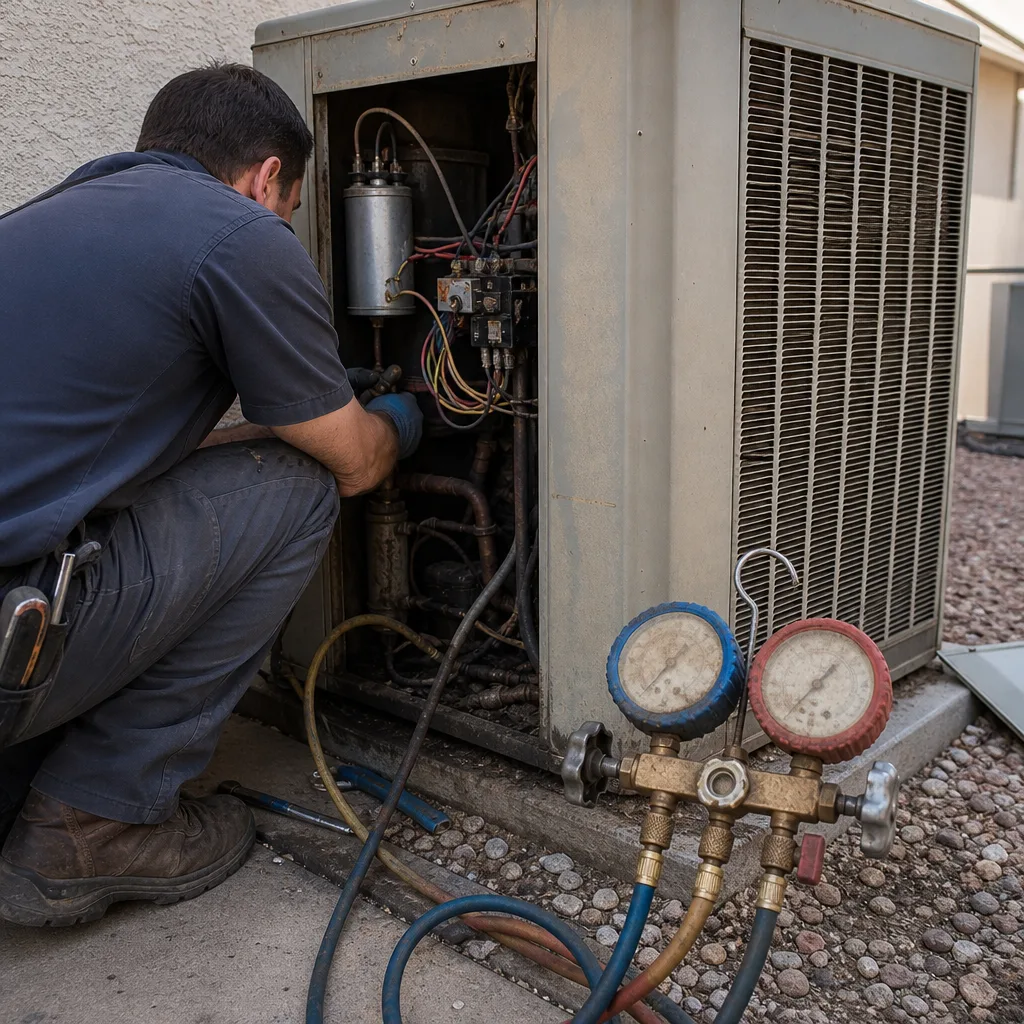
 After
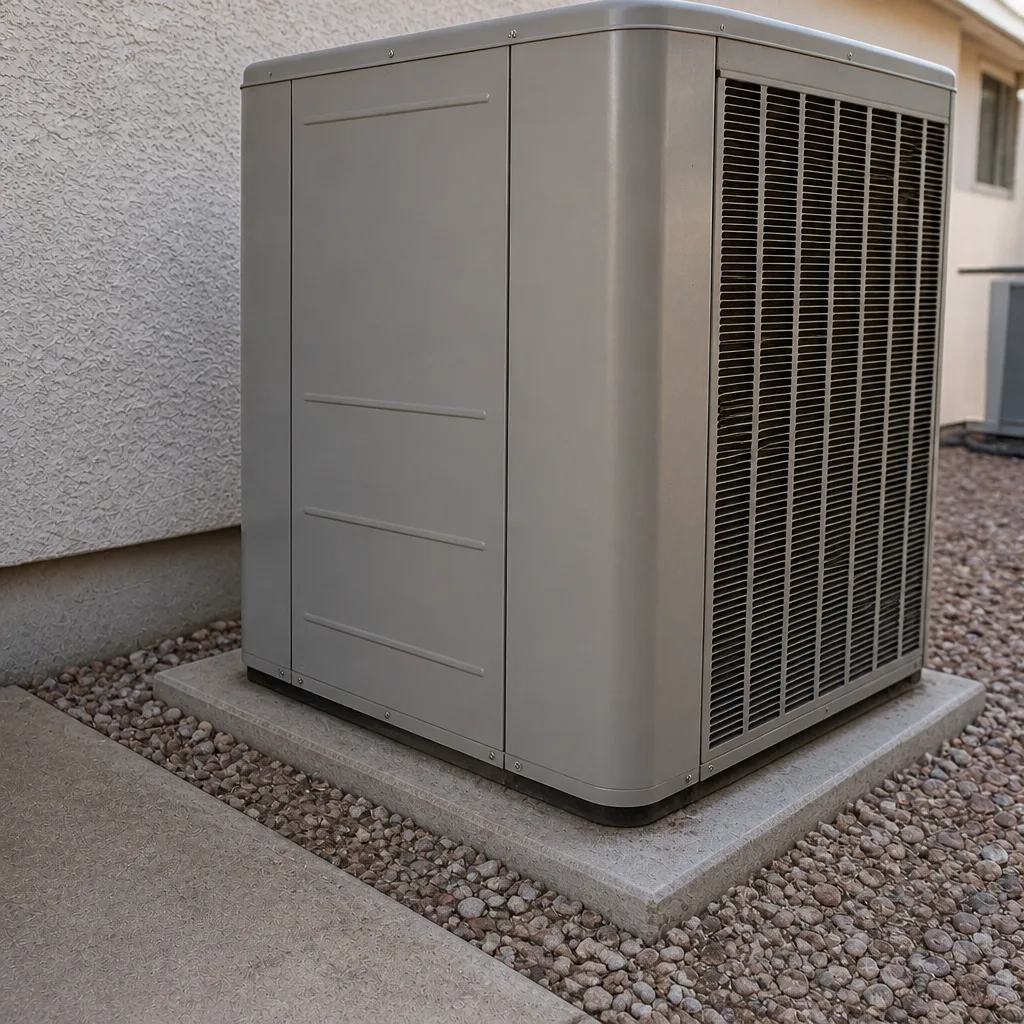
 Before
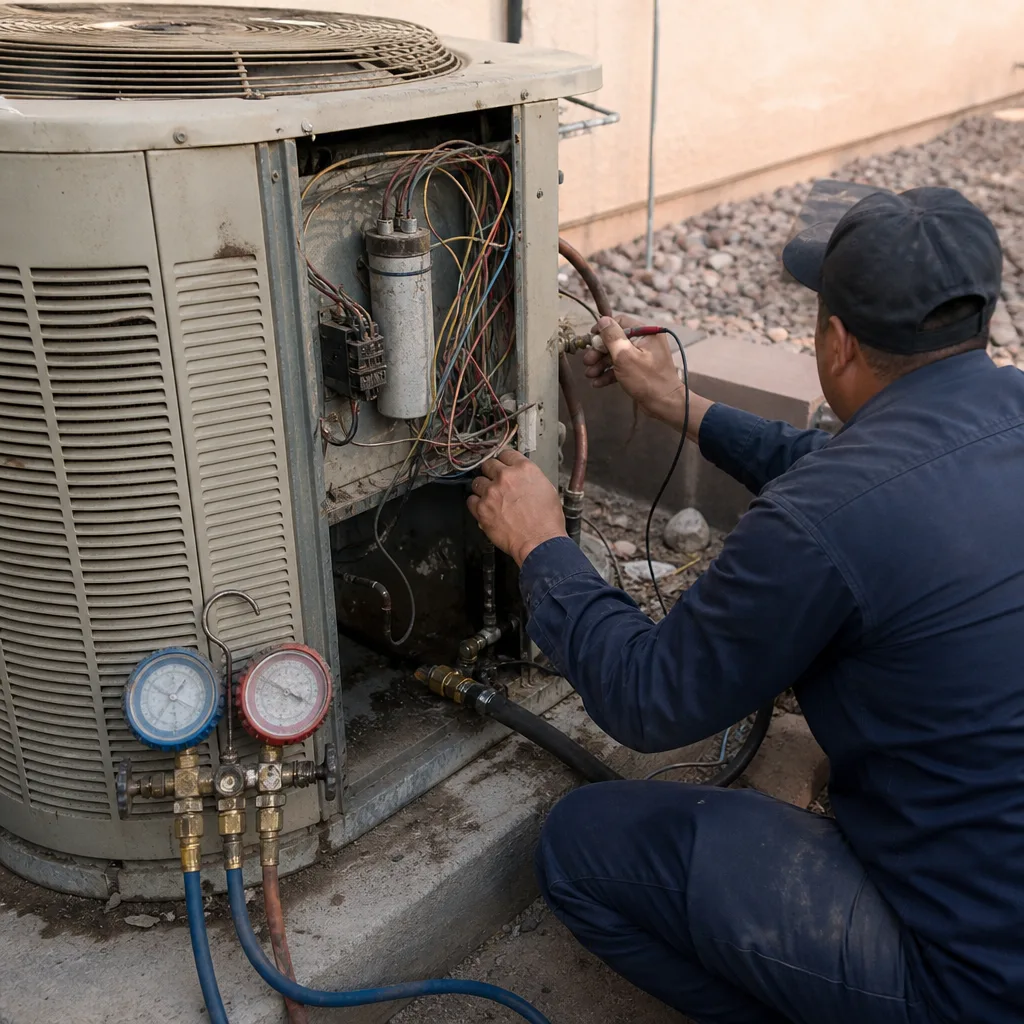
 After
 Before
 After
When to Call a Professional
Call a professional the moment your air conditioner stops cooling, trips a breaker, blows warm air, or shows ice on the refrigerant lines. Call us before you touch anything on the electrical or refrigerant side of the system, because those are the two areas where a small mistake becomes a large bill. If your system is 12 years old or older, call before the next failure, not after; a scheduled replacement beats an emergency one every time. If you’ve already bought equipment and need it installed with proper permits and a warranty to match, call. If you’re selling your Boulder City home in the next few years and the permit record is uncertain, call. Fireside Heating & Air Co. Boulder City offers free estimates in Boulder City. Call (844) 312-0133.
Frequently Asked Questions
No. Handling refrigerant requires EPA Section 608 certification under the Clean Air Act, regardless of which state you’re in, and Nevada enforces that along with federal rules. Adding refrigerant without certification is a federal violation carrying significant civil penalties, and the wrong refrigerant connection on a modern system is also a serious injury risk. Call (844) 312-0133 if you think your system is low on charge.
Almost always, yes. Lennox, Goodman, Rheem, York, and most major brands require installation by a licensed contractor, and the clause is usually near the top of the warranty document. Read the “Installation Requirements” section before buying equipment online. A free second opinion on your estimate can confirm what the warranty actually says.
Usually, yes, if you turn off the air handler breaker first and label the wires before removing the old unit. Skip the DIY on a communicating thermostat, a heat pump with a defrost board, or a high-voltage commercial control. If you’re not sure which type you have, call and we’ll tell you over the phone, no charge.
Yes. HVAC replacement requires a permit in Boulder City, and the inspection that comes with it protects your homeowner’s insurance and your ability to sell the home later. A licensed contractor pulls the permit as part of the job. If you’re planning a replacement, call (844) 312-0133 and we’ll walk through the permit and inspection timeline with you.
The dangerous ones involve refrigerant, line voltage, or gas. Capacitors, contactors, refrigerant lines, compressors, and air handler wiring all fall on the “call a professional” side because the risk isn’t just financial; it’s a burn, shock, or refrigerant injury. Filters, thermostats, condensate lines, and pad checks are the safe side. When in doubt, call and ask; we’ll never charge to tell you not to spend money.
Get the license number in writing, then look it up on the Nevada State Contractors Board public database. Confirm the C-21 classification is active, check for any disciplinary actions, and ask for a current certificate of insurance for both general liability and workers’ comp. Call (844) 312-0133 if you’d like us to walk you through what to look for.
The Bottom Line
Most AC tasks fall into one of three buckets, and the skill question is secondary. Safe DIY is limited to filters, thermostats, condensate lines, pad checks, and coil rinsing. Refrigerant work is a federal matter, permits protect your insurance and your future sale, and manufacturer warranty clauses quietly erase coverage on DIY installations. If you stay on the safe side of the line, you save real money without exposing your home. If you cross it, the bill arrives later and often larger. When a job belongs in the “call a pro” bucket, call one whose license you’ve verified yourself. Fireside Heating & Air Co. Boulder City backs every job with the 90-Day Done Right Promise; call (844) 312-0133 for a free estimate.
Written by the team at Fireside Heating & Air Co. Boulder City.