
Last updated November 18, 2026
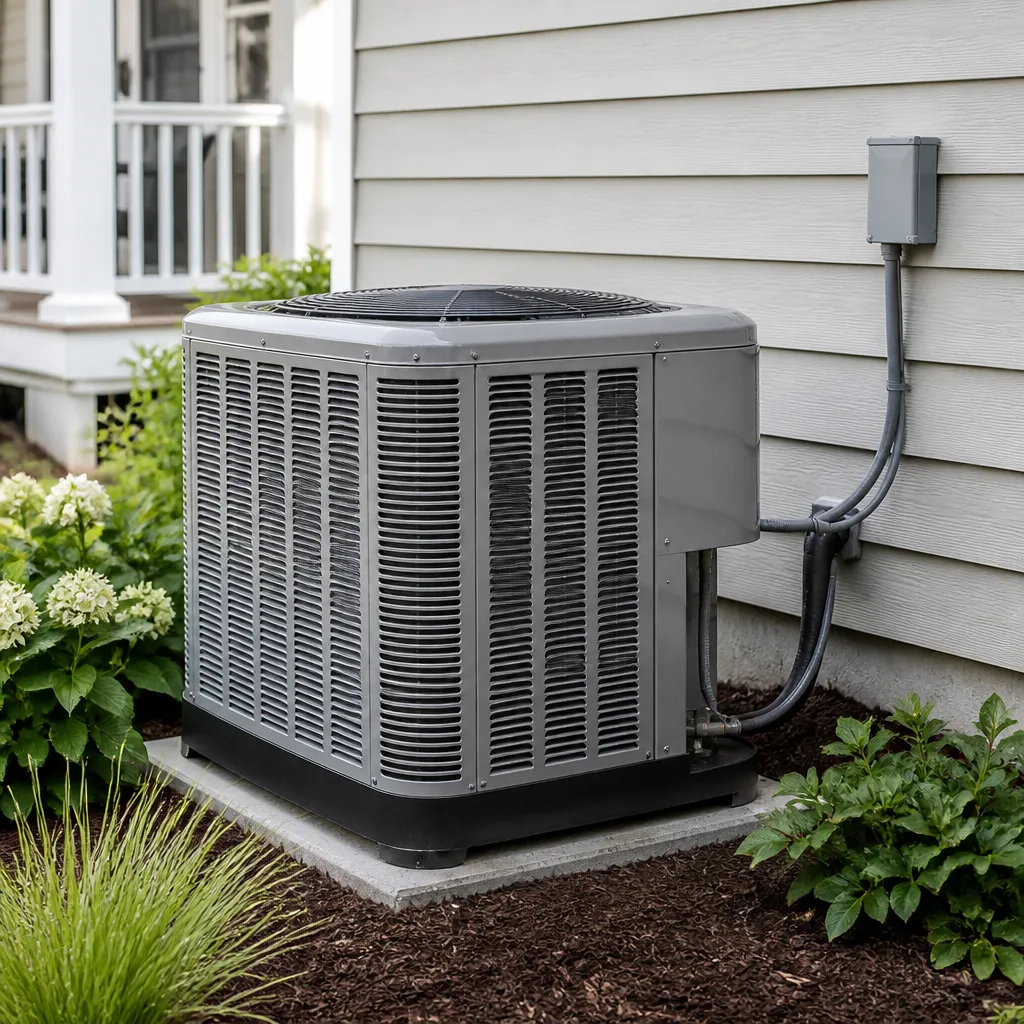 AC repair
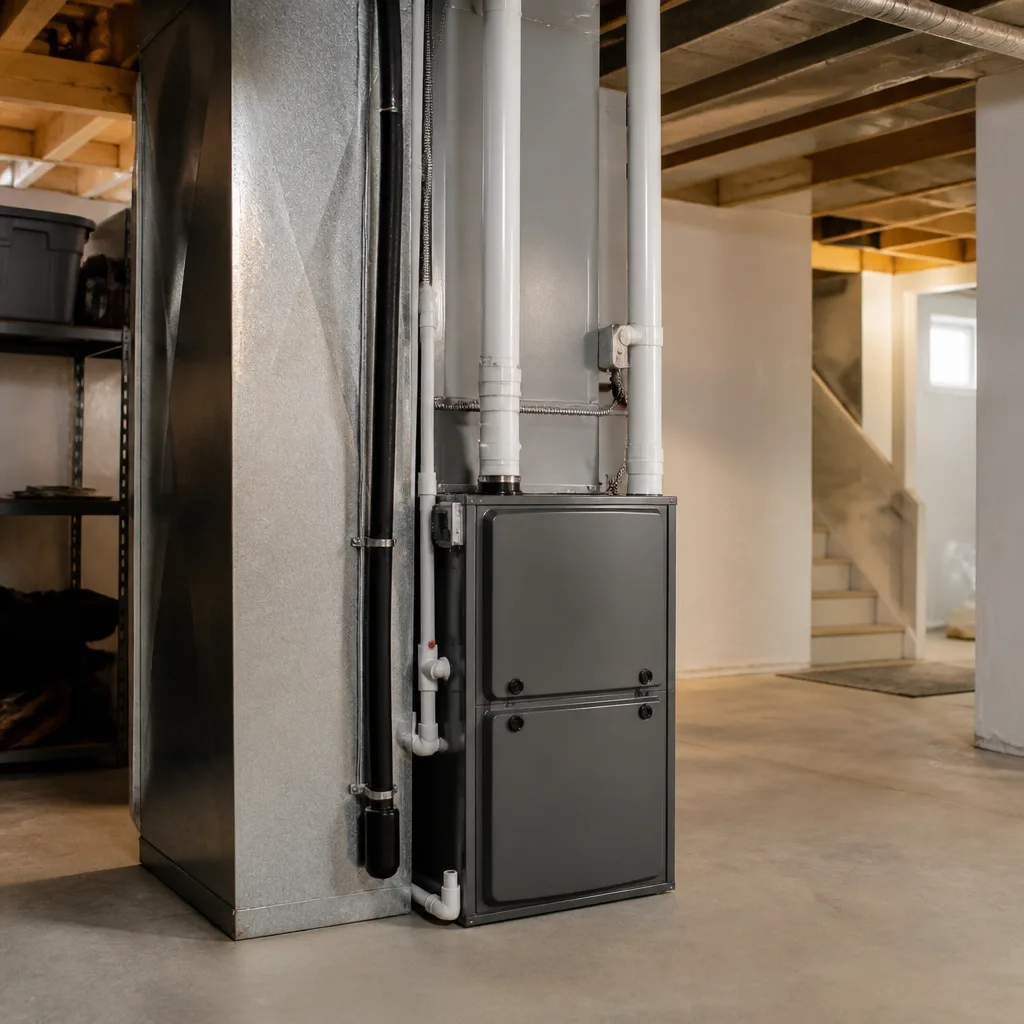 Furnace & heating
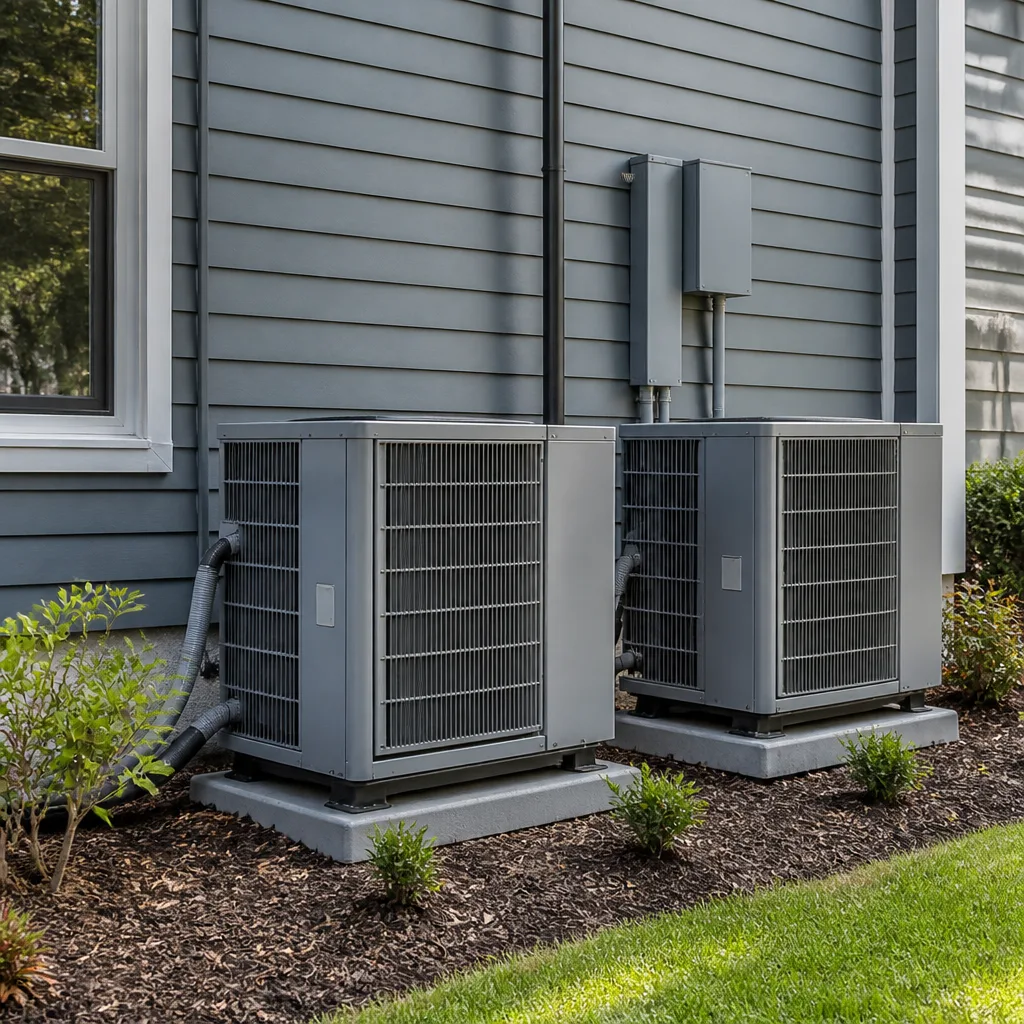 Heat pumps
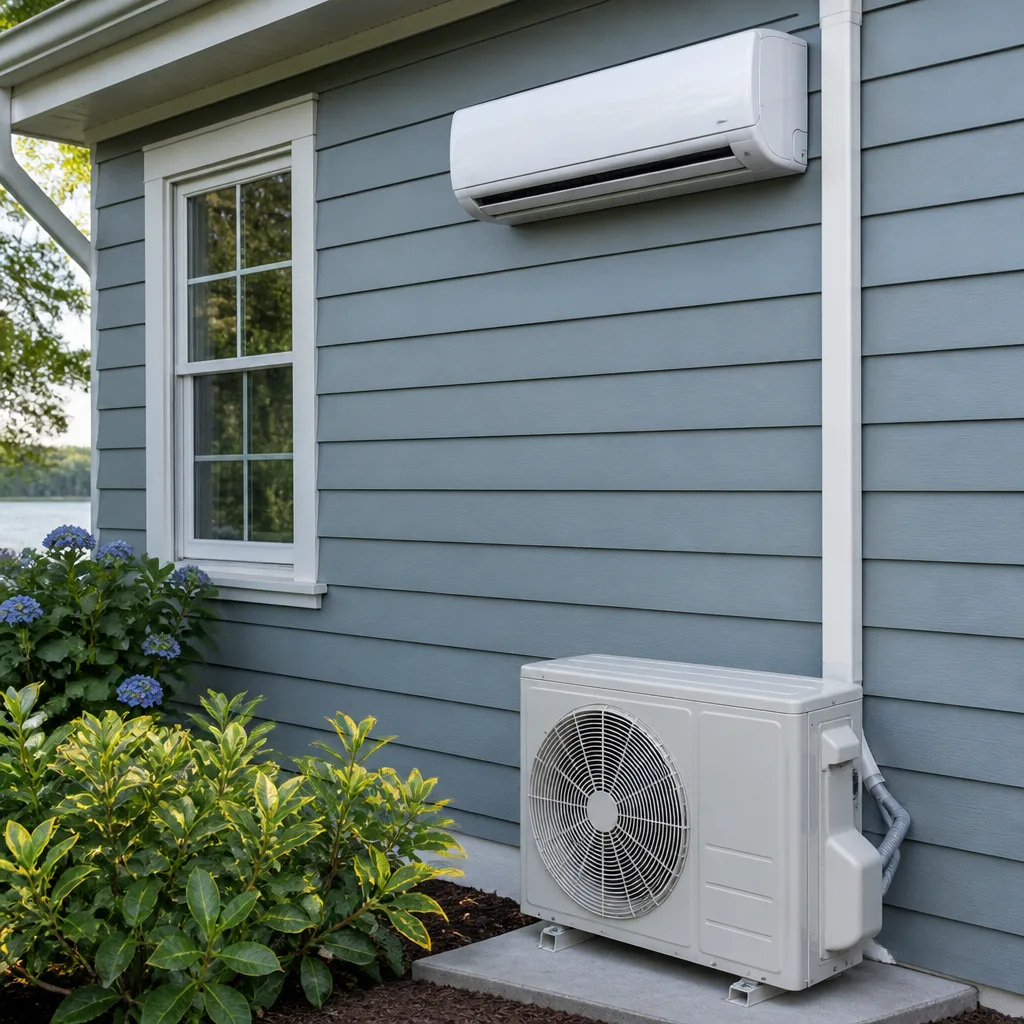 Ductless mini splits
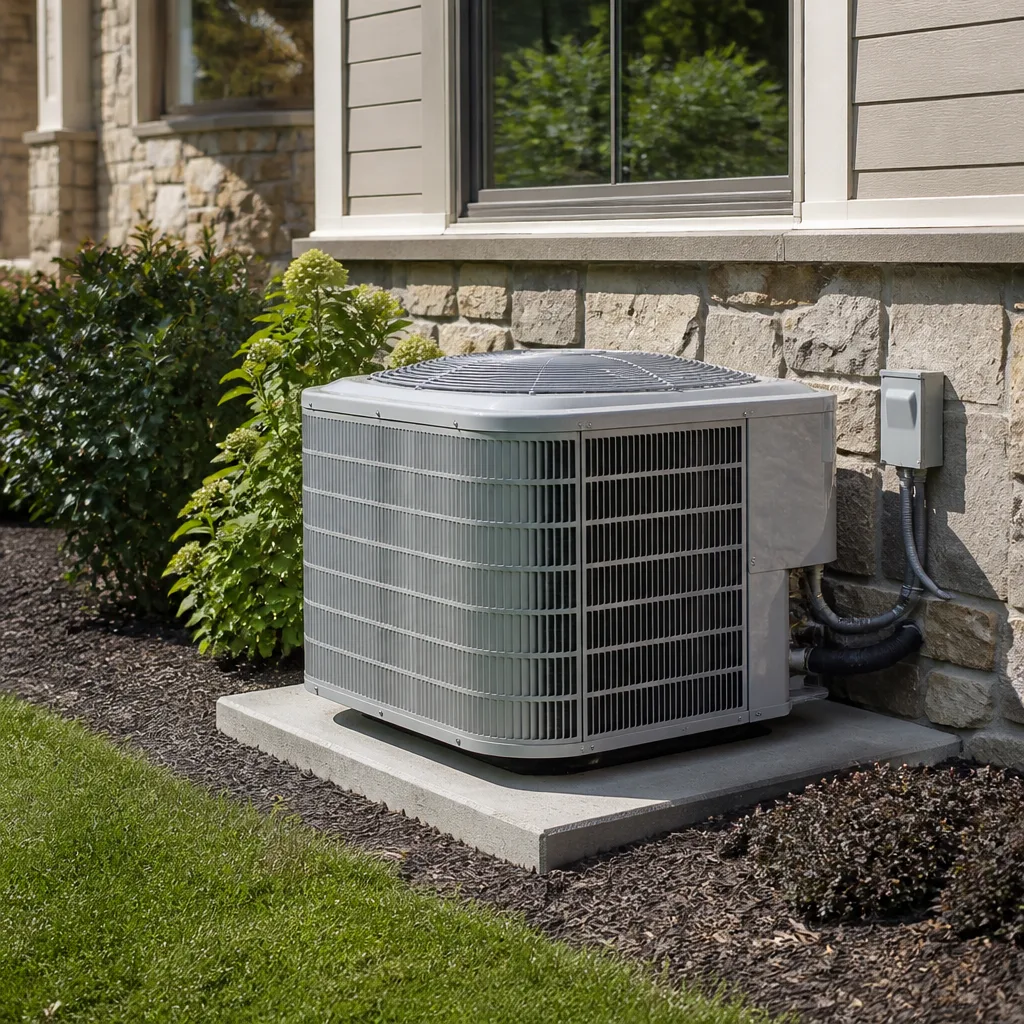 Carrier
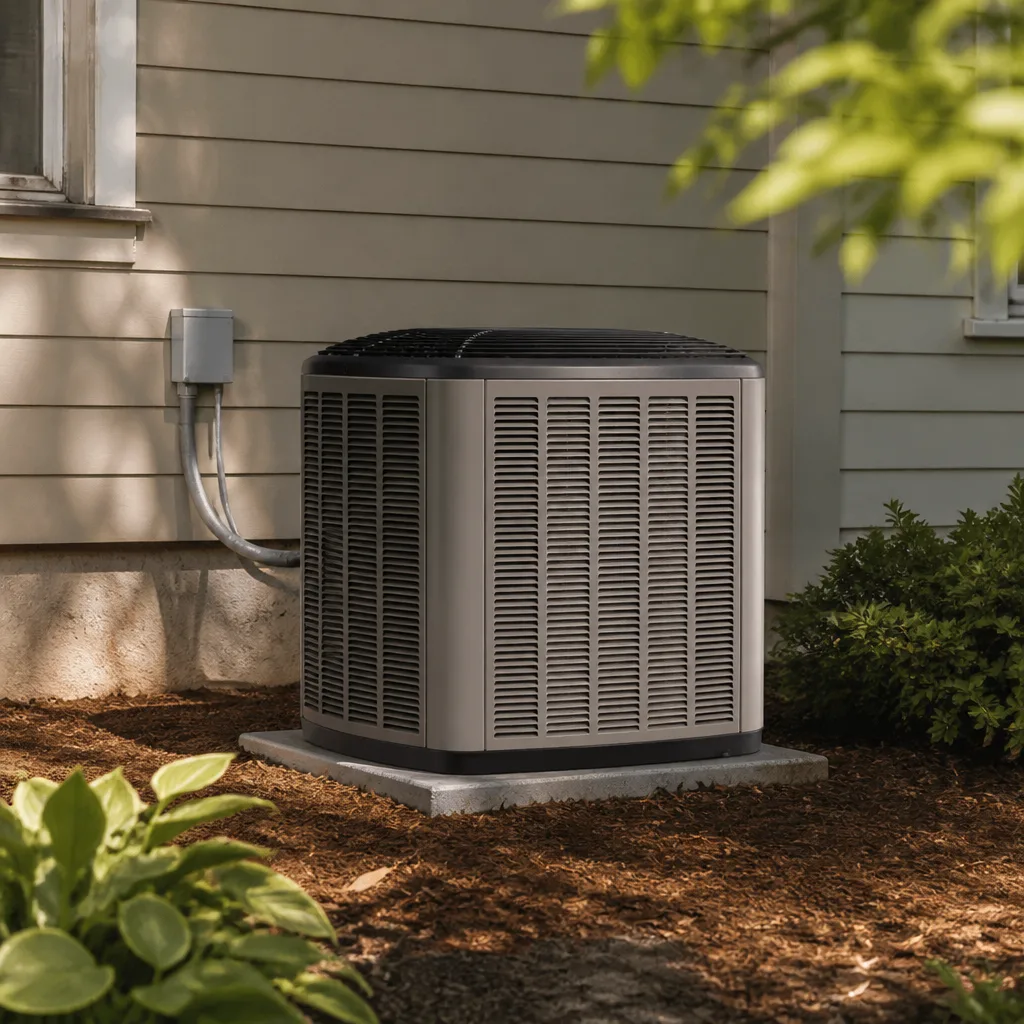 Trane
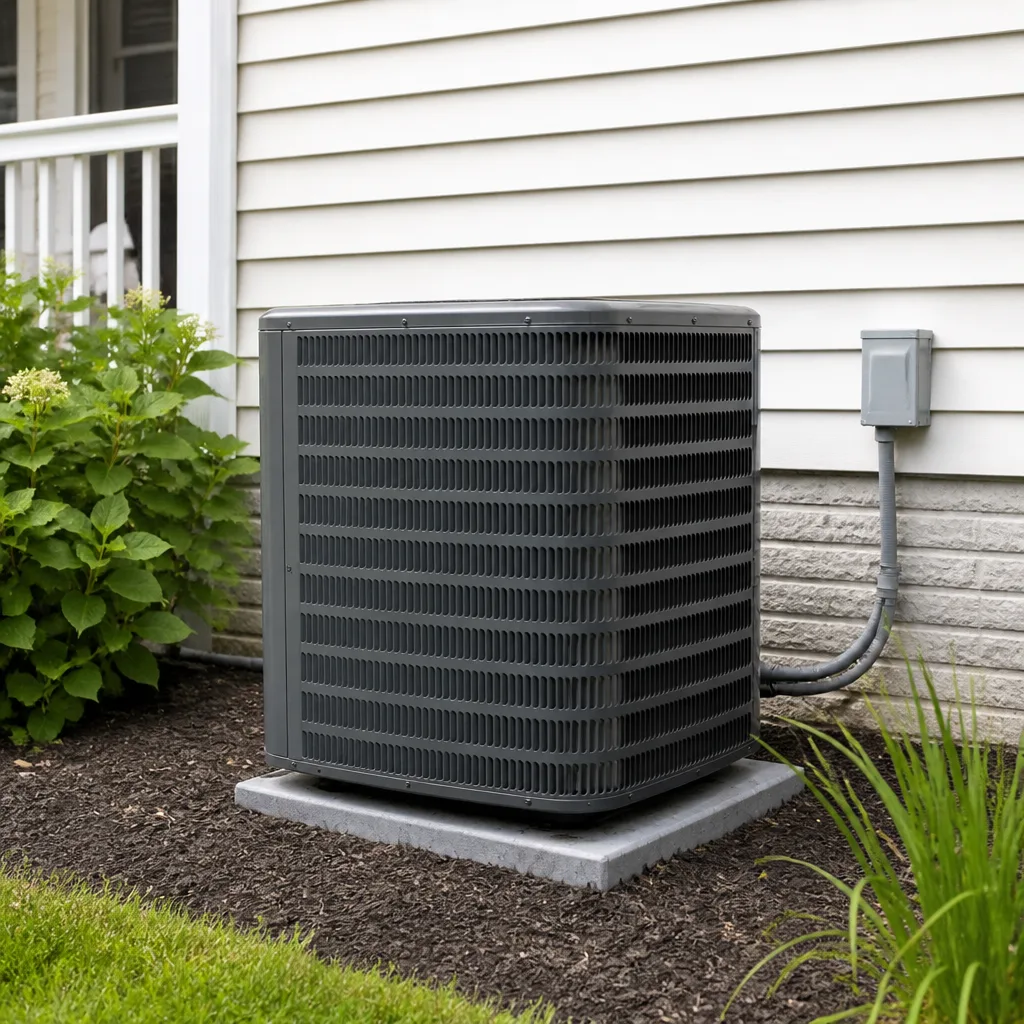 Goodman
Seasonal tune-up and full diagnostic on your Carrier, Trane, or Goodman system - readings shown to you before any repair is proposed
Diagnosis first, numbers second - you approve the repair price before a single part goes in.
Get your free estimateAC Repair & Installation Maintenance Schedule: What to Do and When
A “once-a-year tune-up” was written for climates where the AC runs four months and then sleeps. Boulder City doesn’t work that way. Between late April and early October, a typical system here logs close to 2,500 cooling hours – roughly double the national average – so a spring check you skip isn’t a minor oversight. It’s sending a marathon runner to the starting line without a warm-up lap. This guide recalibrates every maintenance interval for real Mojave use: a month-by-month Boulder City calendar, run-hour-based coil cleaning, the pre-season checks that head off July emergency calls, and what hard Lake Mead water does to your condensate line and evaporator coil. You’ll finish knowing exactly what to do, and when.
Quick Answer
In Boulder City, your AC needs a full inspection in March or early April, a mid-season coil and filter check around July, and a filter change every 4 to 6 weeks from May through September. Because your system runs about 2,500 cooling hours a year, coil cleaning should be scheduled by run-hours – every 800 to 1,000 hours in this dusty desert air – rather than once a calendar year. A properly timed pre-season visit is the cheapest AC repair you’ll ever buy.
Table of Contents
- Why a Boulder City Maintenance Schedule Is Different
- The Month-by-Month Boulder City AC Calendar
- The Pre-Season Checks That Prevent Summer Emergencies
- Clean by Run-Hours, Not by the Calendar
- How Lake Mead Water Changes the Rules
- Installation Timing: What to Schedule and When
- What to Document Between Visits
- Common Mistakes to Avoid
- When to Call a Professional
- Frequently Asked Questions
- The Bottom Line
Why a Boulder City Maintenance Schedule Is Different
Most of the maintenance advice you’ll read online was written for a temperate market – somewhere with real winters, mild summers, and an AC that earns its keep from June to September. Boulder City doesn’t fit that mold. Our cooling season stretches seven to eight months, daytime highs push past 100°F for weeks at a stretch, and the desert air is loaded with fine dust that finds its way into every moving part.
All of that shortens the useful life of the equipment. Heat and run-time are what age a compressor, a capacitor, and a blower motor. A system in a mild market might see 1,200 to 1,400 cooling hours a year; yours is doing closer to 2,500. That’s a compressor logging nearly double the wear, capacitors cycling twice as often, and a condenser coil loading up faster because the dusty air keeps arriving. In plain terms, your system ages at close to twice the rate of the same equipment installed in a softer climate.
So the standard “service it once a year and forget it” model doesn’t hold up here. The good news is that the fix is simple – just a schedule tuned to what your system actually goes through. Whether you’re on Fireside Heating & Air Co. Boulder City home territory or across town, the calendar below is built for the arc that real Boulder City weather follows, not a four-season template.
The Month-by-Month Boulder City AC Calendar
Here’s the seasonal rhythm we work to, mapped to the actual Mojave arc rather than a generic spring-summer-fall-winter model. Treat this as your standing plan and you’ll spend far less time chasing repairs in the worst heat of the year.
- March: Book your full pre-season inspection. The system hasn’t run hard yet, which makes it the easiest time to catch a weak capacitor or low refrigerant before demand peaks. This is the single most valuable visit of the year.
- April: Complete any recommended repairs and get the condenser coil cleaned before the first real heat. Filters go in fresh.
- May: The cooling season opens in earnest. Change the filter now and again in early June. Watch for the first sign of weak airflow.
- June through August: Peak run-time. Check your filter every 4 to 6 weeks – dust loads fast in these months. Watch the condensate drain for clogs; this is when they show up.
- September: Mid-season coil and drain-line check. The system has been running flat out for months and this is where we find the worn contactor or the partially blocked drain before it becomes a failure.
- October: Shoulder season. Good window for any corrective repairs while the demand on the equipment eases.
- November and December: Shift attention to the heating side. If you run a heat pump, it works year-round, so it gets its check alongside the cooling inspection. Schedule furnace or Heating & Furnace in Boulder City service before the first cold snap.
- January and February: The quiet months. Good time for an installation, a duct inspection, or catching up on anything deferred.
You’ll notice the plan never lets the system go more than a season without someone looking at it. That rhythm matters more here than anywhere.
The Pre-Season Checks That Prevent Summer Emergencies
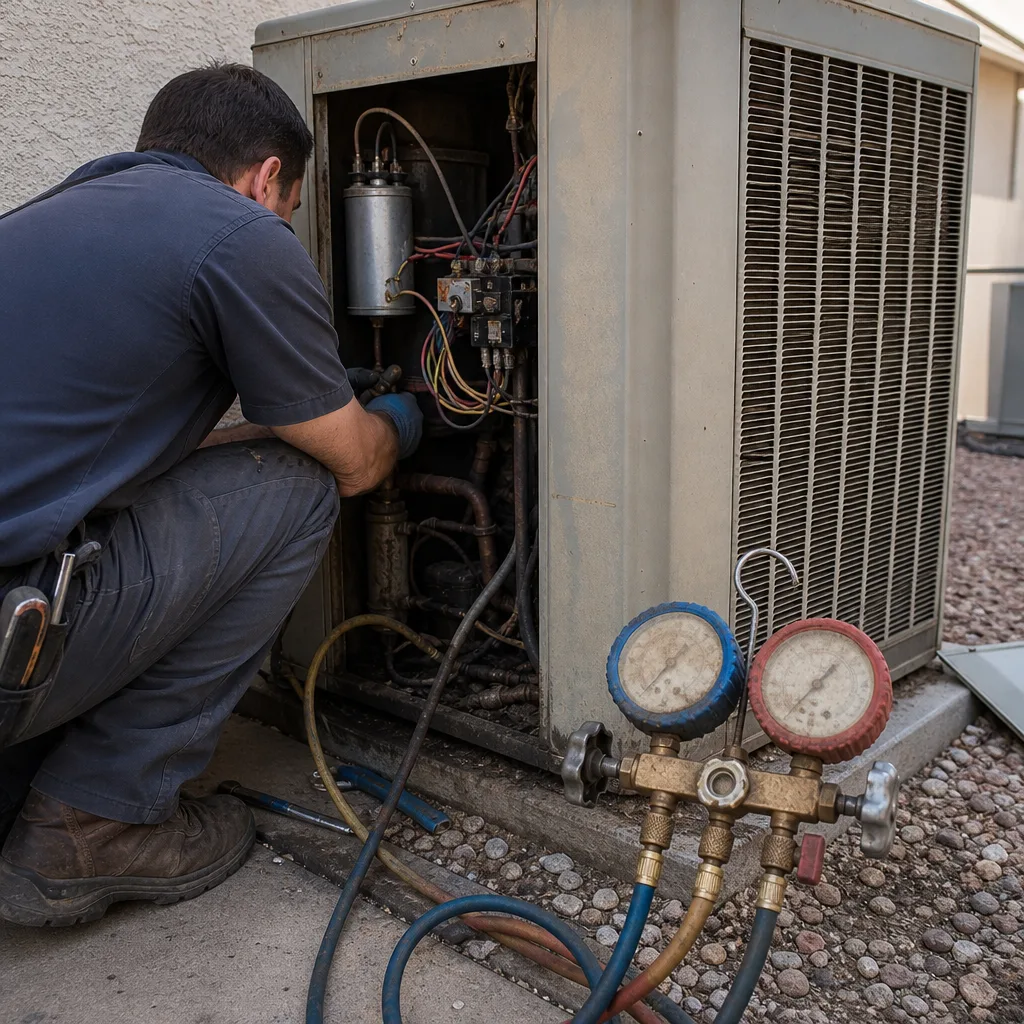
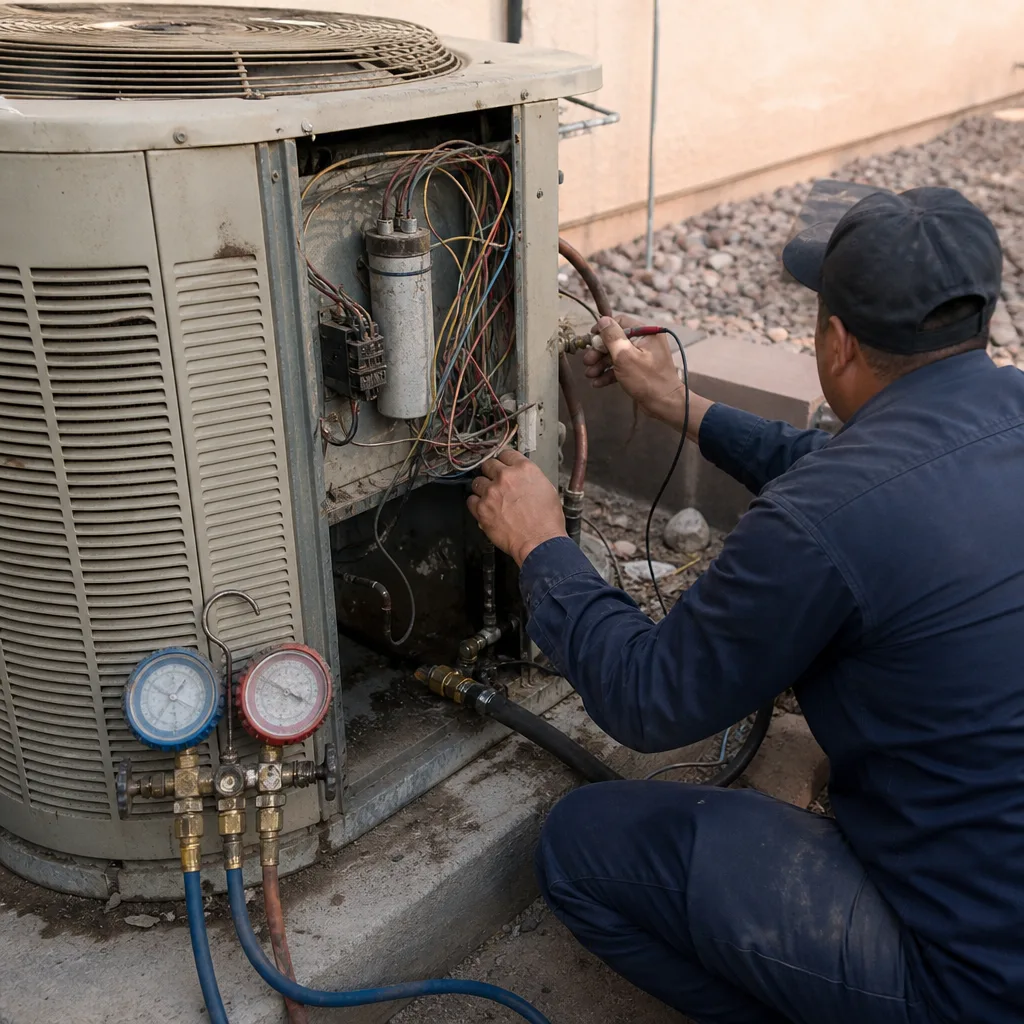
The March or early-April inspection is where a good technician earns their keep. The point isn’t to run through a rubber-stamp checklist; it’s to measure the handful of things that fail first under desert load. When we open a system that hasn’t been touched since last summer, these are the checks that matter most.
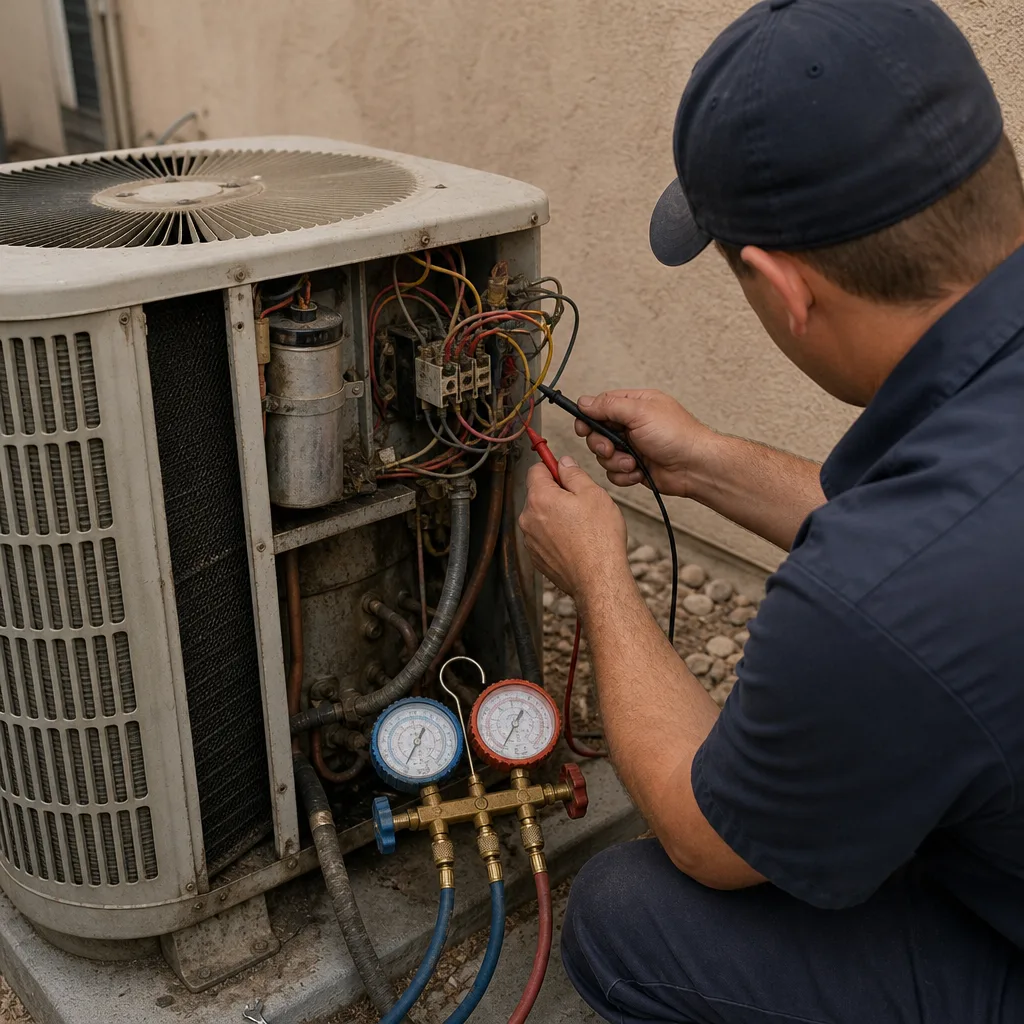
- Capacitor voltage and condition. Start and run capacitors are the most common single-point failure in a hot climate. Heat and constant cycling fatigue them, and a marginal capacitor is what turns a working system into a no-cool call in July. Measuring actual capacitance against spec catches this before it strands you.
- Refrigerant subcooling and superheat. These readings tell us whether the system is properly charged and whether the metering device and coil are doing their job. A system running even slightly low loses efficiency and works harder all summer. We measure; we don’t guess by “feel.”
- Blower amp draw. The blower motor draws a specific current when it’s healthy. Rising amp draw signals a motor or wheel on its way out, or a duct restriction loading it up. Catching it now avoids a mid-summer motor swap.
- Condenser coil condition. In desert air the coil collects a fine layer of dust that insulates it and forces the compressor to run hotter. Cleaning it is one of the cheapest efficiency gains available.
- Condensate drain and float switch. More on this below, but the drain is where Lake Mead water does its quiet damage.
These are the readings that separate a real inspection from a look-and-listen. A technician who measures capacitor voltage, subcooling, and amp draw is finding your summer breakdown in the spring, while it’s still a small repair instead of an emergency.
Clean by Run-Hours, Not by the Calendar
Here’s the part most schedules get wrong. The usual guidance – “clean the coil once a year” – assumes a four-month season. In Boulder City you’re running the equivalent of a full extra season every year, so a once-a-year interval is really a once-every-half-year job that got mislabeled.
The better way to think about it is run-hours. In this dusty desert air, we schedule coil cleaning every 800 to 1,000 operating hours. A system logging around 2,500 cooling hours a year crosses that threshold long before the calendar rolls around again. Forget run-hours and the condenser coil loads up, the compressor runs hotter and harder, and efficiency drops month by month – which you feel as higher bills and weaker cooling right when you need it most.
Same logic applies to filters. A filter that’s fine for a season in a milder market is clogged here in weeks. During peak summer, a 4-to-6-week filter change is normal, not excessive.
When it’s time to schedule, our flat $89 Seasonal Tune-Up covers a full inspection with a written report of what we found – and our technicians aren’t paid on what they sell, so the report tells you what the system needs, not what makes a quota. If a tune-up month arrives and you’re not sure when your coil was last cleaned, that’s the moment to ask.
How Lake Mead Water Changes the Rules
If you’ve lived in Boulder City for any length of time, you know the water here is hard – it comes out of Lake Mead with a heavy mineral load. That hardness shows up inside your AC in two places, and both deserve attention that soft-water markets rarely need.
The condensate line. As your system cools, it pulls moisture from the air and drains it away. In hard-water country those dissolved minerals leave deposits as the water evaporates, and over a season or two the drain line can scale up and slow, then clog. A clogged drain doesn’t just stop draining – it backs water up, can trip the float switch and shut the system down, and in a bad case it can overflow into the surrounding area. This is why the drain gets checked at the pre-season visit and again mid-season.
The evaporator coil. The indoor coil gets wet in normal operation, and hard water leaves mineral film on the fins over time, which cuts heat transfer and invites the kind of buildup that’s hard to reverse. Keeping the drain clear and the coil clean is cheaper than letting scale set in.
The practical upshot: in Boulder City, condensate and coil maintenance isn’t a “nice to have” line item – it’s core to keeping the system running through a long season. Systems we’ve seen in harder-water homes age faster on the water side than on the refrigerant side, which is the opposite of what most generic schedules assume.
Installation Timing: What to Schedule and When
Everything above is about keeping the system you have running. There comes a point where the honest answer is a new one. And if you’re pricing a replacement, when you schedule the work matters almost as much as what you install.
In Boulder City, installation work is load-calculated, ordered, and scheduled – not done same-day – so give it a few weeks of runway. Late winter and early spring (January through March) is the calmest window: the system is quiet, the calendar is open, and a new unit is broken in and verified before the first heat. Shoulder season in October is the next-best slot.
Doing it in the dead of July is possible but awkward. Avoiding a mid-summer swap is one more reason the pre-season inspection earns its cost – a technician who catches a failing compressor in March gives you time to plan the replacement instead of paying emergency rates in the heat.
When you do replace, expect a written fixed price before anything is ordered, a set install date, and help with rebate and financing paperwork – that last part is where a lot of homeowners get stuck. We’ve installed and serviced equipment from the majors, and whether you favor a Daikin or a Bryant for the desert, the installation discipline is what makes it last. If you’re weighing a heat pump or a ductless system instead of a straight AC, our Heat Pump & Mini Split in Boulder City page covers how those options behave on a year-round schedule.
What to Document Between Visits
A little record-keeping on your end makes every professional visit faster and sharper. A technician who knows what’s been happening between calls can zero in on the right things instead of starting cold. You don’t need a binder – a note on the phone or a page on the fridge works. Here’s what actually helps:
- Filter change dates. Jot down when you swap the filter. It tells us your real dust load and whether the interval should be tightened.
- Any change in cooling. “The living room stopped cooling well in mid-July” is more useful than “it seemed off.” Note the date and which rooms.
- Thermostat setpoints and cycle behavior. If the system starts running longer to hold the same temperature, that’s an early signal worth writing down.
- Any water near the indoor unit. A little moisture around the drain is a warning, not a nuisance. Note when you saw it.
- New sounds or smells. A rattle, a click on startup, a musty smell – date it and mention it at the visit.
- Your last service date and what was done. So the next technician picks up where the last one left off.
- Your electric bills for the same month year over year. A creeping increase with no rate change is often the system, not the utility.
None of this replaces a proper inspection. But a homeowner who keeps a simple log makes the inspection more precise, and precision is what catches small problems before they’re expensive.
Common Mistakes to Avoid
- Treating the annual tune-up as a four-month-climate ritual. In Boulder City that schedule leaves your system running twice the hours between checks, which is exactly when capacitors and coils give out.
- Cleaning the coil by the calendar instead of run-hours. A once-a-year coil clean is really a half-year job here. Schedule by the hours on the equipment.
- Ignoring the condensate line because “it’s just water.” Hard Lake Mead water scales that line up and can trip the float switch or overflow. It gets checked twice a year for a reason.
- Letting a filter run the whole season. In peak summer dust, a filter can load in weeks. Stretch it and you strain the blower and cut airflow through the hottest months.
- Replacing a system in July by default. A planned install in late winter or early spring is calmer, cheaper to schedule, and gets you squared away before the heat – instead of paying emergency rates mid-summer.
- Skipping the shoulder-season repair window. The fall months are the easiest time to fix what the summer surfaced. Deferring it means facing a worn part again next June.
- Assuming a system that “still cools” is healthy. Many of the failures we catch began as quietly rising amp draw or slightly low charge – invisible until the day it quits.
When to Call a Professional
Some things you can handle yourself – a filter, a thermostat setting, noting a change in behavior. Others need eyes and meters on the equipment, and in Boulder City the summer heat makes waiting expensive. Call us when the system isn’t cooling as well as it used to, when it runs constantly to hold the same temperature, when you see water or ice around the indoor unit, when you hear a new rattle or click on startup, or when your electric bill climbs with no rate change behind it. Call sooner rather than later if you’re still on last year’s inspection – a system that hasn’t been looked at since the last season has been carrying a full year of run-hours on its own.
Fireside Heating & Air Co. Boulder City offers free estimates in Boulder City – call (844) 312-0133. Phones are answered by a live person around the clock, and if it’s a 2 a.m. no-cool call in the middle of a heat wave, you’ll reach a person, not a voicemail tree. Every repair is backed by our 90-Day Done Right Promise – in writing, no arguing.
Frequently Asked Questions
Twice a year – a full inspection in March or early April and a mid-season coil and drain check around September. Because your system ran close to 2,500 cooling hours, a single annual tune-up leaves too many hours between checks. Call (844) 312-0133 to schedule the next one.
Every 800 to 1,000 operating hours, not once a calendar year. In Boulder City’s dusty air and long season, that works out to more frequent cleaning than a mild-climate schedule calls for. If you’re unsure when your coil was last cleaned, that’s reason enough to book a tune-up.
Because the water is hard. Lake Mead water carries a heavy mineral load that scales the condensate line as it drains, and over a season or two it can slow or clog. That’s why the drain gets checked at both seasonal visits, and why a float switch that trips is often a sign the line needs clearing.
You should absolutely change your own filter – every 4 to 6 weeks through peak summer. But a filter change doesn’t measure capacitor voltage, refrigerant charge, or blower draw, and those readings are what catch the failures before they leave you without cooling in July.
It depends on age, repair cost, and how the rest of the system measures up. In this climate, systems age faster, so an older unit that needs a major repair can tip toward replacement sooner than it would in a milder market. A pre-season inspection gives you the measurements to make that call with real information instead of guesswork.
Late winter and early spring – January through March – or the October shoulder season. Installation is load-calculated and scheduled, so it isn’t same-day work, and a planned install avoids mid-summer emergency rates. Call (844) 312-0133 for a free estimate and a written fixed price.
The Bottom Line
A maintenance schedule built for a four-season climate falls short in a place where the AC runs seven or eight months a year. Boulder City’s equipment logs roughly double the run-hours of a mild market, so it needs a spring inspection, a mid-season coil and drain check, and filters every 4 to 6 weeks through the heat. Clean the coil by run-hours, not the calendar. Watch the hard-water drain line. Keep a simple log so each professional visit is sharper than the last. Do that, and you’ll spend your summers cool and your money on tune-ups instead of emergencies. If your schedule hasn’t kept up with your equipment’s actual use, AC Repair & Installation in Boulder City is the place to start.
Call (844) 312-0133 for a free estimate – a live person answers, day or night. The price we quote is the price you pay, and the work is done right or we make it right, in writing, for 90 days. That’s how we’ve done it for over 42 years across Boulder City.
Written by the team at Fireside Heating & Air Co. Boulder City.
Styles & brands we work with
- AC repair
- Furnace & heating
- Heat pumps
- Ductless mini splits
- Carrier
- Trane
- Goodman
See the difference
 Before
 After
 Before
 After
 Before
 After