
Last updated November 18, 2026
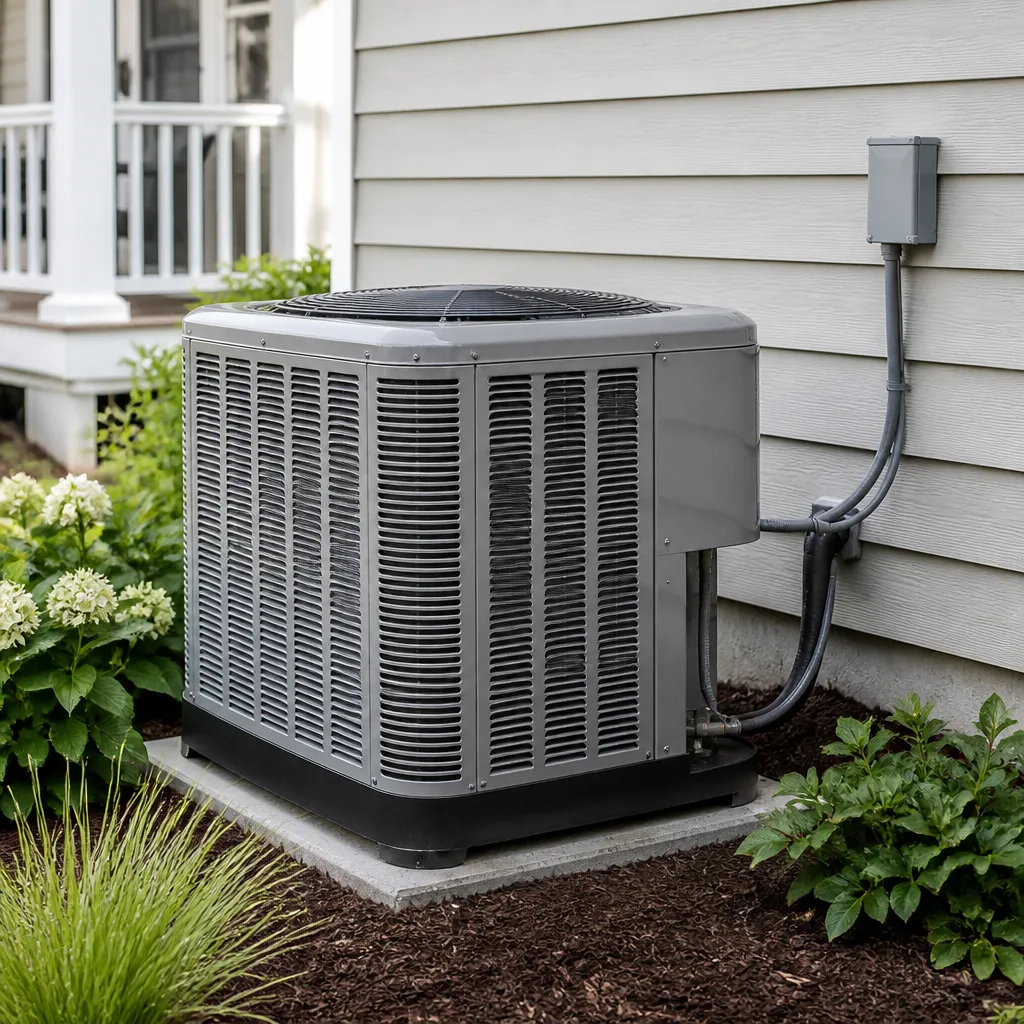 AC repair
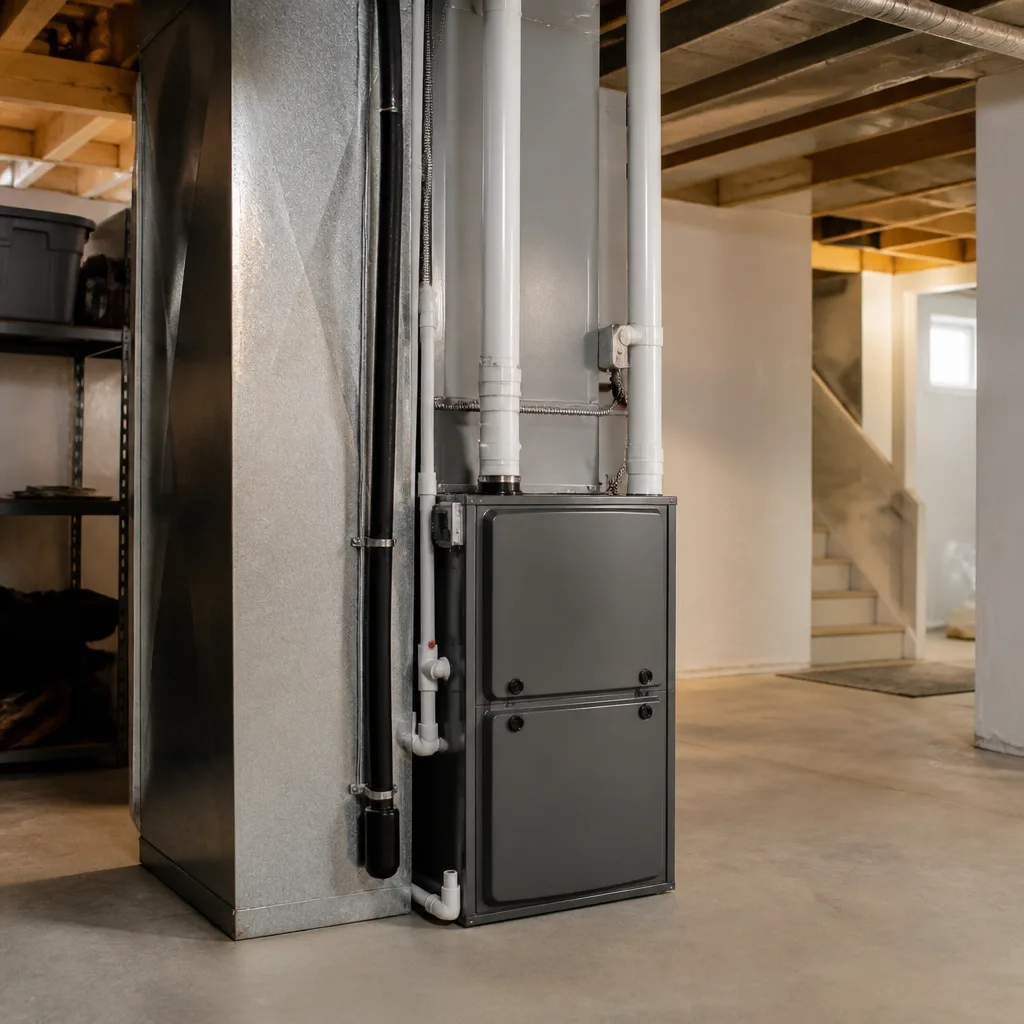 Furnace & heating
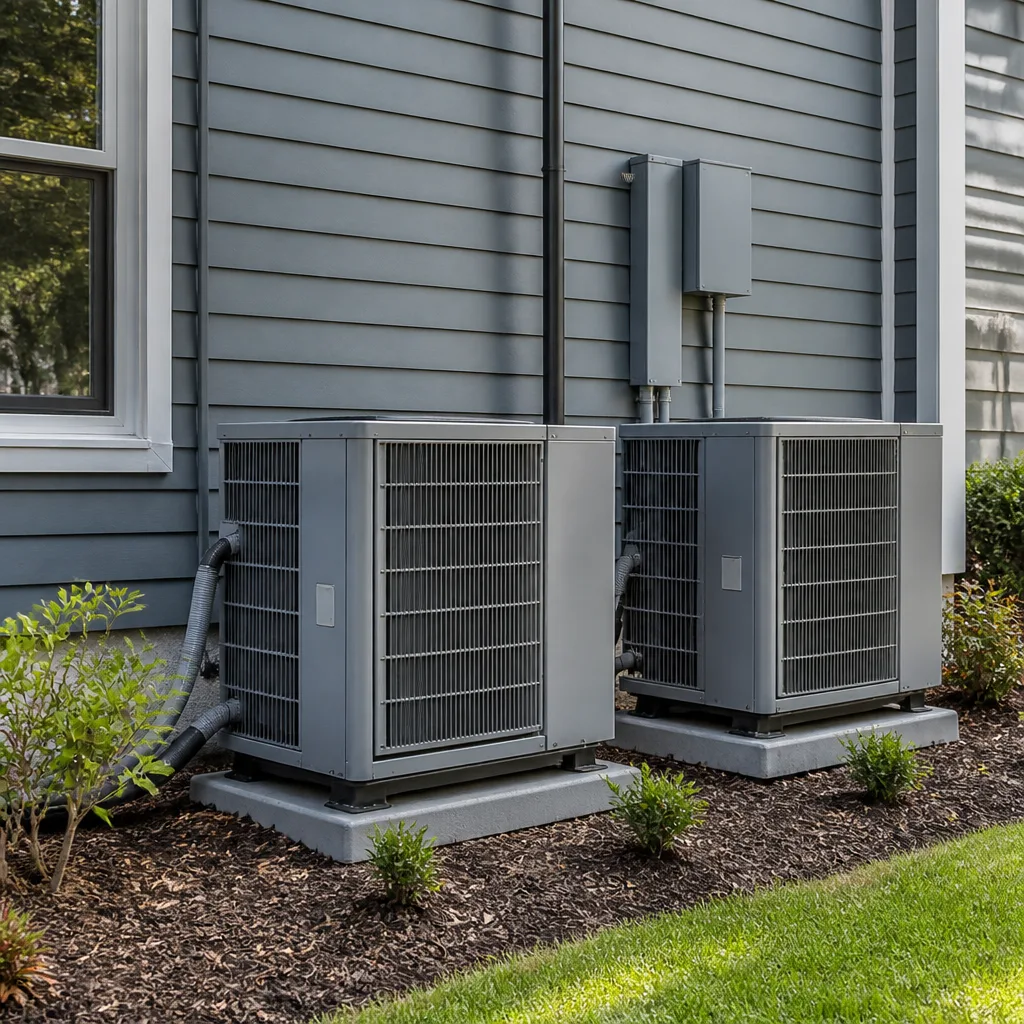 Heat pumps
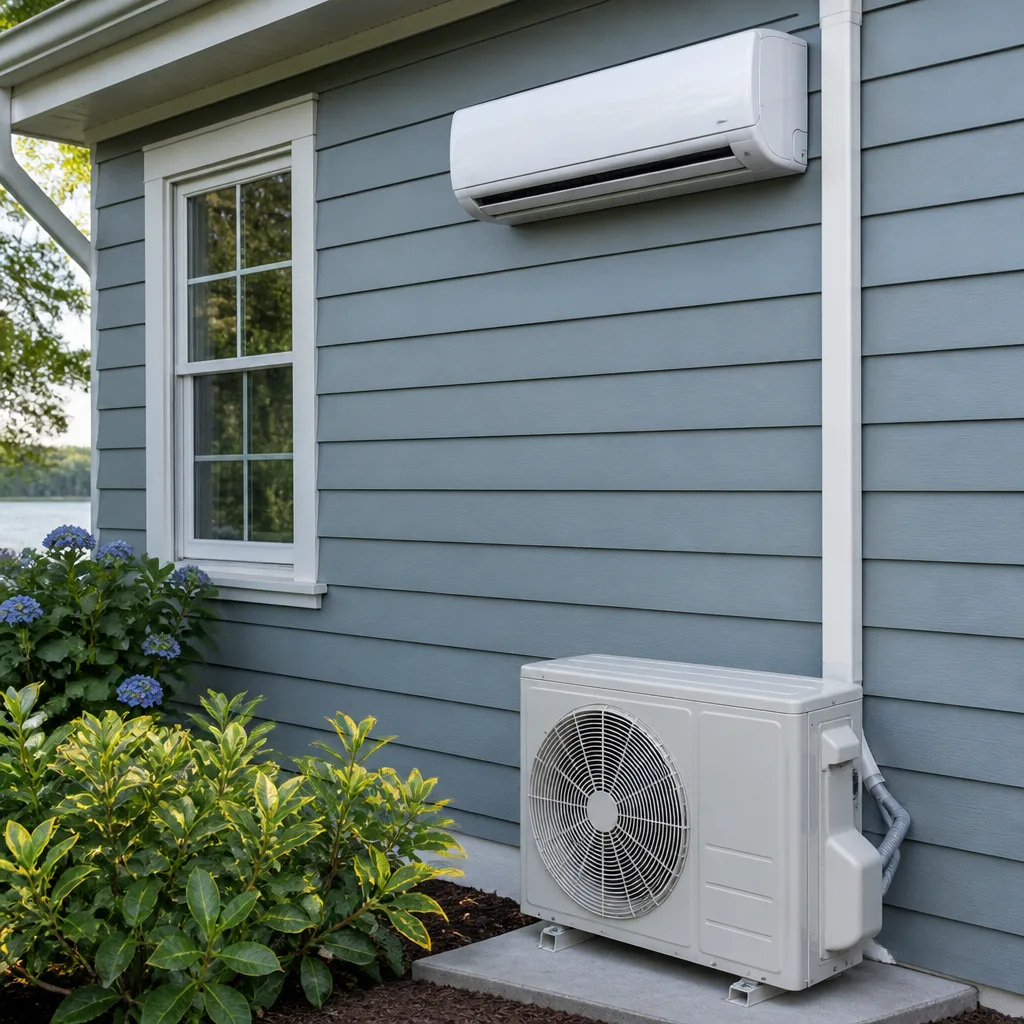 Ductless mini splits
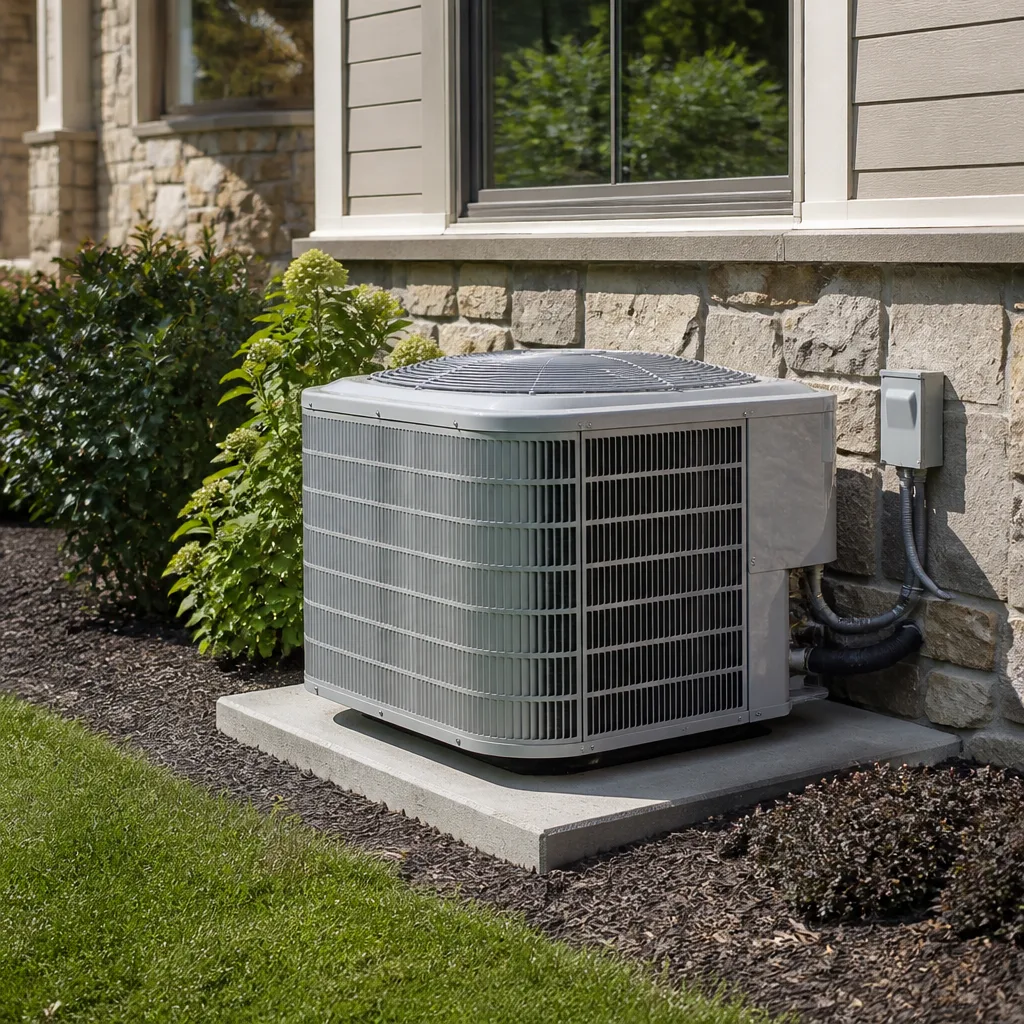 Carrier
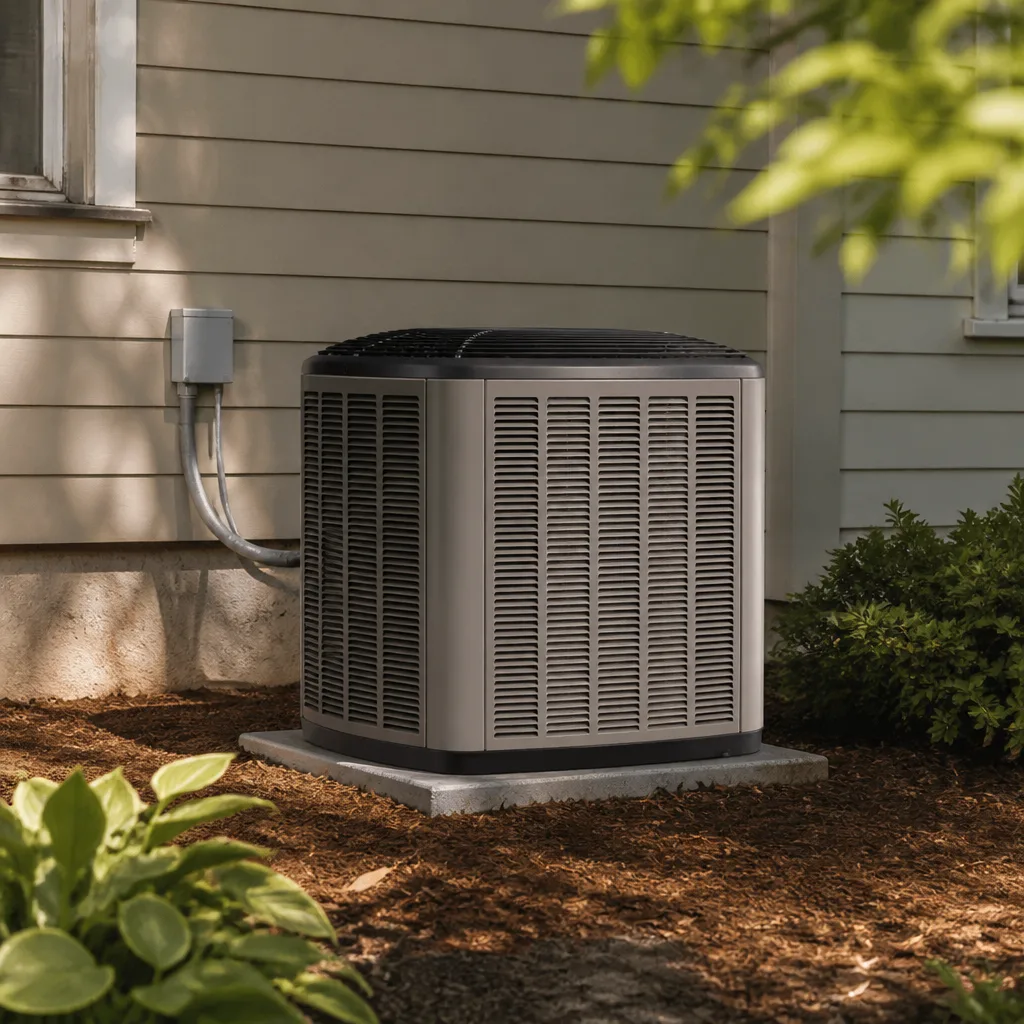 Trane
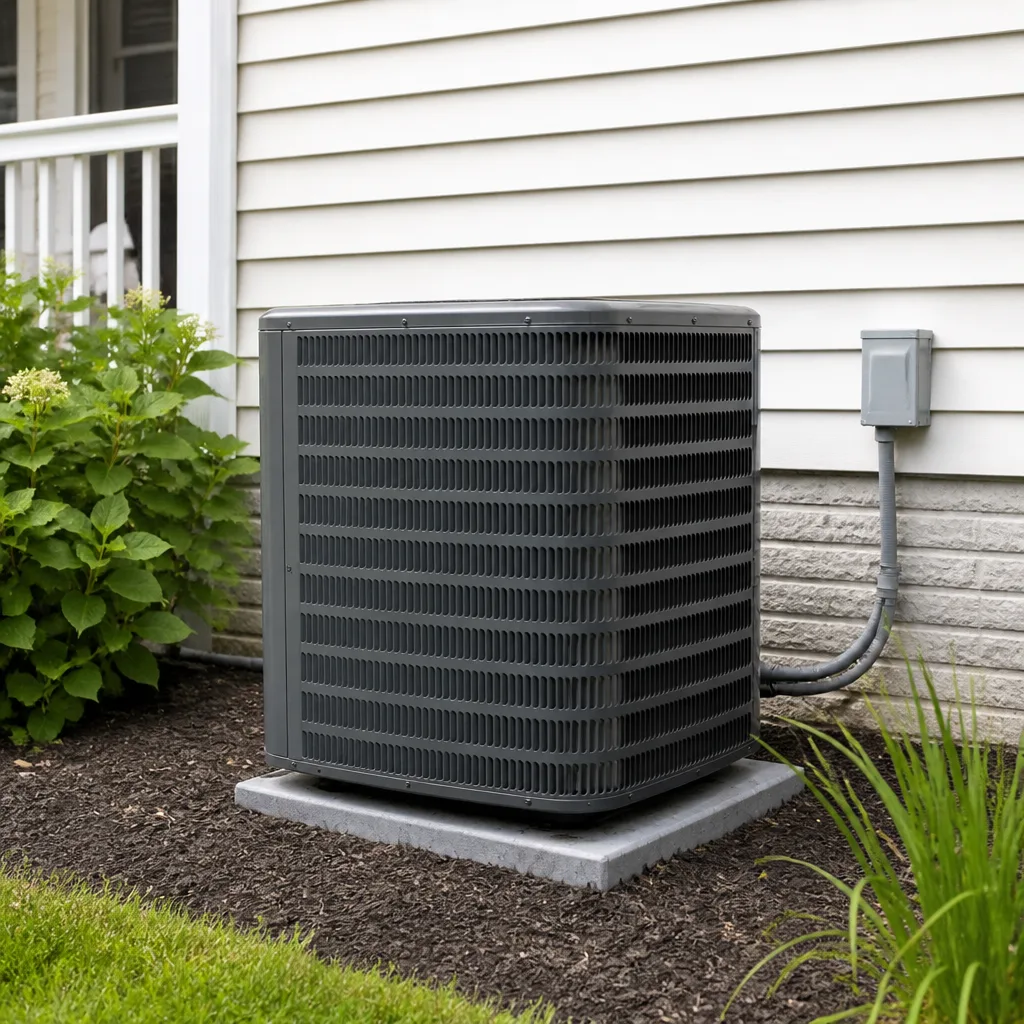 Goodman
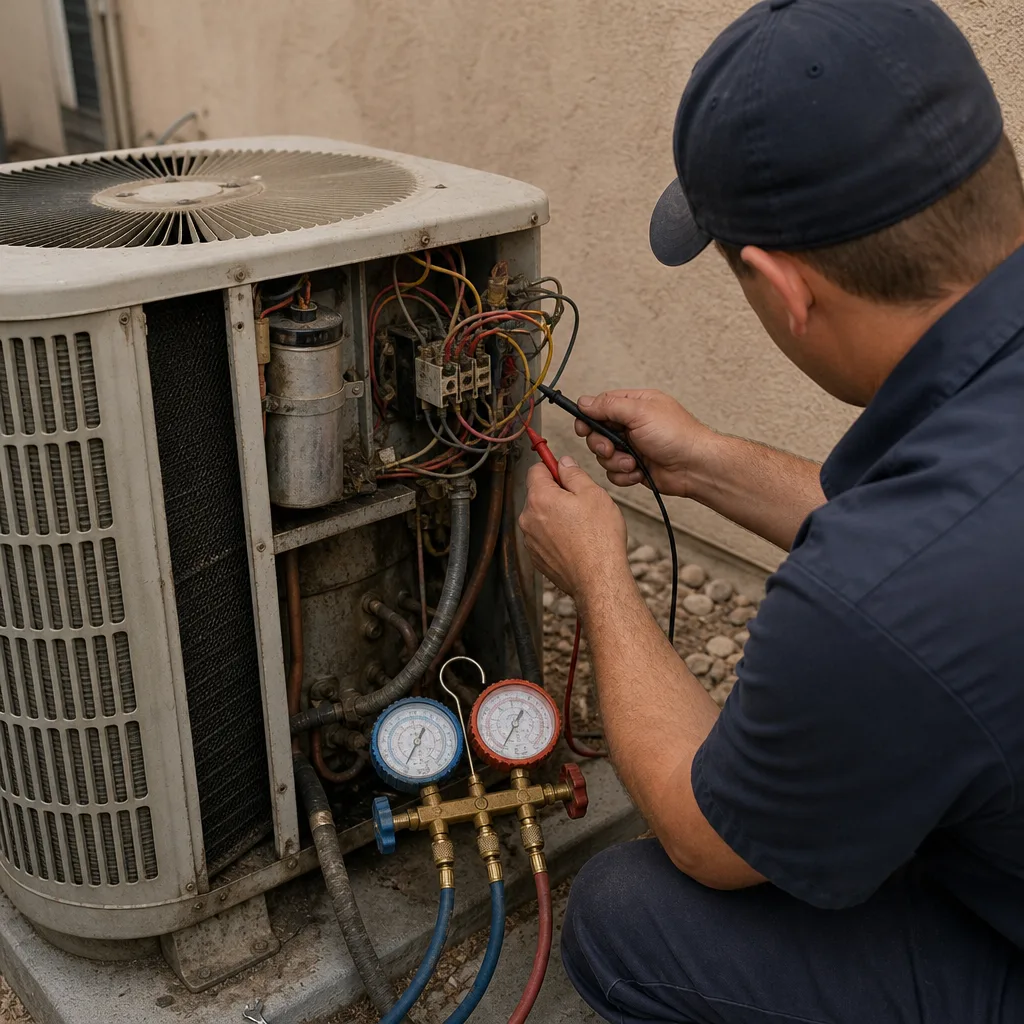
Seasonal tune-up and full diagnostic on your Carrier, Trane, or Goodman system - readings shown to you before any repair is proposed
Diagnosis first, numbers second - you approve the repair price before a single part goes in.
Get your free estimateAir Quality & Ventilation Maintenance Schedule: What to Do and When
Boulder City averages fewer than 25 days of rain per year. That single fact changes how you should care for your home’s air. Rain washes dust, pollen, and smoke out of the sky. Here, it doesn’t. The particulates that rainfall normally scrubs from the air in wetter climates just keep circulating – through your filters, your ducts, and your lungs. We’ve watched families in Boulder City replace filters twice as often as the manufacturer’s label suggests and still pull out gray, loaded panels every time. This guide gives you a month-by-month ventilation and air quality calendar built around what the Mojave actually does to a house, not a checklist copied from a Midwest HVAC textbook.
Quick Answer
The core of a Boulder City air quality and ventilation schedule is this: change filters every 60 to 90 days (more often in dust-storm season), clean ERV and HRV cores every six months instead of annually, and test your ventilation balance before summer and again before winter. Pre-summer filter swaps belong in April, not June – by June, the equipment is already working against a season of built-up dust.
Styles & brands we work with
- AC repair
- Furnace & heating
- Heat pumps
- Ductless mini splits
- Carrier
- Trane
- Goodman
Table of Contents
- Why Desert Air Needs Its Own Schedule
- The Month-by-Month Boulder City Calendar
- Filters: The April Rule and Filter Sizing
- ERV and HRV Core Cleaning: The Caliche Dust Problem
- The Winter Check Most Homeowners Skip
- How to Log Your Own Baseline Air Quality
- Which “Annual” Tasks Need to Happen Twice a Year
- Common Mistakes to Avoid
- When to Call a Professional
- Frequently Asked Questions
Why Desert Air Needs Its Own Schedule
Most maintenance calendars are written for “average” U.S. climates – places with four seasons, regular rainfall, and moderate humidity. Boulder City is none of those. Summer highs push past 110°F. Humidity sits in the single digits most of the year. And the wind carries caliche dust, the fine alkaline powder that blows off disturbed desert soil and settles into everything.
Each of those factors changes what your air handling equipment has to survive:
- Heat: At 110°F, your system runs longer cycles, which pulls more air through the filter and loads it faster. A filter that lasts 90 days in a mild climate can load in 45 here.
- Low humidity: Dry air holds more suspended dust and less moisture to weigh it down, so particulates stay airborne longer and travel deeper into your returns.
- Dust storms: Spring and early summer winds push caliche dust through every gap – window frames, door sweeps, fresh-air intakes. One storm can deposit more debris in your filter than a month of normal use.
- Sealed homes: Because we run the AC nearly year-round, most Boulder City houses stay closed up tight. That means ventilation matters more here, not less – you aren’t getting fresh air through open windows the way you would somewhere with a mild spring.
The takeaway is simple. The schedule that keeps a house comfortable and healthy in a wetter climate won’t keep up here. You need shorter intervals and a seasonal calendar that front-loads the work before the heat arrives.
The Month-by-Month Boulder City Calendar
Here’s the schedule we hand to homeowners who want to stay ahead of their system instead of chasing it. Times are approximate; adjust if you have pets, a wood-burning stove, or heavy dust exposure. Our Fireside Heating & Air Co. Boulder City home page covers the service side if you’d rather have a technician run the checks.
- February: Inspect and replace the filter after winter furnace use. Check return registers for dust buildup.
- March: Pre-dust-storm season sweep. Inspect window and door weatherstripping, and confirm outside air intakes are screened.
- April: The critical pre-summer filter swap. Clean the ERV or HRV core. Test ventilation balance before the AC season begins.
- May: Schedule an AC tune-up if you haven’t. Dust that settled over winter gets pushed into the system once cooling starts.
- June through August: Mid-season filter check at 60 days. After any major dust storm, check the filter and clean vents within the week.
- September: Post-summer filter swap. Inspect coils and drains after heavy cooling load.
- October: Second ERV or HRV core cleaning. Pre-winter ventilation balance test.
- November through January: Winter filter check. Confirm the ventilation system is actually running, not just cycling air.
In Natomas-style desert neighborhoods around Boulder City – tight lots, new builds, sealed envelopes – we regularly see the April swap skipped, and the system strains all summer against a filter that loaded in March. That single missed task costs more in efficiency than most homeowners realize.
Filters: The April Rule and Filter Sizing
If you take one thing from this guide, take the April rule. Swap your filter in April – before the first sustained heat – rather than waiting for June. By June, your system has already spent weeks pulling desert dust through a filter that has been loading since February, and the coil behind it is catching what the filter can’t hold.
Here’s why April matters more in Boulder City than almost anywhere:
- Spring winds carry caliche and fine sand that standard household dust doesn’t.
- Cooling season starts earlier here – often by late April – so your system sees real cycles before summer even arrives.
- Rain rarely scrubs the air, so the dust you see in April is the same dust you’ll be breathing in August if the filter can’t trap it.
On filter type: a MERV 8 to MERV 11 pleated filter handles most Boulder City homes well and won’t choke airflow. Higher MERV ratings capture more fine particles, but they also create more resistance, and in a system running long cycles at 110°F, resistance matters. Match the filter to your equipment’s rated airflow rather than buying the highest number on the shelf. If you’ve got respiratory concerns, ask us during a tune-up and we’ll help you decide. Our AC repair and installation service in Boulder City team checks filter sizing and static pressure on every visit.
ERV and HRV Core Cleaning: The Caliche Dust Problem
Energy recovery ventilators and heat recovery ventilators bring fresh air into a sealed home while keeping your conditioned air from leaking out. In a tight Boulder City house, that’s valuable – it’s how you get clean air without opening a window into a 108°F afternoon. But the core – the heat-exchange element inside the unit – collects dust, and desert dust is not the fluffy gray lint your clothes dryer catches.
Caliche dust is fine, alkaline, and slightly adhesive when it settles. Standard household dust tends to coat evenly and rinse away with a quick vacuum. Caliche bonds to the core fins, and once it builds up, airflow through the ventilator drops – so the system quietly stops moving fresh air while still running, burning energy, and giving you no benefit. That’s the failure mode most homeowners never notice until the air feels stale and the unit is already working against years of buildup.
The fix is a cleaning interval, not a deep-clean scramble:
- Every six months: remove the core and wash per the manufacturer’s instructions – most modern Daikin and Carrier units use cores that rinse in warm water.
- After any heavy dust storm: check the core within two weeks; a storm can accelerate fouling by months.
- Inspect filter screens on the intake: these catch the bulk of caliche before it reaches the core. Clean or replace them quarterly.
- Replace the core only when cleaning no longer restores airflow – and confirm the unit is running at proper balance before assuming the core is the problem.
Twice-yearly cleaning is the interval that prevents premature failure in desert conditions. The annual cleaning many manuals call for assumes moderate dust. Boulder City doesn’t offer moderate dust. Our heat pump and mini split service in Boulder City includes ventilation components when we’re on site.
The Winter Check Most Homeowners Skip
When the heat comes on and the windows stay shut, most Boulder City homes go into a sealed state for weeks. That’s when the ventilation check that gets skipped all year matters most. Here’s the one task people forget: verify that your fresh-air ventilation is actually running with the furnace, not just cycling stale air.
If the ventilator quietly stopped pulling fresh air (clogged core, tripped motor, screens loaded with caliche), your home keeps recirculating the same indoor air all winter. Moisture from cooking, showers, and laundry has nowhere to go. In a tightly sealed desert home, that trapped moisture is exactly the condition that grows mold behind drywall and on cold exterior walls – even in a climate with single-digit outdoor humidity.
The winter ventilation check is quick:
- Confirm the ventilator runs when the system calls for heat, not just on its own timer.
- Hold a tissue or a strip of toilet paper near a supply register on the ventilator and watch for steady pull or push.
- Check that intake screens aren’t packed with dust; brush them clean.
- Watch bathroom and kitchen exhaust fans for reduced draw – a weak fan means moisture is being pushed into the walls, not out.
We’ve been called into Boulder City homes in January where the bath fan was running but barely moving air because the outside duct had filled with dust. The fix was simple. The mold it had already caused was not.
How to Log Your Own Baseline Air Quality
The best way to catch an air quality problem is before it becomes one – and the way to do that is to know your own baseline. You don’t need lab equipment. A modest indoor air quality monitor (particulate, humidity, and CO2 are the useful readings) plus a notebook or a phone app will do the job. Here’s how we set homeowners up:
- Choose one location – a main living area, away from vents, doors, and the kitchen – and always read from the same spot.
- Record a weekly reading on the same day and time. Note any dust storms, cooking, or window opening in the previous 24 hours.
- Track three numbers: fine particulate (PM2.5), relative humidity, and CO2. PM2.5 shows dust load; humidity shows moisture risk; CO2 shows ventilation effectiveness.
- Watch the trend, not the single reading. If PM2.5 creeps up over several weeks while your routine hasn’t changed, something in the system is drifting – a filter, a duct, or the ventilator.
- Bring the log to your tune-up. A technician who sees a trend can find the cause faster than one starting from scratch.
This is how you notice drift before it becomes a health problem. In our experience, the homes that log their readings catch a failing ERV core or a duct leak months before the homeowner would have felt anything. Our heating and furnace service in Boulder City team uses the same approach when we walk a home before the winter season.
Which “Annual” Tasks Need to Happen Twice a Year
The standard residential maintenance calendar treats many tasks as annual. In Boulder City, some of them need to be doubled. Here’s the list, with the reason each one changes:
- ERV/HRV core cleaning: Annual in moderate climates; every six months here because caliche dust fouls cores twice as fast.
- Filter replacement: Every 90 days is the baseline; every 60 days in summer and after dust storms.
- Ventilation balance check: Once yearly is standard; do it before summer and again before winter because sealed-home conditions change season to season.
- Condensate drain check: Once a year is fine in dry climates, but during heavy cooling months a clogged drain can back up fast – check before the season and mid-summer.
- Duct inspection: Annual in mild climates; inspect twice in homes with dust exposure or older flex duct, which can develop leaks at the seams.
Why does desert dust change the intervals? Because the load is higher. Your system sees more particulate year-round, so the components that trap it hit their limits sooner. Doubling the frequency on these five tasks is the single highest-value adjustment you can make to a generic maintenance schedule. If you want a written plan for your specific home, our Boulder City AC service includes a full system walkthrough.
Common Mistakes to Avoid
- Waiting until June to swap the filter. By then the dust has already loaded the coil. Do it in April, before the heat.
- Cleaning the ERV or HRV core once a year. Annual cleaning is a moderate-climate recommendation. With caliche dust, six months is the real interval.
- Skipping the winter ventilation check. A ventilator that stopped running silently means stale, humid air all winter – the setup for mold in a sealed home.
- Buying the highest MERV filter the shelf offers. In a system running long desert cycles, high resistance hurts airflow. Match the filter to your equipment.
- Ignoring the intake screens. They’re the first line of defense against caliche reaching the core. Clean them quarterly, not annually.
- Associating “no visible dust” with clean air. Fine particulates are invisible. That’s why logging a baseline matters more here than anywhere.
- Letting a duct leak go because the rooms still feel cool. A leaking return pulls attic and wall dust straight into your air. Have the ducts inspected twice a year in Boulder City.
When to Call a Professional
Some of this schedule you can handle yourself – the filter swaps, the core rinse, the baseline log. But a few situations call for a trained technician, and they’re worth knowing precisely. Call us if your baseline log shows PM2.5 or humidity drifting over several weeks, if the ventilator doesn’t clearly move air when you test it, if you smell mustiness in a sealed room during winter, or if you’ve found condensation or staining on cold walls. We also recommend a professional duct inspection for any home with older flex duct or a history of dust-storm exposure. Fireside Heating & Air Co. Boulder City offers free estimates in Boulder City – call (844) 312-0133. Every job is backed by our 90-Day Done Right Promise, and a live person answers the phone around the clock.
Frequently Asked Questions
Every 60 to 90 days, and more often during dust-storm season or if you have pets. Desert dust loads filters faster than in wetter climates. Swap before summer in April, not June, and check within a week after any major dust event. Call (844) 312-0133 for an exact recommendation based on your system.
Because caliche dust bonds to the core fins and fouls them roughly twice as fast as standard household dust. Cleaning every six months – and after heavy dust storms – keeps airflow through the ventilator where it belongs. A clogged core can cut fresh-air delivery without any obvious warning.
Test airflow at a supply register with a tissue or a strip of toilet paper, and confirm the ventilator runs when the system calls for heat or cooling. If pull feels weak or the unit runs without moving air, the core or screens are likely fouled. Our team can verify balance during a tune-up – call (844) 312-0133.
Because indoor moisture comes from inside, not outside. Cooking, showers, and laundry add humidity that a working ventilator should carry away. If the ventilator has quietly stopped pulling fresh air, that moisture gets trapped and condenses on cold walls all winter. It’s the single most-skipped check we see in Boulder City homes.
Yes. A home sealed up against 110°F heat needs fresh-air ventilation more, not less, because you’re not opening windows the way you would in a mild climate. The filtration and ventilation system is the only path fresh air has. Call (844) 312-0133 if you’re unsure your system is moving air.
Yes. Our technicians service all nine major residential brands – including Daikin, Bryant, and American Standard – and background-checked, uniformed techs handle the tune-up, ventilation checks, and duct inspection in one visit. Call (844) 312-0133 for a free estimate.
The Bottom Line
A Boulder City maintenance schedule isn’t a generic calendar with the city name pasted on. It’s shorter intervals, an April filter swap that front-loads the work before summer, twice-yearly ERV core cleaning to beat caliche dust, a winter ventilation check to keep sealed homes dry, and a baseline log so you catch drift before it’s a problem. Handle the routine tasks yourself and call a pro when the numbers drift or the air feels off. That’s the schedule the Mojave actually requires – and it’s how you keep a sealed desert home breathing clean. Call (844) 312-0133 for a free estimate, and we’ll put the plan in writing.
Written by the team at Fireside Heating & Air Co. Boulder City.
See the difference
 Before
 After
 Before
 After
 Before
 After