
Last updated November 18, 2026
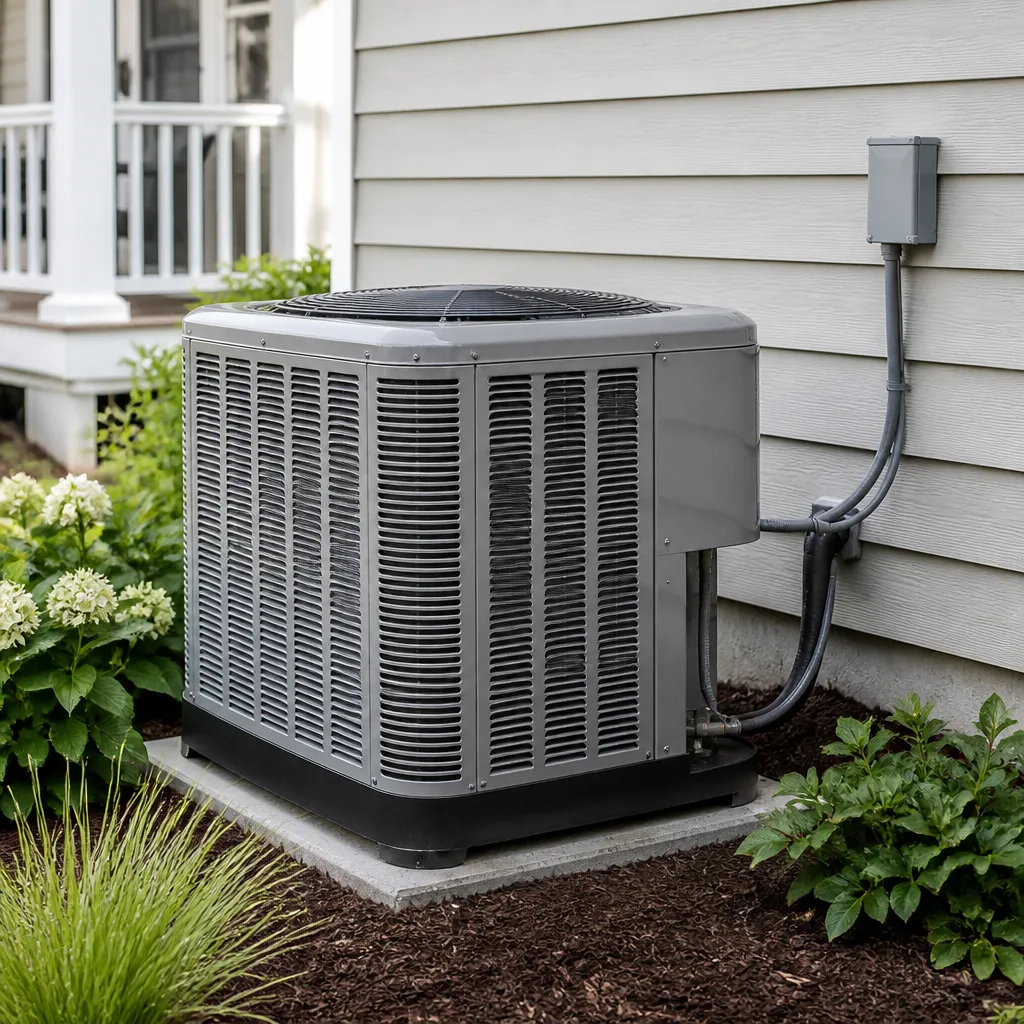 AC repair
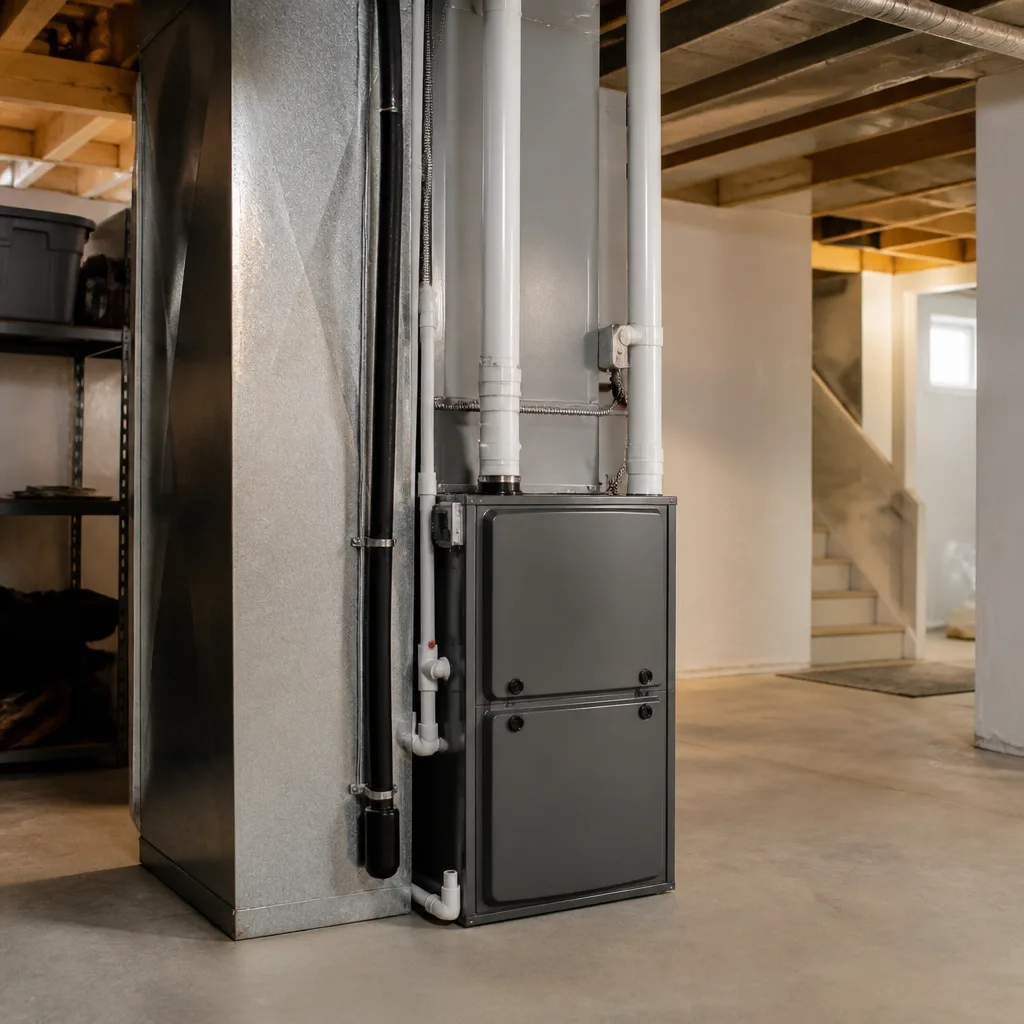 Furnace & heating
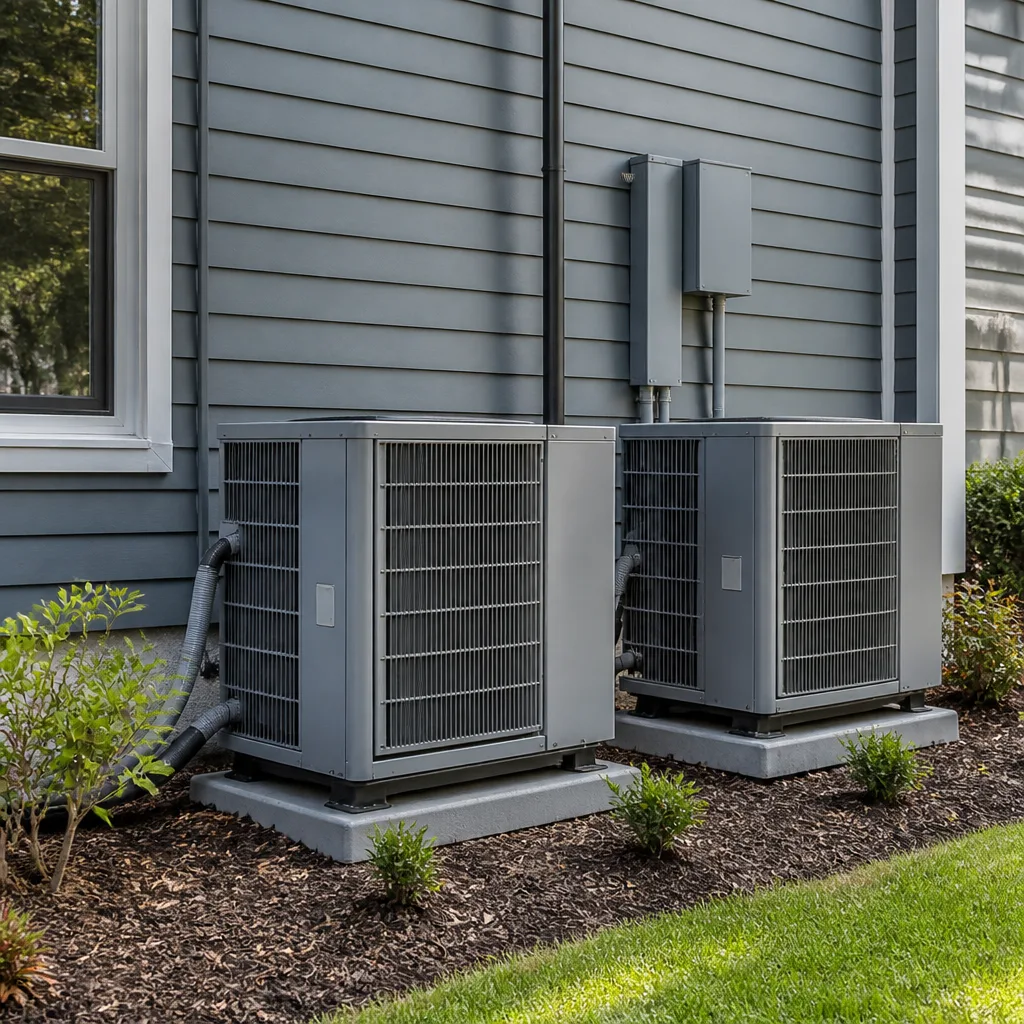 Heat pumps
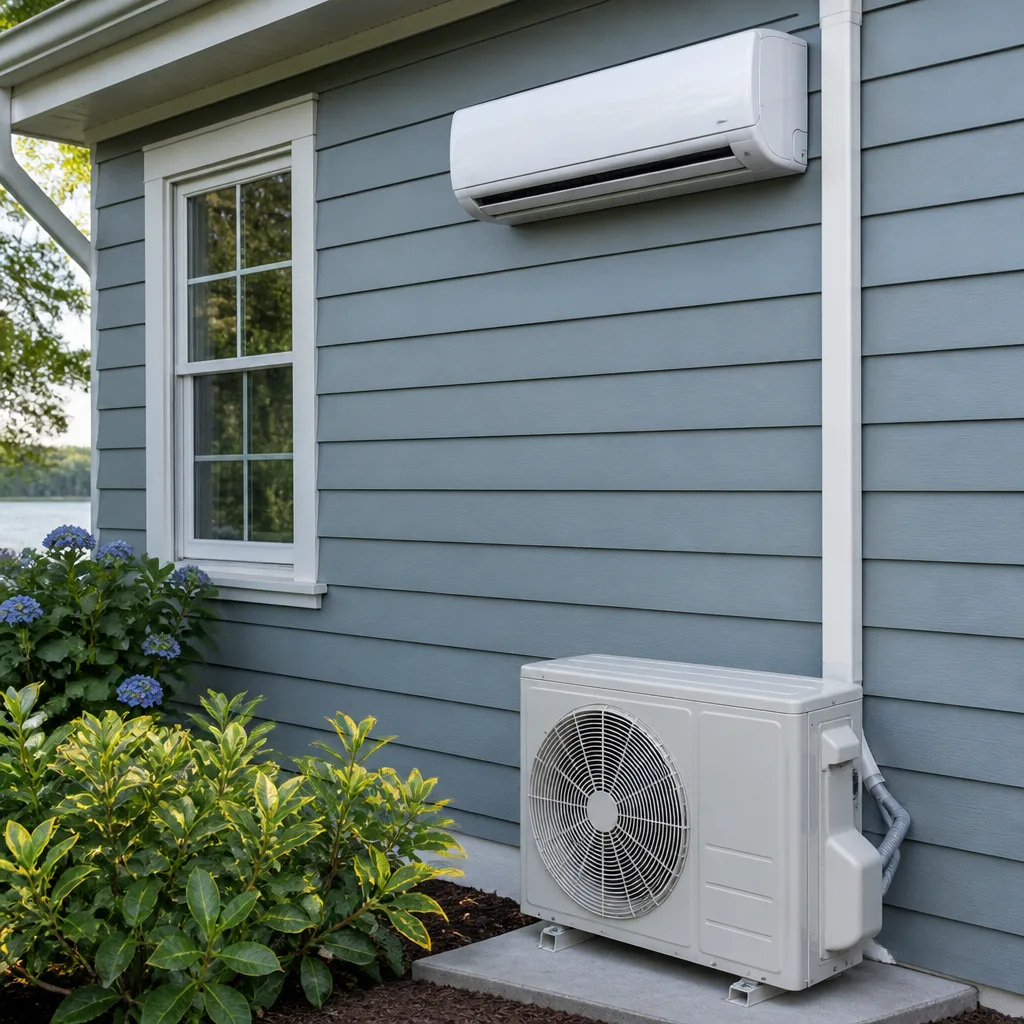 Ductless mini splits
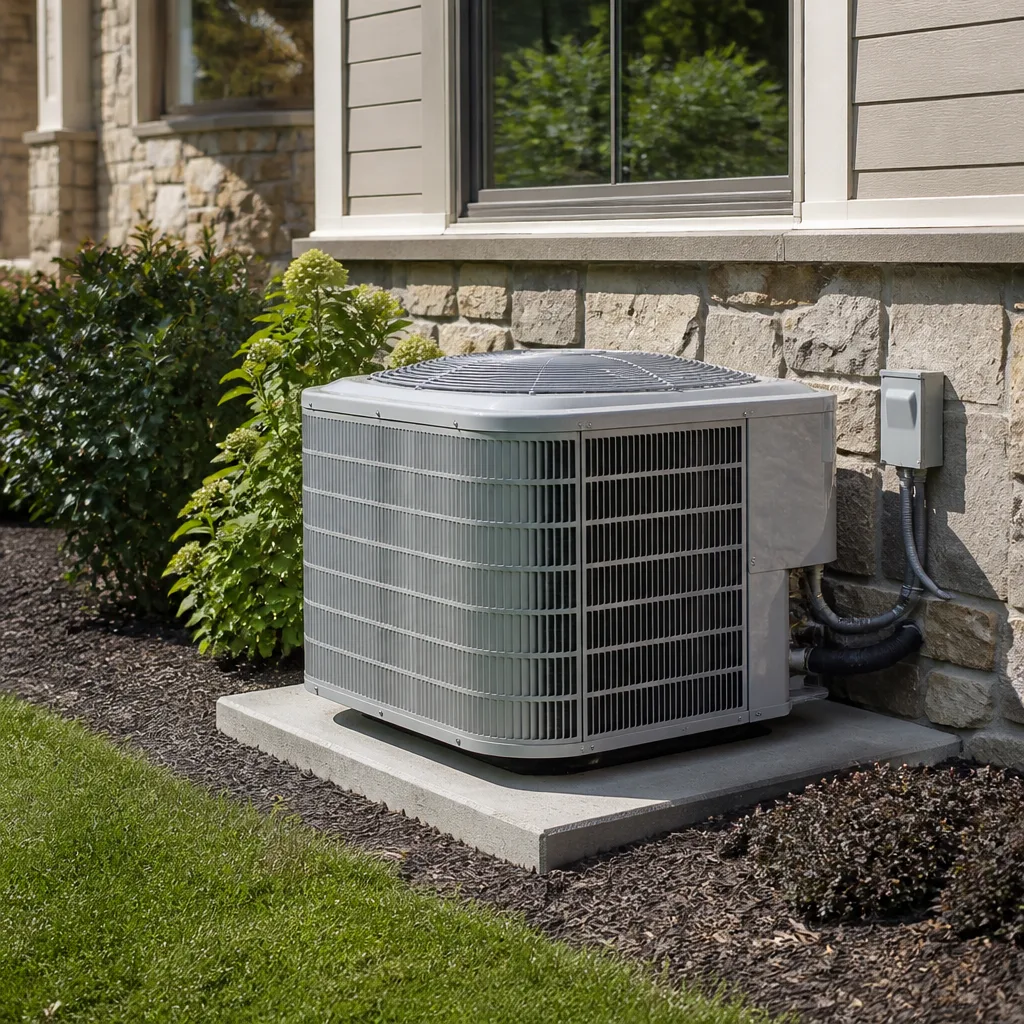 Carrier
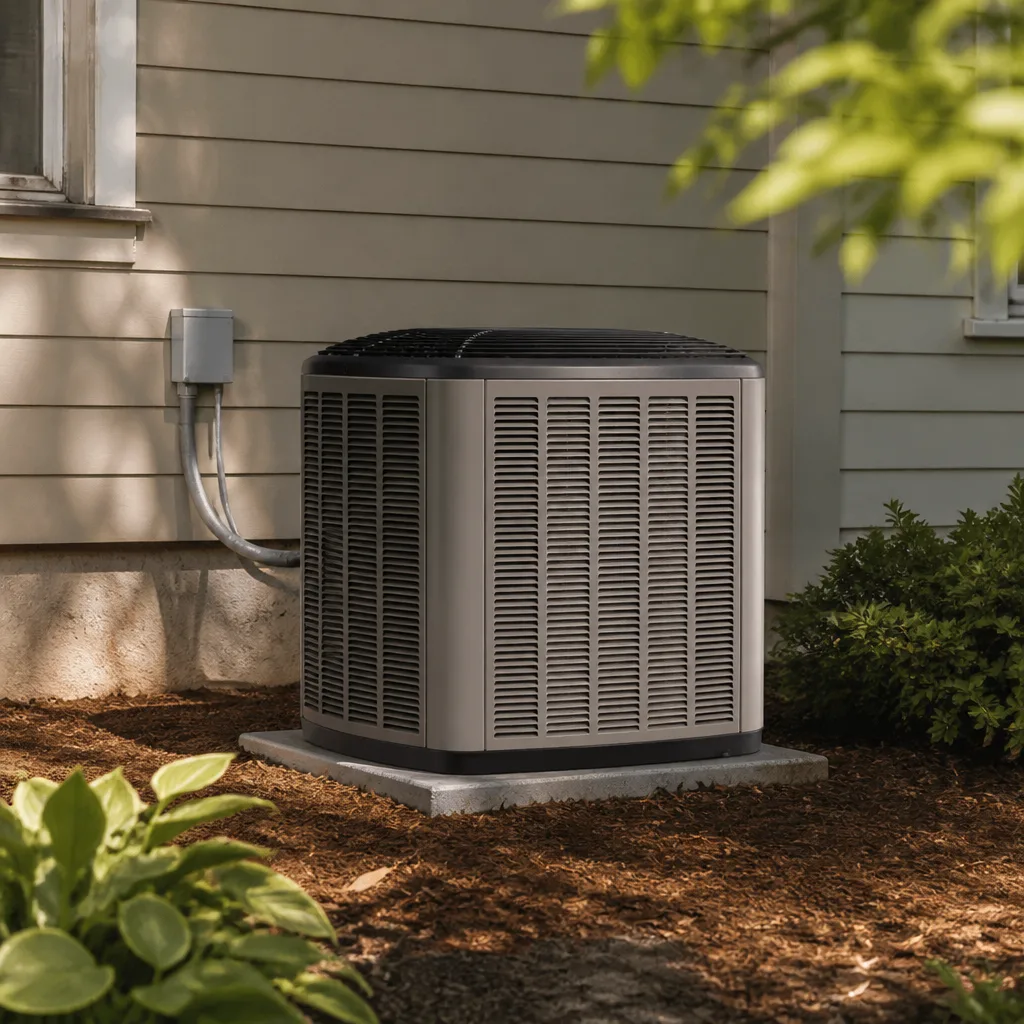 Trane
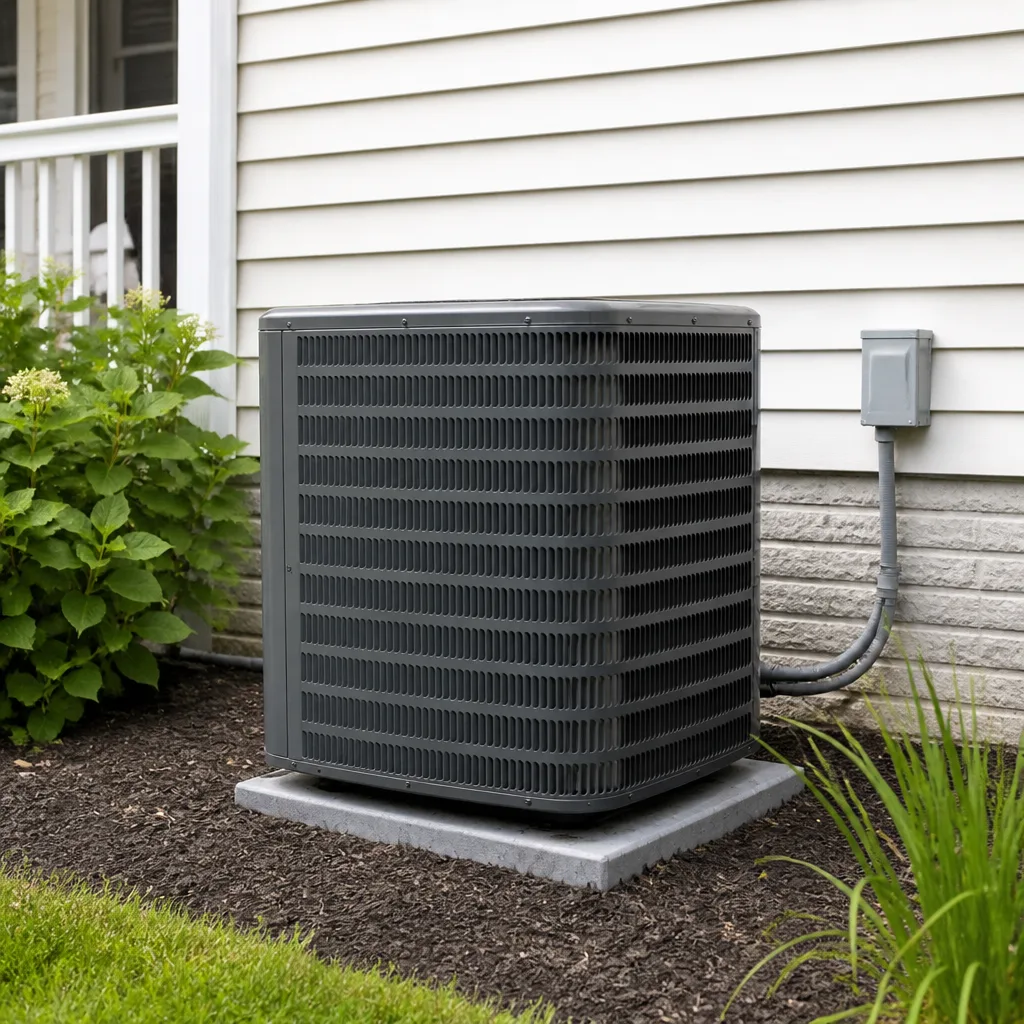 Goodman
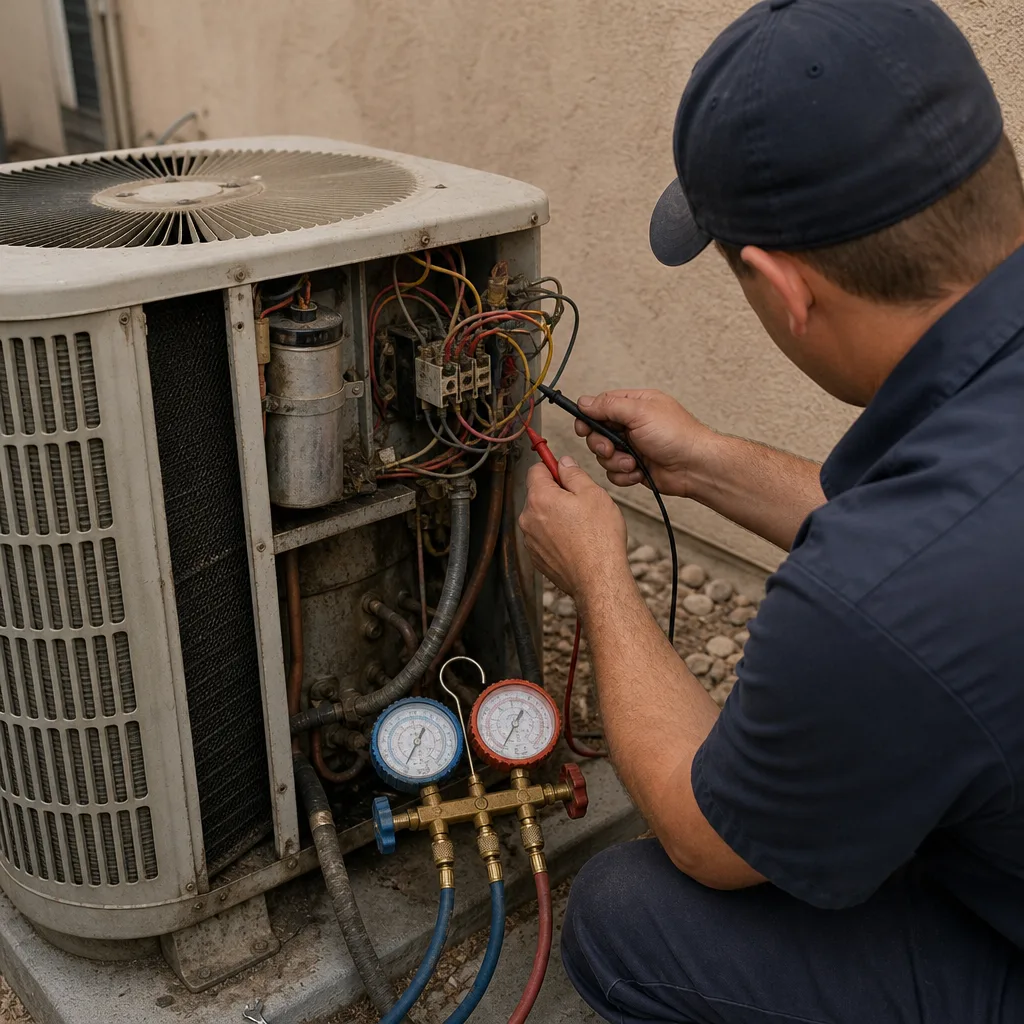
Seasonal tune-up and full diagnostic on your Carrier, Trane, or Goodman system - readings shown to you before any repair is proposed
Diagnosis first, numbers second - you approve the repair price before a single part goes in.
Get your free estimateAir Quality & Ventilation Warning Signs Every Homeowner Should Know
If everyone in your house sleeps fine at a hotel but wakes up congested at home, your ventilation system is telling you something – and it’s not allergies. That’s the part most homeowners miss. They wait for the obvious signs, the visible mold or the smoke smell, and by then the problem has been quietly building for a season or two. In our experience across Boulder City, the signals that matter most are the ones people explain away: the window that fogs on the inside, the headache that only shows up in the back bedroom, the electric bill that crept up without any change in habit. This guide walks through those signals one by one, so you know what you’re actually looking at and when it’s time to call.
Quick Answer
The most reliable warning signs of a ventilation problem are indoor condensation on windows in a dry climate, symptoms that follow you room to room but clear up when you leave the house, filters that load up faster than they should, and energy bills that climb without a matching change in weather. Any one of these is worth a look. Two or more together usually means the system isn’t moving air the way it’s supposed to, and a professional inspection is the fastest way to know for sure.
Styles & brands we work with
- AC repair
- Furnace & heating
- Heat pumps
- Ductless mini splits
- Carrier
- Trane
- Goodman
Table of Contents
- Why Interior Window Condensation Is a Red Flag in the Desert
- The Symptom Pattern That Points to Localized Ventilation Failure
- Filter, ERV Core, or Duct Leak: Telling Them Apart Without Tools
- What Your Energy Bill Says About Ventilation Performance
- The Smell Boulder City Homeowners Dismiss as “Just the Desert”
- A Room-by-Room Walkthrough You Can Do This Weekend
- Common Mistakes to Avoid
- When to Call a Professional
Why Interior Window Condensation Is a Red Flag in the Desert
In most of the country, fogged windows in January are ordinary. In Boulder City, they’re a signal. Our air is dry enough that a sealed, well-ventilated house rarely collects moisture on the inside of the glass. When you see it – especially on the glass in a bathroom, a laundry room, or a bedroom where someone sleeps with the door closed – the moisture has to be coming from somewhere, and it usually means stale humid air is trapped and not being exchanged with outside air.
A little condensation on the bathroom mirror during a shower is normal and clears within minutes. What’s not normal is condensation that lingers, forms on windows in rooms nobody has showered in, or shows up on the inside of a sliding glass door on a cool morning in Boulder City when the outdoor humidity is low. That pattern tells us a few things at once:
- Moisture is accumulating faster than the home can exhaust it
- Exhaust fans may be undersized, clogged, or venting into the attic instead of outdoors
- A heat recovery or energy recovery ventilator (ERV) may not be running, or its core may be saturated
- Return air paths may be blocked by closed doors, furniture, or a sealed-off transfer grille
In our experience, the homes that collect interior condensation in Boulder City are often the tighter, newer builds and the well-sealed older homes that have had windows replaced. Both hold air well. That’s good for efficiency and bad for air exchange if the ventilation side was never upgraded to match. Left alone, chronic interior moisture finds cooler surfaces – window frames, exterior wall corners, the back of a closet – and that’s where real damage starts.
The Symptom Pattern That Points to Localized Ventilation Failure
Here’s the distinction that matters. A whole-house air quality problem tends to affect everyone in every room. A localized ventilation failure has a pattern, and the pattern is the diagnosis. If your headaches happen only in the home office, or your spouse wakes up congested but you don’t, or the kids are fine until they spend an hour in the bonus room, pay attention to where the symptoms cluster.
Boulder City homes have a few common culprits for this. Converted garages, enclosed patios, and additions that were finished without tying into the central return path often become air pockets. So do bedrooms with the door closed all night and no return grille nearby – the room goes slightly positive in pressure, the supply air struggles to get in, and stale air just sits. A guest room that’s closed off eleven months of the year is another classic.
Use this simple exercise to map what’s going on:
- Write down each room and how you feel after 30 minutes in it. Note headaches, fatigue, dry eyes, or a scratchy throat.
- Note whether the door is usually open or closed, and whether there’s a supply and return vent in that room.
- Check whether the room has its own thermostat or shares the main one.
- Repeat the exercise after a night away from home. If you feel better after two nights in a hotel, you’ve confirmed an indoor source.
- Hand the notes to a technician. That map is worth more than an hour of guessing.
If the pattern is consistently room-specific, the fix usually sits in the duct design or the balance of the system – a damper out of adjustment, a missing return, a supply register that was closed and never reopened. That’s honest repair work, and it tends to be straightforward once someone looks at the whole picture. For the heating side of the equation, our team covers heating and furnace service in Boulder City and can check the air handler and duct connections in the same visit.
Filter, ERV Core, or Duct Leak: Telling Them Apart Without Tools
Most homeowners assume every air quality complaint is a filter problem. Sometimes it is. But a dirty filter, a failed ERV core, and a duct leak look different if you know what to observe, and treating the wrong one wastes money and time. Here’s how we walk a homeowner through the distinction over the phone.
A dirty filter is the simplest case. The filter is visibly loaded when you pull it, the system feels like it’s breathing through a straw, airflow at the registers is weak across the whole house, and the problem clears up after replacement. Filters on a normal schedule in Boulder City – because of our dust and spring pollen – usually want a look every 30 to 90 days depending on the type.
A failed ERV core is subtler. The unit may still run and sound normal, but the core itself – the heart of the exchanger – can clog with dust or degrade, and the amount of fresh air it actually delivers drops without any obvious noise or shutdown. Signs include stale air in every room, interior condensation that won’t clear, and the sense that the house feels “thick” even though the thermostat is satisfied. A clogged ERV core also lets moisture and odors recirculate instead of exhausting them.
A duct leak shows up as a room that never quite gets comfortable, dust that collects around a specific register or joint, and air you can feel escaping at a seam in the attic or crawlspace. In Boulder City, where attic temperatures swing hard between seasons, duct connections and flex runs take a beating. A leak pulls attic air into the system – and attic air is not the air you want to breathe.
- Filter: weak airflow everywhere, visible loading, improves after replacement
- ERV core: stale air everywhere, lingering moisture, unit sounds normal but fresh-air delivery has dropped
- Duct leak: one room noticeably worse, dust near joints, air movement at seams
If you’re also noticing that the system isn’t keeping up on a hot afternoon, it may be worth having the cooling side looked at too – our AC repair and installation team in Boulder City handles both at once.
What Your Energy Bill Says About Ventilation Performance
Your utility bill is the earliest warning system you have, and it speaks up before you feel anything. A ventilation system that’s working against you – leaking ducts, a core that’s not exchanging heat, a fan running constantly because a damper failed – forces the heating and cooling equipment to work harder. You don’t see the problem. You see the number.
Pull the last twelve months of bills and line them up. Boulder City has hot summers and mild winters, so a normal year has a clear summer spike and a modest winter bump. What you’re looking for is a bill that climbs in a month when the weather didn’t justify it, or a home that costs noticeably more to run than a neighbor’s house of similar size. If you can compare two similar homes on the same block, that’s one of the most useful data points we get.
Watch for a few specific patterns:
- A summer bill that jumps 15 to 25 percent in a mild month with no change in usage
- Winter heating costs that creep up year over year in a home that hasn’t changed
- A bill that stays high even after the system has been serviced
- More expensive months in homes with ERVs or fresh-air systems that are running longer than they should
An ERV that has lost efficiency can run the fans constantly while delivering less fresh air than a unit half its size, and that shows up in watts. A duct leak that pulls conditioned air into the attic does the same. If you’ve been meaning to get a tune-up, our heat pump and mini-split service in Boulder City includes checking the air-side components that feed your ventilation.
The Smell Boulder City Homeowners Dismiss as “Just the Desert”
Here’s the one that gets missed most often. Homeowners in older Boulder City homes describe a faint, dusty, slightly sour smell in certain rooms and chalk it up to the desert. It’s not the desert. Dust in the air here is real, but it doesn’t smell. What they’re actually smelling is a combination of dust that has collected on a damp surface – an evaporator coil, a filter, a duct liner, or the inside of an ERV – and the biological growth that follows moisture.
The smell is subtle, and it tends to sit in the background until someone from out of town walks in and mentions it. In our experience, the rooms most likely to carry it are the ones with the least air movement: a hallway bathroom, a spare bedroom, the corner of a finished basement if the home has one, or the room above a garage. If the smell is strongest when the system first kicks on in the morning, that’s a strong hint the source is in the air handler or ductwork.
The second smell homeowners wave off is a faint musty note near a return grille. That usually means the return is pulling air from a space that shouldn’t be feeding the system – a crawlspace, an attic, a wall cavity. Neither smell is a “just the desert” situation, and neither gets better on its own.
A Room-by-Room Walkthrough You Can Do This Weekend
This is the practical part. Spend an hour on a Saturday with a notepad and walk your home the way a technician would. You don’t need tools, and you can’t hurt anything. You’re just collecting information.
- Check every window and glass door in the morning. Note any that are fogged on the inside, and which rooms they’re in.
- Walk to each supply register with the system running. Hold your hand a few inches away. Is the airflow strong, weak, or barely there? Note any that feel different from the rest.
- Locate the return grilles. Confirm every bedroom has a clear path for air to leave – either a return or a gap under the door of at least an inch.
- Pull the filter and photograph it. Note how long it’s been in. A filter that’s loaded in under a month tells you something.
- Look at duct connections you can see in the attic or garage. Note any seams where the tape or mastic has failed.
- Ask each person in the house how they feel in each room, and write it down. The symptom map matters as much as the physical findings.
- Pull the last year of energy bills and look for a month that doesn’t match the weather.
Bring that walkthrough to a technician and you’ll cut the diagnostic time roughly in half. We’ve seen homeowners save real money this way because the problem was narrowed down before anyone climbed into the attic. If your system also uses a heat pump, our Boulder City home services team can review the ventilation, air handler, and heat pump together.
Common Mistakes to Avoid
- Changing the filter and calling it solved. A new filter helps, but it doesn’t fix a failed ERV core or a duct leak. If symptoms return within a month, the filter wasn’t the problem.
- Closing vents to “save energy.” In Boulder City, closing supply registers in unused rooms can push pressure the wrong way, pull air in through gaps, and make the whole-house balance worse. It rarely saves what people think it will.
- Assuming the desert explains the dryness. Our climate is dry, but a home that feels scratchy and static in every room usually needs humidity and air exchange checked, not a bowl of water on the counter.
- Ignoring the smell because it’s faint. A subtle musty or dusty note near a return grille is one of the earliest signs of a moisture problem. Waiting lets it spread to duct liner and insulation, which is expensive to clean or replace.
- Skipping the seasonal tune-up. A tune-up is where most ventilation problems get caught early. Our $89 seasonal tune-up includes a look at the air-side components that feed your system.
- Calling the first number on a search page without checking the guarantee. Ask whether the work is backed in writing, and for how long. A written 90-Day Done Right Promise means something; a verbal assurance doesn’t.
- Treating a room-specific issue as “just how the house is.” Rooms with poor air exchange can usually be corrected – a return added, a damper adjusted, a transfer grille installed. It’s rarely unfixable.
If you want a written second opinion before committing to anything, we offer a free second opinion on any written estimate. That’s a standing offer and it’s worth taking advantage of when someone is proposing duct work, an ERV replacement, or a whole-home air quality package.
See the difference
 Before
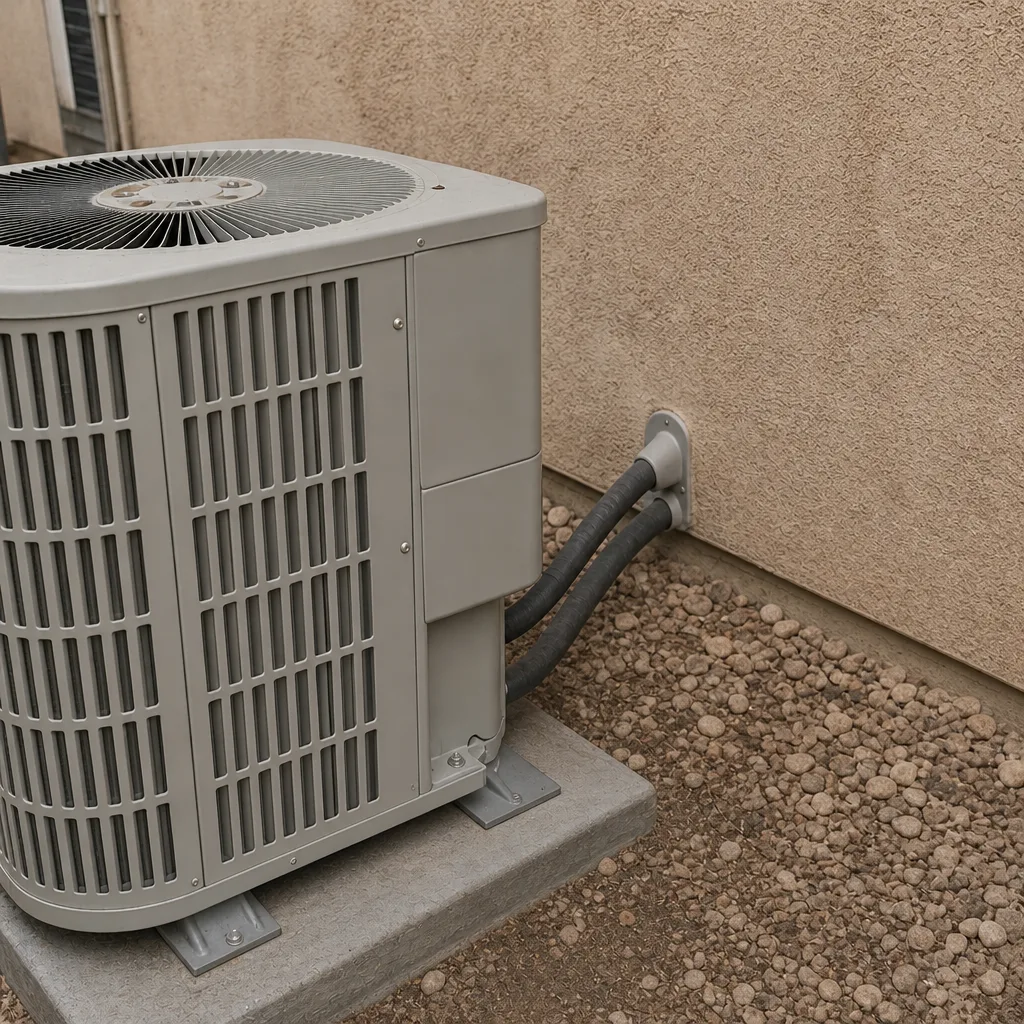 After
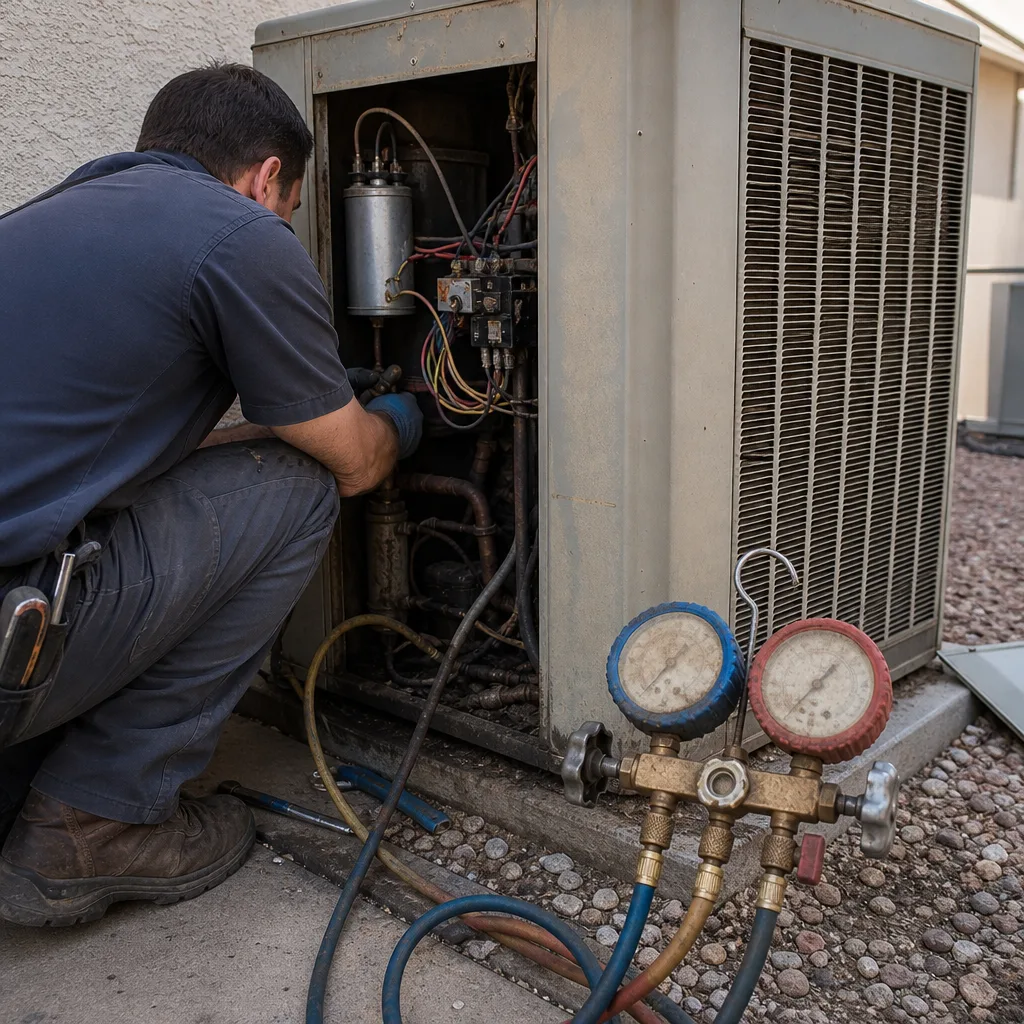 Before
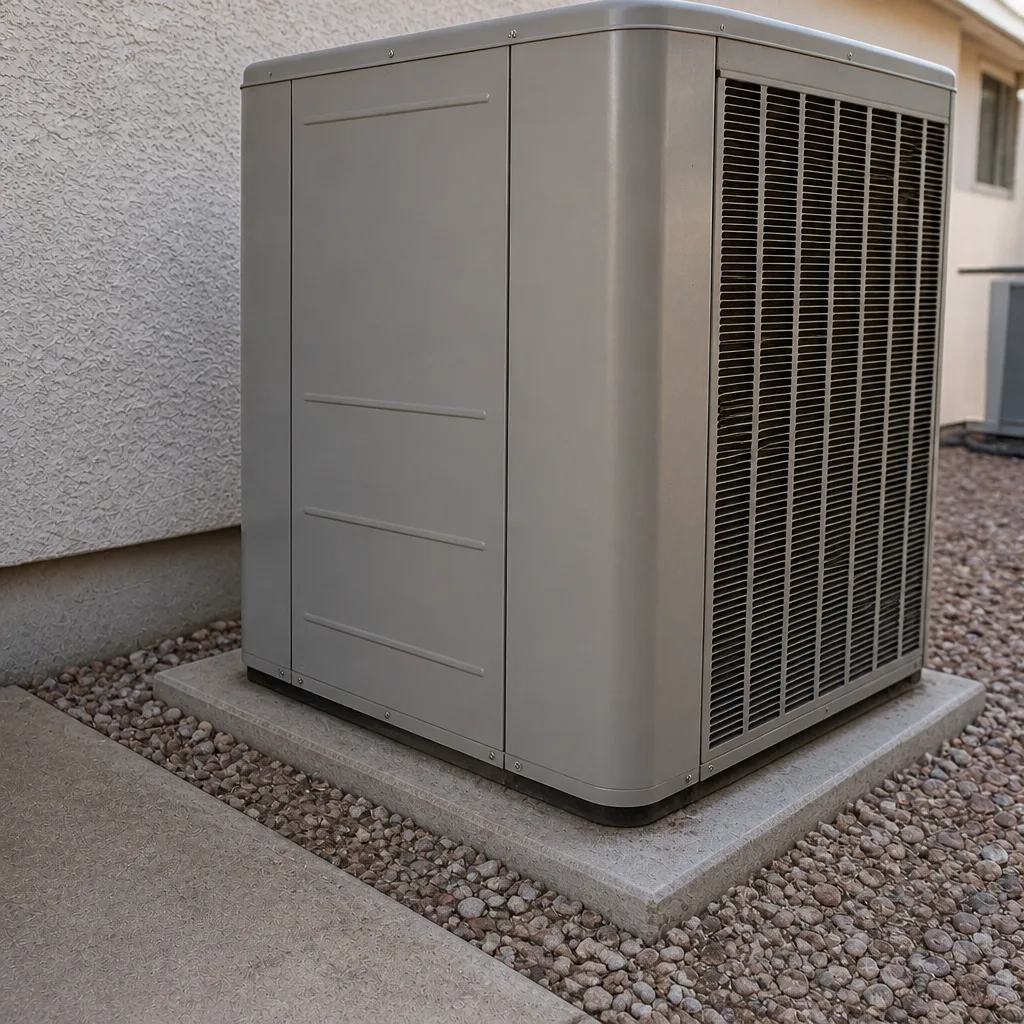 After
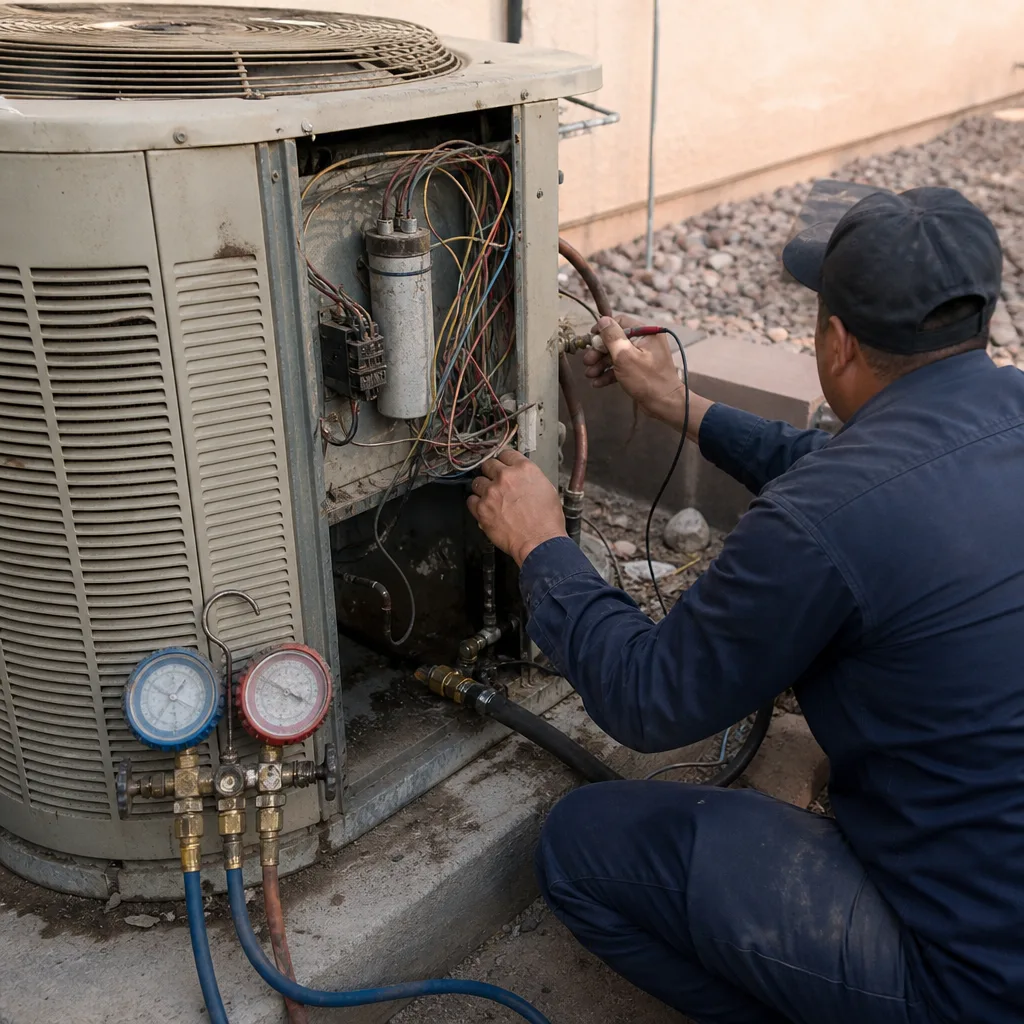 Before
 After
When to Call a Professional
Some of this you can handle – swapping a filter, noting which rooms feel off, pulling the bills. But ventilation work involves the ducts, the air handler, and the balanced pressure of the whole house, and getting it wrong can push air in directions you don’t want. Call a professional if you see condensation that won’t clear, symptoms that track to a specific room, a musty smell near a return, or an energy bill that doesn’t match the weather. Call sooner if anyone in the house has asthma, allergies, or a respiratory condition, and immediately if you ever smell gas – that’s a utility call, not an HVAC one.
Fireside Heating & Air Co. Boulder City offers free estimates in Boulder City. Our technicians have up to 8 years of experience, work on Carrier, Trane, Lennox, and other major brands, and every job is backed by our 90-Day Done Right Promise – in writing, no arguing. Call (844) 312-0133 for a free estimate. A live person answers, day or night.
Frequently Asked Questions
The clearest early sign is a combination of interior window condensation in a dry climate, room-specific symptoms that clear up when you leave the house, and energy bills that climb without a matching weather change. Any one of those deserves a look. Two or more together usually means the system isn’t exchanging air properly, and an inspection is the fastest way to confirm. Call (844) 312-0133 for a free estimate.
No. Boulder City’s air is dry enough that interior condensation on a sealed, well-ventilated home is uncommon. When it shows up – especially in rooms with no shower or cooking – it usually means humid, stale air is trapped because exhaust fans, ERV cores, or return paths aren’t working the way they should. It’s worth having checked before it finds a cool surface to settle on.
Sometimes, but not usually at the same intensity. A dirty filter causes weak airflow everywhere and clears up noticeably after replacement. A ventilation failure – a failed ERV core or a duct leak – keeps producing symptoms even after a new filter goes in. If symptoms return within a few weeks of a filter change, the filter wasn’t the problem. Call us for an exact diagnosis.
It usually means moisture is collecting somewhere – a damp evaporator coil, duct liner, or ERV core – and dust is settling on it. Older Boulder City homes with tight construction or a return that pulls from a crawlspace or attic are the most common source. It’s rarely “just the desert.” It’s worth a look, and our free estimate covers that.
Once a year for most homes, and twice if anyone in the household has asthma or allergies. Seasonal tune-ups catch most problems early, when they’re cheaper to fix. Our $89 seasonal tune-up includes checking the air-side components that feed your ventilation, and we’ll tell you in plain language what we found. Call (844) 312-0133 to schedule.
It often does, but we won’t promise a specific number without seeing the system. What we can promise is a written fixed price before any work begins, and the 90-Day Done Right Promise on the finished job. If your bill has been climbing without a weather explanation, that’s reason enough to have us look. Call for a free second opinion on any written estimate you’ve received.
The Bottom Line
Indoor air quality problems rarely announce themselves with a bang. They arrive as a fogged window in a dry climate, a headache that only shows up in one room, a subtle smell near a return grille, or an energy bill that doesn’t match the weather. Each one is a signal, and the earlier you read it, the cheaper it is to fix. If two or more of these sound familiar, have someone look at the whole system – ducts, ERV, filter, and air handler together. Fireside Heating & Air Co. Boulder City offers free estimates, upfront pricing, and a written 90-Day Done Right Promise on every job. Call (844) 312-0133 – a live person answers, every time.
Written by the team at Fireside Heating & Air Co. Boulder City.