
Last updated November 18, 2026
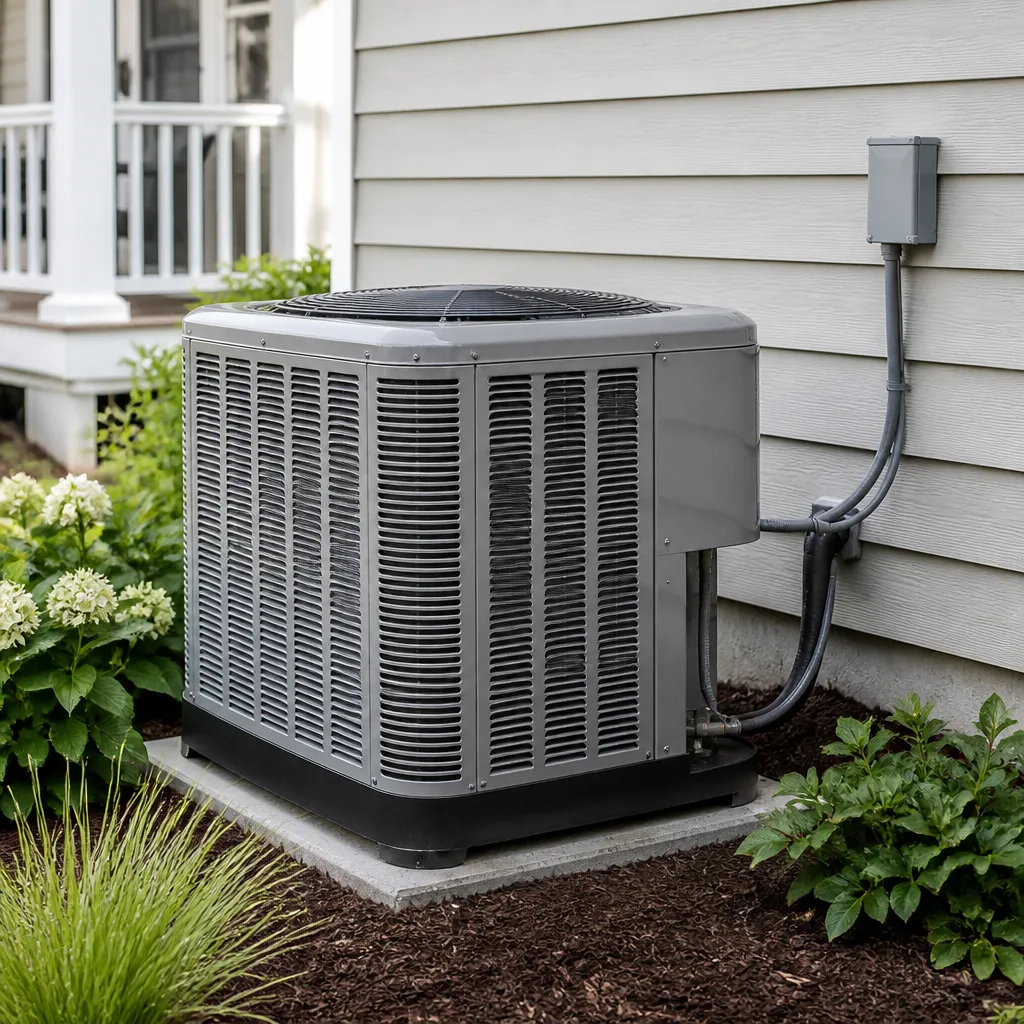 AC repair
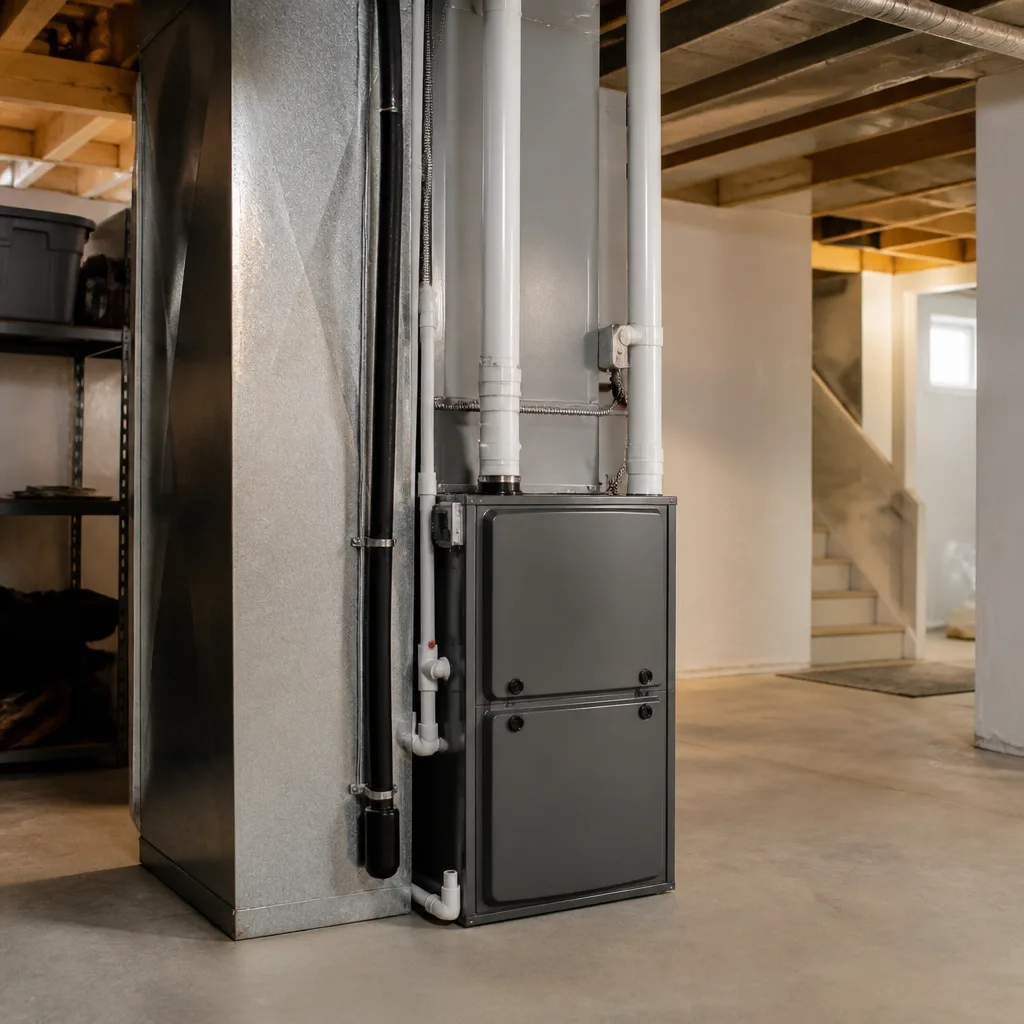 Furnace & heating
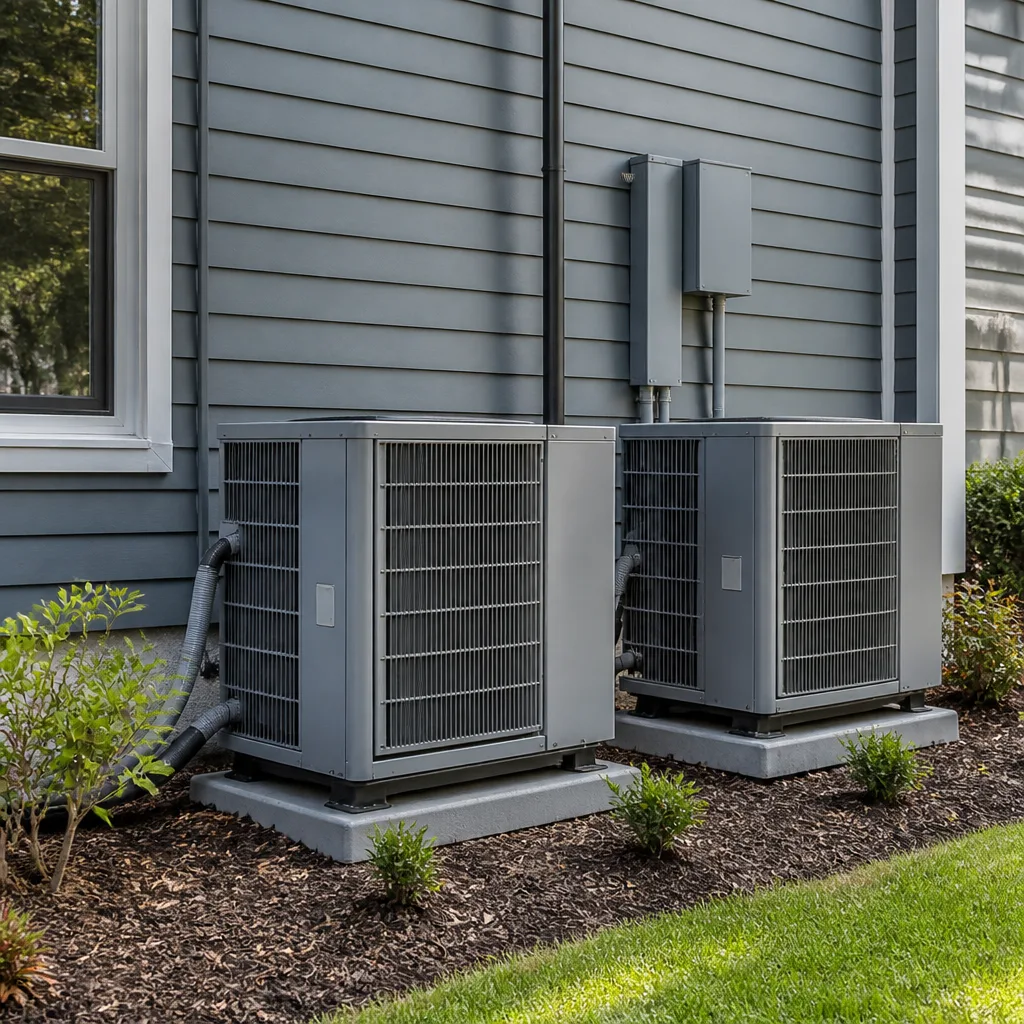 Heat pumps
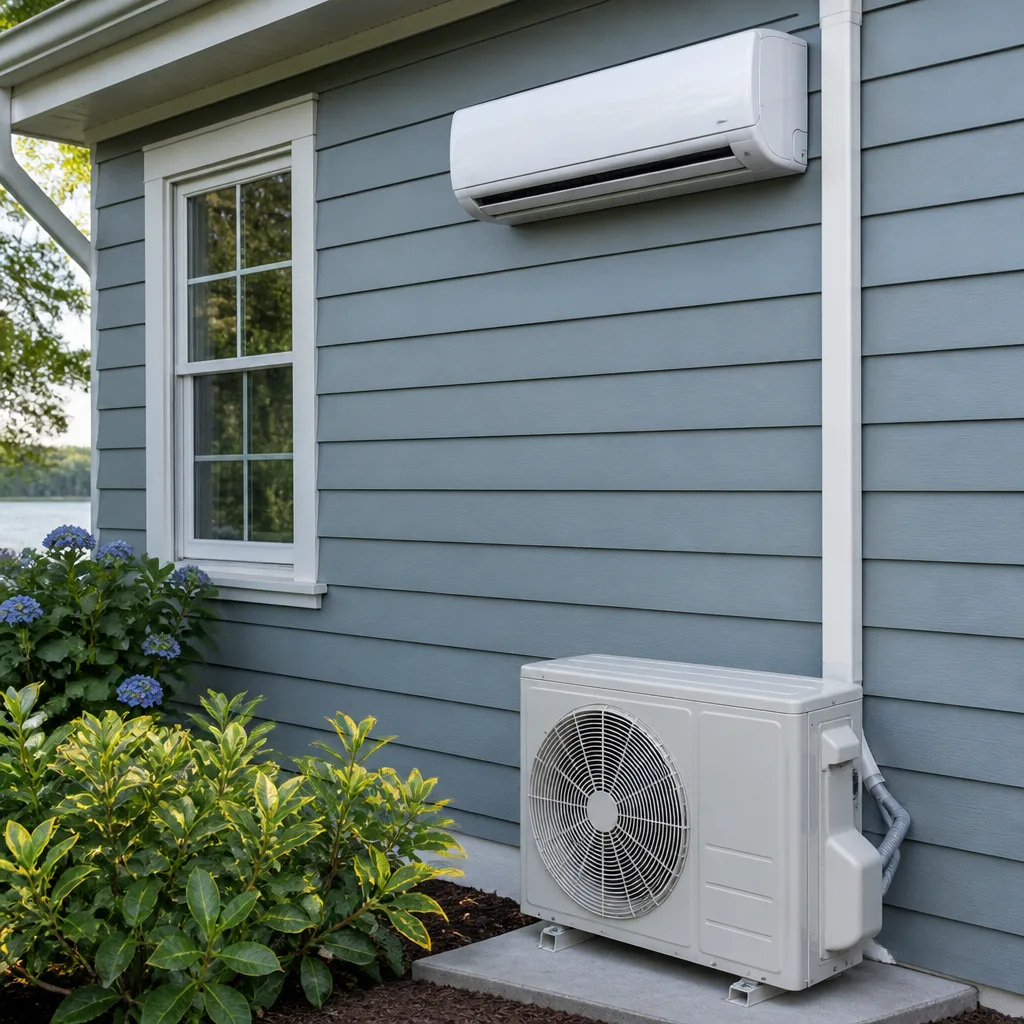 Ductless mini splits
 Carrier
 Trane
 Goodman
Seasonal tune-up and full diagnostic on your Carrier, Trane, or Goodman system - readings shown to you before any repair is proposed
Diagnosis first, numbers second - you approve the repair price before a single part goes in.
Get your free estimateThe Complete Air Quality & Ventilation Guide for Boulder City Homeowners
When a Mojave windstorm rolls through Boulder City, outdoor fine particulate readings can climb to levels that rival a bad smog day in Los Angeles. Your house has no strategy for that air, so it comes in through door sweeps, attic bypasses, and the HVAC return, and the dust settles in your lungs instead of your filter. This guide covers what that desert particulate actually is, why a tightly sealed Boulder City home creates its own air problems, which filters and ventilation systems genuinely work in a hot-dry climate, and how to test your own home before you spend a dollar on equipment.
Quick Answer
For most Boulder City homes, the highest-value air quality moves are a properly sized high-MERV filter (MERV 11 to 13, not the cheap fiberglass panel), sealed return ducts and air handlers to stop dust from bypassing the filter, and a balanced ventilation strategy that brings in filtered outside air without dumping desert heat and dryness into the living space. Whole-home filtration and ventilation matter more here than in humid climates because the same tight envelope that keeps summer heat out also traps combustion byproducts, VOCs, and carbon dioxide in.
Styles & brands we work with
- AC repair
- Furnace & heating
- Heat pumps
- Ductless mini splits
- Carrier
- Trane
- Goodman
Table of Contents
- What’s Actually in Boulder City’s Air
- Which Filters Capture Desert Dust (and Which Don’t)
- The Low-Humidity Problem Nobody Talks About
- The Sealed-Home Tradeoff
- ERV vs. HRV vs. Exhaust-Only: Which Fits Boulder City
- How to Audit Your Own Home First
- Duct Sealing and the Return-Air Problem
- Maintenance Habits That Keep Air Clean
What’s Actually in Boulder City’s Air
The dust that blows through Boulder City is not the same particulate you’d find in a humid, urban guide. It’s mineral, not soot. When you pull a filter after a spring wind event, the gray-tan powder is mostly silica from the surrounding desert, caliche dust from exposed calcareous soil, and alkaline salts kicked up from dry lakebeds and graded lots. That matters because the particles behave differently. Silica is hard and abrasive, and it accumulates in the return plenum and on blower wheels where it throws the assembly out of balance over time. Caliche dust is alkaline, and in the presence of even slight moisture from a swamp cooler or a leak it can etch aluminum evaporator fins.
Urban particulate in Los Angeles is dominated by combustion byproducts: diesel soot, tire rubber, brake dust. Those tend to be finer and more chemically reactive. Desert particulate in the Boulder City area tends to be coarser and more mineral-heavy, with occasional fine fractions during high-wind events. The practical consequence: a filter that scores well on a soot-heavy urban test may not be optimum for capturing mineral dust, and vice versa. You want a filter with a real mechanical capture layer, not an electrostatic pad that loses charge in a few weeks.
The fallout period after a windstorm is the busiest window for indoor air complaints in Boulder City. If you notice a fine film on furniture two days after the wind dies down, that’s a sign your filter is passing what it should be trapping. The problem is usually not the filter’s rating but how it’s installed.
Which Filters Capture Desert Dust (and Which Don’t)
Filter MERV ratings are the single most misunderstood number in home air quality. Here’s what actually happens at each level with desert dust:
- MERV 1-4 (basic fiberglass panel): Catches large lint and hair. Passes most of the caliche and silica fractions. Not appropriate for a Boulder City home near desert interface.
- MERV 8 (common pleated): Catches roughly 70 to 85 percent of particles in the 3 to 10 micron range. Adequate for most cheap builder-grade systems, and the right choice if your blower is already at its static pressure limit.
- MERV 11-13 (high-efficiency pleated): Catches the majority of the fine mineral dust that triggers symptoms during high-wind events. The reliable sweet spot for Boulder City homes. Costs more and restricts airflow more, so the system must be able to handle it.
- MERV 16 and HEPA media: Effective but usually needs a dedicated filter cabinet and an ECM blower. Worth installing when a household member has documented respiratory sensitivity, not as a default upgrade.
One Boulder City-specific rule of thumb: the filter change interval written on the box assumes average suburban conditions. In our experience, homes near the desert interface or downwind of graded lots need changes 30 to 50 percent more often than the label says. A 90-day filter is a 60-day filter here during wind season.
The other filter problem we see in Boulder City is sizing. A 1-inch filter cabinet can only take a 1-inch filter, and a 1-inch MERV 13 has to be dense to hit its rating, which can starve a 3-ton system for air. If you want high filtration, the answer is a 4- or 5-inch media cabinet, not a denser 1-inch filter. If your system is due for a service visit, our AC repair and installation team in Boulder City can check static pressure and tell you what your blower can actually handle.
The Low-Humidity Problem Nobody Talks About
Most indoor air quality guides are written for humid climates where the concern is mold, dust mites, and mildew. Boulder City has the opposite problem. Indoor relative humidity in summer often drops into the teens during the hottest, driest stretches, which is below what most respiratory specialists consider comfortable for extended occupancy.
What dry air actually does in a Boulder City home:
- Dries out nasal passages and airways, which makes you more susceptible to respiratory irritation from the mineral dust in the air.
- Increases static electricity; carpet shocks and synthetic-clothing sparks are a signature of a home that needs humidification.
- Pulls moisture from wood framing, trim, crown molding, and hardwood floors. In twenty-year-old Boulder City homes we often see hairline drywall cracks near door frames and trim gaps that open up in June and close in December.
- Makes a running AC feel colder than it should, because dry air has a lower heat capacity and evaporates sweat faster.
Not every ventilation strategy helps here. Whole-house fans, for example, bring in large volumes of outside air. In a humid climate that’s a moisture problem. In Boulder City it’s a dryness and dust problem: a whole-house fan running in April pulls in hot, dry, dust-laden outside air; you get some cooling benefit, but you also dust the house and drop the humidity further. If you install a whole-house fan, use it only during transitional evening hours, not during wind events, and pair it with filtration on the HVAC return.
For homes with chronic dryness, the sensible answer is a bypass or steam humidifier on the supply side of the HVAC system, sized to the square footage and the envelope. Standalone cool-mist humidifiers work for a single bedroom but don’t address the whole house.
The Sealed-Home Tradeoff
Homes built in Boulder City and similar Mojave-desert communities are engineered to keep summer heat out. That means tight framing, sealed sheathing, low-infiltration windows, caulked penetrations. Good for the energy bill. Bad for air exchange. In a tight home, whatever’s off-gassing indoors stays indoors.
Common sources of indoor contaminants in a tightly sealed Boulder City home:
- Combustion byproducts from a gas furnace, gas water heater, or gas range. In a tightly sealed house, a gas appliance without properly vented combustion air can backdraft combustion byproducts, including carbon monoxide, into the living space.
- VOCs from new paint, cabinets, flooring, furniture, and cleaning products. Levels drop with ventilation but linger in a closed house.
- Carbon dioxide from people and pets. Readings above roughly 1,000 ppm generally mean the home needs more fresh air.
- Moisture from showers and cooking, which in Boulder City is usually a small issue but can still drive localized mold in a sealed bathroom.
In our experience, the homes with the worst indoor air quality in Boulder City are usually the tightest ones. That’s not a reason to loosen the envelope. It’s a reason to add controlled ventilation.
ERV vs. HRV vs. Exhaust-Only: Which Fits Boulder City
Three ventilation strategies dominate residential HVAC, and most consumer guides describe them through a humid-climate lens. Here’s the honest comparison for a hot-dry climate:
- Exhaust-only ventilation uses a bath fan or a dedicated exhaust fan to push stale air out; fresh air sneaks in through the envelope. Cheapest to install and the simplest. The catch in Boulder City is that incoming air comes in unfiltered and hot during the daytime, and it pulls desert dust through wall cavities and gaps.
- Heat Recovery Ventilator (HRV) exchanges heat between the outgoing and incoming air streams in a balanced way. Excellent choice for cold climates where the concern is losing heat in January. In Boulder City, an HRV helps during winter heating season but does nothing about dryness, and adds no humidity control in summer.
- Energy Recovery Ventilator (ERV) exchanges both heat and moisture. In a hot-dry climate, the ERV’s ability to transfer moisture from outgoing air to incoming air makes it the more useful choice in most Boulder City installations, because it slows the drying-out effect of constant fresh-air introduction during winter and helps balance indoor humidity in summer. Some ERV cores handle sensible heat less efficiently than an HRV, so sizing matters more than the spec sheet.
For most Boulder City homes looking at whole-home ventilation, our default recommendation is a properly commissioned ERV with a MERV 13 filter upstream of the outdoor intake. If the goal is purely to add fresh air, exhaust-only is the cheapest option; if the goal is fresh air without drying the house out or dragging in wind-blown dust, the ERV is money well spent. The choice gets made on the individual home, which is the kind of conversation our heat pump and mini-split specialists in Boulder City have on a regular basis.
How to Audit Your Own Home First
Before you buy any equipment, spend a month collecting data. Almost every air quality complaint we get in Boulder City has a diagnosable cause, and most causes are cheaper to find than to guess at.
Here’s the audit we recommend to homeowners:
- Buy or borrow a consumer-grade PM2.5 monitor. The sub-$200 units from reputable brands are accurate enough to spot trends. Place it in your main living area and log a reading morning and evening for two weeks.
- Get an indoor CO2 monitor. A cost of roughly $100 gets you a unit that distinguishes ventilation problems from filtration problems. Readings that climb above 1,000 ppm in the evening are a ventilation issue, not a filter issue.
- Get a cheap humidity gauge. Boulder City homes sit in the 15 to 30 percent relative humidity range during much of the year. If yours regularly drops below 25 percent, you have a dryness strategy problem.
- Compare indoor and outdoor PM2.5 on a high-wind day. Use a public air quality feed for your area as the outdoor benchmark. If your indoor reading tracks outdoor closely during a wind event, your filter and envelope are passing dust.
- Do a filter pressure-drop test. Write the date on a new filter, run the system for two weeks, and inspect. If the filter is visibly loaded in two weeks during spring, you need either higher-efficiency media or a filter cabinet upgrade.
- Slip a tissue over the supply grilles and return grilles to feel for pressure leaks. A return that feels weak at the grille is often a return duct that’s leaking in the attic and pulling dust in.
Once you have two weeks of data, the answers usually write themselves. A home with high CO2 and low PM2.5 needs ventilation, not filtration. A home with high PM2.5 and normal CO2 needs filter and duct work, not an ERV. Buying equipment before the audit is how people end up with an expensive system that doesn’t fix the problem.
Duct Sealing and the Return-Air Problem
The duct system is the part of indoor air quality most homeowners never see, and in Boulder City it’s usually where the real problem lives. Return ducts run through attic spaces that routinely hit 130 to 150 degrees in summer. Every joint that leaks draws attic air into the return stream and straight into the living space. That attic air is unfiltered, dusty, and hot, and it defeats the filter entirely because the filter is upstream of the leak.
Common duct problems we find in twenty-year-old Boulder City homes:
- Foil-tape or mastic that has dried out and separated at joints.
- Flex duct that has compressed, kinked, or torn at a sharp turn.
- Returns short-circuited to supply registers in the same room, which pulls conditioned air back into the system before it ever reaches you.
- Disconnected boots at wall grilles, which pulls wall-cavity air into the supply stream.
Duct sealing and pressure-balancing is normally a half-day job for a two-person crew and produces a measurable improvement in both air quality and energy bills. It’s the highest-return air quality investment in most older Boulder City homes, ahead of filter upgrades and ventilation equipment. When we’re on a service call for our heating and furnace work in Boulder City, we check duct integrity as part of the visit; it’s worth asking for.
Maintenance Habits That Keep Air Clean
The air quality gains from equipment are usually durable only if the maintenance holds up. Small habits, done consistently, matter more than one-time upgrades.
- Change the filter on the calendar, not on the label. In Boulder City, that means every 60 days during wind season and every 90 days otherwise, or whenever the filter is visibly loaded.
- Have the system serviced seasonally. A spring tune-up catches a dirty blower wheel, a failing capacitor, or a cracked heat exchanger before it becomes an air quality problem. Our home base page for Fireside Heating & Air Co. in Boulder City has the current seasonal tune-up offer.
- Run the fan on low continuously during wind events. Constant circulation keeps the filter working; cycling on and off means dust that’s already inside the ductwork never gets captured.
- Verify the ERV or HRV filters are changed on schedule. These units have their own filters that most people forget about entirely.
- Check the gas water heater and furnace venting every fall. In a sealed home, backdrafting is a real risk. A CO monitor near the sleeping area is a ten-dollar safety measure that belongs in every Boulder City home.
Common Mistakes to Avoid
- Installing a MERV 16 filter in a 1-inch slot. It will run the system, but it starves the blower and can ice the coil. Use the highest MERV your cabinet and blower were designed for, and upgrade the cabinet if you need more.
- Buying a whole-house fan for summer cooling without planning for dust. Whole-house fans pull in unfiltered outside air during a season when Boulder City’s air is at its dustiest. Use them at night during transitional months only.
- Adding a humidifier without checking the envelope. In a house with poor window seals or an unsealed attic hatch, added moisture goes straight out, and the humidifier just runs nonstop without moving the gauge. Fix the envelope first.
- Running an ERV or HRV without commissioning. An unbalanced ERV can pull the home negative and backdraft a gas appliance. Balanced commissioning is not optional.
- Trusting a filter’s marketing rating over its installed performance. A MERV 13 filter in a leaking cabinet performs like MERV 8. Seal the cabinet.
- Skipping a CO monitor because “the furnace is new.” New furnaces fail too, and tight homes amplify the consequences. Put the monitor in.
- Diagnosing air quality problems from symptoms alone. A headache in a sealed home could be dryness, CO2 buildup, or particulate. Two weeks of measurement separates the cases at almost no cost.
See the difference
 Before
 After
 Before
 After
 Before
 After
When to Call a Professional
Most of the audit work above is doable yourself. The remediation usually isn’t. Call us when you’ve measured a problem and need a plan for it, when your ERV or HRV needs balanced commissioning, when you suspect duct leakage or backdrafting, when you want a media filter cabinet installed and static pressure measured, or when you’ve replaced a filter on schedule and the dust is still winning. Fireside Heating & Air Co. provides free estimates in Boulder City and answers the phone with a live person every time. Call (844) 312-0133. Our technicians have up to 8 years of experience, we’re trained on all nine major brands, and every job is backed by our 90-Day Done Right Promise: if it isn’t done right, we make it right, in writing.
Frequently Asked Questions
MERV 11 to 13 is the right range for most Boulder City homes. That range captures the fine mineral dust that drives most high-wind-event complaints without starving the blower. A 4- or 5-inch media cabinet lets you run MERV 13 without choking the system. Call (844) 312-0133 for an exact quote on a cabinet upgrade, estimates are free.
If your indoor relative humidity routinely drops below 25 percent in summer and winter, yes, a whole-home humidifier is usually worth the investment. Standalone room units won’t move the house gauge measurably. Get the envelope sealed first, then size the humidifier to the house. Call (844) 312-0133 and we’ll measure and quote it.
For most Boulder City installations, an ERV is the better default because it exchanges moisture as well as heat, which slows the drying-out of the home compared to an HRV. An HRV is still a sensible choice in some setups, particularly when sensible heat recovery matters more than humidity. The choice is made per home, and a balanced commissioning visit is required either way. Call (844) 312-0133 for a free estimate.
Boulder City’s spring wind events drive outdoor PM2.5 up sharply, and a home without an active filtration strategy pulls that dust in through every gap and return leak. Higher-MERV filtration, sealed returns, and running the fan continuously during wind events will cut it noticeably. Call (844) 312-0133 for a free estimate on filter and duct work.
Every 60 days during wind season and every 90 days otherwise, or whenever it’s visibly loaded. The interval on the filter box assumes average suburban conditions and is usually too long for Boulder City. Call (844) 312-0133 if you want us to look at the filter cabinet and recommend an upgrade, estimates are free.
Yes, often. A tightly sealed home keeps heat out but also traps combustion byproducts, VOCs, and carbon dioxide. Tight homes are exactly the homes that need controlled ventilation, not a looser envelope. Call (844) 312-0133 and we’ll help you figure out whether you need filtration, ventilation, or both.
The Bottom Line
Boulder City’s air has a specific character: mineral-heavy desert particulate that behaves differently from urban smog, extreme dryness that punishes airways and woodwork, and a housing stock engineered to keep heat out at the cost of trapping what’s inside. The right response is measurement first, then filtration, duct sealing, and ventilation where each proves needed. A properly sized MERV 11 to 13 filter and a sealed return are the highest-value first moves; a balanced ERV is the best whole-home ventilation answer for most Boulder City homes; and a good CO monitor belongs in every tightly sealed house regardless of what else you do. Do those things and you’ll notice the difference by the next windstorm.
If you’d like a straight read on your own system, Fireside Heating & Air Co. provides free estimates in Boulder City. Call (844) 312-0133. A live person answers every time, the price quoted is the price paid, and every job is backed by our written 90-Day Done Right Promise. We stand behind it in writing, no arguing.
Written by the team at Fireside Heating & Air Co. Boulder City.