
Last updated November 18, 2026
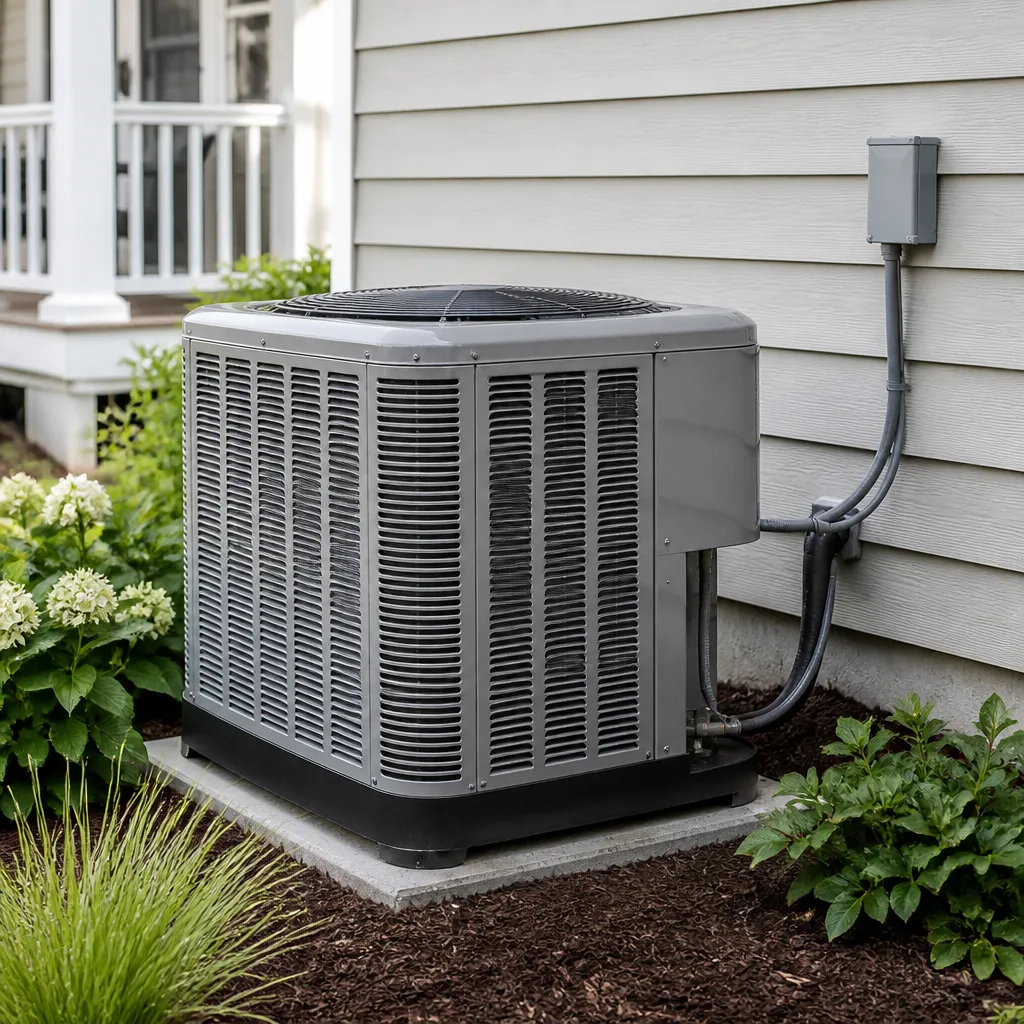 AC repair
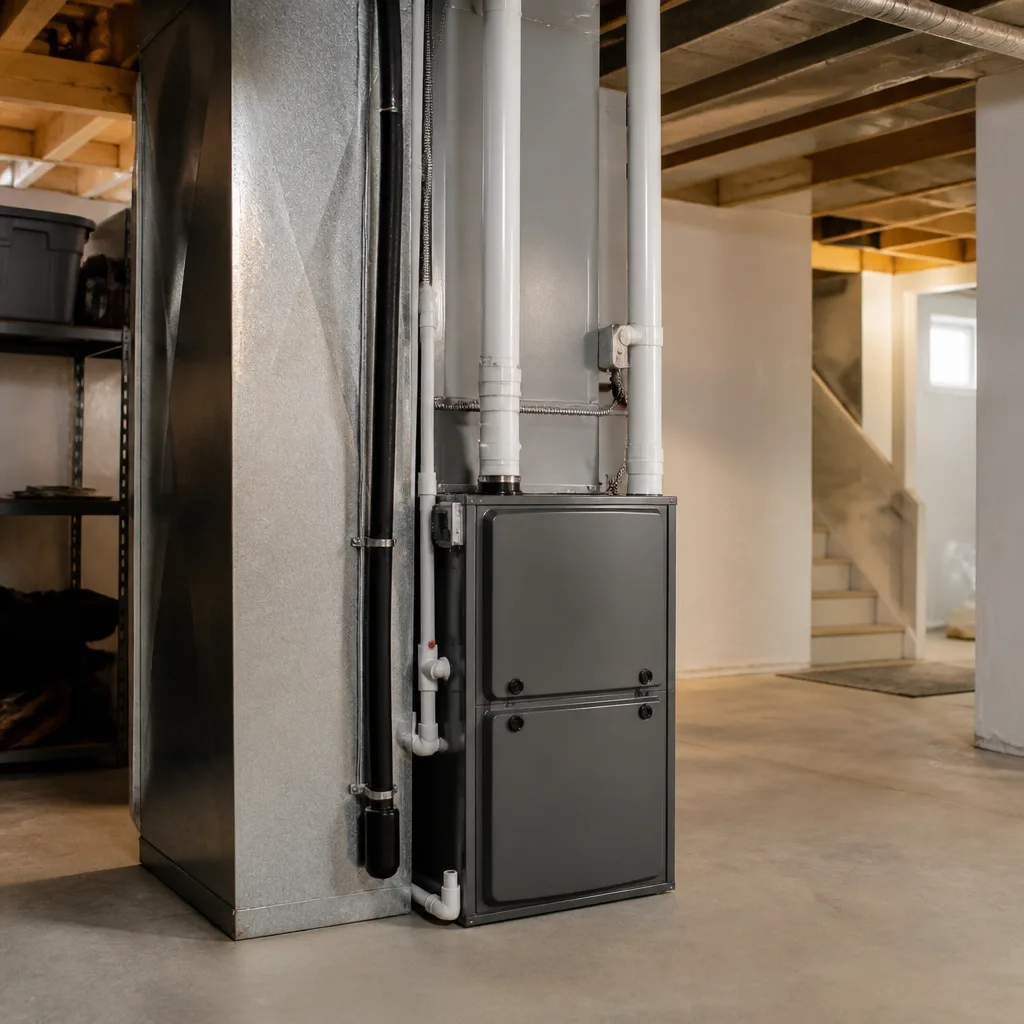 Furnace & heating
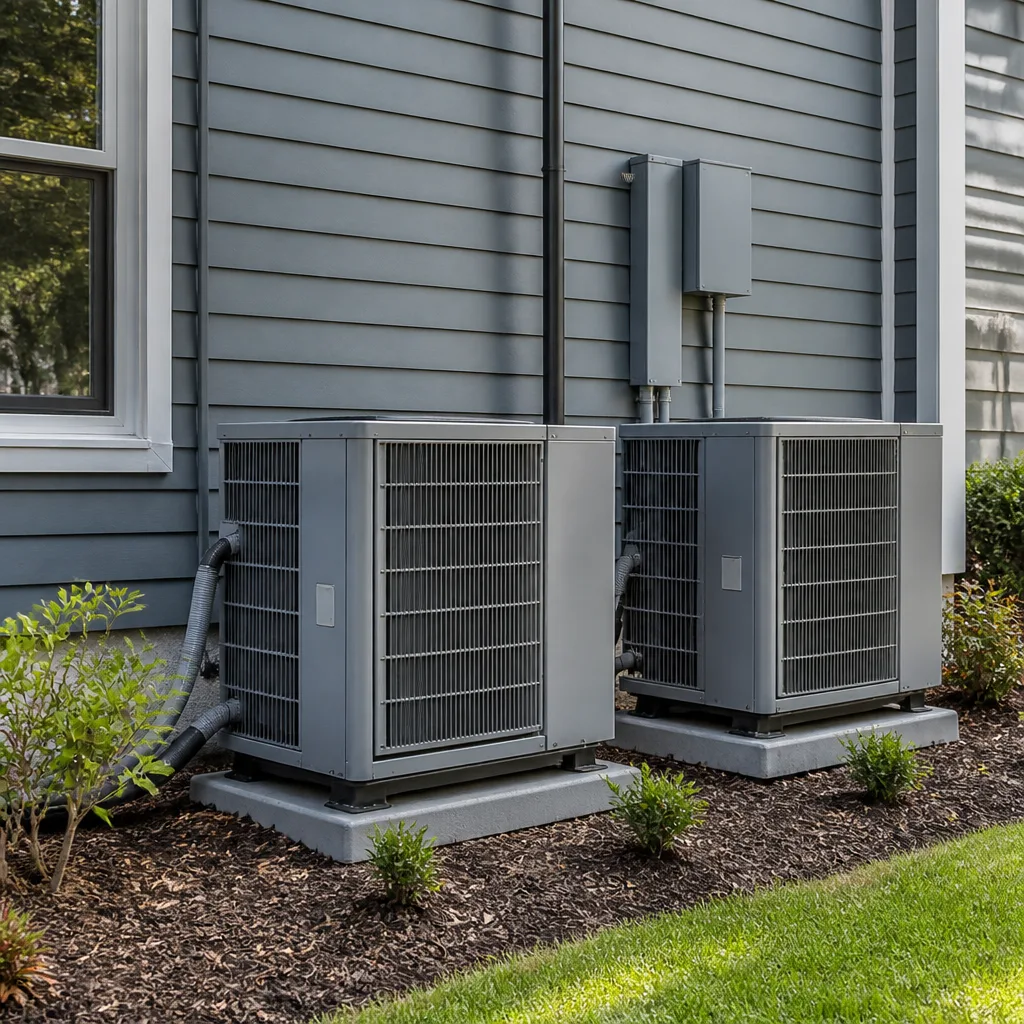 Heat pumps
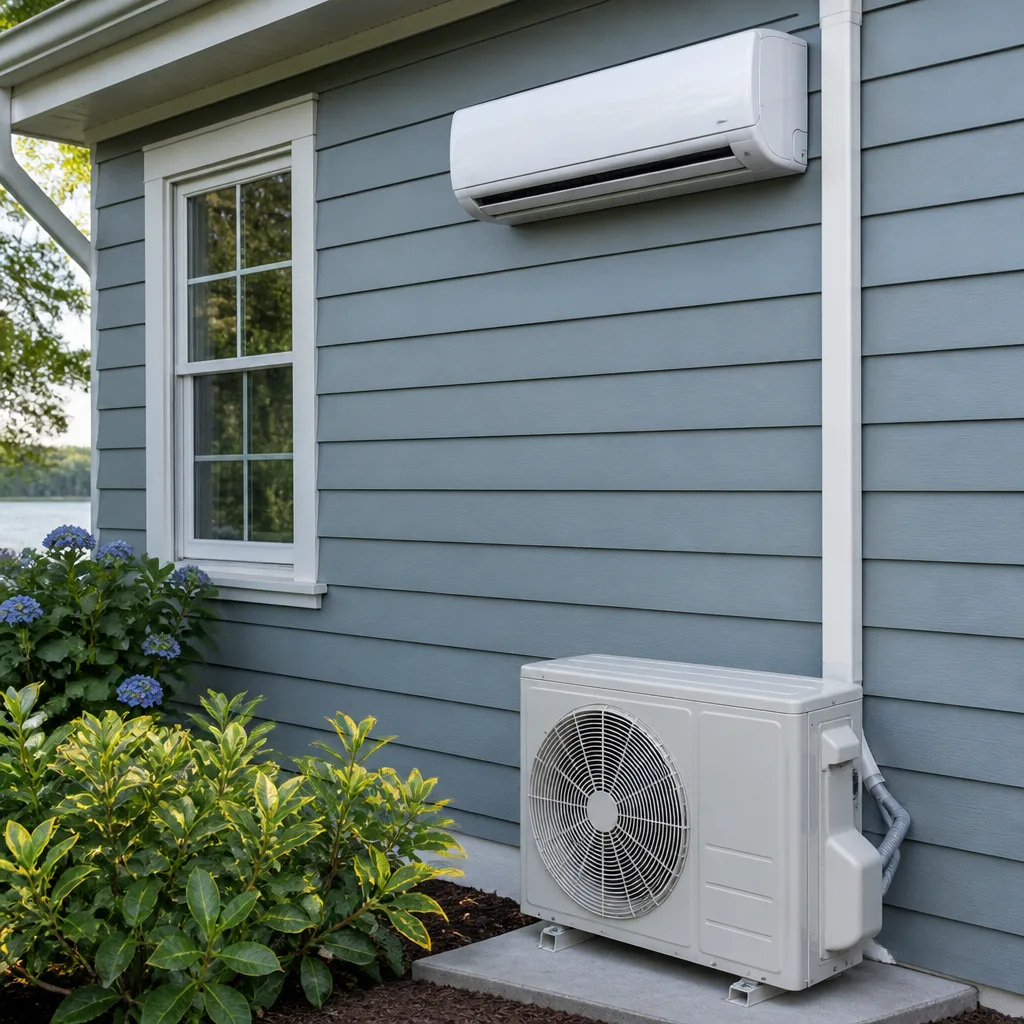 Ductless mini splits
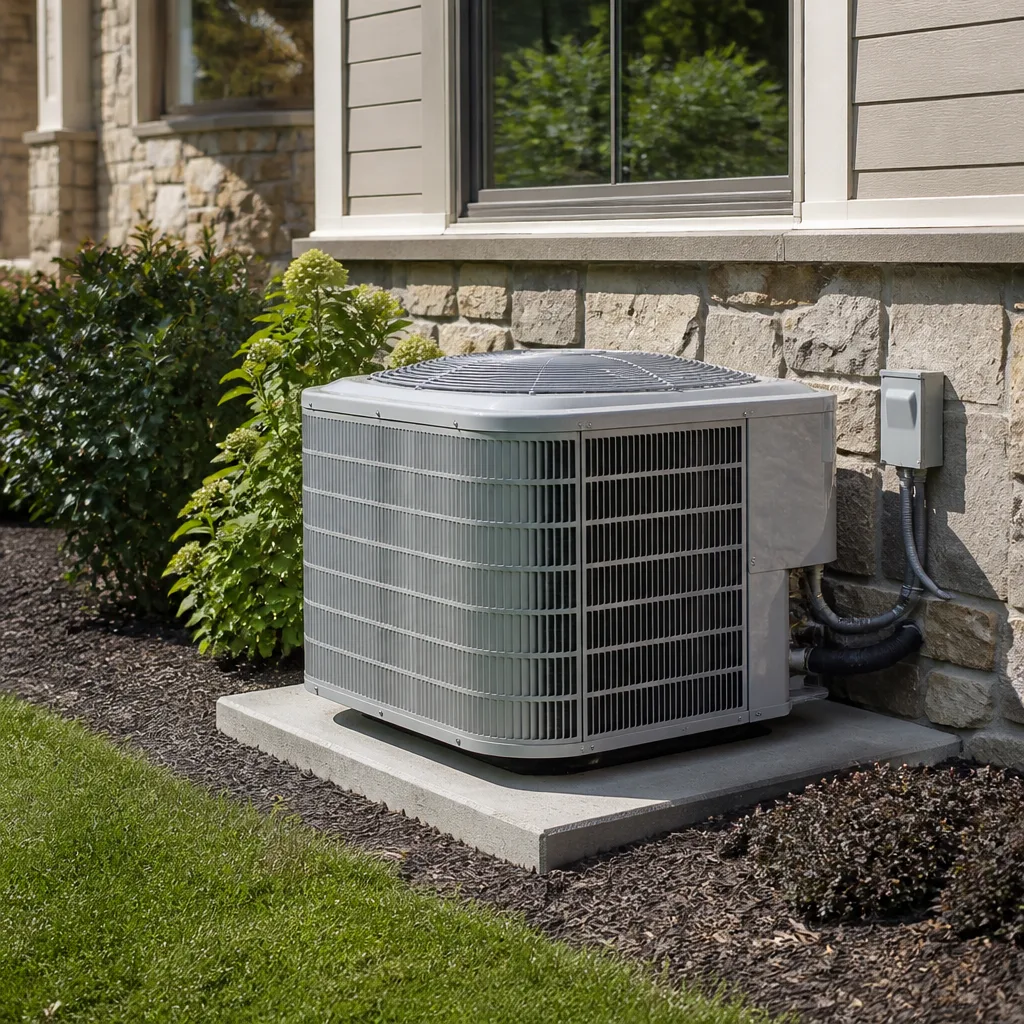 Carrier
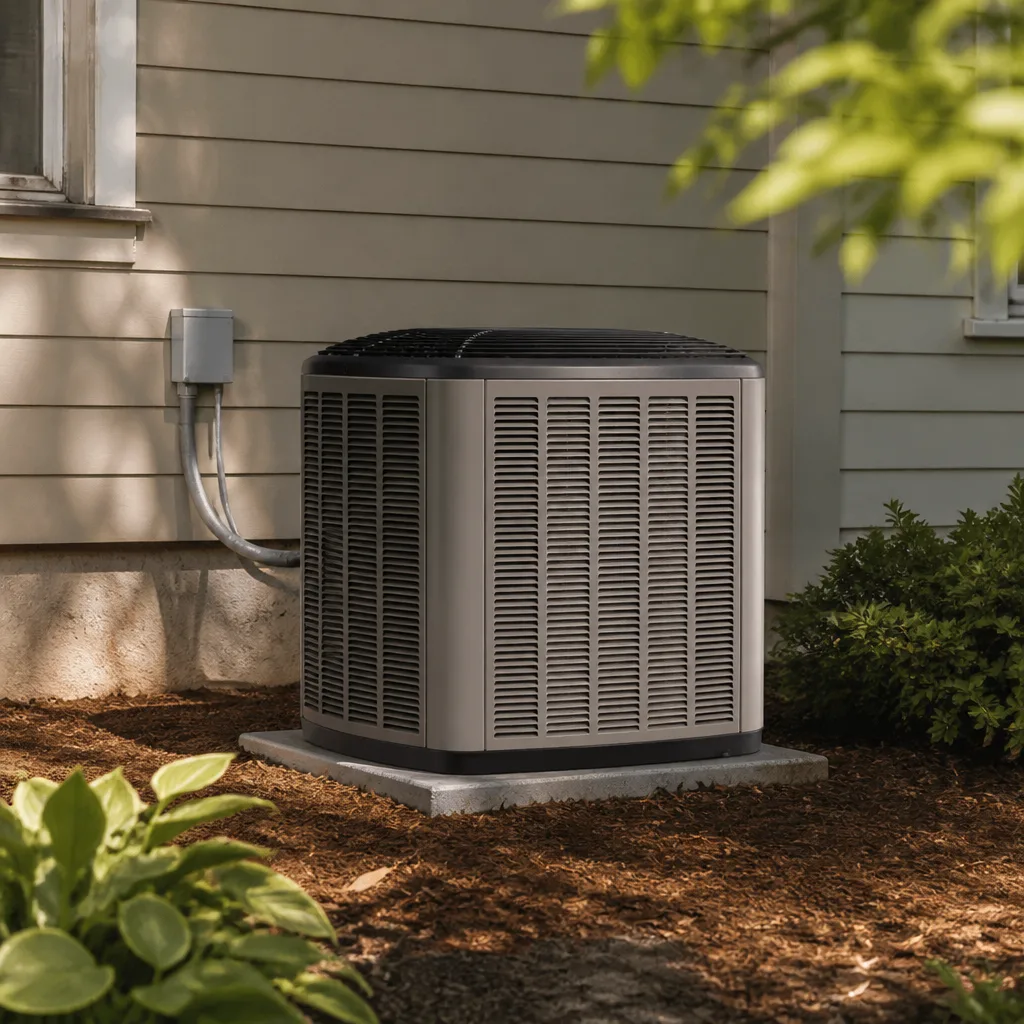 Trane
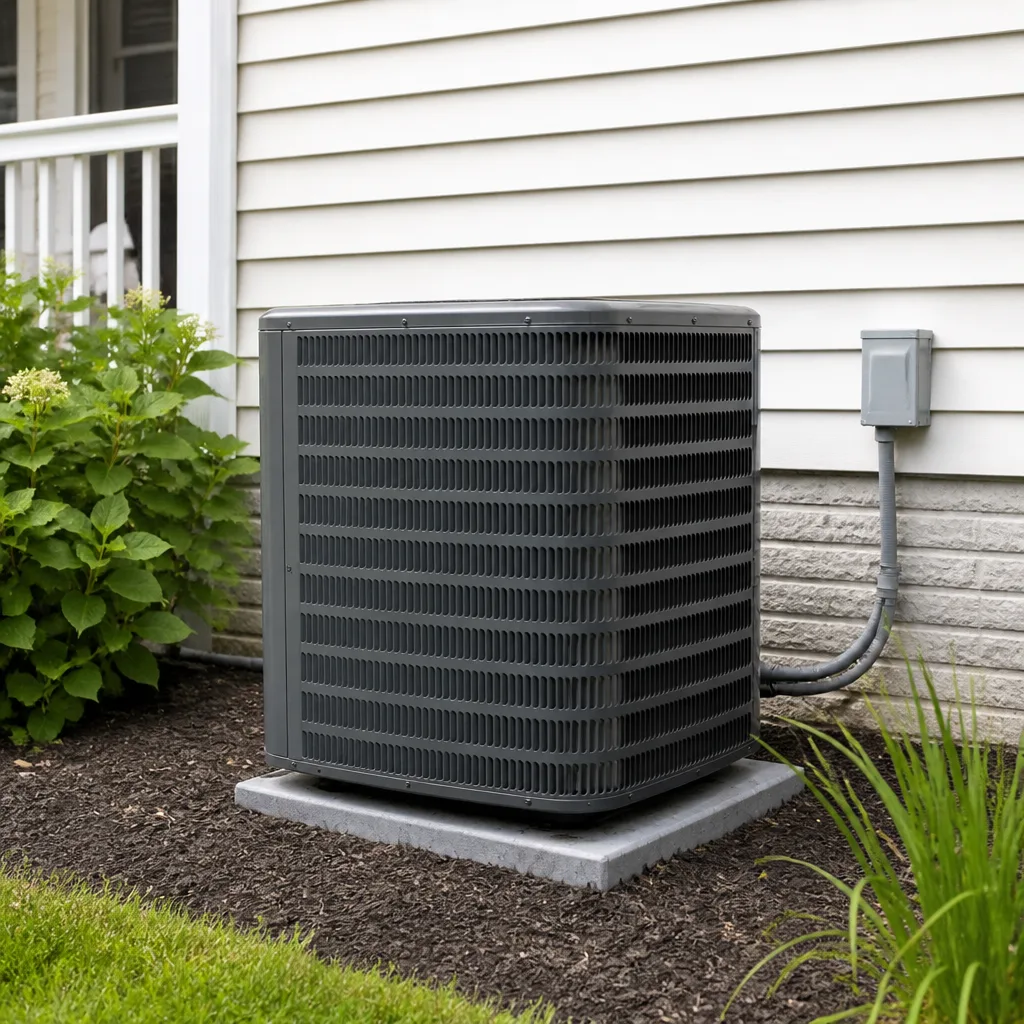 Goodman
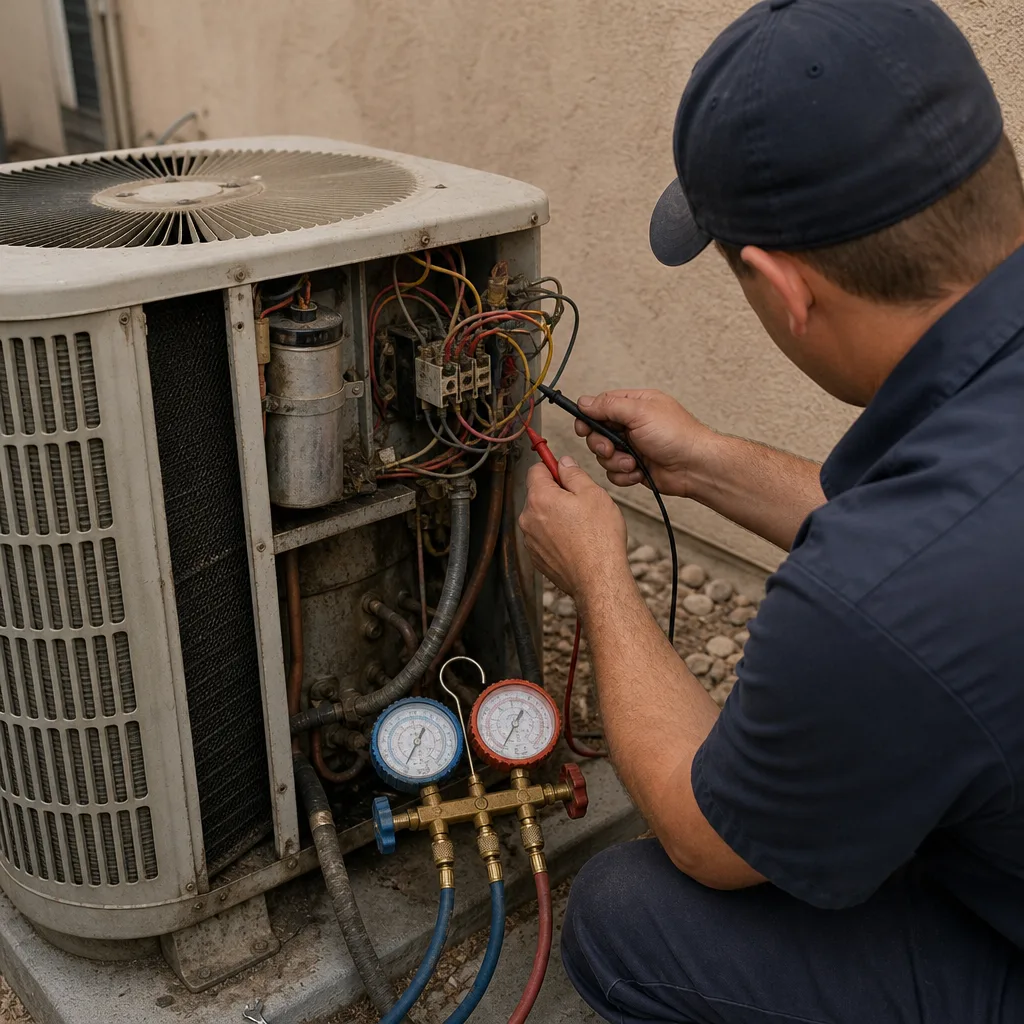
Seasonal tune-up and full diagnostic on your Carrier, Trane, or Goodman system - readings shown to you before any repair is proposed
Diagnosis first, numbers second - you approve the repair price before a single part goes in.
Get your free estimateAC Repair & Installation Troubleshooting: Common Problems and How to Fix Them
Three of the most commonly misdiagnosed air conditioning problems – a “failing compressor” that is actually a dirty capacitor, a “refrigerant leak” that is actually a frozen coil, and a “bad board” that is actually a tripped float switch – together account for thousands of unnecessary replacements every summer. We’ve seen all three in Boulder City, and each one of them is a cheap fix dressed up as a catastrophe. The trick is knowing which symptoms point to a $90 repair and which point at a real $4,000 decision. This guide draws that line for you, so nobody talks you into a replacement you don’t need or a band-aid on a system that’s genuinely finished.
Quick Answer
Most AC problems fall into two buckets: cheap fixes (a tripped float switch, a clogged condensate drain, a dead capacitor, a dirty filter, a tripped breaker) and expensive decisions (a grounded compressor, a cracked heat exchanger, an undersized system that can’t keep up with Boulder City summer heat). The cheap fixes are the ones a homeowner can often diagnose by symptom and a technician can usually finish in a single visit. The expensive ones need an honest repair-or-replace conversation, not a sales pitch. If your system runs but doesn’t cool, the odds favor something small.
Styles & brands we work with
- AC repair
- Furnace & heating
- Heat pumps
- Ductless mini splits
- Carrier
- Trane
- Goodman
Table of Contents
- The Symptom-to-Cause Matrix: Cheap Fix vs. Expensive Decision
- Why Short-Cycling in Boulder City Heat Is Often a Sizing Problem
- Three Diagnostics You Can Safely Do Yourself
- What to Tell a Technician Over the Phone
- Red Flags That Say the Technician Is Upselling
- Repair or Replace? The Honest Math
- What a Proper Installation Looks Like
- Maintenance That Prevents the Expensive Bucket
The Symptom-to-Cause Matrix: Cheap Fix vs. Expensive Decision
Before a technician ever pulls into the driveway, you can usually sort your symptom into one of two columns. Here’s how it breaks down, based on what we actually find in Boulder City homes.
- System runs but blows warm air: Often a dirty filter, low refrigerant, a failing capacitor, or a frozen coil. Cheap to medium. Rarely a compressor.
- System won’t turn on at all: Usually a tripped breaker, a tripped float switch, a dead thermostat, or a blown capacitor. Almost always cheap.
- Water pooling around the indoor unit: A clogged condensate drain line or a stuck float switch. Cheap, and often homeowner-fixable.
- Loud banging or grinding: A failing compressor or loose fan. Could go either way – needs eyes on it.
- Short-cycling (turns on and off every few minutes): A sizing issue, a refrigerant charge issue, or a thermostat problem. Sometimes cheap, sometimes structural.
- Ice on the outdoor unit: Restricted airflow or low refrigerant. Cheap if it’s airflow, more involved if it’s a leak.
- Foul smell or visible soot: Stop and call immediately. Could indicate an electrical fault or refrigerant leak.
In Boulder City, the dry desert air and triple-digit July afternoons put a heavy, steady load on equipment. A capacitor that would limp along for years in a coastal climate fails here in a season. That’s why we treat the “failing compressor” call with a healthy dose of skepticism – a $25 capacitor swap has saved plenty of Boulder City homeowners the price of a new condenser.
Why Short-Cycling in Boulder City Heat Is Often a Sizing Problem
Short-cycling is when your AC kicks on, runs for a few minutes, shuts off, and repeats. Every troubleshooting guide mentions a low refrigerant charge, a faulty thermostat, or a bad compressor. Those are real causes. But in Boulder City, a huge share of short-cycling we diagnose is a sizing problem – the system is either too big for the house or was installed without a proper load calculation.
An oversized unit cools the air fast but doesn’t run long enough to pull out humidity or stabilize temperature. It also wears itself out, which is why oversized systems in Boulder City tend to shorten their own lifespan. When we see short-cycling in homes built during the 1980s and 90s subdivision boom, the first question we ask is whether the equipment ever matched the home.
A proper load calculation (Manual J) takes into account square footage, insulation, window orientation, ceiling height, and local climate. Boulder City’s altitude – just over 2,000 feet – and its dry air change the math compared to Las Vegas proper. A contractor who sizes on square footage alone is guessing. Add the fact that many Boulder City homes were built when the typical AC was a smaller, simpler unit, and you can see why replacements ought to be sized fresh, not swapped in like for like.
If you’re heading toward a replacement, our AC Repair & Installation in Boulder City page walks through what a proper sizing visit looks like, and the Fireside Heating & Air Co. Boulder City home gives you the bigger picture on how we work.
Three Diagnostics You Can Safely Do Yourself
Some AC troubleshooting is homeowner territory. Some isn’t. Here are the three we consider safe, plus a firm line about what to leave alone.
1. Reset a Tripped Float Switch
- Find the indoor air handler or the condensate pump near the furnace or inside the closet where the system sits.
- Look for a small float switch – often a plastic cylinder or a box on the drain line with two low-voltage wires.
- If the drain pan has water in it, the switch has tripped. Empty the pan and check that the drain isn’t clogged.
- Once clear, the switch resets automatically on most models. Turn the thermostat back on and confirm it runs.
2. Replace a Capacitor
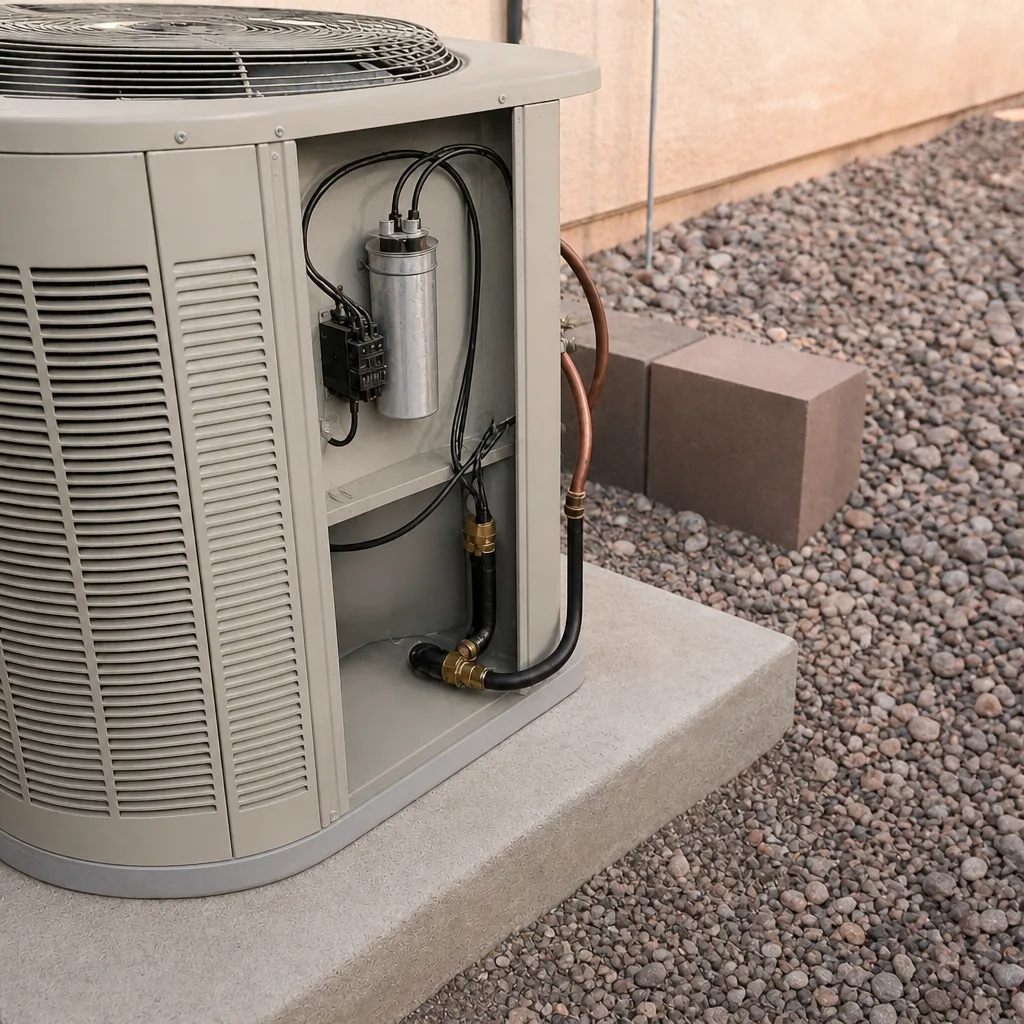
Capacitors are the single most common cause of “the AC is dead” calls we get. Before doing anything, kill power at the breaker. Discharge the old capacitor with an insulated screwdriver. Photograph the wiring, note the microfarad rating, buy the matching part, and reverse the process. This is a $20-$40 part and fifteen minutes if you’re comfortable with basic electrical work. If you’re not, that’s fine – it’s also a cheap, fast job for a technician.
3. Clear a Clogged Condensate Drain
The condensate drain carries water away from the indoor unit. When it clogs, the float switch trips and the system won’t run. Kill power, find the drain line (usually a PVC pipe or a flexible hose), and clear it with a shop vac or a drain brush. Flushing with a cup of distilled white vinegar monthly prevents the clog in the first place.
Do not attempt: refrigerant recharge, compressor work, or electrical panel work. Refrigerant is regulated, high-voltage panel work is genuinely dangerous, and mishandling either can hurt you or damage the system. Those calls go to a licensed technician, every time. For heating-side issues, see Heating & Furnace in Boulder City.
What to Tell a Technician Over the Phone
Here’s the thing about calling for AC service: the more specific you are, the more accurate the estimate range you’ll get before anyone shows up. A good dispatcher can give you a ballpark from three or four details. A vague call gets a vague range. Here’s what to have ready.
- The symptom, in plain language. “It runs but blows warm air” tells us more than “the AC is broken.”
- Whether the outdoor unit is running. Sometimes the indoor blower runs while the condenser stays silent. That’s a key clue.
- Any sounds or smells. Grinding, buzzing, hissing, or a burning smell change the priority.
- Age of the system. If it’s a 2004 Bryant or a 2009 York, we know roughly what we’re likely to find.
- Last time it was serviced. A system that hasn’t been touched in six years has a different starting point than one tuned up this spring.
At Fireside, a live person answers the phone, day or night – not a voicemail tree. You get a real estimate range on that call, and you get our standing $50 off any repair over $250 and a free second opinion on any written estimate. If you’ve already had a diagnosis, bring it to us. We’ll tell you honestly whether it holds up.
Red Flags That Say the Technician Is Upselling
We’ve been called in as a second opinion enough times to know the patterns. When a diagnosis doesn’t feel right, here are the signs worth paying attention to.
- You got a replacement quote before any test was run. A real diagnosis involves meter readings, not a gut feeling.
- No explanation of what failed. A technician should be able to name the part, show you why it failed, and tell you what it costs to fix.
- Refrigerant “leak” declared without a pressure test or leak search. Refrigerant is expensive. A leak claim without a test is a red flag.
- Pressure to decide “today only.” Legitimate offers stand for more than an afternoon.
- Nothing is documented. A written estimate, with line items, is normal. If you’re not getting one, ask why.
- Every problem is a $4,000 problem. Not every system needs replacing.
Our rule is simple: if we wouldn’t recommend the repair to our own mother, we won’t recommend it to you. A second opinion costs you nothing – our written estimates come with a free second look from us, and we’re happy to tell you when your original contractor was right.
Repair or Replace? The Honest Math
Here’s the honest math we walk homeowners through. A repair makes sense when three things line up: the system is under 12 years old, the repair is under roughly a third of replacement cost, and the system hasn’t had repeated failures. Replace it when it’s over 15 years old, the repair involves the compressor or coil, and you’ve had more than two significant repairs in two years.
For homeowners in Boulder City sitting on a system installed before 2010, that math often tips toward replacement – not because it’s broken today, but because the next five years of repairs will cost more than a new unit over its lifetime. That’s the conversation we have most often, and it’s not a sales pitch. It’s arithmetic. If you’re weighing a heat pump, mini-split, or conventional system, we’ve laid out the differences on our Heat Pump & Mini Split in Boulder City page – mini-splits in particular do well in Boulder City’s dry climate.
What a Proper Installation Looks Like
Bad installations are the silent epidemic in HVAC. A unit sized wrong, charged wrong, or ducted wrong will fail young no matter how good the equipment is. What a proper install includes, every time:
- A full load calculation on the home, not a copy of the old unit’s spec plate.
- Correct refrigerant charge verified by weight or subcooling.
- New line set or properly flushed lines, new filter drier.
- Sealed and pressure-tested ductwork on the affected run.
- A written commissioning report with actual measured numbers.
- A clear set of instructions and a maintenance schedule.
We handle the paperwork on rebates and financing as part of the job. Installations are scheduled, not same-day – a proper install is load-calculated, ordered, and set on a specific date. You get a written fixed price before we start, and the price quoted is the price paid. Whether it’s a Carrier, Trane, Lennox, Daikin, or American Standard system, the standard is the same.
Maintenance That Prevents the Expensive Bucket
Most of the expensive repairs we see in Boulder City were avoidable. The proof is in the number of systems we open up that haven’t had a filter change in two years, or a condensate flush since installation.
A tune-up that actually does something is worth more than a card in the mail. Our $89 seasonal tune-up covers a full inspection, coil cleaning, refrigerant check, drain flush, and a written report of what was found. Technicians aren’t paid on what they sell, so the report tells you what’s actually wrong – and what’s fine. The single best thing you can do between visits is change your filter every 60 to 90 days. In Boulder City, dust from the desert and the occasional wind event means filter changes matter more than they do in greener climates. Set a recurring reminder. It’s the cheapest repair you’ll ever do.
Common Mistakes to Avoid
- Assuming “not cooling” means “needs replacement.” Nine times out of ten it’s a small part. Get a diagnosis before you make a big decision.
- Adding refrigerant without finding the leak. Refrigerant doesn’t burn off. If it’s low, it’s leaking, and adding more just postpones the call.
- Skipping the filter. A $12 filter protects a $4,000 compressor. Change it like clockwork.
- Running the system with visible ice on the outdoor unit. Turn it off and call. Running a frozen system can damage the compressor.
- Letting an “emergency” contractor set the price. In Boulder City summer heat, some operators hike rates for same-day service. Our pricing doesn’t change for the time of day or the day of the week.
- Ignoring a second opinion on a replacement quote. It’s free with us, and it’s the most valuable free thing you can do for a big-ticket decision.
- Letting a technician leave without a written diagnosis. You’re entitled to know what failed and what fixing it costs.
See the difference
 Before
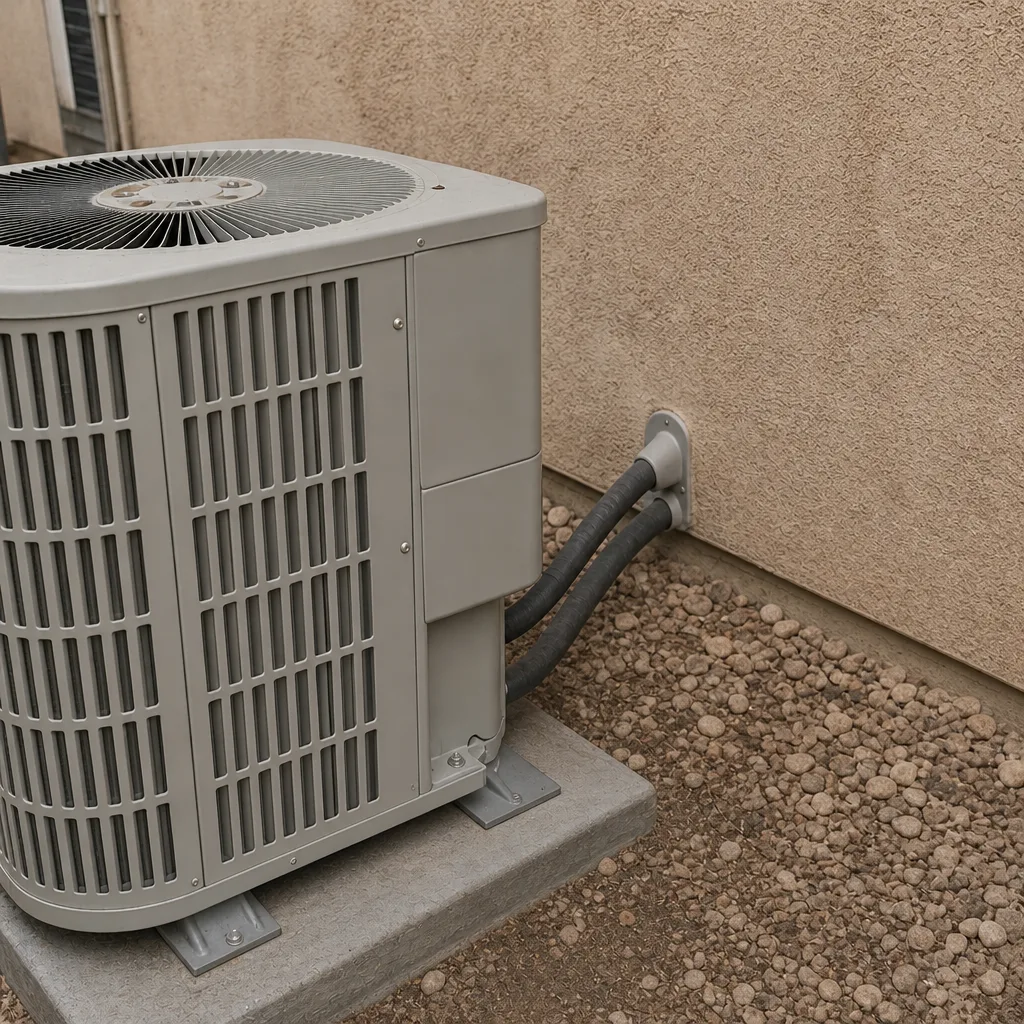 After
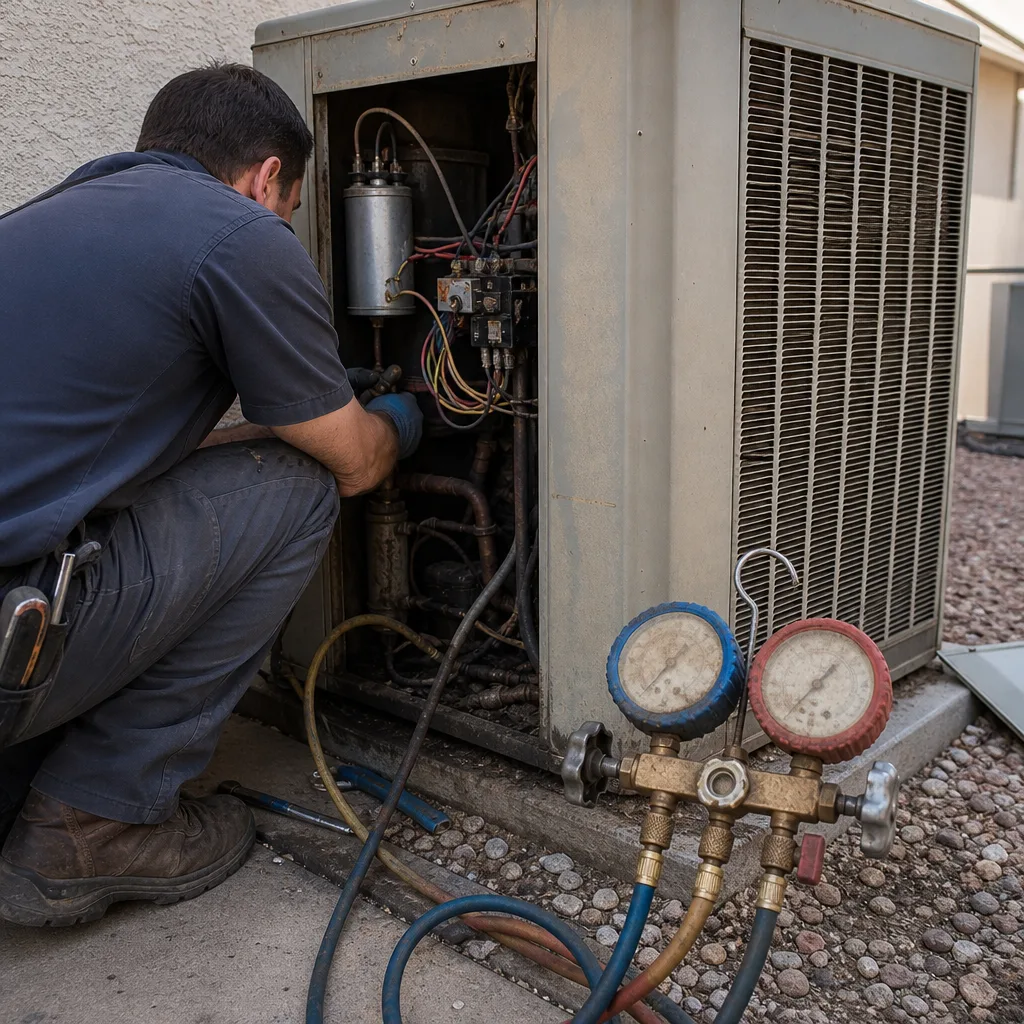 Before
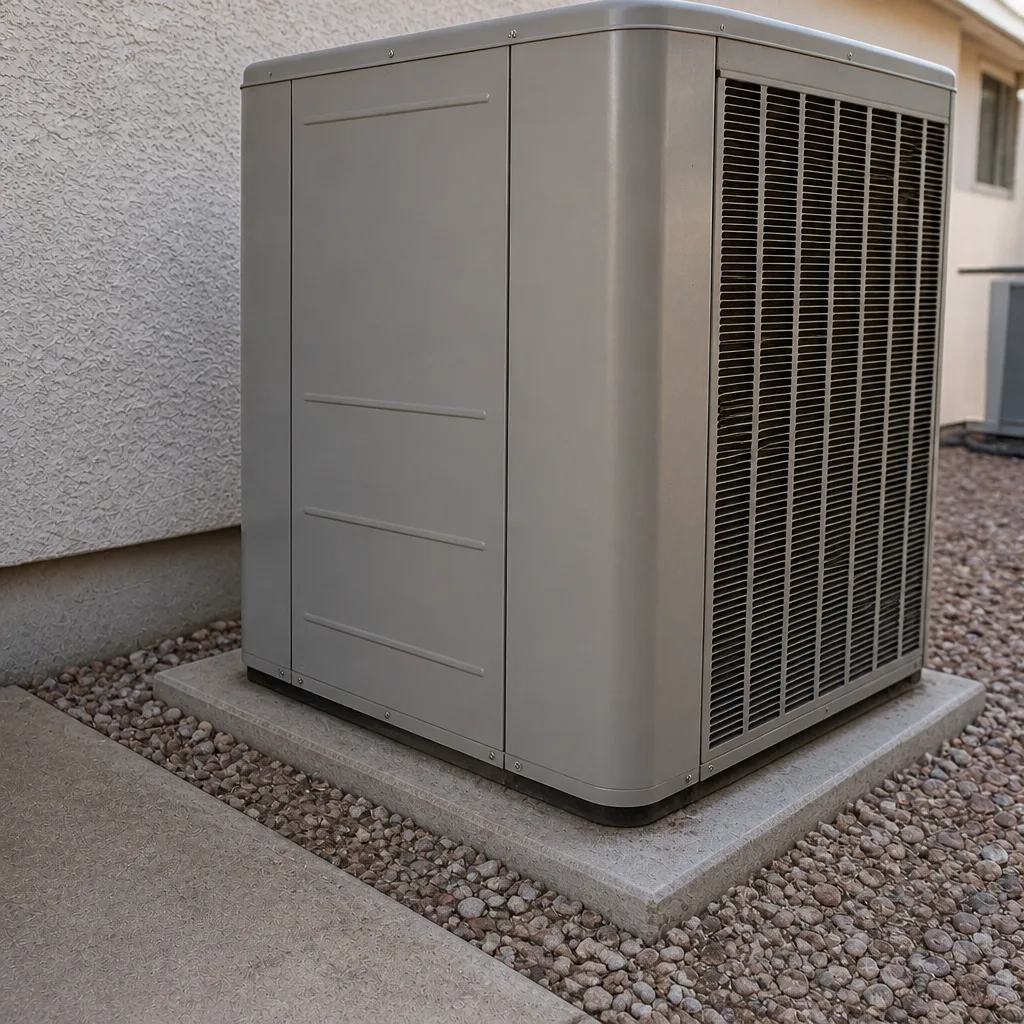 After
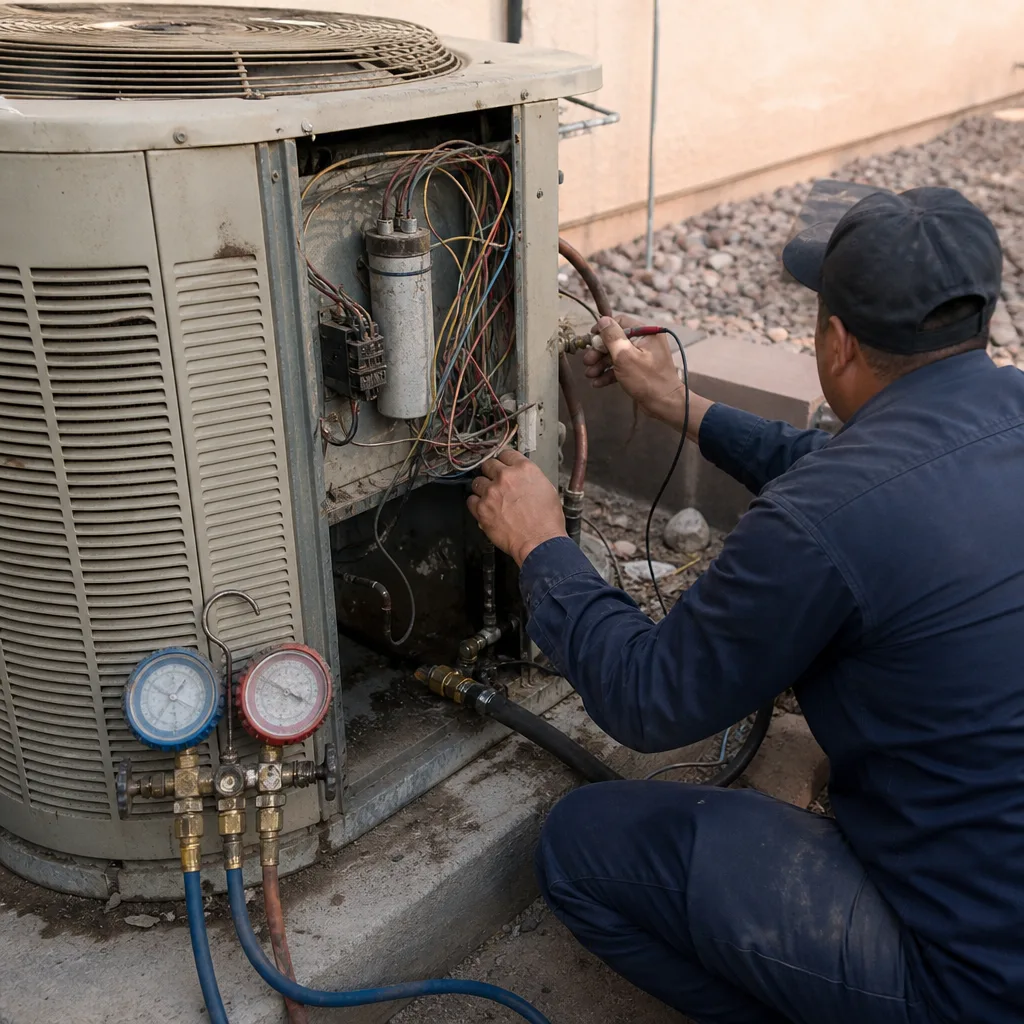 Before
 After
When to Call a Professional
Call a professional for anything involving refrigerant, the compressor, the electrical panel, or a diagnosis you can’t sort into the cheap-or-expensive bucket. Call sooner if you smell burning, see soot, or hear grinding from the outdoor unit – those aren’t “wait until Monday” problems in Boulder City summer heat, and running the system to failure usually turns a medium repair into a large one. Fireside Heating & Air Co. Boulder City offers free estimates in Boulder City – call (844) 312-0133. We answer the phone live, 24 hours a day, and we guarantee our work in writing for 90 days.
Frequently Asked Questions
Usually not. The most common causes are a dirty filter, a failed capacitor, a low refrigerant charge, or a frozen coil – all of which fall into the medium-repair range, not the replacement range. The outliers are a failing compressor or a major refrigerant leak, which a technician can rule in or out with a pressure test. Call (844) 312-0133 for a range before anyone arrives.
Most Boulder City repairs fall between $180 and $600 depending on the part and the labor involved. A capacitor swap or float switch reset sits at the low end; a blower motor or coil repair sits at the high end. A full replacement is a separate decision – budget several thousand dollars and factor in rebates, which we handle for you. Call for an exact range on your system.
Repair if the system is under 12 years old, the repair is under roughly a third of replacement cost, and the system hasn’t had repeated failures. Replace if it’s over 15 years old, the repair involves the compressor or coil, or you’ve had more than two significant repairs in two years. That’s the arithmetic. We’ll walk you through it honestly, and a second opinion on a written estimate costs you nothing.
For most AC failures, yes – we do same-day service in Boulder City and answer the phone around the clock. Call (844) 312-0133. A live person picks up, day or night, and you’ll get an estimate range on that call before we head your way.
Short-cycling is often a sizing problem, especially in Boulder City homes built during the 1980s and 90s. An oversized unit cools fast but never runs long enough to stabilize, so it wears itself out. Other causes include a low refrigerant charge or a thermostat issue. A proper diagnosis starts with a load calculation on the home.
Yes, in the right application. Mini-splits do well in Boulder City’s dry, hot climate and are a strong fit for additions, garages, converted rooms, or homes without existing ductwork. For whole-home comfort, a properly sized conventional system often makes more sense. Our Heat Pump & Mini Split in Boulder City page goes deeper. Call (844) 312-0133 to talk through which fits your home.
The Bottom Line
Most “failing” AC systems are actually cheap fixes in disguise – a capacitor, a float switch, a clogged drain, a dirty filter. The expensive decisions get talked up far more often than they need to. Learn the symptom-to-cause matrix, know which three diagnostics are safe to do yourself, and insist on a written diagnosis before anyone starts talking replacement. In Boulder City, the summer heat rewards a system that’s properly sized and maintained, and it punishes shortcuts. When you need a straight answer on repair versus replace, we’ll give it to you in writing, back it for 90 days, and quote a price you won’t see change. Call Fireside Heating & Air Co. Boulder City at (844) 312-0133 for a free estimate.
Written by the team at Fireside Heating & Air Co. Boulder City.