
Last updated November 18, 2026
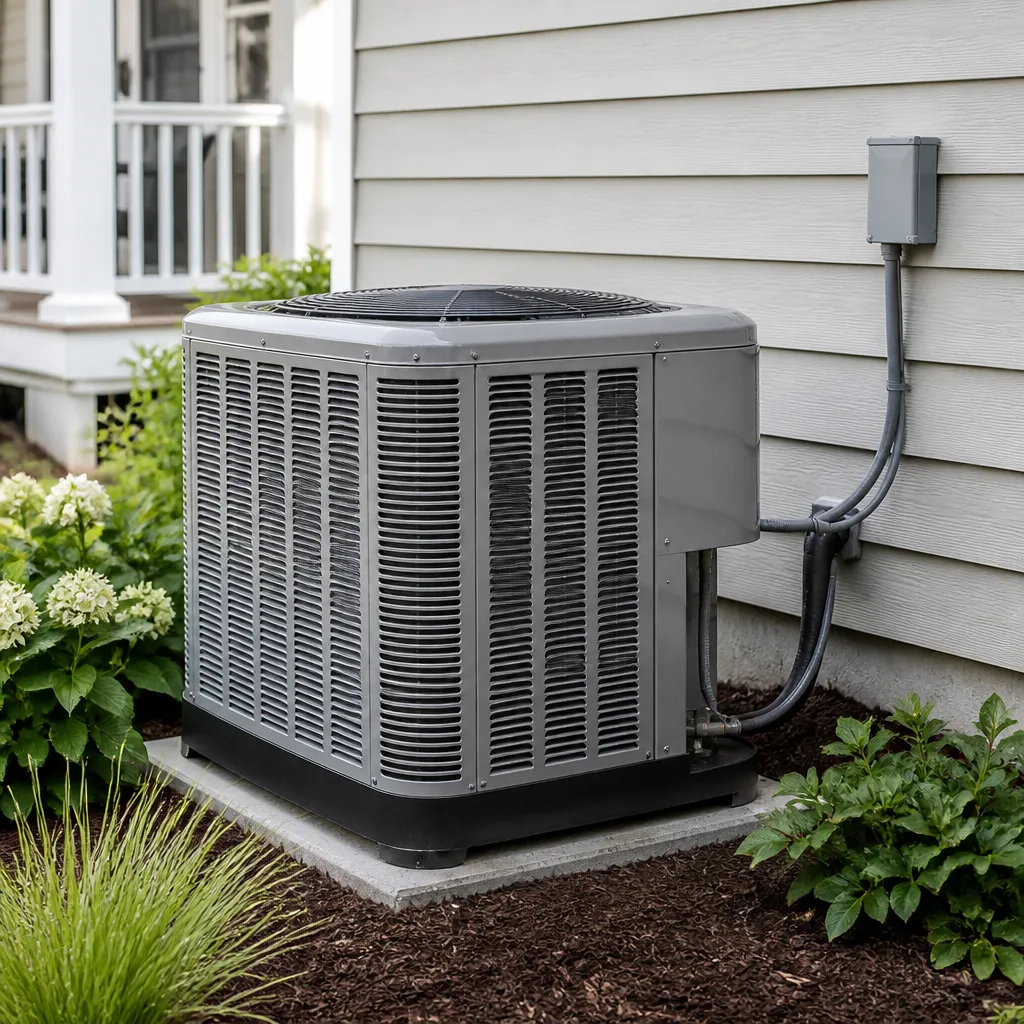 AC repair
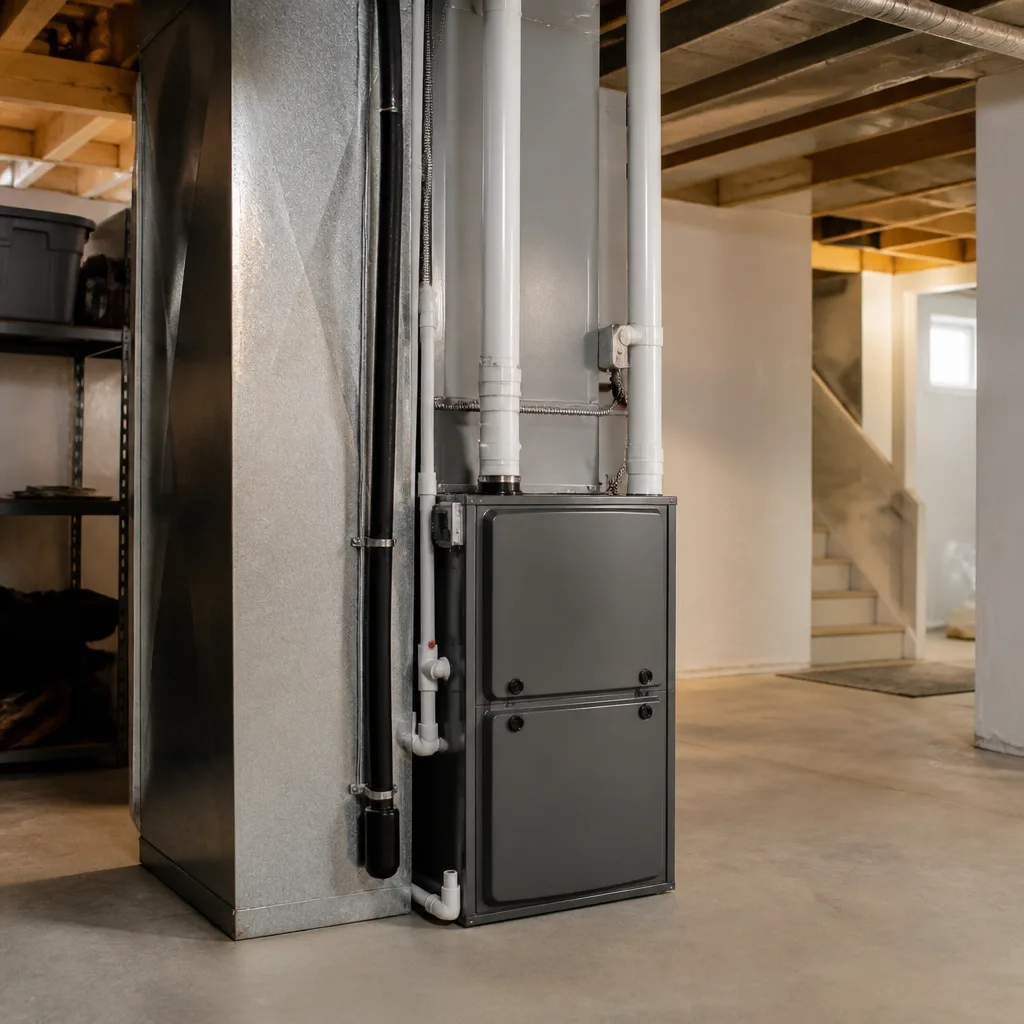 Furnace & heating
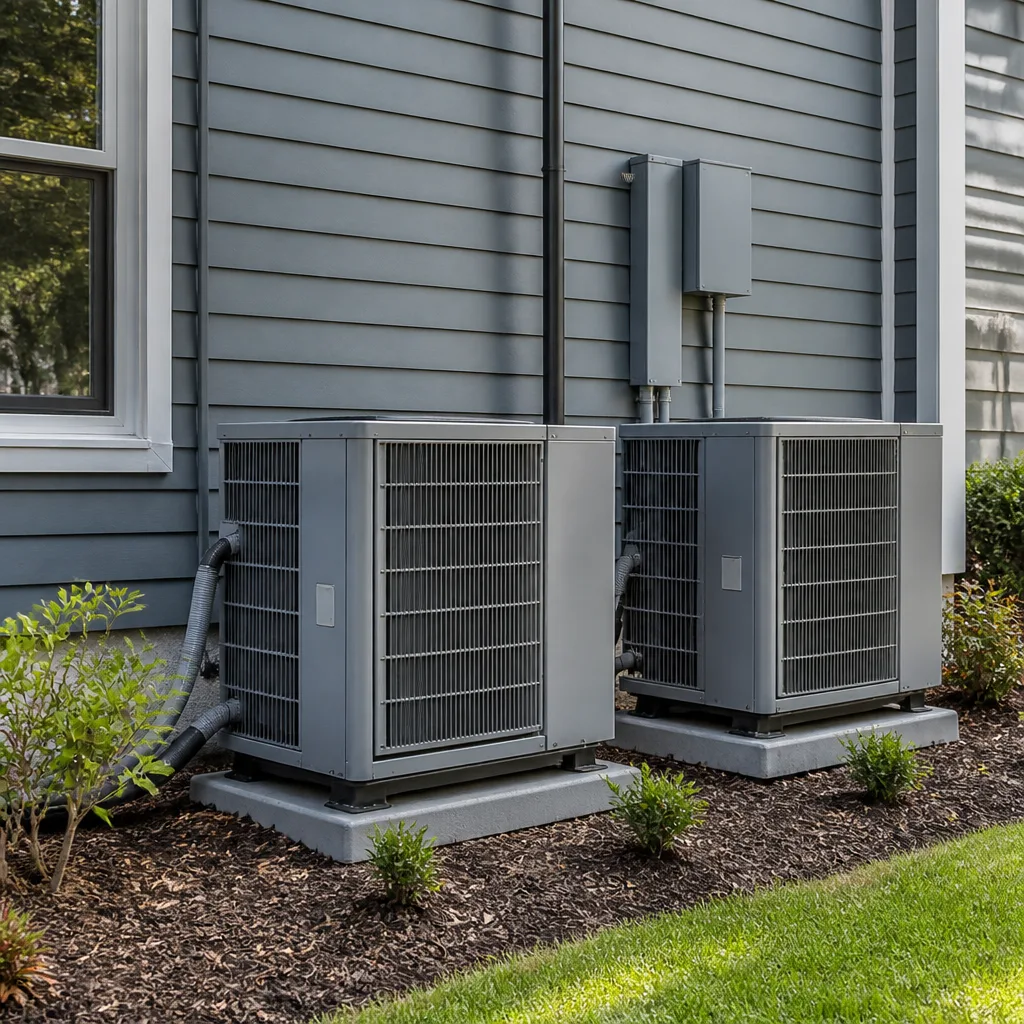 Heat pumps
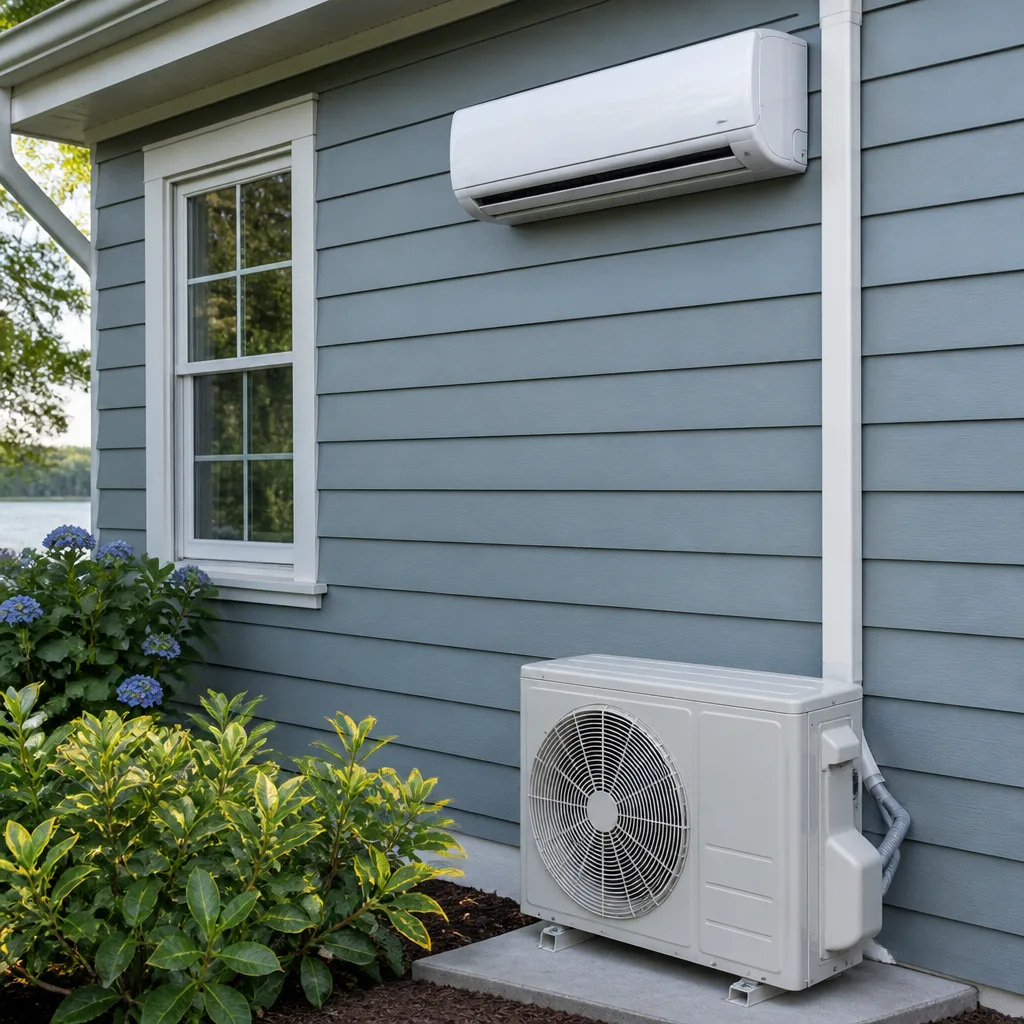 Ductless mini splits
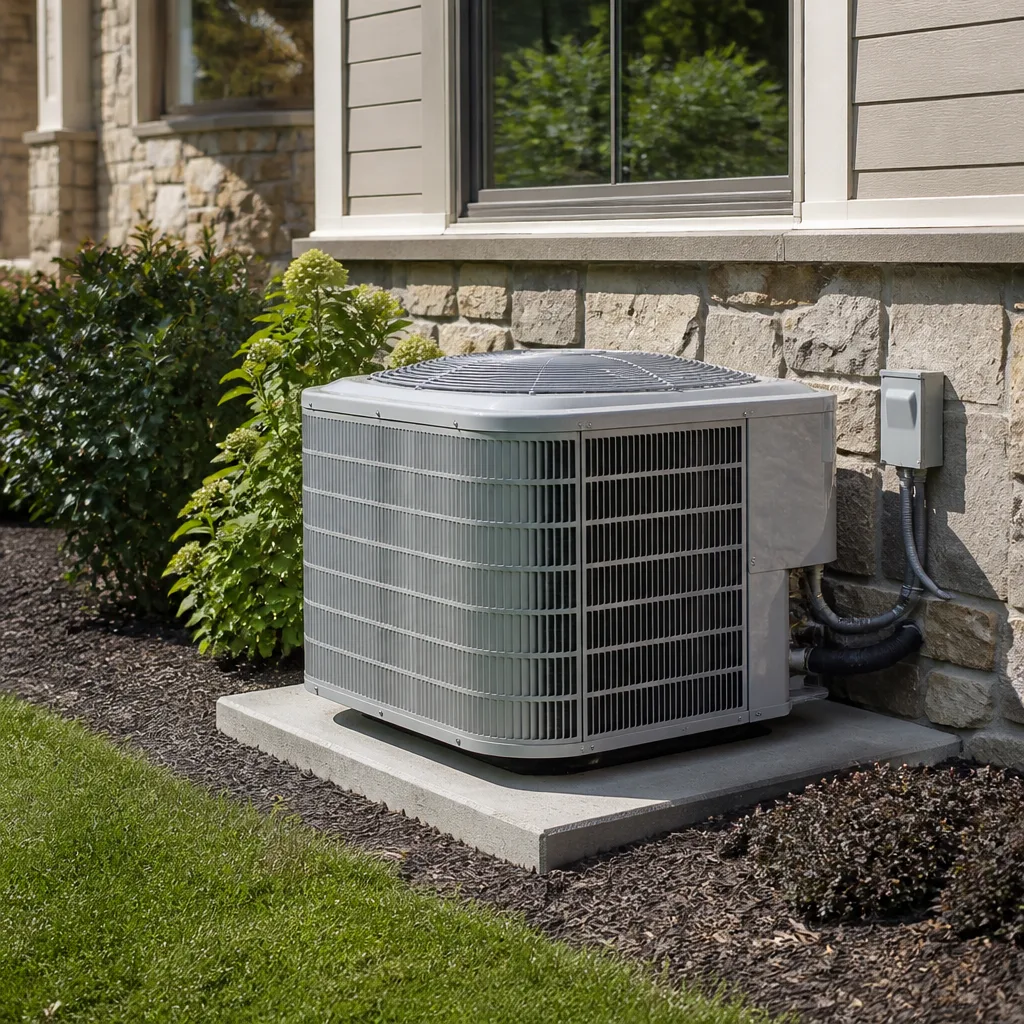 Carrier
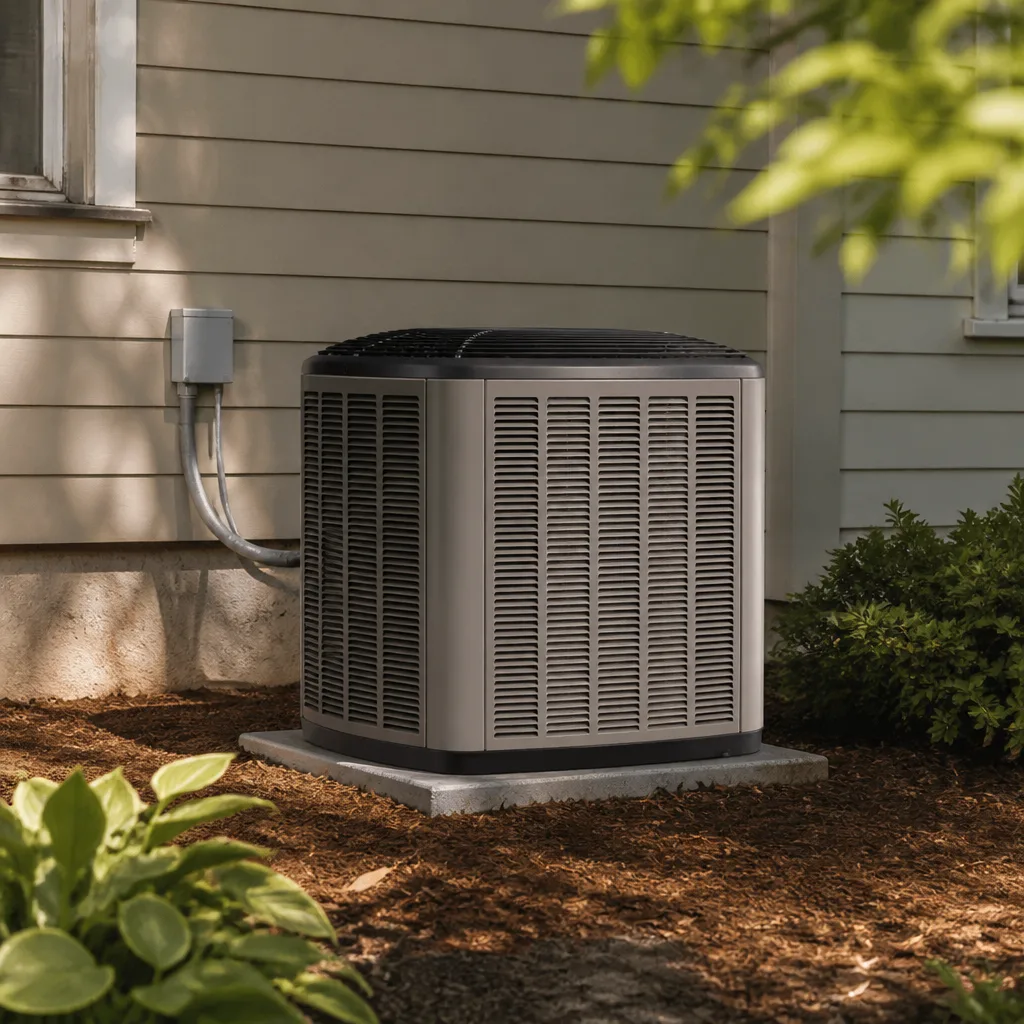 Trane
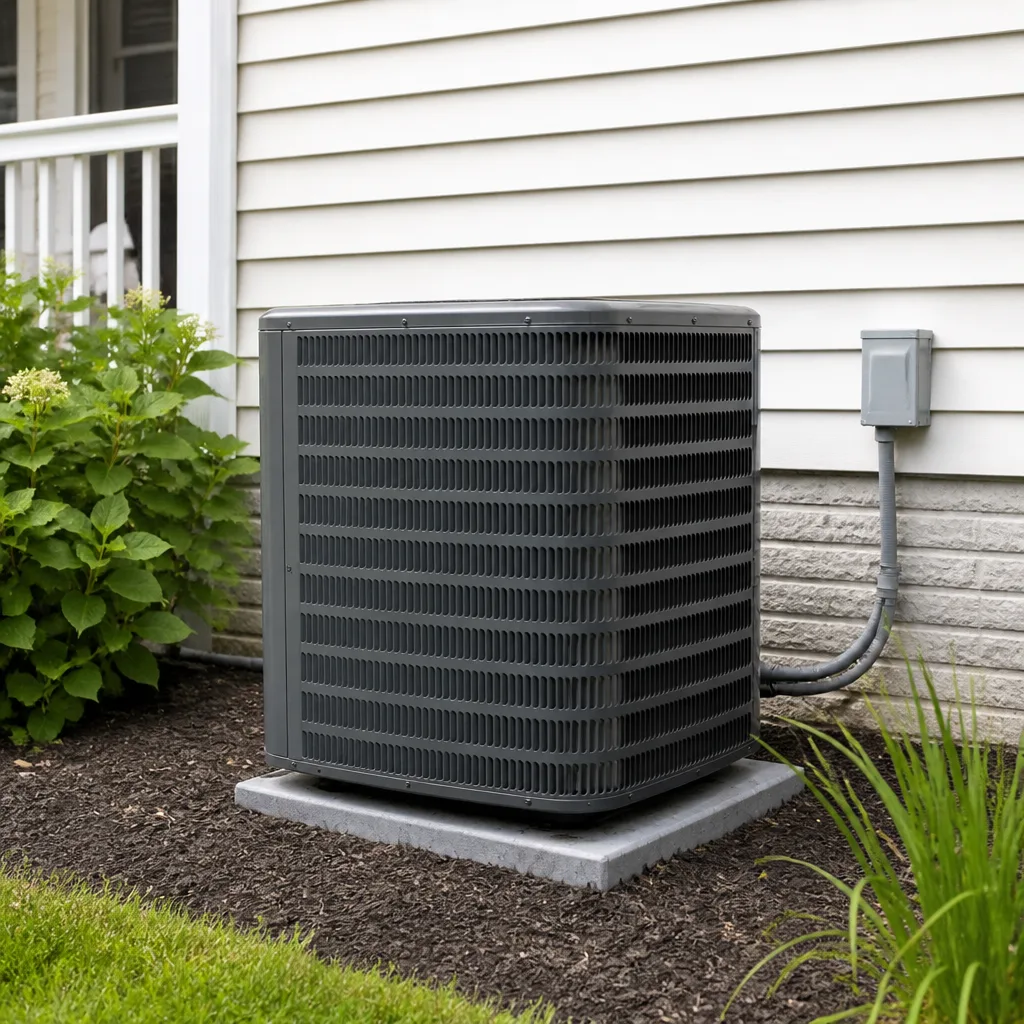 Goodman
Seasonal tune-up and full diagnostic on your Carrier, Trane, or Goodman system - readings shown to you before any repair is proposed
Diagnosis first, numbers second - you approve the repair price before a single part goes in.
Get your free estimateDIY vs Professional HVAC: The Boulder City Homeowner’s Decision Guide
Replacing your air filter is yours to do. Recharging refrigerant is federally illegal without an EPA 608 certification, and even then it doesn’t fix the leak that caused the low charge in the first place. The line between do-it-yourself and professional HVAC isn’t a debate about confidence. It’s about law, liability, and whether the repair actually addresses the problem or just buys you a few weeks. We’ve seen every version of this in Boulder City: a homeowner who saved a service call by keeping a clean filter and clear condensate line, and another who spent $85 on refrigerant from a can before we found a leaking Schrader core that had been dumping charge all summer. This guide draws the line task by task, without talking anyone out of the maintenance work they can genuinely handle.
Quick Answer
Boulder City homeowners can legally and safely handle filter changes, outdoor coil rinsing, thermostat batteries, and condensate drain flushing. Everything involving refrigerant, gas, electrical the panel feeds, or opening the sealed system requires a Nevada-licensed C-21 contractor, and refrigerant work is restricted by federal law to EPA 608-certified technicians regardless of how handy you are. The real split comes down to three things: what the law allows, what your manufacturer warranty requires, and what a desert environment makes dangerous.
Styles & brands we work with
- AC repair
- Furnace & heating
- Heat pumps
- Ductless mini splits
- Carrier
- Trane
- Goodman
Table of Contents
- What Boulder City Homeowners Can Safely Do Themselves
- What Requires a Licensed Nevada C-21 Contractor
- What Federal Law Restricts to Certified Technicians
- How DIY Work Affects Your Manufacturer Warranty
- Why Desert Heat Changes the Risk Math
- The Real Cost Comparison: Savings vs. Repair Bills
- What to Tell a Technician When You’ve Already Tried
- When to Call a Professional
DIY vs Professional HVAC: The Core Question
The short version: DIY is a maintenance strategy, not a repair strategy. The 20% of tasks you can do yourself – filter swaps, drain flushing, coil rinsing, thermostat settings – are the ones that prevent most of the failures we get called out for in Boulder City. The 80% that require a technician are the ones where a mistake isn’t just expensive; it can be dangerous.
Boulder City sits in a basin that regularly sees 110°F-plus afternoons from June through September, and our housing stock – much of it built between the 1950s and 1980s – was engineered for a time when a 3-ton system for a 1,600-square-foot home was considered generous. When that equipment stops in July, the interior of a home can climb past 95°F within hours. For an older homeowner, that’s not discomfort; it’s a health event. That context changes how we think about the DIY question. In a milder climate, a failed DIY repair might just mean a sweaty weekend. Here it can mean a hospital visit. Fireside Heating & Air Co. Boulder City home exists for the moments when “wait until Monday” isn’t a real option.
What Boulder City Homeowners Can Safely Do Themselves
We don’t want to talk anyone out of the maintenance work that genuinely saves money. Here are the tasks that are legal, safe, and – done on a schedule – actually prevent failures. We’ve watched homeowners who keep to this list go years without a service call.
- Change the air filter every 30 – 90 days. In Boulder City’s dust, a 1-inch filter loads up faster than the manufacturer’s 90-day guidance. Check yours monthly during spring winds and the summer monsoon. A clogged filter is the single most common cause of frozen coils we see.
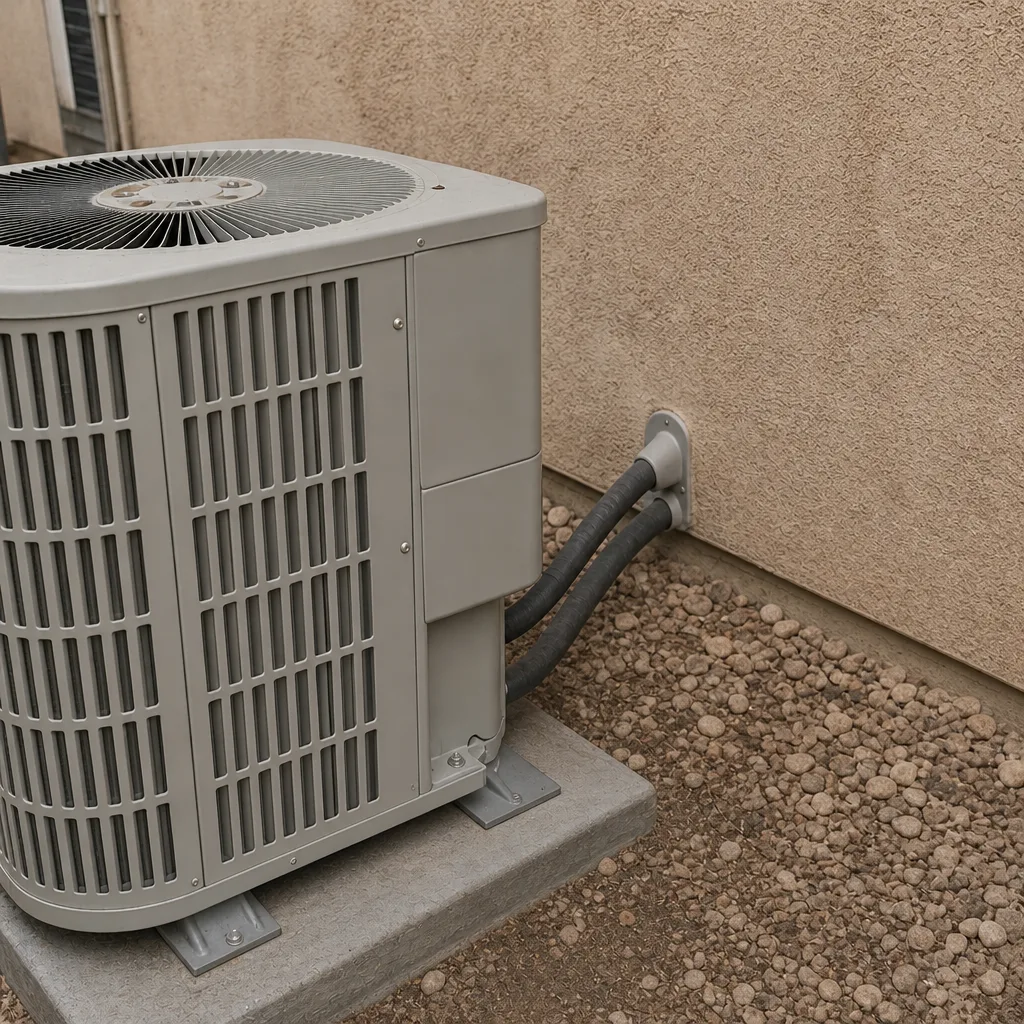
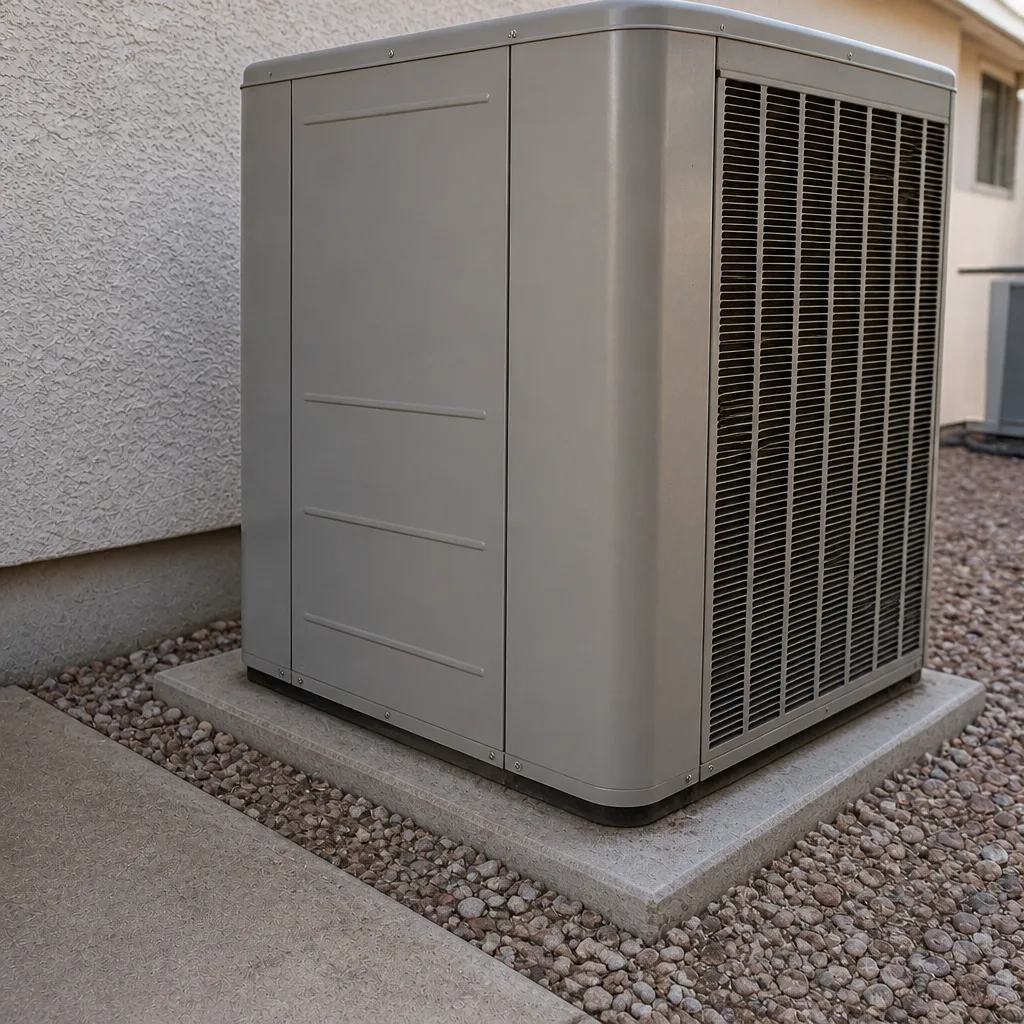
- Rinse the outdoor condenser coil. With the power off at the disconnect, a garden hose on a gentle spray removes the dust and cottonwood fluff that cake the fins. Do this twice a season, not more – high pressure bends fins.
- Flush the condensate drain line. A cup of white vinegar down the access port every few months keeps algae from plugging the line. A plugged drain line in a Boulder City attic can cause water damage before you notice the stain.
- Replace thermostat batteries and check settings. Most “my system stopped working” calls in Boulder City turn out to be dead thermostat batteries or a schedule flipped to heat mode.
- Keep two feet of clearance around the outdoor unit. Trim shrubs, clear stored items, and check that the pad isn’t sunk or the unit isn’t leaning.
- Vacuum return grilles and supply registers. It’s the simplest dust reduction step you can take, and in a desert it matters more than you’d think.
Notice what’s not on this list: anything that requires opening a panel, touching a wire, or connecting a gauge. That’s the line. If you find yourself buying a tool from a home-improvement store to finish the job, you’ve crossed from maintenance into repair.
What Requires a Licensed Nevada C-21 Contractor
Nevada issues a C-21 classification for heating, ventilation, air conditioning, and refrigeration work. That’s the license our state expects a contractor doing this work to hold. Any repair that involves the sealed refrigerant circuit, gas piping, or electrical connections inside the equipment should be done by a licensed contractor – not a handyman, not a neighbor who “knows HVAC,” not a YouTube tutorial.
Here’s the practical list of what falls on the professional side of the line:
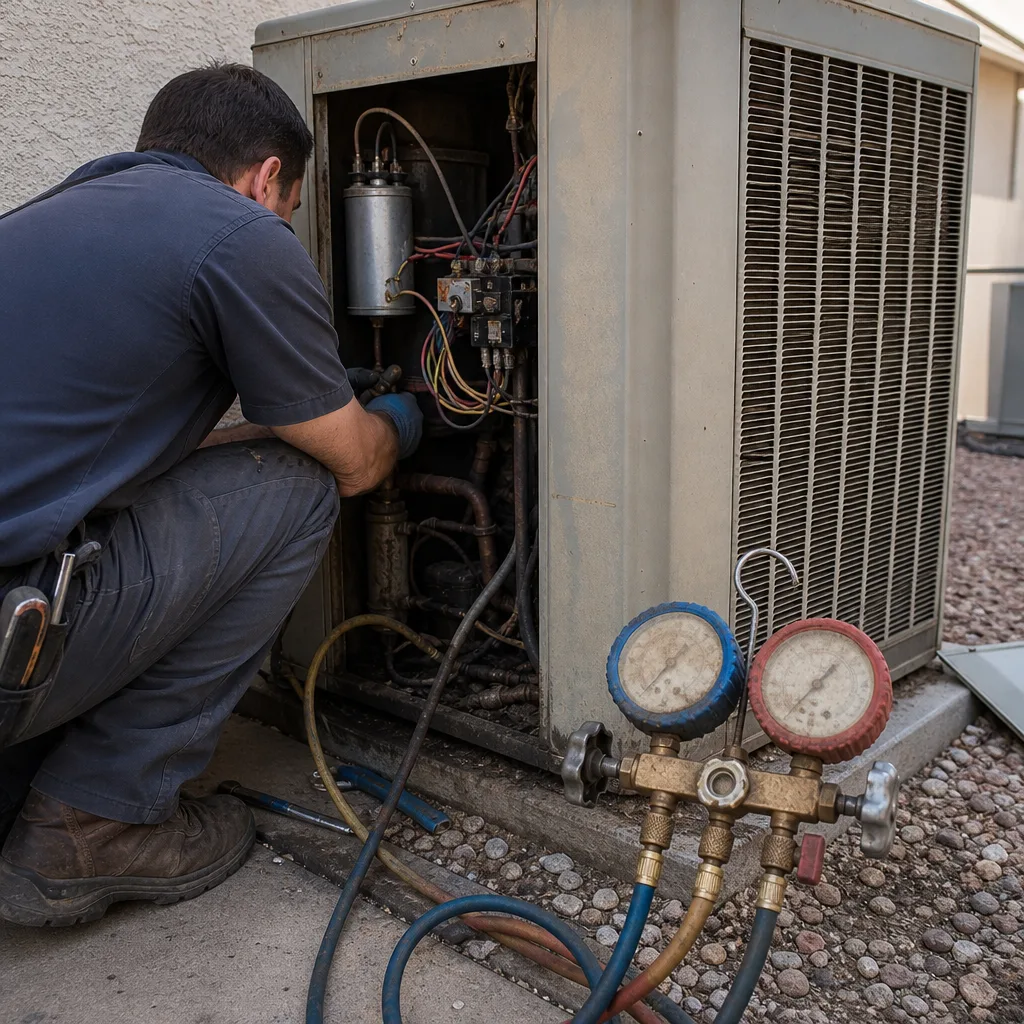
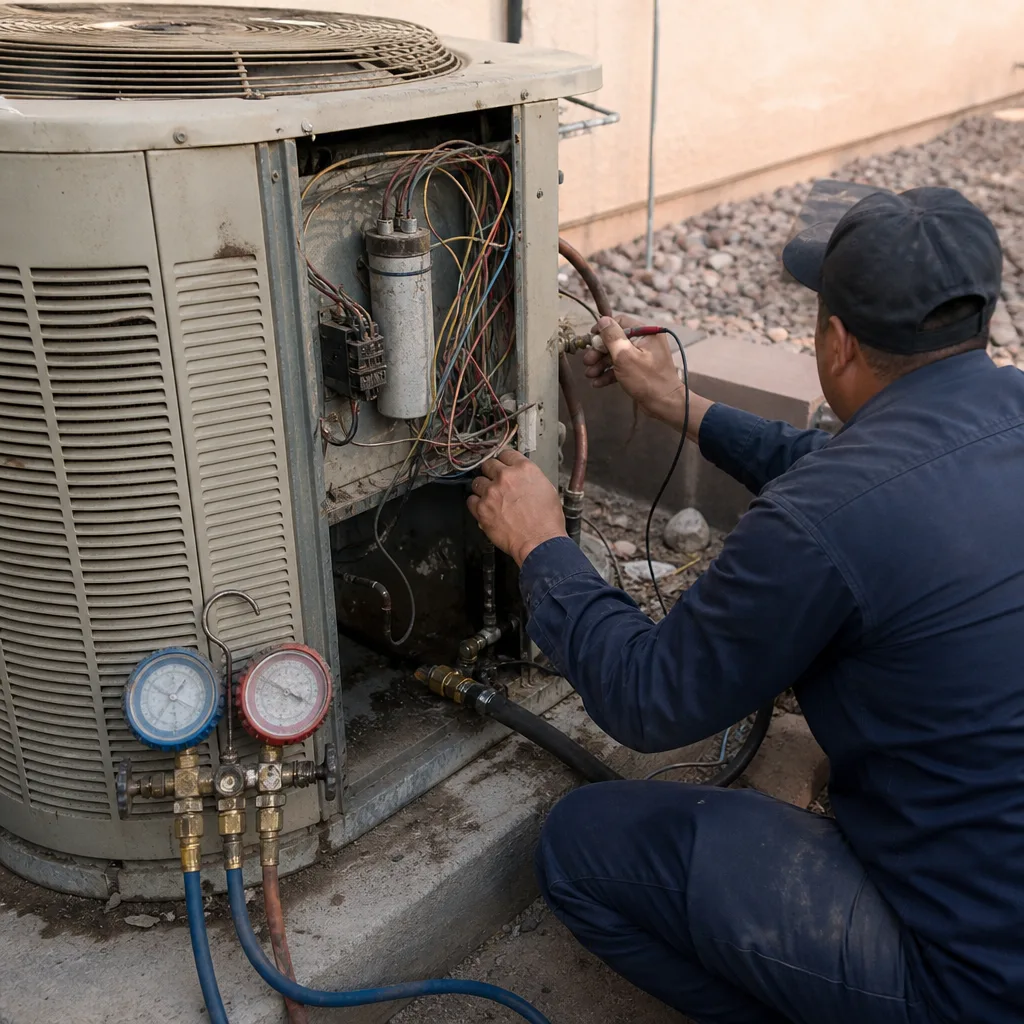
- Any refrigerant work – recovery, evacuation, recharge, leak repair, component replacement in the sealed system
- Compressor, capacitor, contactor, blower motor, and control board replacement
- Gas furnace ignition, flame sensor, heat exchanger, and gas valve work
- Ductwork modifications, sealing, or replacement that affects airflow and static pressure
- Electrical connections at the disconnect, contactor, or panel
- System sizing, load calculations, and installation of new equipment
- Refrigerant line set brazing, flaring, and leak testing
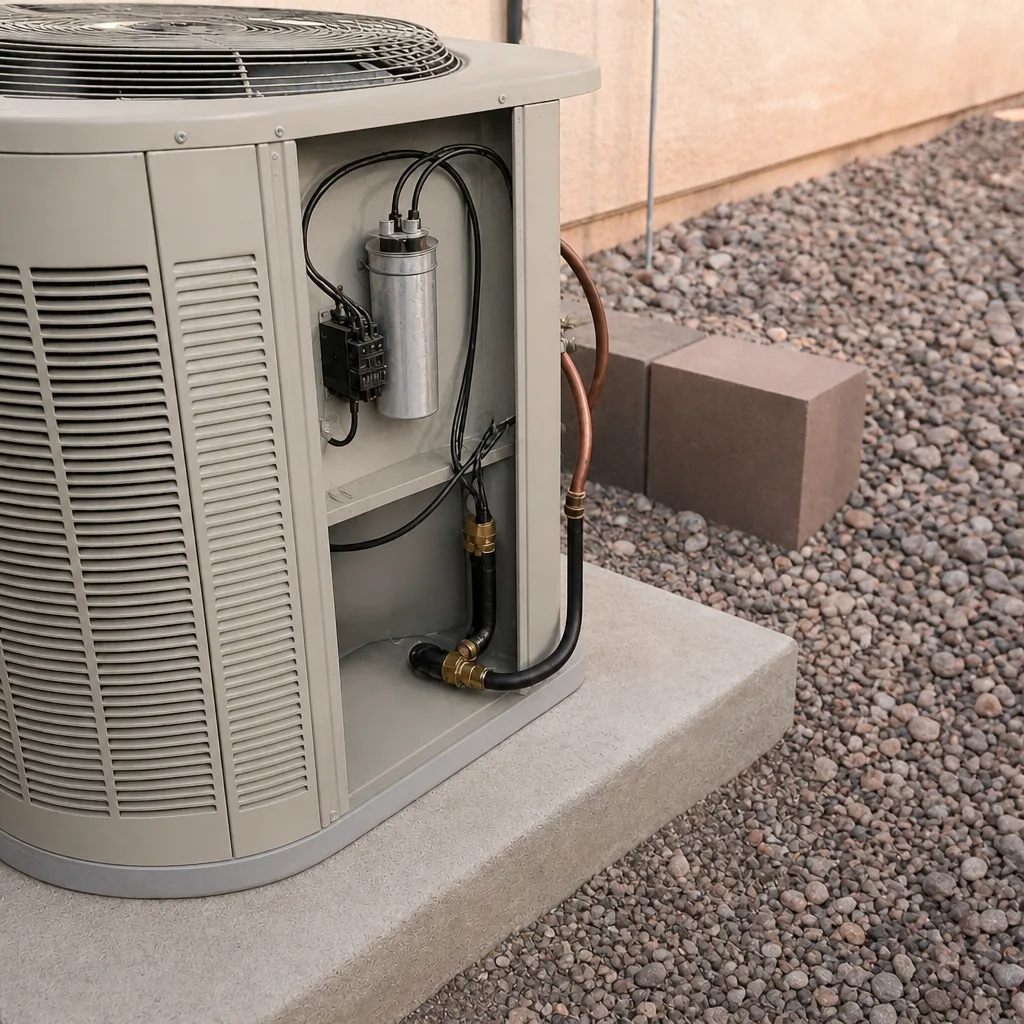
What’s on that list and what isn’t matters because the stakes in Boulder City are real. A capacitor swap looks simple until you realize the capacitor holds a charge even with the power off. A gas furnace adjustment can turn a rough start into a carbon monoxide problem. When we get a call for AC Repair & Installation in Boulder City, one of the first things we ask is whether anyone else has been in the equipment, because we need to know what we’re working around.
What Federal Law Restricts to Certified Technicians
This is where “I’m pretty handy” stops mattering. Under Section 608 of the Clean Air Act, it’s illegal for anyone without EPA 608 certification to purchase, handle, or charge refrigerant, and that applies to the small cans of R-410A and R-134a sold in some states. Nevada enforces this. So does the manufacturer warranty, more on that in a moment.
The bigger reason the law exists: refrigerant isn’t a fuel you top off. When a system is low on charge, the charge went somewhere – a bad Schrader core, a cracked flare, a pinhole in the evaporator coil, a failed solder joint. Adding refrigerant without finding and repairing the leak doesn’t fix the system. It masks the problem, drives head pressure up, and damages the compressor. On a July afternoon in Boulder City, that damage typically shows up as a compressor that quits within a season.
What a certified technician does is locate the leak, repair it, pull a deep vacuum to remove moisture and non-condensables, and charge the system to the manufacturer’s specified weight. That last part is why the DIY can is a bad deal: charging by pressure gauge instead of by weight leaves a system running outside spec, and everything downstream of that runs hotter and wears faster.
How DIY Work Affects Your Manufacturer Warranty
Most residential HVAC warranties on equipment from Goodman, Rheem, Daikin, and others share a common clause: the warranty is void if the equipment is serviced by anyone other than a licensed contractor, or if the failure results from improper installation, service, or use. Read your own warranty, but expect to find that language or something close to it.
What keeps coverage valid typically comes down to documentation:
- A record of who performed the work, and that they were licensed
- Service records showing regular maintenance – filter changes, tune-ups, and any repairs
- Evidence the repair followed the manufacturer’s procedure, including leak testing and weight-based charging on refrigerant work
- No sign of unauthorized parts or work performed outside the sealed system
In practice, when a homeowner tries a DIY repair and it fails, the manufacturer looks at the failure pattern. A compressor with a burned winding that came with a DIY refrigerant top-off and no leak repair is a denied claim. A compressor that fails at six years on a system with a documented annual tune-up is usually covered. In our experience with Boulder City homeowners, the warranty denial is the expensive surprise – not the repair itself. A $450 compressor claim denial on equipment that cost $6,000 to install is a hard lesson.
Why Desert Heat Changes the Risk Math
Every HVAC task has two risk profiles: the risk of doing it wrong, and the consequence of the system being down for a day or two while you figure it out. In a mild climate, the second risk is often tolerable. In Boulder City, it usually isn’t.
Here’s what changes in a desert:
- Ambient temperatures above 110°F push every component harder. A system that’s 10% undercharged that would limp through a coastal summer will run out of headroom in Boulder City and shut down on high-pressure lockout. Improperly seated door panels and torn gaskets – which DIY repairs commonly cause – reduce condenser airflow and can cause the same shutdown.
- Dust and monsoon debris load the coil differently. Between the spring winds off the McCullough Range and the summer monsoon dust storms, Boulder City equipment sees a dust load most manufacturers never design for. Coil rinsing is a real preventive step here, not just good hygiene.
- Nighttime temperatures stay high. In coastal climates, a broken AC is survivable by opening windows overnight. In Boulder City in July the low can stay above 85°F. For an older homeowner, indoor temperatures above 90°F for more than a day are a genuine health risk, and the call matters.
- Attic equipment bakes. A lot of the Boulder City housing stock runs ductwork and air handlers in attic spaces that reach 130°F and higher. Fasteners that vibrate loose on a heat-distorted panel can drop into the blower, and the resulting damage is far more than the original repair would have cost.
Our team at Fireside Heating & Air Co. answers live, day or night, because we know what a failed system means for a Boulder City homeowner in early July. When a heat-related call comes in at 2 a.m., a person picks up. No voicemail tree. That’s not a marketing point; it’s how the work has to be done here.
The Real Cost Comparison: Savings vs. Repair Bills
DIY maintenance does save real money. Owner-performed filter changes and coil rinsing can meaningfully reduce the odds of a frozen coil or a locked compressor, and over a few summers that adds up. But DIY repairs go wrong often enough that the savings tend to be smaller and more uneven than homeowners expect. Here’s how we’ve seen it break down in Boulder City service calls.
- Owner-performed maintenance (filter, coil, drain, thermostat): $0 – $80 in supplies per year, and a measurable drop in repair calls.
- DIY refrigerant top-off from a store-bought can: $40 – $85 for the can, plus $250 – $600 in extra repairs when the underlying leak is later found to have damaged the compressor.
- DIY capacitor or control board swap: $20 – $90 for the part, and $180 – $450 for a technician visit that has to diagnose the original fault as well as what the swap disturbed.
- DIY thermostat installation gone wrong (miswired control wire): $140 – $380 to diagnose and repair the low-voltage short, and potentially a service call on the board.
- Boulder City 3-ton system replacement, single speed, at our current market rates: typically $7,500 – $11,500 for equipment and installation. A warranty denial on the compressor alone can cost $1,400 – $2,400 in parts and labor outside of coverage.
What the numbers say is that the cost of doing it wrong is usually larger than the cost of having it done right the first time. If you’ve already made a DIY attempt, we’d rather know about it up front – see the next section. Heating & Furnace in Boulder City includes a standing offer that applies here: a Free Second Opinion on Any Written Estimate, so you can compare the diagnosis against what we find. When you do decide to have the work done, our standing offer of $50 Off Any Repair Over $250 applies.
What to Tell a Technician When You’ve Already Tried
Tell us. Honestly and fully. We’ve been called to Boulder City homes where the homeowner already tried something and didn’t say so, and it made the diagnosis slower and the repair more expensive. Here’s how to make that conversation useful:
- Say what you attempted and when. “I added a can of R-410A last Thursday” is exactly what we need to hear. That changes how we approach the leak test and how we think about system pressure.
- Mention anything you touched or moved. Panel screws, wire connections, thermostat wiring, door panels – if it was loosened or removed, tell us.
- Keep the failed part if you removed something. A bad capacitor on the counter tells us a lot about the fault we’re chasing.
- Note the symptoms before and after your attempt. Did the system come back on and then trip? Did it run longer or shorter? Did you hear a new noise?
- Have your warranty paperwork and the equipment model plate ready. We need the serial number and model number to check coverage before we touch the system.
The reason honesty matters is that the manufacturer, when a warranty claim is filed, wants to know the work history. If we can document that we came in, properly diagnosed the problem, and repaired it correctly, most manufacturers will still honor coverage on the remaining components. If we’re hiding a DIY repair in the service record, and the manufacturer later finds it, the claim comes back denied. We’ve walked Boulder City homeowners through both scenarios. The first is a service call. The second is a replacement.
See the difference
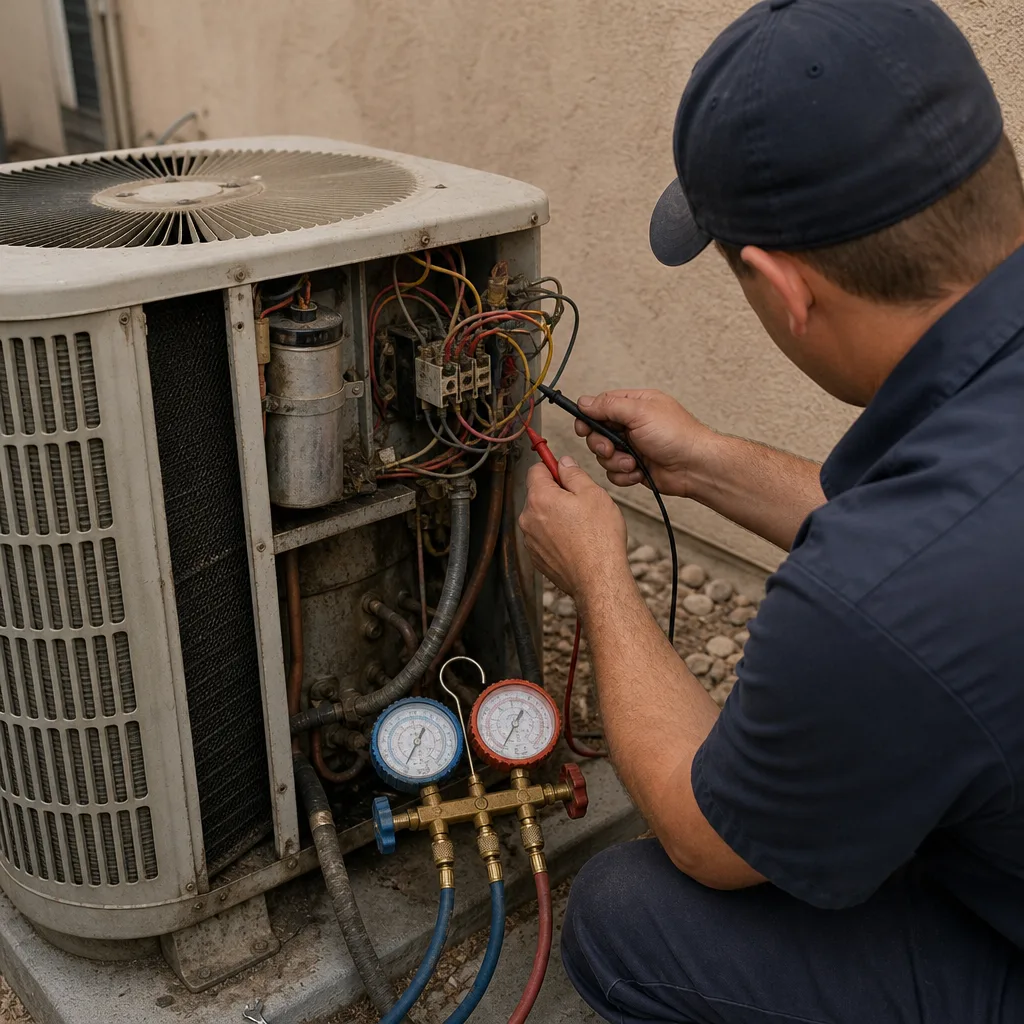 Before
 After
 Before
 After
 Before
 After
Common Mistakes to Avoid
- Adding refrigerant without finding the leak. This is the single most expensive mistake we see in Boulder City. A system that’s low on charge has a leak somewhere, and topping it off drives head pressure up and burns out the compressor. If your system is low, the leak test comes first.
- Using store-bought “stop leak” products. These can plug the metering device and contaminate the entire system. What started as a $300 flare repair can become a $2,000 evaporator coil replacement. We’ve seen it twice this year in Boulder City alone.
- Opening panels while the disconnect is on. Capacitors hold a charge. A jolt from a capacitor is dangerous, and the repair you were attempting becomes an emergency room visit. Always kill the disconnect and give it a minute before touching anything.
- Swapping a capacitor without testing it. A weak capacitor and a failed capacitor look the same to a homeowner but tell a technician very different stories. Replacing a part that wasn’t the problem can mask the real fault and cost you the visit twice.
- Wiring a thermostat from a photo on the internet. Control wiring codes vary by brand, and a miswired thermostat can blow a low-voltage fuse or send 24 volts where it doesn’t belong. Read the manual for your model number, not the manual for a similar one.
- Skipping the filter for “just this month.” In Boulder City dust, there’s no such thing as just this month. A filter that’s gone 120 days is more likely to cost you a frozen coil than it saves you in filter cost.
- Assuming a shade cloth or cover on the outdoor unit is helping. Shading the condenser with anything that restricts airflow makes it work harder. Clearance is what matters, not cover.
When to Call a Professional
Call us when the task crosses into the sealed system, gas, or high voltage. Call us when you’ve attempted a repair and it didn’t hold. Call us when your system is short-cycling, icing up, refusing to start, or blowing warm air on a day Boulder City is above 105°F. Call us when a young child or an elderly resident is in the home and the system is down. And call us for the annual tune-up even if nothing’s wrong, because a $89 Seasonal Tune-Up that catches a weak capacitor in April saves the $450 repair in July.
If you’re in Boulder City and you want a second opinion on a diagnosis someone else gave you, our standing offer of a Free Second Opinion on Any Written Estimate applies, and a live person answers when you call. Heat Pump & Mini Split in Boulder City is where we do a lot of that work, and we’ll quote you the price we stand behind, in writing. Fireside Heating & Air Co. Boulder City offers free estimates in Boulder City – call (844) 312-0133.
Frequently Asked Questions
No. Under Section 608 of the Clean Air Act, handling refrigerant requires EPA 608 certification, and Nevada enforces this. Store-bought refrigerant cans are restricted in many states and, even where sold, using them without certification is a violation. The deeper issue is that adding refrigerant doesn’t fix the system – it masks a leak that will return, usually as compressor damage. Call (844) 312-0133 for a leak-test-first service call.
No. Filter changes, thermostat batteries, and outdoor coil rinsing are routine maintenance and don’t void coverage. What voids coverage is unauthorized repair work – refrigerant handling, electrical component replacement, or gas work – performed by someone other than a licensed contractor, or repairs that the manufacturer determines caused the failure. Keep your filter change dates and any maintenance records.
Yes, and at Fireside Heating & Air Co. Boulder City a live person answers the phone 24/7, including nights, weekends, and holidays. There’s no voicemail tree, no call-back queue. When a system fails in a Boulder City home above 110°F, that’s a health situation, and the call goes to a person who can dispatch a technician. Call (844) 312-0133.
Most warranties void coverage for service by unlicensed persons, improper installation, or failures traced to unauthorized parts or non-compliant repair procedure. In practice, the denied claims we see trace back to two things: refrigerant added without a documented leak repair, and parts installed without following the manufacturer’s specification. If you’re unsure, check your own warranty paperwork before your next repair – and call us for a Free Second Opinion on Any Written Estimate if someone tells you a repair isn’t covered.
The work itself carries the same physical hazards anywhere – electrical shock, refrigerant exposure, gas leaks. What’s different in Boulder City is the consequence of a failed repair. Ambient temperatures above 110°F and nighttime lows that stay above 85°F in mid-summer mean a system failure is a health risk, not a comfort problem, especially for older residents. That’s why we don’t recommend DIY on anything beyond the maintenance list.
Stop, turn the system off at the thermostat and disconnect, and call us. Tell the technician exactly what you attempted, when, and what changed afterward. That information makes the diagnosis faster and protects your warranty for the remaining components. Honesty up front is a $180 – $450 service call. Hiding it and letting it surface later can be a $1,400 – $2,400 compressor replacement that comes out of pocket. Call (844) 312-0133 and we’ll come look.
The Bottom Line
The DIY-versus-professional question in Boulder City isn’t close for most tasks. Filter changes, coil rinsing, drain flushing, and thermostat batteries are yours and worth doing on a schedule. Refrigerant work, gas work, electrical inside the equipment, and anything involving the sealed system require an EPA 608-certified technician backed by a Nevada C-21 contractor license. The cost of doing it wrong is almost always larger than the cost of having it done right the first time – and in a desert summer, the stakes go beyond money. Our recommendation: do the maintenance, protect the warranty, and call a professional for the rest. A square deal is the price quoted is the price paid, and that’s the standard we hold to on every Boulder City repair.
Call (844) 312-0133 for a free estimate. Live person, any hour, and our 90-Day Done Right Promise in writing on every repair.
Written by the team at Fireside Heating & Air Co. Boulder City.