
Last updated November 18, 2026
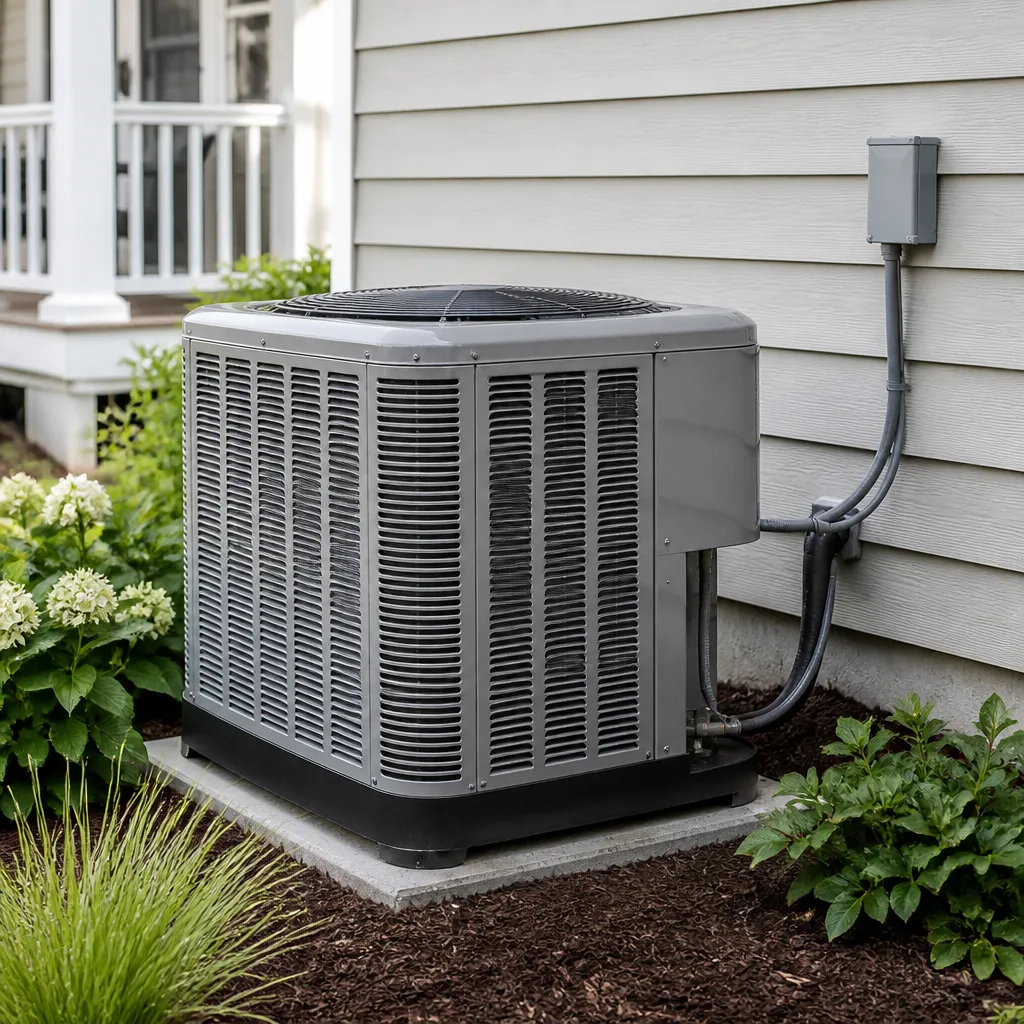 AC repair
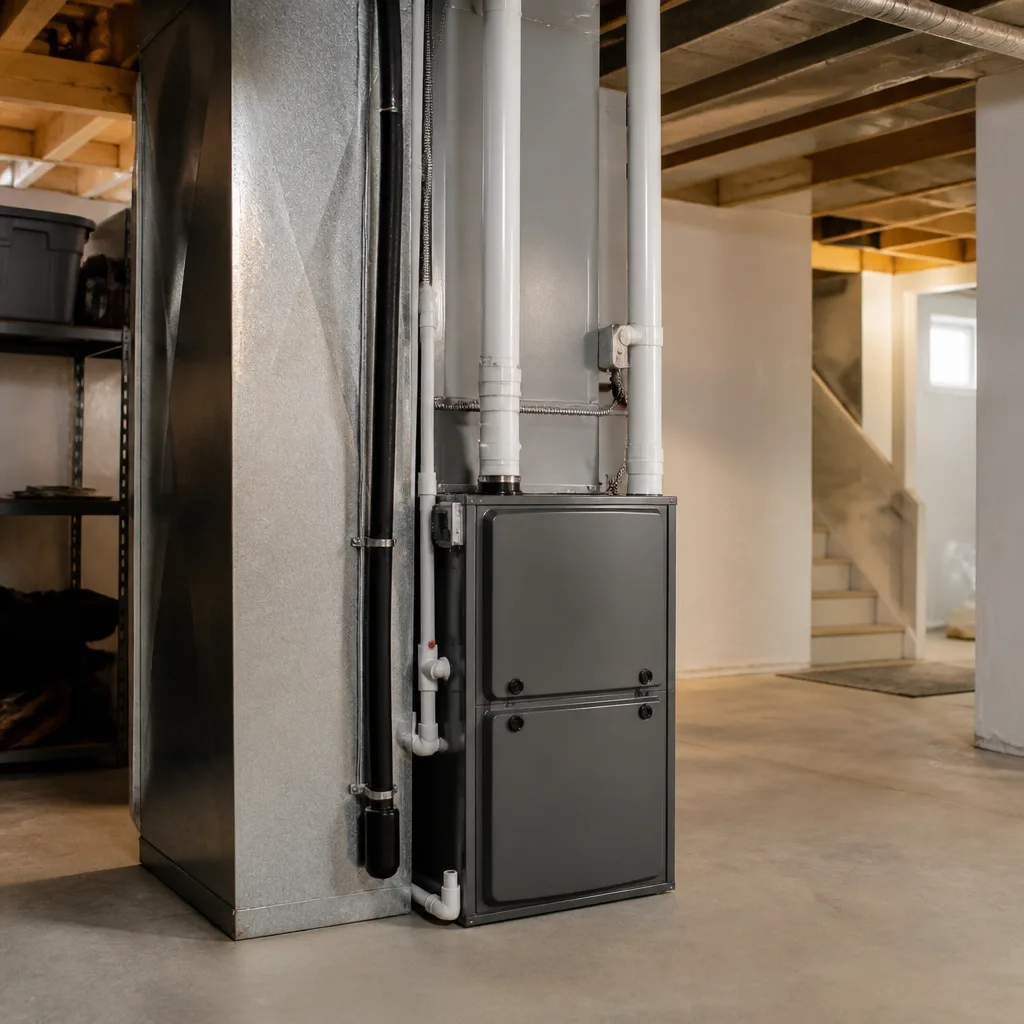 Furnace & heating
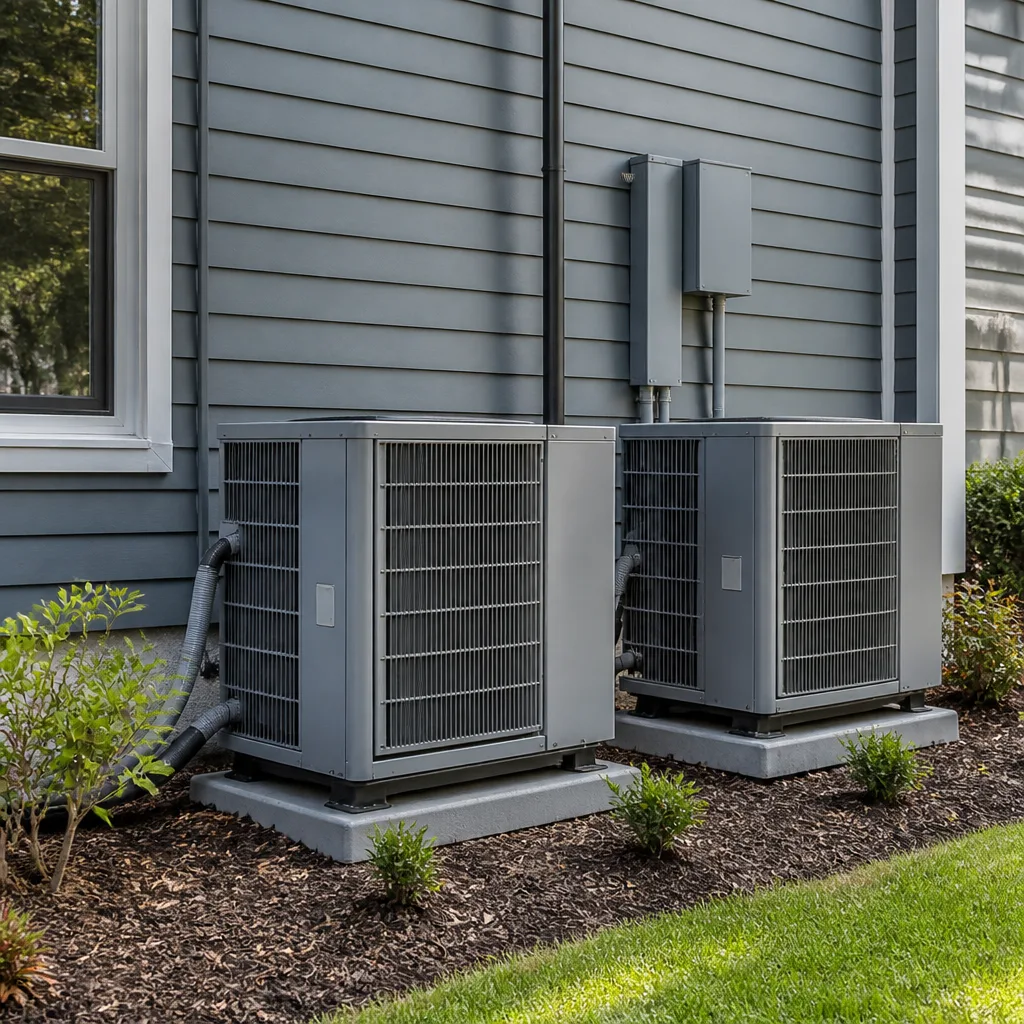 Heat pumps
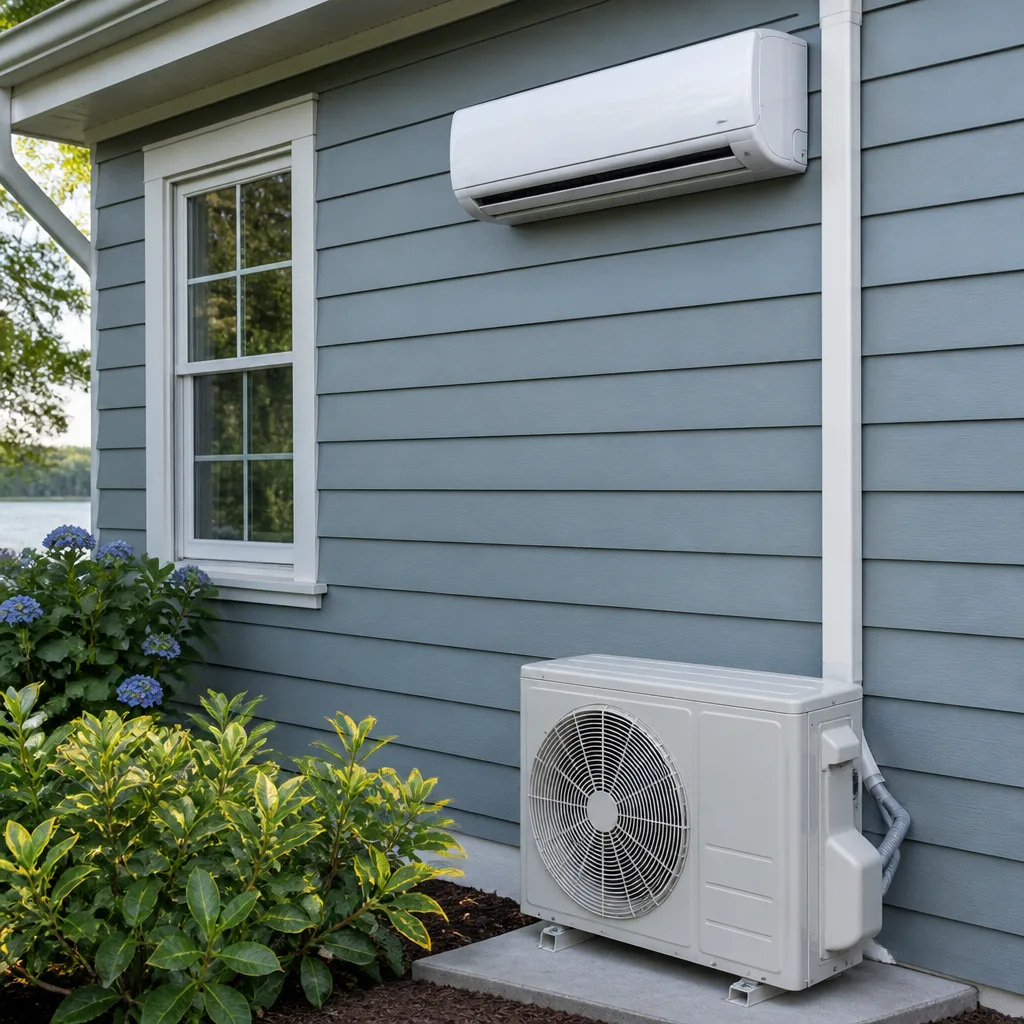 Ductless mini splits
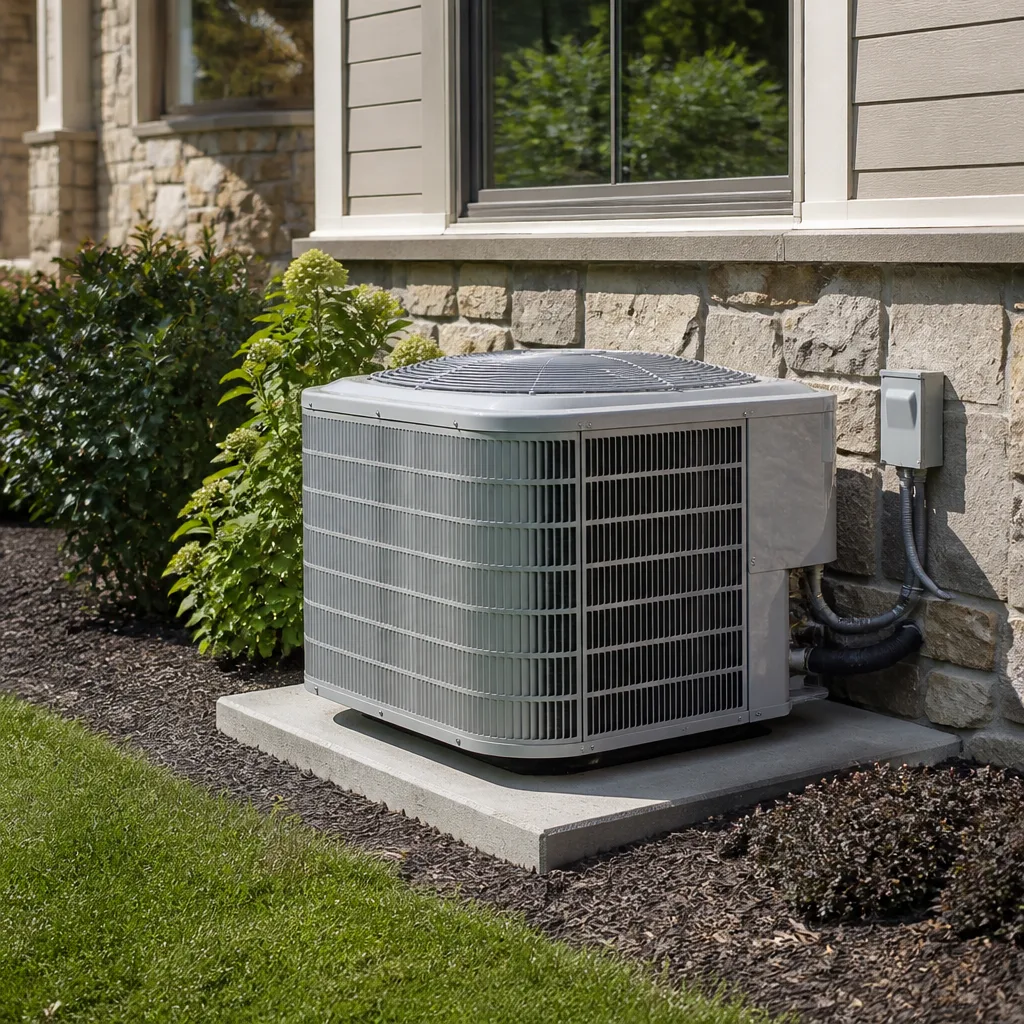 Carrier
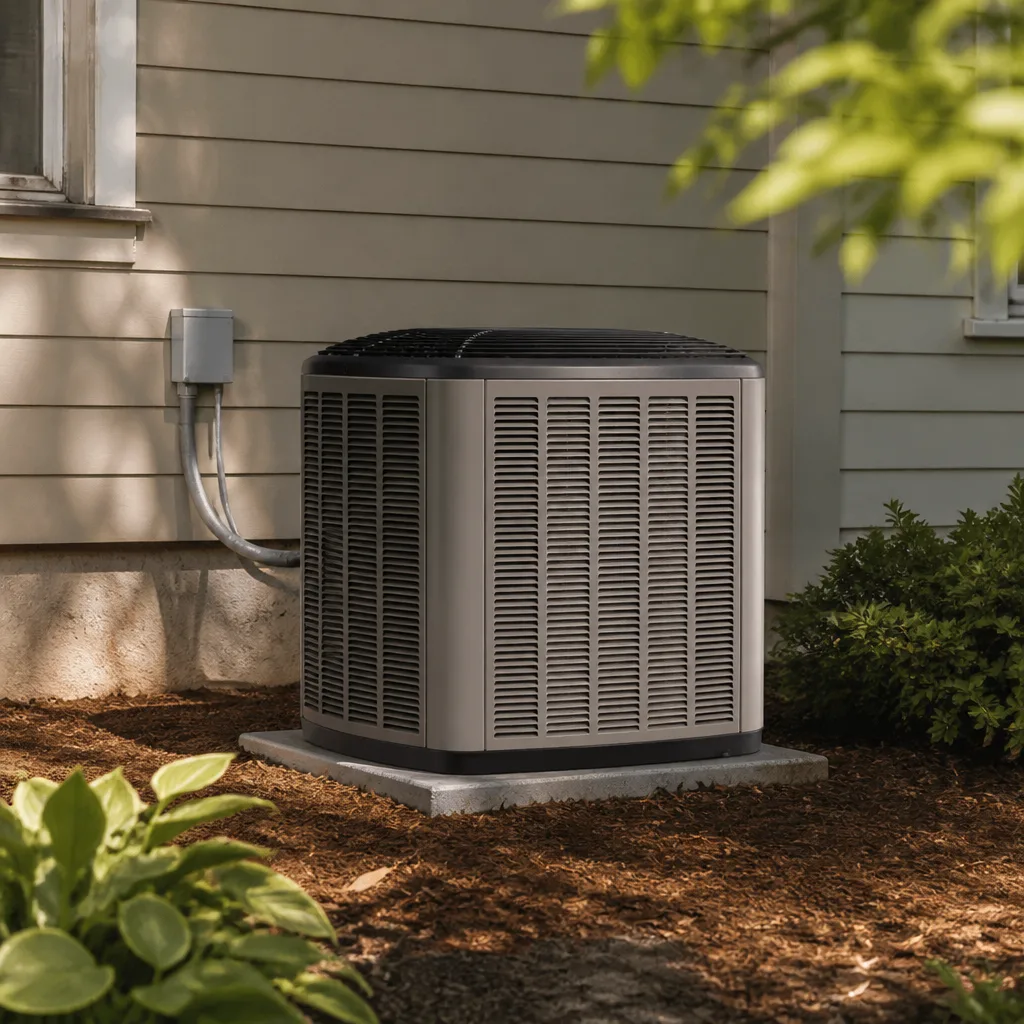 Trane
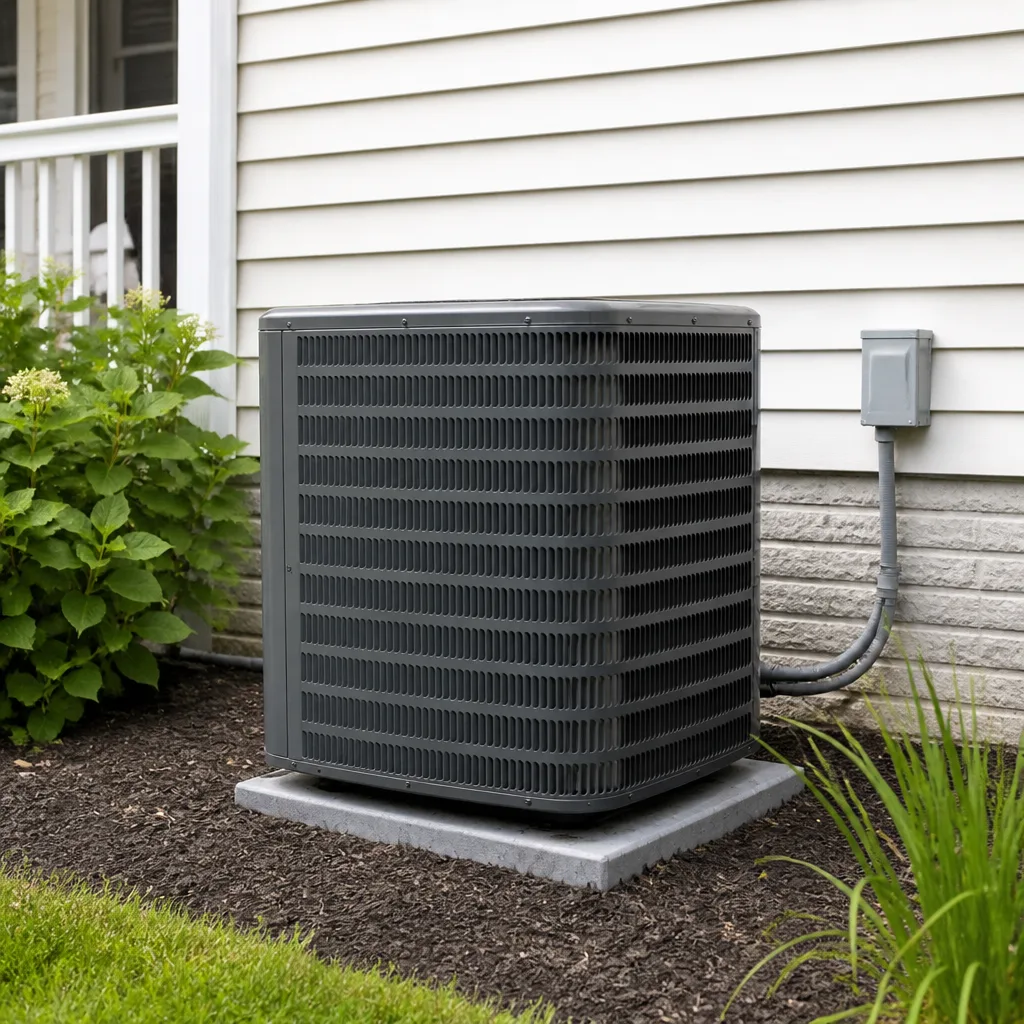 Goodman
Seasonal tune-up and full diagnostic on your Carrier, Trane, or Goodman system - readings shown to you before any repair is proposed
Diagnosis first, numbers second - you approve the repair price before a single part goes in.
Get your free estimateThe Complete Guide to HVAC in Boulder City
Boulder City is the only city in Nevada that legally limits its own population growth. That single fact shapes everything about HVAC here. Because the town can’t sprawl the way Henderson and Las Vegas do, its housing stock skews older – much of it built in the 1950s, ’60s and ’70s – and its ductwork skews narrower than what you’ll find in newer desert subdivisions. A failed air conditioner in a 1958 ranch-style home on Wyoming Street is a different job than the same failure in a 2019 build in the valley. This guide treats Boulder City as its own technical environment: its own climate loads, its own utility structure, its own permit rules, and its own recurring failure points. You’ll learn how to size equipment correctly for this town, what the rules are before you touch a condenser, and when to repair versus replace.
Quick Answer
Boulder City homes need HVAC equipment sized with a room-by-room load calculation, not a square-footage rule of thumb, because the town’s mid-century housing stock has original single-pane glass, low-slope roofs and tight lot lines that change heat gain dramatically from one block to the next. Because Boulder City runs its own municipal electric utility, operating-cost math and rate-based payback differ from what a Las Vegas contractor will quote you. And summer design temperatures here run measurably hotter than Henderson, which pushes minimum efficiency recommendations up a notch.
Styles & brands we work with
- AC repair
- Furnace & heating
- Heat pumps
- Ductless mini splits
- Carrier
- Trane
- Goodman
Table of Contents
- Why Boulder City’s Climate Load Exceeds the Rest of the Valley
- How Boulder City’s Municipal Utility Changes Equipment Sizing
- Mid-Century Housing Stock and the Load Calculation Problem
- What SEER Really Means Here – and Why the Minimum Isn’t Enough
- Zoning, HOA Rules and Where Your Condenser Can Actually Go
- The Failure Points We See Most Often in This City’s Homes
- A Seasonal Maintenance Calendar for Boulder City
- Repair or Replace? How to Decide
Why Boulder City’s Climate Load Exceeds the Rest of the Valley
Boulder City sits roughly 2,200 feet above sea level, higher than most of the Las Vegas Valley, and that elevation matters in a direction most homeowners don’t expect: the summertime design temperature used for load calculations in Boulder City runs several degrees hotter than the standard used for Henderson and central Las Vegas. The reason is a combination of lower humidity, thinner air and reduced urban heat mitigation from landscaping and shade. On paper, a 2-to-4 degree delta sounds trivial. On a rooftop unit running flat-out from June through September, it’s the difference between a system that cycles and one that never quite recovers.
What this means in practice:
- Equipment sized to Las Vegas Valley rules of thumb will run closer to its maximum capacity for more hours of the year in Boulder City.
- Oversizing to compensate is the wrong move – it causes short cycling, poor dehumidification and premature compressor wear. The right answer is a proper load calculation that uses the local design temperature.
- Outdoor units sit in full Mojave sun on most of these lots. Shading the condenser is worth real money, but only if it doesn’t block airflow.
- Winter heating loads here are mild but real, and nights in the high desert drop hard. A heat pump that performs well on Boulder City’s summer load will usually handle the winter too.
At Fireside Heating & Air Co., our technicians have up to 8 years of experience, and we’ve learned that the only reliable way to size equipment here is to measure the house, count the windows, and run the numbers. Estimates are free, and a straight answer is part of the deal.
How Boulder City’s Municipal Utility Changes Equipment Sizing
Boulder City is unusual in Nevada in that it owns and operates its own electric utility rather than buying power from a regional provider. That structure isn’t just an administrative curiosity; it changes the math on what equipment makes financial sense for you.
When a contractor tells you a higher-efficiency system “pays for itself,” that calculation depends entirely on the electric rates you actually pay. In a city-run utility, rate schedules, tier structures and any local efficiency incentives are set locally – they don’t follow the same curve as Clark County’s investor-owned utility. That means:
- Ask for the payback math in writing. A contractor quoting a SEER-based payback should be able to show you the assumed electric rate and the assumed run hours. If they can’t, the number is folklore.
- Compare actual operating costs, not just efficiency ratings. A 16 SEER2 system in Boulder City and a 16 SEER2 system in Henderson do not cost the same to run.
- Size before you shop. Oversized high-efficiency equipment wastes money twice: once at purchase, and again every month when it short-cycles and fails to dehumidify.
- Check for local efficiency programs. Utility-run incentive programs change; ask the utility directly rather than trusting a contractor’s memory.
We quote the price up front and stand behind it. If you’re weighing a system upgrade and want a straight operating-cost comparison, our Heat Pump & Mini Split in Boulder City page walks through the options in more detail.
Mid-Century Housing Stock and the Load Calculation Problem
Most of Boulder City’s residential core was built between the late 1940s and the late 1970s, and a lot of it hasn’t had its envelope updated. That means original single-pane windows, low-slope rooflines with limited attic space, and in many cases ductwork that was installed when the house was and has been patched ever since. Any contractor who sizes a new system off square footage alone is guessing.
A proper load calculation for a Boulder City mid-century home accounts for:
- Window area and orientation – single-pane glass on a west-facing wall in a 1960 build behaves nothing like double-pane on a north wall.
- Attic insulation depth and roof type – low-slope roofs here often have shallow attics that were never insulated to modern levels, and ducts running through them pick up heat all day.
- Duct leakage and sizing – older homes frequently have undersized returns and leaky trunk lines, which can strangle even a correctly sized system.
- Infiltration – original weatherstripping and door seals on a 1958 ranch let a lot of hot air in.
When we size a system in a historic-district home, the load calculation comes first and the equipment list comes second. That order matters. Put the cart before the horse and you get a system that runs all day, never quite satisfies the thermostat, and costs more on the utility bill than the one it replaced.
What SEER Really Means Here – and Why the Minimum Isn’t Enough
SEER2 is the efficiency rating for cooling equipment, and it’s a proportion – higher is more efficient. Federal minimums exist, but “meets minimum” isn’t a useful target in a place with Boulder City’s cooling load. The design temperature here means your air conditioner will work harder and for more hours than the same unit would in a milder climate.
Here’s the practical version:
- Meet the minimum, never the standard. In a cooler climate, the federal minimum is often a reasonable choice. In Boulder City’s Mojave heat, a unit rated at the minimum will run near its maximum capacity through the hottest months, which shortens its life.
- Step up one or two tiers. The right efficiency level for your home depends on its load, its size and how many years you plan to stay – and for long-tenured homeowners, the payback window is usually generous.
- Pair efficiency with correct sizing and a tight envelope. A 20 SEER system on leaky ductwork and single-pane glass will underperform a correctly sized and properly installed mid-tier unit every time.
- Get a written fixed price. Installation and start-up aren’t a place for open-ended hourly billing.
We’re trained to service nine major residential brands, including Carrier, Daikin, Bryant and American Standard, so the equipment choice is a conversation about your home, not a shelf-clearing exercise.
Zoning, HOA Rules and Where Your Condenser Can Actually Go
Boulder City takes its looks seriously. The town’s historic preservation rules and its own growth controls are part of the reason it still feels like the town it was fifty years ago. That’s good for property values and bad for the assumption that you can drop a condenser wherever there’s slab space.
Before you or a contractor commit to a location, work through this sequence:
- Read the local zoning and historic-district rules. Setbacks, screening requirements and equipment visibility rules may govern where a condenser can sit. Confirm with the city before ordering equipment, not after.
- Check the HOA covenants if you’re in one. Many Boulder City neighborhoods have architectural review requirements that cover equipment screening and color.
- Verify the equipment pad and clearances. A condenser needs airflow clearance on all sides and access for service. Sitting it in a tight corner next to a block wall will hurt performance in a place where performance already matters.
- Get the permit pulled. Most equipment replacements require one, and an unpermitted install is a real problem if you ever sell.
- Confirm the electrical and lineset route before you cut. Older homes often need a panel capacity check before a higher-efficiency unit goes in.
We’ll walk the property with you before anything is ordered. That’s part of what makes the price quoted the price paid.
The Failure Points We See Most Often in This City’s Homes
Forty-two years of working in one town teaches you where the bodies are buried. In Boulder City’s housing stock, a handful of failure points come up over and over:
- Oversized systems installed decades ago. A 1980s contractor who sized by square footage often installed equipment 30% larger than the house needed. Those systems short-cycle, wear out compressors early, and leave a humidity problem the homeowner never connects to the equipment.
- Undersized return ducts. Older homes frequently have a single undersized return, which starves the air handler and drives up static pressure. The system runs loud and never delivers its rated airflow.
- Leaky ductwork in the attic. In a Boulder City summer, a duct leaking in a superheated shallow attic loses a large share of its cooling before it ever reaches a room.
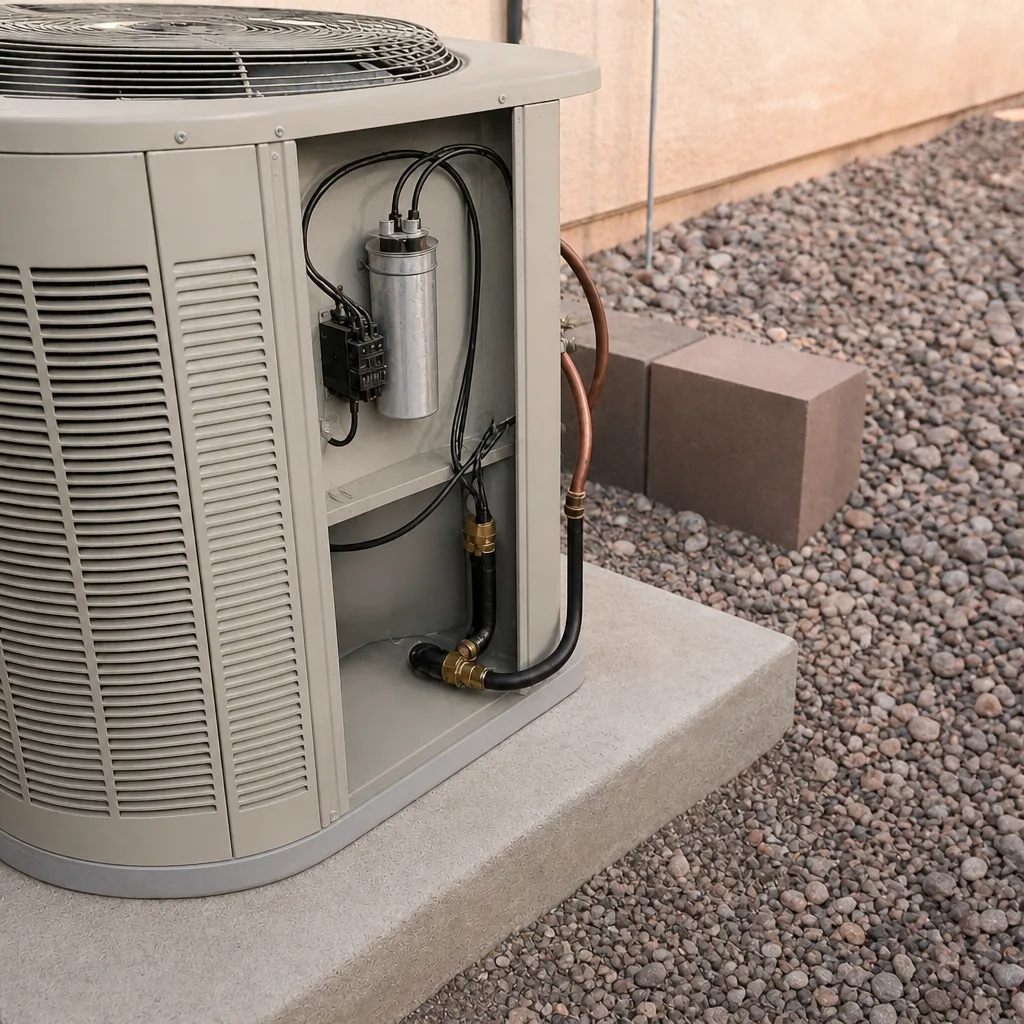
- Capacitor and contactor failures. The heat accelerates these, and they’re the single most common service call we see from late June through August. Handled correctly, they’re a fast, inexpensive repair.
- Condensate drain clogs. Low humidity here doesn’t mean no condensate. In an older home, a slow drain will eventually spill and stain a ceiling.
- Refrigerant charge drift. A system that’s been running for a decade on the original charge is often a pound or two low, which quietly drives up operating cost and compressor heat.
Most of these are repairable. Some are a signal that it’s time to talk about replacement. We’ll tell you which is which, in writing. Our AC Repair & Installation in Boulder City team handles the fix-it side, and the repair versus replace conversation is one we have without pressure.
A Seasonal Maintenance Calendar for Boulder City
A tune-up isn’t a luxury in a desert town with this cooling load – it’s the cheapest repair you’ll ever buy. Here’s what the year should look like:
Spring (March – May)
- Have the AC cleaned, checked and charged before the first hot stretch, not after the first failure.
- Clear the condenser of debris and check the pad for level.
- Replace filters before June, and check them monthly through the summer.
- Have the ducts and attic insulation inspected if they haven’t been looked at in years.
Summer (June – September)
- Keep filters clean; a clogged filter is the fastest way to freeze a coil.
- Watch the electric bill – a sudden jump usually means a problem.
- If the house isn’t staying cool on the hottest days, don’t wait. Call before the compressor gives out in a 108-degree week.
Fall (October – November)
- Have the furnace or heat pump checked before the first cold night.
- Test the heat on a mild day so you’re not discovering a failure at 2 a.m. in December.
- Schedule a seasonal tune-up. Our current standing offer is $89 for a seasonal tune-up, and it’s a flat price.
Our Heating & Furnace in Boulder City team handles the winter side, and our technicians are not paid on what they sell you. If a part doesn’t need replacing, we’ll tell you.
Repair or Replace? How to Decide
This is the question we get most often from homeowners who’ve been in the same house for twenty-plus years, and it deserves a straight answer rather than a sales pitch. The general guidance:
- Age over 15 years plus a major repair (compressor, evaporator coil, heat exchanger) usually points to replacement. You’re paying for a repair on equipment near the end of its service life.
- Age under 10 years with a minor repair (capacitor, contactor, blower motor) usually points to repair. Fix it, keep it maintained, and revisit in a few years.
- Frequent repairs – more than two in a season – signal a system that has given you its best years.
- Rising utility bills with no change in use are the silent signal that efficiency has degraded.
- Comfort problems – hot rooms, uneven temperatures, high humidity – often need duct and envelope work first, regardless of equipment age.
We’ll give you the repair number and the replacement number side by side, in writing. Then you decide. If we’re wrong, the 90-Day Done Right Promise means we make it right, no arguing and no paperwork.
Common Mistakes to Avoid
- Sizing by square footage. This is the single most common mistake in Boulder City, and it’s expensive. A mid-century home with single-pane windows and low-slope roofs can need substantially different equipment than a newer build of the same size on the next block.
- Skipping the permit. An unpermitted HVAC replacement can complicate a sale and may violate the town’s rules. Confirm the permit is pulled before work starts, not afterward.
- Ignoring ductwork during a replacement. Putting a new system on leaky, undersized ducts is like putting a good engine in a car with a cracked frame. Duct inspection should be part of any replacement quote.
- Chasing the lowest bid. The lowest bid is usually the one that sized by rule of thumb and skipped the duct inspection. It rarely stays the lowest when the utility bill shows up.
- Putting off the spring tune-up. A July failure costs more than a March tune-up, and it always happens during the hottest week of the year.
- Blocking the condenser for looks. Screening is fine; enclosing a condenser in a tight, air-starved corner is not. Check clearances before you build anything around it.
- Letting an out-of-town contractor talk you out of a load calculation. If they can’t or won’t run one, you’re being sized by guesswork. That’s a hard no.
See the difference
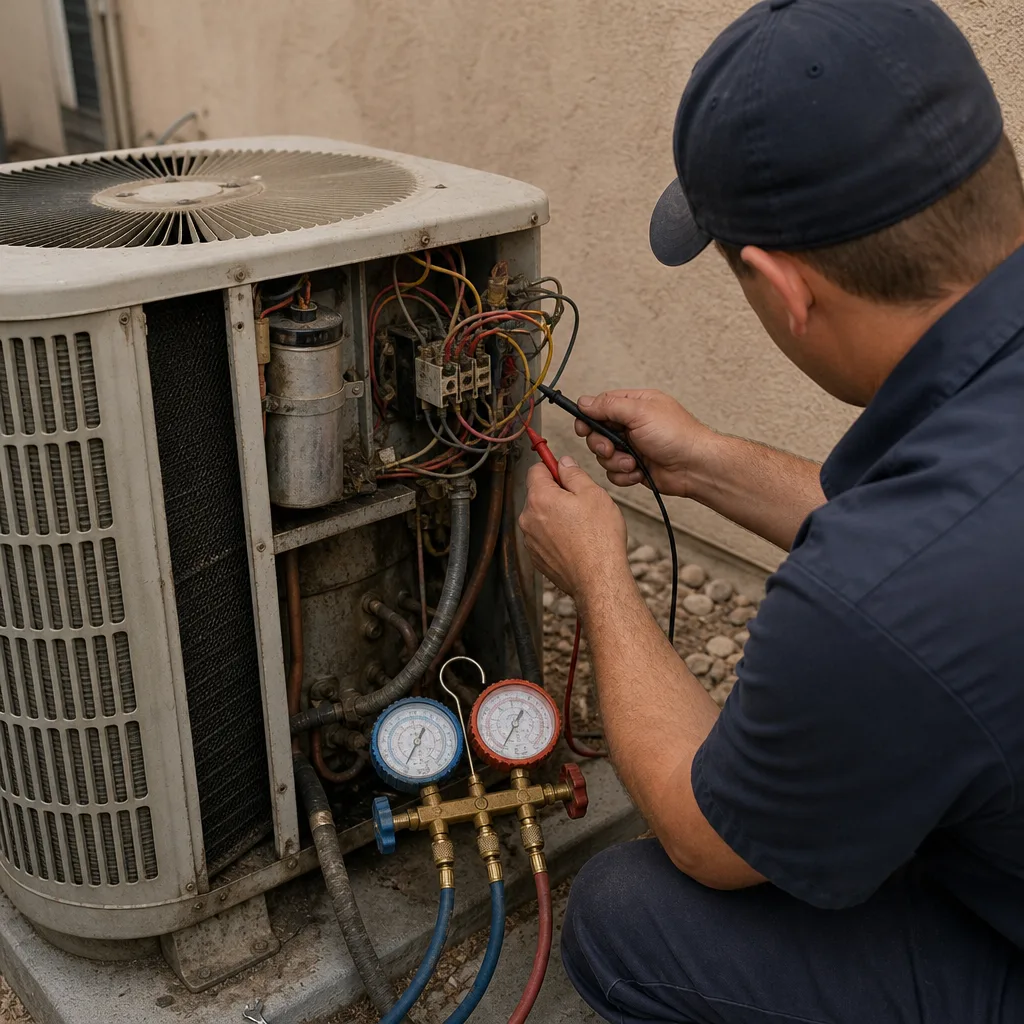 Before
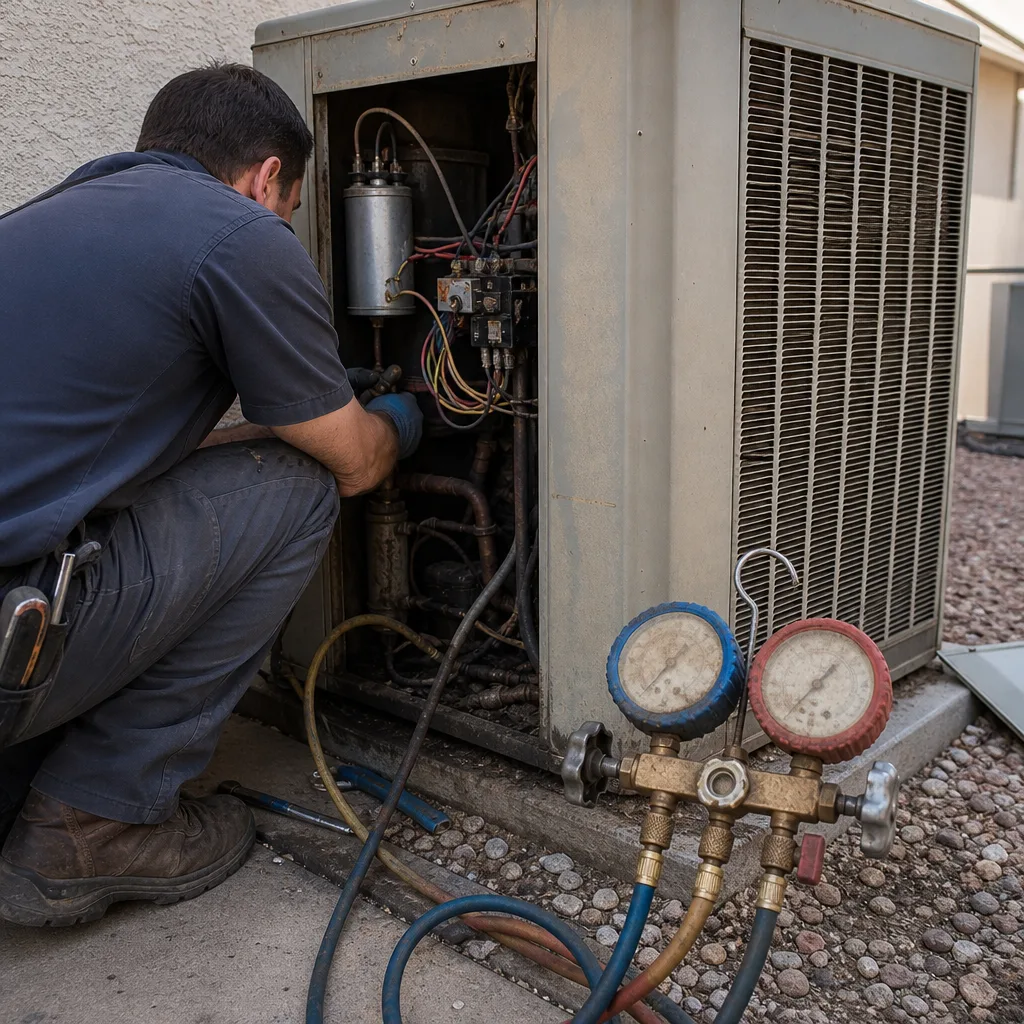
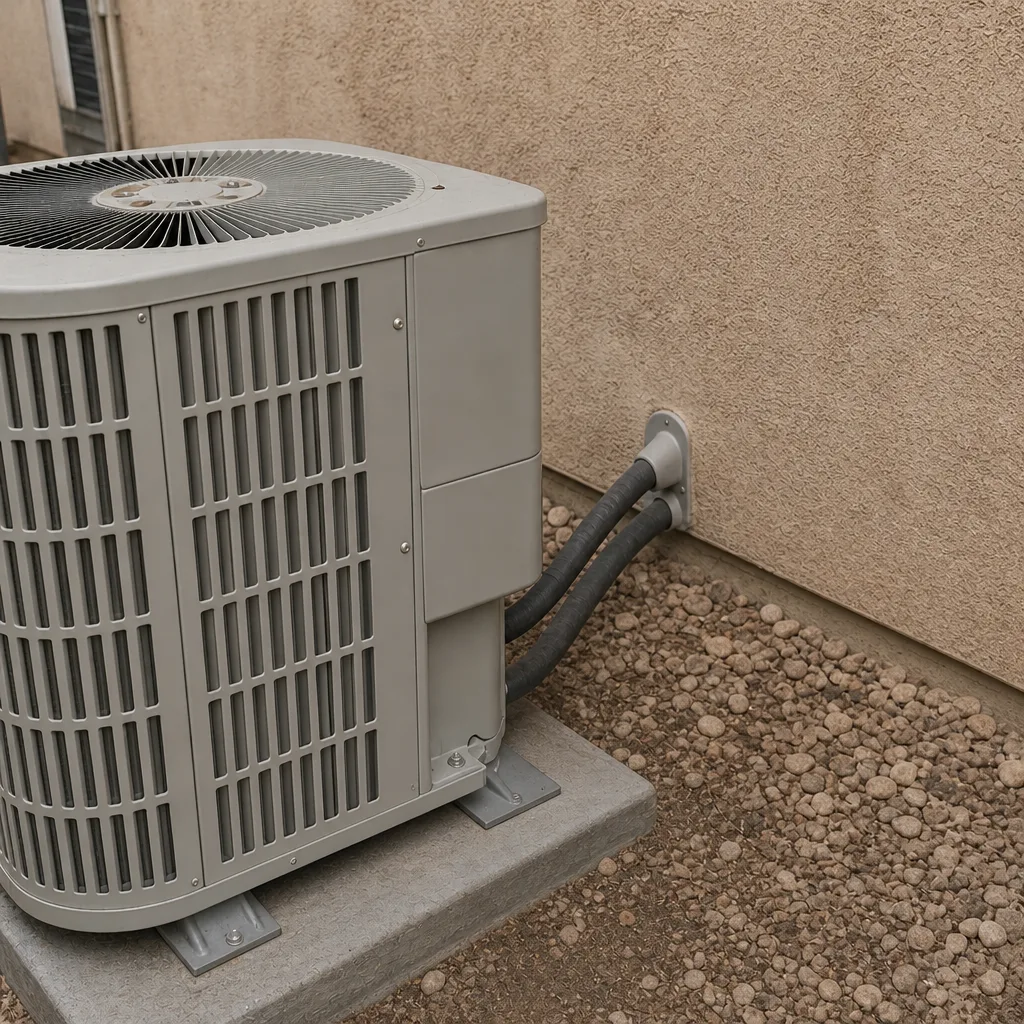 After
 Before
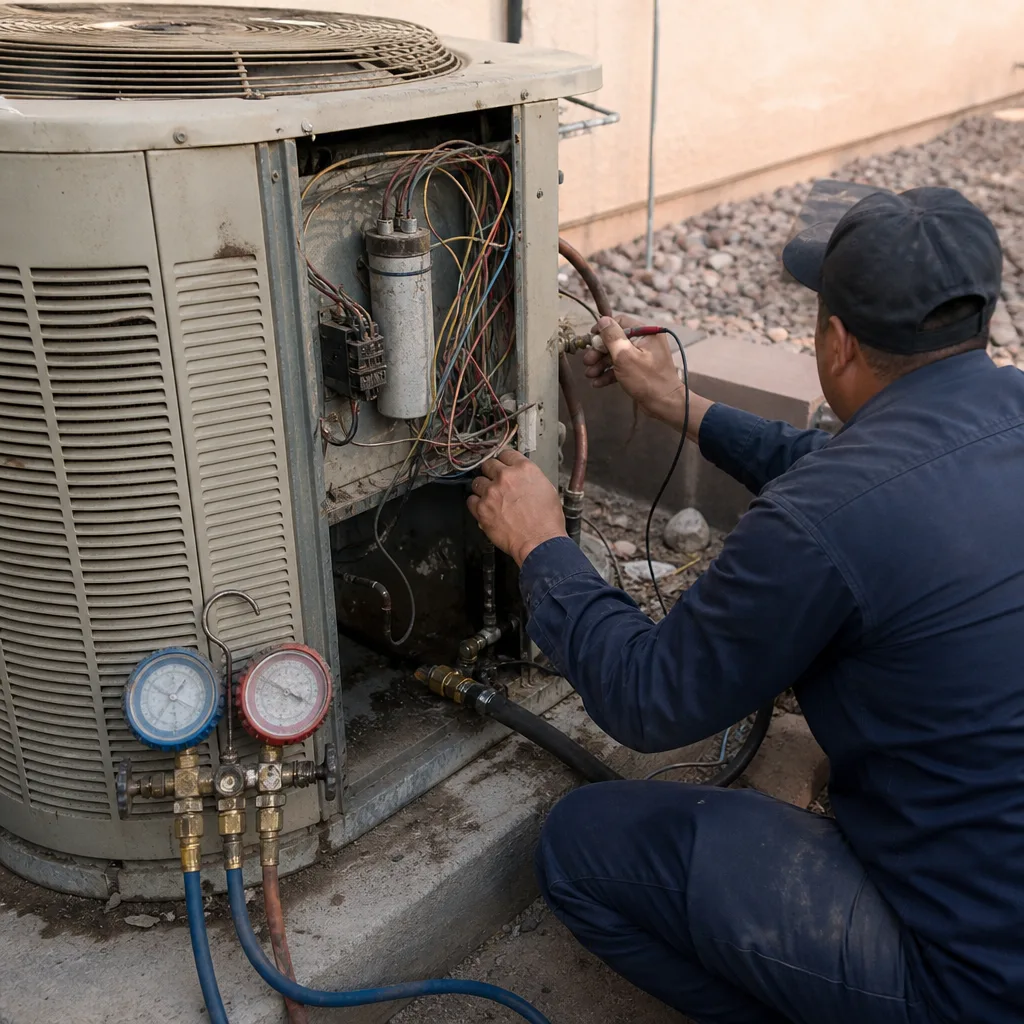
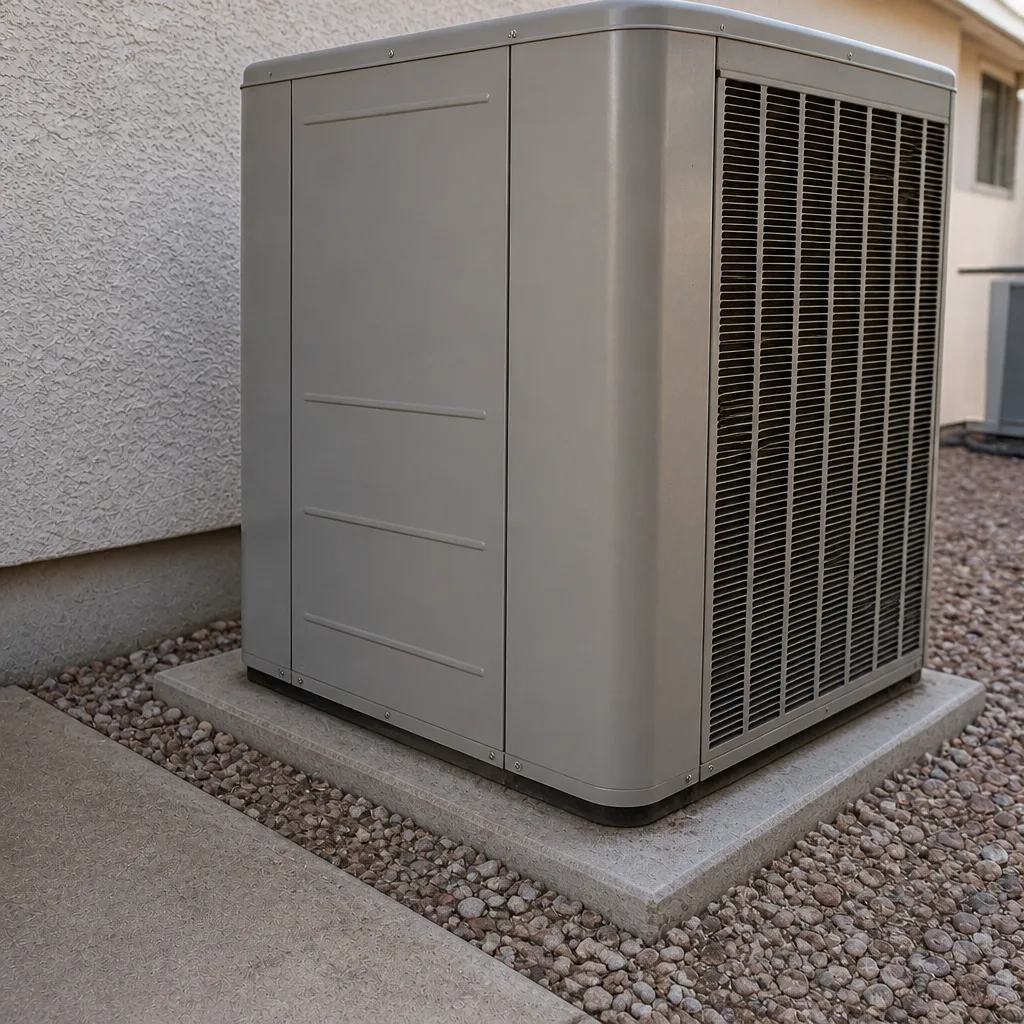 After
 Before
 After
When to Call a Professional
Some things are fine to handle yourself – replacing a filter, clearing debris off the condenser pad, resetting a tripped breaker once. Some things aren’t. High-voltage electrical work inside a panel or air handler, refrigerant handling, gas furnace work and heat exchanger inspection are all jobs for a trained technician, and mistakes in any of them can cause injury or worse. If your system is short-cycling, blowing warm air, making a grinding or screeching noise, leaking water, or if you smell gas near the furnace, stop and call. A homeowner in a 1958 Boulder City ranch with a 20-year-old furnace and a cracked heat exchanger is a real safety risk, not a maintenance item. Fireside Heating & Air Co. Boulder City offers free estimates in Boulder City – call (844) 312-0133. Our phones are answered by a live person, day and night.
Frequently Asked Questions
The honest answer is that it depends on your home’s actual load, but for a typical mid-century Boulder City home, most full system replacements land in the several-thousand-to-low-five-figure range depending on equipment tier, ductwork condition and whether electrical upgrades are needed. We provide a written fixed price after the load calculation, and the price quoted is the price paid. Call (844) 312-0133 for a free estimate.
Because the old unit may well have been oversized from the start. Boulder City’s mid-century homes vary widely in window area, insulation and roof type even on the same street, and matching the old equipment locks in whatever mistake the last installer made. A room-by-room load calculation using Boulder City’s design temperature is the only reliable way to size correctly.
Once a year, in spring, before the cooling season starts. In Boulder City’s climate the cooling season is long and intense, and an annual tune-up catches the small problems before they become compressor failures. Our current standing offer is $89 for a seasonal tune-up, flat price – call (844) 312-0133 to schedule.
Yes. Because Boulder City runs its own electric utility, the rate schedule you pay is local, and any payback calculation for higher-efficiency equipment has to use your actual rates, not Las Vegas utility numbers. Ask for the payback math in writing, and ask the utility directly about any current efficiency program.
Rebate and incentive programs change, so the reliable answer is to ask Boulder City’s utility directly and to ask any contractor to show you written rebate paperwork before you sign. We handle the paperwork on our side and put the numbers in front of you before the install date is set. Call (844) 312-0133 with questions.
Usually, yes – Boulder City AC failures in summer are our busiest calls, and we prioritize no-cooling emergencies. We answer the phone with a live person 24 hours a day, including the 2 a.m. no-cooling call in a heat wave. Our technicians are background-checked and uniformed on every job, and our repairs are backed by the 90-Day Done Right Promise. Call (844) 312-0133.
The Bottom Line
Boulder City isn’t a footnote to a Las Vegas HVAC guide. It’s its own climate, its own utility, its own housing stock and its own set of rules. Size your equipment with a real load calculation, respect the zoning and HOA rules on equipment placement, step up one tier on efficiency, and keep the ducts and the annual tune-up on the calendar. Repair the small failures before they grow into replacements. If you want a straight answer on repair versus replace, a fixed written price, and a job backed by the 90-Day Done Right Promise, call Fireside Heating & Air Co. at (844) 312-0133 – we answer the phone with a live person, keep our schedule, and stand behind the work in writing. To see everything we handle in this town, start at the Fireside Heating & Air Co. Boulder City home.
Written by the team at Fireside Heating & Air Co. Boulder City.