
Last updated November 18, 2026
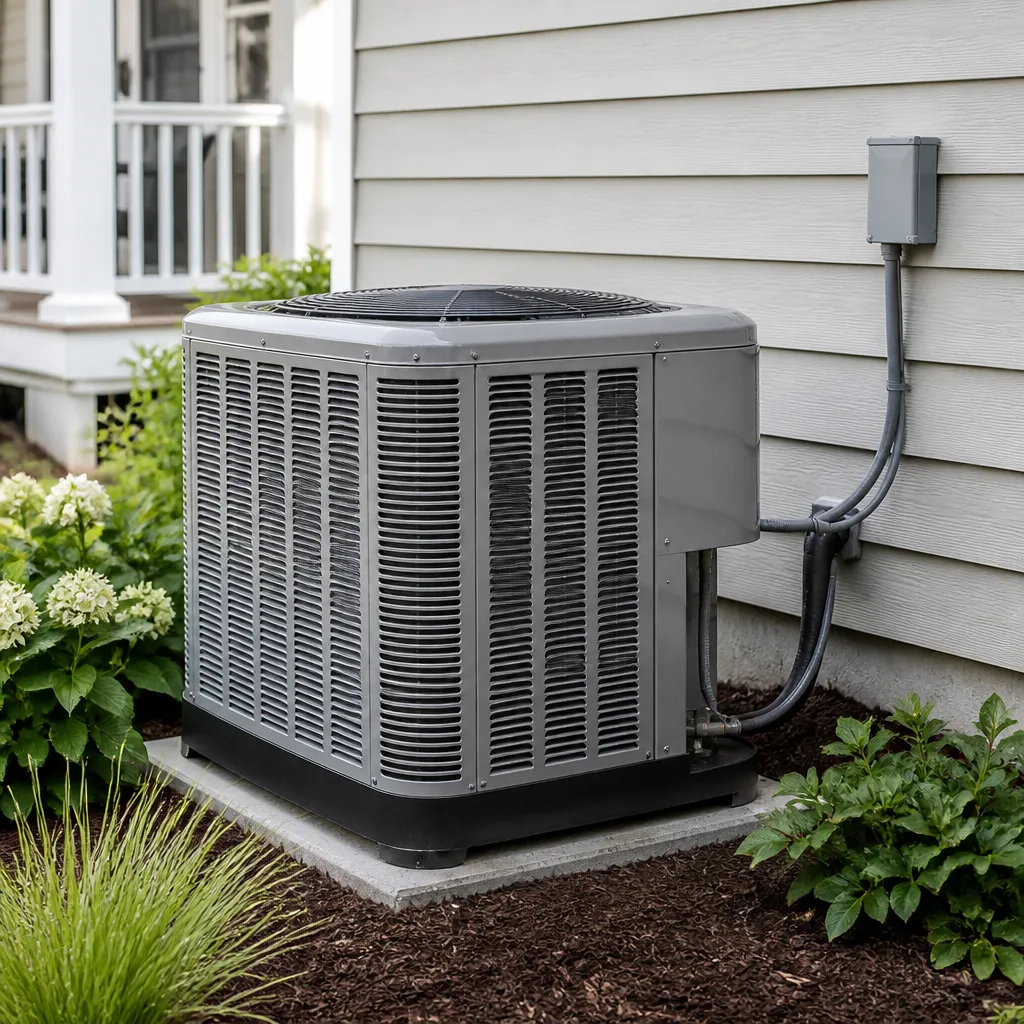 AC repair
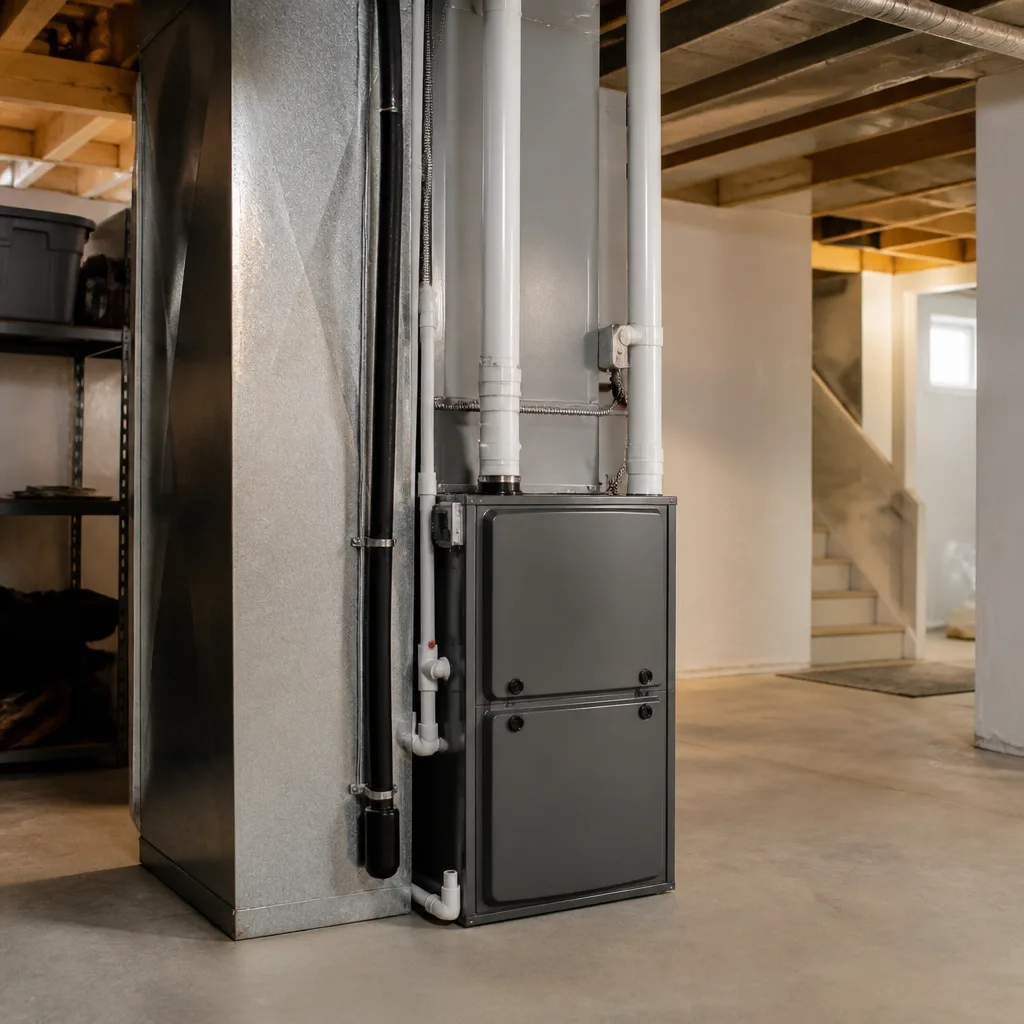 Furnace & heating
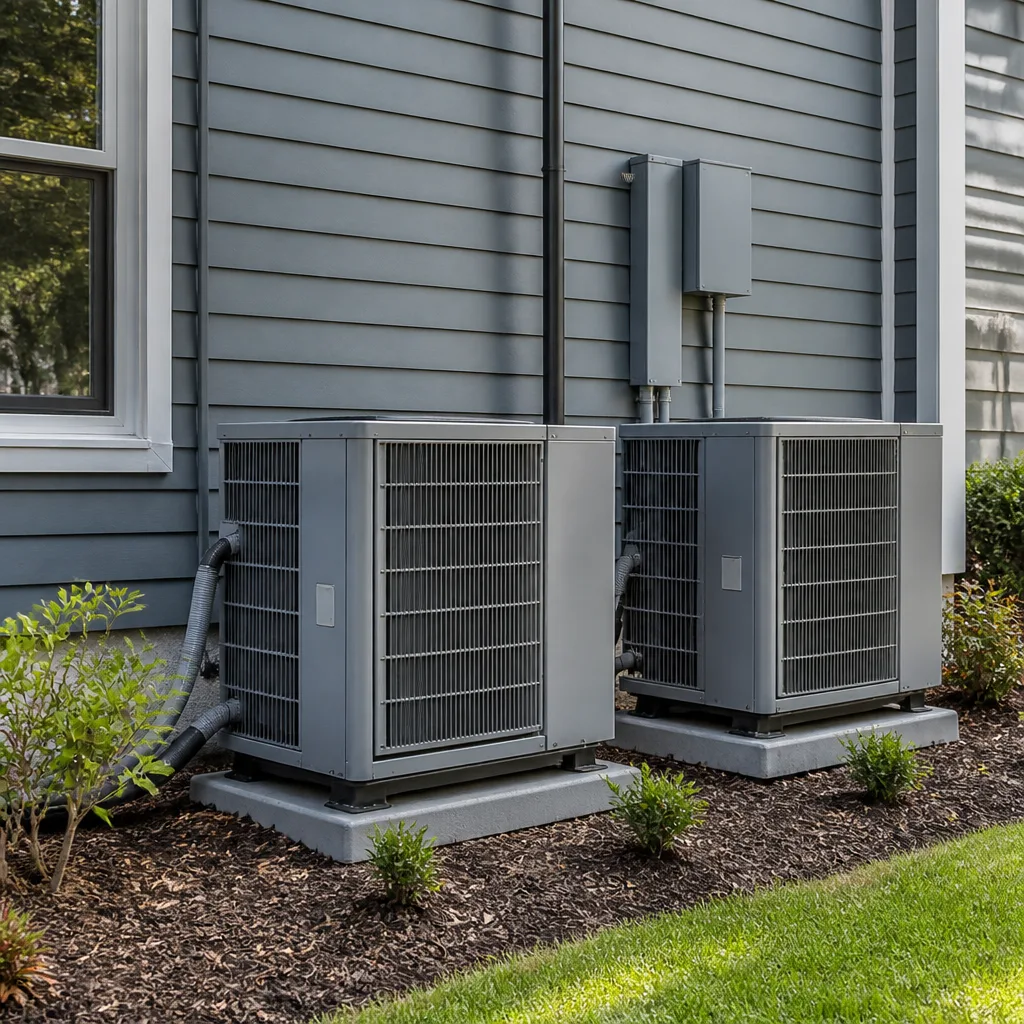 Heat pumps
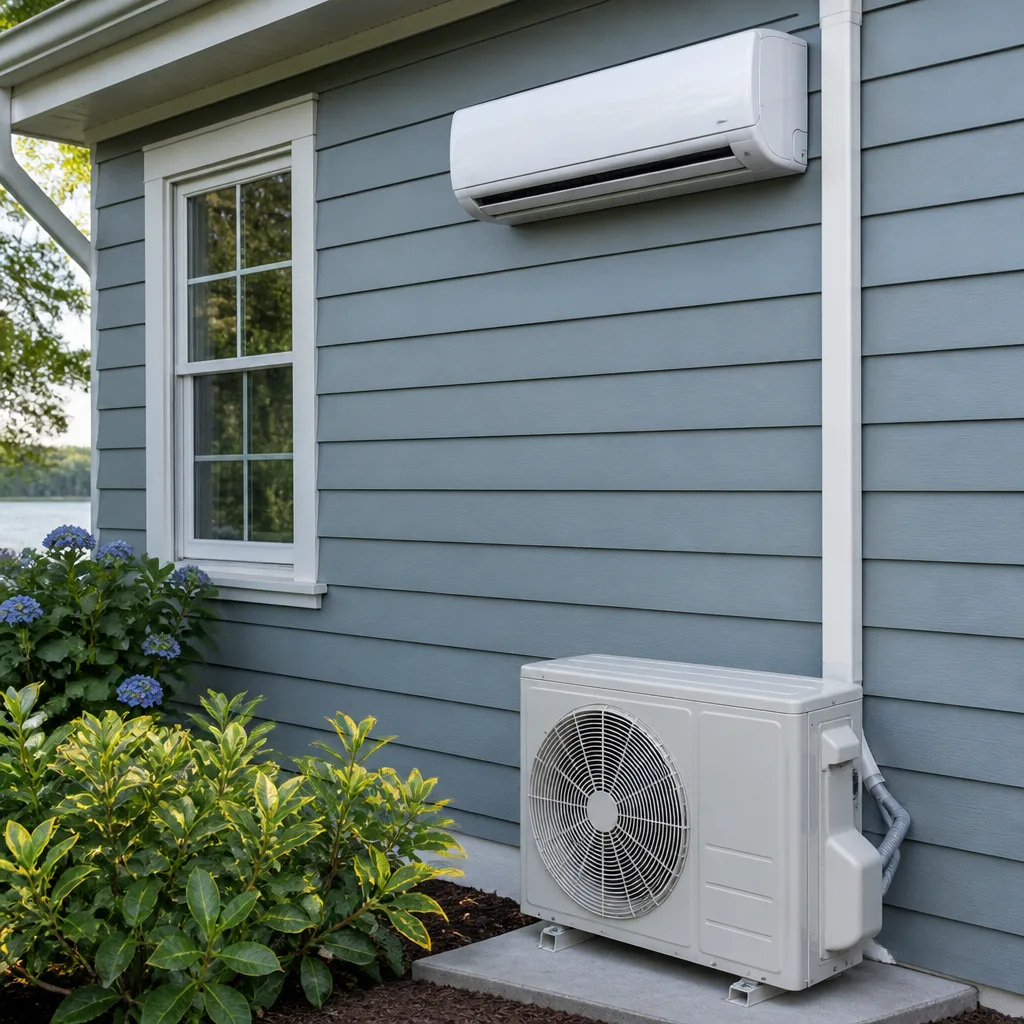 Ductless mini splits
 Carrier
 Trane
 Goodman
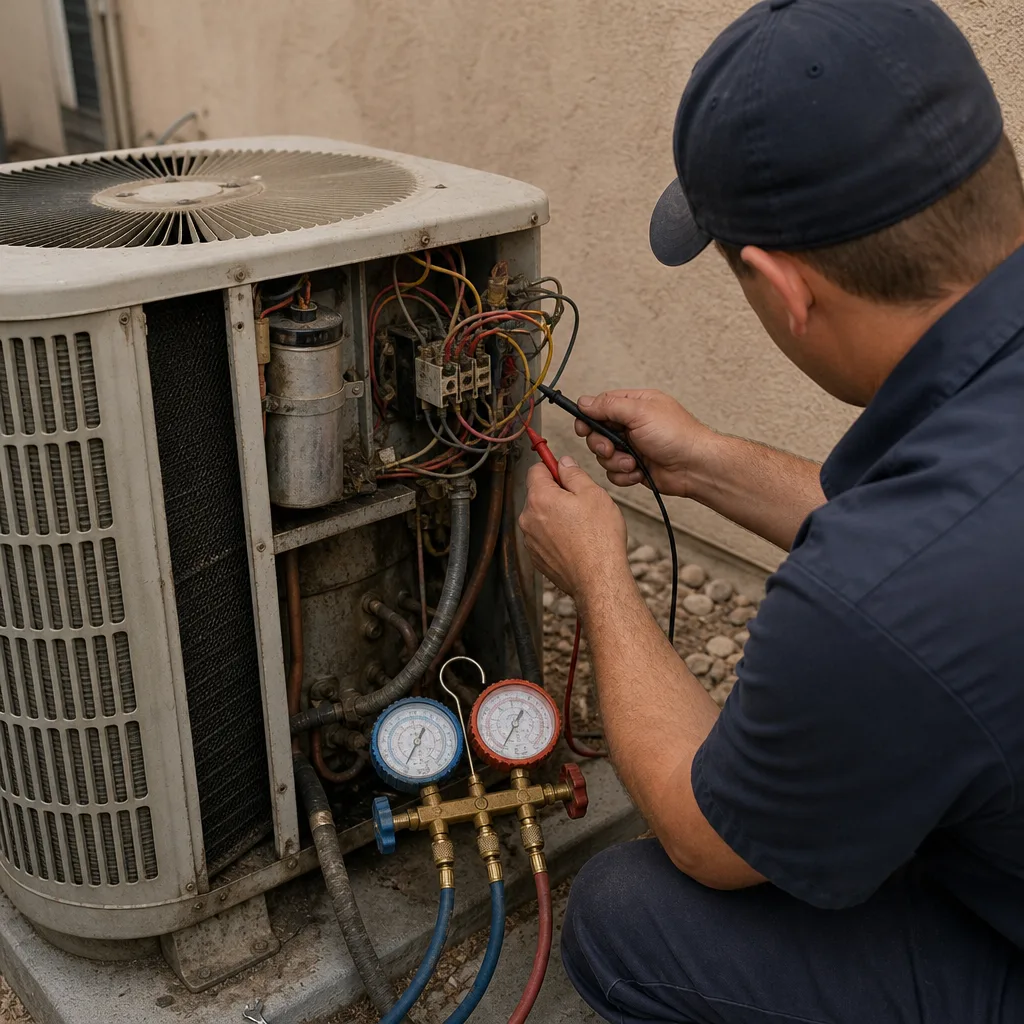
Seasonal tune-up and full diagnostic on your Carrier, Trane, or Goodman system - readings shown to you before any repair is proposed
Diagnosis first, numbers second - you approve the repair price before a single part goes in.
Get your free estimateDIY vs Professional Air Quality & Ventilation: What’s Safe to Do Yourself
Cleaning your own air ducts with a shop vac doesn’t remove biofilm – it redistributes it. That’s one of three common DIY air quality moves that actually make things worse. In our experience across Boulder City, we’ve watched homeowners spend a Saturday on a project that left their ductwork dirtier than when they started, or voided a warranty clause they never read. This guide draws the line clearly: which air quality tasks any careful homeowner can handle, which ones quietly backfire, and how to tell the difference before you spend a dollar. No upselling. Just the honest split between safe and costly.
Quick Answer
Filter replacement, basic vent grille cleaning, and humidity monitoring are safe for any careful homeowner to do. Duct sealing, ERV/HRV core cleaning, and ductwork sanitizing are not – they require equipment, training, and in many cases void your equipment warranty if done wrong. If you can’t trace the source of a musty smell, a dust spike, or rising humidity within ten minutes of inspection, it’s time to call a professional.
Styles & brands we work with
- AC repair
- Furnace & heating
- Heat pumps
- Ductless mini splits
- Carrier
- Trane
- Goodman
Table of Contents
- The Three Air Quality Tasks That Are Genuinely Safe to DIY
- Filter Replacement: The One Habit That Matters Most
- Why Shop-Vac Duct Cleaning Makes Things Worse
- Duct Sealing and ERV/HRV Core Cleaning: Why DIY Falls Short
- The Warranty Clauses That DIY Servicing Can Void
- How to Diagnose Your Own Air Quality Problem in Ten Minutes
- Questions to Ask Any Professional Before They Touch Your Ductwork
- Common Mistakes to Avoid
- When to Call a Professional
The Three Air Quality Tasks That Are Genuinely Safe to DIY
Some air quality work isn’t just safe for a homeowner – it’s better done by you, because you’re the one who notices when something changes. Here’s what we tell every Boulder City caller who asks whether they should attempt a job themselves:
- Filter replacement. Changing your return-air filter is the single highest-value air quality task in any home. A 1-inch filter should be swapped every 30-90 days; a 4- or 5-inch media filter every 6-12 months. Check the size stamped on the filter frame – and don’t guess.
- Return and supply grille cleaning. Vacuum the visible grille faces with a brush attachment once or twice a year. Wipe them with a damp cloth. This is surface dust, not ductwork contamination, and it’s safe.
- Humidity monitoring. A $15-$30 hygrometer tells you whether you’re running above 55% relative humidity indoors – the threshold where mold starts getting a foothold. In Boulder City’s dry climate you’ll usually read below 35%, but monsoon months and evaporative cooler season can push readings up. Knowing your number beats guessing.
Those three tasks cover maybe 70% of what we’d call “air quality maintenance” in a typical Boulder City home. Beyond that, the skill and equipment gap starts widening fast.
Filter Replacement: The One Habit That Matters Most
Air filtration is the rare case where the cheapest fix is also the most effective. A MERV 8 filter catches most pollen and dust; a MERV 11 or 13 filter catches fine particles that aggravate allergies and asthma. Higher isn’t always better – pushing a MERV 16 filter through a system designed for MERV 8 restricts airflow, raises static pressure, and can shorten the life of your blower motor.
The mistake we see most often in Boulder City is a homeowner who upgraded to a high-MERV filter because a store clerk recommended it, then a year later is paying for a compressor or blower repair that traces back to restricted airflow. Match the filter to what your system was designed for. Check your furnace or air handler manual, or call and ask.
If you have a Carrier, Trane, Bryant, or American Standard system, the filter spec is often printed on a sticker inside the blower compartment door. Take a photo of it next time you’re near the unit – it saves the guesswork later. For a full picture of how filtration interacts with the rest of your system, see our Heating & Furnace in Boulder City page.
Why Shop-Vac Duct Cleaning Makes Things Worse
Here’s the uncomfortable truth about YouTube duct cleaning videos: they show a shop vac being dragged through a return duct, and they skip the part where that same shop vac aerosolizes biofilm, dust mites, and settled mold spores back into the living space. A shop vac’s exhaust is not HEPA-filtered. You’re literally blowing the accumulated crud out the back of the machine and into the room air.
Professional duct cleaning uses:
- A truck-mounted or high-CFM HEPA vacuum pulling negative pressure on the whole system before any agitation begins
- Rotary brushes and compressed-air whips that loosen biofilm without pushing it downstream
- Containment so the return air isn’t feeding the living space during the process
- Post-cleaning verification (often photographic) so you can see what changed
A home in Boulder City’s Historic District – where the original ductwork may date to the 1950s or 1960s – is the worst case for the shop-vac approach. Decades of settled dust get lifted into the room air rather than removed. We’ve had customers call after a DIY attempt because the “dust smell” they were trying to eliminate got worse, not better.
If you actually want to know whether your ducts need cleaning, ask for a camera inspection first. Many reputable companies offer it. If a company refuses, that’s your answer.
Duct Sealing and ERV/HRV Core Cleaning: Why DIY Falls Short
Duct sealing and ERV/HRV core cleaning sit on the other side of the line. Both require tools, training, and an understanding of pressure that most homeowners don’t have – and both can void a warranty if done incorrectly.
Duct sealing sounds simple: run a bead of mastic along the joints. But air leakage in ductwork isn’t always where it looks. A joint that appears tight can leak under pressure. A joint you seal with the wrong mastic on a fiberglass duct board can delaminate the material. And aerosol-based duct sealing (which pressurizes the system with a sealant mist) is a whole different craft – no homeowner touches that one. In Boulder City’s summer heat, a duct leak in an attic run can cost you 20-30% of your cooling efficiency before you notice anything in the house.
ERV/HRV core cleaning is the trickier one. Heat recovery ventilators and energy recovery ventilators have a core (a plastic or aluminum heat-exchange matrix) that collects dust and, in humid climates, can grow mold. The core needs to be removed, washed correctly, dried completely, and reinstalled. If the core is reinserted wet, you’ve introduced moisture into the ventilation stream. If a filter is missing or misaligned, the core fouls within months. If the defrost cycle is bypassed during the cleaning, a cold winter in Boulder City can freeze the condensate line and back up moisture into the unit.
The training gap here is real. Our technicians have up to 8 years of experience and regularly service heat pumps and mini-split systems through our Heat Pump & Mini Split in Boulder City page – and even they follow a documented procedure for ERV/HRV core service. Skip that procedure and you’ll be replacing a $400 core instead of cleaning a $150 one.
The Warranty Clauses That DIY Servicing Can Void
Most homeowners never read the fine print on their equipment warranty. It matters here. Manufacturer warranties on Carrier, Trane, Bryant, and American Standard equipment typically include language like:
- “Damage caused by improper installation, service, or maintenance voids this warranty.”
- “The manufacturer is not responsible for labor or parts resulting from work performed by unlicensed persons.”
- “Proof of licensed service may be required for warranty claims.”
That last clause is the one that bites. If a homeowner replaces a blower motor themselves (a common DIY move) and the motor fails six months later under warranty, the claim can be denied because the repair work wasn’t performed by a licensed technician. The same applies to ERV/HRV core servicing – if a homeowner removes and reinstalls the core incorrectly and it cracks or fouls, the replacement isn’t covered.
What does that cost? On a mid-range American Standard or Trane ERV, a replacement core runs $300-$600 plus labor. On a blower motor, a Carrier or Bryant ECM motor is often $500-$900 installed. The math on DIY rarely works out once warranty risk is factored in. And here’s the thing a lot of homeowners don’t realize: equipment warranties have a paperwork trail. When you call us for service on coverage you’re relying on, we’re documenting that the work was done by a licensed technician. That documentation gets filed. That’s why we make it easy.
How to Diagnose Your Own Air Quality Problem in Ten Minutes
Before you call anyone, do this. You’ll either solve the problem yourself or walk into the phone call with information that saves you time and money.
- Check the filter. Pull it, hold it to a light, and see if you can see daylight through it. If not, replace it. Note the date you changed it on the frame with a Sharpie.
- Walk every room and smell. A musty smell in one room but not others points to a localized moisture source – often a bathroom vent that’s recirculating rather than exhausting. A musty smell throughout the house points to the system.
- Note when symptoms appear. Morning-only? That’s often a bedroom supply issue. All-day? That’s system-wide. Afternoon-only during summer? That could be humidity climbing as your AC runs less efficiently in Boulder City’s 100°F-plus afternoons.
- Read your hygrometer. Above 55% indoors is a mold-risk threshold. Below 30% is dry-air territory (sinus irritation, static, wood cracking). Both are worth fixing.
- Look at the return grille. Dust accumulation on the return face tells you the filter is bypassing or overloaded. If the grille is caked but the filter looks clean, air is finding a path around the filter.
- Check the condensate drain. A clogged AC drain pan can grow biological growth that gets pulled into the air stream. If you see standing water or slime, that’s a real problem.
If you complete those six checks and still don’t know what’s going on – or you found something on the list that concerns you – that’s the point to call. Ten minutes of looking beats a $150 diagnostic fee for something you could have figured out yourself. See our AC Repair & Installation in Boulder City page if the issue is cooling-related.
Questions to Ask Any Professional Before They Touch Your Ductwork
Ductwork is inside your home. Anyone you let into it should answer these questions without hesitation. If they can’t, that’s a signal.
- “Can I see a camera inspection before you start?” Any honest duct cleaning company will offer this. If they insist it’s not necessary, walk away.
- “What negative pressure do you pull during cleaning?” A real answer involves CFM and containment. A vague answer means they’re using a shop vac with a brand sticker on it.
- “Are you licensed and insured?” Get the answer in writing. In Nevada, HVAC contractors are licensed through the state; the license number should be verifiable.
- “What happens if you find mold or asbestos in the ductwork?” Legitimate companies have a protocol (usually a stop-work and referral to a certified mold or asbestos abatement specialist). Fly-by-nights don’t.
- “Will you document what you found before and after?” Photos are standard on a professional job.
- “Do you offer a written guarantee on the work?” At Fireside, every job is backed by our 90-Day Done Right Promise – if it isn’t done right, we make it right, in writing, no arguing.
One more: ask who answers the phone. If you get a voicemail tree, you’re probably calling a dispatch center, not a local company. Our phones are answered by a live person 24 hours a day, every day of the year. That matters when a Boulder City homeowner has a no-heat emergency at 2 a.m. in January.
Common Mistakes to Avoid
- Running a shop vac through return ducts. It redistributes biofilm and dust into the living space instead of removing it. In older Boulder City homes with ductwork from the 1960s, this can make a small dust issue into a real air quality problem.
- Upgrading to a higher-MERV filter than the system supports. A MERV 16 filter on a system designed for MERV 8 restricts airflow, raises static pressure, and shortens blower motor life. Match the filter to the spec sticker, not the store shelf.
- Skipping the filter-change date on the frame. Without a written date, “I think I changed it last spring” becomes “I haven’t changed it in a year.” A Sharpie on the filter frame solves this permanently.
- Trying to clean an ERV or HRV core by hand. Reinserting a wet core or misaligning a filter introduces moisture or bypass into the ventilation stream – and can void the manufacturer warranty on the unit.
- Sealing duct joints with the wrong material. Standard duct tape fails within a year on hot attic runs in Boulder City’s summer heat. Duct mastic works; duct tape doesn’t. On fiberglass duct board, the wrong mastic can delaminate the material.
- Ignoring a musty smell as “just the house.” A persistent musty smell is a moisture signal. Boulder City’s dry climate doesn’t mean your home can’t grow mold – a leaking condensate line or a poorly exhausting bathroom fan can do it.
- Calling a duct cleaning company without asking about camera inspection. If they won’t show you what’s inside before they start, you have no way to verify what they actually did.
When to Call a Professional
Call us when the DIY checklist above doesn’t solve the problem. Specifically: if you smell mustiness throughout the house, if your hygrometer reads above 55% indoors for more than a week, if a filter change doesn’t change the dust level, if you hear whistling at a vent (a sign of duct leakage), or if any part of you is unsure whether servicing an ERV/HRV core is within your comfort zone. We’ll be honest with you about what actually needs doing. Fireside Heating & Air Co. Boulder City offers free estimates in Boulder City – call (844) 312-0133. The price quoted is the price paid, full stop.
See the difference
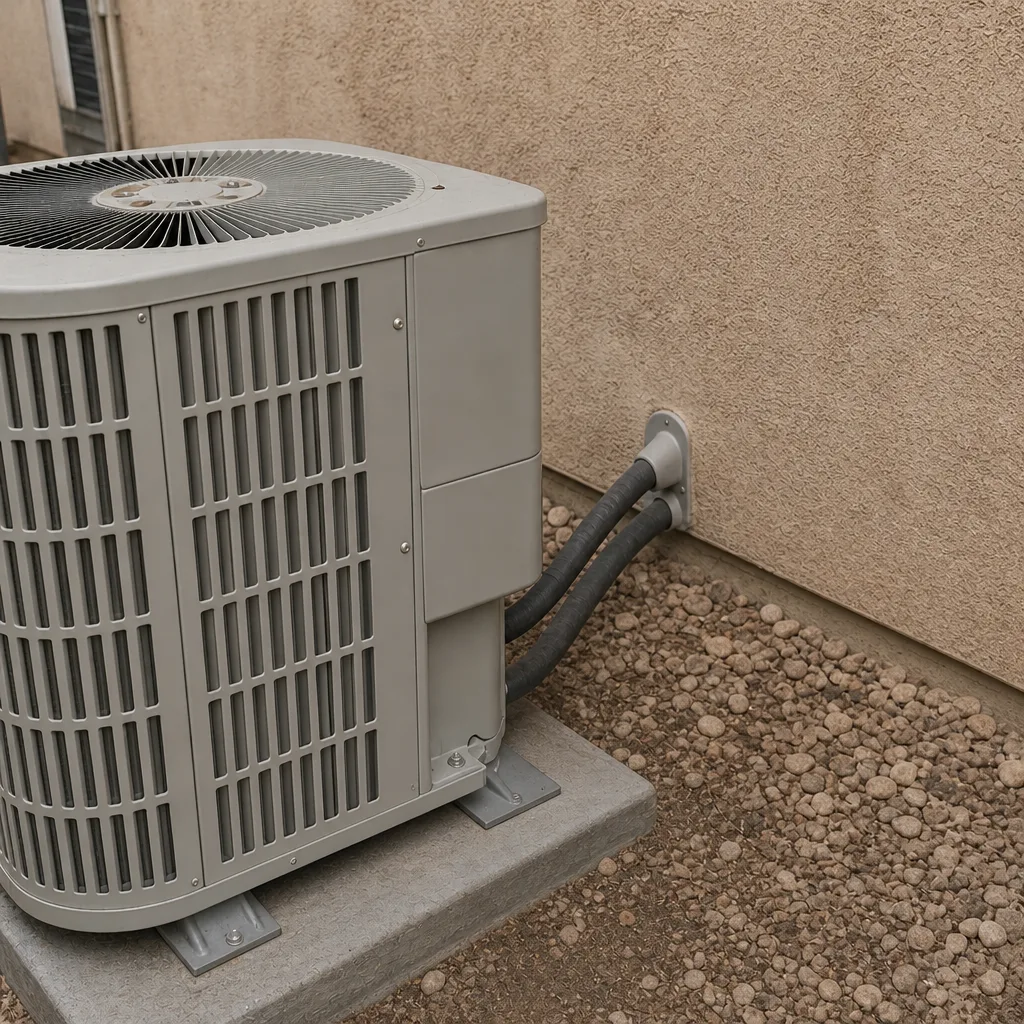
 Before
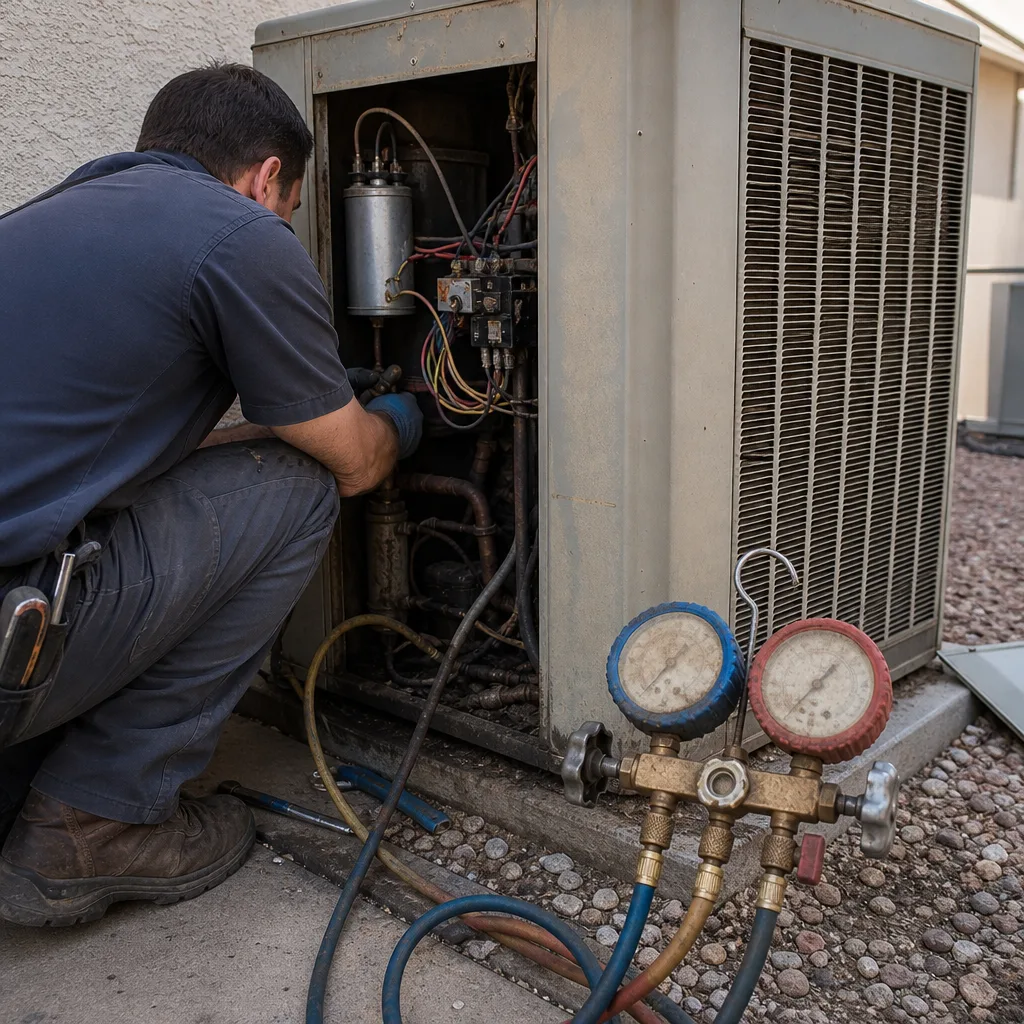
 After
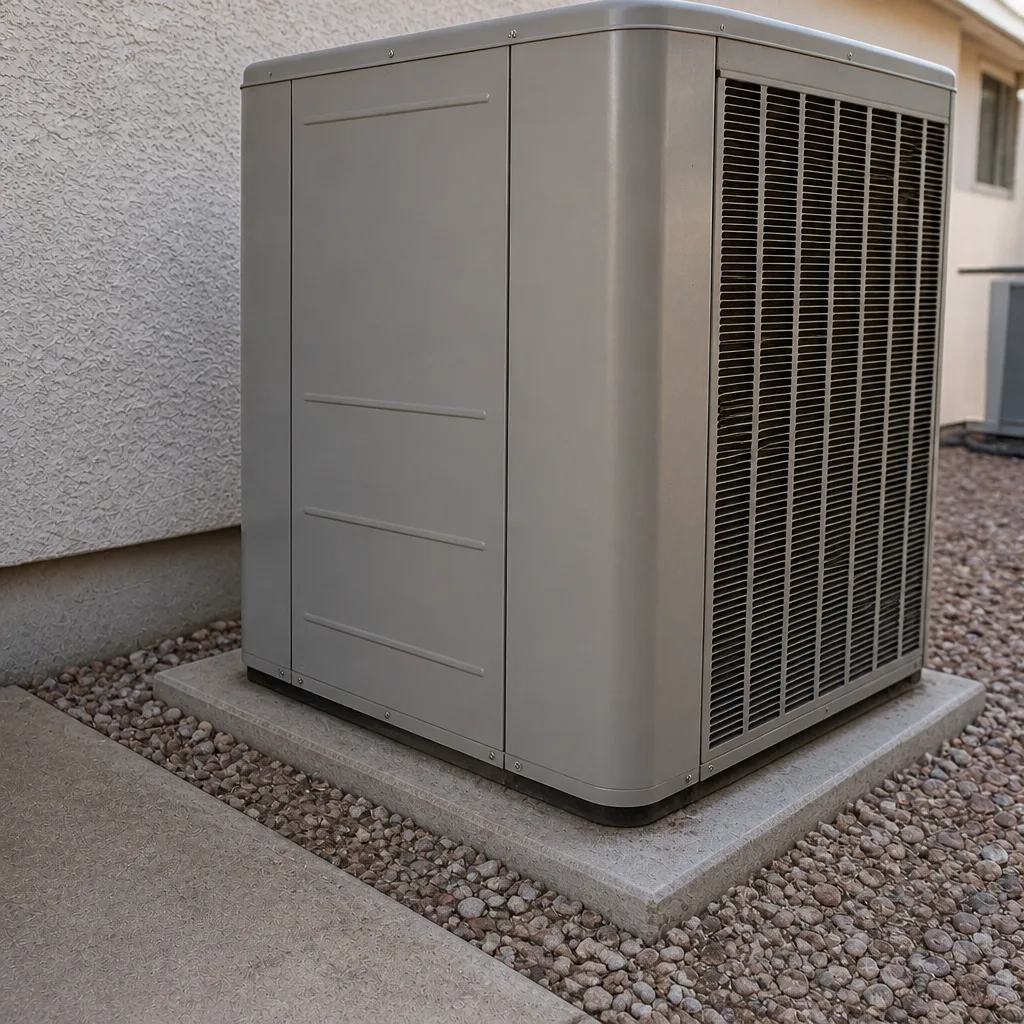
 Before
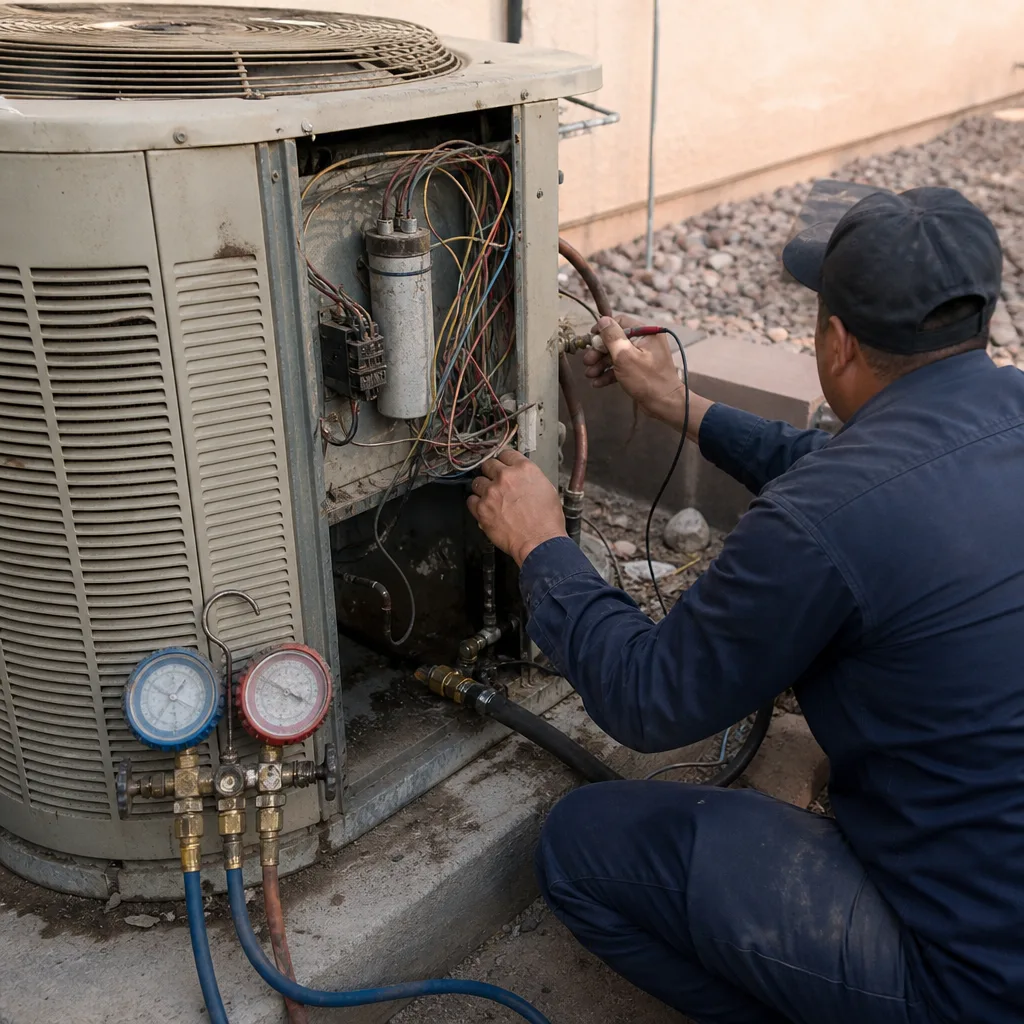
 After
 Before
 After
Frequently Asked Questions
No. A shop vac’s exhaust isn’t HEPA-filtered, so it aerosolizes dust, biofilm, and mold spores back into the living space instead of removing them. Professional duct cleaning uses a truck-mounted or high-CFM HEPA vacuum to pull negative pressure on the entire system before any agitation begins. If your ductwork hasn’t been cleaned in twenty years, call us at (844) 312-0133 for a camera inspection first.
Filter replacement, hands down. Changing your filter every 30-90 days (for 1-inch filters) or every 6-12 months (for 4-5 inch media filters) is safe, cheap, and accounts for most of the difference between a healthy system and a struggling one. Match the MERV rating to what your system was designed for – not the highest rating on the shelf.
It can. Most equipment warranties on Carrier, Trane, Bryant, and American Standard systems include clauses voiding coverage for damage from improper service performed by unlicensed persons. If a DIY repair leads to a later failure, the claim can be denied. Call us at (844) 312-0133 to confirm what your coverage requires before you attempt anything beyond filter replacement.
Every 6-12 months in a typical Boulder City home, and more often if you’re in a dusty area or run the system continuously through summer. The core itself is a heat-exchange matrix that fouls if dust or moisture accumulate. It needs to be removed, cleaned with the right method, dried completely, and reinstalled – a procedure our technicians follow as a checklist, not a guess.
Start with a hygrometer (above 55% indoor humidity is a mold-risk threshold) and your own nose (a musty smell throughout the house points to the system, not a room). If a filter change doesn’t reduce dust, if symptoms appear at the same time every day, or if you hear whistling at a vent, there’s a real issue. Ten minutes of checklist work beats a diagnostic fee. Call us for a free estimate when the checklist doesn’t answer it.
Ask for a camera inspection before they start, ask what negative pressure their equipment pulls, ask whether they’re licensed and insured (get it in writing), and ask what happens if they find mold or asbestos. A legitimate company will answer all four without hesitation. If they won’t offer a camera inspection, walk away. Call us at (844) 312-0133 for a straight answer on any ductwork question.
The Bottom Line
Filter replacement, grille cleaning, and humidity monitoring are yours to handle – do them and do them well. Duct sealing, ERV/HRV core servicing, and ductwork cleaning are not: they need the right equipment, documented procedure, and a licensed technician on record for warranty purposes. The ten-minute checklist in this guide tells you which side of the line your problem is on. When you’re on the professional side, call a company that shows up in writing. Fireside Heating & Air Co. Boulder City offers free estimates and a Free Second Opinion on Any Written Estimate. You can visit our Fireside Heating & Air Co. Boulder City home page or call (844) 312-0133 to schedule. The price quoted is the price paid. We will be there when we say.
Written by the team at Fireside Heating & Air Co. Boulder City.