
Last updated November 18, 2026
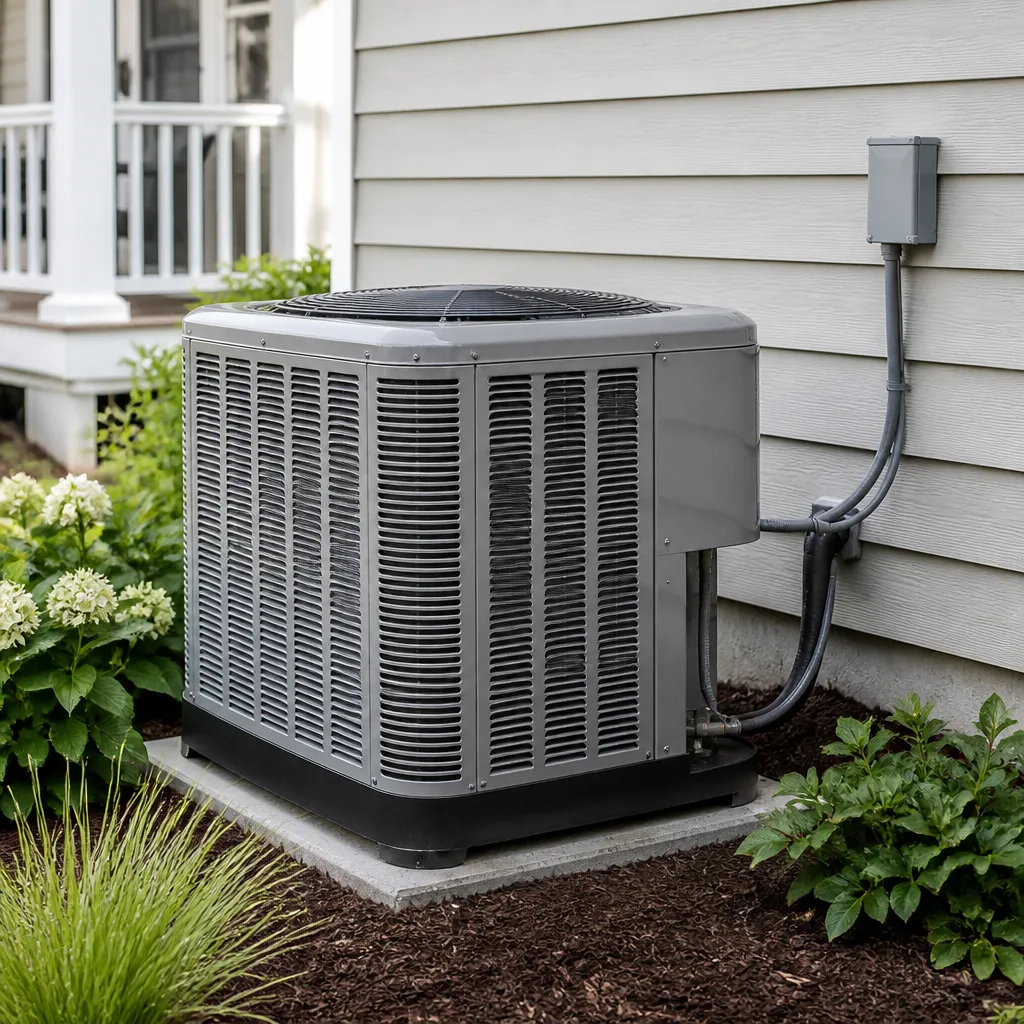 AC repair
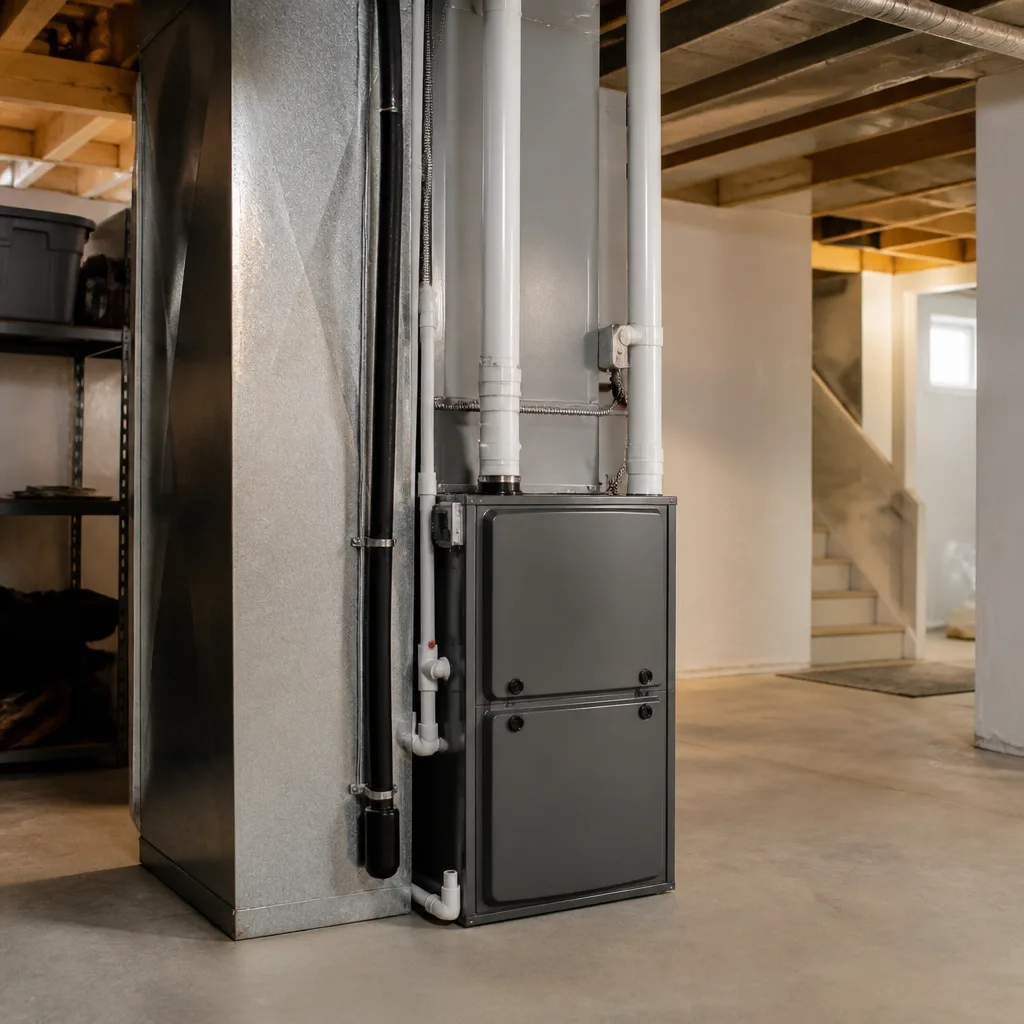 Furnace & heating
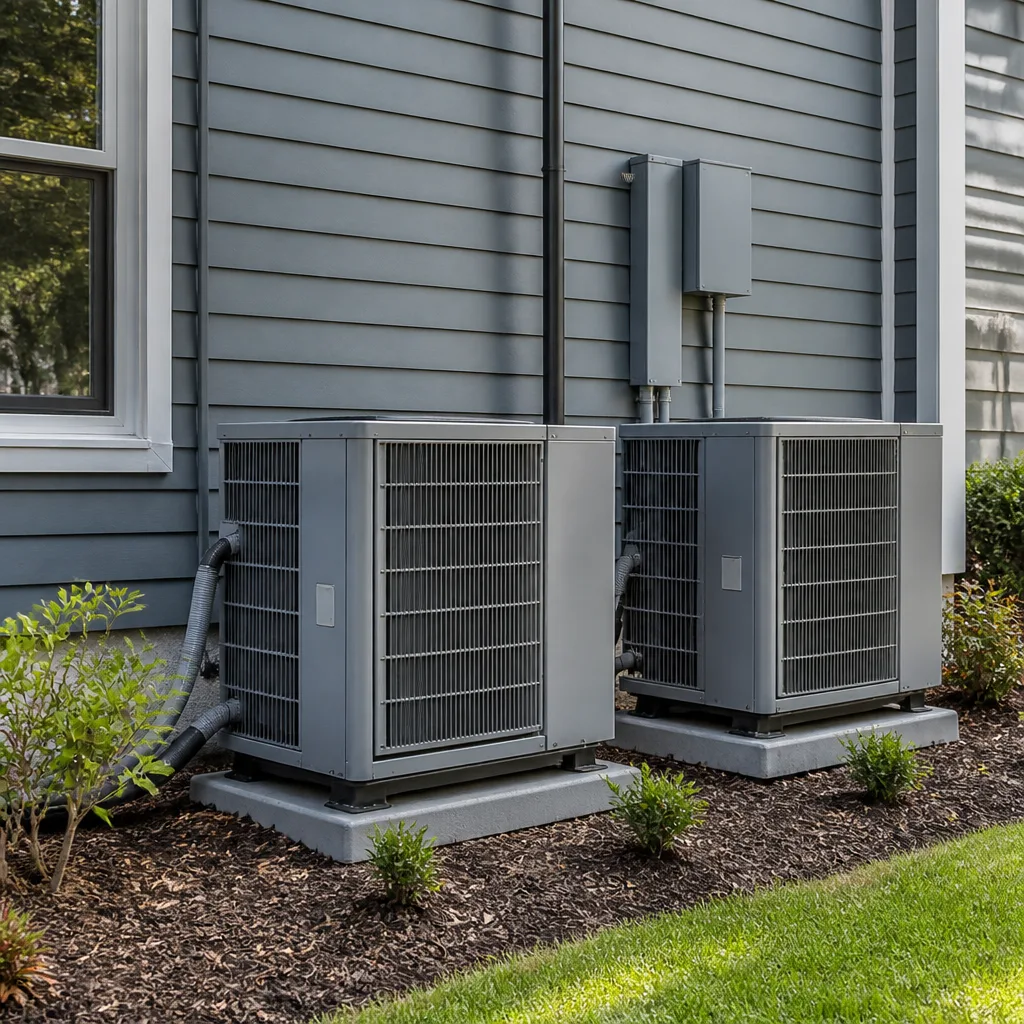 Heat pumps
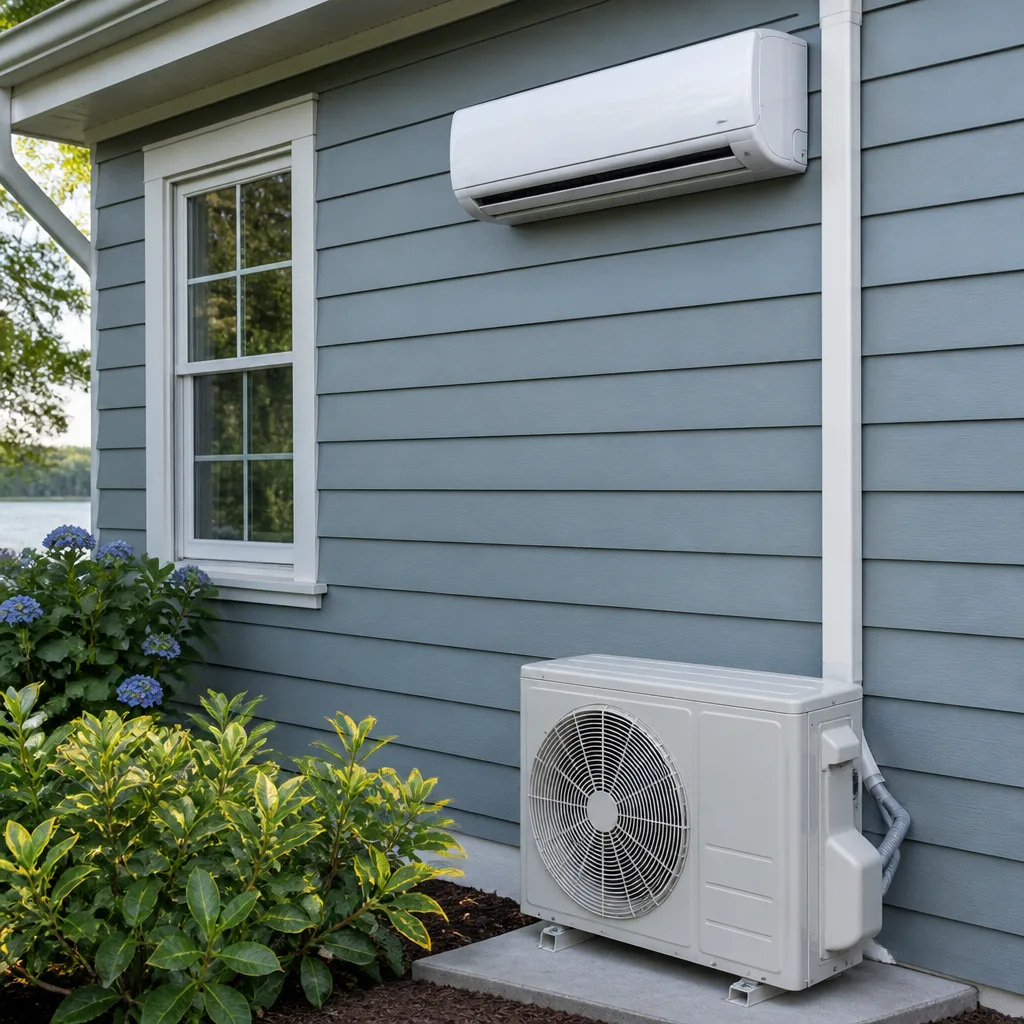 Ductless mini splits
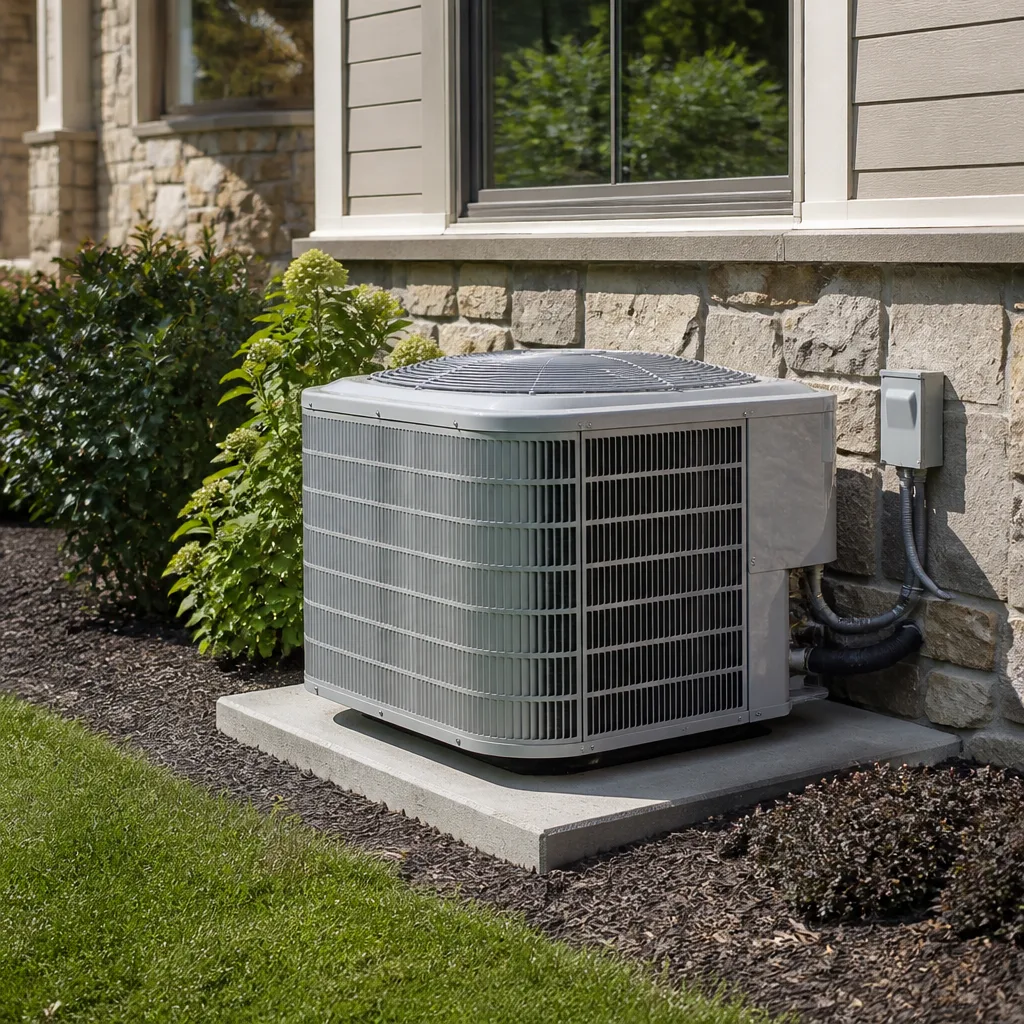 Carrier
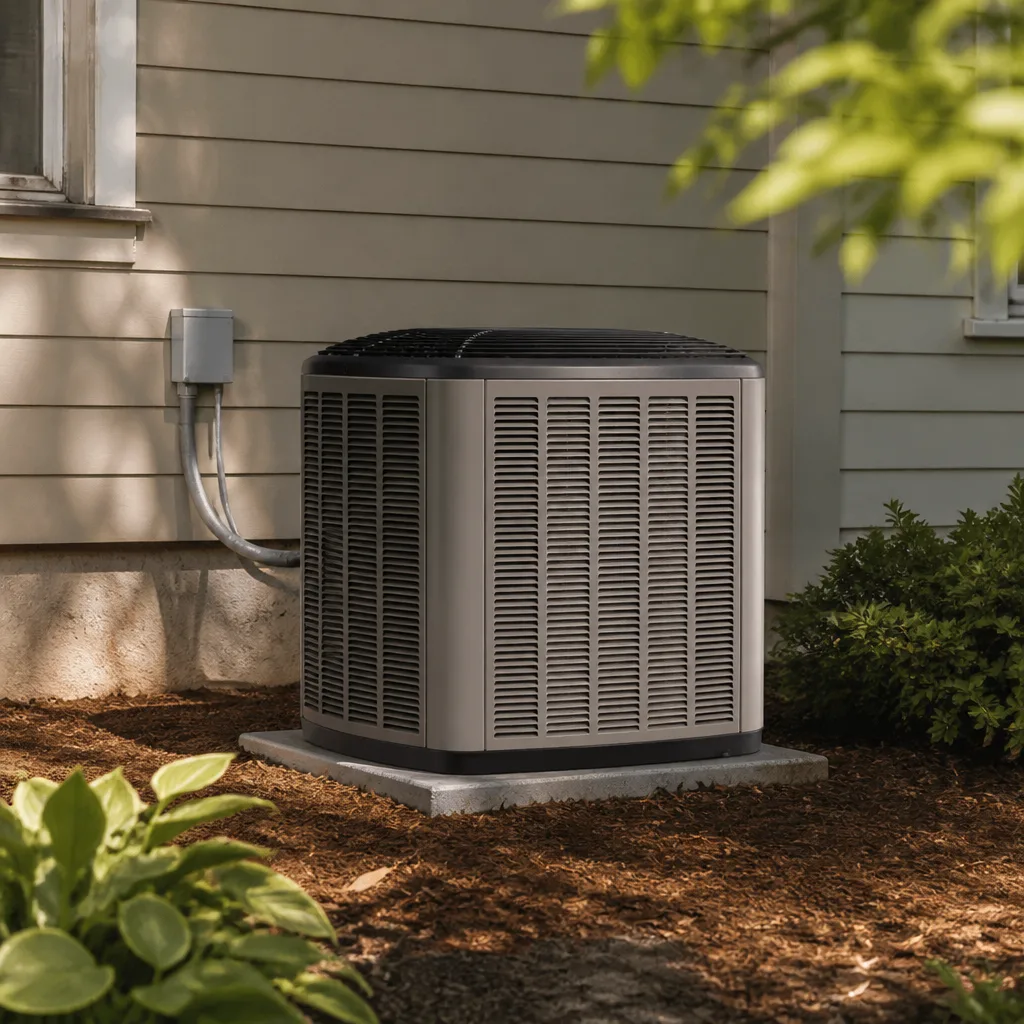 Trane
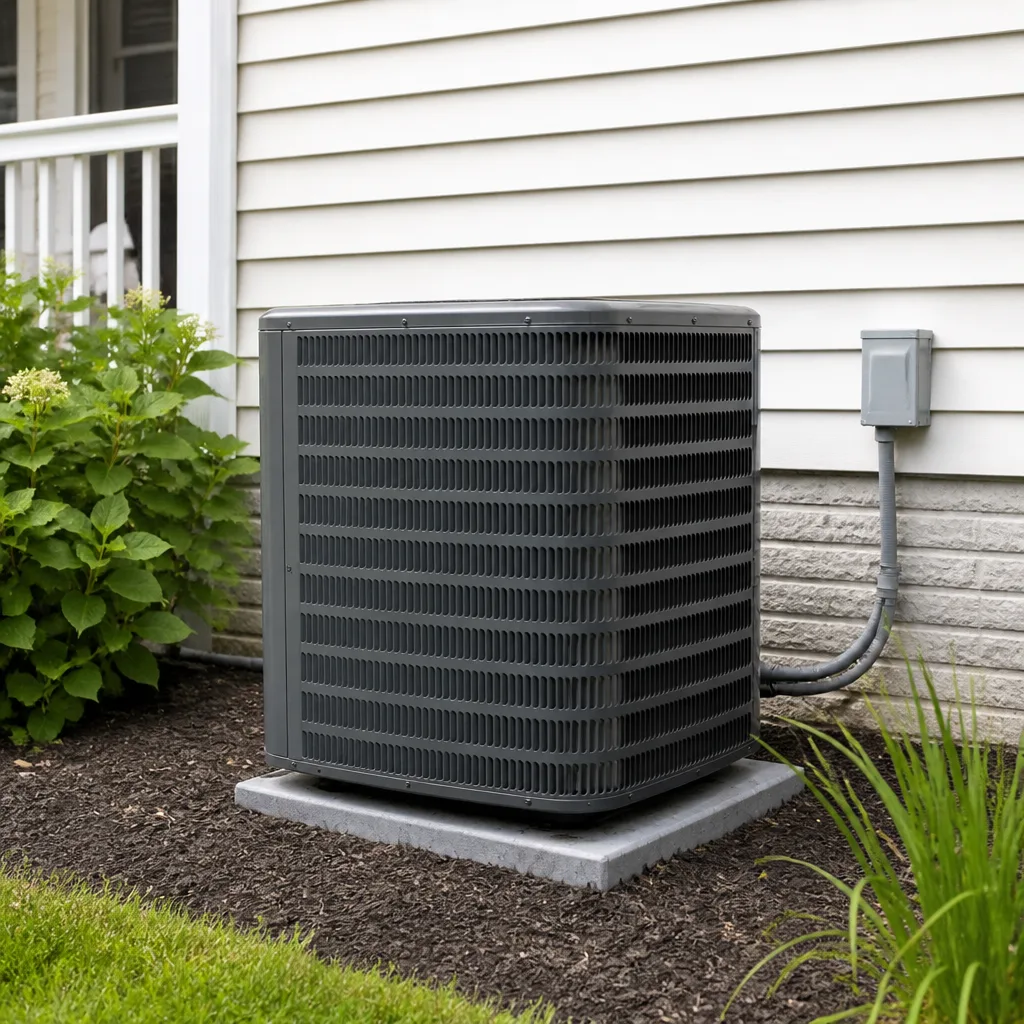 Goodman
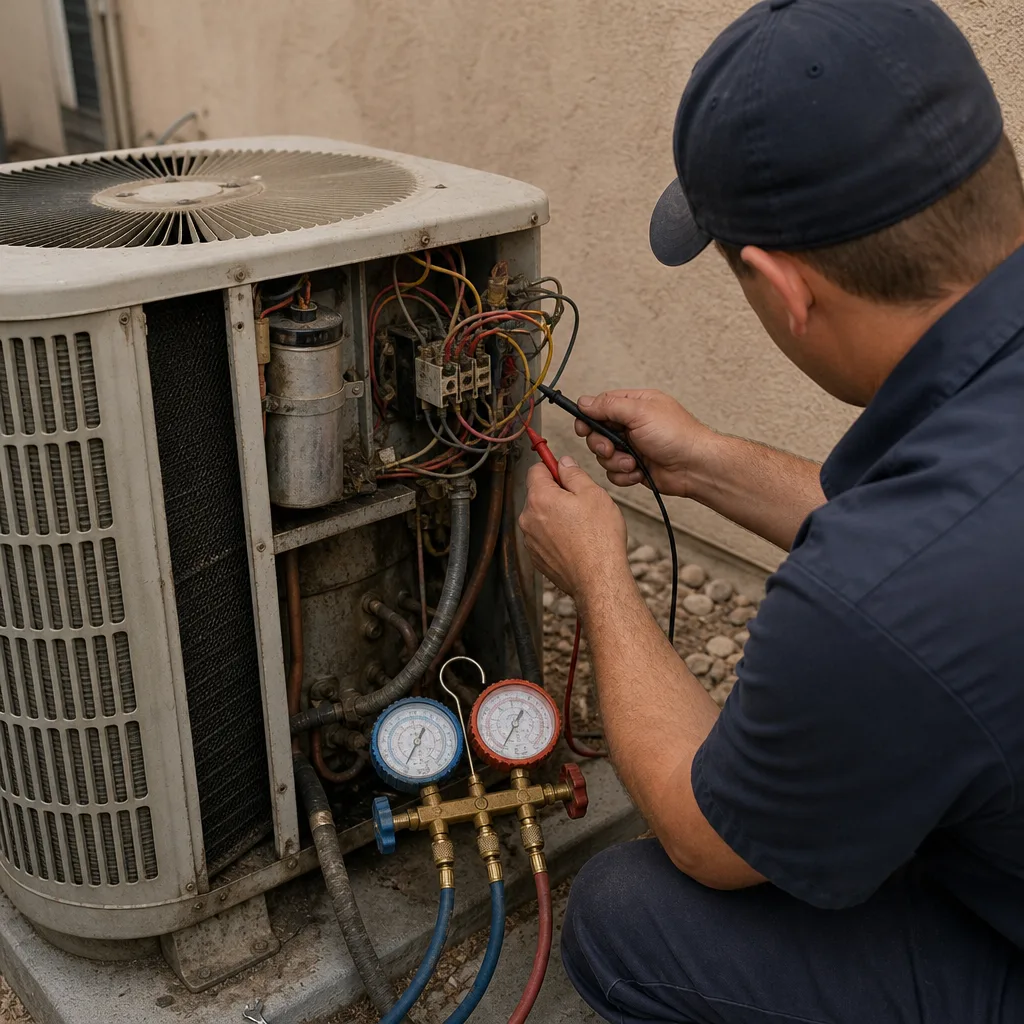
Seasonal tune-up and full diagnostic on your Carrier, Trane, or Goodman system - readings shown to you before any repair is proposed
Diagnosis first, numbers second - you approve the repair price before a single part goes in.
Get your free estimateAir Quality & Ventilation Troubleshooting: Common Problems and How to Fix Them
A home that smells musty only after the HVAC runs isn’t a humidity problem. It’s a duct problem. Running the system harder or buying a dehumidifier won’t fix air that’s picking up contamination from inside the ductwork on its way to your living room. Most air quality complaints we hear in Boulder City trace back to a ventilation pattern nobody checked: an exhaust fan that runs but doesn’t pull, a return path drawing from the wrong space, or a duct leaking conditioned air into a hundred-plus-degree attic. This guide shows you how to find the actual source instead of treating the symptom, using a tissue, a flashlight, and a little patience.
Quick Answer
Most home air quality problems blamed on the HVAC system are actually ventilation failures: exhaust fans that don’t move air, return paths that pull from the wrong space, or ducts leaking into the attic, garage, or crawlspace. The fix is to find the source first – with a room-by-room airflow test, a duct inspection, and a backdraft check on gas appliances – before spending money on filters, purifiers, or a bigger system. In our experience across Boulder City, the correct diagnosis matters far more than the product.
Styles & brands we work with
- AC repair
- Furnace & heating
- Heat pumps
- Ductless mini splits
- Carrier
- Trane
- Goodman
Table of Contents
- The Tissue Paper Airflow Test: A Room-by-Room Check
- Duct Leakage vs. Filtration Failure vs. Source Contamination
- Combustion Appliance Backdrafting in Tight Homes
- Why a Higher MERV Filter Sometimes Makes Things Worse
- Room-by-Room Ventilation Checks: Bath, Kitchen, Laundry
- Boulder City’s Desert Climate and Dust Load
- What to Gather Before Calling a Professional
- Common Mistakes to Avoid
- When to Call a Professional
The Tissue Paper Airflow Test: A Room-by-Room Check
You don’t need a $400 anemometer to know whether a bathroom fan is actually exhausting. You need a single square of tissue paper and five minutes. This is the low-tech test we walk homeowners through on the phone before anyone rolls a truck. It won’t measure cubic feet per minute, but it will tell you whether air is moving in the right direction – and that answers the question most people are really asking.
How to run it
- Turn on the bathroom or kitchen exhaust fan and let it run for two minutes.
- Hold a single-ply tissue flat against the grille. If it sticks and stays, the fan is pulling. If it drifts or falls, it isn’t.
- Do the same at every supply register with the HVAC fan running on “on.” A tissue should flutter and lift toward you, not fall away.
- At the return grille, the tissue should be sucked firmly against the grille with the system fan on. If it clings loosely or falls, the return path is weak or blocked.
- Close the bathroom door and repeat the exhaust fan test. A fan that pulls with the door open but stalls with the door closed has no make-up air path. That’s a ventilation design problem, not a fan problem.
In Boulder City, the door-closed fail is common. Homes built in the 1970s and 1980s here often have bathroom doors fitted tightly after a remodel, and the undercut at the bottom of the door got carpeted over. The fan spins, sounds convincing, and moves almost nothing. Moisture and odors then get pulled into the return path and redistributed through the house – which is the “musty only when the AC runs” complaint in a nutshell. If your tissue test fails on the door-closed step, look at the door before you look at the fan.
Duct Leakage vs. Filtration Failure vs. Source Contamination
These three problems produce overlapping symptoms: dust, odors, stuffiness, allergy flare-ups, uneven cooling. They need different fixes, and treating one as another wastes money. Here’s how we separate them.
Duct leakage
Air from the attic, garage, or wall cavity gets pulled into the supply stream and delivered to your living room. The tell is timing – the smell or dust appears only when the system runs. Other signs include higher utility bills than the neighbor with a similar house, rooms that never quite cool, and visible dust streaks near supply registers. Duct leakage is common in older Boulder City homes where the original metal duct tape has dried and failed. The fix is sealing and, in badly leaking systems, partial duct replacement.
Filtration failure
The filter is the wrong size, the wrong MERV, missing, or so loaded it’s being bypassed at the edges. Symptoms are all-over dust, a filter that never seems to get dirty (meaning air is going around it), or a filter that cakes solid in weeks. The fix is usually a properly sized filter with an honest conversation about MERV. See the section below on why higher MERV isn’t always better.
Source contamination
The air quality is bad because something is growing, off-gassing, or burning inside the home – not because the HVAC is failing. Signs include a smell that’s present even when the system is off, mold or staining near a window or under a sink, new carpet or paint, or a pet area. The fix is source removal first, then ventilation improvement. No filter fixes a mold problem behind drywall.
If you can’t tell which of the three you have, start with the tissue test and a flashlight in the attic. Most homeowners can rule two of the three out in an afternoon. When they can’t, that’s when a trained eye pays for itself. Our Fireside Heating & Air Co. Boulder City home page is the place to start if you want a full walk-through of how we diagnose this.
Combustion Appliance Backdrafting in Tight Homes
This is the one that worries us most. A gas water heater or furnace produces combustion gases that must go up the flue and out. In a tightly sealed home, an exhaust fan running in the bathroom or kitchen can create enough negative pressure to reverse that flow. The flue gases come back into the room instead of going up the chimney. It’s invisible and it can be dangerous. Boulder City homes tightened up during energy retrofits in the 2000s and 2010s, and we’ve seen backdrafting in houses that otherwise look fine.
The simple check
- Turn on every exhaust fan in the house – both bathrooms and the kitchen hood.
- Wait five minutes. Leave the furnace and water heater running as normal.
- Hold a tissue near the draft hood (the metal collar at the top of the water heater or furnace flue). The tissue should be pulled gently toward the flue.
- If the tissue flutters away or holds still, stop running the fans and call for service. Do not ignore this.
If the test fails, don’t go looking for a DIY fix. Combustion safety and flue pressure are matters for a licensed technician with a combustion analyzer. We’d rather see a homeowner call and be told their system is fine than read about a close call. In our experience, the more common fix is bringing in dedicated make-up air for the exhaust fans or upgrading to a sealed-combustion appliance – both of which need a pro to spec and install correctly.
Why a Higher MERV Filter Sometimes Makes Things Worse
The intuition is sound: higher MERV catches more particles, so higher MERV should mean cleaner air. In practice, a filter upgrade can backfire. A denser filter resists airflow. On a system sized for a cheap fiberglass filter, a MERV 13 that’s too thick can choke the return and starve the whole house of air. You get less delivered cooling, a colder evaporator coil, and a furnace that runs longer – all while the filter itself does its job. The net effect can be more condensation in the ducts, more dust pulled in through every other gap, and headaches that show up on the next utility bill.
There’s a second mechanism, and it’s the one most homeowners miss. When you tighten filtration at the return, you increase negative pressure in the house relative to the outdoors and the attic. Air finds the easiest path in, and that path is often the duct leaks and wall cavities you didn’t know about. So a filter upgrade can pull more contaminated air into the living space from the attic and garage – which is the “duct leakage” problem getting worse, not the filtration problem getting better. In Boulder City, where attic temperatures routinely hit 130°F and up in summer, that attic air carries fine dust, insulation fibers, and heat. Not what you want to breathe.
The right answer is a filter sized for the return opening, rated at the MERV the system can handle, matched to the equipment’s static pressure spec. If you don’t know that spec, go with a quality MERV 8 to MERV 11 pleated filter and change it on a schedule. For most homes here, that beats a MERV 16 you can’t breathe through. If you want higher filtration, the better path is a media cabinet sized for the load, not a filter stuffed into an undersized slot.
Room-by-Room Ventilation Checks: Bath, Kitchen, Laundry
Every room with a moisture or combustion source needs its own exhaust path. Here’s the pass/fail we run in a typical Boulder City home.
- Bathrooms: Tissue test with the door closed. If it fails, check the door undercut (should be at least 3/4 inch), the fan blade for dust buildup, and whether the duct actually terminates at the roof or exterior wall – not just into the attic. An attic-terminated bath fan is a common find and a direct cause of attic moisture and mold.
- Kitchen: Range hood should be sized to the cooktop and ducted to the outside. Recirculating hoods push moisture and cooking grease back into the room. If your hood runs but doesn’t pull the tissue, the duct may be long, kinked, or terminated in the attic.
- Laundry: The dryer duct is a fire risk, not just a ventilation issue. It should be a short run, smooth metal, no screws through the pipe, and cleaned on a schedule. In our experience, clogged dryer ducts are one of the simplest home hazards to catch and the easiest to ignore.
- Return air path: Every room with a door needs a return path back to the system – either a return grille or a door undercut. A bedroom with a supply and no return pressurizes and pushes air out through every gap, including gaps into the attic.
If your home has a fireplace or wood stove, that’s a fourth exhaust check – a closed damper on a fireplace in a well-sealed house will pull combustion flue gases backward from your furnace. Open the damper when the furnace is running, or have the fireplace sealed and decommissioned. That’s the sort of thing a homeowner shouldn’t guess at. Our Heating & Furnace in Boulder City team handles furnace safety checks alongside the fireplaces and venting, and a proper service call covers this.
Boulder City’s Desert Climate and Dust Load
Boulder City sits in the Mojave at roughly 2,500 feet, in a high-desert pocket that’s cooler than Las Vegas in the summer and noticeably colder in the winter. That’s not just a comfort fact. It drives the air quality pattern here. Spring and fall bring wind events that carry fine desert dust into every gap in a house. Summer swells vacuum that dust into the return on a system running hard for months. Winter’s cold snaps mean the furnace runs longer, and the same dust sitting in the ducts for nine months gets redistributed.
The seasonal pattern has consequences. In our experience, homes in Boulder City see the most dust accumulation in the return boots and flex duct runs that serve bedrooms. That’s because those runs are usually the longest and lowest-velocity – dust drops out of the airstream there and stays. A filter change skips over it. So does a duct cleaning that only hits the trunk. If your bedroom dust is worse than your living-room dust, this is likely why, and it’s the kind of specific problem to point out to whoever you call.
There’s also a code context. Boulder City has its own building department and fire codes, separate from Clark County’s, and flue venting and combustion air requirements are checked here at permit time. Older homes that predate those checks can pass a visual inspection and still not meet current venting requirements. If you’re buying or remodeling a home in Boulder City, get the venting and combustion air checked as part of the purchase inspection – it’s a low-cost add-on that can save you a significant repair later. For high-efficiency equipment upgrades, be aware that a heat pump or mini-split sidesteps the combustion venting conversation entirely, which is one reason we see more of them here than we did a decade ago. Our Heat Pump & Mini Split in Boulder City page has more on that trade-off.
What to Gather Before Calling a Professional
A focused diagnostic visit costs less and finds more. Here’s what we ask homeowners to bring to the appointment.
The file that makes the visit efficient
- A symptom log. When does the problem appear? Only when the system runs, or all the time? Which rooms? Which season? A one-page log with dates and details is worth more than a memory.
- Twelve months of utility bills. We’re looking for a spike in gas or electric that lines up with a filter change, a duct leak opening up, or a furnace losing efficiency. The month it happened is often the month it started.
- Filter change history. What size, what MERV, how often, who changed it. If the filter ran three years, that’s a different diagnosis than if it’s been changed every 90 days.
- Any prior service records. The last tune-up, the last repair, the last duct cleaning. We’ve found more root causes in old invoices than in new equipment.
- Photos of the attic, crawlspace, and exterior vents. If you’re comfortable going up there with a camera and a flashlight, a photo of the ductwork and flue terminations gives us an enormous head start.
None of this replaces a real inspection. It simply makes the inspection hit the right target. In our experience, a homeowner who brings the file saves themselves a second visit and a second diagnostic fee.
Common Mistakes to Avoid
- Assuming a musty smell is humidity. In Boulder City’s dry climate, a musty smell that appears only when the system runs is almost always a duct or return-path problem, not a moisture problem. Fix the air path before you buy a dehumidifier.
- Over-filtering to solve a dust problem. A higher MERV can starve the system and pull more attic dust in through leaks. Match the filter to the equipment’s spec, then seal the ducts.
- Running exhaust fans with the door closed. A fan that can’t pull make-up air doesn’t exhaust, and in a tight house it can backdraft a gas water heater. Keep the door undercut clear and check the fan with the door shut.
- Terminating a bath fan into the attic. This pushes warm, moist air into the attic instead of outside, and Boulder City attic temperatures amplify the damage. The duct must run to the roof or wall, not stop in the attic.
- Trusting a filter-change-only duct cleaning. If the duct cleaner only hit the trunk and skipped the flex runs to the bedrooms, the dust is still there. Ask what’s actually being cleaned.
- Skipping the backdraft test every fall. It takes five minutes and catches a combustion safety problem that no filter will ever fix. Run it before every heating season.
- Assuming the last guy’s work is fine. We’ve found attic ducts sealed with the wrong tape, returns blocked by a remodel, and flues reconnected incorrectly. If something feels off, get a second opinion – it’s free with any written estimate.
See the difference
 Before
 After
 Before
 After
 Before
 After
When to Call a Professional
Call for service if you have a persistent musty or chemical smell that appears when the system runs, visible dust streaks around registers, or a family member whose allergies or asthma get worse indoors. Call immediately if the backdraft tissue test fails – that’s a combustion safety issue, not a comfort issue. Call if you’ve run the tissue test and can’t tell which of the three problems you’re dealing with, or if you’re uncomfortable going into the attic. And call before you spend money on a high-MERV filter or a duct cleaning – a proper diagnostic usually costs less than the wrong product and saves you the second visit. Fireside Heating & Air Co. Boulder City offers free estimates in Boulder City – call (844) 312-0133. A live person answers every call, including the 2 a.m. one.
Frequently Asked Questions
The smell is coming from inside the ductwork or the space the return is pulling from, not from the thermostat setting. Running the system longer or buying a dehumidifier won’t help because the contamination is being picked up on the way to your living room. In our experience, the most common cause is a duct leaking in the attic or a return path pulling from a damp crawlspace or garage. If the smell appears within two minutes of the fan starting, it’s a duct-path issue. Call (844) 312-0133 for a diagnostic – estimates are free.
Run the tissue test with the bathroom door closed. Hold a single-ply tissue flat against the grille with the fan on. If it sticks, the fan is pulling. If it drifts off, the fan is either blocked, the duct terminates in the attic, or the door doesn’t have enough undercut for make-up air. In Boulder City, we find the door-undercut problem more often than a failed fan. If the test fails, call (844) 312-0133 for a free second opinion.
Backdrafting is when combustion gases from a gas water heater or furnace flow backward into the room instead of up the flue, and it’s most common in tightly sealed homes where exhaust fans create negative pressure. Run all the exhaust fans for five minutes, then hold a tissue near the draft hood. The tissue should be pulled toward the flue. If it flutters away or stays still, stop and call a professional – this is a safety issue, not a DIY fix. Call (844) 312-0133.
Not always. A higher MERV filter catches more particles, but it also resists airflow, which can starve a system sized for a cheaper filter and pull more attic dust in through duct leaks. The right filter matches your equipment’s static pressure spec. For most Boulder City homes, a quality MERV 8 to MERV 11 pleated filter changed on schedule outperforms a MERV 16 stuffed into an undersized slot. Call (844) 312-0133 for a filter recommendation specific to your system.
Duct sealing usually matters more than duct cleaning for air quality. Cleaning removes what’s already there; sealing prevents attic, garage, and crawlspace air from being pulled in through the leaks. In older Boulder City homes, the original metal duct tape has often failed, and sealing is the higher-value fix. A proper diagnostic tells you whether you need one, the other, or both. Call (844) 312-0133 for a free estimate.
Bring a symptom log, twelve months of utility bills, your filter change history, and any prior service records. Photos of the attic ductwork and exterior vents help too. This turns a general diagnostic visit into a focused one, which saves you time and money. Call (844) 312-0133 and we’ll tell you exactly what to have ready.
The Bottom Line
Air quality problems in your home are almost never solved by adding a product. They’re solved by finding the source. Run the tissue test room by room. Check that every exhaust fan terminates outside and that every return has a path back to the system. Test for backdrafting before every heating season. Match your filter to the equipment rather than to the label. And when you can’t tell duct leakage from filtration failure from source contamination, call in someone who checks the air path before quoting the parts. That’s the difference between a fix and a repeat visit. Our AC Repair & Installation in Boulder City team handles this diagnostic on every call, and the 90-Day Done Right Promise applies to the work.
If something in this guide raised a flag about your home, call us at (844) 312-0133 for a free estimate. A live person answers, the price quoted is the price paid, and we’ll tell you straight whether you need a repair, a seal, or just a filter change. Done right – or we make it right.
Written by the team at Fireside Heating & Air Co. Boulder City.