
Last updated November 18, 2026
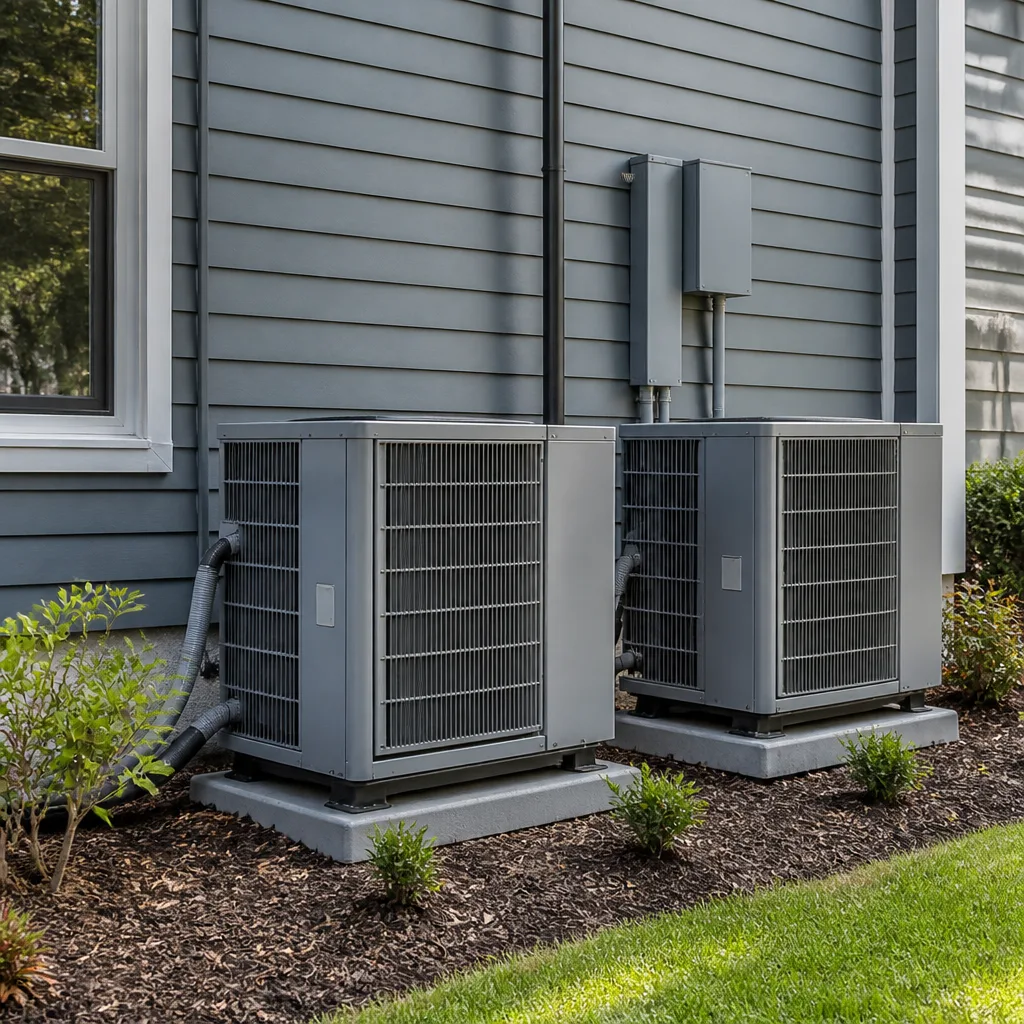 Heat pumps
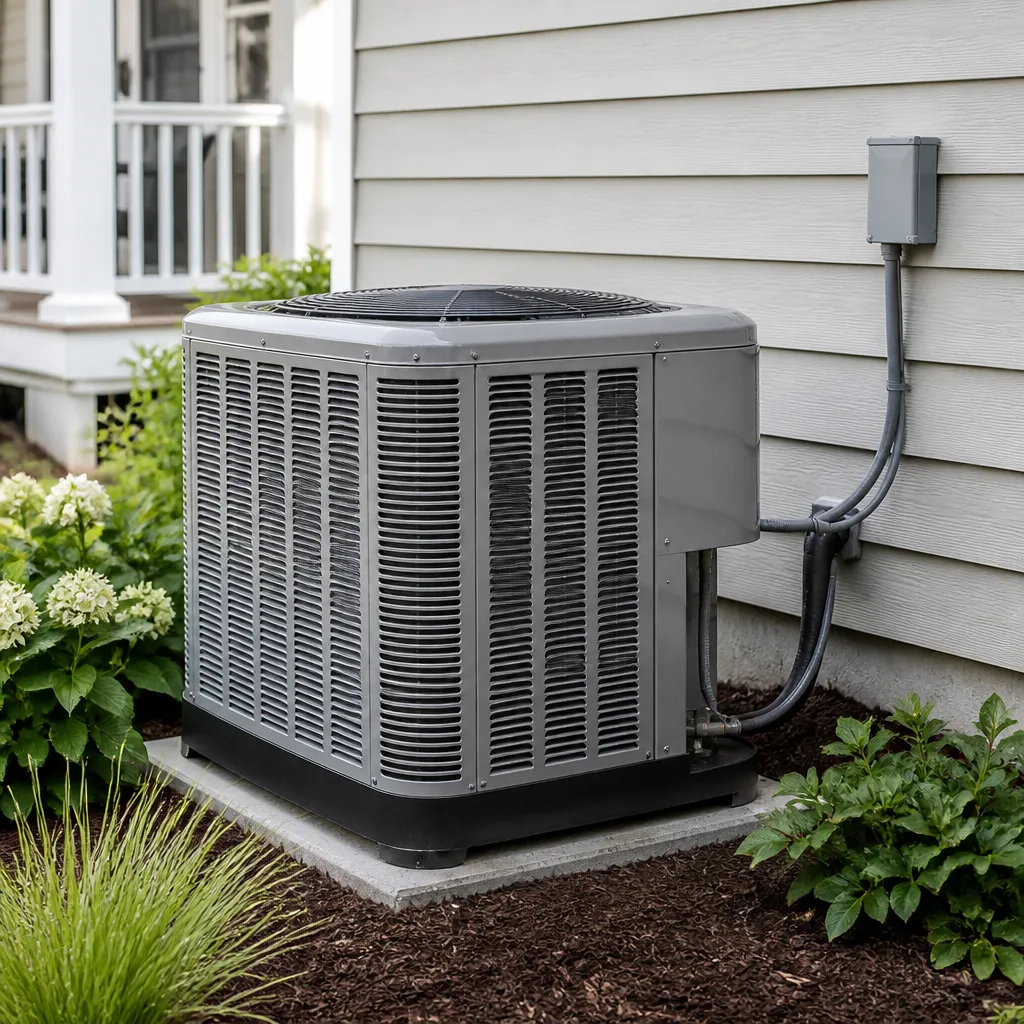 AC repair
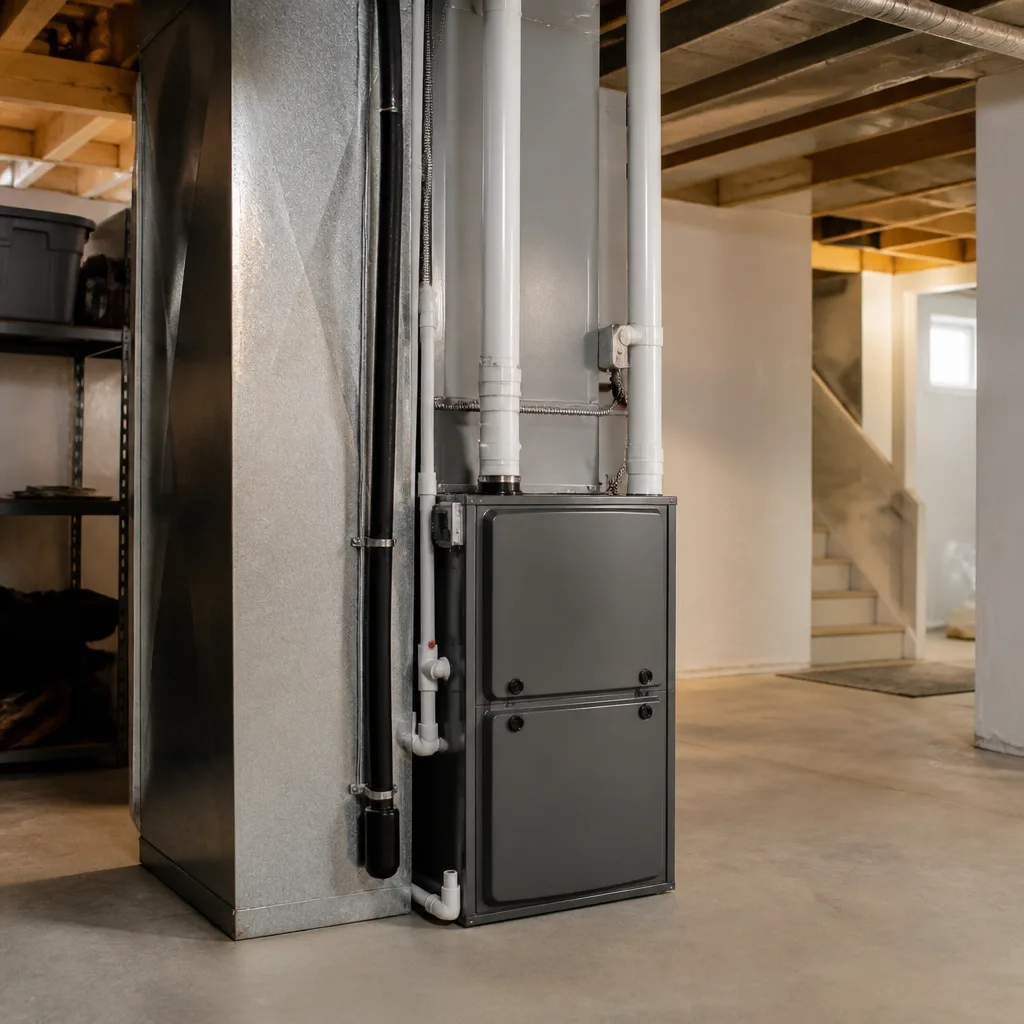 Furnace & heating
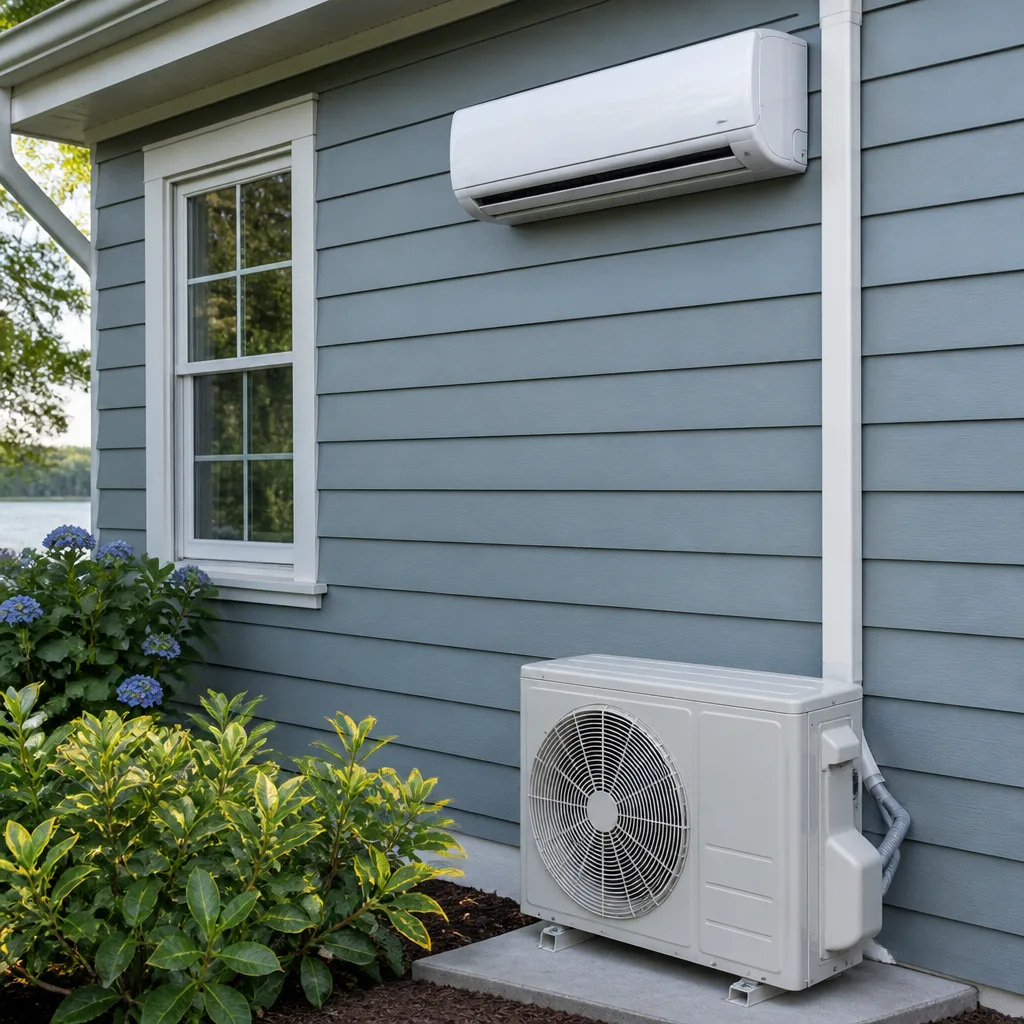 Ductless mini splits
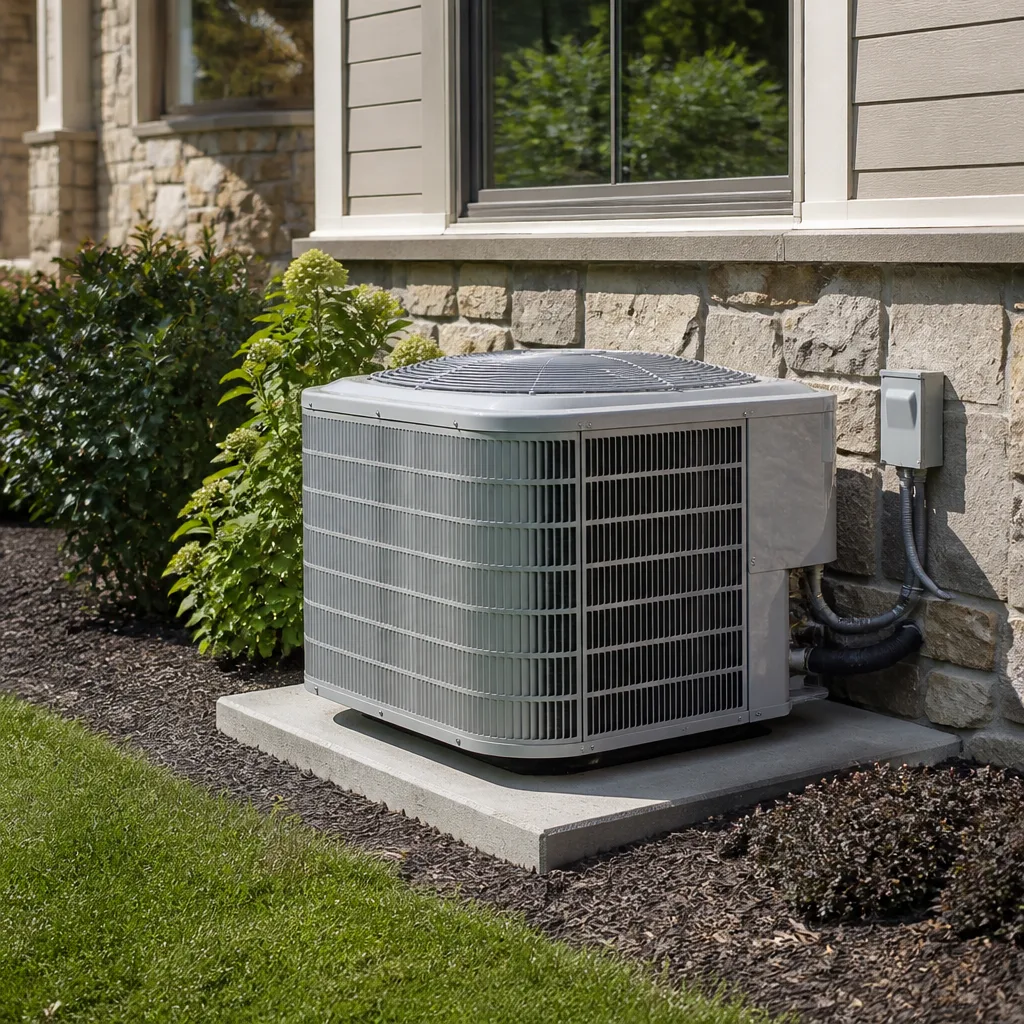 Carrier
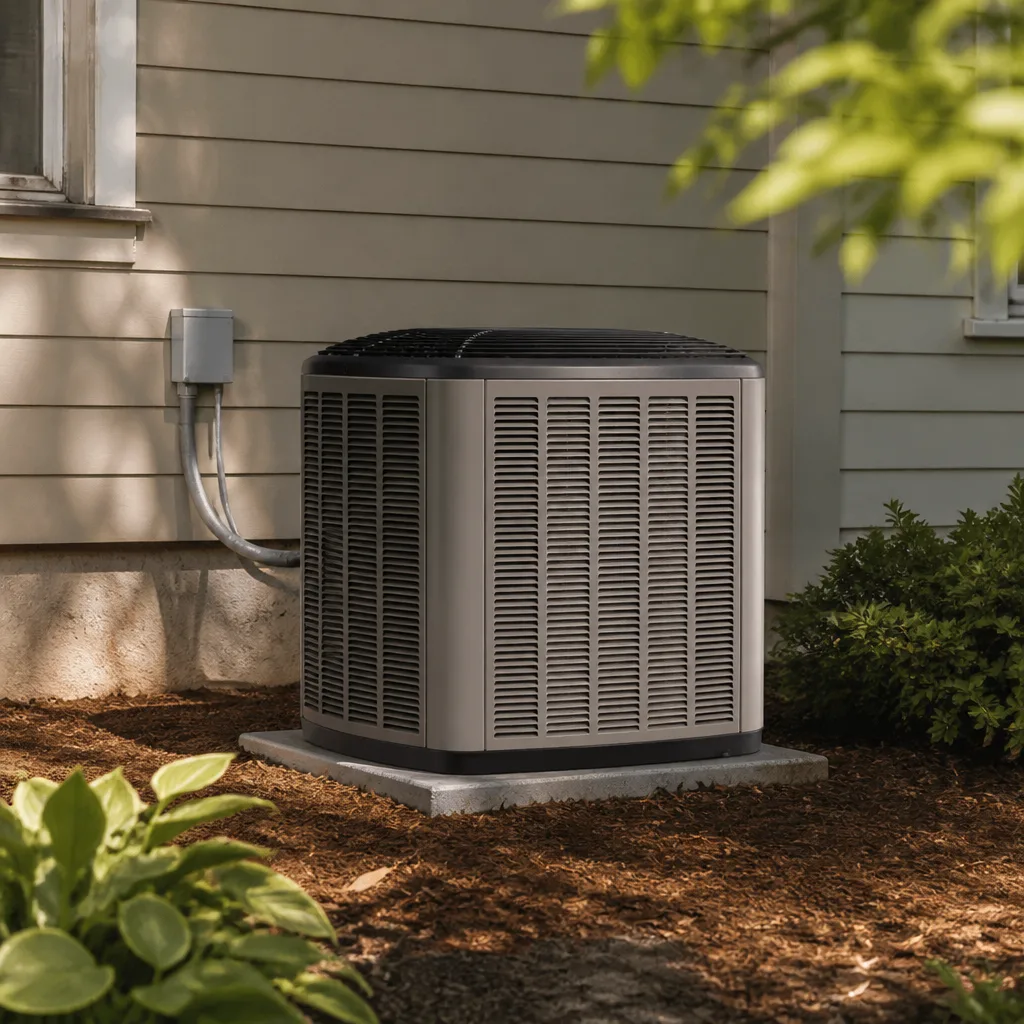 Trane
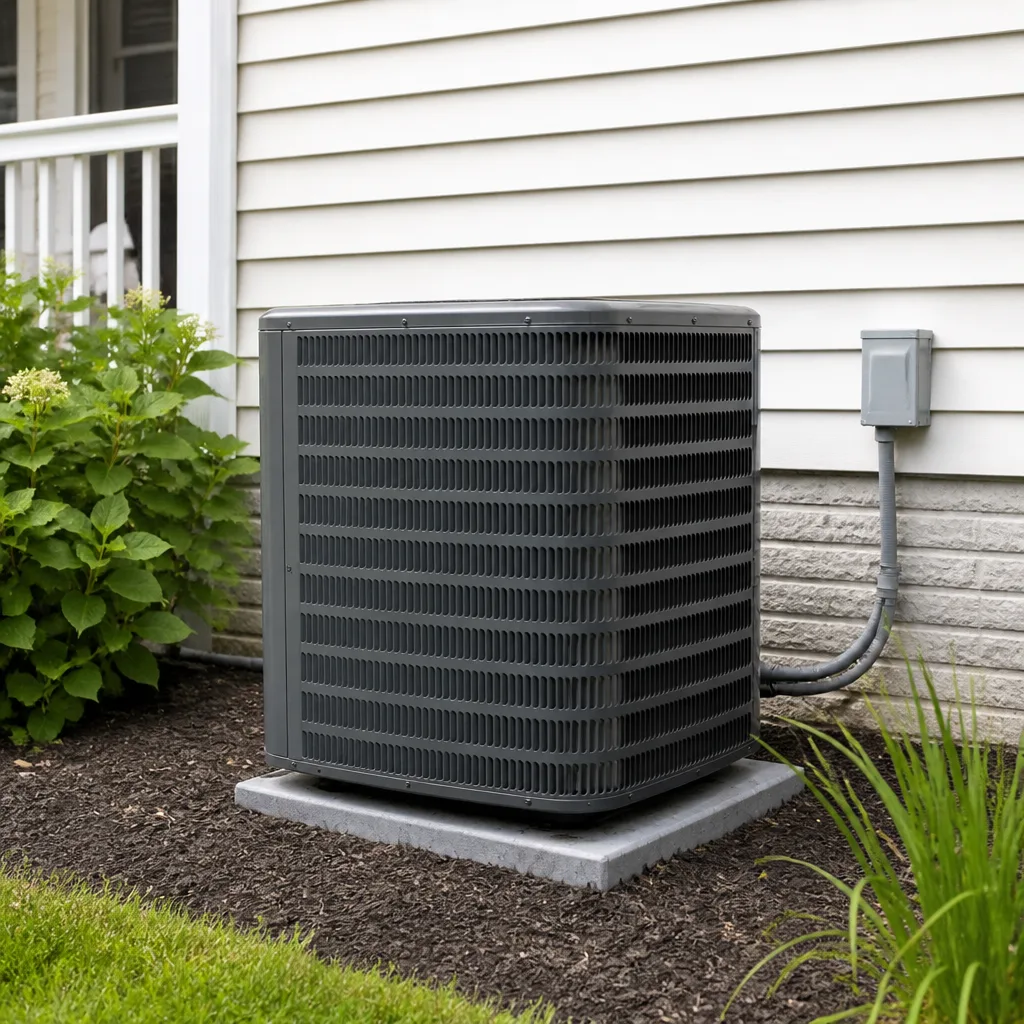 Goodman
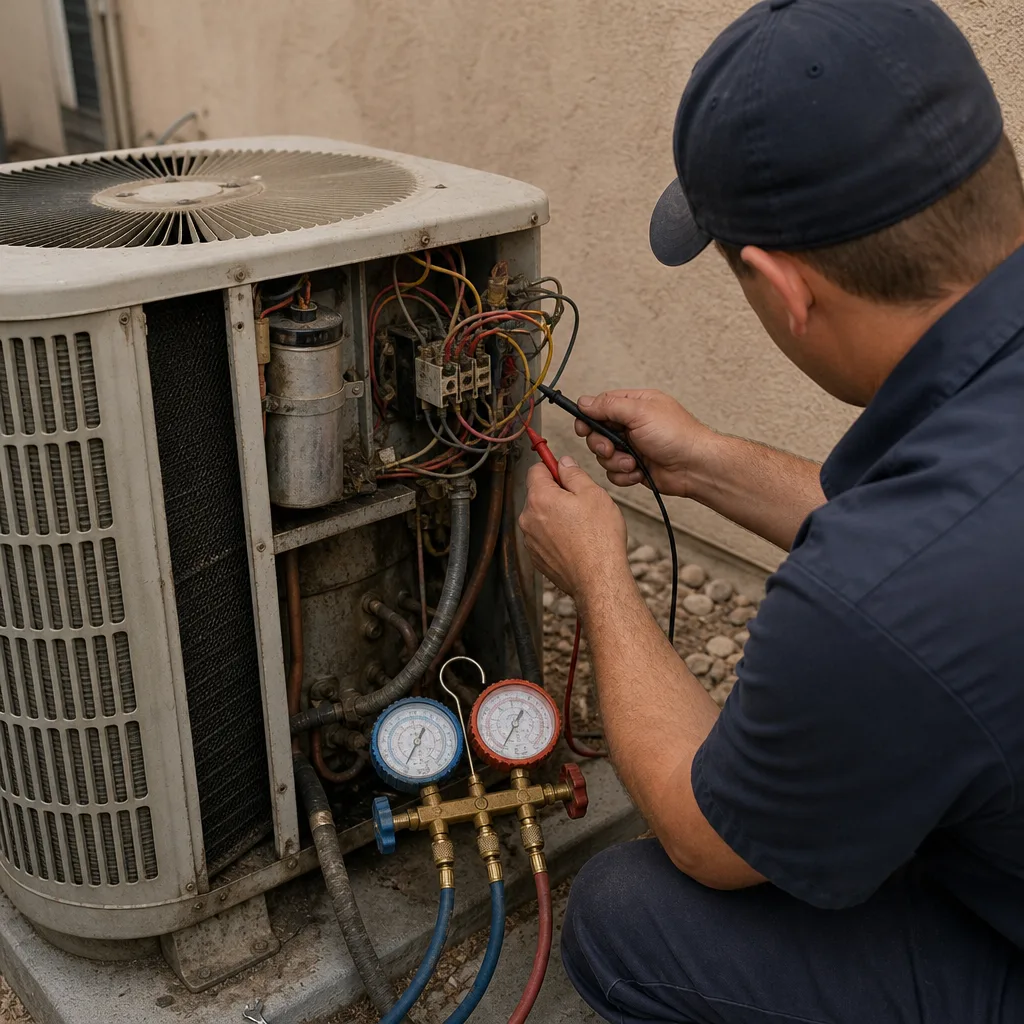
Seasonal tune-up and full diagnostic on your Carrier, Trane, or Goodman system - readings shown to you before any repair is proposed
Diagnosis first, numbers second - you approve the repair price before a single part goes in.
Get your free estimateHeat Pump & Mini Split Warning Signs Every Homeowner Should Know
A mini split that takes 45 minutes longer to cool a room than it did last summer isn’t showing its age. It’s showing a refrigerant charge that’s likely 10 to 15 percent low, and in Boulder City heat that shortage translates straight into compressor stress that can shave years off the system’s life. Most homeowners miss it because a ductless system doesn’t fail with a bang. It fades. This guide names the measurable signals that separate ordinary hot-weather strain from a unit that’s genuinely degrading, so you can act on evidence instead of a hunch. We’ve walked through hundreds of these systems across Boulder City, and the pattern repeats.
Quick Answer
A mini split or heat pump is in trouble when it can’t hold its old cool-down time, ices up indoors in dry desert air, makes any of three distinct abnormal sounds, throws a musty, burning or sweet smell, or runs nonstop without reaching setpoint on a mild 90°F day. Any one of those, on its own, is enough reason to have the system checked before summer peaks in Boulder City.
Styles & brands we work with
- AC repair
- Furnace & heating
- Heat pumps
- Ductless mini splits
- Carrier
- Trane
- Goodman
Table of Contents
- How to Set a Performance Baseline Before Anything Breaks
- Warning Sign 1: Cool-Down Time That Keeps Creeping Up
- Warning Sign 2: Ice on the Indoor Unit in a Desert Climate
- Warning Sign 3: Three Sounds That Mean Three Different Repairs
- Warning Sign 4: What Each Odor Is Telling You
- Warning Sign 5: Running Nonstop on a Mild Day
- Common Mistakes to Avoid
- When to Call a Professional
How to Set a Performance Baseline Before Anything Breaks
The single most useful thing you can do for a mini split costs nothing and takes about an hour, ideally this spring before the heat settles in. It’s a baseline: a written record of how the system performs when it’s healthy. Without one, every problem feels like a guess. With one, you can point to a number and know whether something changed.
Here is the routine we walk homeowners through, and it works on any ductless system whether it’s a Daikin, a Bryant, a York, or anything else mounted on the wall.
- Time the cool-down. On a day near 95°F, start the unit from room temperature with the setpoint at 72°F and note the minute the room reaches it by a simple thermometer. Write it down. That number is your reference for every summer after.
- Measure the temperature split. With the unit running steadily, hold a thermometer at the supply grille and another at the return side of the room. A healthy cooling split is roughly 15 to 20 degrees. Write that down too.
- Note the amp draw if you’re comfortable. A clamp meter on the outdoor unit’s feed tells you how hard the compressor is working. A number that climbs over time is an early flag.
- Date and file it. Keep it with your maintenance records, the same place you keep your water heater receipts.
Do this once and a subtle decline stops being invisible. In Boulder City, where July routinely pushes past 110°F, that kind of early notice is often the difference between a small recharge and a compressor replacement. If you’d rather have a professional record it, our Heat Pump & Mini Split in Boulder City service includes a full performance check on every visit.
Warning Sign 1: Cool-Down Time That Keeps Creeping Up
Cool-down time is the first thing to betray a mini split, and the last thing most people notice. A room that used to hit 72°F in 30 minutes and now takes 75 has a story to tell. In a Boulder City summer, the temptation is to blame the thermometer, the news, or just another brutal June. But a system that was sized correctly for the room shouldn’t lose that much ground in a single season.
What’s usually behind it:
- Low refrigerant charge. A slow leak of 10 to 15 percent of the charge is enough to push cool-down times up noticeably. The system still blows cold air, so nothing feels broken yet.
- A dirty indoor coil or filter. Dust from Boulder City’s desert wind and nearby construction clogs the evaporator faster than most homeowners expect. Restricted airflow chokes the whole cycle.
- A failing capacitor or aging compressor winding. These show up later, but the cool-down drift is the first signal.
- Loss of the outdoor unit’s coil efficiency. A condenser packed with fine alkaline dust from desert air can’t shed heat the way it used to.
Compare the current cool-down to your baseline. A drift of more than about 15 minutes on the same outdoor temperature is worth a look. More than 30, and you’re overdue. On a refrigerant issue, catching it early is the whole game, because every month of low charge is a month the compressor runs hotter and works harder. That stress is cumulative, and it’s exactly what shortens a system’s useful life.
Warning Sign 2: Ice on the Indoor Unit in a Desert Climate
Ice on the indoor unit sounds like something you’d see in a Minnesota winter. In Boulder City, it happens in July, and it’s a genuine red flag. When you see frost or a thin sheet of ice on the indoor coil or the refrigerant lines behind the wall unit, the system is telling you the coil is running below freezing even in 110°F heat.
Why it happens in a desert:
- Low refrigerant charge. This is the most common cause. As charge drops, pressure drops, the coil gets colder, and moisture in the air freezes on it.
- Restricted airflow. A clogged filter or blocked return starves the coil of warm air, and the coil over-cools the little it gets.
- A failing blower. If the indoor fan isn’t moving enough air, the coil freezes regardless of outdoor temperature.
- A blocked condensate drain. Water backs up, and the system can ice on the indoor side as a side effect.
Here’s the counterintuitive part: the ice doesn’t mean the unit is over-cooling. It means it’s under-performing and the coil has lost control of its own temperature. Left alone, that ice insulates the coil and drops efficiency further, and the compressor runs longer and hotter chasing a setpoint it can’t reach. Turn the system off, let it thaw, and have it checked rather than chip at it. Boulder City’s dry air makes visible frost easier to miss at first, because there’s less condensation to give it away.
Warning Sign 3: Three Sounds That Mean Three Different Repairs
Mini splits are quiet by design, which is why abnormal sound stands out once you know what you’re listening for. Different problems produce different audio signatures, and telling them apart saves time and money on diagnosis.
Compressor strain: the deep, laboring hum
A low, sustained groan from the outdoor unit that grows louder as the day heats up usually points to the compressor working against a low charge or a failing start component. It’s the sound of a motor under load. Ignore it and you’re shortening the life of the most expensive part in the system.
Fan motor wear: the grinding or rattling
A metallic grind, a rattle, or a vibration that feels like it’s coming from the outdoor fan blade is typically bearing wear or a loose mount. It’s rarely dangerous on its own, but a failing fan motor can’t shed heat properly, and that carries straight into the compressor.
Refrigerant flow problems: the gurgle or hiss
A subtle hiss at the indoor unit or a gurgling sound near the line set often means refrigerant is moving where it shouldn’t, typically a small leak or a restriction. This is the one to take most seriously because it usually accompanies the charge loss that drives everything else.
If you can, note which sound you hear and roughly when it happens. That detail alone can cut diagnosis time and put the repair on the right track the first time. It’s the kind of information our technicians use before they ever open a panel.
Warning Sign 4: What Each Odor Is Telling You
Smell is your nose doing an inspection your eyes can’t. A mini split that smells off is sending a specific message, and the difference between the three main odors matters.
- Musty or damp. Biological growth in the drain pan or on the indoor coil. Boulder City’s dry air doesn’t eliminate moisture; it collects in the condensate pan and in the wet coil, and that’s where mold and mildew take hold, especially if a system runs hard and sits idle between seasons. Usually a cleaning job, not a replacement.
- Burning or hot plastic. An electrical problem: a failing capacitor, a loose connection, or a motor winding overheating. Turn the system off and call. This is the odor that carries an actual fire risk, and it’s not something to run through and hope clears.
- Sweet or chemical. Refrigerant. Modern refrigerants often carry a faintly sweet or chemical smell, and a smell in the air from a ductless head points to a leak in the coil or line set. A leak means lost charge, which loops back to the cool-down and freezing problems above. It also deserves prompt attention because refrigerant displaces air in a small room.
Any persistent odor is worth a professional look. If you’re not sure which one you’re smelling, describe it over the phone. We hear that call often, and a quick conversation narrows it down fast. Our AC Repair & Installation in Boulder City service handles odor and air quality issues along with the mechanical repair.
Warning Sign 5: Running Nonstop on a Mild Day
Here’s the warning sign most homeowners dismiss. A mini split that struggles at 115°F in July feels almost expected. A mini split that can’t reach setpoint at 90°F in May or October does not, and it’s the more urgent problem. Mild weather is when a healthy system should look effortless. If it’s running continuously and losing ground on a day that isn’t even close to the peak, something is genuinely wrong.
The reason is simple. A system that fights hard in extreme heat may just be at the edge of its capacity. A system that fights hard in mild heat has lost capacity it should still have. The usual suspects are a low refrigerant charge, a restricted coil, a failing valve, or a compressor that’s on its way out.
Watch for these patterns:
- Nonstop running with the room never quite reaching the setpoint, on a day under 95°F.
- The room cools at night but can’t hold during the day at similar outdoor temperatures, which points to capacity loss rather than a heat load problem.
- The system reaches setpoint and then short-cycles, cutting on and off in short bursts. That often signals an oversized unit or a refrigerant issue.
- Cold air at the vent but a room that won’t cool, which is the signature of low charge or restricted airflow.
One more local note: Boulder City homes near the historic district and older neighborhoods often run systems sized for a smaller load than the current house, especially after additions or new windows. If a unit seemed fine ten years ago and can’t keep up now, that’s worth a capacity check before assuming the compressor is dying. Our heating side does the same work on the reverse cycle, and the Heating & Furnace in Boulder City page covers heat pump heat mode.
Heat Pump Warning Signs That Mirror Mini Splits
Most of what you’ve read applies to a ducted heat pump as much as to a ductless mini split, because the refrigeration cycle is identical. The difference is where the trouble shows up. A ducted heat pump hides its coil in the air handler and pushes air through a duct system, so some signals arrive in different places.
- Weak airflow at the registers. Where a mini split loses cool-down time, a ducted heat pump often just feels drafty and lukewarm.
- Ice on the outdoor unit in winter. Heat pumps cycle through a defrost phase, and a unit caked in ice that won’t clear during defrost has a defrost board or reversing valve problem.
- Auxiliary heat running constantly. If the backup electric strips stay on, the compressor isn’t carrying its load, which points to low charge or a failing compressor.
- Higher winter bills with no comfort change. Efficiency loss on a heat pump shows up in the power bill first.
Our technicians have up to eight years of experience on both configurations and are trained on the major brands, including Carrier, Trane, Lennox, Goodman, Rheem, York, Daikin, Bryant, and American Standard. The full Fireside Heating & Air Co. Boulder City home page covers how we work. The point is the same on every brand: name the symptom, compare it to a baseline, and treat the small problem before it becomes a compressor.
How to Tell Normal Hot-Weather Strain From Real Trouble
Not every hard-working mini split is failing. Boulder City summers push any system to its limit, and a unit that runs longer in August than April is doing its job. The trick is telling ordinary strain from genuine decline. Here is a side-by-side you can use before you call anyone.
- Normal: Longer runtimes on 105°F days, but the room still reaches setpoint and the cool-down time holds close to your baseline.
- Trouble: Longer runtimes on 90°F days, room never reaches setpoint, and cool-down time has clearly grown.
- Normal: The system runs steadily through the afternoon and settles in the evening.
- Trouble: Short cycling, or the unit runs 24 hours without a break and still loses the room.
- Normal: A comfortable temperature split of 15 to 20 degrees at the supply and return.
- Trouble: A split below about 12 degrees, or a supply grille that feels cool but not cold.
- Normal: Slight mechanical hum from the outdoor unit, consistent with season.
- Trouble: Any new grind, hiss, or deep laboring groan.
When in doubt, the baseline you wrote down this spring answers the question. A unit that matches its old numbers is fine. A unit that has drifted is not, and the drift is what we care about most.
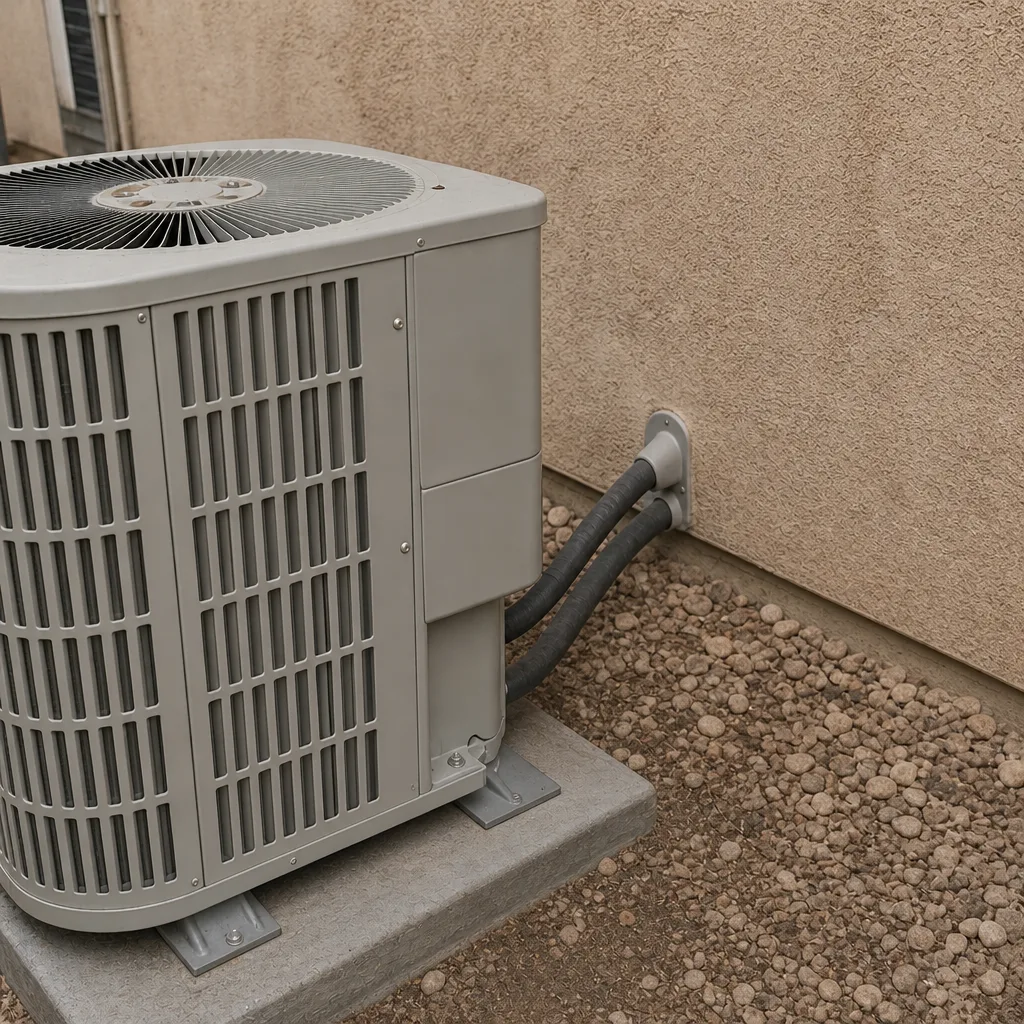
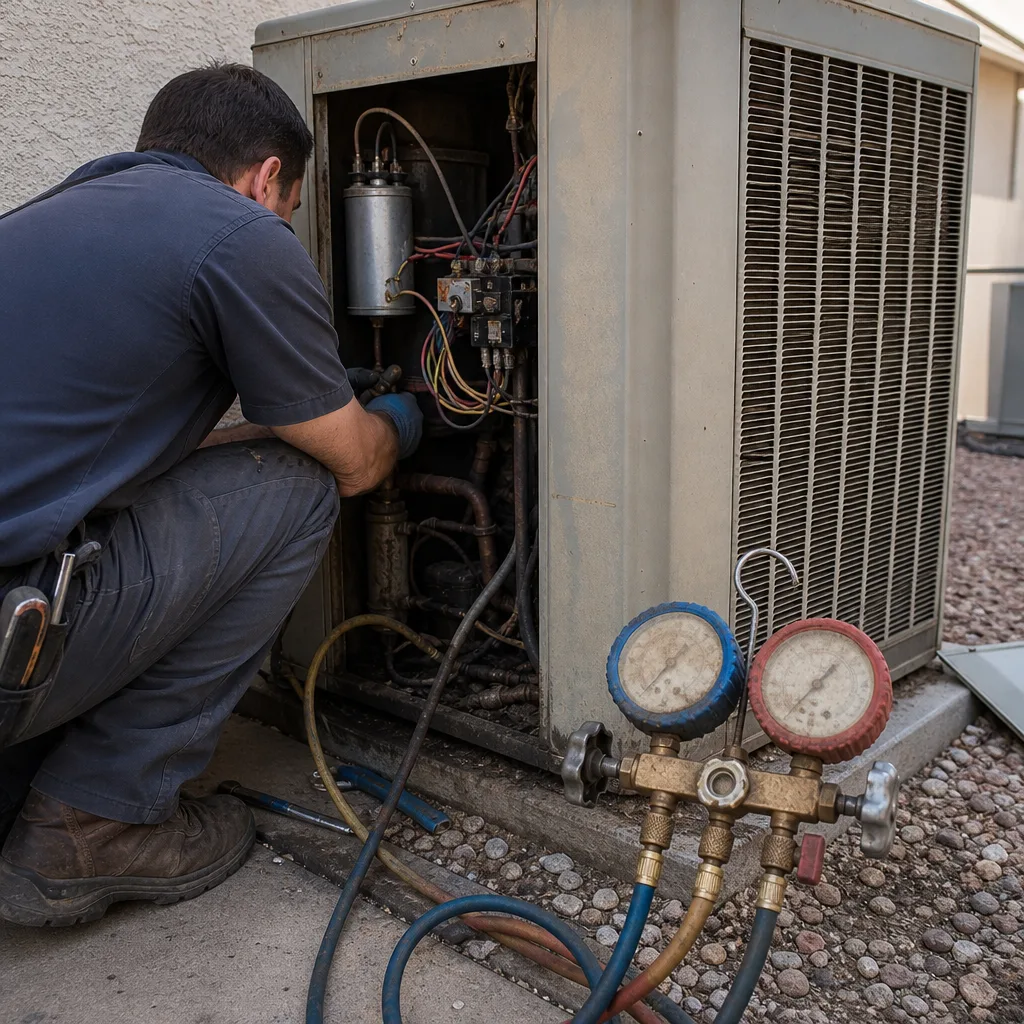
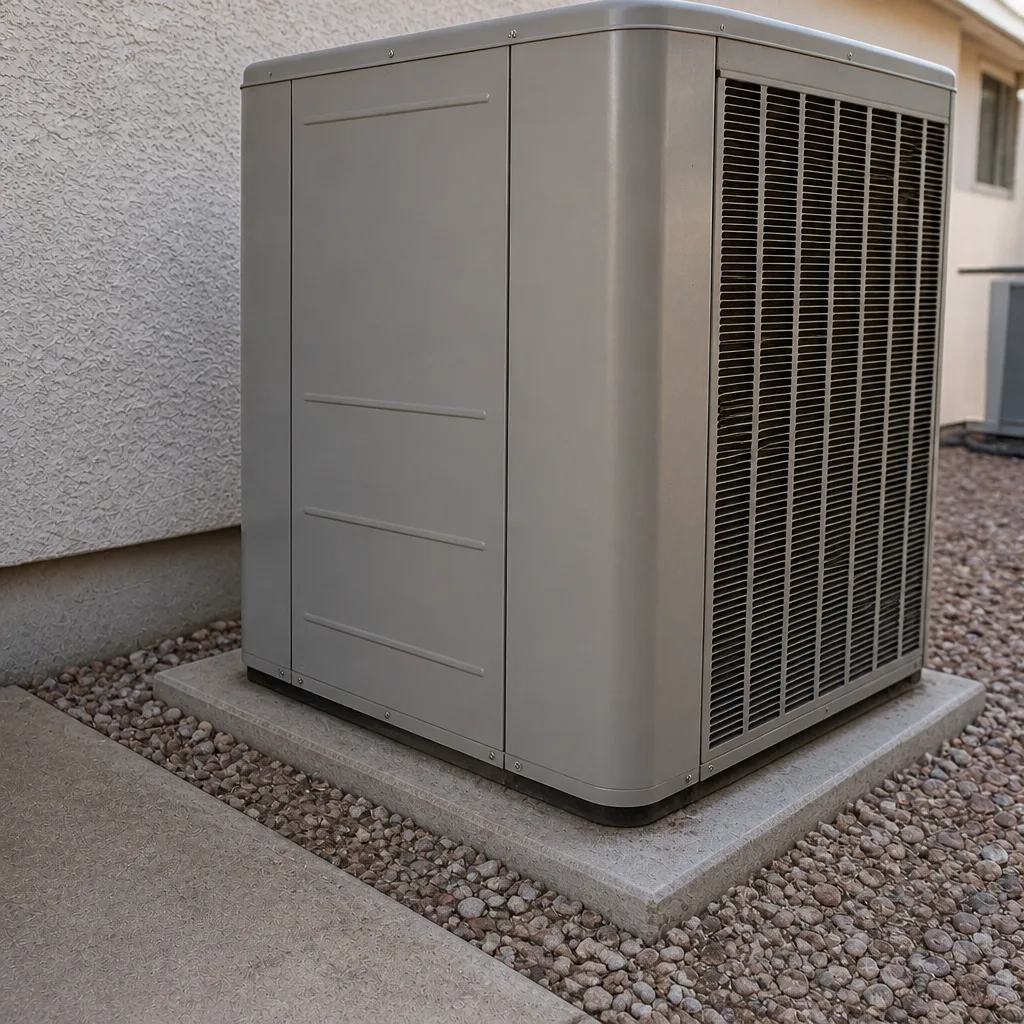
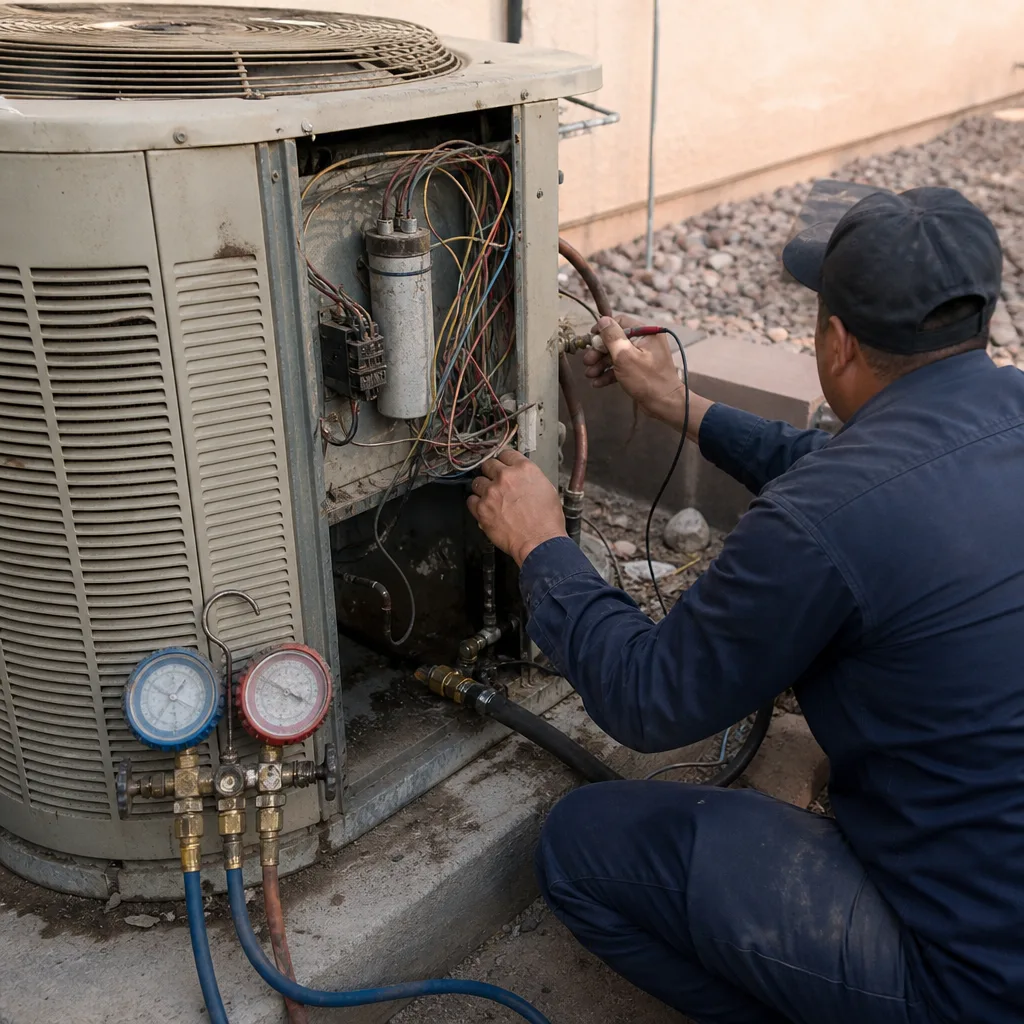
See the difference
 Before
 After
 Before
 After
 Before
 After
Common Mistakes to Avoid
- Blaming the heat for a slow room. In Boulder City it’s easy to write off a struggling unit as “just a hot summer.” If the runtimes and cool-down times have changed from last year, the heat isn’t the cause.
- Running a unit with visible ice. Chipping at indoor ice or forcing the system to run through it can damage the coil and the compressor. Turn it off and let it thaw.
- Ignoring a burning smell. That odor is often electrical, and running the system through it is a fire risk. Shut it down and call.
- Recharging refrigerant without finding the leak. A top-off that doesn’t address the source just leaks back out, and the compressor pays the price each time.
- Skipping the seasonal tune-up. A clogged filter and a dirty coil are behind a large share of the warning signs in this guide, and they’re the cheapest to fix.
- Replacing a system before a second opinion. Plenty of “you need a whole new unit” verdicts turn out to be a capacitor or a leaking valve. A free second opinion on a written estimate is worth having before you spend thousands.
- Choosing the lowest bid and living with it. On a mini split or heat pump, the cheapest install often skips the charge verification and the line-set work that determine how long the system lasts in Boulder City heat.
When to Call a Professional
Some things you can handle yourself: a dirty filter, a reset, a thaw-and-wait on a frozen coil. Everything else is worth a professional look, especially the dangerous parts. Refrigerant handling requires training and equipment, and a compressor under load can fail in a way that’s not for homeowners to troubleshoot. Call us if you see indoor ice, smell anything burning or sweet, hear a grind or a laboring groan, notice a cool-down time that’s drifted more than 15 minutes, or find the system running nonstop on a mild day under 95°F.
Fireside Heating & Air Co. Boulder City offers free estimates in Boulder City – call (844) 312-0133. Live people answer, day or night. Our technicians are background-checked and trained as journeymen, and every job is backed by our 90-Day Done Right Promise in writing. A square deal: the price quoted is the price paid.
Frequently Asked Questions
The first sign is usually a longer cool-down time than last year, followed by a system that runs nonstop without reaching setpoint on a mild day. Ice on the indoor unit, abnormal sounds, and odd odors come next and are more urgent. Call (844) 312-0133 for an exact diagnosis – estimates are free.
Indoor ice in hot weather almost always means low refrigerant charge, restricted airflow, or a failing blower, and the coil is running below freezing even in 110°F air. It’s a sign of a system that’s losing efficiency, not over-cooling. Turn it off, let it thaw, and call for a check.
If the system is holding its baseline numbers and a single part fails, repair is the right call; if it’s lost capacity and the compressor is failing, replacement often costs less over a few years. The deciding factor is the cool-down time and the temperature split, not the age alone. Call (844) 312-0133 and we’ll talk it through – the second opinion is free.
Many mini split repairs can be diagnosed and completed the same day, and we answer the phone around the clock for no-cool emergencies. Refrigerant work depends on the leak and the parts required, which our technician will explain up front. Call (844) 312-0133 for the earliest availability.
A sweet or chemical smell usually points to a refrigerant leak, which means the system has lost charge and needs the leak found and repaired. Musty smells are different and usually mean biological growth in the drain pan. Either way, call before the problem grows.
Once a year is the standard, ideally in spring before the heat settles in, because dust and pollen from desert wind clog the coil and filter quickly. A $89 seasonal tune-up catches charge loss, airflow restrictions, and electrical wear before they turn into repairs. Call (844) 312-0133 to schedule one.
The Bottom Line
A heat pump or mini split in Boulder City fails quietly, which is why a baseline matters more than any single symptom. Write down your cool-down time and your temperature split this spring, then compare. If the numbers hold on a hot day, you’re fine. If they’ve drifted, act while the repair is small. Watch for indoor ice, the three distinct sounds, any persistent odor, and nonstop running in mild weather. Those signals, taken together, tell you what the system can’t say out loud. Catch them early and you’ll get far more years out of the system than a homeowner who waits for the room to stop cooling.
Written by the team at Fireside Heating & Air Co. Boulder City.