
Last updated November 18, 2026
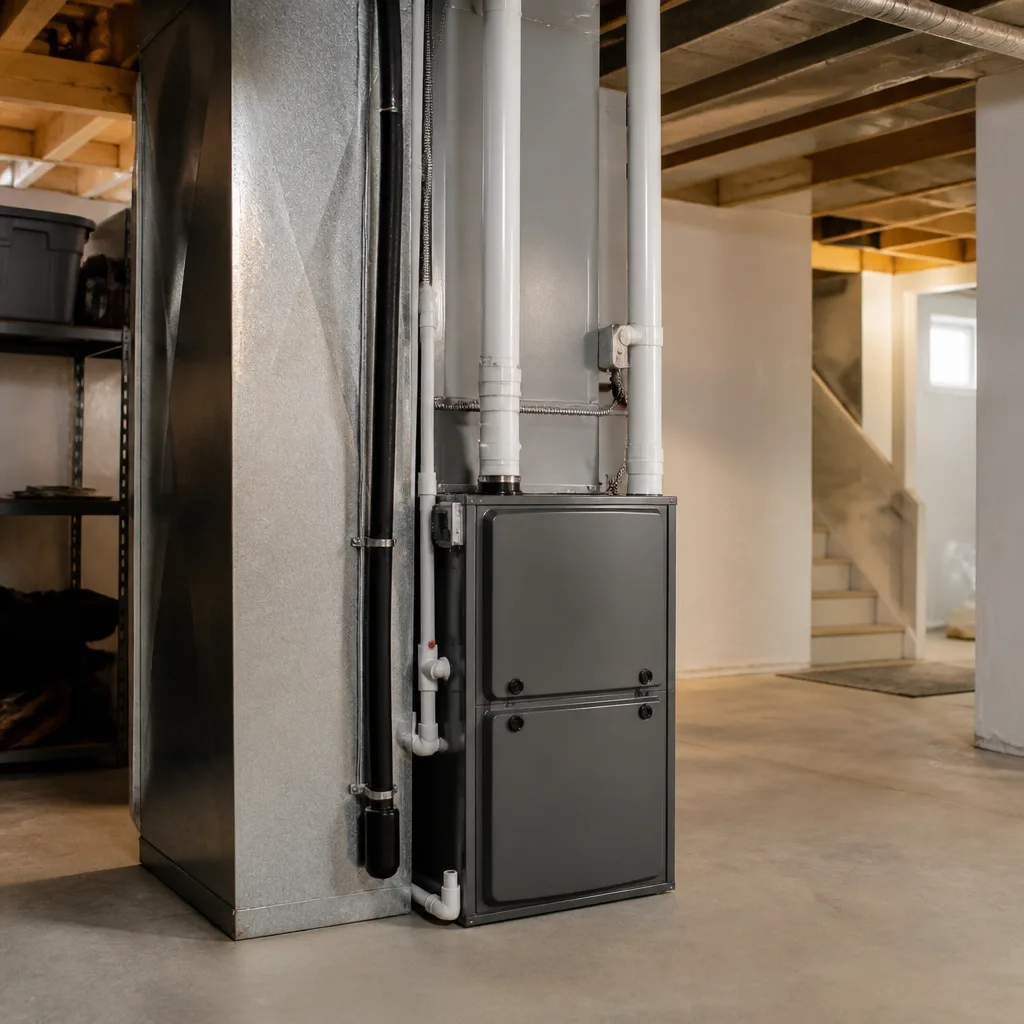 Furnace & heating
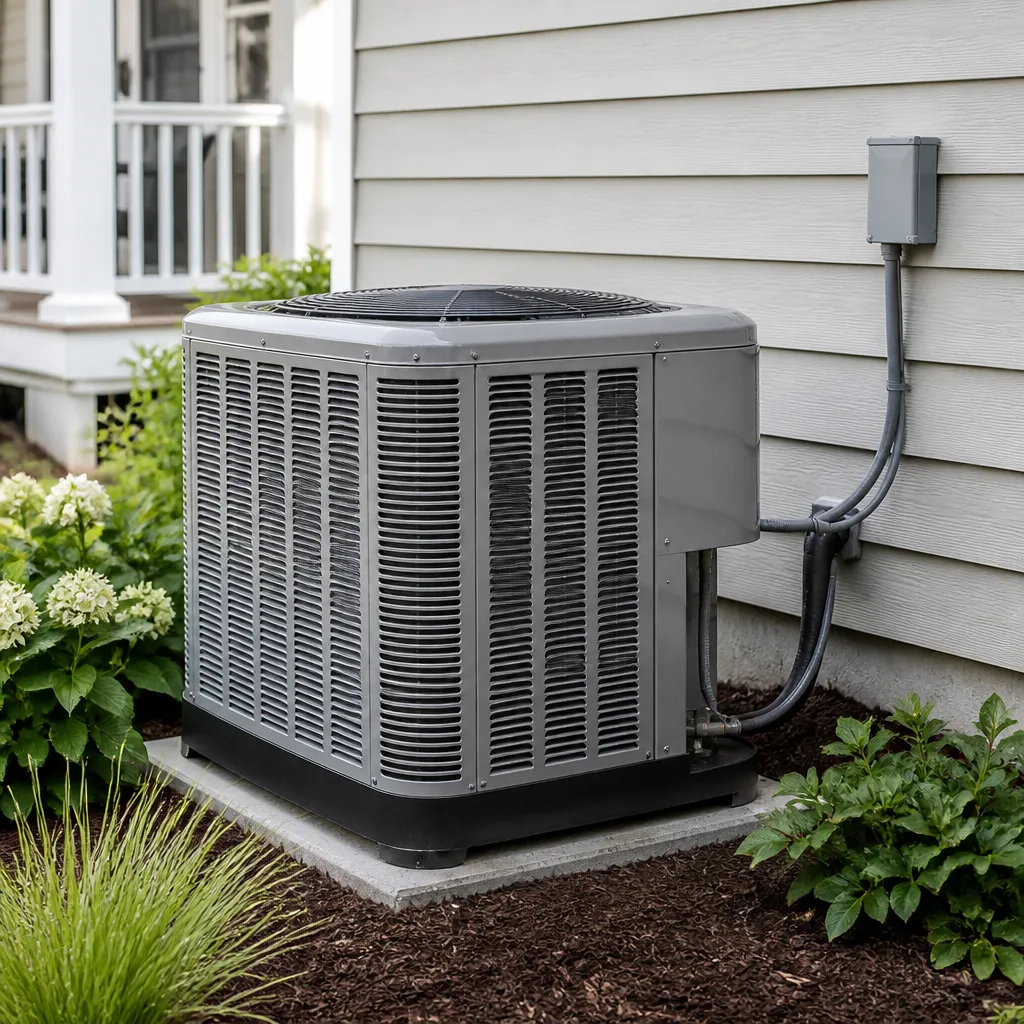 AC repair
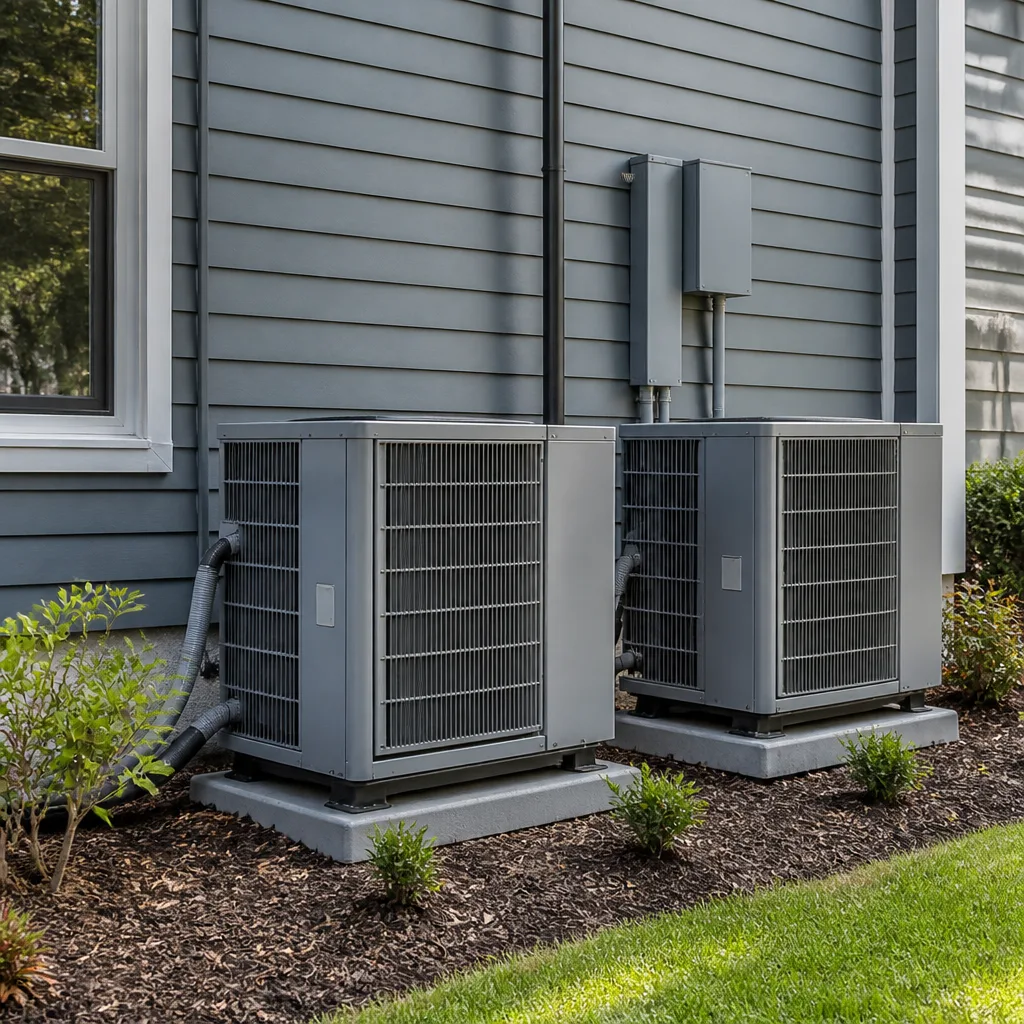 Heat pumps
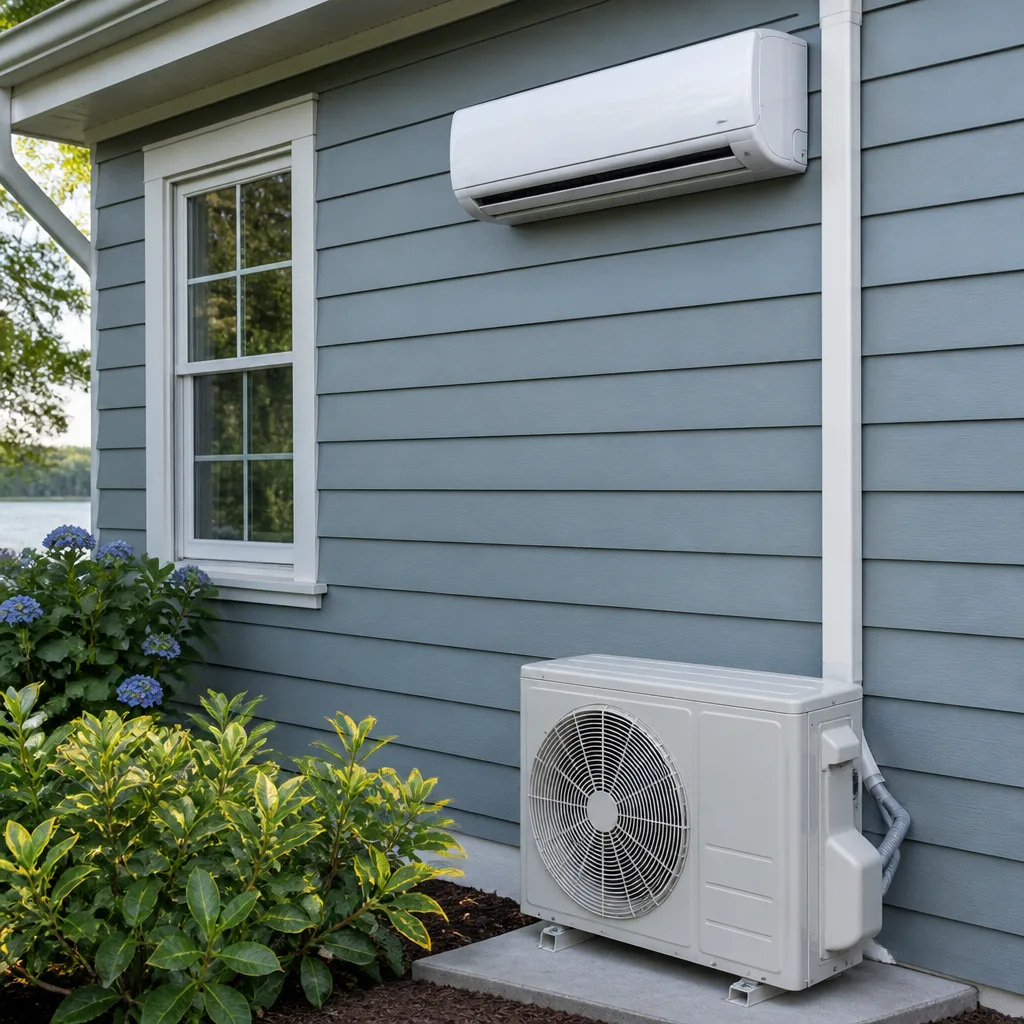 Ductless mini splits
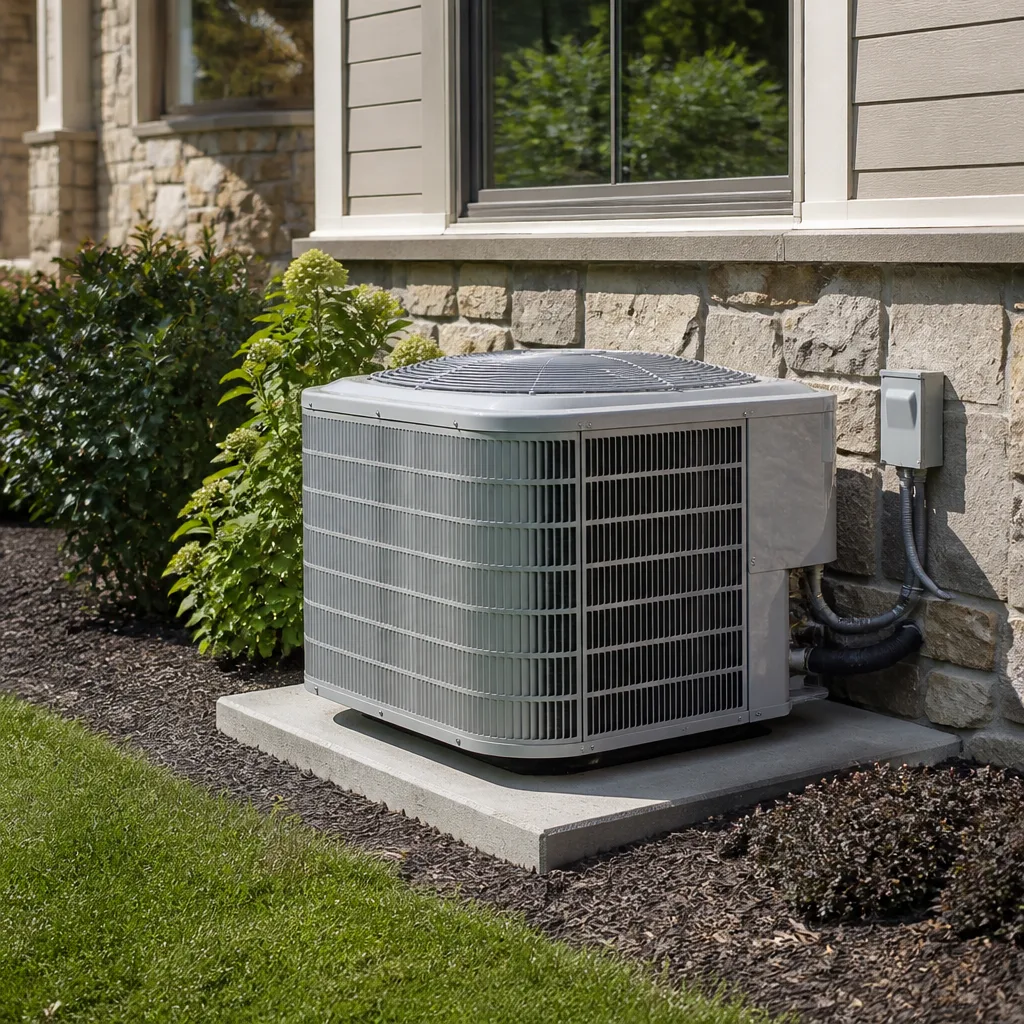 Carrier
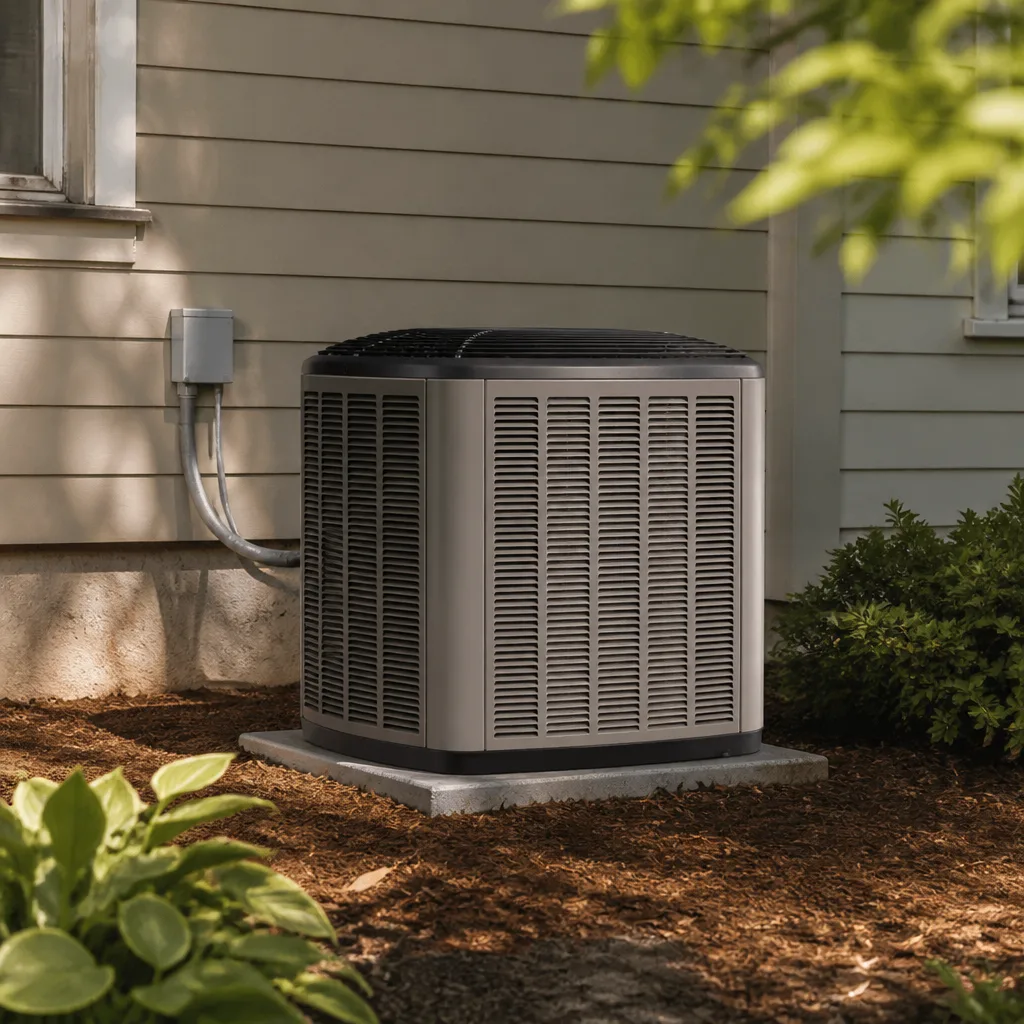 Trane
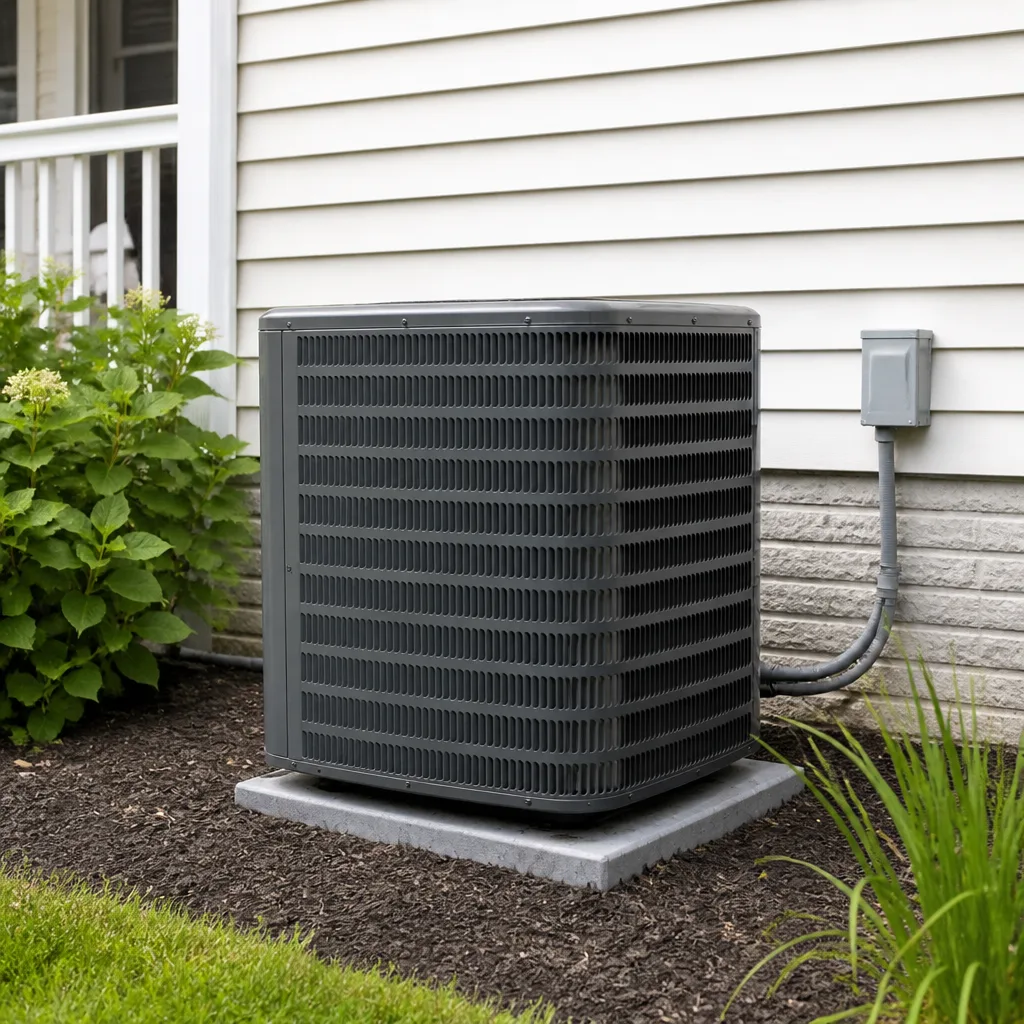 Goodman
Seasonal tune-up and full diagnostic on your Carrier, Trane, or Goodman system - readings shown to you before any repair is proposed
Diagnosis first, numbers second - you approve the repair price before a single part goes in.
Get your free estimateHeating & Furnace Warning Signs Every Homeowner Should Know
A furnace that short-cycles twice an hour in October is telling you something specific about its heat exchanger. Ignore that message, and it often becomes a carbon monoxide conversation by January. Most warning-sign lists point you at the loud stuff: banging noises, sky-high gas bills, a furnace that quits cold. By the time those show up, the system has usually been struggling for months. The signals that actually save you money are quieter. A slightly longer cycle here, a faintly different flame color there, a gas bill that creeps up while the weather holds steady. This guide walks through those early signs, what each one means in practical terms, and how Boulder City’s dry, dusty climate changes the timeline. You’ll learn to read your furnace before it fails.
Quick Answer
The furnace warning signs that matter most are short cycling (running in frequent short bursts), a yellow or flickering burner flame instead of steady blue, gas bills rising without a weather change, a dusty or metallic smell on first heat that lingers, and any sulfur or rotten-egg odor at all. Those early signals usually point to a $200 – $400 repair if you act on them. Left alone, they often turn into a $3,000-plus replacement or a carbon monoxide emergency.
Styles & brands we work with
- AC repair
- Furnace & heating
- Heat pumps
- Ductless mini splits
- Carrier
- Trane
- Goodman
Table of Contents
- Short Cycling: What Your Furnace’s Cycle Length Is Telling You
- Burner Flame Color: Blue, Yellow, and What Each Means
- The Four Furnace Smells and Which One Means Leave the House
- Your Gas Bill Is a Diagnostic Tool You Already Own
- Why Boulder City’s Dry, Dusty Air Speeds Up Certain Failures
- Filter Bypass and the Dust Problem Nobody Warns You About
- Ignition, Pilot, and the Sounds That Precede a No-Heat Call
- Repair or Replace: Reading the Warning Signs Together
Short Cycling: What Your Furnace’s Cycle Length Is Telling You
Short cycling gets dismissed as an annoyance. It’s a diagnostic signal, and the length of the cycles tells you what’s wrong. A furnace that fires, runs a couple minutes, and shuts off, then repeats that pattern within the hour, is failing to move heat the way it should. The heat exchanger heats up fast because the airflow across it is restricted, the high-limit switch trips, and the burner shuts down to protect itself. That protection is doing its job. The cause behind it is what needs attention.
Cycle length points to different culprits:
- One to three minutes, then off: Usually a restricted filter or blocked airflow. The high-limit switch is doing exactly what it’s designed to do. This is the cheapest version of the problem to fix, and the most important to fix early.
- Five to ten minutes, rapid restarts: Often a thermostat or flame sensor issue, or a furnace that’s oversized for the ductwork it feeds.
- Long cycles that never quite satisfy the thermostat: A sign the furnace is underperforming, sometimes from a failing blower or a heat exchanger losing efficiency.
Here’s the part most homeowners miss. Every short cycle stresses the heat exchanger with a hot-cold-hot-cold pattern. In Boulder City, where indoor air is often drier than the national average, that thermal stress adds up faster. We’ve seen furnaces in the older neighborhoods near downtown Boulder City develop hairline heat exchanger cracks years before the manufacturer’s expected service life, and short cycling in October was the first clue.
Burner Flame Color: Blue, Yellow, and What Each Means
A healthy natural gas flame is crisp blue with maybe a small yellow tip. A flame that’s mostly yellow, lazy, or flickering is burning inefficiently and can be producing carbon monoxide. That’s the practical meaning: yellow means incomplete combustion, and incomplete combustion means you need a professional to look at the burner, the gas pressure, and the heat exchanger before you run the system again.
You can check the flame safely through the sight glass on most furnaces without opening anything. If your furnace has one, here’s what to watch for:
- Steady blue flame: Normal combustion. No action needed.
- Blue with a distinct yellow tip: Often acceptable, but worth watching over a season. If the yellow grows, call.
- Mostly yellow or orange: Incomplete combustion. Shut the furnace off at the thermostat and call for service.
- Flickering or lifting off the burner: A gas pressure or airflow problem. Same response: turn it off, call.
- No visible flame at all when the furnace should be running: Ignition failure. Don’t keep resetting it.
This is one of the few warning signs we tell homeowners to act on immediately rather than watch. A yellow flame combined with any headache, nausea, or dizziness in the house is a carbon monoxide emergency: leave the house and call 911. Don’t troubleshoot it yourself. Gas combustion and heat exchangers are not a homeowner repair, and the stakes are too high to guess.
In our experience, the yellow-flame calls we get in Boulder City often trace back to a heat exchanger that’s been stressed by years of short cycling from a clogged filter. One small clog becomes one big combustion problem. If you’re seeing a yellow flame, our Heating & Furnace in Boulder City team can inspect the burner and heat exchanger and give you a straight answer on what’s safe.
The Four Furnace Smells and Which One Means Leave the House
Furnace smells fall into distinct categories, and only one of them means get out now. Knowing which is which keeps you from panicking over a normal first-heat smell and keeps you from staying in the house during a gas leak.
- Dusty, burning-dust smell on the first heat of the season: Normal. Dust settled on the heat exchanger over the summer burns off in the first cycle or two. If it fades within an hour, nothing’s wrong. If it persists past the first few days, or comes back mid-season, the system is pulling dust from somewhere it shouldn’t (often a filter bypass, covered below) and needs a look.
- Metallic or oily smell: Often a sign of an overheating component or a failing blower motor. Not an emergency, but don’t ignore it. Shut the system down and schedule service.
- Rotten egg or sulfur smell: This is the one. Natural gas is odorized with a sulfur compound specifically so you can smell a leak. Leave the house immediately, don’t flip any switches on your way out, and call your gas utility from outside. Do not call us first. Once the utility clears the house as safe, call us to inspect the furnace itself.
- Exhaust or car-exhaust smell inside the house: Possible flue or venting problem pushing combustion gases back inside. Shut the furnace off and call for service the same day.
If you smell gas and aren’t sure whether it’s coming from the furnace or somewhere else, treat it as real. The utility’s emergency line exists for exactly this, and it’s free.
Your Gas Bill Is a Diagnostic Tool You Already Own
Most homeowners only notice their gas bill when it spikes. The useful signal is subtler: a bill that creeps up while the weather holds steady. If your November gas usage is 12% higher than last November and the temperatures were roughly the same, your furnace is burning more gas to produce the same heat. That’s an efficiency loss, and it usually traces to a dirty burner, a failing igniter, a heat exchanger that’s losing efficiency, or a blower that’s running weak.
Here’s a simple way to track it, and it takes about five minutes a month:
- Write down your gas usage (not the dollar amount, the therms) from each monthly bill.
- Note the average outdoor temperature for that month. Your utility usually prints it, or you can pull it from a weather site.
- Compare the same month year over year. Dollar amounts shift with gas prices; therms don’t.
- If therms are climbing while temperatures are flat or milder, your furnace is losing efficiency.
- If therms jump 15% or more with no weather explanation, call for a tune-up before the heating season gets serious.
In Boulder City, where we get real winter nights but plenty of mild days, the shoulder months are the best time to catch this. A furnace that’s losing efficiency in October is one you can tune up for a modest cost. The same furnace in January, once it’s failed on a cold night, is a different and more expensive story. Our Fireside Heating & Air Co. Boulder City home page lays out our seasonal tune-up offer if you want a baseline before the season starts.
Why Boulder City’s Dry, Dusty Air Speeds Up Certain Failures
National furnace guides assume average humidity and average dust. Boulder City is neither. Our desert air runs low on moisture most of the year, and the wind that comes off the surrounding hills carries fine dust that finds its way into every gap in a house. Two failure modes speed up here compared to the national average.
Heat exchanger stress. Dry air doesn’t carry heat the way humid air does, so a furnace in Boulder City works a little harder to move the same warmth through the house. Combined with the short-cycling pattern above, that thermal stress on the heat exchanger adds up faster than the generic “replace every 15 to 20 years” advice suggests. We’ve seen Boulder City furnaces where the heat exchanger showed wear in year ten because the filter had been ignored and the system short-cycled through several seasons.
Filter bypass. This is the one nobody warns you about. Your furnace filter sits in a slot, and if the slot has a gap, or the filter is undersized, or the cover doesn’t seal, dust and debris skip right past the filter and land on the blower wheel and the heat exchanger. In a dusty climate, a filter that’s 90% effective on paper becomes 40% effective when half the air bypasses it. You change the filter faithfully and still get a dirty blower.
What to watch for in Boulder City specifically:
- Dust accumulating on the blower wheel or in the burner compartment, even with regular filter changes.
- A filter that sits loose in the slot instead of snug.
- Visible gaps around the filter cover.
- Grit or dust in the return air grille.
If any of those describe your setup, a technician can seal the filter slot and check whether the ductwork is pulling dust from a crawlspace or attic. That’s a modest repair that protects the whole system, and it’s the kind of thing a proper inspection catches. If your system is a Heat Pump or Mini Split in Boulder City, the dust problem is the same, and the same fix applies.
Filter Bypass and the Dust Problem Nobody Warns You About
Filter bypass deserves its own section because it’s the root of most of the warning signs in this guide. A clogged filter restricts airflow, which causes short cycling, which stresses the heat exchanger, which eventually cracks, which turns into a carbon monoxide problem. But a filter that’s fine and bypassed is just as bad, because the system looks maintained while the internals get dirty anyway.
Here’s a quick check you can do safely in five minutes:
- Turn the system off at the thermostat.
- Find the filter slot. Pull the filter and look at the slot edges and the cover.
- Look for daylight around the filter when it’s seated. Daylight means air is bypassing.
- Look at the blower compartment (through the sight glass, don’t open panels) for dust buildup on the wheel.
- If you see bypass gaps or a dusty wheel, note it for your next service call.
Don’t open furnace panels to look inside. The blower and burner compartments carry electrical and combustion hazards, and a technician needs to check them with the right tools. What you can do is flag the symptom: dust on the blower wheel, a loose filter, a dusty smell that keeps coming back. Those tell a technician exactly where to look, and they turn a mystery no-heat call into a targeted repair.
We’ve pulled blower wheels in Boulder City homes that looked like they’d been dusted with a sand sifter, and the filter had been changed on schedule the whole time. The filter was never the problem. The slot was.
Ignition, Pilot, and the Sounds That Precede a No-Heat Call
Before a furnace quits entirely, it usually tells you. The sounds are subtle, but each one points to a specific part that’s failing:
- Clicking without ignition: The ignition system is trying and failing. Often a dirty flame sensor or a failing hot-surface igniter. Cheap to fix early, expensive if it’s left until a cold night.
- A soft rumble on ignition, then quiet: Delayed ignition. Gas is building up before it lights. Worth a service call, because it can become a small “whoomp” or a bigger problem over time.
- Rattling or buzzing from the furnace cabinet: Loose panels or a failing blower motor bearing. A blower that’s failing moves less air, which feeds short cycling.
- Scraping or grinding: Bearing wear in the blower. Don’t wait on this one; it can damage the blower wheel and motor.
- A whistle or high-pitched sound: Restricted airflow, often a filter needing attention or a duct issue.
The pattern is the same across all of these: the part is telling you it’s tired before it fails outright. A furnace that clicks twice and lights on the third try in October will click five times and fail in January. If you’re hearing a new sound that repeats, that’s the signal to schedule a service call while you have the luxury of choosing the day. Our AC Repair & Installation in Boulder City team handles the full HVAC picture if your equipment is a combined system.
Repair or Replace: Reading the Warning Signs Together
Any one of these signs on its own usually means a repair. Put two or three together and the math changes. Here’s the honest version of how we read it:
- One sign, under $500 repair: Repair it. A furnace that’s otherwise sound will give you years more service.
- Two related signs (short cycling plus a dusty blower, or a yellow flame plus rising gas bills): Repair, but get the underlying cause fixed, not just the symptom. This is where the cascade usually starts.
- A heat exchanger crack confirmed by inspection: This is a safety issue, not a repair-versus-replace decision. A cracked heat exchanger can let carbon monoxide into the house, and the furnace needs to be replaced. There’s no safe patch for it.
- A furnace past year 15 with multiple signs and a rising repair trend: Straight talk: you’re likely putting money into a system that’s near the end. A replacement with a properly sized unit may cost less over five years than repeated repairs on a tired furnace.
What we won’t do is talk you into a replacement you don’t need. The signs above are the same ones we use when we’re deciding for our own homes. If your furnace is a Lennox or a Rheem that’s twelve years old and has one failing part, we’ll fix the part and tell you what to watch. If it’s a Goodman that’s twenty years old with a cracked heat exchanger, we’ll tell you plainly that it’s time.
Common Mistakes to Avoid
- Resetting the furnace repeatedly when it won’t stay lit. If it locks out, something is telling it not to run. Resetting it can push gas or combustion problems further than they should go. Call once and leave it off.
- Treating a yellow flame as “close enough to blue.” A yellow flame is incomplete combustion, and in Boulder City’s dry air, the heat exchanger behind it is already stressed. Don’t wait for a headache to confirm it.
- Changing the filter but ignoring the filter slot. In a dusty climate, a loose filter bypasses half the air it’s supposed to clean. Check the seal, not just the filter.
- Waiting for a no-heat call on a cold night. The warning signs in this guide show up in the shoulder months. Acting in October costs far less than an emergency visit in January.
- Blaming rising gas bills on the utility. The therms don’t care about gas prices. If usage is climbing with the weather flat, your furnace is losing efficiency.
- Letting a stranger into the furnace room without credentials. Background-checked, uniformed technicians show up when they say they will. Anyone who can’t answer for themselves shouldn’t be diagnosing your combustion system.
- Believing the cheapest bid on a heat exchanger repair. A safety-critical repair isn’t where you save $200. Ask for the written guarantee before anyone touches the system.
See the difference
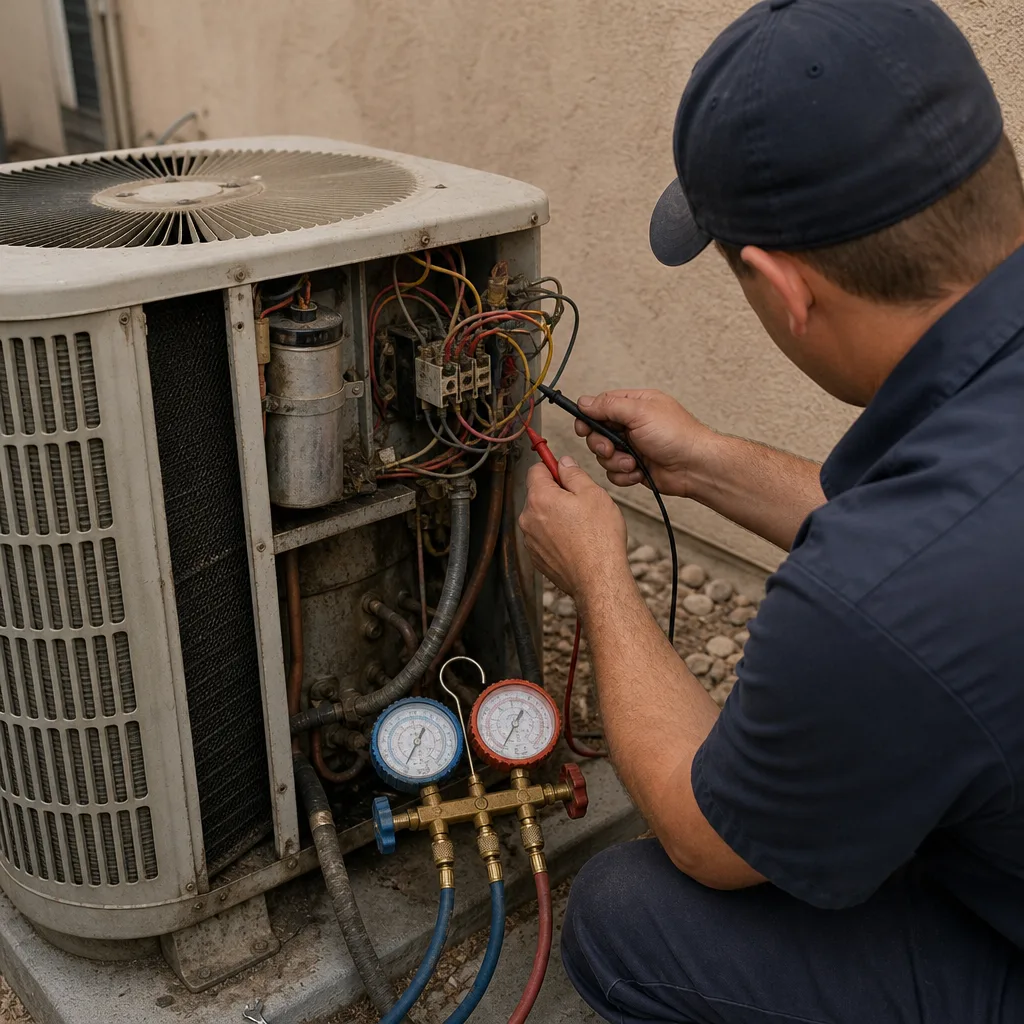 Before
 After
 Before
 After
 Before
 After
When to Call a Professional
Call a professional any time you see a yellow or flickering flame, smell sulfur or exhaust inside the house, or find the furnace won’t stay lit after one reset. Those are safety signals and they need a trained technician, not a homeowner troubleshooting session. Call for a service visit if your furnace short-cycles repeatedly, if your gas therms are climbing without a weather change, if you hear a new grinding or scraping sound, or if the dusty first-heat smell doesn’t fade within a day or two. In Boulder City, we also recommend a call whenever you notice dust on the blower wheel or a loose filter slot, because those turn into bigger problems fast here.
Fireside Heating & Air Co. Boulder City offers free estimates in Boulder City (for system decisions, not for emergencies) and answers the phone with a live person around the clock. We’ll tell you straight whether it’s a repair or a replacement, quote a price in writing, and stand behind it for 90 days with our Done Right Promise. Give us a call at (844) 312-0133 and we’ll get you scheduled.
Frequently Asked Questions
The most common early warning signs are short cycling (frequent short runs), a yellow instead of blue burner flame, gas bills rising without a weather change, a persistent dusty or metallic smell, and new clicking or grinding sounds at ignition. Each one points to a specific part or system issue, and each is cheaper to fix early than after a failure.
A yellow or flickering flame means incomplete combustion, which can produce carbon monoxide, so yes, it’s a real concern. Turn the furnace off at the thermostat and call for service. If anyone in the house has a headache, nausea, or dizziness, leave and call 911. In our experience, yellow flames in Boulder City often trace back to a heat exchanger that’s been stressed by a long-running airflow restriction.
Compare therms (not dollars) for the same month year over year while checking outdoor temperatures. If usage climbs 10% to 15% or more with flat or milder weather, your furnace is losing efficiency. The cause is usually a dirty burner, a failing component, or an aging heat exchanger. Call (844) 312-0133 for an inspection before heating season gets serious.
The dusty smell on first heat is normal: dust settled on the heat exchanger over the summer burns off in the first cycle or two. If the smell fades within an hour, nothing’s wrong. If it comes back mid-season or persists for days, the system is pulling dust from a filter bypass or duct issue, and it’s time for a service call.
Yes. Short cycling stresses the heat exchanger with a hot-cold pattern on every cycle, and in Boulder City’s dry air that stress compounds faster than national guides assume. A furnace that short-cycles now can develop a cracked heat exchanger within a couple of seasons. The repair this month is usually a fraction of what a heat exchanger replacement costs later.
Boulder City’s dry, dusty climate creates two problems most national guides don’t address: dry air makes the furnace work harder to move heat, and wind-blown dust finds its way through filter-slot gaps that bypass the filter. Together, those accelerate heat exchanger stress and blower contamination. Filter-seal checks and scheduled tune-ups extend the timeline considerably.
The Bottom Line
The warning signs most furnace guides give you (noises, high bills) are the ones that show up after months of struggle. The signs that actually save you money are quieter: short cycles, a slightly yellow flame, a gas bill that creeps up while the weather holds, a dusty smell that doesn’t fade. Read those early, and a $200 to $400 repair usually prevents a $3,000 emergency replacement. In Boulder City, the dry air and dust make this advice more urgent than it is in most of the country. If you’re seeing any of these signs, call (844) 312-0133 for a free estimate on repair or replacement, and we’ll give you a straight answer. Done right, or we make it right.
Written by the team at Fireside Heating & Air Co. Boulder City.