
Last updated November 18, 2026
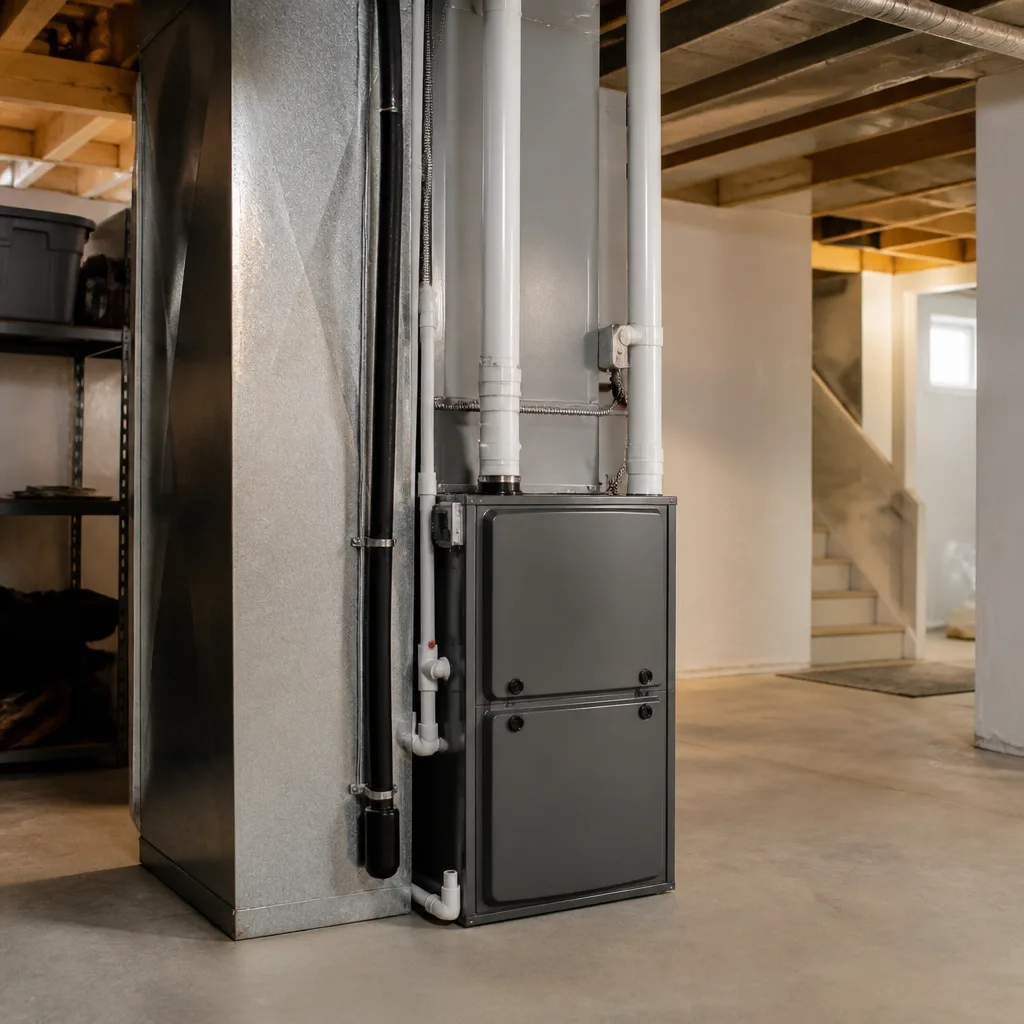 Furnace & heating
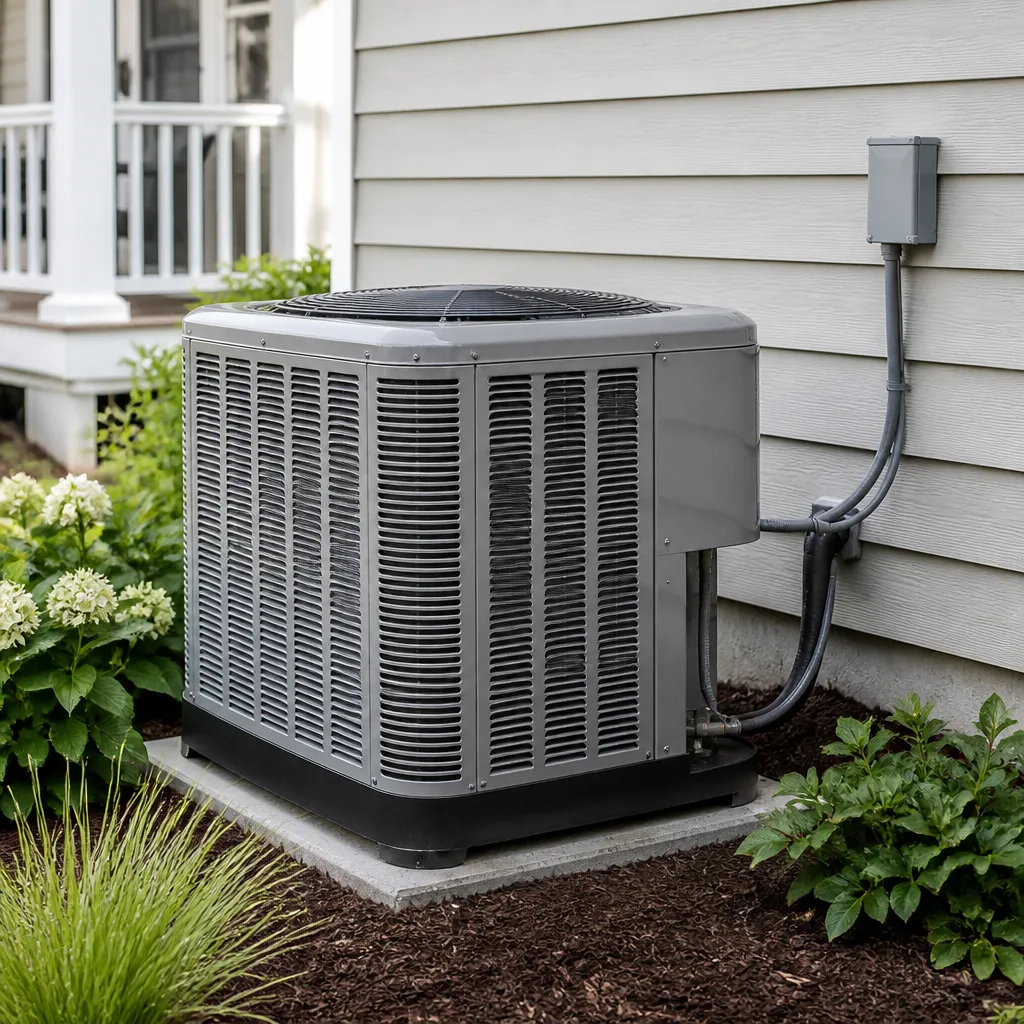 AC repair
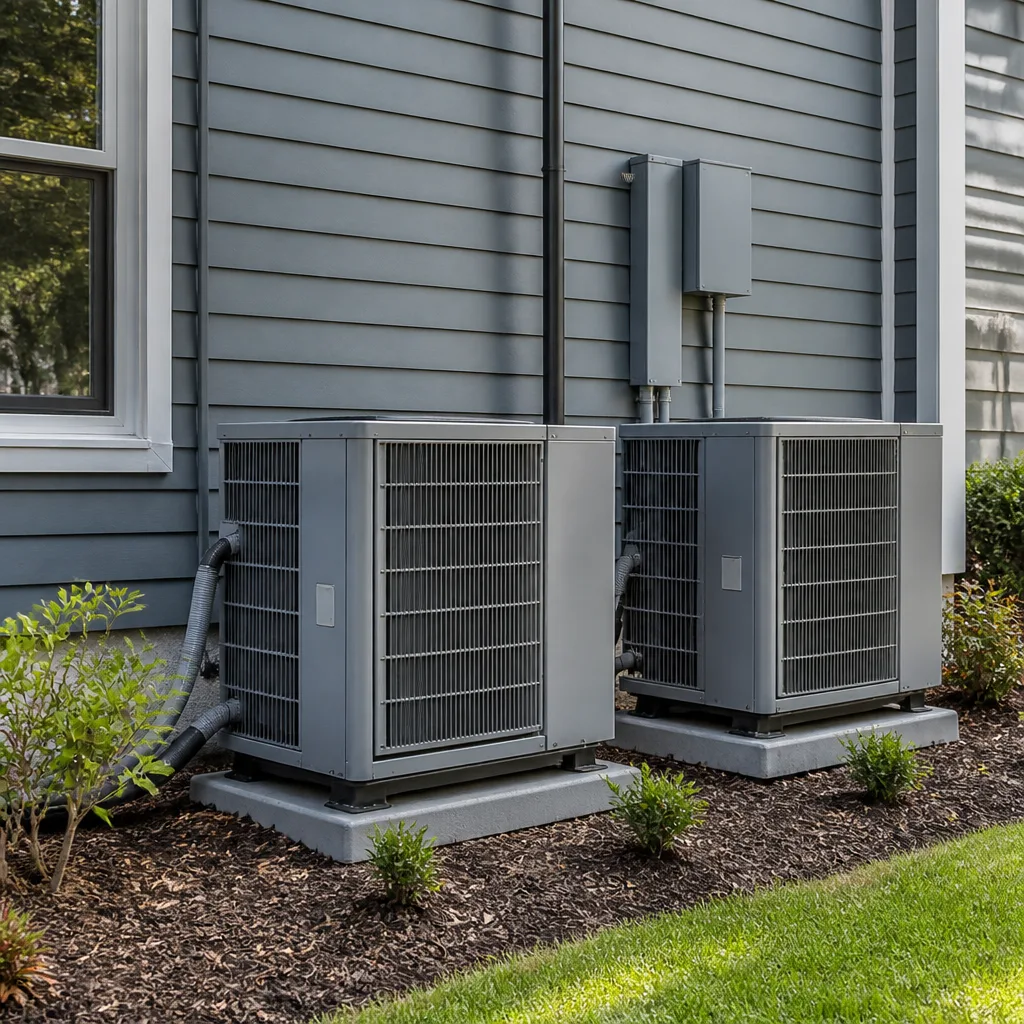 Heat pumps
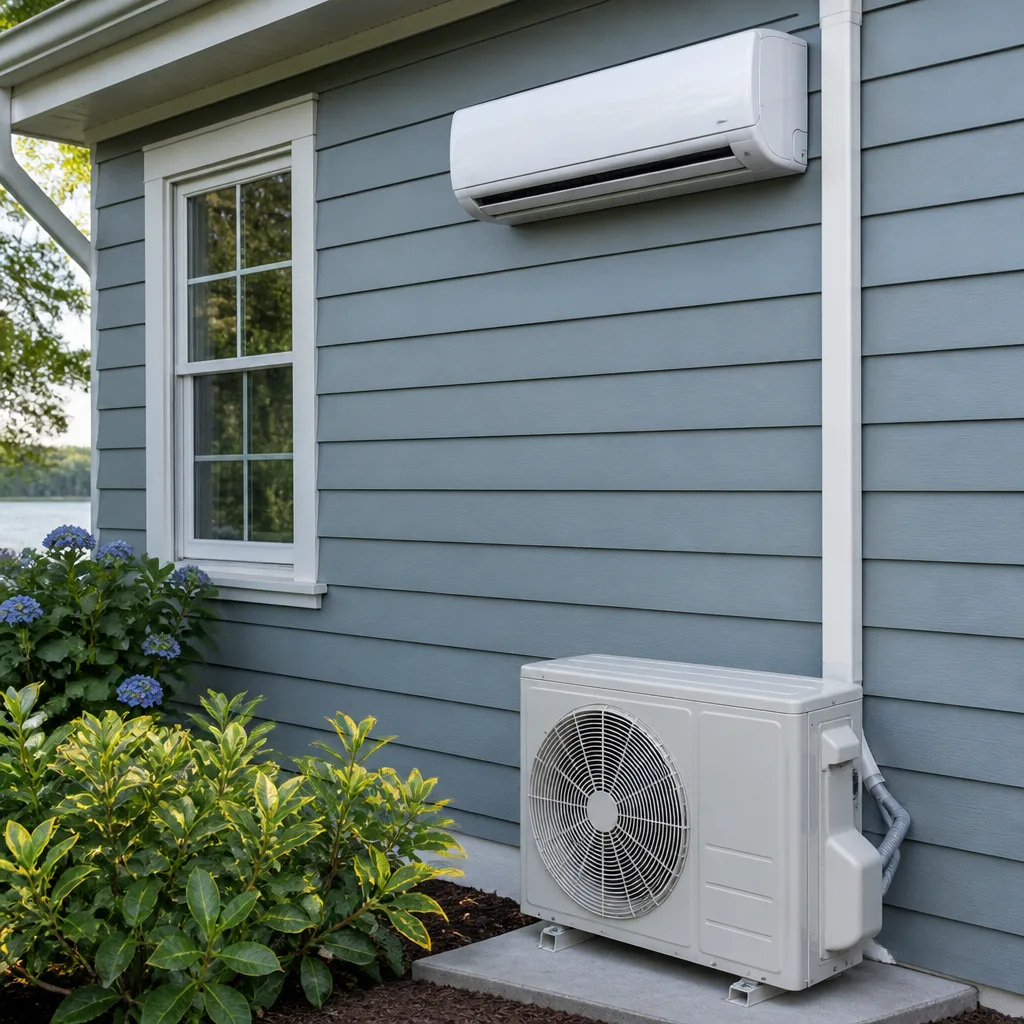 Ductless mini splits
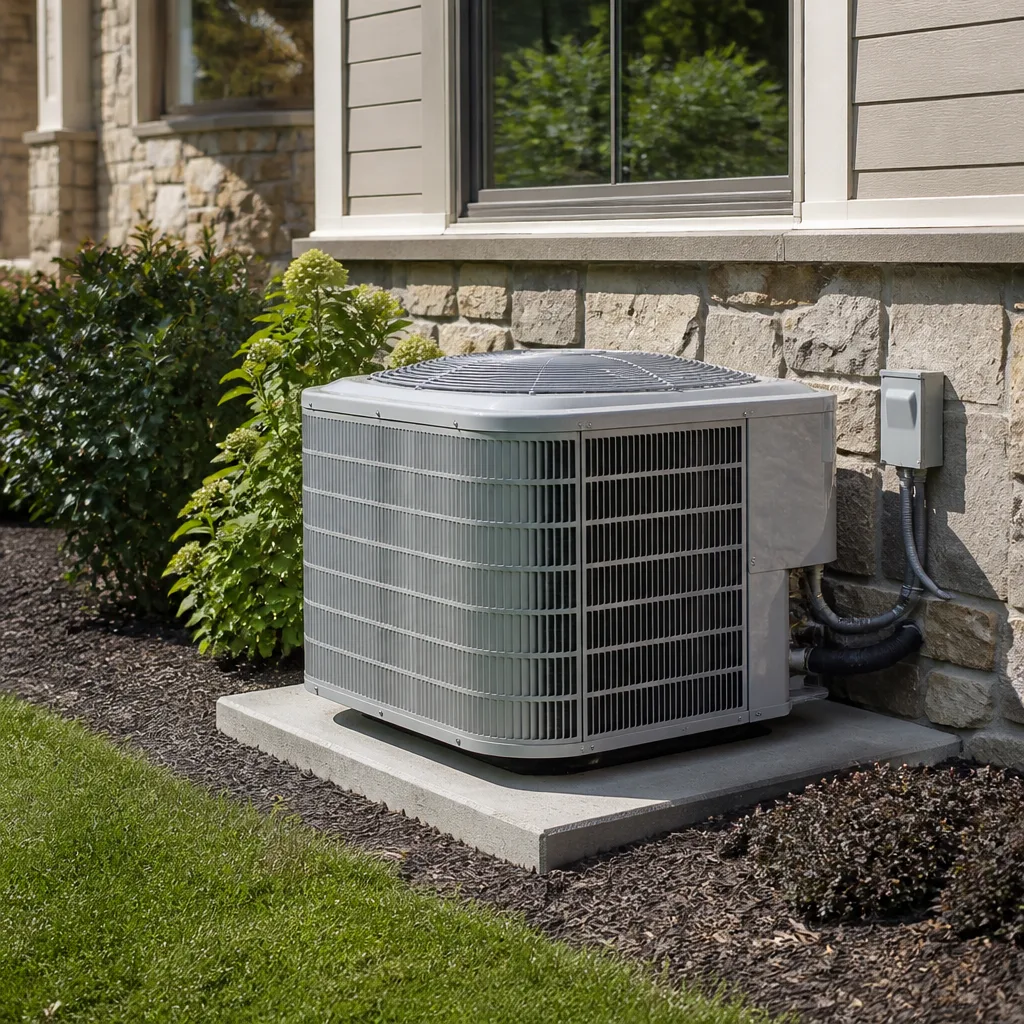 Carrier
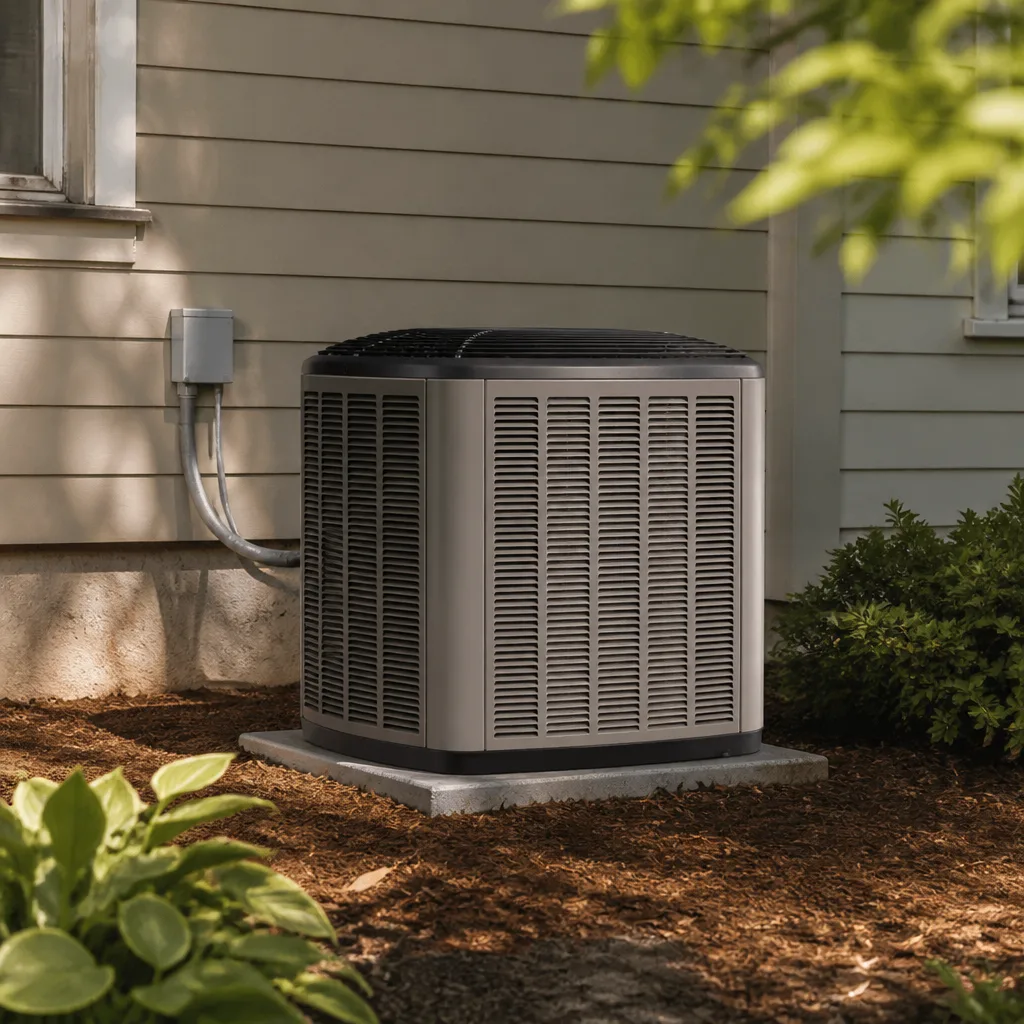 Trane
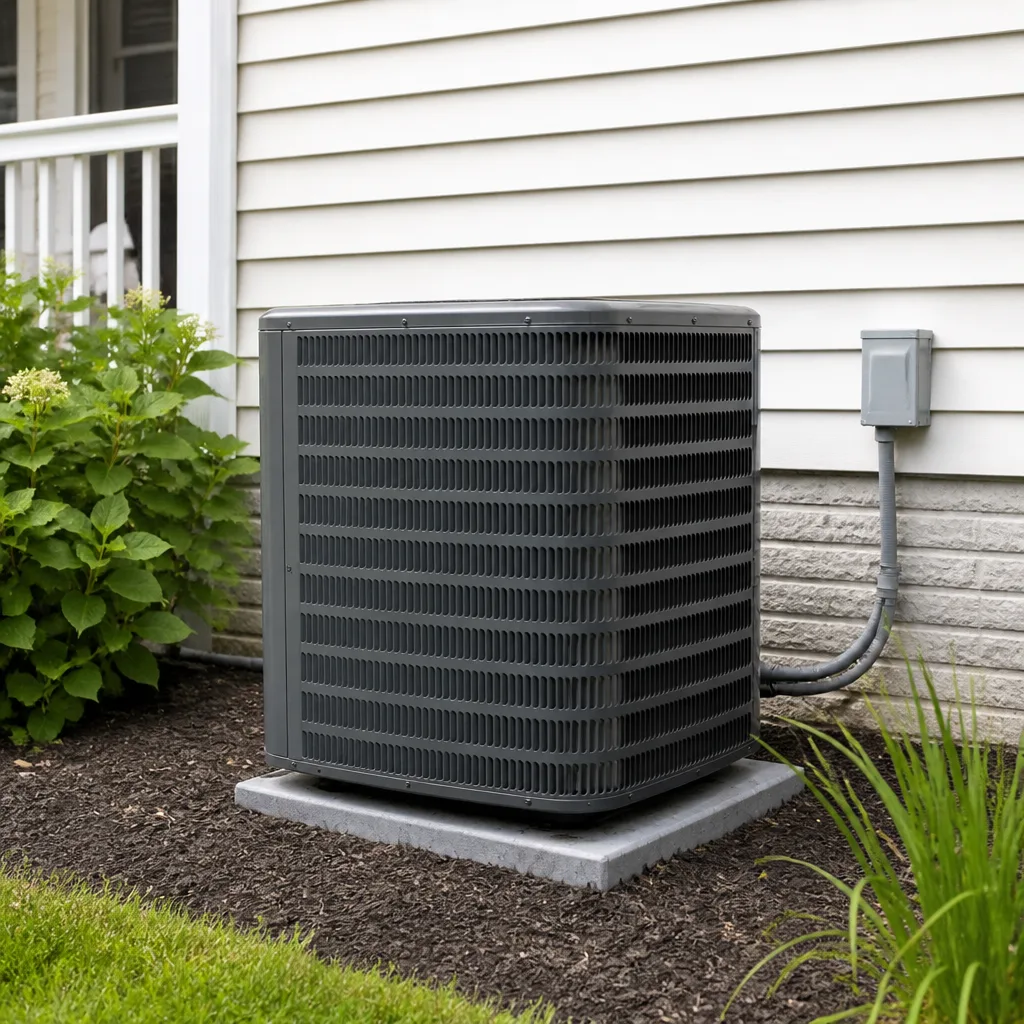 Goodman
Seasonal tune-up and full diagnostic on your Carrier, Trane, or Goodman system - readings shown to you before any repair is proposed
Diagnosis first, numbers second - you approve the repair price before a single part goes in.
Get your free estimateDIY vs Professional Heating & Furnace: What’s Safe to Do Yourself
Carbon monoxide has no color, no smell, and no sound. A cracked heat exchanger can leak enough of it to trip a detector in every room of the house, and it can still pass a visual inspection from two feet away. That plain fact is what makes furnace work different from almost any other repair around the house. When a DIY air conditioning fix goes wrong, you’re uncomfortable. When a DIY furnace fix goes wrong, you may never know it until someone gets sick. We’ve walked into Boulder City homes where a homeowner was sure the job was handled, and the combustion analyzer told a different story. This guide is our honest attempt to draw the line for you: what is genuinely safe to handle yourself on a gas furnace, what only looks safe, and how to tell the difference before you pick up a wrench or make a call.
Quick Answer
On a gas furnace, four tasks are genuinely safe for a careful homeowner: replacing the filter, swapping a thermostat on a low-voltage 24V system, cleaning a flame sensor, and clearing debris from around the unit. Everything involving the heat exchanger, the gas train, gas piping, or combustion is professional territory – not because the work is complicated, but because the failure mode is carbon monoxide and it cannot be seen, smelled, or heard. Leave gas valves, burners, flue connections, and heat exchangers to a licensed technician with combustion testing equipment.
Styles & brands we work with
- AC repair
- Furnace & heating
- Heat pumps
- Ductless mini splits
- Carrier
- Trane
- Goodman
Table of Contents
- Why a Gas Furnace Has a Sharper DIY Boundary Than an AC
- The Definitive List: What’s Safe to DIY on a Gas Furnace
- “I Smelled Gas and Tightened the Fitting” – Why That’s Not a Repair
- Nevada Licensing for Gas Work, and Why It Exists
- How to Vet a “DIY Furnace Repair” YouTube Video
- What a CO Detector Can and Cannot Tell You
- Why the Rules Are Different for Your Air Conditioner
- Common Mistakes to Avoid
Why a Gas Furnace Has a Sharper DIY Boundary Than an AC
Most HVAC advice you’ll find online treats heating and cooling the same. In our experience, that’s the wrong frame, and it’s why so many homeowners end up in over their heads. An air conditioner failure shows itself. The house gets warm, the compressor won’t kick on, or the breaker trips. You feel it, you hear it, or you see it on the electric bill.
A gas furnace failure hides. A cracked heat exchanger leaks carbon monoxide into the supply air, and the system keeps running like nothing is wrong. The flame may look healthy. There may be no soot, no smell, no unusual noise. The combustion analyzer is the only tool that catches it, and that equipment runs into the thousands of dollars – well beyond what a homeowner should own for a once-a-year check.
Boulder City’s climate adds a wrinkle. Our dry desert air and dramatic day-to-night temperature swings in the winter months push furnaces into heavy morning cycles from December through February. That cycling stress is exactly what wears on a heat exchanger over a decade or two. We’re not saying every local furnace is at risk. We’re saying a home that has run the same unit for twenty winters deserves an inspection that goes beyond a visual check, and a visual check is what a homeowner can safely do at most.
The stakes are why the DIY boundary sits where it does. You can do real, useful maintenance on your own furnace. You just can’t do the work that requires combustion measurement, and that’s where the trouble lives.
The Definitive List: What’s Safe to DIY on a Gas Furnace
Here’s where we’d draw the line, clearly, without hedging. Four tasks belong to you. Everything else belongs to a technician – and we say that as a company that would be happy to keep the visit short and the bill low.
Safe for a homeowner
- Replacing the air filter. Every 1 to 3 months during heating season, more often if you have pets or live near the dusty edges of Boulder City where construction and desert wind kick up grit. A clogged filter is the single most common cause of furnace strain and overheating, and it takes about two minutes to fix. Check the filter size on the side of the filter door, buy the same or a slightly higher MERV rating (13 is plenty for most homes – going higher can restrict airflow), and slide a new one in every few months.
- Swapping a thermostat on a 24-volt system. Low-voltage thermostat wiring carries about 24 volts, which won’t hurt you. If you’re replacing a standard thermostat with another standard one, matching the labeled wires (R, W, Y, G, C) is genuinely within reach for a careful homeowner. Photograph the wiring before you disconnect anything, and turn the furnace breaker off first.
- Cleaning the flame sensor. This small steel rod at the burner assembly is what tells your furnace a flame is present. When it’s sooty, the furnace short-cycles. Lightly buffing it with steel wool or fine abrasive pad – after killing power at the breaker and confirming the gas valve is off – is a safe, sensible task. If you’re unsure which part is the flame sensor, stop and call.
- Clearing space around the unit. Keep the furnace and vent clear of stored boxes, paint cans, and holiday decorations. Making sure the return air isn’t blocked and the flue area is unobstructed is real work that costs nothing and helps airflow.
Not safe for a homeowner – hire a licensed tech
- Gas valve adjustment or replacement. Gas pressure has to be measured and set to the manufacturer’s spec. Guessing is dangerous.
- Heat exchanger inspection. Requires a combustion analyzer and a trained eye. Visual inspection is not enough.
- Burner cleaning or adjustment. Burner tuning affects flame shape and combustion – professional territory.
- Flue pipe work. A loose or improperly sloped flue can push exhaust into the house.
- Gas line repair of any kind. See the next section.
“I Smelled Gas and Tightened the Fitting” – Why That’s Not a Repair
We understand the instinct. You smell gas, you find the joint that looks suspicious, you put a wrench on it and the smell goes away. It feels like a repair because the symptom disappeared. It isn’t one.
A proper gas leak repair on residential natural gas or propane piping involves several steps that most homeowners never see, and they exist for a reason:
- Leak isolation. A technician isolates the section of pipe or the appliance that’s leaking, rather than tightening whatever happens to look loose.
- Pressure testing. The line is pressurized to a test value and monitored for a set time. If it holds, the line is sound. If it drifts, it doesn’t matter that the smell is gone – it’s still leaking.
- Leak detection on every joint. A non-corrosive bubble solution, an electronic detector, or both, applied to every connection, not just the one you noticed.
- Combustion verification. Once the repair is complete, the appliance is checked to confirm it’s burning clean, not just that the meter stopped spinning.
That last step is why tightening a fitting is not the finish line. You can stop a small leak and still leave the appliance in a condition that produces carbon monoxide, because the underlying cause may have affected combustion. In Boulder City, where many homes use propane, “the smell went away” is even less diagnostic – propane is heavier than air and can pool in low areas away from where you first noticed it.
If you smell gas, get out of the house and call your gas utility’s emergency line or 911. Once the emergency is handled, call a licensed technician for the repair. The Heating & Furnace in Boulder City page covers how our service visits handle both the repair and the combustion check afterward.
Nevada Licensing for Gas Work, and Why It Exists
Nevada requires plumbing and gas-fitting work to be performed by or under the supervision of a licensed contractor. That’s not a bureaucratic detail – it’s the reason you can trust a repair enough to sleep through the night. A licensed contractor carries bonding and insurance, is accountable to the state for the quality of the work, and is legally responsible if something later goes wrong.
We’ll be honest about why this matters for your house. Furnace work touches the gas train, the flue, and the electrical system of a combustion appliance. When it’s done wrong, the failure mode is invisible, slow, and serious. Licensing is the state’s way of saying “we’ve verified this person knows what they’re doing” before the wrench goes on the fitting.
If you hire someone to do gas or furnace work in Boulder City, ask for their license number and verify it with the Nevada State Contractors Board. It takes a few minutes online. A licensed contractor will hand it over without hesitation.
One more note: your homeowner’s insurance typically won’t cover damage or injury caused by unpermitted or unlicensed gas work. That’s a quiet reality that shows up only when something has gone wrong, which is exactly when you want to be covered.
How to Vet a “DIY Furnace Repair” YouTube Video
The internet is full of furnace repair videos. Some are made by licensed technicians who explain their reasoning clearly. Others are made by people who “had the same problem once” and narrate from memory. The difference matters enormously. Here’s a simple way to tell them apart before you follow a single step.
- They name the failure mode first. A good video says “this is what MERV rating causes short cycling” or “here’s how combustion analysis catches a cracked heat exchanger.” A guessing video jumps straight to “replace this part.”
- They mention safety steps. Killing the breaker and shutting the gas valve are non-negotiable. A video that skips them is a bad sign.
- They show diagnostic tools. Combustion analyzer, manometer, multimeter. If the presenter is just eyeballing it, they may be right – but you can’t rely on that.
- They caution on gas. Any licensed tech will tell you not to work on the gas valve or gas pipes yourself. If a video breezes past that, close the tab.
- They show their own work. A good video shows the finished repair being tested, not just the part being swapped.
If the video doesn’t pass those checks, don’t follow it for furnace work. Read the manufacturer’s manual for your unit instead – every gas furnace ships with one, and it’s the best source for filter size, service intervals, and safe cleaning tasks. For brand-specific questions, we work on Lennox, Goodman, Rheem, York, and other major brands regularly and can look up the exact model if you call.
What a CO Detector Can and Cannot Tell You
A carbon monoxide detector is a useful, necessary safety device. It is not a maintenance tool. Understanding the difference protects your family.
What a CO detector can do
- Alert you if CO reaches a threshold level in the room where the detector is installed.
- Give you time to evacuate if combustion byproducts leak into your living space.
- Function reliably for the 5 to 7 years most models are rated for, if tested monthly.
What a CO detector cannot do
- Detect a small leak before it accumulates. Detectors trip at a threshold, not at any trace amount – so a slow leak can go undetected for months.
- Replace combustion analysis. A detector tells you CO is present in the room, not where it’s coming from or how much the furnace is producing at the flue.
- Tell you anything about the heat exchanger itself. A cracked exchanger may not leak enough CO to trip a detector until the crack widens significantly.
Here’s the plain truth: a CO detector is a last-resort safety device. It’s the smoke alarm, not the electrician. Treat it that way. Install one on every level of the house, including near bedrooms, replace it by the manufacturer’s date, and test it monthly. But do not treat a silent detector as proof that your furnace is fine. The only way to know is a combustion analysis, which is why our tune-ups include one. If you want to know what a seasonal visit covers, our Fireside Heating & Air Co. Boulder City home page lays it out.
Why the Rules Are Different for Your Air Conditioner
We’ve been talking about the furnace because that’s where the DIY boundary is sharpest. Your air conditioner is a different animal. AC work has its own risks – the refrigerant inside the system is under pressure and requires EPA certification to handle legally, and the capacitor and contactor can hold a dangerous charge even after you kill the breaker. But an AC failure usually announces itself: warm air, no airflow, a breaker that trips. A furnace failure can run silently for a long time before anyone notices.
That’s why we tell customers the AC has more DIY headroom than the furnace, and even then, we’d steer most people to a pro for anything beyond filter changes and clearing the outdoor condenser coil. For questions about how we handle repairs, installation, and maintenance on the cooling side, see our AC Repair & Installation in Boulder City page.
If you’re weighing whether your system needs a heat pump or mini-split instead of a furnace, our Heat Pump & Mini Split in Boulder City page covers what those systems do differently – and why they still require a licensed hand for anything involving the gas or refrigerant side.
Common Mistakes to Avoid
- Tightening a gas fitting without a pressure test. The smell going away doesn’t mean the leak is fixed. A pressure test is the only way to know. We’ve seen this in Boulder City more than once on older homes where a homeowner was sure the problem was solved.
- Running a high-MERV filter “for cleaner air.” MERV 16 and above can choke airflow on many residential furnaces, especially older units. Stick to the rating in your manual, usually MERV 8 to 13.
- Turning off the gas to “reset” the furnace. Some homeowners do this when the furnace short-cycles. It can leave the unit in an unsafe condition when you turn it back on. Let a technician diagnose the cycling.
- Skipping the annual tune-up because the system is “working fine.” A furnace that runs fine is exactly the one you can’t diagnose by ear. The tune-up catches the problems you can’t hear – combustion issues, a failing flame sensor, a hairline heat exchanger crack.
- Following YouTube for heat exchanger work. No homeowner should attempt this. The tools required cost more than the repair itself, and the failure mode is carbon monoxide.
- Cleaning a flame sensor with the wrong abrasive. Sandpaper leaves residue that causes future shorts. Steel wool or fine abrasive pad is the right choice – and if you’re unsure, leave it to the tech.
- Placing a CO detector only in the basement. CO mixes with household air and rises. You want detectors on every level, especially near sleeping areas.
See the difference
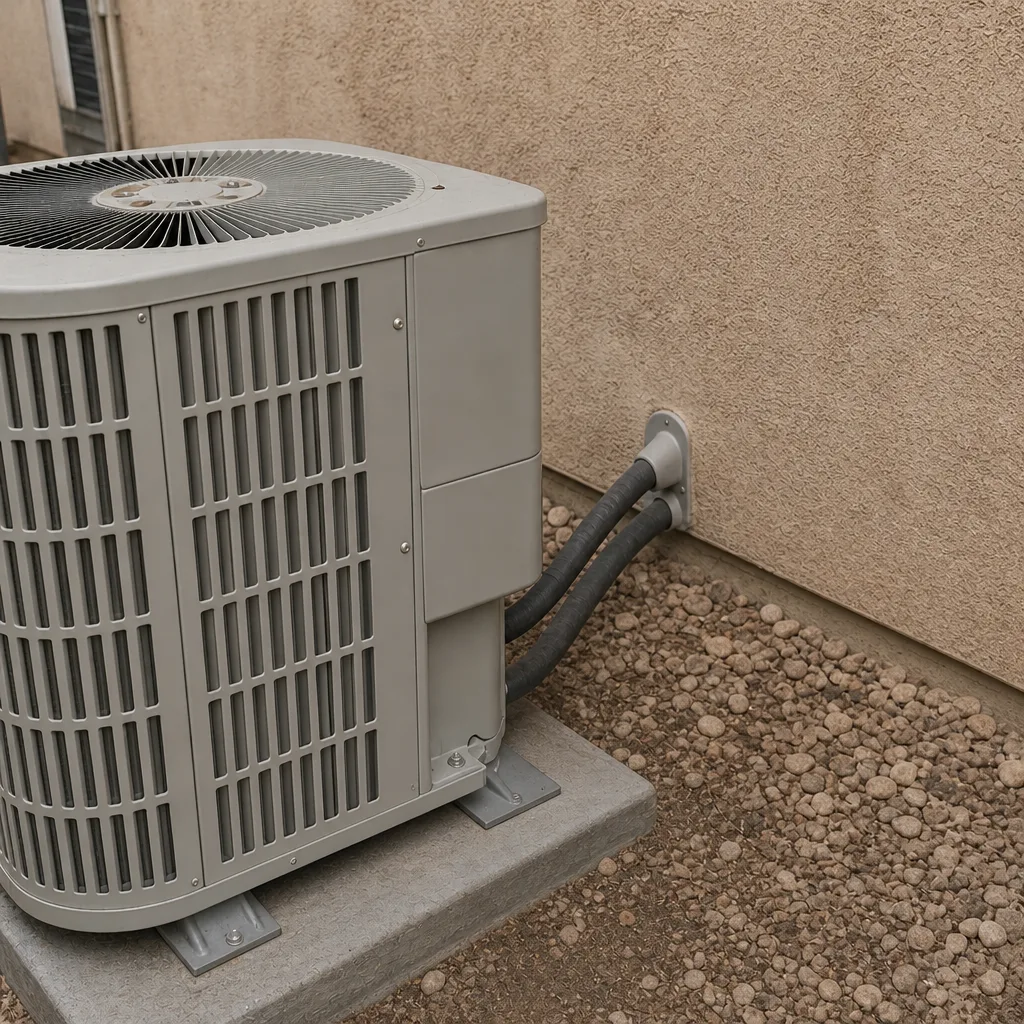
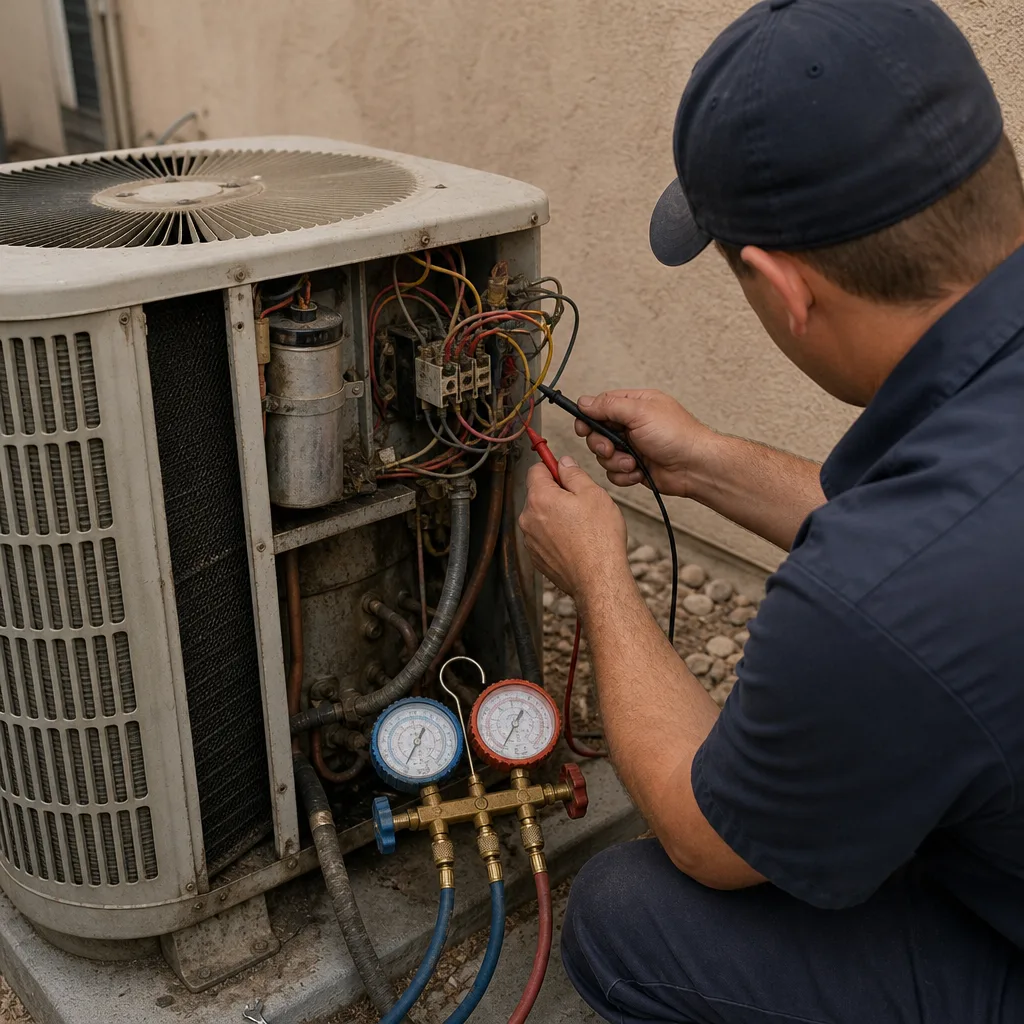 Before
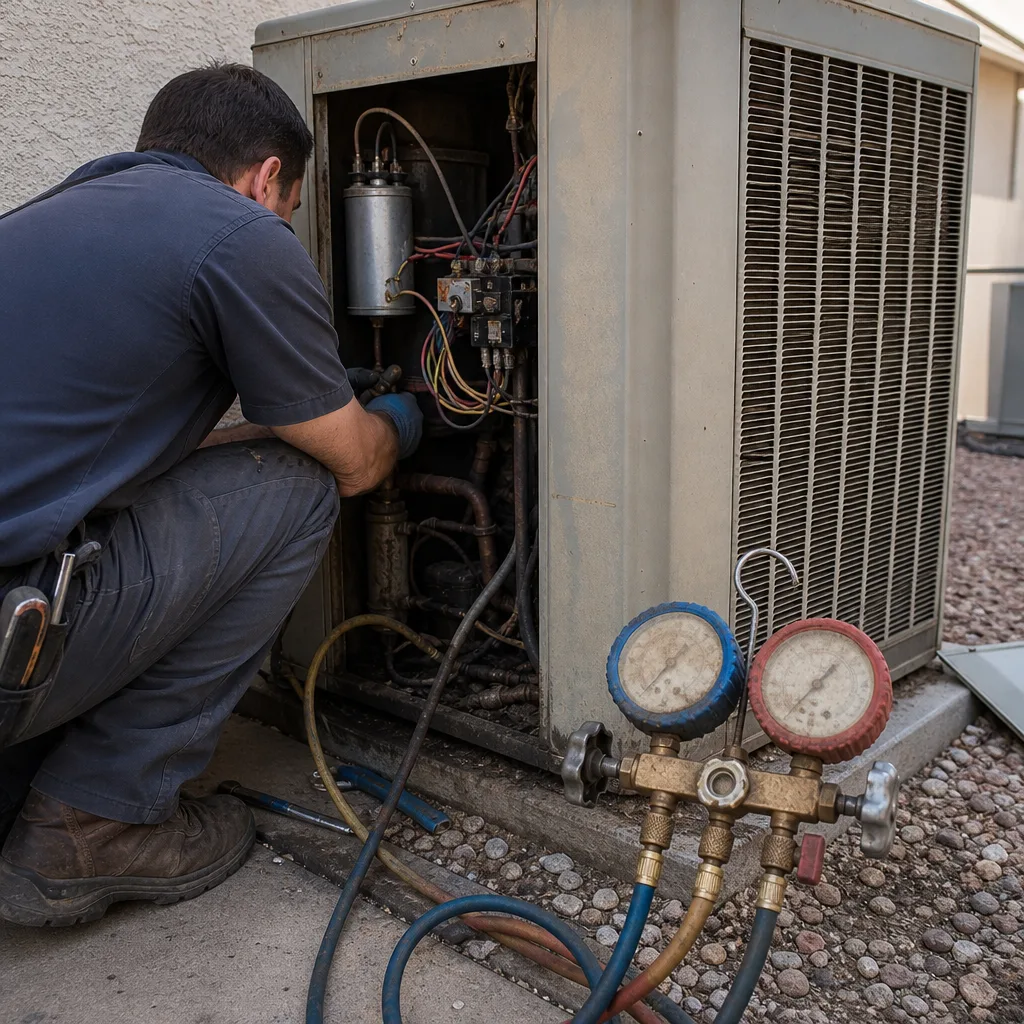
 After
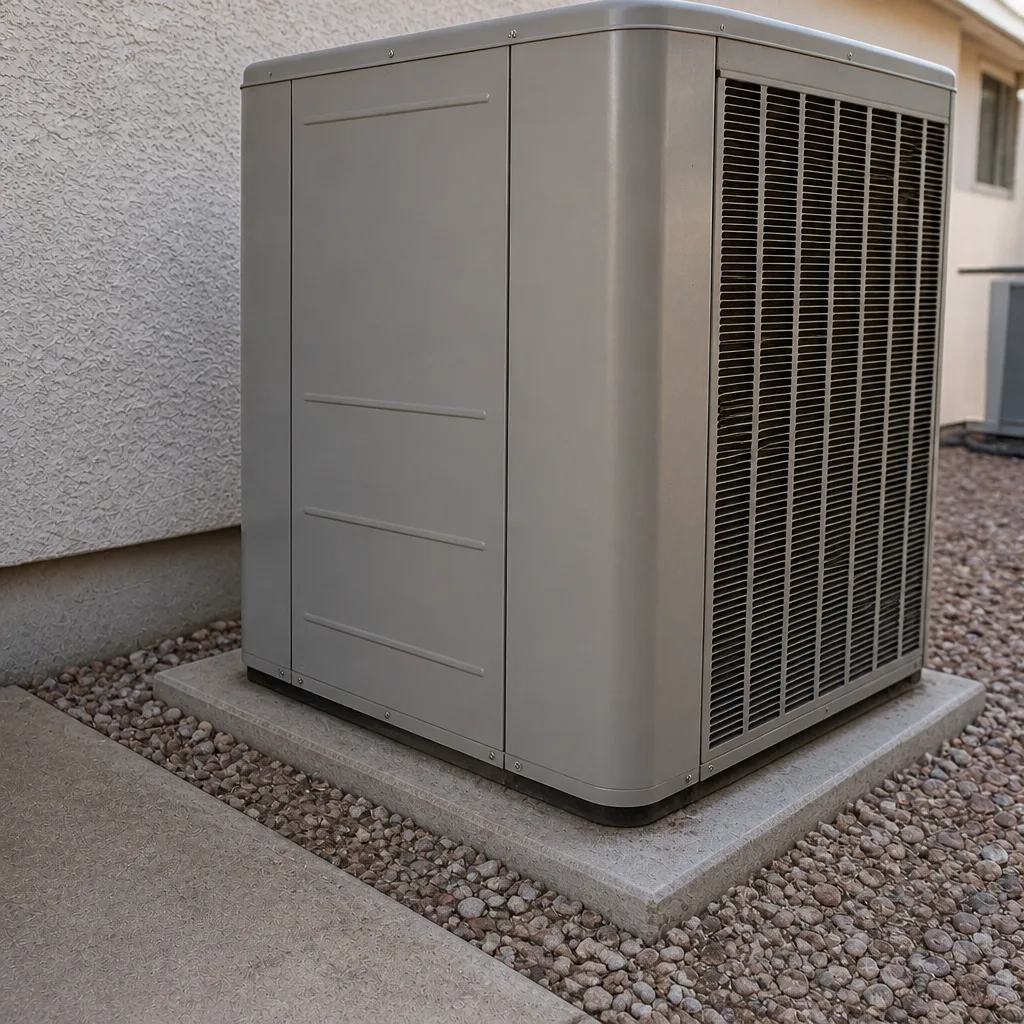
 Before
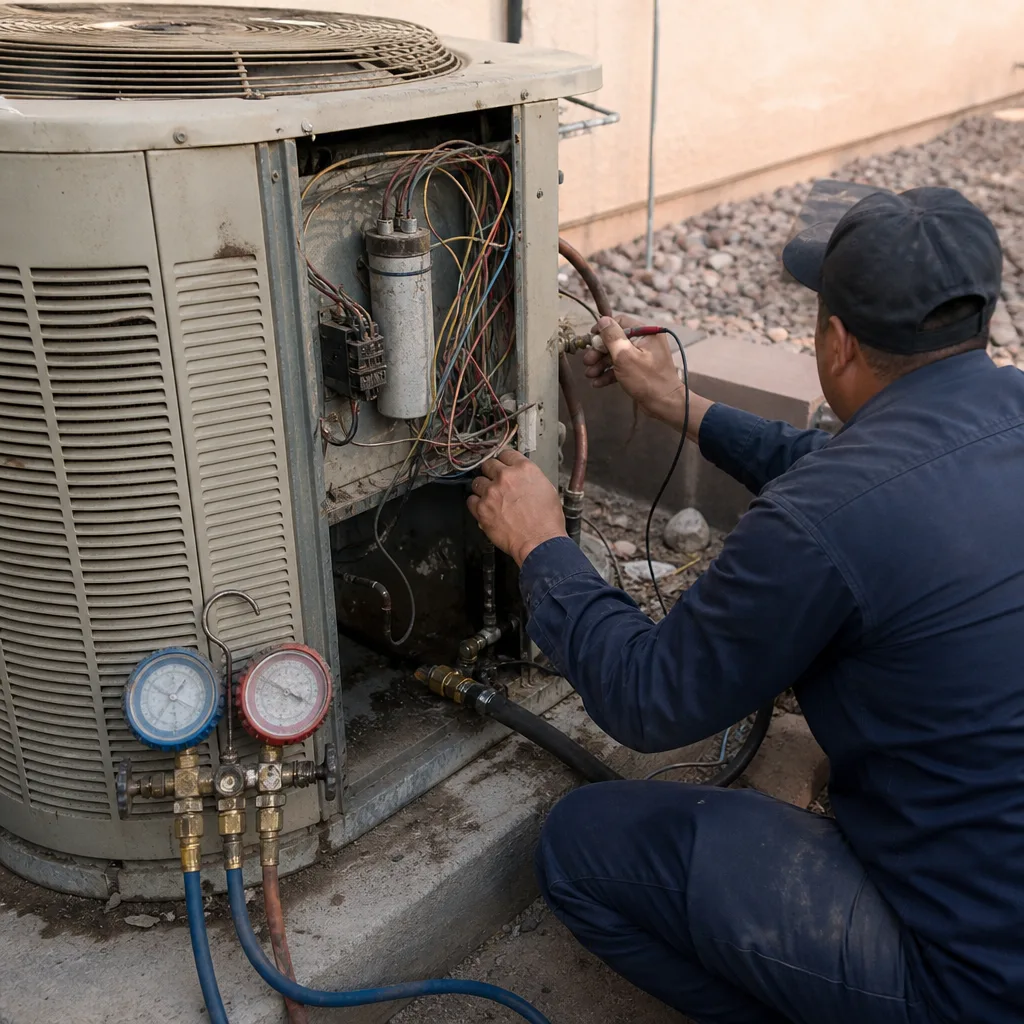
 After
 Before
 After
When to Call a Professional
Call a professional for any of these: any gas smell, any combustion concern, a heat exchanger inspection, a furnace that short-cycles, a burner or gas valve that isn’t behaving, flue work, or a system that’s more than 15 years old and has never had a combustion test. If you’re unsure, call anyway – a conversation costs nothing and clears your head. In Boulder City, our furnace calls are handled by technicians with up to 8 years of experience on brands like Lennox, Goodman, Rheem, and York, and we answer the phone with a live person any hour of any day. Fireside Heating & Air Co. Boulder City offers free estimates in Boulder City – call (844) 312-0133.
Frequently Asked Questions
Yes. Filter replacement is the safest and most useful furnace task a homeowner can do, and it takes about two minutes. Slide the old filter out, match the size printed on the filter edge, and slide the new one in with the airflow arrow pointing toward the furnace body. Replace every 1 to 3 months during heating season. Call (844) 312-0133 if you want us to check the filter during a tune-up.
Yes, with care. Turn off the furnace breaker and confirm the gas valve is shut off, remove the flame sensor (usually one or two screws), buff the steel rod lightly with steel wool, and reinstall. If the furnace still short-cycles after cleaning, the problem is elsewhere – call (844) 312-0133 for a diagnostic visit.
Because stopping the smell doesn’t mean the leak is gone. A proper repair requires isolating the line, pressure testing it, checking every joint with leak detection solution, and confirming combustion afterward. Without those steps, you can stop one leak and leave another – or leave the furnace burning improperly. Gas work is licensed work in Nevada. Call (844) 312-0133 for a licensed repair.
Our seasonal tune-up is $89, which includes combustion analysis and a written report of what we found. That’s a flat price, not an estimate, and we don’t upsell parts you don’t need. If a tune-up turns up a repair that costs more than $250, you get $50 off that repair. Call (844) 312-0133 to schedule.
Not reliably. A CO detector triggers at a threshold, not at any trace amount, so a slow leak can run undetected for months. The only tool that finds a crack before it becomes dangerous is combustion analysis, done by a trained technician. That’s part of every tune-up we do. If you haven’t had one in a while, call (844) 312-0133.
It depends on age, efficiency, and safety history. A furnace under 12 years old with no heat exchanger issues is usually worth repairing. A unit over 15 that has had combustion problems, a failed heat exchanger, or repeated sensor failures usually doesn’t pay to keep maintaining. We’ll give you a straight answer either way – and if you have a written estimate from another company, we’ll give you a free second opinion. Call (844) 312-0133.
The Bottom Line
On a gas furnace, the DIY line is short and it’s drawn around the invisible: gas, combustion, and the heat exchanger. Those belong to a licensed technician because the failure mode is carbon monoxide, and carbon monoxide doesn’t announce itself. What belongs to you is the filter, the thermostat, the flame sensor cleaning, and the space around the unit. Do those, keep your CO detectors fresh, and let a pro handle the rest once a year. That’s the plain, honest truth we’d tell our own family. Fireside Heating & Air Co. Boulder City is ready when you need us – free estimates, a live person on the phone, and the 90-Day Done Right Promise behind every job. Call (844) 312-0133.
Written by the team at Fireside Heating & Air Co. Boulder City.