
Last updated November 18, 2026
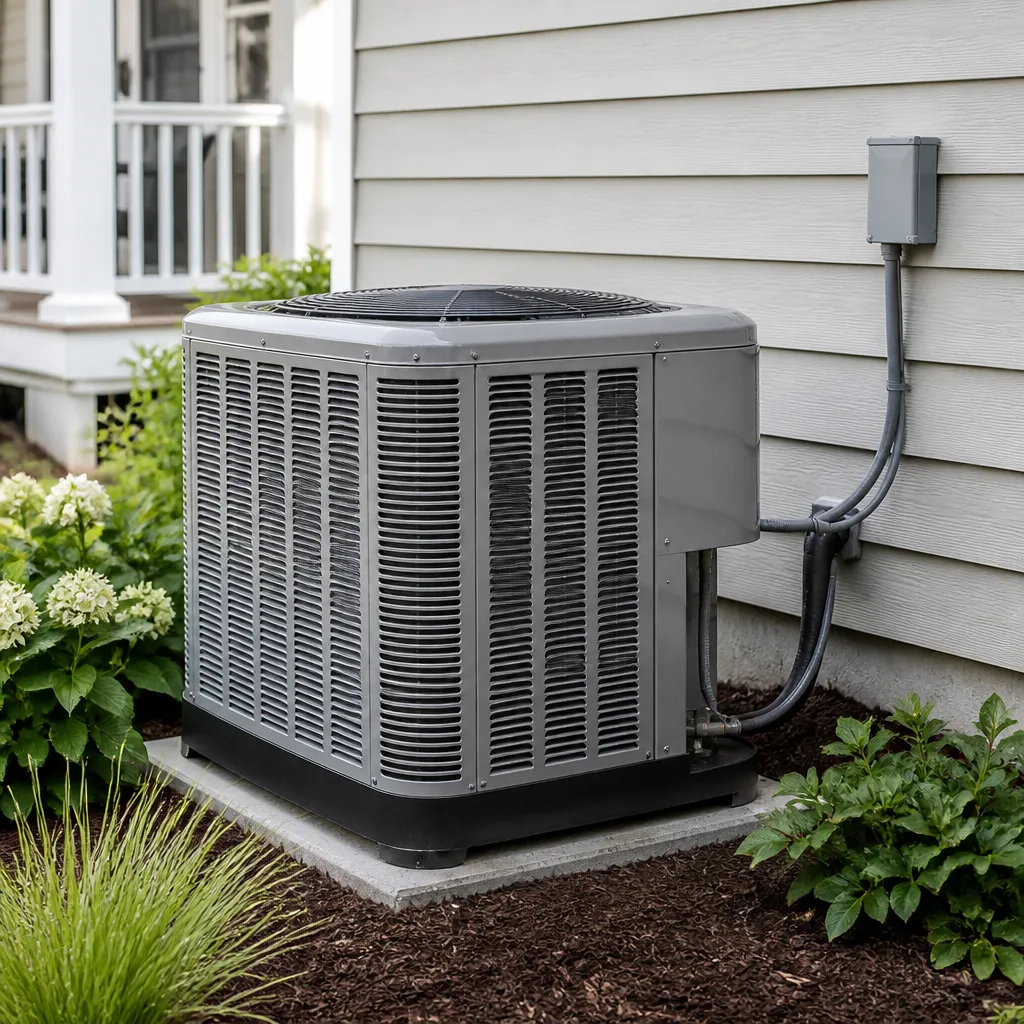 AC repair
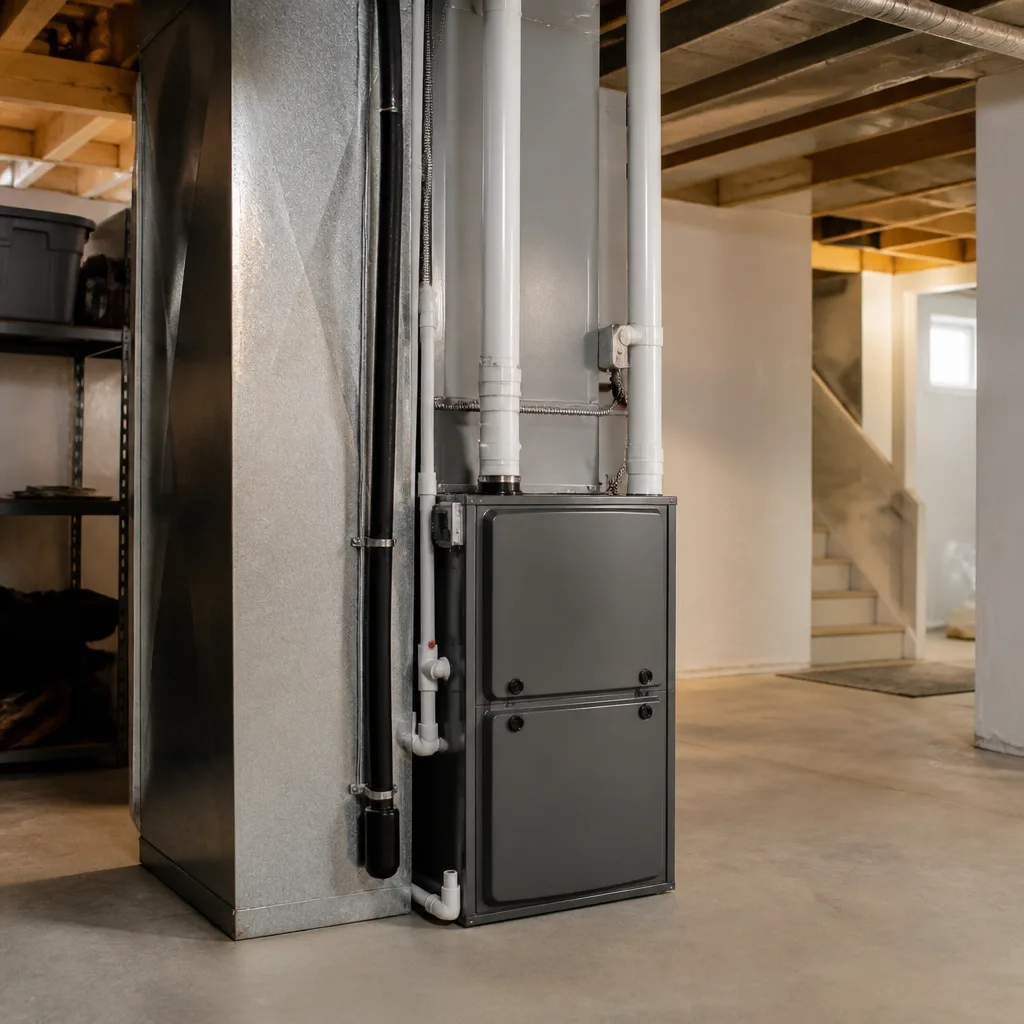 Furnace & heating
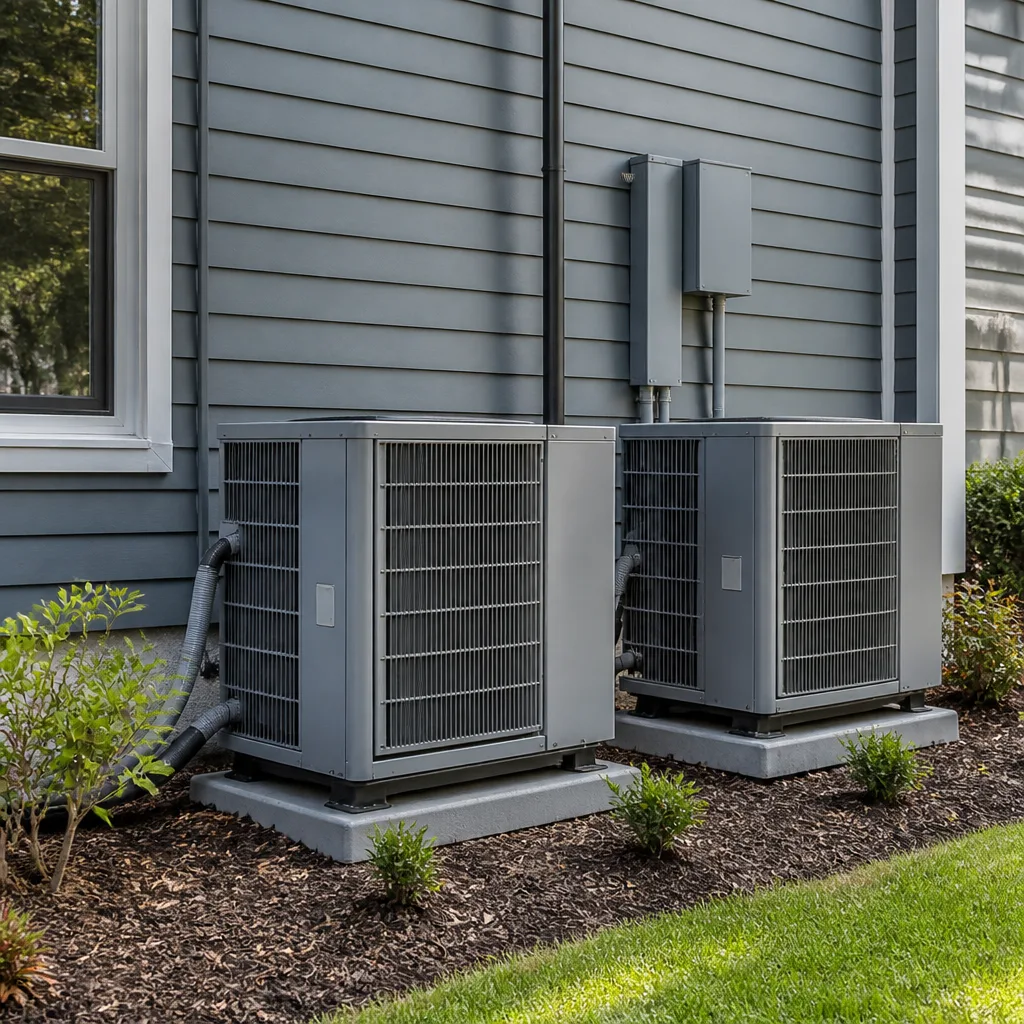 Heat pumps
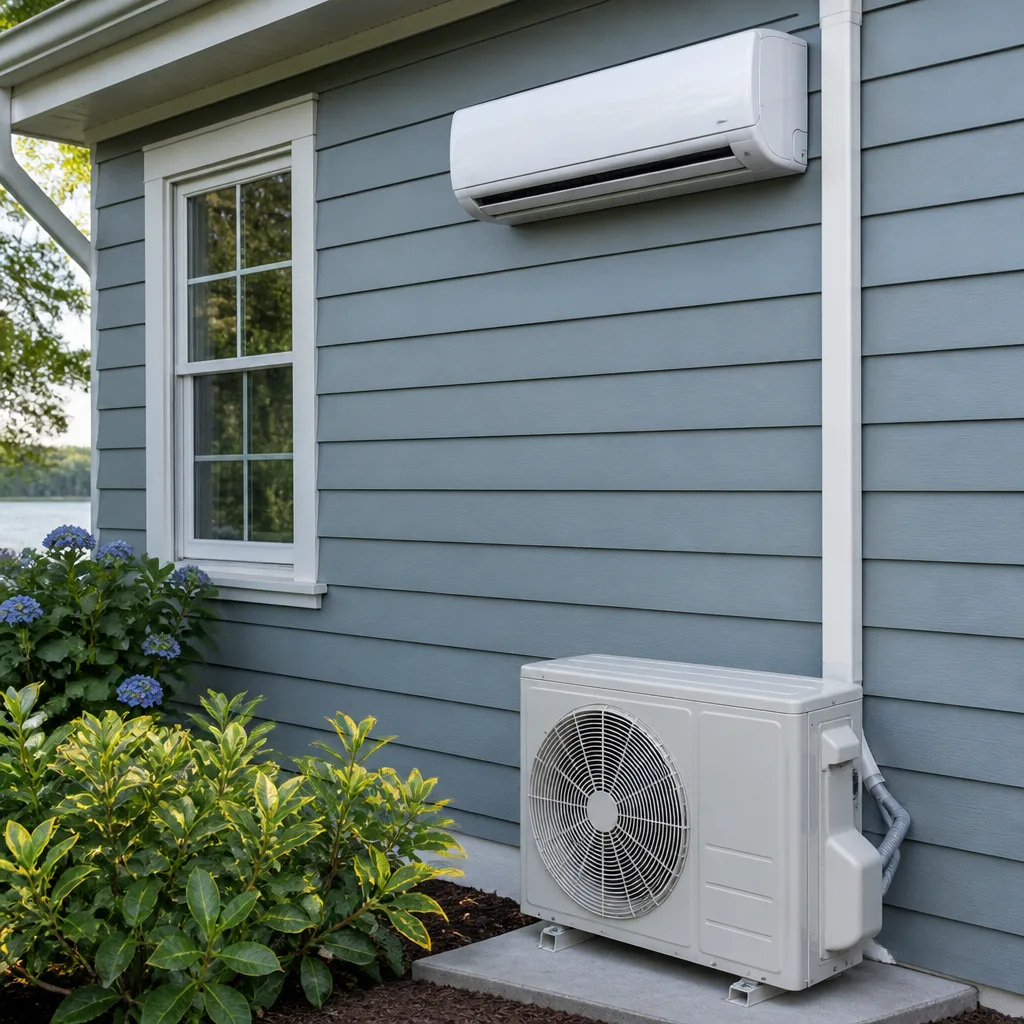 Ductless mini splits
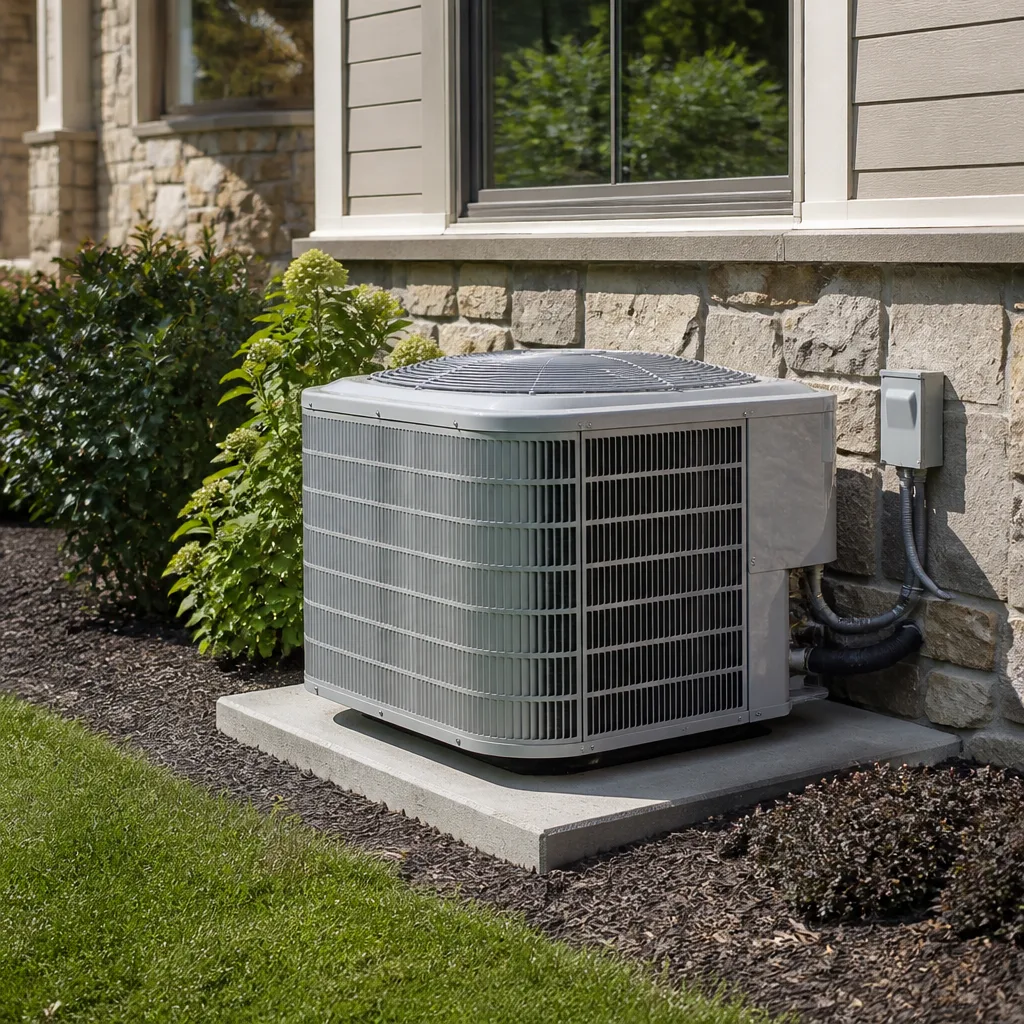 Carrier
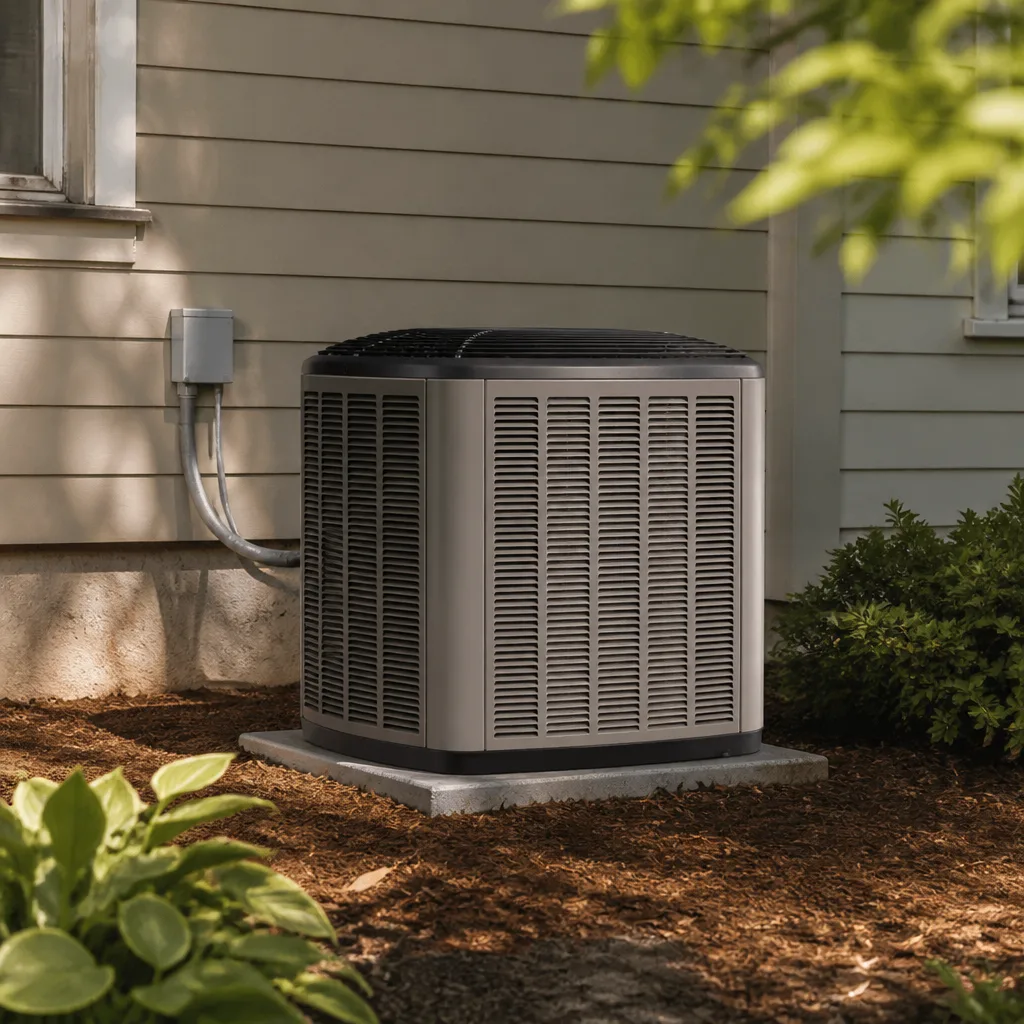 Trane
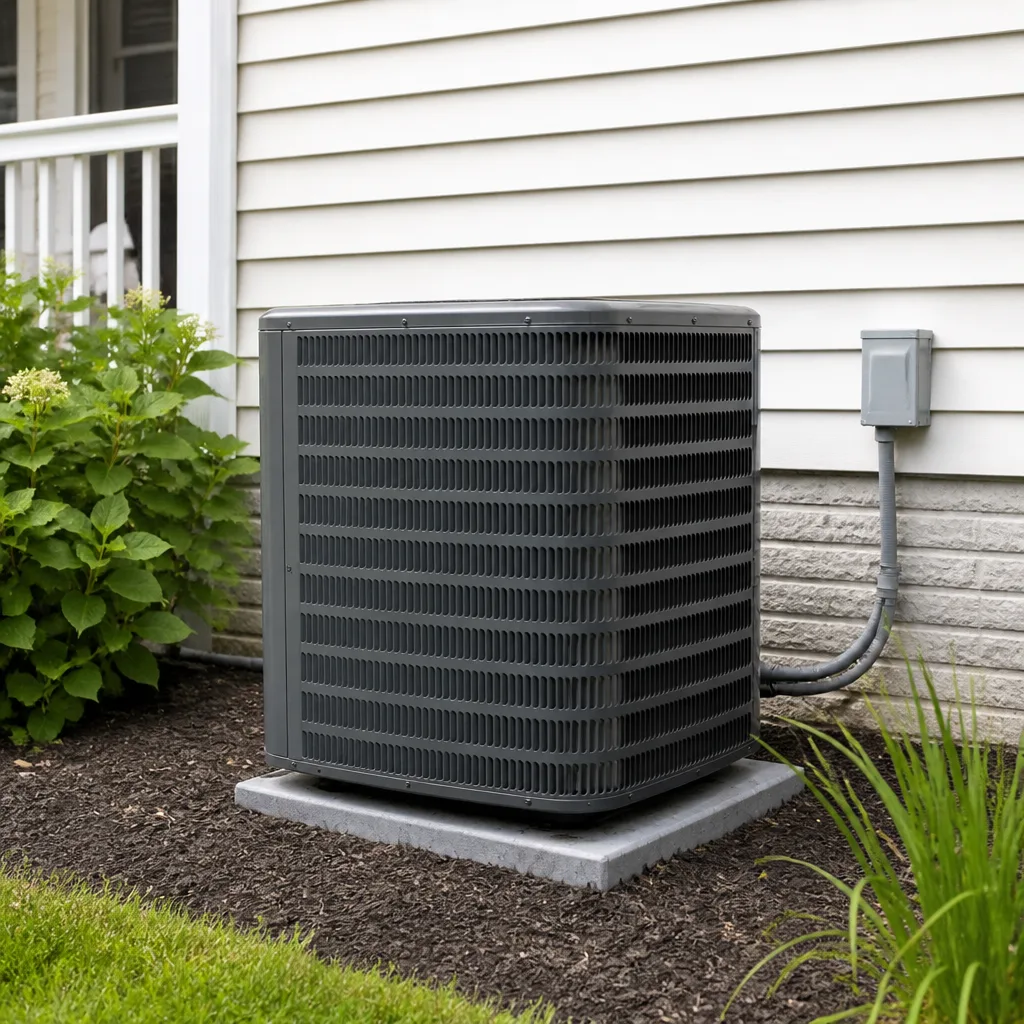 Goodman
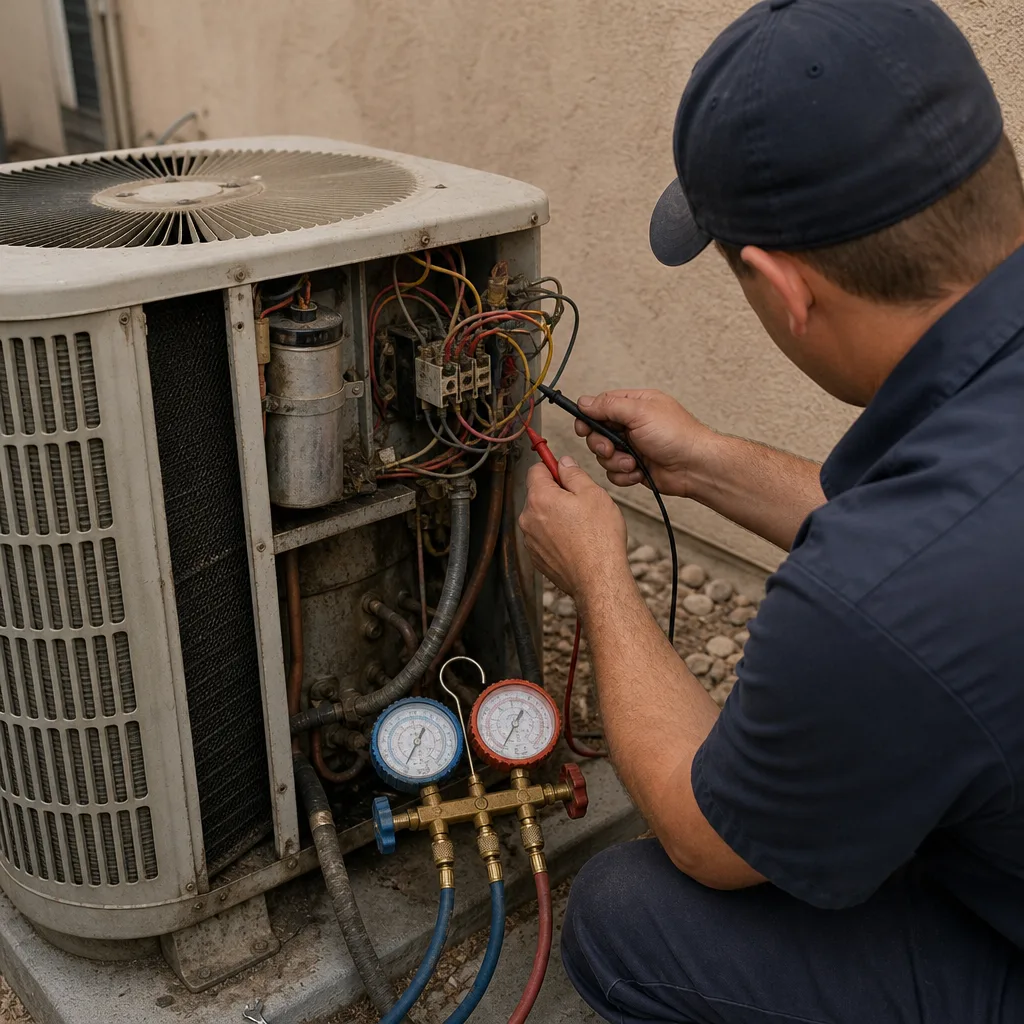
Seasonal tune-up and full diagnostic on your Carrier, Trane, or Goodman system - readings shown to you before any repair is proposed
Diagnosis first, numbers second - you approve the repair price before a single part goes in.
Get your free estimateChoosing the Right HVAC Brand: A Buyer’s Guide for Boulder City
Two air conditioners can carry the same SEER2 rating and behave nothing alike on a July afternoon in Boulder City. That rating is measured at 95°F. A condenser sitting against a stucco wall in Boulder City can see closer to 112°F ambient on a bad day, and the components inside don’t care what the sales sheet promised. The brand badge on the cabinet gets all the attention. What actually decides whether you’re comfortable for the next fifteen years is how that equipment handles sustained desert load, how fast its parts reach town, and whether the installing contractor knows its service protocols. This guide covers those three things, plus the money math most buyers never run.
Quick Answer
The right HVAC brand for a Boulder City home is the one whose compressor and electrical components are rated for sustained high-ambient desert operation, whose parts are stocked close enough for same-day or next-day access, and whose installing contractor is trained on that specific brand’s diagnostics and warranty procedures. Brand name alone ranks a distant fourth. A mid-tier unit installed well outperforms a premium unit installed badly, every time.
Styles & brands we work with
- AC repair
- Furnace & heating
- Heat pumps
- Ductless mini splits
- Carrier
- Trane
- Goodman
Table of Contents
- Why SEER Ratings Don’t Tell the Whole Story in Boulder City
- How to Read a Manufacturer Spec Sheet for Desert Climate
- Parts Availability in Boulder City: The Question Nobody Asks
- What the Warranty Actually Covers (and What It Doesn’t)
- Premium vs. Mid-Tier: Honest 15-Year Cost Math
- Why Your Contractor’s Brand Familiarity Matters More Than the Badge
- A Step-by-Step Brand Evaluation Process
- Common Mistakes to Avoid
Why SEER Ratings Don’t Tell the Whole Story in Boulder City
SEER2, the current efficiency standard, is a seasonal average. The test protocol runs the equipment at an outdoor temperature of 95°F and measures performance across a range of conditions meant to reflect a typical cooling season. Boulder City doesn’t have a typical cooling season. It has months of triple-digit afternoons, and your condenser works hardest precisely when the test conditions have already been left behind.
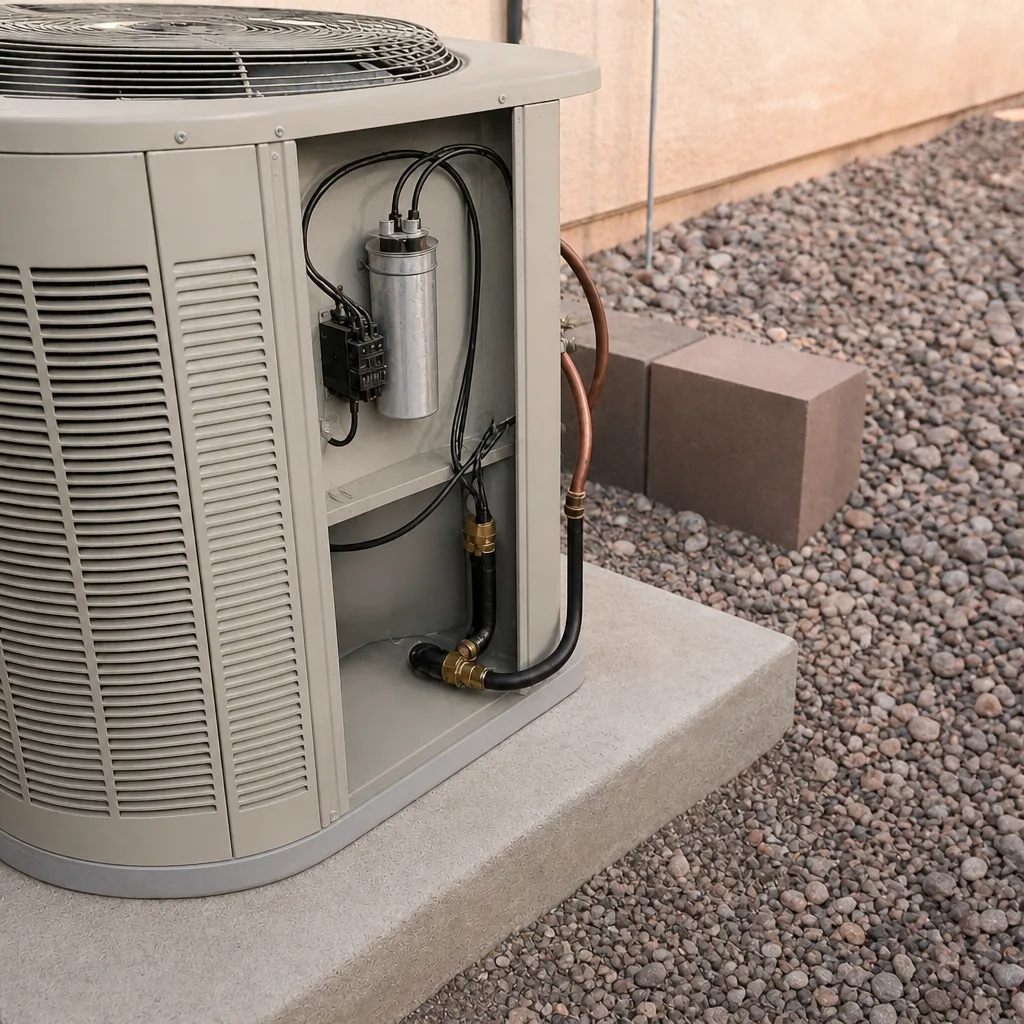
What that means in practice: a unit rated at 15 SEER2 and a unit rated at 15 SEER2 can have meaningfully different real-world failure rates here, because the rating says nothing about how the compressor windings, capacitors, and contactors hold up under sustained thermal stress. In our experience, the parts that fail first in Boulder City equipment are almost always electrical components cooking at the top of the condenser cabinet, not the refrigerant circuit.
Boulder City’s elevation, roughly 2,500 feet, also shifts the picture slightly. Air density is lower, which affects heat rejection, and the dry air means the coil doesn’t deal with the humidity load a Phoenix or Las Vegas unit handles. That sounds like a small thing. It changes how the system cycles, and it’s a reason equipment specified for Gulf Coast humidity can be a poor match here even if the spec sheet looks impressive.
What actually matters for Boulder City:
- Compressor type and construction – scroll compressors with robust internal protection handle high-ambient cycling better than older reciprocating designs.
- Capacitor and contactor quality – these are the cheapest parts in the box and the most common failure point in desert conditions.
- Cabinet and coil coating – dust and sun exposure in Boulder City wear on unpainted coils faster than the manufacturer’s marketing suggests.
- Rated ambient operating range – the maximum outdoor temperature the manufacturer lists for full rated capacity. Ask for it. Most buyers never do.
How to Read a Manufacturer Spec Sheet for Desert Climate
A spec sheet is written to satisfy a national market, not a Boulder City backyard. Most of what it contains is irrelevant to how the unit will behave here. A few lines matter a great deal. Here’s how to sort them.
- Find the maximum ambient operating temperature. Look for “maximum outdoor operating temperature” or a similar line in the performance data. If the unit is rated for full capacity only up to 105°F or 110°F, that’s the number to weigh against a Boulder City July. Many mid-tier and premium units list 115°F. Some don’t list it at all, which is its own answer.
- Ignore the EER headline and find the EER at high ambient if it’s published. EER is measured at a single point, and some manufacturers publish a second EER figure at a higher outdoor temperature. That second number is closer to what your Boulder City bills will reflect.
- Check the compressor’s rated lock-rotor amps and internal protection. Higher-quality internal overload protection protects the compressor during the long, hot cycles Boulder City summers produce. It’s a quiet specification with real consequences.
- Look at the sound rating in the context of where the unit sits. In Boulder City, many homes have the condenser on the side yard within a few feet of a bedroom window. A unit that’s two decibels quieter matters more here than the spec sheet implies.
- Check the coil’s corrosion protection and fin coating. Desert dust and sun aren’t the same as coastal salt, but unprotected coils still degrade. A coated coil is worth asking about.
- Read the warranty terms in the spec sheet, not the brochure. The spec sheet lists the actual coverage and exclusions. The brochure lists the marketing version.
This is the point where a contractor’s familiarity with a brand becomes practical. When we quote a system, we pull the spec sheet for that specific model and match it against Boulder City conditions, not the manufacturer’s regional averages. That’s what the AC Repair & Installation in Boulder City page covers in more detail.
Parts Availability in Boulder City: The Question Nobody Asks
Imagine a compressor contactor fails on a Friday in mid-July. Outside, it’s 111°F. The house is 89°F and climbing. What happens next depends entirely on a question no buyer asks at the sales appointment: how close is the nearest distributor that stocks this brand’s parts?
Boulder City sits at the southern tip of Nevada, roughly 25 miles from the Las Vegas valley. That distance means parts availability runs through the Las Vegas distribution network. Some brands have deep local distribution there. Some have one or two stocking dealers. Others ship from regional warehouses in California or Arizona, which means two to four days without cooling during the hottest stretch of the year.
What we’ve seen in Boulder City:
- Brands with strong Las Vegas-area distribution, including York and American Standard, generally see same-day or next-day parts access for common components like capacitors, contactors, and blower motors.
- Daikin has expanded its western distribution considerably, which shows up in Boulder City as fast access to the common components on its residential split systems.
- Brands without a Las Vegas stocking presence can leave you waiting days for a part that costs less than a tank of gas.
The pattern to watch: the parts most likely to fail are also the cheapest and the most commonly stocked. A capacitor, a contactor, a flame sensor, a blower motor – these live on distributor shelves. Compressors and coils are a different story and often have to be ordered regardless of brand. Ask the contractor directly: “For common components on this brand, do you have same-day access in the Las Vegas area?” If the answer is vague, that’s information.
What the Warranty Actually Covers (and What It Doesn’t)
Manufacturer warranties on residential HVAC equipment usually split into two pieces: parts and labor. The parts warranty is the one printed on the box. The labor warranty is often the one that matters more, and it’s frequently in the hands of the installing dealer rather than the manufacturer.
Here’s the honest breakdown of what transfers and what doesn’t:
- Parts warranty: Usually 5, 10, or in some cases lifetime on the compressor and coil, and it typically transfers to a new homeowner if the equipment is registered correctly. Registration is the buyer’s responsibility, and it’s easy to miss. Miss the window (often 60 to 90 days from install), and the coverage can drop to a base 5 years.
- Labor warranty: Rarely covered by the manufacturer. If your contractor offers a labor warranty, it’s the contractor’s obligation and it doesn’t follow the equipment. A strong dealer labor warranty is worth more than a slightly longer parts warranty, because it’s the labor that turns a $200 repair into a $600 repair.
- Dealer stability: A 10-year parts warranty means nothing if the dealer who installed your system is gone in year three and nobody local is trained on that brand’s service protocols. In Boulder City, where the same contractors have served the same neighborhoods for decades, dealer stability is easier to verify than in a boom market.
Every job we complete is backed by the 90-Day Done Right Promise – a written guarantee that if something isn’t right, we make it right, no arguing and no runaround. That’s a dealer commitment, not a manufacturer one, and it’s the kind of thing worth asking any contractor to put in writing before the install begins.
Premium vs. Mid-Tier: Honest 15-Year Cost Math
The premium-tier brands and the mid-tier brands both last about 15 years when installed well and maintained on schedule. The difference is in failure frequency, part cost, and how often you’re calling someone. Here’s how the math shakes out for a typical Boulder City home.
| Factor | Premium-Tier (typical) | Mid-Tier (typical) |
|---|---|---|
| Installed system cost, 3-ton split | $9,500 – $14,000 | $6,500 – $9,500 |
| Expected service calls, years 1-15 | 3-5 | 5-8 |
| Typical repair cost per call | $220 – $650 | $180 – $550 |
| Parts availability, Boulder City | Varies by brand – verify | Varies by brand – verify |
| Expected service life | 14-18 years | 12-16 years |
The 15-year cost of ownership gap between the two tiers usually comes out to somewhere between $2,000 and $5,000 in total. The premium tier pays back part of that difference in fewer service calls and slightly longer life. It rarely pays back all of it. For a Boulder City homeowner staying in the home for 20 more years, the premium tier often makes sense. For someone who may sell in 8 to 10 years, mid-tier with strong local parts availability is usually the smarter call.
What that $2,000 to $5,000 gap should buy you, if you choose premium: better compressor protection, a quieter condenser, and a longer manufacturer parts warranty. Not a better warranty experience – that’s the dealer’s job. Not a more reliable install – that’s also the dealer’s job.
Why Your Contractor’s Brand Familiarity Matters More Than the Badge
Two identical Bryant units, installed by two different contractors, will have meaningfully different outcomes. One contractor has installed hundreds of them and knows the diagnostic codes, the specific service bulletins, and the common failure modes. The other has installed a dozen and is learning on your system. The equipment is the same. The experience isn’t.
Here’s what brand familiarity actually buys you:
- Faster diagnosis. A technician who knows a brand’s control board logic can often find the fault in one visit. A technician who doesn’t may need two.
- Correct warranty handling. Warranty claims have paperwork requirements, deadlines, and registration nuances. A contractor who works with a brand regularly navigates them smoothly.
- Access to technical support. Manufacturers give preferred dealers faster access to their technical support lines. During a July heat wave, that access means hours instead of days.
- Better commissioning. Refrigerant charge, static pressure, airflow – these need to be set correctly at install. A contractor who has done hundreds of the same model knows the right numbers.
We service nine major residential brands – Carrier, Trane, Lennox, Goodman, Rheem, York, Daikin, Bryant, and American Standard – because Boulder City homes have all of them in them and a contractor who only knows one brand is a contractor who can’t fix your neighbor’s system. The team is trained across all nine, and our technicians have up to 8 years of experience each. For heating specifically, the Heating & Furnace in Boulder City page covers how brand familiarity changes for furnace service.
A Step-by-Step Brand Evaluation Process
If you’re buying a new system in Boulder City, run this process before you sign anything. It takes about an hour and it can save you a decade of frustration.
- Get the model number, not the brand name. Every brand sells a premium line, a mid-tier line, and an entry line. The brand badge tells you nothing about which tier you’re being quoted. Write down the exact model number and search the manufacturer’s spec sheet for it.
- Pull the spec sheet and check the rated maximum ambient temperature. It should be 115°F or higher. If it’s not listed, call the manufacturer’s technical line and ask. If the answer is vague, that’s your answer.
- Ask the contractor about parts availability for that specific brand in the Las Vegas area. Not “in general.” For that brand. For common components. The answer should be specific.
- Read the actual warranty document, not the summary. Look for exclusions, maintenance requirements that could void coverage, and the registration deadline.
- Ask how many of that model the contractor has installed. Hundreds is better than dozens. Dozens is better than “a few.”
- Get a second written estimate. We offer a free second opinion on any written estimate, and it’s worth taking advantage of – not because the first estimate is wrong, but because side-by-side comparison shows you what’s actually in the quote.
- Ask for the labor warranty in writing. Parts warranties are standardized. Labor warranties are not. Get it in writing before the installer arrives.
For Boulder City homeowners considering a heat pump or ductless system, the brand question shifts a little – compressor modulation and cold-climate performance spec sheets matter more than peak-ambient ratings. The Heat Pump & Mini Split in Boulder City page covers those considerations in detail.
Common Mistakes to Avoid
- Buying on SEER rating alone. The rating tells you measured efficiency in a lab at 95°F. It doesn’t tell you how the unit behaves at 112°F in a Boulder City side yard, and it says nothing about how the electrical components hold up over a decade of desert summers.
- Choosing a brand with no Las Vegas-area parts distribution. A bad capacitor shouldn’t cost you a weekend without cooling. Verify parts access for the specific brand before you sign.
- Assuming the manufacturer warranty covers labor. It almost never does. The labor warranty comes from the dealer, and it’s the one you should read carefully.
- Skipping the registration window. Most manufacturers require registration within 60 to 90 days of install to activate the full parts warranty. Miss the window, and your 10-year coverage drops to 5. In Boulder City, where summer appointments pile up, this is easy to forget.
- Comparing quotes by equipment price only. Two quotes with a $2,000 difference often reflect different scope – line set replacement, electrical work, permit fees, and duct sealing. Ask each contractor to itemize what’s included.
- Hiring a contractor unfamiliar with the brand they’re selling. A contractor installing their fifth Bryant system will do a fine job. A contractor installing their five hundredth will do a better one, and the difference shows up in years three through fifteen.
- Letting a warranty claim go through a dealer who is no longer in business. Before your system is installed, confirm the dealer has been operating locally long enough to be there when you need them. In Boulder City, most of us have. Not all.
See the difference
 Before
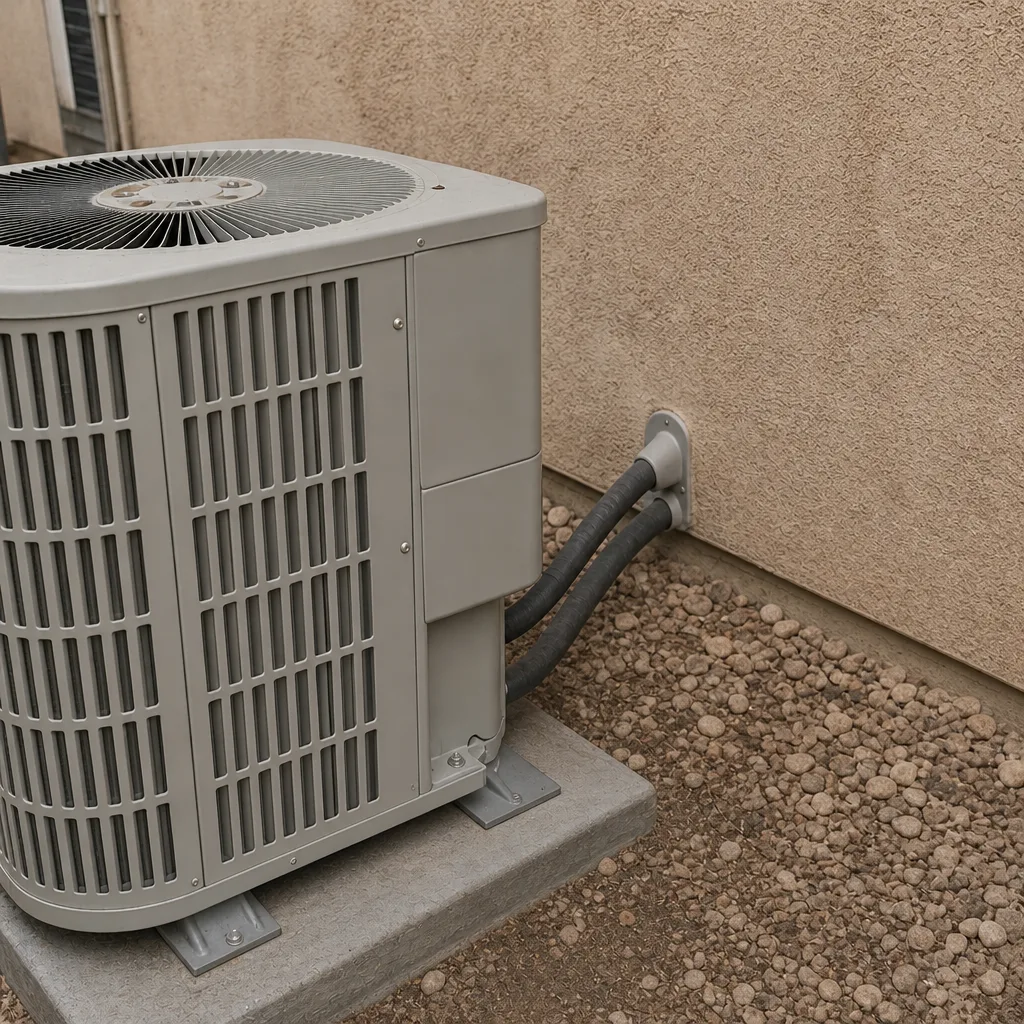 After
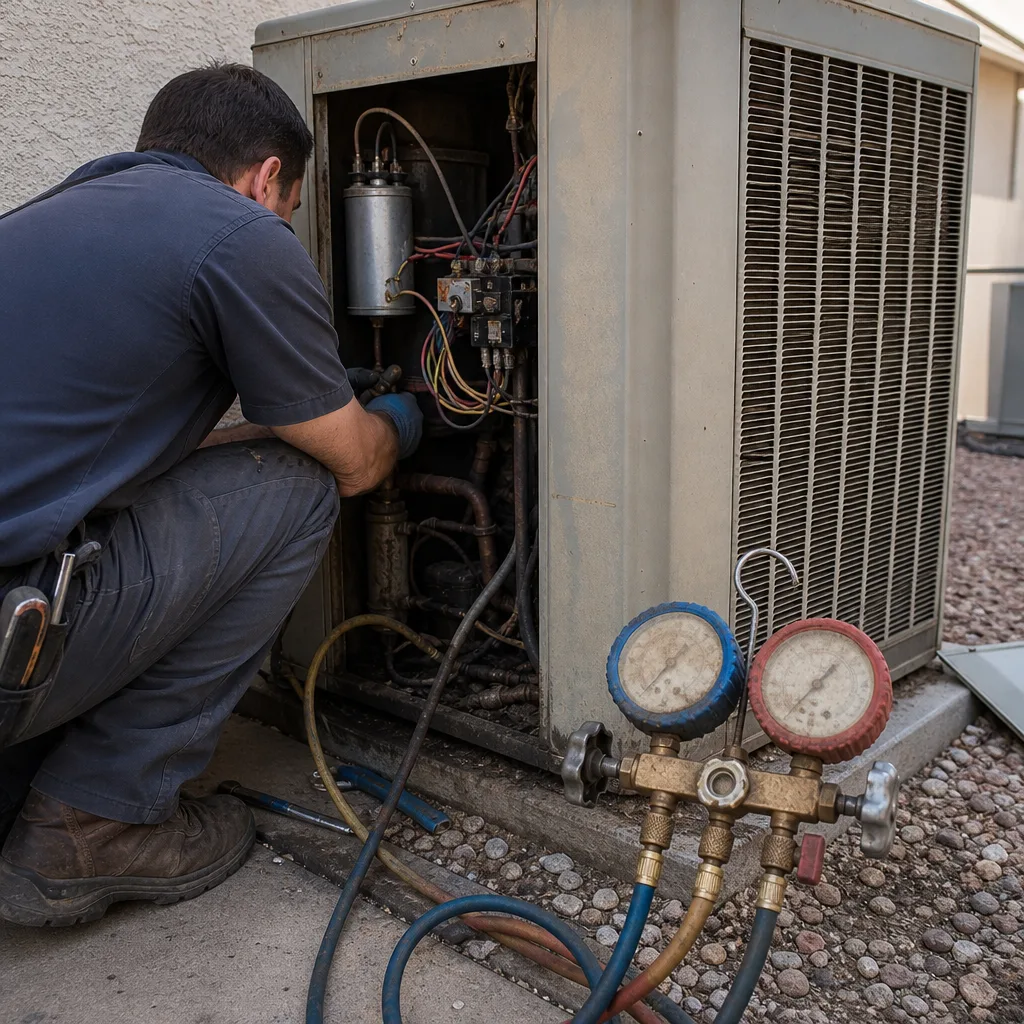 Before
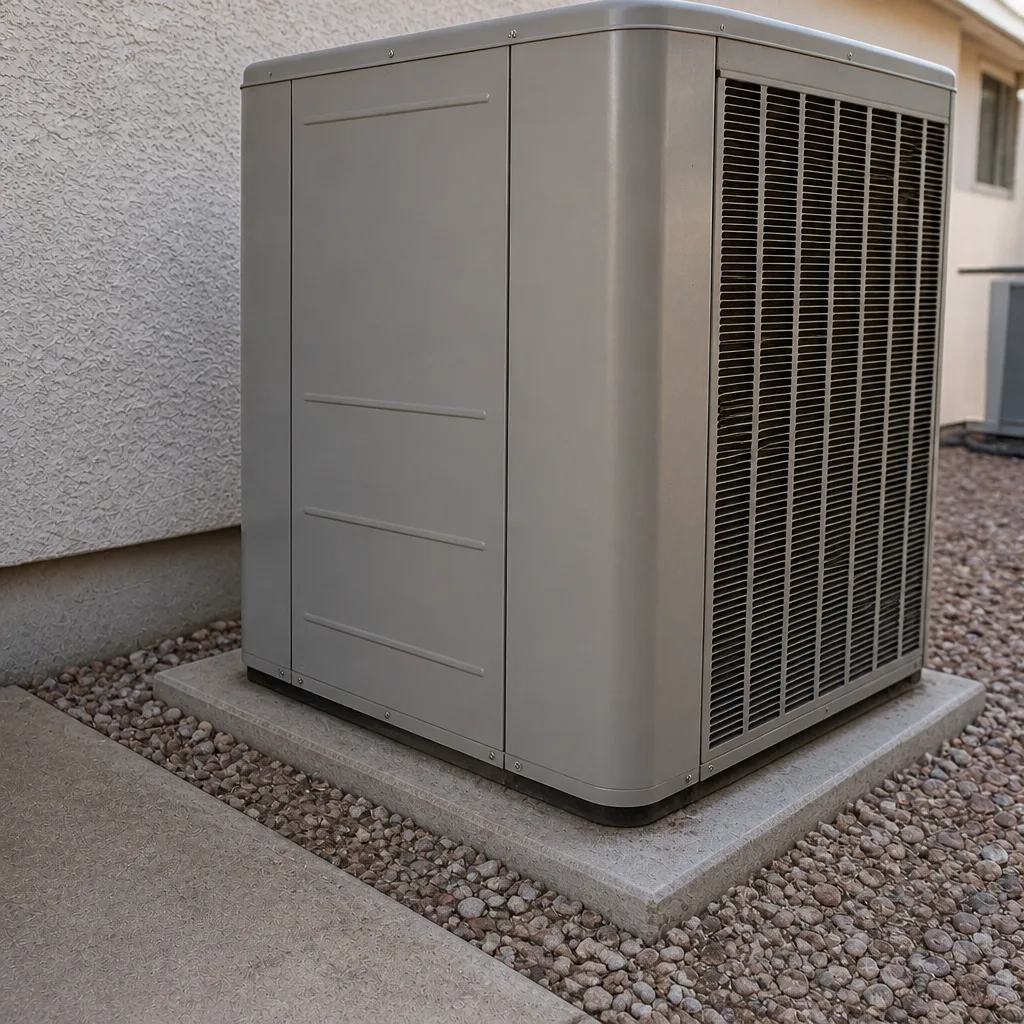 After
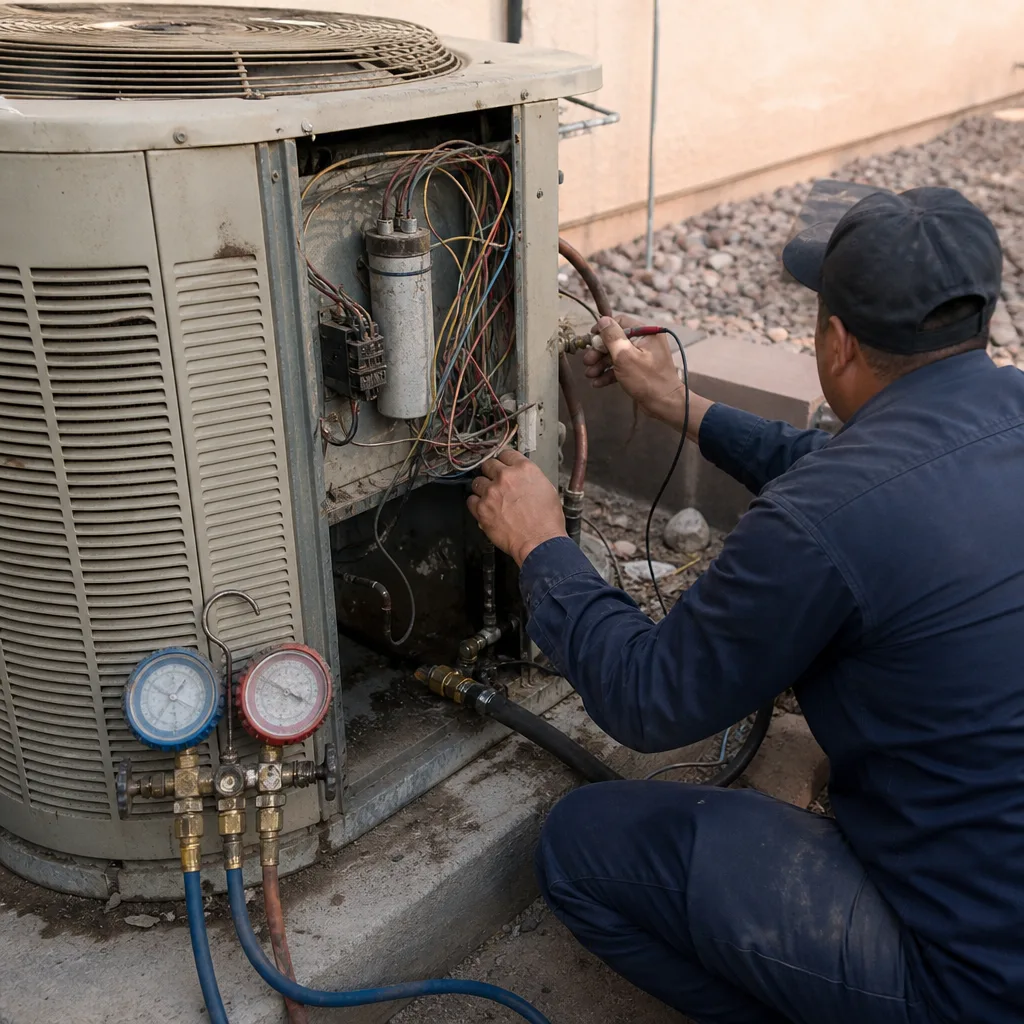 Before
 After
When to Call a Professional
Some HVAC questions can wait. These can’t: an AC that’s blowing warm air in July, a furnace that won’t ignite during a cold snap, a unit that trips its breaker repeatedly, refrigerant lines that have iced over, or any burning smell from a furnace or air handler. Those are calls to make now, not appointments for next week. If you’re weighing repair against replacement on a system over 12 years old, that conversation is worth having before the failure, when you have time to compare options. Fireside Heating & Air Co. Boulder City offers free estimates in Boulder City – call (844) 312-0133. Phones are answered by a live person, day or night, including the 2 a.m. no-heat call.
For emergency service, we’re ready. For replacement planning, we’ll quote a fixed price in writing, schedule the install date, and handle the paperwork. Straight talk either way, and the price quoted is the price paid.
Frequently Asked Questions
The best brand for Boulder City is one whose specific model is rated for operation well above 100°F ambient, whose common parts have same-day or next-day access through Las Vegas-area distribution, and whose installing contractor is trained on that brand’s service protocols. Brands like York, American Standard, Daikin, and Bryant all have models that meet those criteria; the model matters more than the name. Call (844) 312-0133 for a free estimate on what fits your home.
Not directly. SEER2 is measured at 95°F outdoor temperature, and Boulder City regularly exceeds 110°F in July. A higher SEER2 unit will usually be more efficient over the season, but it says nothing about how that unit’s compressor and electrical components handle sustained extreme heat. Ask for the manufacturer’s maximum ambient operating temperature before making a decision. Our team can pull that spec for any model we quote – call (844) 312-0133.
Parts availability in Boulder City runs through the Las Vegas distribution network, and brands with deep local stocking – York and American Standard among them – typically see same-day access to common components like capacitors, contactors, and blower motors. Daikin has expanded its western distribution significantly in recent years. For less common parts like compressors and coils, most brands require ordering regardless. A free second opinion on any written estimate will show you what your contractor is actually specifying – call (844) 312-0133.
For most Boulder City homeowners, mid-tier with strong local parts access is the smart choice unless you’re staying in the home for 20+ years. Premium-tier systems cost $9,500 to $14,000 installed versus $6,500 to $9,500 for mid-tier in a typical 3-ton split, and the 15-year cost-of-ownership gap usually runs $2,000 to $5,000 in the premium system’s favor. That’s real money, but not enough to justify premium on every home. Call (844) 312-0133 for a free estimate and honest side-by-side math on your specific home.
The parts portion usually transfers if the equipment was properly registered to begin with; the labor warranty typically does not transfer and stays tied to the original installing dealer. Registration deadlines – often 60 to 90 days from install – matter enormously here. If you’re buying a home with a recently installed system, ask for the registration documentation. If you’re installing, confirm the registration gets submitted on time – our team handles it as part of the job.
We’re trained on nine major residential brands: Carrier, Trane, Lennox, Goodman, Rheem, York, Daikin, Bryant, and American Standard. That covers nearly every system in Boulder City. Our technicians have up to 8 years of experience each, and every job is backed by our 90-Day Done Right Promise – if something isn’t right, we make it right, in writing. Call (844) 312-0133 for service, repair, or a free estimate on replacement.
The Bottom Line
The best HVAC brand for your Boulder City home is the one whose equipment is rated for sustained desert heat, whose parts reach Las Vegas-area distribution fast enough to keep you cool through a July breakdown, and whose installing contractor is trained enough on that specific model to fix it right the first time. Brand name matters less than those three things. Premium-tier equipment pays back part of its price difference over 15 years, but it’s not a better bet than mid-tier installed by a contractor who knows the brand inside out. Run the seven-step evaluation before you sign, and get a written labor warranty in addition to the manufacturer’s parts coverage. For a free estimate in Boulder City, call (844) 312-0133 – the price quoted is the price paid.
For related reading, start with the Fireside Heating & Air Co. Boulder City home page for an overview of everything we service. We’re local, we answer the phone around the clock, and we stand behind every job in writing.
Written by the team at Fireside Heating & Air Co. Boulder City.