
Last updated November 18, 2026
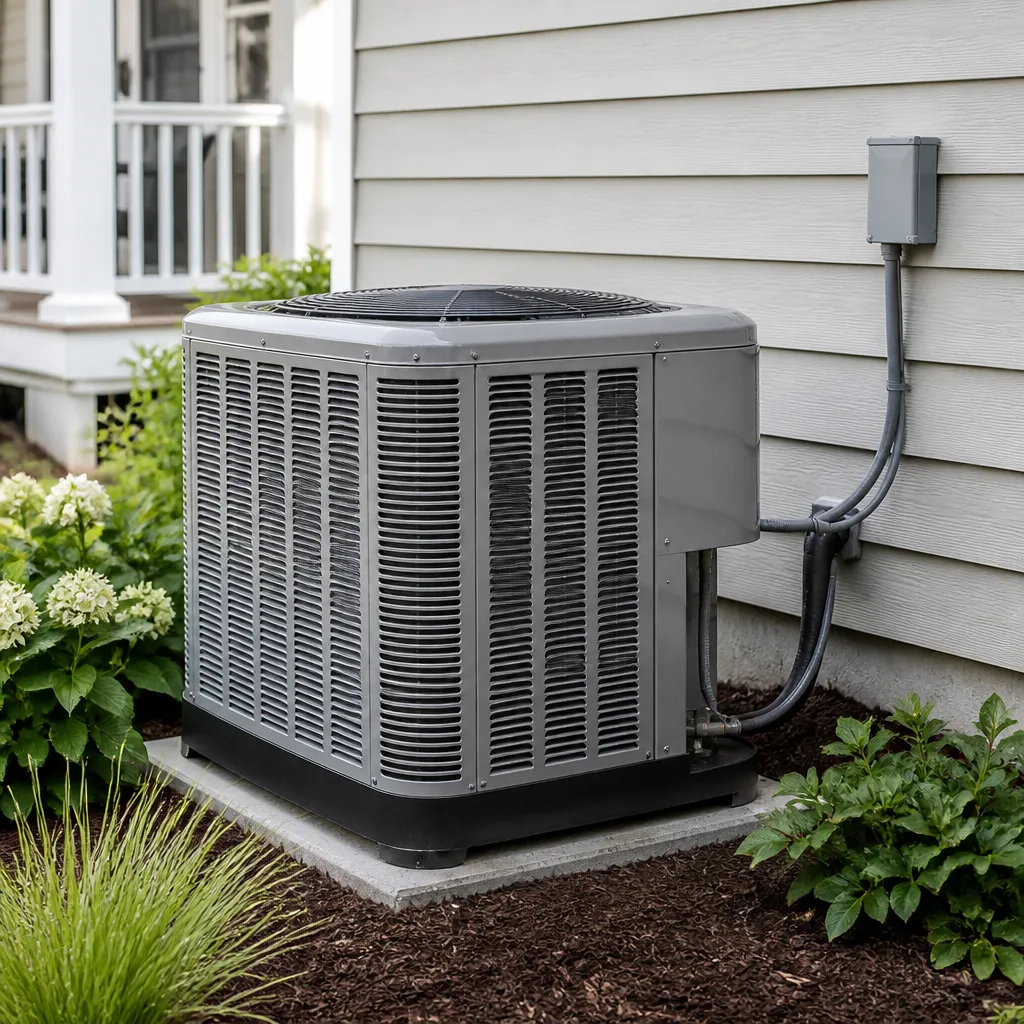 AC repair
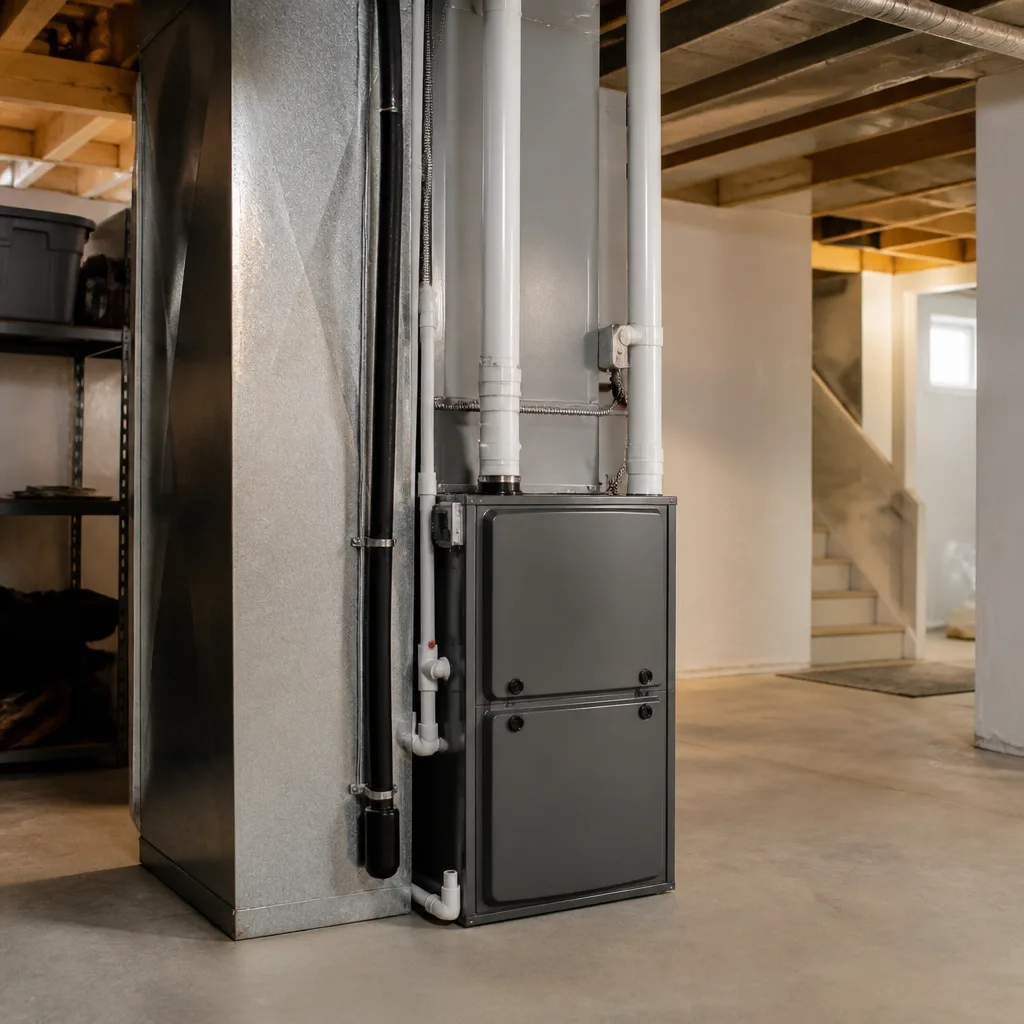 Furnace & heating
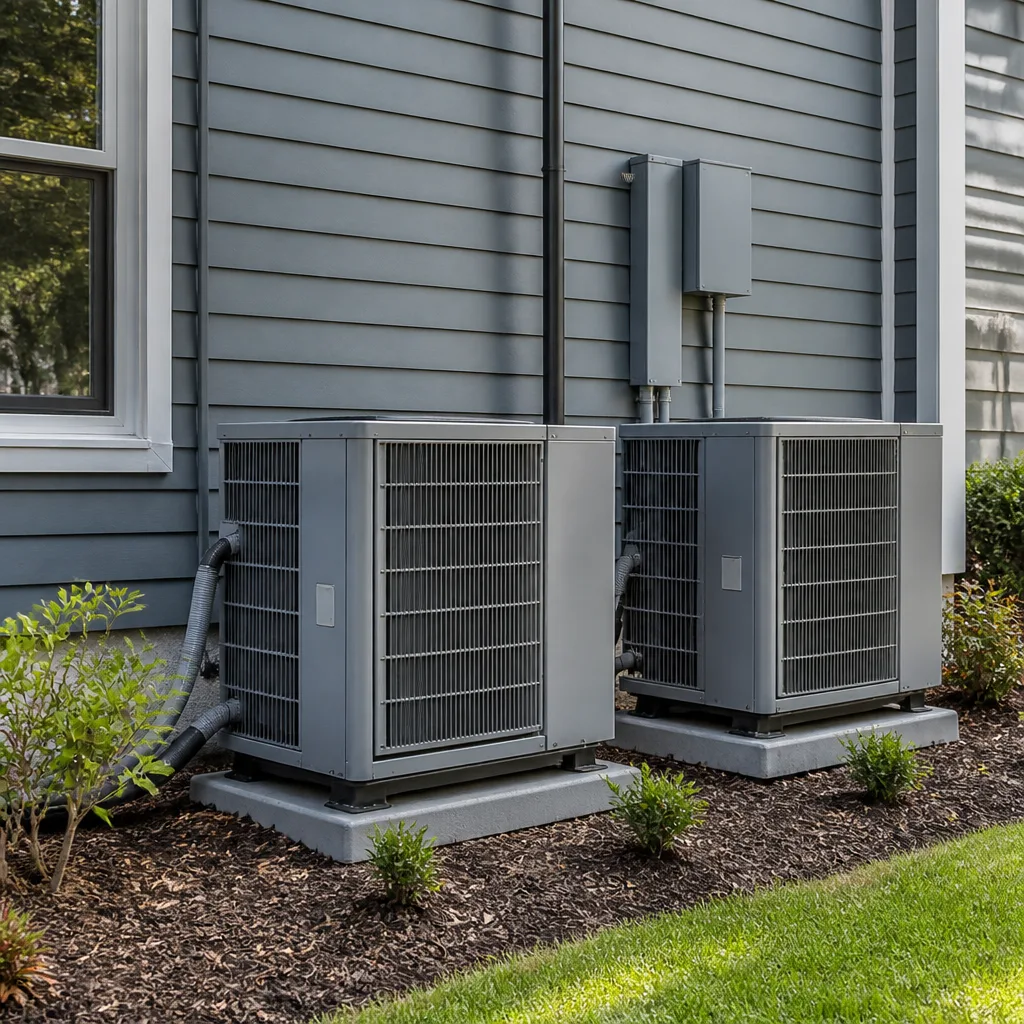 Heat pumps
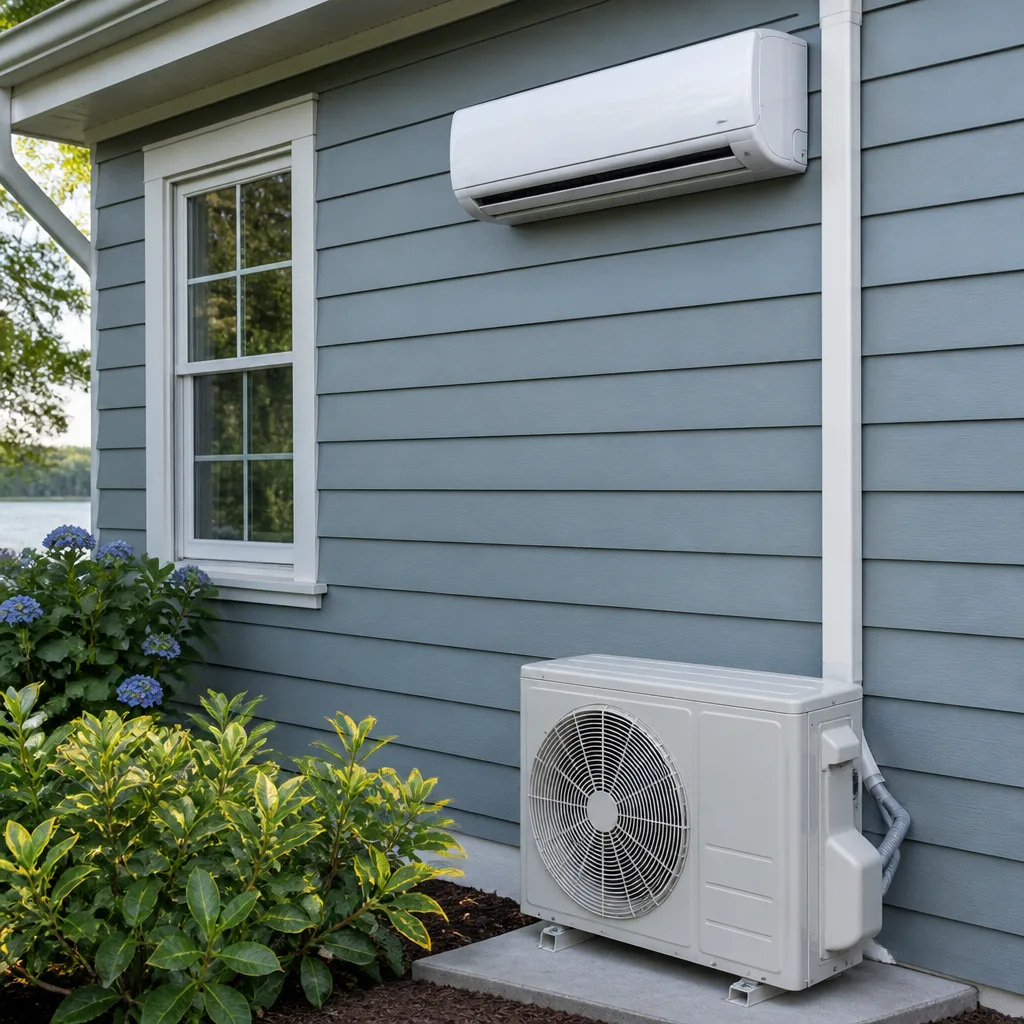 Ductless mini splits
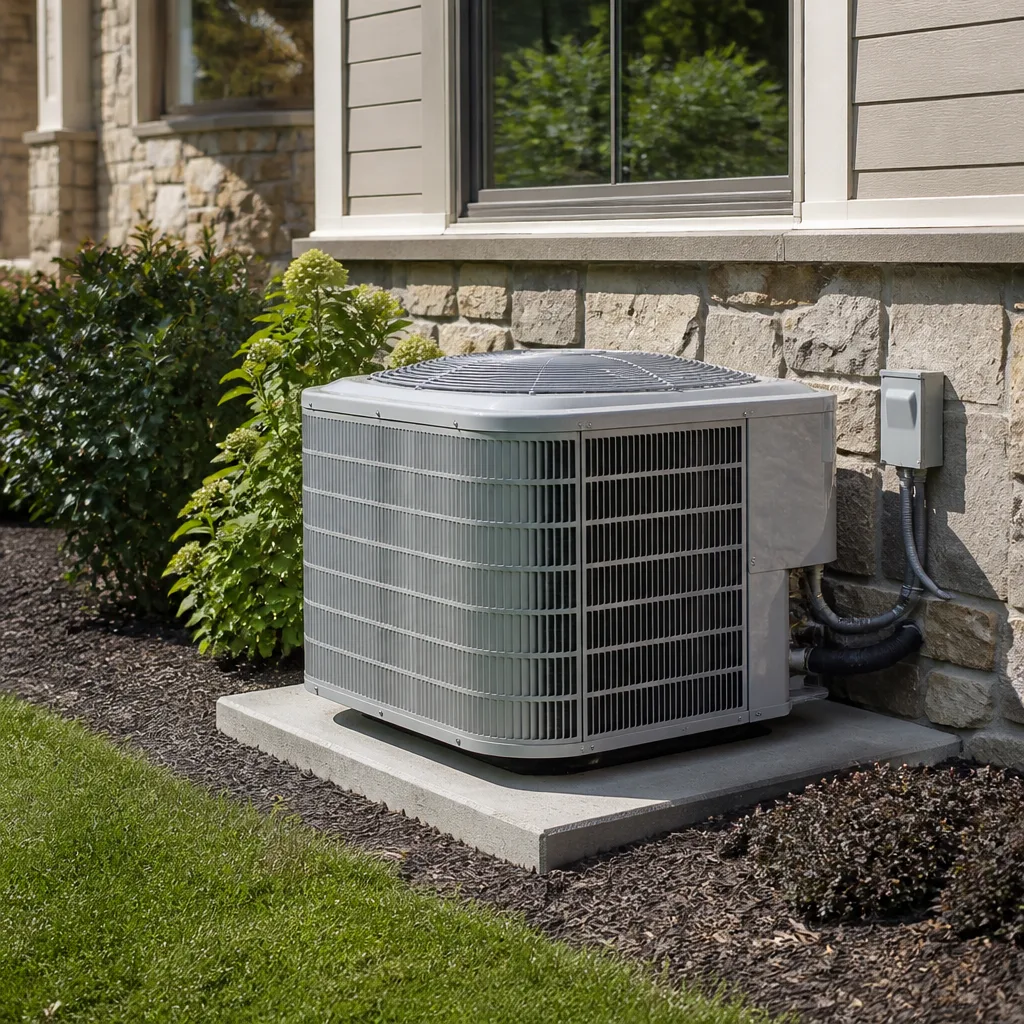 Carrier
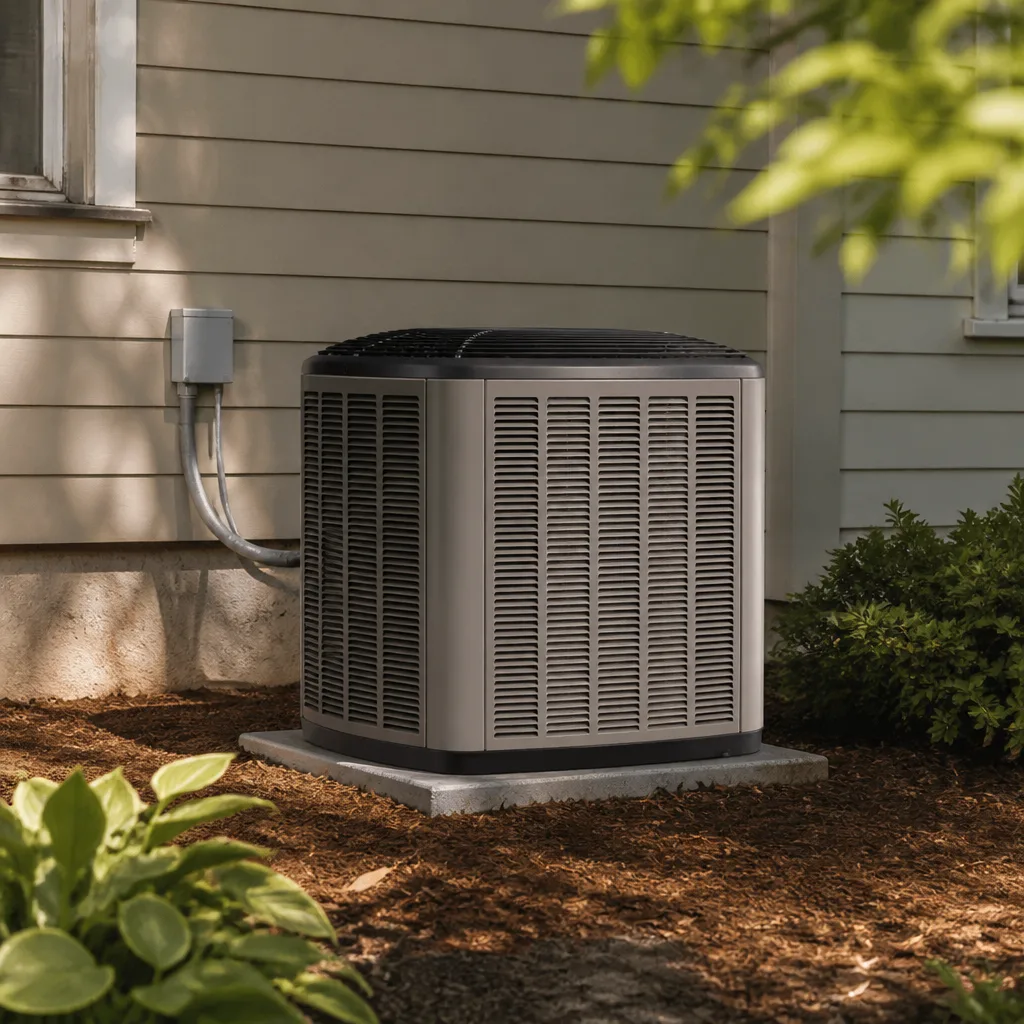 Trane
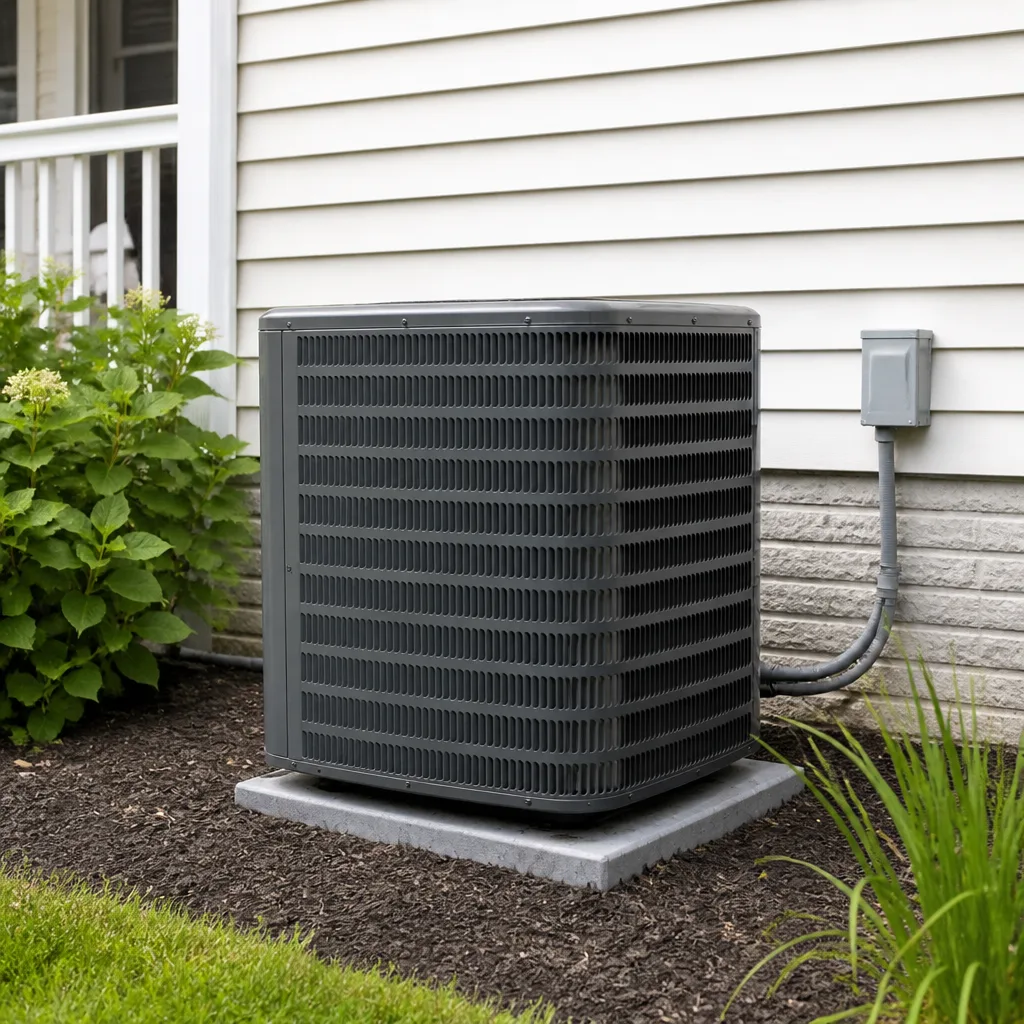 Goodman
Seasonal tune-up and full diagnostic on your Carrier, Trane, or Goodman system - readings shown to you before any repair is proposed
Diagnosis first, numbers second - you approve the repair price before a single part goes in.
Get your free estimateAC Repair & Installation Maintenance Checklist for Boulder City Homeowners
A capacitor that tests fine in March can fail by June 15th in Boulder City. Not because it was missed on a checklist, but because nobody on that checklist told you that sustained 110°F ambient temperatures accelerate capacitor degradation at a rate a standard annual service visit doesn’t account for. Most maintenance guides are written for a theoretical average climate. This one isn’t. It’s built around the actual sequence of stress events a Boulder City air conditioner faces from April pre-season through October shutdown, ranked by the order in which failures really occur here. You’ll learn what to check, when the timing matters, and how to tell a maintenance visit that protects your warranty from one that just leaves a sticker on the unit.
Quick Answer
An AC maintenance checklist for Boulder City should be timed to desert heat, not a generic spring-and-fall calendar: a pre-season visit in April, a mid-summer capacitor and refrigerant check in June or July, condensate drain attention before and during monsoon weeks, and a coil and drain flush after October shutdown. The tasks that protect your warranty are the documented ones on a written report, not a sticker on the condenser.
Styles & brands we work with
- AC repair
- Furnace & heating
- Heat pumps
- Ductless mini splits
- Carrier
- Trane
- Goodman
Table of Contents
- Why a Boulder City AC Ages on a Different Clock
- The Month-by-Month Boulder City Maintenance Calendar
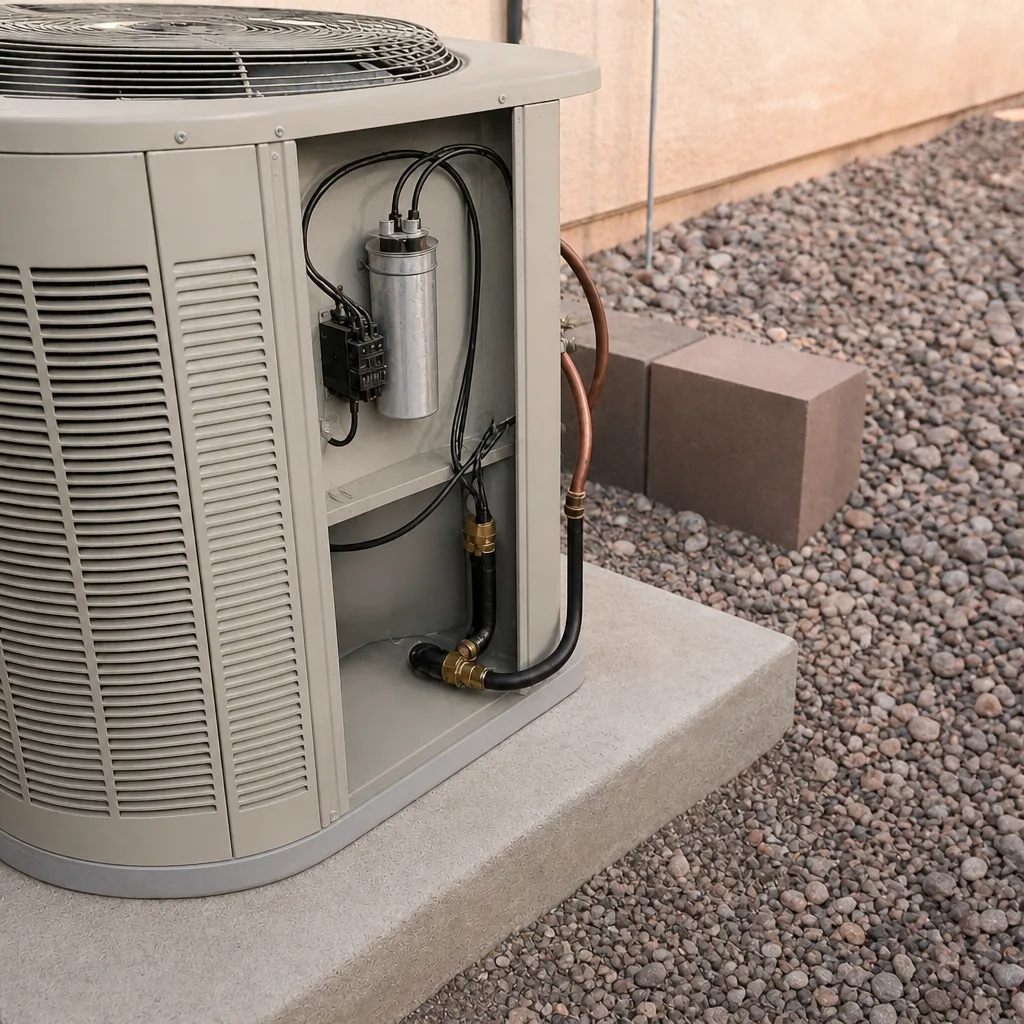
- Outdoor Unit Checks When the Condenser Faces South or West
- Condensate Drains and the Monsoon Transition
- Refrigerant Charge: What You Can Ask a Technician to Show You
- How a Visit Resets Your Warranty Clock (or Doesn’t)
- Repair or Replace: Straight Talk for Boulder City Homes
Why a Boulder City AC Ages on a Different Clock
Boulder City sits at roughly 2,400 feet against the River Mountains, and that elevation plus the dry desert air changes what stress your system actually sees. Daytime highs in July and August regularly pass 105°F, and the outdoor condenser has to shed heat into air that’s already hotter than most equipment was rated against. A unit rated to 95°F ambient is working past its design point for weeks at a time here. That’s why components fail in Boulder City on a different schedule than the same equipment would in a milder climate.
The alkali dust that blows off the open desert around Boulder City makes it worse. That fine, alkaline dust packs into condenser coil fins and hardens once it mixes with the small amount of moisture from spring rain or monsoon humidity. A coil that looks “a little dirty” in a photo can be choked enough to raise head pressure and shorten compressor life. Standard annual service intervals weren’t designed for a place where the coil fouls this fast, which is why the calendar below splits the year more finely than a generic fall tune-up.
We’ve seen this pattern repeat across Boulder City neighborhoods, from the older homes near the historic district to the newer builds out toward the dry lake bed. The equipment is often fine. The schedule is what’s wrong. Get the timing right and you stop paying for emergency calls in August.
The Month-by-Month Boulder City Maintenance Calendar
This calendar is the core of the guide. It’s mapped to Boulder City’s real temperature curve, not a generic spring/fall split. Treat it as a sequence of stress events: each task is timed to land before the stress that follows it.
- March: Visual walk-around. Clear winter debris from around the condenser, check the pad for settling, confirm the disconnect box is intact. Note the capacitor’s install date if it’s marked.
- April, before the first 100°F day: Pre-season service. Coil cleaning, refrigerant charge verification, capacitor and contactor testing, blower and filter check, thermostat calibration. This is the visit that matters most.
- Late May: Replace the filter if you haven’t, and confirm the condensate drain is flowing freely before the dry heat sets in.
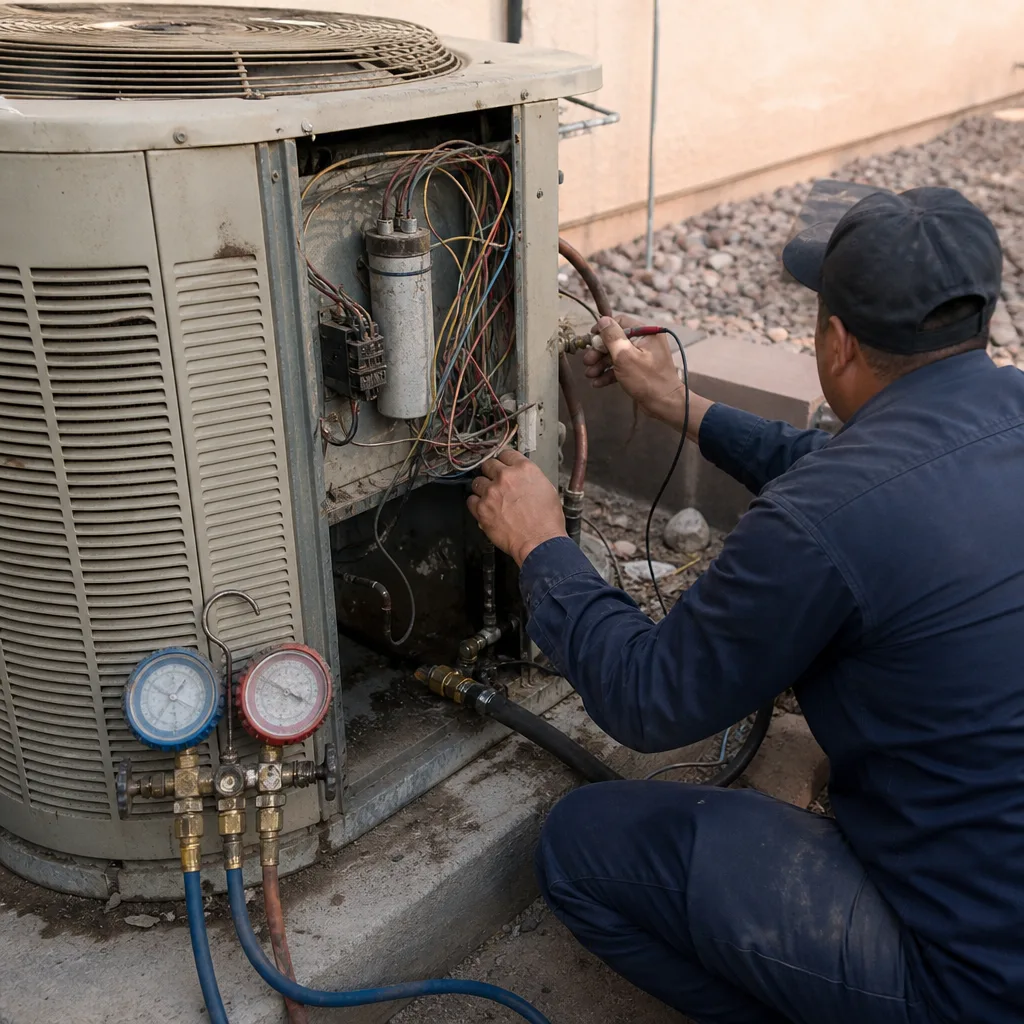
- June to July: The mid-summer capacitor and electrical check. This is the single highest-value task in Boulder City. Sustained heat degrades capacitors faster here than most annual plans assume.
- July to September, monsoon transition: Watch the condensate line and drain pan closely. More on this in its own section below.
- October, after shutdown: End-of-season coil flush, drain clearing, and a written record of the system’s condition so next April starts from a known baseline.
If your system is a heat pump that also handles winter, the “shutdown” step becomes a changeover inspection instead. Our Heat Pump & Mini Split in Boulder City guide covers the reversing-valve and defrost checks that a straight AC calendar doesn’t.
Outdoor Unit Checks When the Condenser Faces South or West
Where the outdoor unit sits on your lot matters more in Boulder City than in most places. A condenser on the south or west wall takes direct afternoon sun on top of already-extreme air temperatures, and it can’t reject heat as effectively. That combination is a common thread in the failures we see. Here’s what a technician should be looking at on an exposed unit during a maintenance visit, and what you can reasonably check yourself.
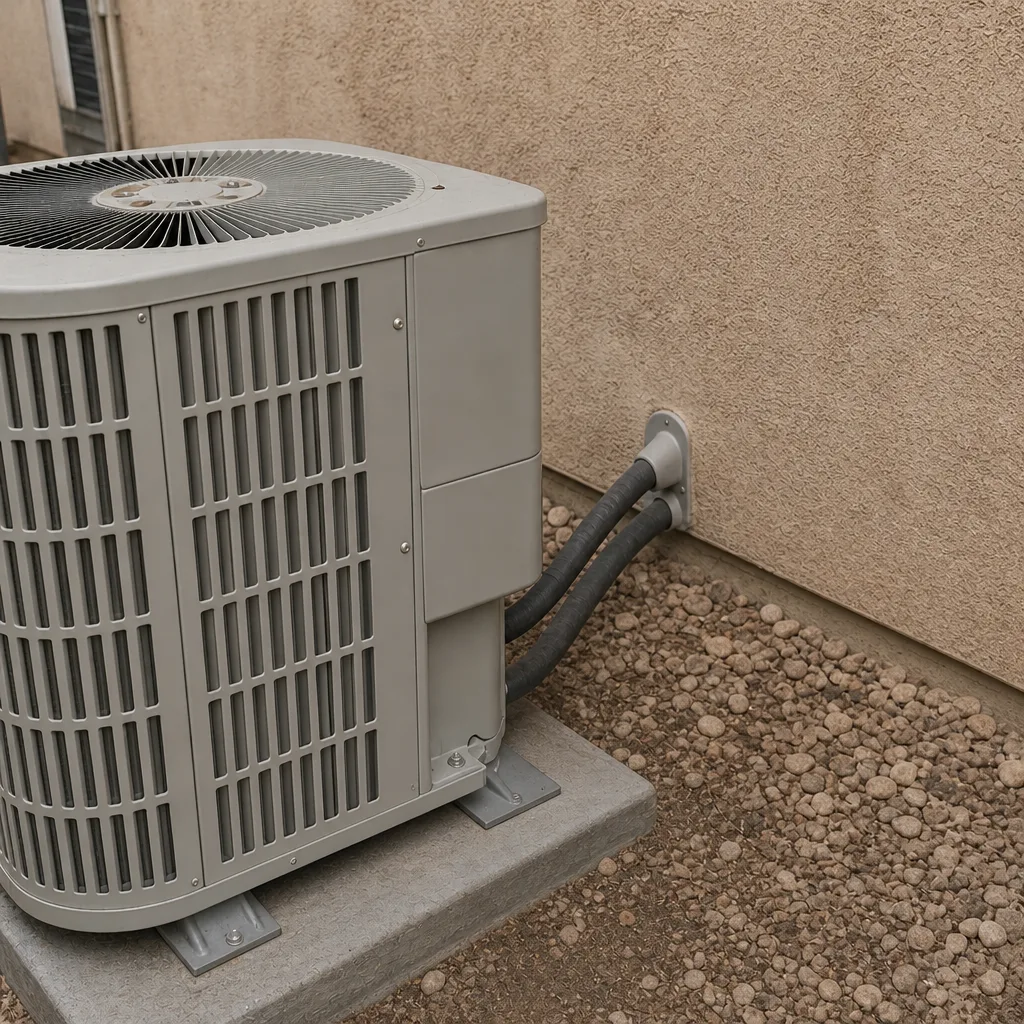
- Clearance: At least two feet of open space around and above the unit. Boulder City homeowners often let oleander or desert landscaping creep in over a few seasons, and restricted airflow alone can push a system toward failure.
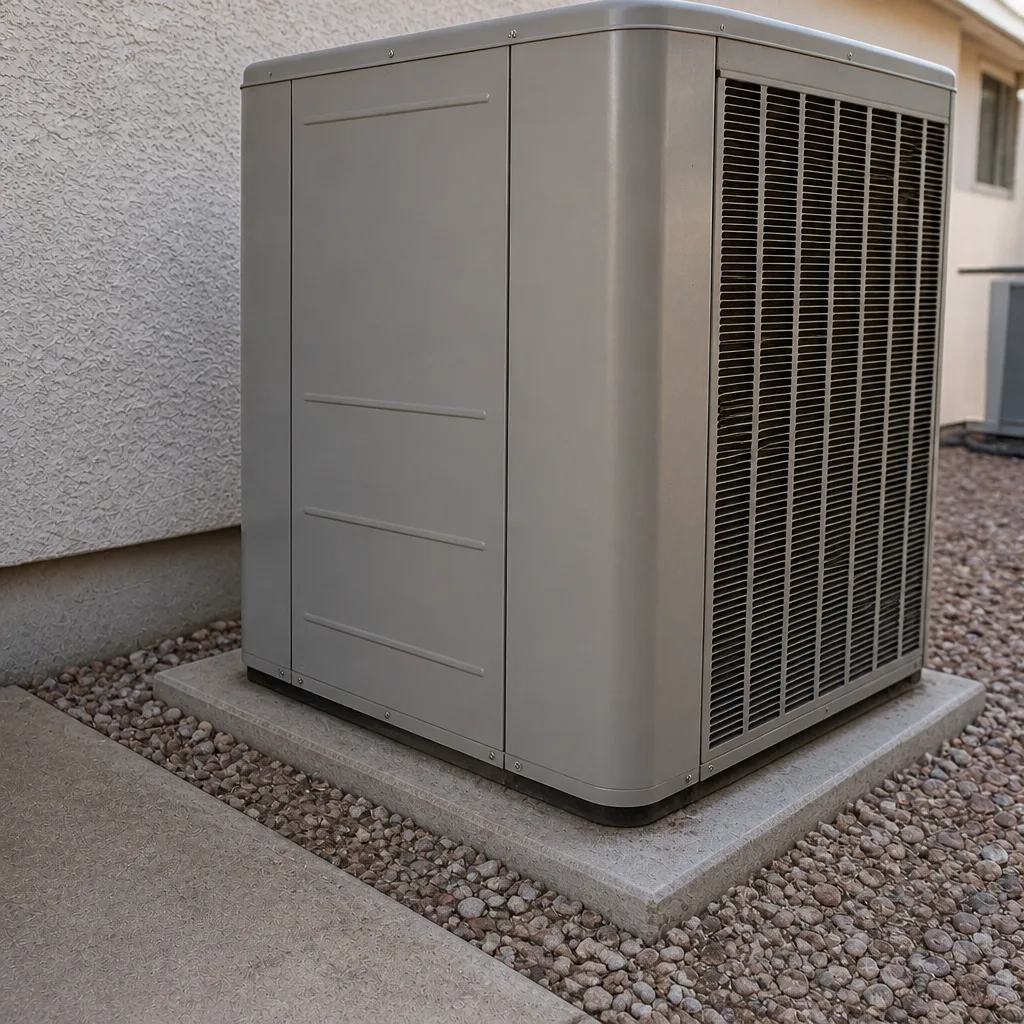
- Coil condition: Fins should be clean and straight, not packed with alkali dust. A rinse is a routine part of a maintenance visit in a desert environment; a deep chemical clean is a separate task when the coil is fouled.
- Shade: A shade screen or a well-placed tree can lower the air temperature the unit pulls in. It won’t fix a failing system, but on an exposed south-facing install it buys some margin in July.
- Pad and level: Expanding and shifting desert soil can tilt the unit. An uneven pad stresses the compressor mounts and the refrigerant lines.
- Line set insulation: The insulated lines running from the condenser to the house should be intact. Sun-baked, cracked insulation in Boulder City is common and costs you efficiency.
Keep the walk-around honest but safe: look, don’t take the panels off. The condenser holds high-voltage wiring and a capacitor that can hold a charge even after power is cut. That’s a job for trained hands.
Condensate Drains and the Monsoon Transition
It sounds counterintuitive to make condensate maintenance a higher priority in a dry desert. But in Boulder City it belongs near the top of the list, for a specific reason: the transition weeks when monsoon moisture arrives after months of parched air. During the dry stretch, drain lines and drain traps can dry out and collect dust and algae film. Then the humidity climbs suddenly and the system starts producing condensate again, and a partially blocked line backs up fast. The result is water where it shouldn’t be: in the drain pan, past the pan, and into ceilings or closets.
The fix is timing. Clear and check the primary drain line and the float switch in late May and again as monsoon moisture builds. If the system has a secondary drain or a float switch that shuts the unit off when the pan fills, confirm it actually trips. A float switch that’s stuck closed is a false sense of security. Many of the water-damage calls we handle in Boulder City trace back to a drain that was clean in spring and plugged by late summer. Call AC Repair & Installation in Boulder City if you’re seeing water near the indoor unit now; a backed-up drain is an easy fix caught early and a drywall repair caught late.
Refrigerant Charge: What You Can Ask a Technician to Show You
Refrigerant isn’t a fuel that gets “used up” in a sealed, properly working system. If the charge is low, refrigerant has leaked out, and the only correct answer is to find the leak, not to top it off and hope. This is where a lot of homeowners get taken advantage of, so it’s worth knowing exactly what you can legitimately ask a technician to demonstrate.
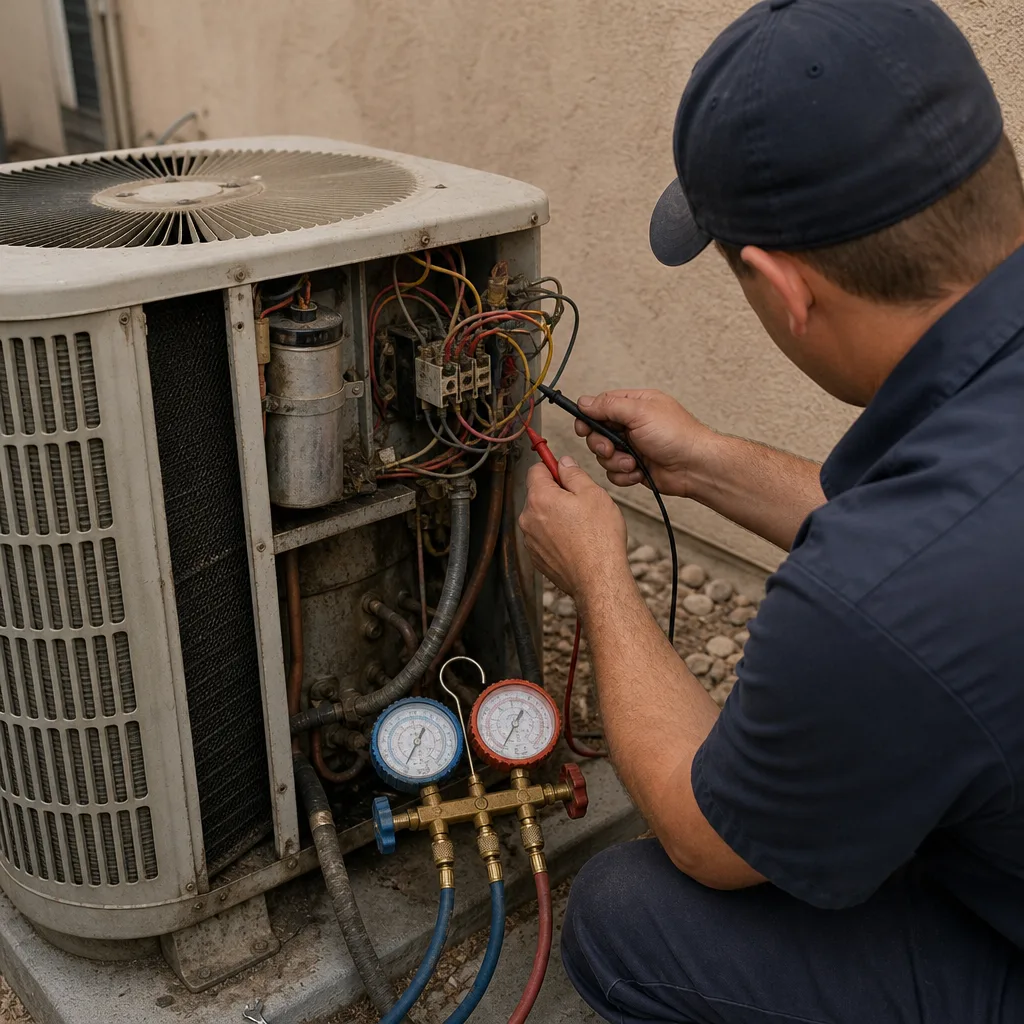
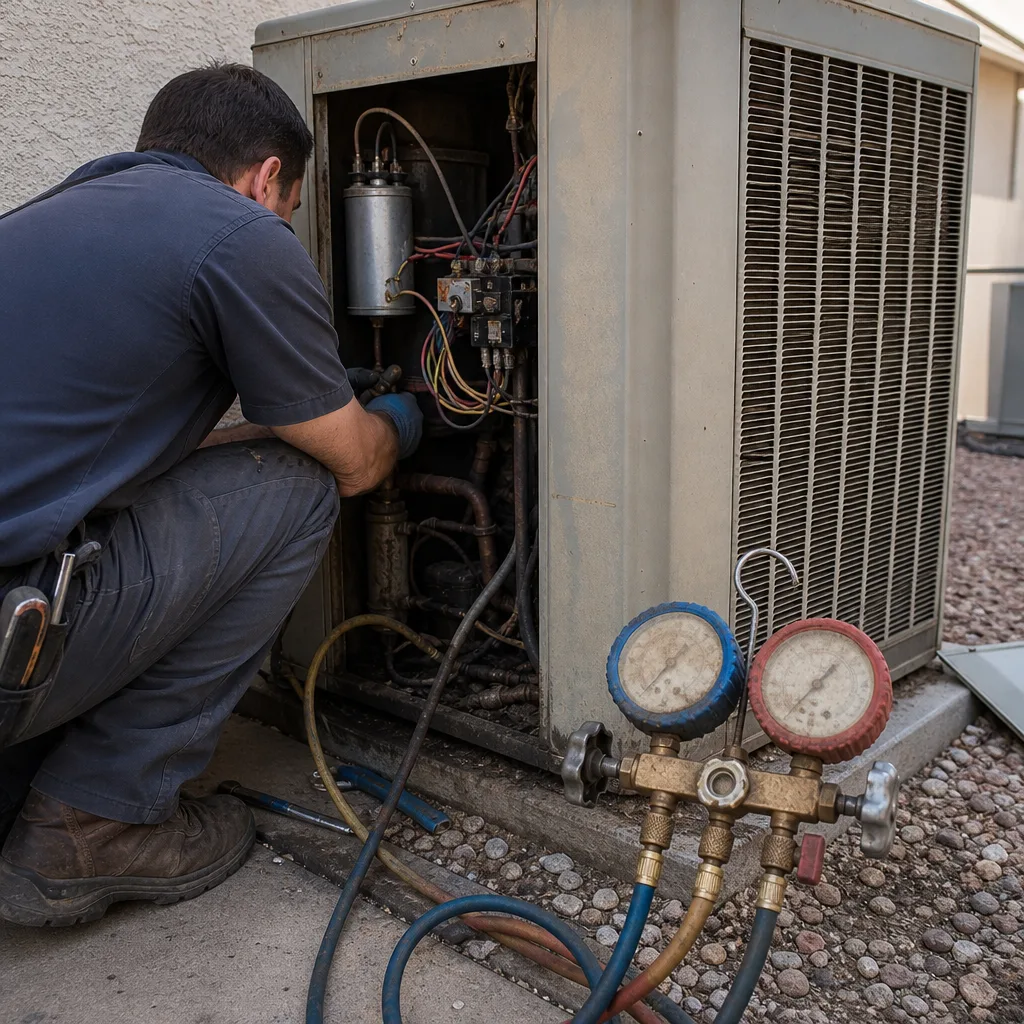
You can ask them to show you the readings they took: the suction and liquid line pressures, the superheat or subcooling calculation, and the outdoor ambient temperature at the time. A technician verifying charge in Boulder City on a 108°F day should be accounting for that ambient temperature in the reading, because charge verification methods assume a range of conditions and extreme heat skews the numbers. You can also ask whether they measured superheat or subcooling and what it showed.
What you should not do is add refrigerant yourself, or accept a “topped off” charge with no leak search. Refrigerant handling requires EPA certification, recovery equipment, and gauges, and it’s regulated for good reason. Ozone-depleting and high-pressure refrigerants handled wrong are a safety and environmental problem, not a YouTube project. A technician who respects the work will explain the leak test result and give you a written record. That’s the standard we hold to, and it’s fair to ask any company for the same.
How a Visit Resets Your Warranty Clock (or Doesn’t)
Here’s a distinction most checklists skip entirely. There are two kinds of maintenance visits, and only one of them protects your manufacturer’s warranty. Manufacturer warranties, including those on Carrier, Daikin, and American Standard equipment, typically require periodic professional maintenance and documented proof of it. A visit that produces a sticker and a handshake may satisfy nobody if you file a claim later.
A warranty-protecting visit produces a written record: what was checked, what the readings were, what was found, and the date. That report is your evidence if the compressor fails in year eight and the manufacturer asks whether the system was maintained. It’s also how you or your next service company knows what the baseline looked like the year before.
- A real maintenance visit: written report, measured readings, filter record, coil and drain status, list of anything trending toward failure.
- A sticker visit: a filter swap and a sticker. No measurements, no record you can keep.
When you book maintenance, ask what documentation you’ll receive. If the answer is vague, that tells you something. We put what we found in writing, which is how the Fireside Heating & Air Co. Boulder City home approach works. And when a system also heats, the furnace side needs its own record, covered in our Heating & Furnace in Boulder City guide.
Repair or Replace: Straight Talk for Boulder City Homes
The honest answer is that it depends on age, refrigerant type, and how the system has behaved through a full Boulder City summer. A unit that’s 12 to 15 years old, running older refrigerant, and has needed two repairs in the last two summers is usually a replacement conversation. A 10-year-old system with one failed capacitor is a repair. Extreme heat shortens equipment life, so a Boulder City unit at 12 years may be closer to the end than a 15-year-old unit in a milder climate.
The question we get most is whether to put money into a fix or a new system. Two things help you decide: a written repair quote with the age and condition of the unit on it, and a second opinion if the first quote pushes replacement hard on a system that’s only mid-life. A free second opinion on any written estimate makes that easy. Straight talk about repair versus replace means telling you when a repair is the right call, even when a new system would pay us more. That’s the only version of the conversation worth having.
Common Mistakes to Avoid
- Treating maintenance as a once-a-year event. In Boulder City’s heat, a single spring visit won’t catch a capacitor that degrades by mid-July. The mid-summer check is the one annual plans usually drop.
- Letting the condenser coil cake with dust. Alkali dust and desert grit pack in fast here. A choked coil runs hot and shortens compressor life. Coil condition needs checking more than once a season.
- Ignoring the drain until water shows up. A condensate line that’s fine in spring can plug during the monsoon transition. Check it before and during the humid weeks, not after the ceiling stains.
- Accepting a “top-off” of refrigerant. Low refrigerant means a leak, and a proper technician finds the leak and documents the test. Topping off without a leak search hides the real problem.
- Letting landscaping crowd the unit. Desert shrubs and trees grow into the clearance zone over a few seasons. Two feet of open space around and above the condenser is the minimum, and it’s easy to lose without noticing.
- Settling for a sticker instead of a report. A maintenance visit without written readings and findings does little for your warranty record. Ask for the documentation up front.
- Shading the wrong side of the house. Adding shade is good; blocking airflow to a west-facing condenser with tight fencing or a solid screen is not. Shade the sun, not the intake.
See the difference
 Before
 After
 Before
 After
 Before
 After
When to Call a Professional
Call a professional when the system isn’t cooling, when you hear a clicking or buzzing from the outdoor unit that never settles, when the breaker trips, or when you find water near the indoor unit. Call when the fan runs but the air is warm, or when the system short-cycles on hot afternoons. And call for any task that involves opening electrical panels, testing capacitors, or handling refrigerant; those are genuinely dangerous and require trained, licensed hands. A capacitor that holds a charge and a live disconnect are not homeowner projects. Fireside Heating & Air Co. Boulder City offers free estimates in Boulder City. Call (844) 312-0133 and we’ll be there when we say.
Frequently Asked Questions
At least twice a year in Boulder City: a pre-season service in April before the first 100°F days, and a mid-summer capacitor and electrical check in June or July, plus a condensate check during the monsoon transition. The extreme heat here accelerates component wear faster than a single annual visit accounts for, which is why two well-timed visits beat one generic tune-up. Call (844) 312-0133 to schedule a seasonal tune-up.
Sustained temperatures above 105°F degrade capacitors faster than milder climates do, so a capacitor that tested fine in spring can fail by mid-summer in Boulder City. Heat is the main driver, and a unit that sits in direct afternoon sun on a west or south wall sees the worst of it. If yours keeps failing, ask a technician to check the unit’s operating temperature and airflow, not just the capacitor itself. Call (844) 312-0133 for a check.
No. Refrigerant handling requires EPA certification, recovery equipment, and gauges, and low refrigerant always means a leak that needs to be found. Topping off a charge hides the problem and does nothing for the leak. A proper technician finds the leak, documents the test, and explains the result. Call (844) 312-0133 for an honest diagnosis.
A warranty-protecting visit gives you a written report with measured readings, findings, and the date, because manufacturer warranties typically require documented professional maintenance. A visit that only leaves a sticker doesn’t give you that record. Ask what documentation you’ll receive before you book. Call (844) 312-0133 to schedule a documented tune-up.
Yes. The fine alkaline dust that blows in from the open desert packs into condenser coil fins and hardens when it mixes with moisture, which restricts airflow and raises system pressure. That’s why coil cleaning belongs on the Boulder City checklist more often than a standard annual plan calls for. Call (844) 312-0133 if your coil looks fouled.
Repair a mid-life system with a single failed part; consider replacement for a 12-to-15-year-old unit that’s needed repeated repairs, especially on older refrigerant. Extremely hot summers shorten equipment life in Boulder City, so age alone isn’t the whole story. Get a written quote and a free second opinion before deciding. Call (844) 312-0133 for a straight answer.
The Bottom Line
The right maintenance checklist for Boulder City isn’t a generic spring-and-fall plan. It’s timed to desert heat: April pre-season service, a June or July capacitor and electrical check, condensate attention through the monsoon transition, and an October coil and drain flush. The tasks that matter most are the ones a standard annual visit skips, and the report you keep matters as much as the service itself. Done right, or we make it right, and the price quoted is the price paid. That’s how a Boulder City system makes it through summer without an emergency call in August.
When you’re ready to get on a schedule that fits Boulder City’s climate, or if something is already failing, call us at (844) 312-0133 for a free estimate. A live person answers every call, nights and weekends included.
Written by the team at Fireside Heating & Air Co. Boulder City.