
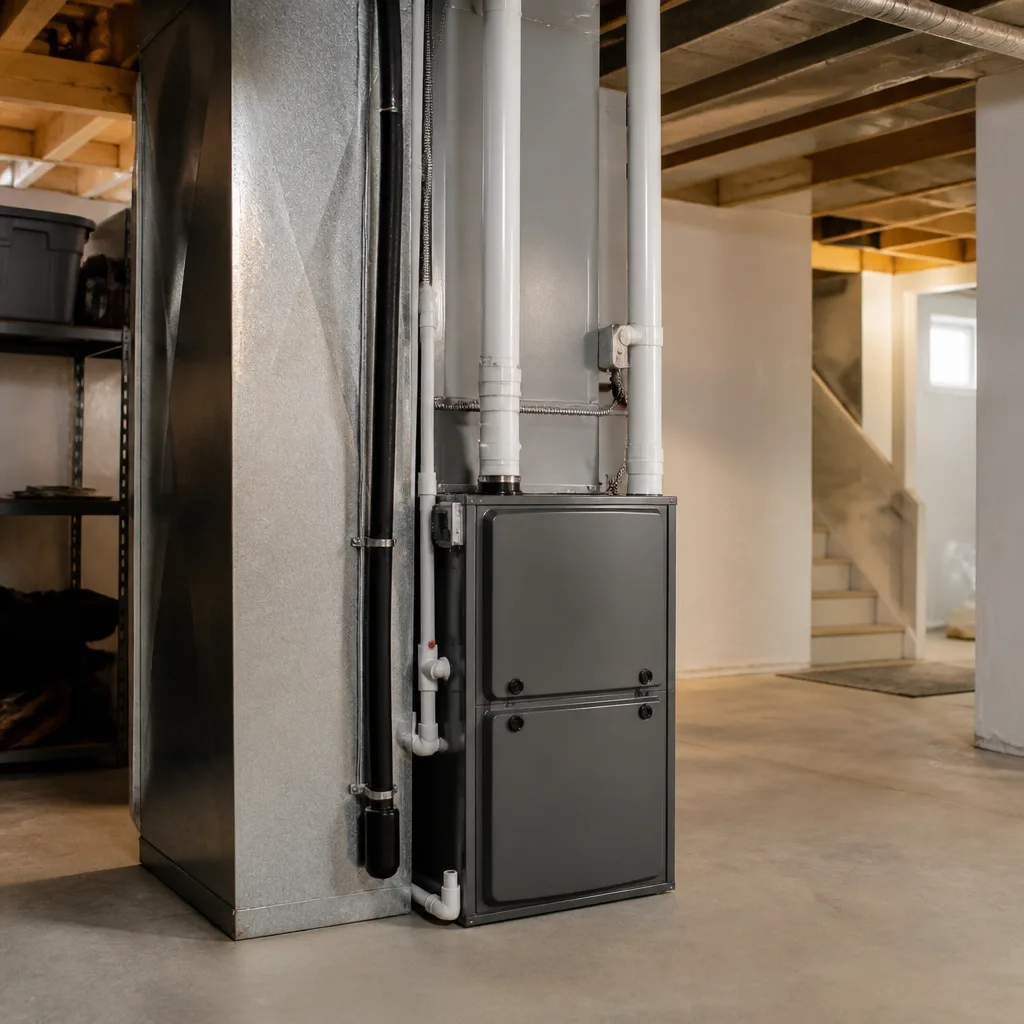
 Furnace & heating
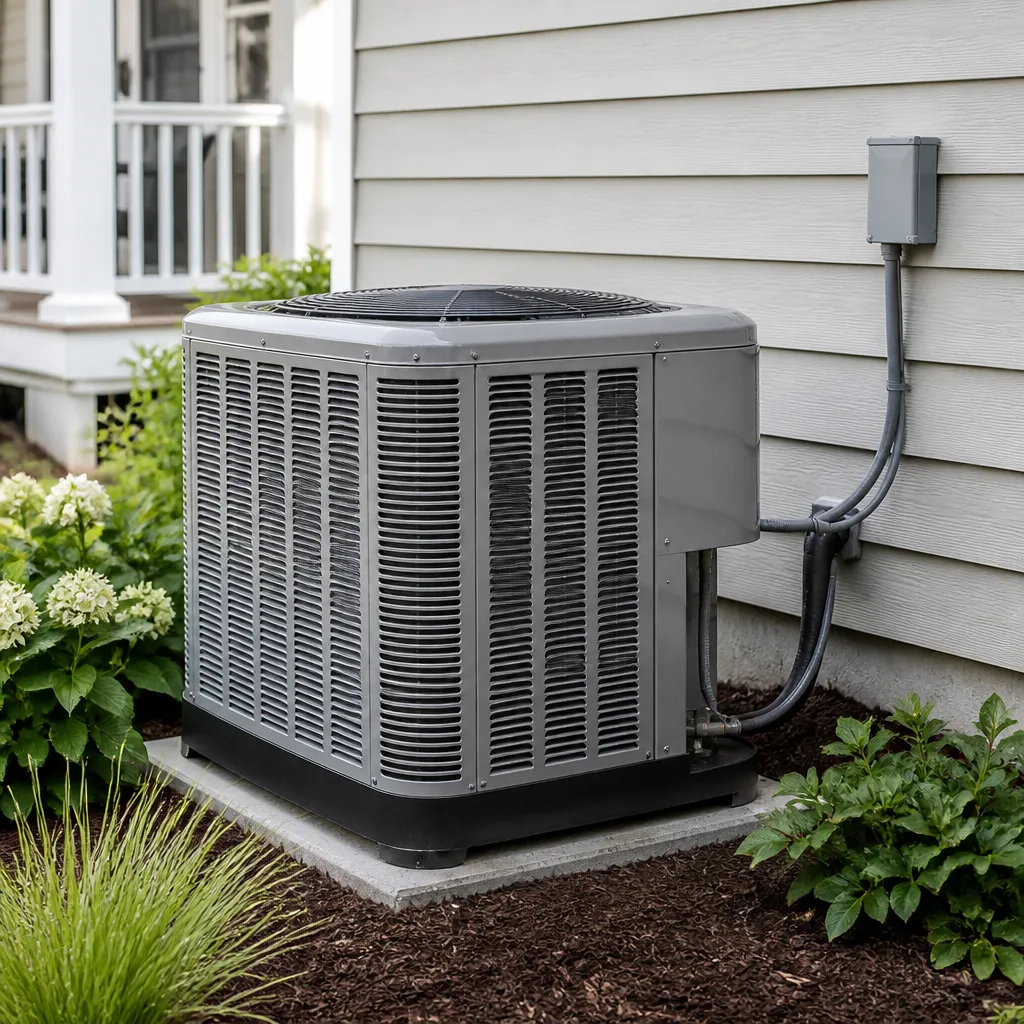 AC repair
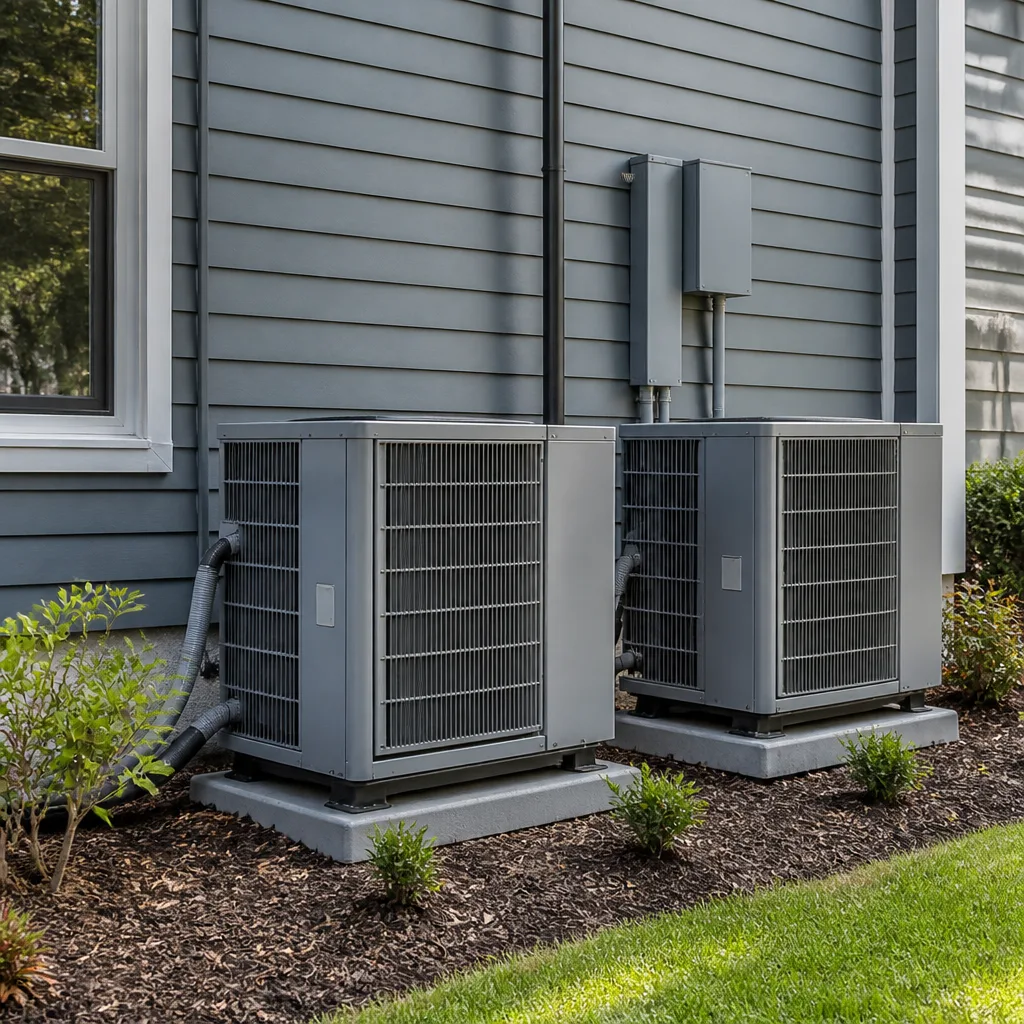 Heat pumps
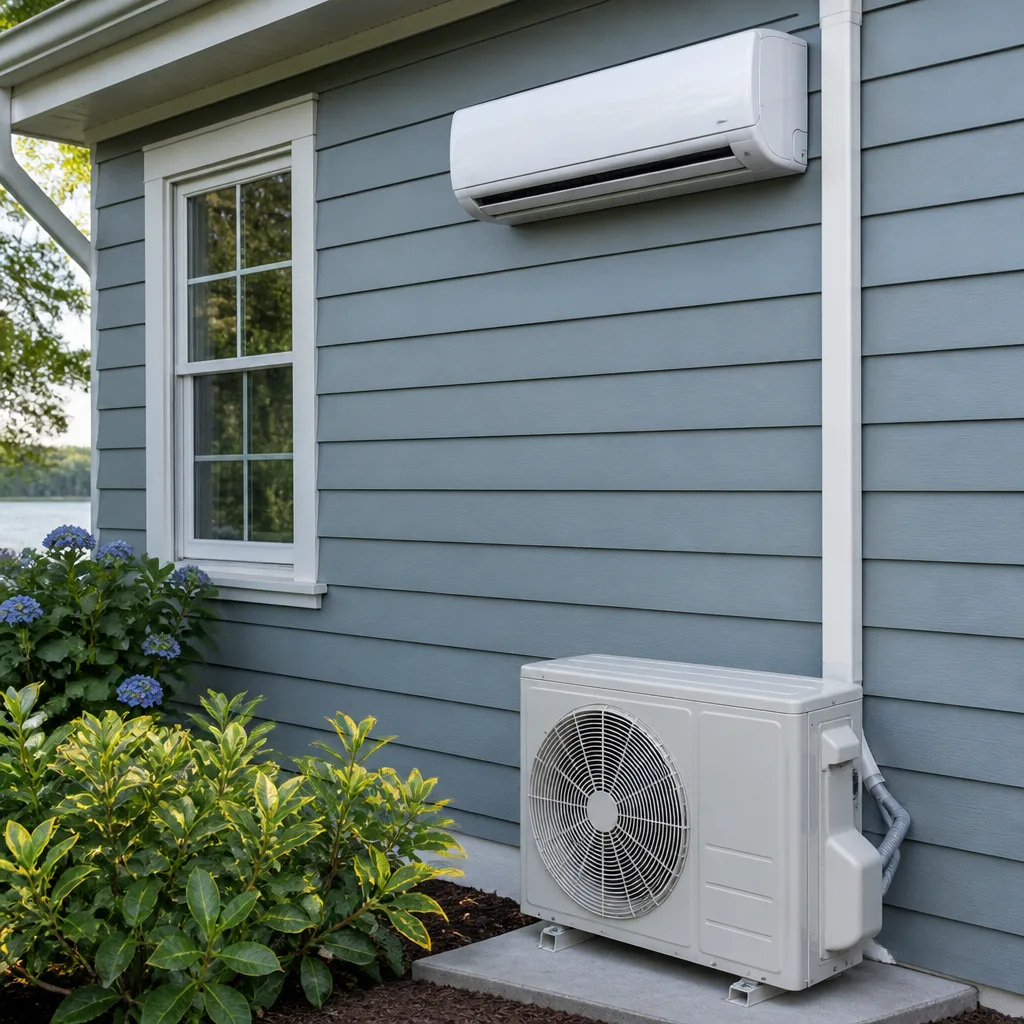 Ductless mini splits
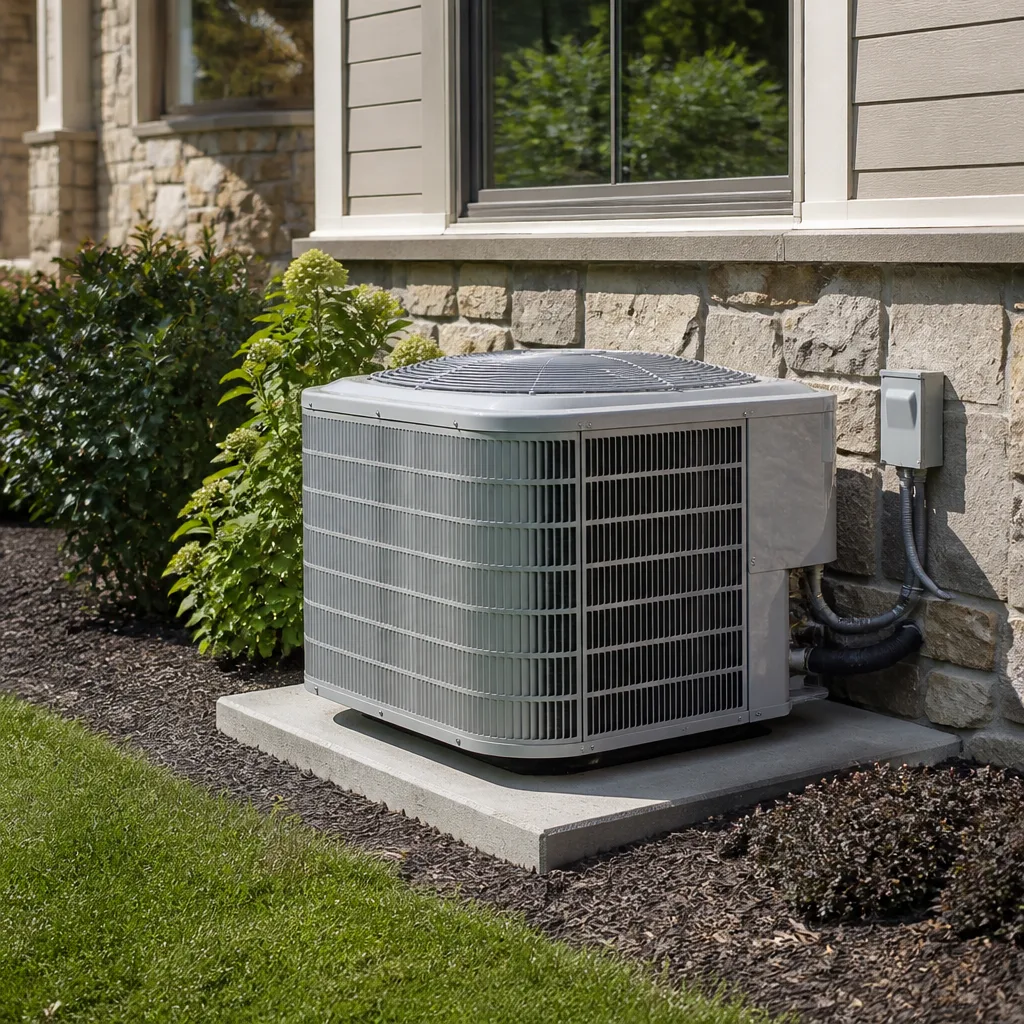 Carrier
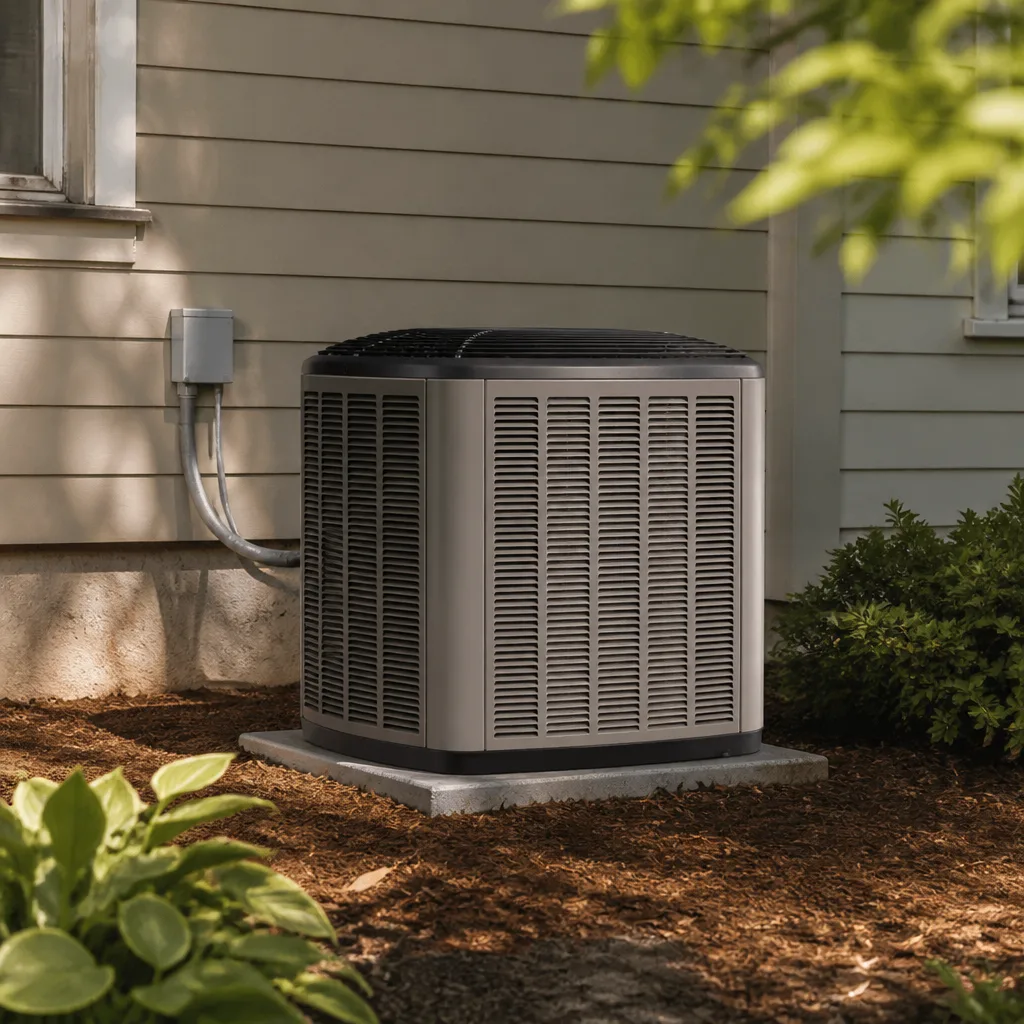 Trane
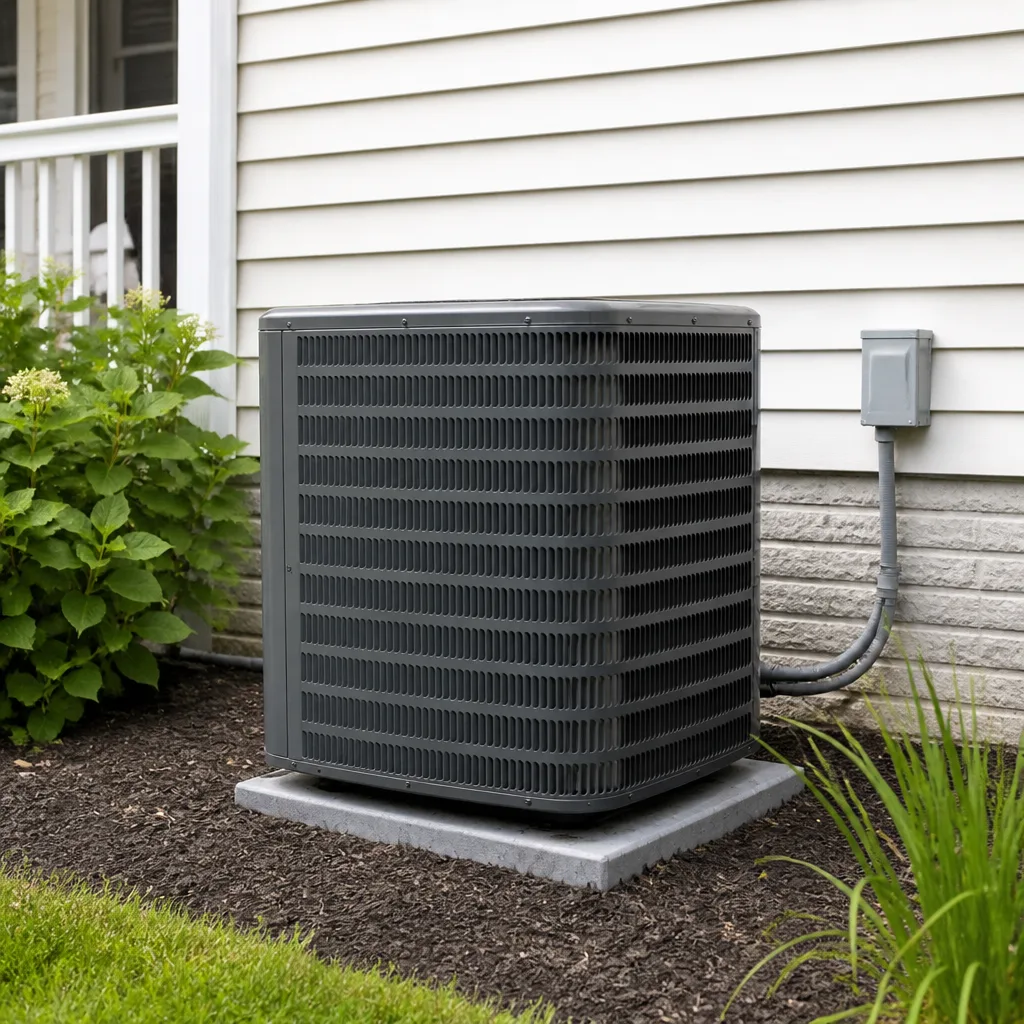 Goodman
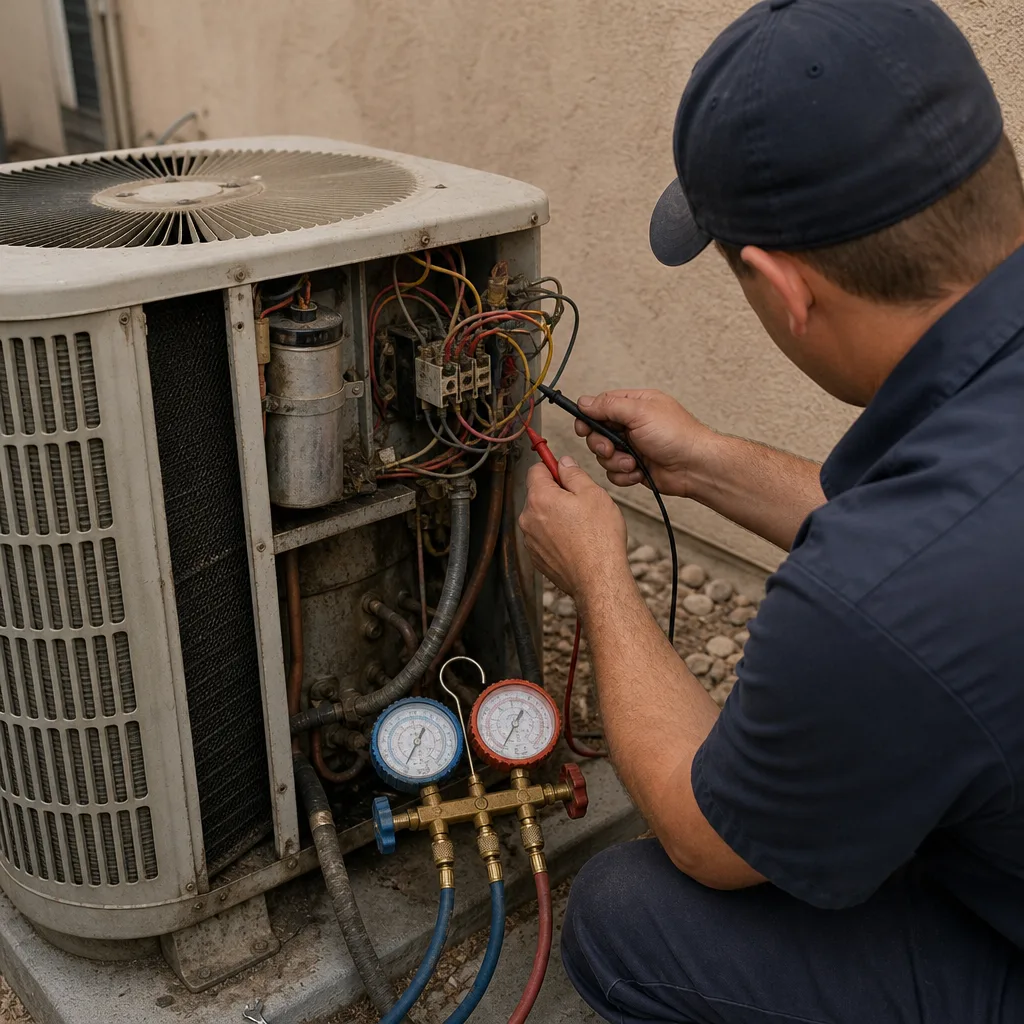
Seasonal tune-up and full diagnostic on your Carrier, Trane, or Goodman system - readings shown to you before any repair is proposed
Diagnosis first, numbers second - you approve the repair price before a single part goes in.
Get your free estimateStyles & brands we work with
- AC repair
- Furnace & heating
- Heat pumps
- Ductless mini splits
- Carrier
- Trane
- Goodman
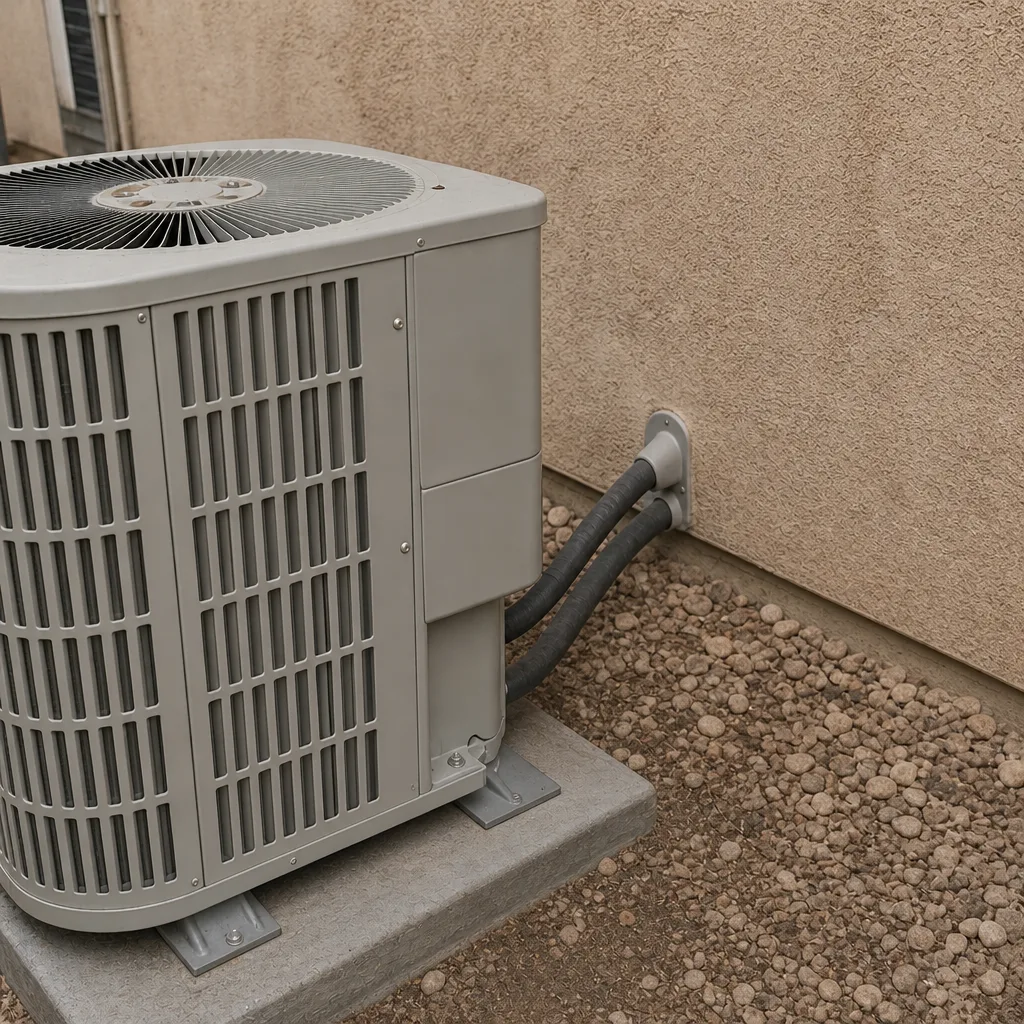
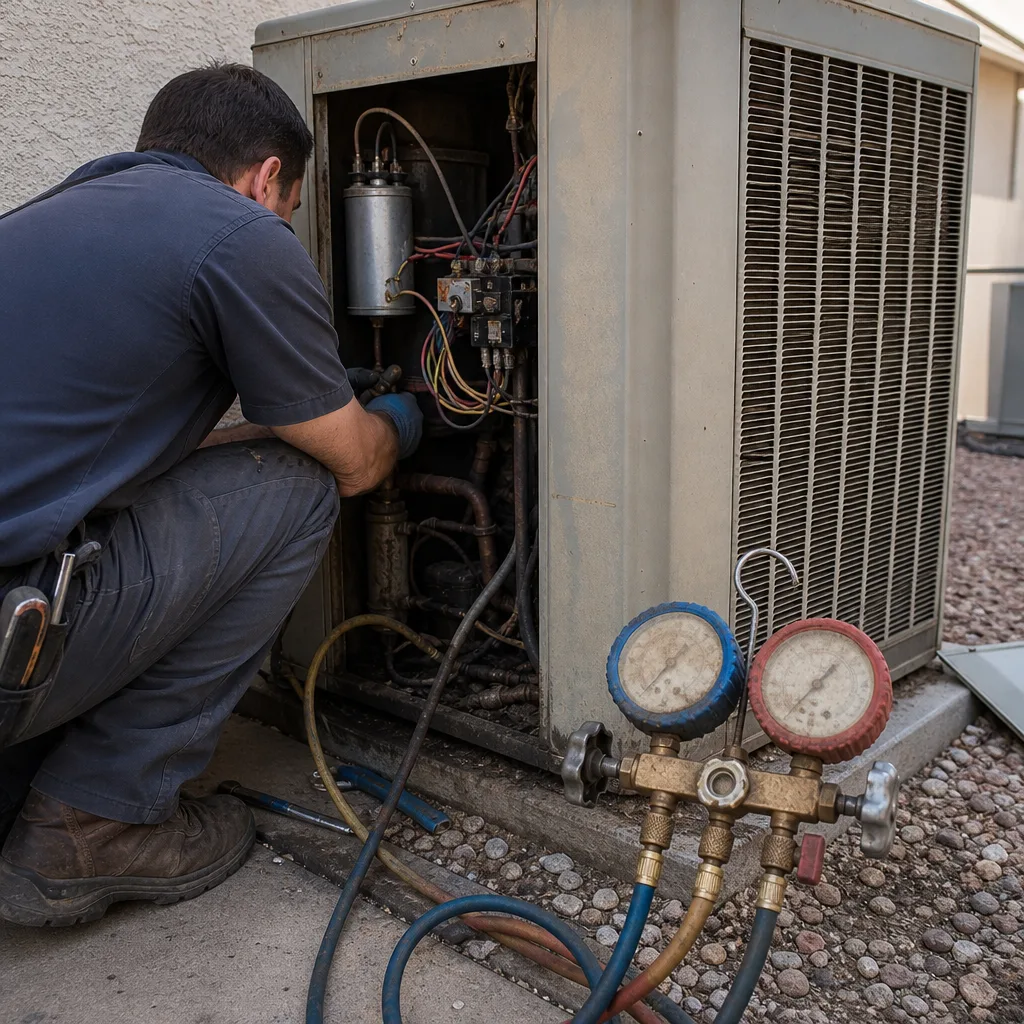
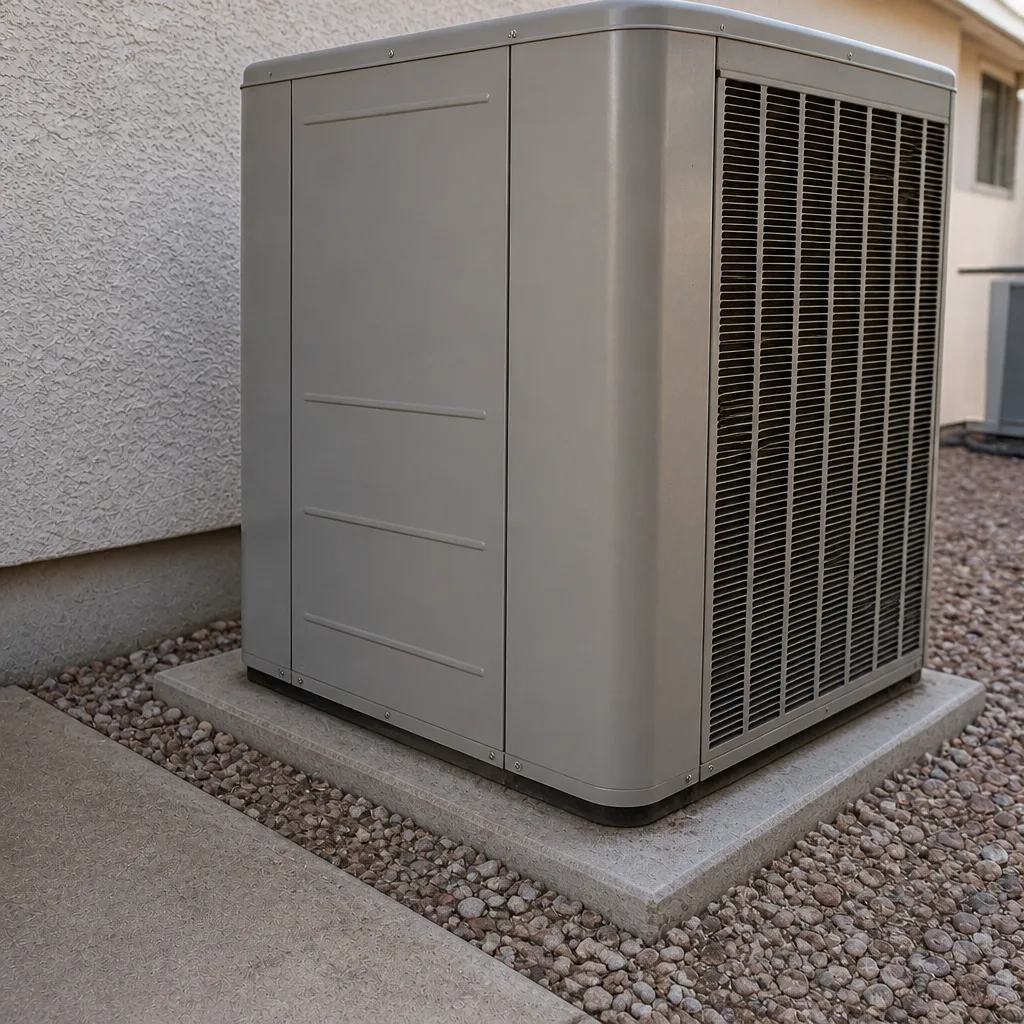
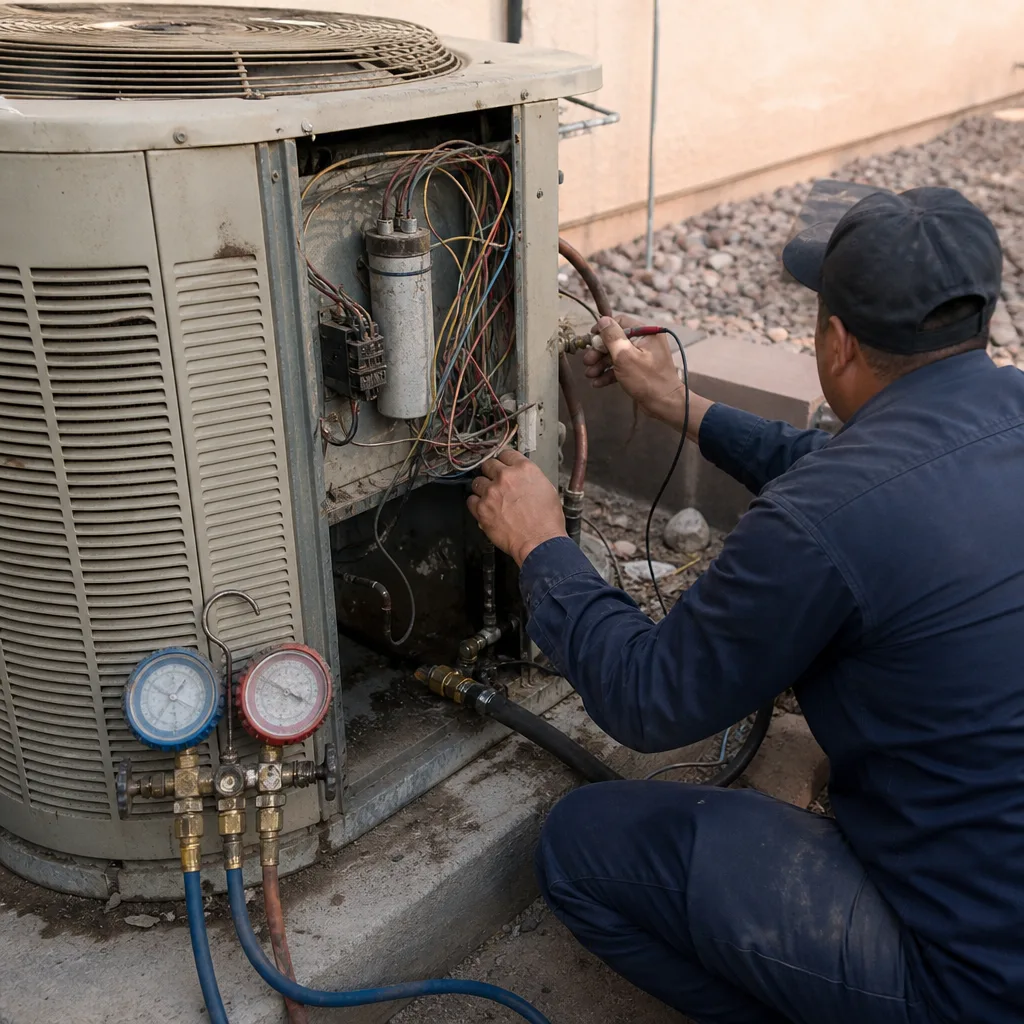
See the difference
 Before
 After
 Before
 After
 Before
 After
How Long Does a Furnace Last in Boulder City, NV? The Answer Depends on Where It Sits
A furnace in Boulder City typically lasts 15 to 25 years, but where it’s installed matters more than how many hours it runs. The same Trane or Lennox unit that reaches 22 years in a conditioned utility closet may fail at 12 to 15 in an unconditioned attic that hits 140°F every July. Boulder City’s desert climate doesn’t just age furnaces by running hours, it ages them by degrees. If you want a straight answer on your own system, call Fireside Heating & Air Co. Boulder City at (844) 312-0133 for a no-pressure assessment.
Key takeaways:
- Attic-mounted gas furnace: 12-18 years realistically.
- Closet-mounted in conditioned space: 18-25 years with annual maintenance.
- Closet-mounted in a historic bungalow without annual service: 14-18 years, start planning at 15.
- The heat exchanger, not the burner, is usually what ends a furnace’s life.
Why a Boulder City Furnace Ages Even When It’s Not Running
Desert heat is the variable most lifespan guides ignore. A furnace sitting in a Boulder City attic through June, July and August lives in ambient temperatures that can climb past 140°F. The control board, the ignitor and the wiring insulation all bake in that heat for months on end, whether or not the burners ever fire. Meanwhile, a closet-mounted furnace in a 1930s-era bungalow near the historic downtown core lives in a house that was built by the Bureau of Reclamation for Hoover Dam workers, with no thought given to a future central system. Those closets are often a fraction too tight for ideal airflow.
Boulder City sits at roughly 2,500 feet just east of the Colorado River. Summer cooling loads from May through September are brutal, and winter nights at that elevation can dip to freezing. So the same furnace deals with a wide swing between summer idle and winter firing. That swing is what really wears a system out.
The Heat Exchanger Is What Usually Ends the Furnace’s Life
Every time the burner fires, the heat exchanger cycles from ambient temperature up to a flame temperature near 1,400°F. In Boulder City that swing starts higher in summer and lower in winter than a temperate-climate furnace would ever see. Over decades, that wider thermal range accelerates metal fatigue, and a cracked heat exchanger is the failure that ends most furnaces for good. A cracked exchanger can let carbon monoxide into the living space, so it’s not a repair to defer. If you smell exhaust or see a yellow burner flame instead of blue, shut the system off and have a trained technician look at it. This isn’t a do-it-yourself diagnosis.
An annual tune-up goes a long way toward catching early heat exchanger fatigue before it becomes an emergency. The Heating & Furnace page covers what a proper inspection includes; a seasonal visit usually runs $80-$200 in Boulder City and is the cheapest money a homeowner spends on the system.
Signs a Boulder City Furnace Is Approaching Replacement
Older units often tell you before they quit. If you recognize two or more of these, it’s time to plan rather than wait for a cold night:
- Limit-switch trips that keep coming back. A furnace that shuts off mid-cycle and resets, again and again, is likely overheating from poor airflow or a failing exchanger.
- A yellow, lazy burner flame. It should be crisp and blue. Yellow signals incomplete combustion and needs a professional look.
- Rising gas bills without a rate change. A furnace losing efficiency quietly shows up as higher bills month over month.
- Age past the 15-year mark in a historic-district closet. Those are the conversions we see squeezed into spaces the builders never sized for central heat.
- Frequent repairs. If you’ve paid for two or three fixes in a season, put that money toward a replacement instead.
Furnace repair in Boulder City runs $150-$700 depending on the part. Once a single repair pushes past the middle of that range on a 17-year-old unit, repair money is usually better spent on new equipment. Our technicians will tell you straight which side of that line you’re on.
Honest Lifespan by Install Type in Boulder City
| Where the furnace sits | Realistic lifespan | Notes |
|---|---|---|
| Attic-mounted gas furnace | 12-18 years | Lives at 140°F+ through summer; control boards and ignitors fail early |
| Closet in conditioned space | 18-25 years | Reachable with annual maintenance |
| Historic bungalow closet, no annual service | 14-18 years | Start planning at 15; tight airflow runs them hotter than designed |
If your unit is drifting toward replacement, budget for furnace installation alongside the equipment cost. Tune-ups run $80-$200, repairs $150-$700, and full system work lands in a range you can talk through before anything is ordered. Every quote comes with no-hassle upfront pricing: the price quoted is the price paid.
How to Read Your Own Furnace’s Remaining Life
- Find the data plate on the inside of the furnace door and note the manufacture date, not the install date.
- Check where the furnace sits: unconditioned attic, or a closet in living space? That single fact shifts the range by seven-plus years.
- Count repairs over the last two seasons. Two or more signals the end is near.
- Look at the flame color through the sight glass. Blue is good, yellow means call a pro.
- Schedule a $89 seasonal tune-up to get a professional read on the heat exchanger and airflow.
What separates a good call from a guess is having seen the same model in the same kind of house before. Fireside Heating & Air Co. Boulder City has replaced furnaces here through four decades, including some units that were already replacement installs. Our technicians have up to 8 years of experience and work on Trane, Lennox, Goodman, Rheem and the other major brands, so the answer you get on repair versus replace is based on what actually happens in Boulder City homes, not a sales script.
Every job is backed by our 90-Day Done Right Promise: if it isn’t done right, we make it right, in writing, no arguing. A live person answers the phone around the clock, including the 2 a.m. no-heat call. And you can take advantage of the standing offers: $50 off any repair over $250, a free second opinion on any written estimate, a $89 seasonal tune-up, and a senior and veteran 5% discount.
FAQs
Fifteen to twenty-five years is the working range, but the placement is the deciding factor. A closet-mounted furnace in conditioned space can reach 20-25 with yearly service, while an attic-mounted unit in Boulder City’s summer heat often shows heat exchanger fatigue by 12-15. Call (844) 312-0133 for a no-pressure look at yours.
Under 15 years old with a single repair, fixing it is usually cheaper. Past 15 with two or more repairs already this season, replacement is typically the better spend. Furnace repair runs $150-$700, so a couple of repairs can cover a meaningful chunk of new equipment. Call for an exact quote, and estimates are free.
Because every burner cycle swings the metal from ambient temperature up to a flame near 1,400°F, and in Boulder City that swing starts higher in summer and lower in winter than it would in a mild climate. Those wider swings speed up metal fatigue. A cracked exchanger is a safety issue, so call a professional rather than diagnose it yourself.
Same-day furnace service is often available, and a live person answers our phone 24 hours a day, every day. Call (844) 312-0133 to check availability and get an upfront price before any work begins.
If you’d rather have it looked at, Fireside Heating & Air Co. Boulder City offers a no-pressure assessment in Boulder City. Call (844) 312-0133 for a free estimate and a straight answer on how much life your furnace has left.
Written by the team at Fireside Heating & Air Co. Boulder City.