
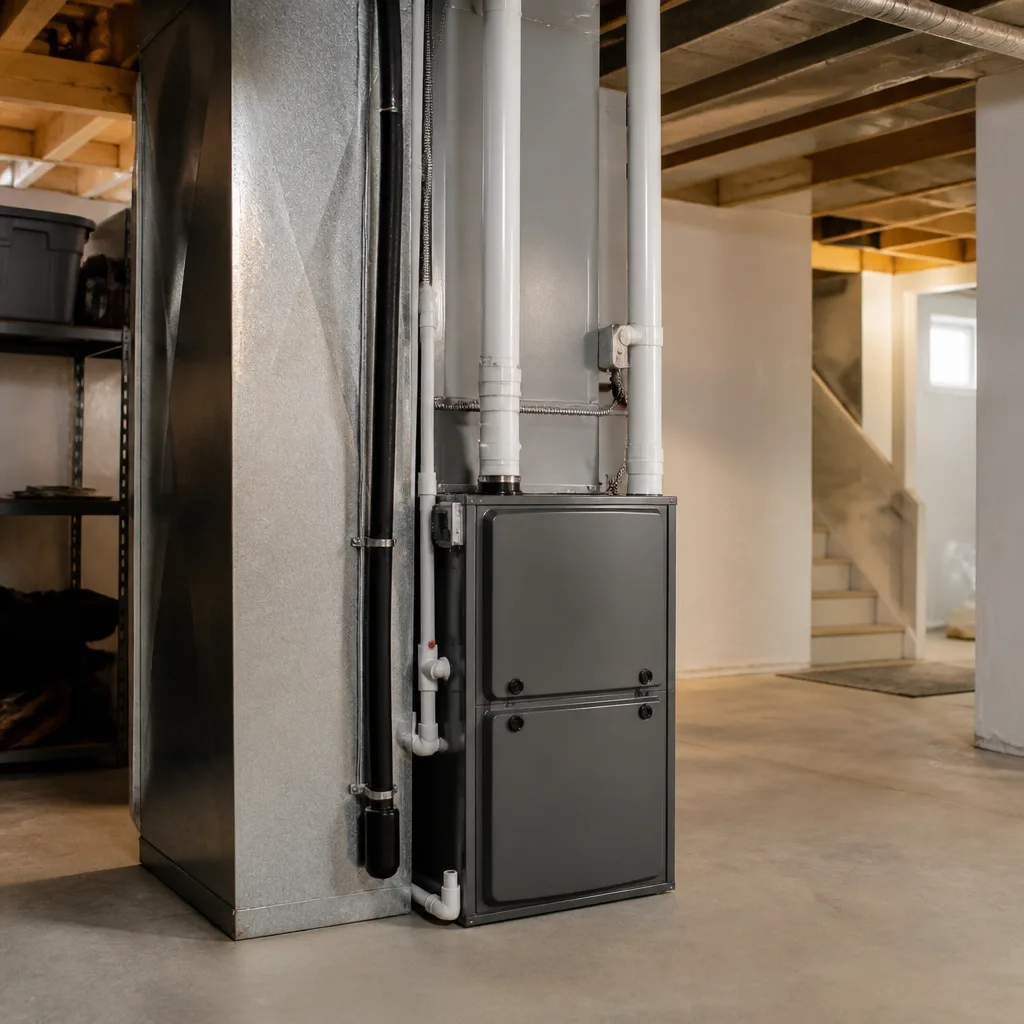
 Furnace & heating
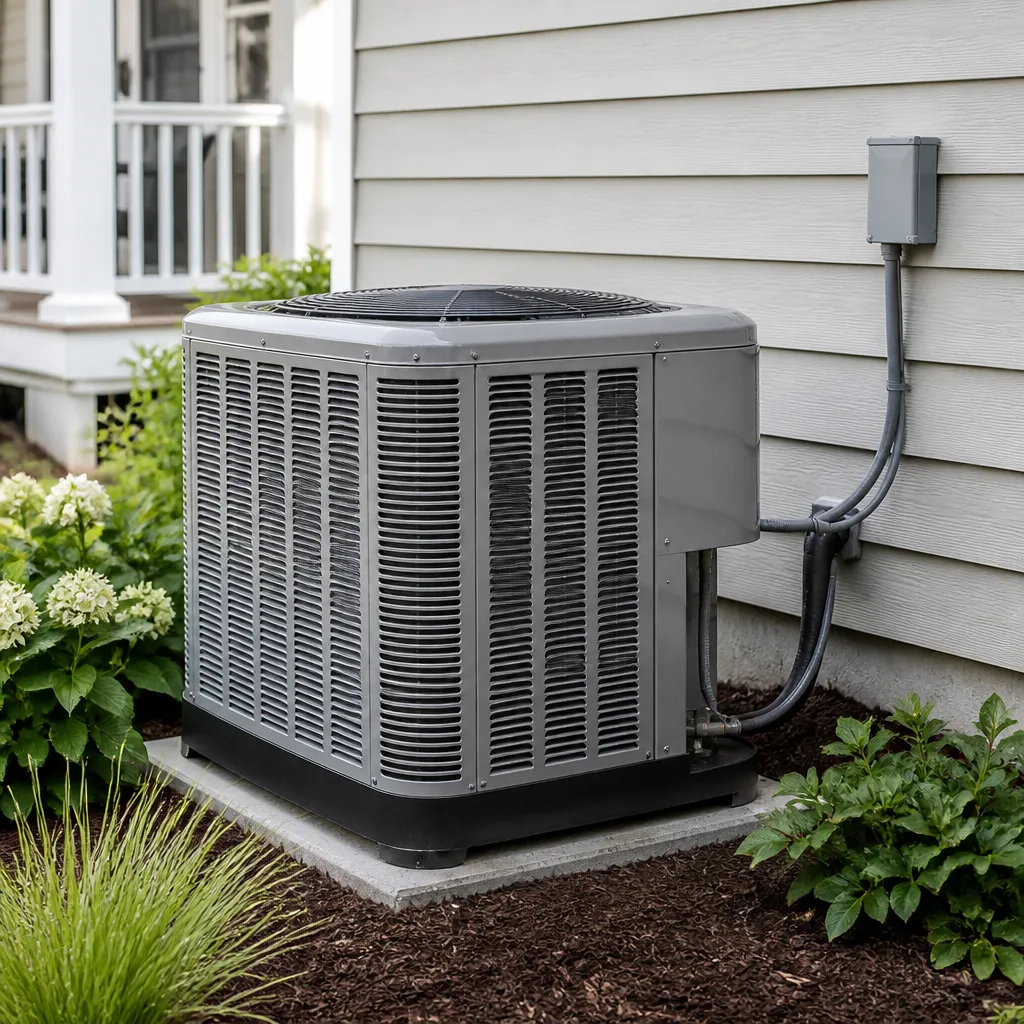 AC repair
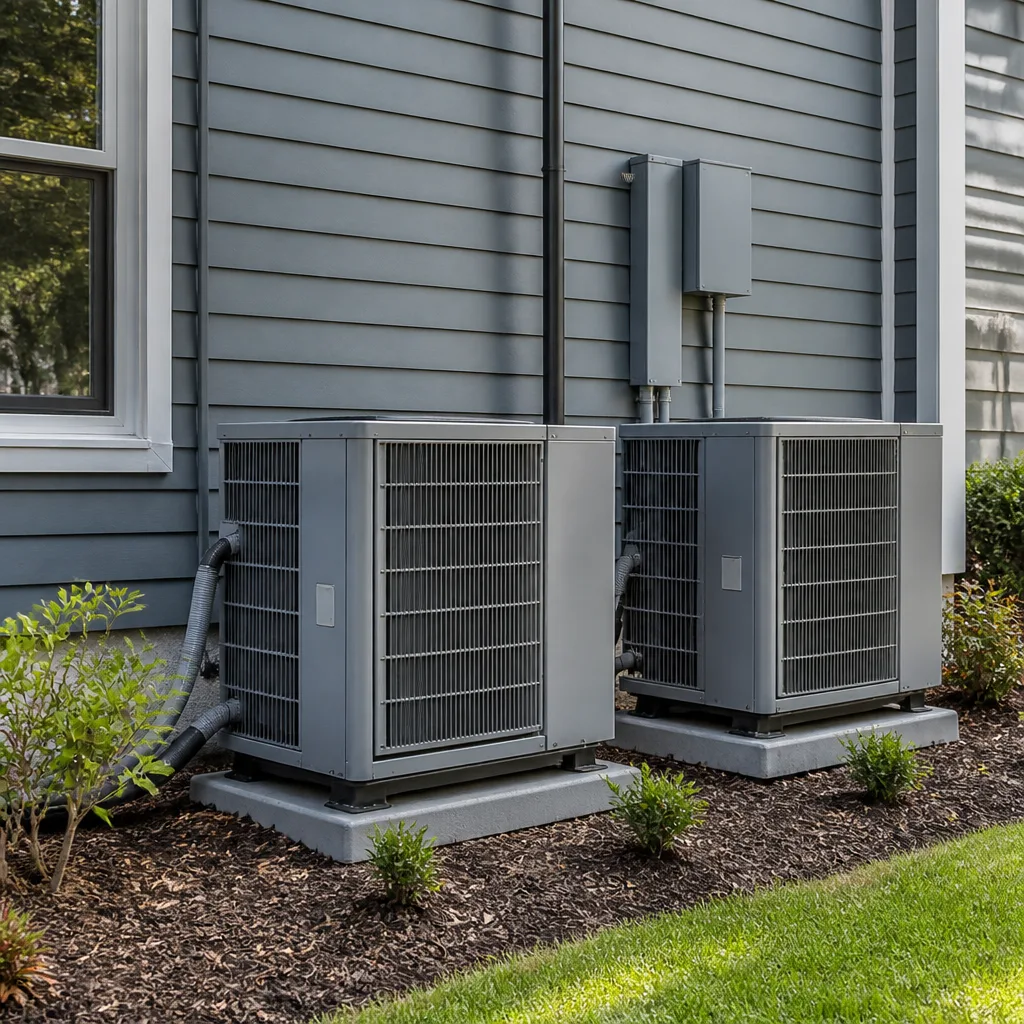 Heat pumps
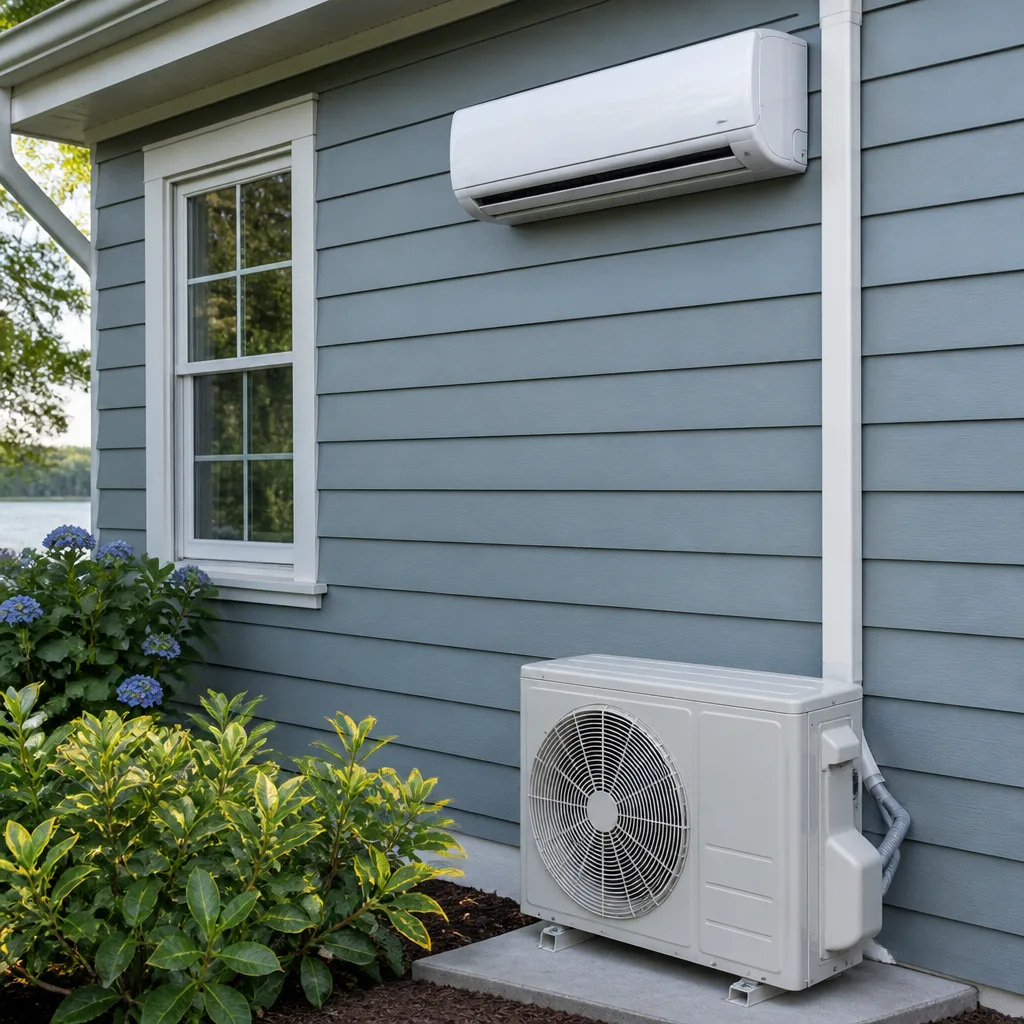 Ductless mini splits
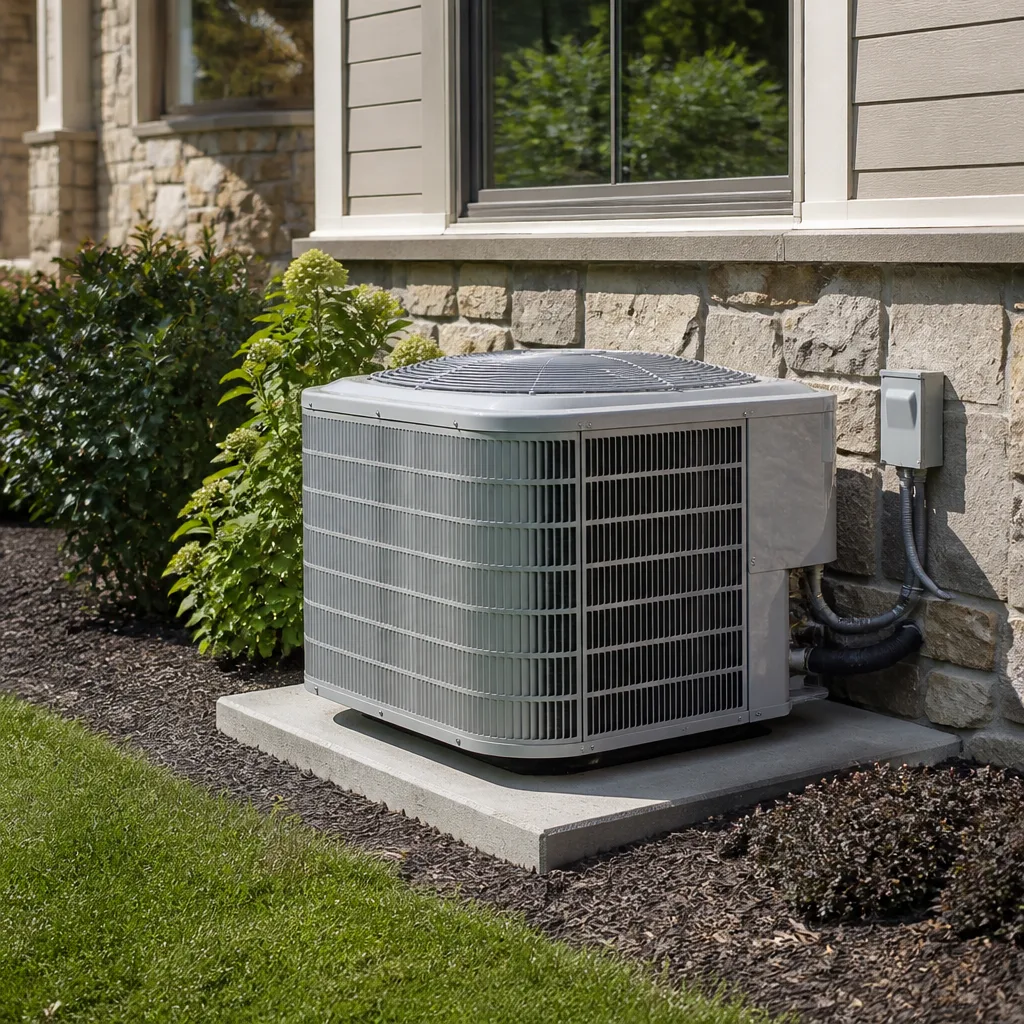 Carrier
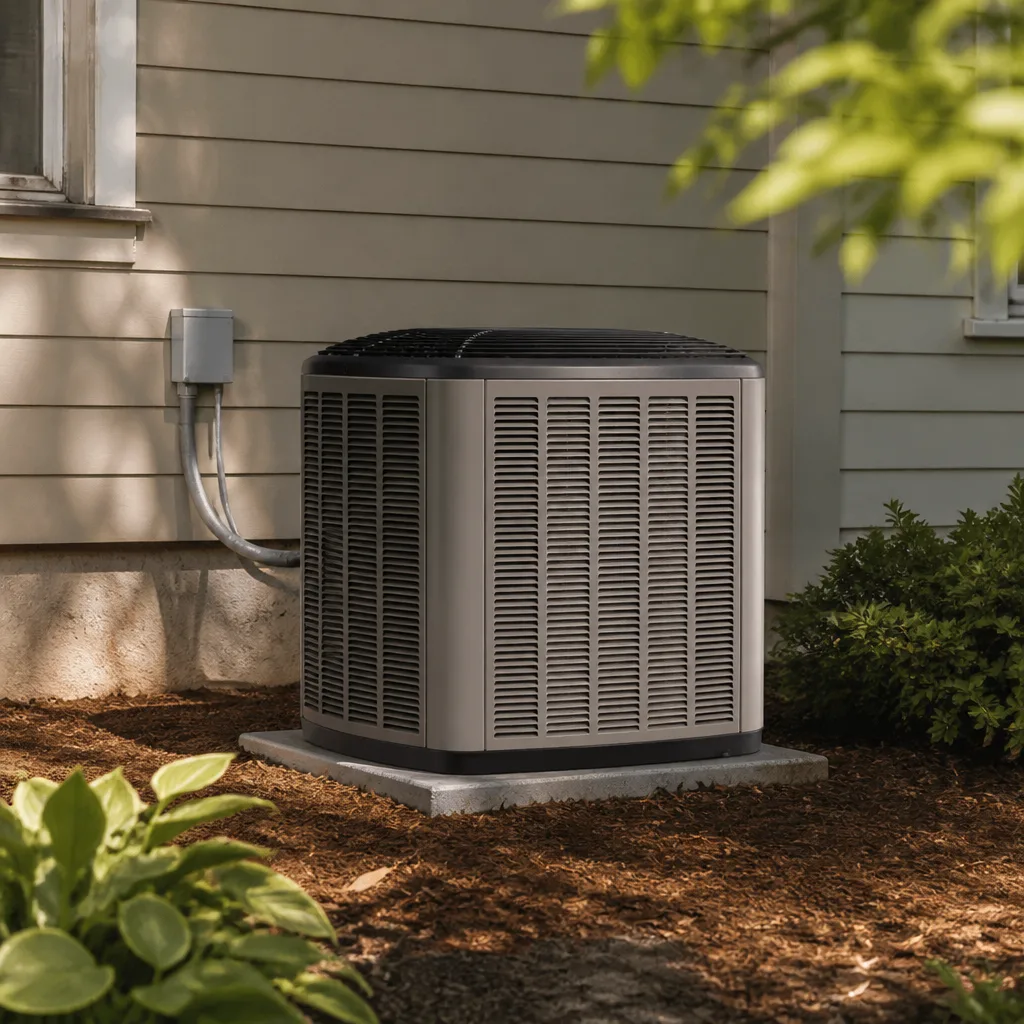 Trane
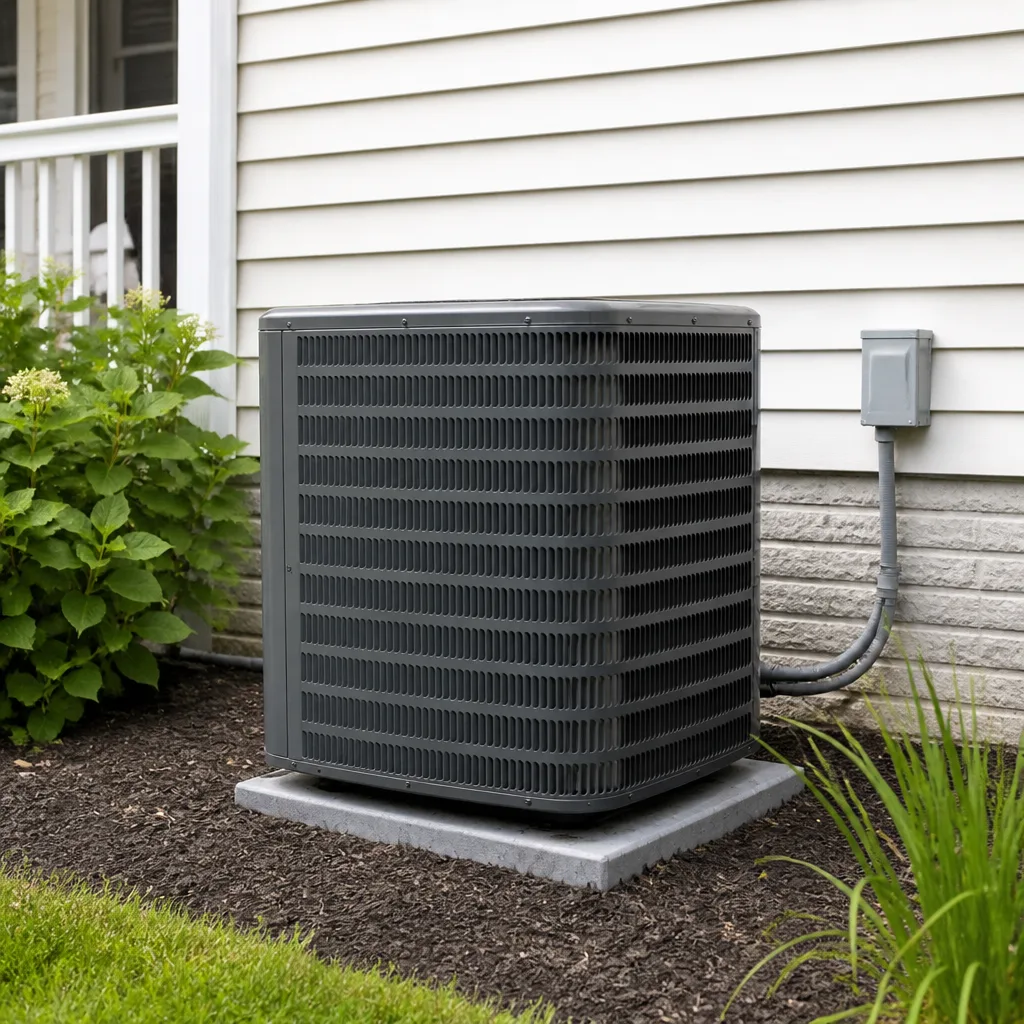 Goodman
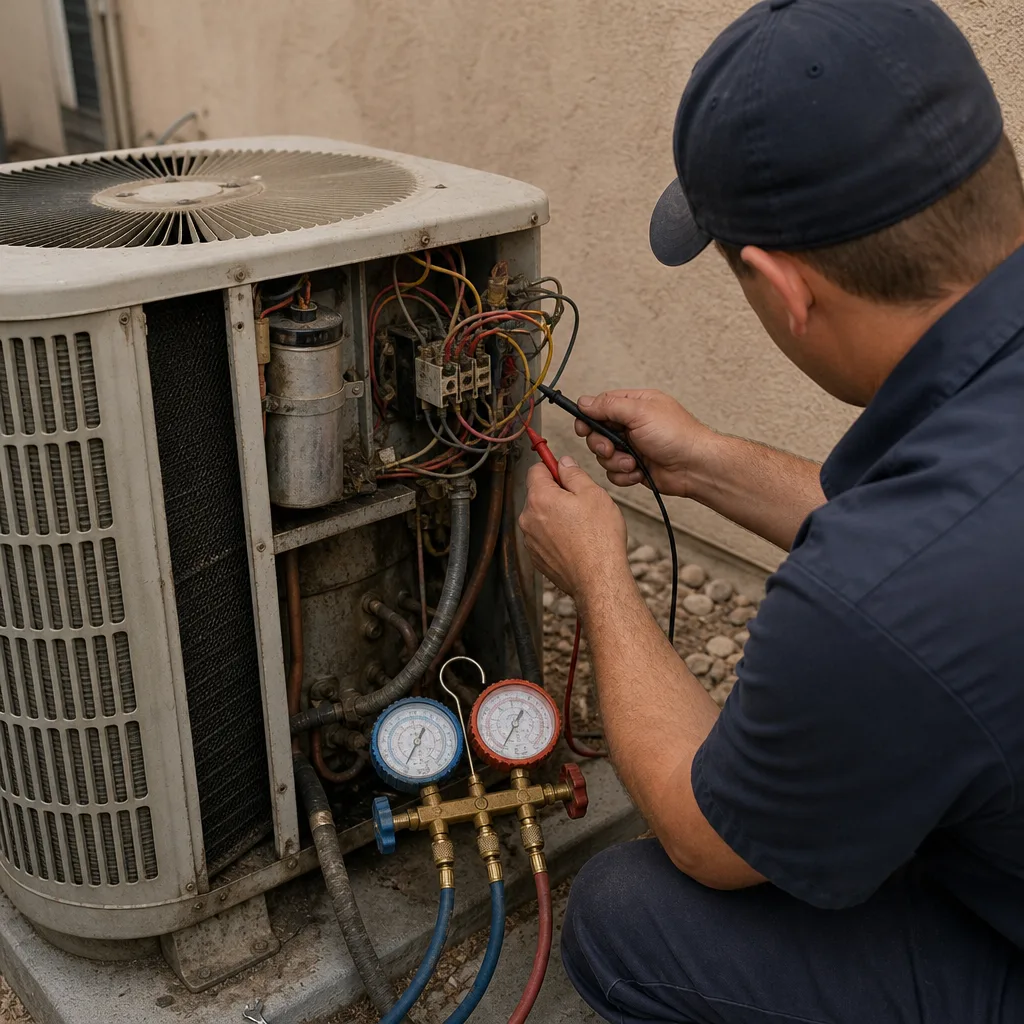
Seasonal tune-up and full diagnostic on your Carrier, Trane, or Goodman system - readings shown to you before any repair is proposed
Diagnosis first, numbers second - you approve the repair price before a single part goes in.
Get your free estimateStyles & brands we work with
- AC repair
- Furnace & heating
- Heat pumps
- Ductless mini splits
- Carrier
- Trane
- Goodman
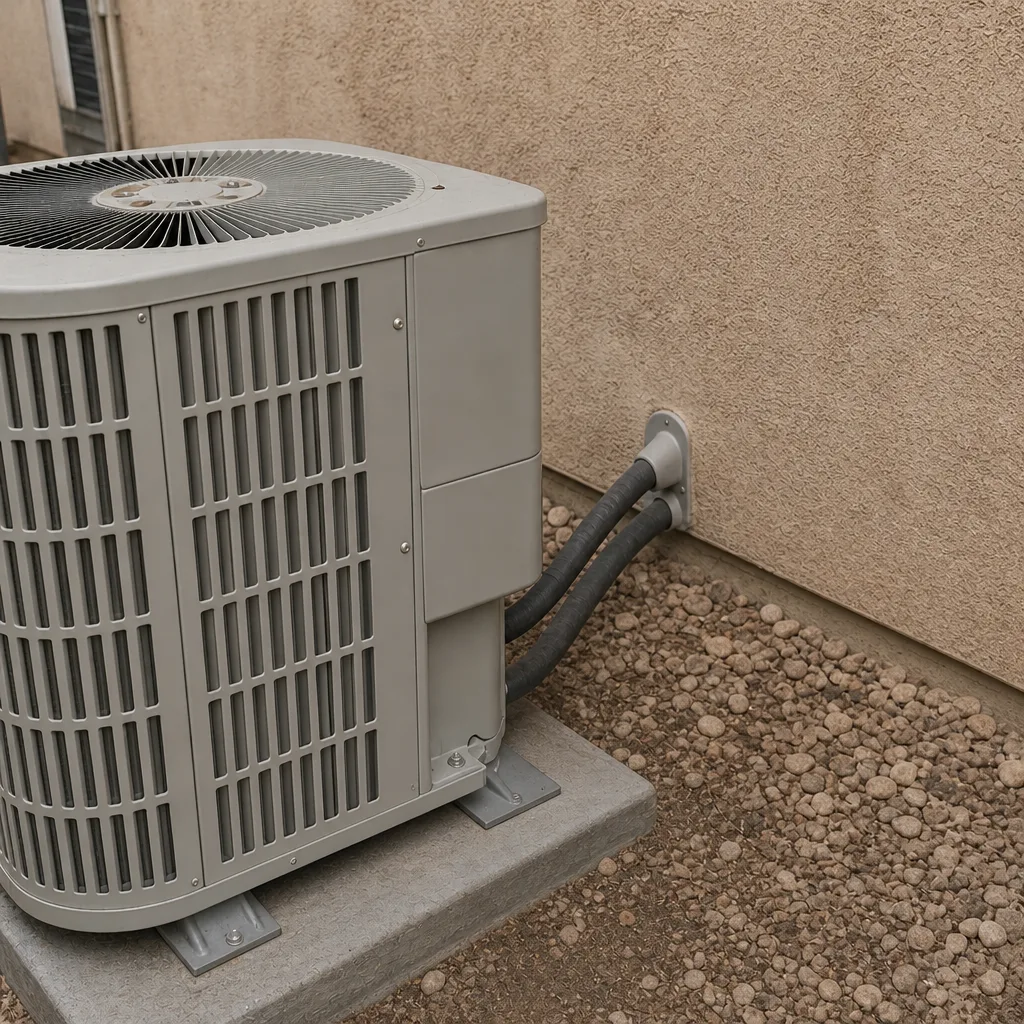
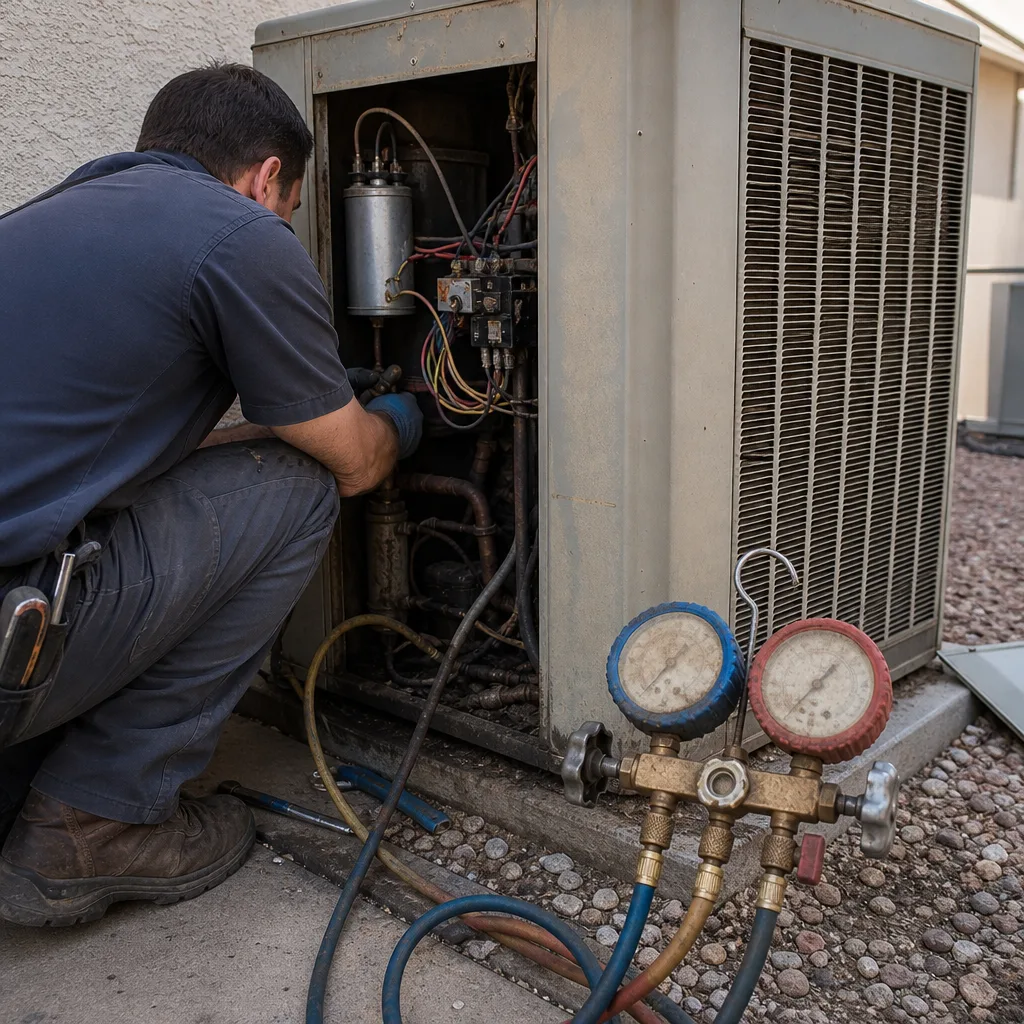
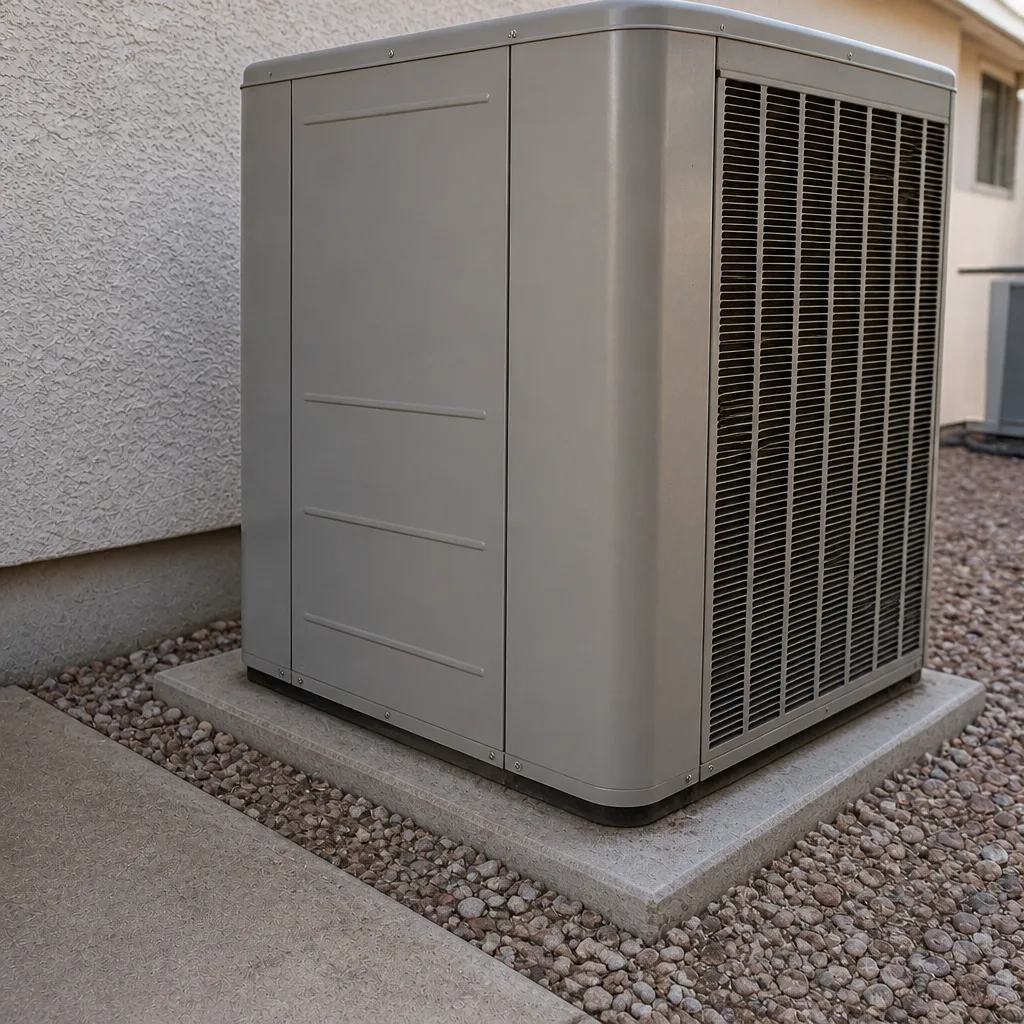
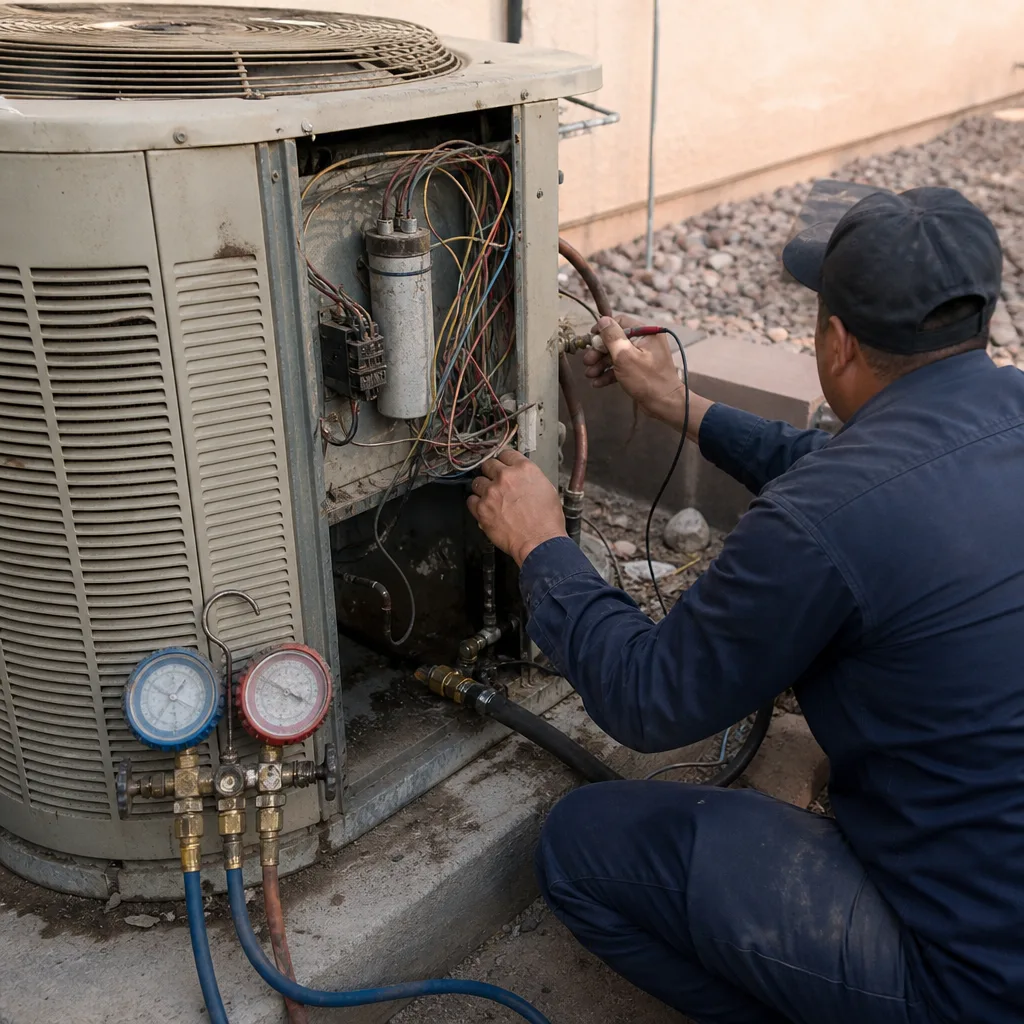
See the difference
 Before
 After
 Before
 After
 Before
 After
The Best HVAC System for a Cold Climate in Boulder City, NV
For most Boulder City homes, the best cold-climate system is a dual-fuel hybrid: a cold-climate heat pump paired with a small gas furnace as backup. Choose a standalone cold-climate heat pump only if your electrical panel has the capacity to carry it without an expensive upgrade. Choose a high-efficiency gas furnace if your home is older, your ducts are already sized for forced air, and you want the lowest total installed cost. Nevada rarely makes anyone’s cold-climate list, but at 2,500 feet above the desert floor, Boulder City freezes. Picking the right system here takes a different conversation than the one you’d have in Las Vegas or in a mountain town. Call (844) 312-0133 and we’ll walk through which of the three fits your house.
Why Boulder City Counts as a Cold Climate at All
Nevada isn’t what most people picture when they hear “cold climate HVAC.” But Boulder City sits roughly 2,500 feet above the desert floor, just east of the Colorado River and Hoover Dam, and its winter nights drop near or below freezing. We’ve seen frozen pipes in homes whose owners assumed they lived somewhere warm. That elevation changes what system makes sense.
The engineering term for this is heating design temperature, and ASHRAE puts Boulder City’s at approximately 28°F. That tiny number drives the whole decision. A heat pump is rated to deliver a certain amount of heat at a given outdoor temperature, and standard units lose meaningful capacity below 35°F. When the mercury hits 28°F on a January night, a standard unit is leaning on electric resistance strip heat to make up the difference, and your electric bill shows it.
Most advice you’ll find online splits into two camps that both miss Boulder City. Mountain-town guides say “just get a furnace,” which ignores that summer here regularly tops 100°F from May through September and you still need serious cooling. Las Vegas guides say “heat pumps are always better in Nevada,” which assumes the valley floor’s milder winter lows. Boulder City sits between those two worlds, and the right answer sits between the two recommendations.
What “Cold Climate” Actually Means for Equipment
A system earns the cold-climate label when it holds its rated heating output down to the design temperature without falling back on auxiliary strip heat. Standard heat pumps don’t. Cold-climate variable-speed units do, and the good ones are engineered to operate well below zero. Here’s how the three realistic options compare for a Boulder City house.
| System | Heating performance at ~28°F | Cooling | Best fit in Boulder City | Typical installed cost |
|---|---|---|---|---|
| Cold-climate variable-speed heat pump (e.g., Carrier Infinity, Trane XV20i) | Holds full rated output; engineered to operate far below freezing | Excellent, variable-speed handles part-load summer well | Homes with modern panels and good ductwork | $3,500-$7,500 |
| Dual-fuel hybrid (cold-climate heat pump + small gas furnace) | Heat pump runs in mild weather; furnace takes over on hard-freeze nights | Excellent | 1930s-40s bungalows keeping existing gas service | $3,500-$7,500 |
| High-efficiency gas furnace + standard AC | Strong, fast recovery; no capacity loss concern | Solid | Older homes with gas service and limited panel capacity | $3,500-$7,500 |
Those install ranges reflect the Boulder City market, and they depend on system size, whether ductwork needs work, and whether an electrical upgrade is required. Repair work on existing equipment runs $150-$650 for AC and $150-$700 for furnace. A seasonal tune-up is $80-$200.
The Housing Stock Pushes the Decision
Walk the historic core near downtown and you’re looking at 1930s-40s Bureau of Reclamation-era bungalows and small stucco houses built for Hoover Dam workers. Most were built before air conditioning existed, so every generation since has squeezed a system in: undersized or jerry-rigged attic duct runs, air handlers retrofitted into closets, and little wall cavity for anything new. Many of these homes also lack the electrical panel capacity for a full heat-pump conversion without an upgrade, and that upgrade can run into real money.
For those houses, a dual-fuel hybrid is usually the lower total-cost path. The heat pump handles the mild stretches and the summer cooling, the small gas furnace keeps your existing gas infrastructure in play and carries the load on hard-freeze nights, and you dodge the panel upgrade. Newer neighborhoods on the town’s edges, with 1990s-2000s stucco tract homes and custom builds, often have the modern panel and ductwork that make a standalone cold-climate heat pump the cleanest choice.
One more local wrinkle: the historic downtown is a tight, historically preserved district, and the municipal government scrutinizes exterior changes in a way neighboring Henderson never would. That mostly affects where equipment and line sets can go, not which system you pick, but it’s something we plan for before the truck arrives.
Freeze Events and Slab-on-Grade Homes
Boulder City homeowners in the historic downtown with slab-on-grade construction and minimal insulation lose heat faster on a hard-freeze night than a modern framed home does. That changes the requirement. You’re not just buying steady-state efficiency; you’re buying recovery capacity, the ability to bring a cold house back to temperature quickly once the worst passes.
A gas furnace recovers fast. A cold-climate variable-speed heat pump recovers well because it modulates rather than cycling on and off at full blast. A standard heat pump leaning on strip heat is the weakest of the three in a prolonged freeze. This is also where service matters as much as spec sheets. When a cold snap hits a town this size and every other truck is already dispatched, a live person answering at 2 a.m. beats a voicemail tree every time. We’ve kept parts relationships with the major brands for more than four decades, which is what lets most jobs get finished in a single visit.
How to Choose, Step by Step
Here’s the order we work through on an assessment, whether the call is for a furnace repair or a full replacement. You can run it yourself before you call.
- Check the electrical panel. Confirm available amperage. A cold-climate heat pump needs headroom a 1930s bungalow may not have. If the panel is maxed, a hybrid avoids the upgrade cost.
- Confirm whether gas service exists. Homes already on gas lean toward dual-fuel; homes without it lean toward a cold-climate heat pump.
- Inspect the ductwork. Original or heavily patched ducts in the historic core often need sealing or resizing before any new equipment goes in. This is where hidden costs live.
- Match recovery capacity to the house. Slab-on-grade and lightly insulated homes need fast recovery, not just efficiency ratings.
- Get the numbers in writing. The price quoted should be the price paid. A free second opinion on any written estimate is one of our standing offers, and it’s the fastest way to compare bids on the same footing.
We service all nine major residential brands, including Carrier, Trane, Lennox, Goodman, Rheem, York, Daikin, Bryant, and American Standard, so the recommendation follows your house rather than whatever we happen to stock. Our technicians have up to 8 years of experience, are background-checked and uniformed, and put on shoe covers without being asked. Our team handles Heating & Furnace work and whole-system replacements alike. Every job is backed by our 90-Day Done Right Promise: if it isn’t done right, we make it right, in writing, no arguing.
If you’re weighing repair against replacement on an older system, the math usually comes down to age, refrigerant type, and how much the ductwork needs. We’ll give you a straight answer either way rather than steering you toward the bigger ticket.
FAQs
A dual-fuel hybrid is usually best for Boulder City because it handles both the 100°F summers and the hard-freeze winter nights without the capacity loss of a standard heat pump. A standalone cold-climate heat pump works well in newer homes with modern panels, while a high-efficiency furnace is the lowest-cost fit for older homes already on gas. Which one wins depends on your panel, your ducts, and your gas service. Call (844) 312-0133 for a free assessment and an upfront price.
Installation in Boulder City typically runs $3,500-$7,500 depending on system type, size, and whether duct or electrical work is needed. Repairs run $150-$650 for AC and $150-$700 for furnace, and a seasonal tune-up is $80-$200. The quoted price is the price paid, and we’ll give you a free second opinion on any written estimate you already have.
Boulder City is a genuine cold-climate location at roughly 2,500 feet, with winter nights near or below freezing and a heating design temperature of about 28°F. That matters because standard heat pumps lose heating capacity below 35°F and lean on expensive strip heat, while cold-climate variable-speed units hold their rated output down to the design day. If your system struggles in a freeze, call (844) 312-0133 and we’ll tell you whether it’s fixable or time to replace.
Same-day service is often possible, and phones are answered by a live person 24 hours a day, including the 2 a.m. no-heat emergency. When temperatures drop and calls pile up, having someone answer instead of a voicemail tree is the difference between a warm house and a cold night. Call (844) 312-0133 and we’ll get you on the schedule.
If you’d rather have it looked at, Fireside Heating & Air Co. Boulder City offers a no-pressure assessment in Boulder City. We’ll check the panel, the ducts, and the house, then give you the honest fit between hybrid, heat pump, and furnace. Call (844) 312-0133 for a free estimate, and learn more about our full range of services starting from our home page.
Written by the team at Fireside Heating & Air Co. Boulder City, serving Boulder City, NV.