
Last updated November 18, 2026
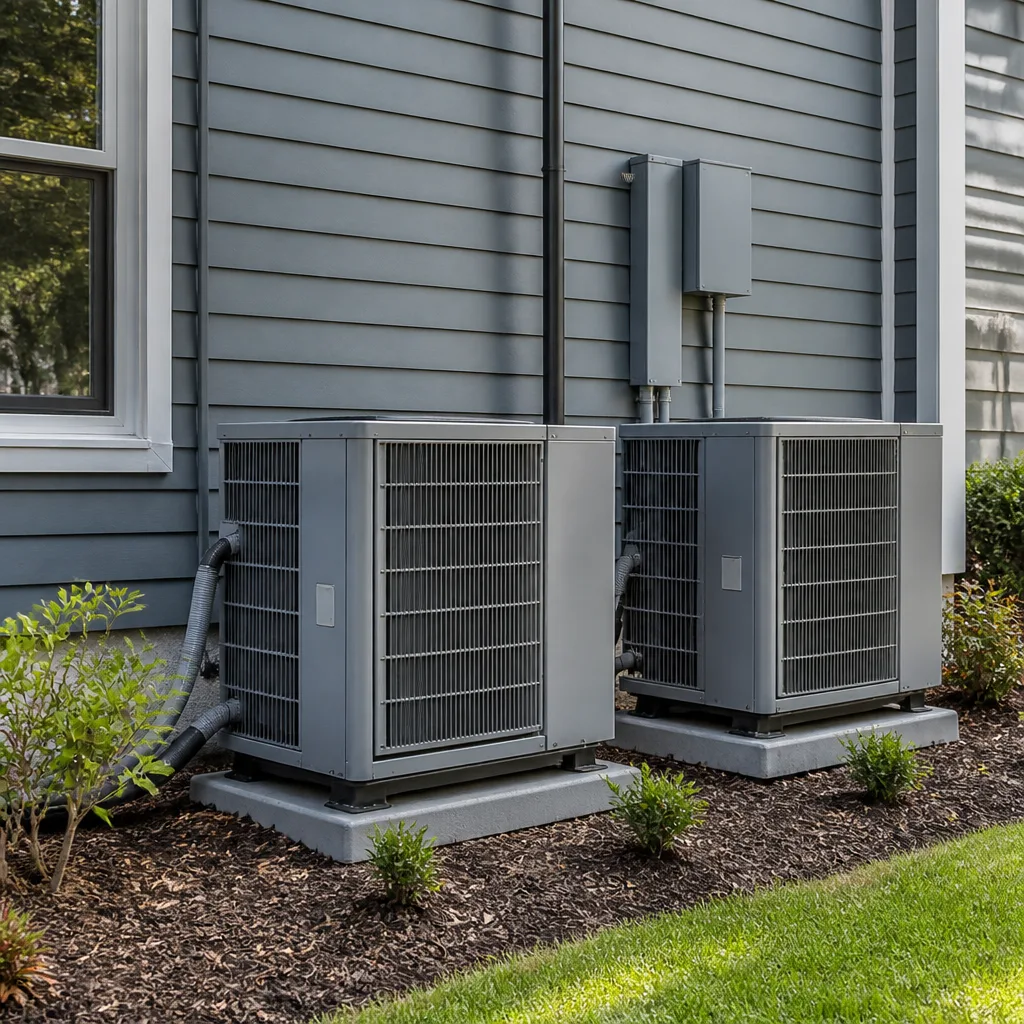 Heat pumps
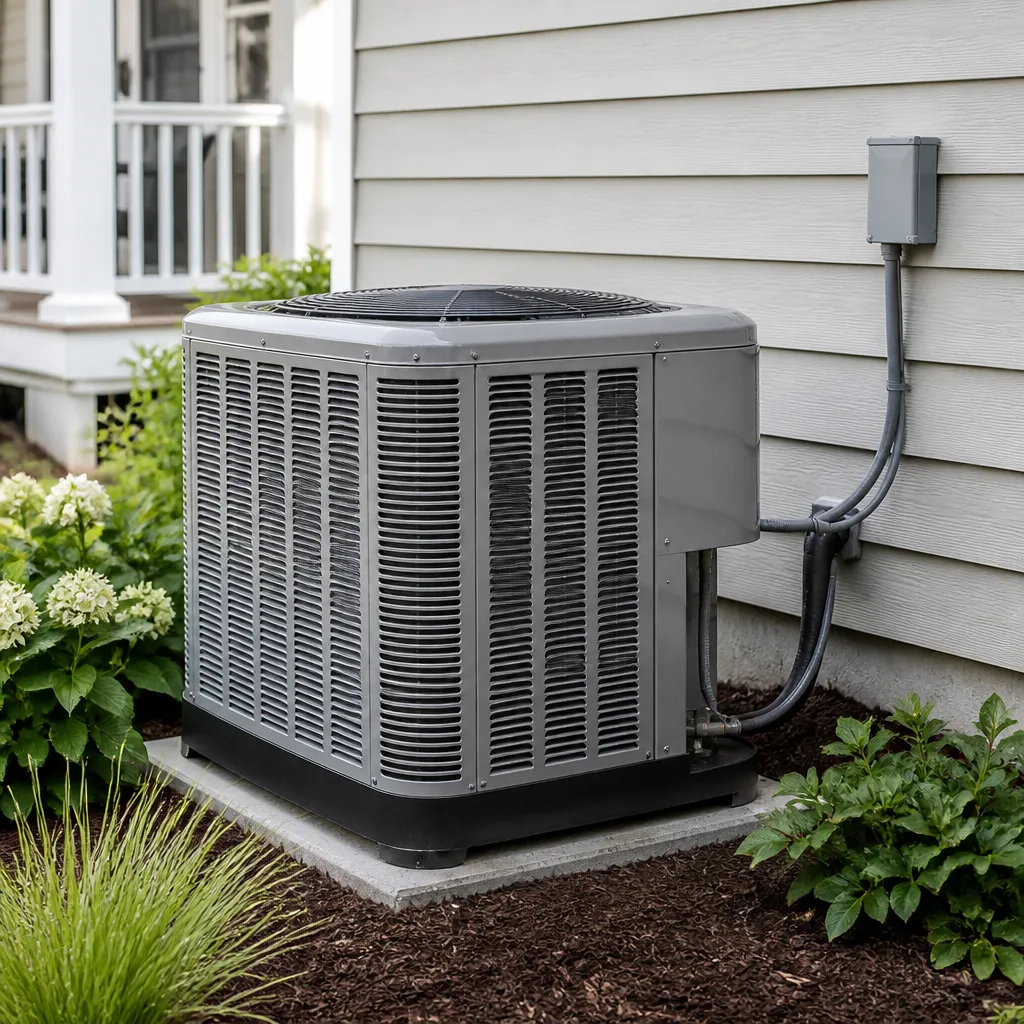 AC repair
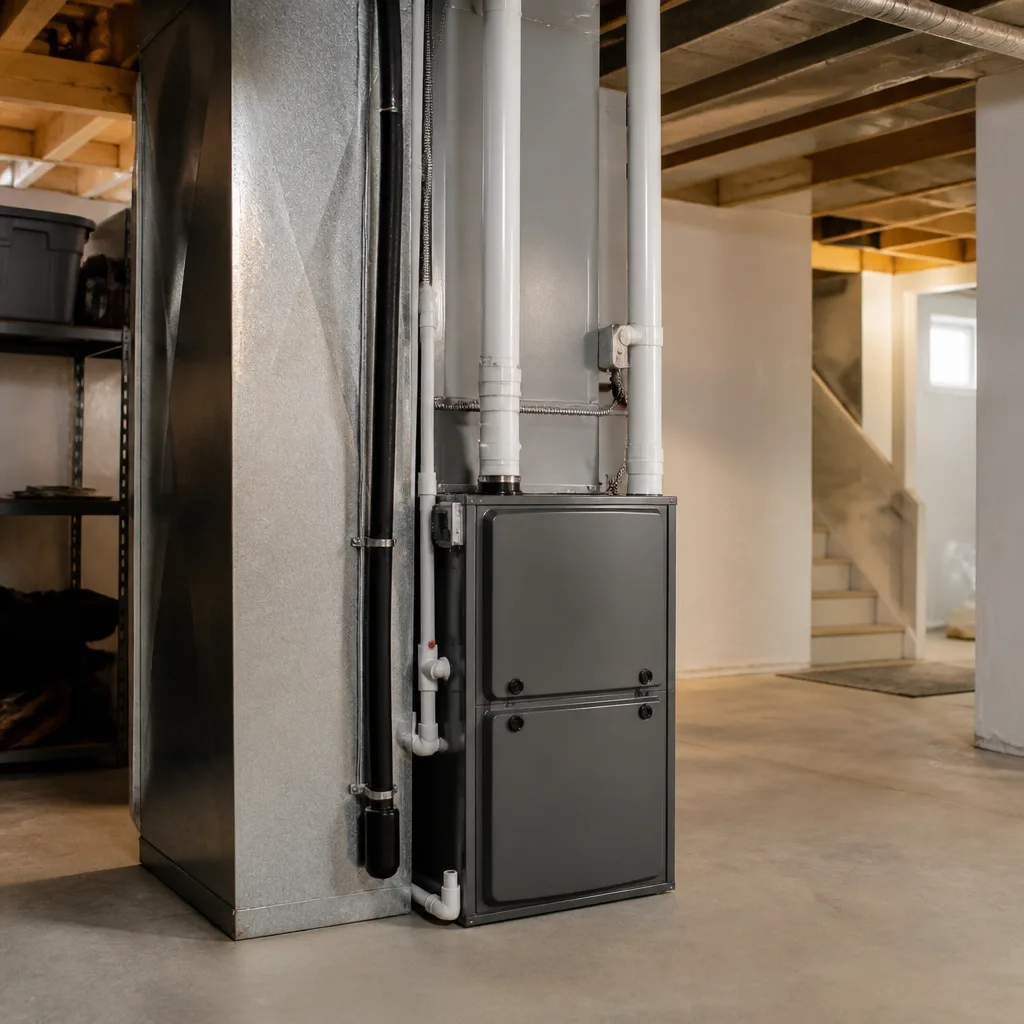 Furnace & heating
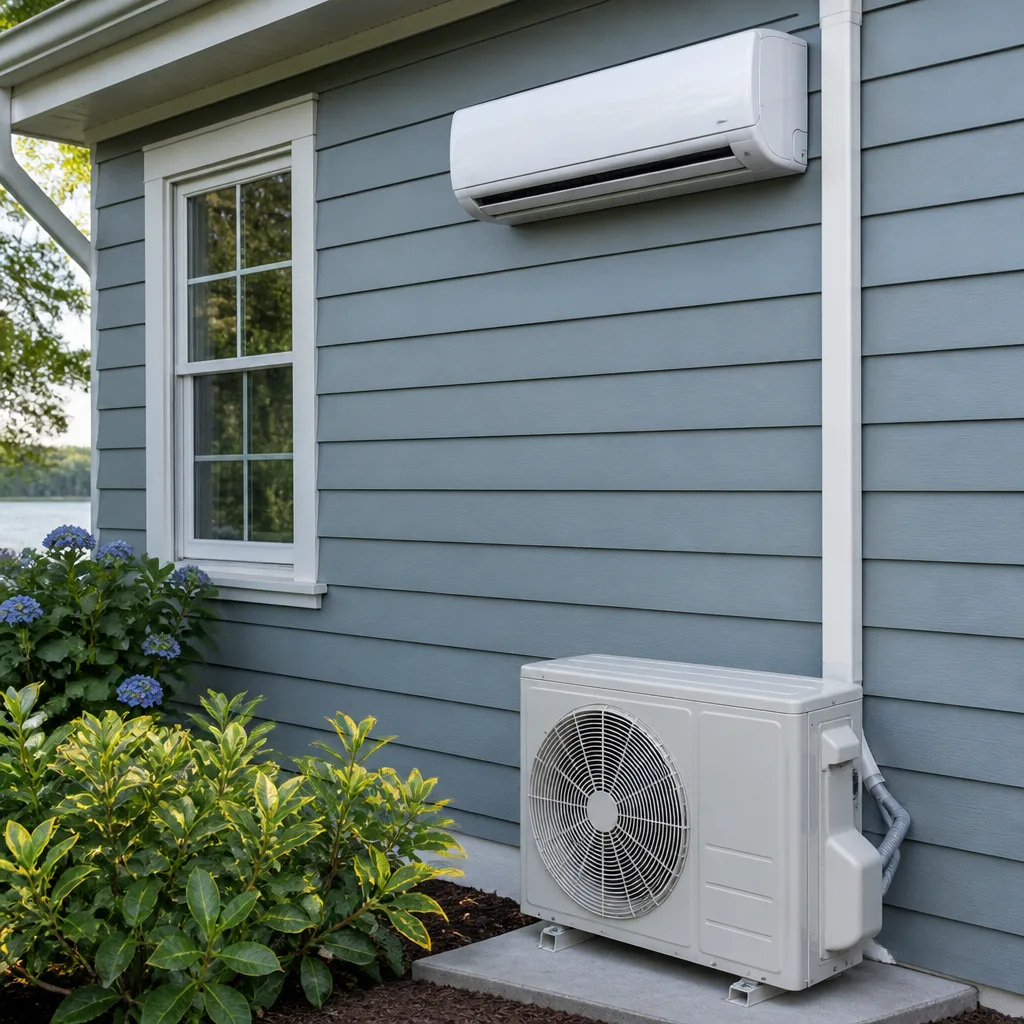 Ductless mini splits
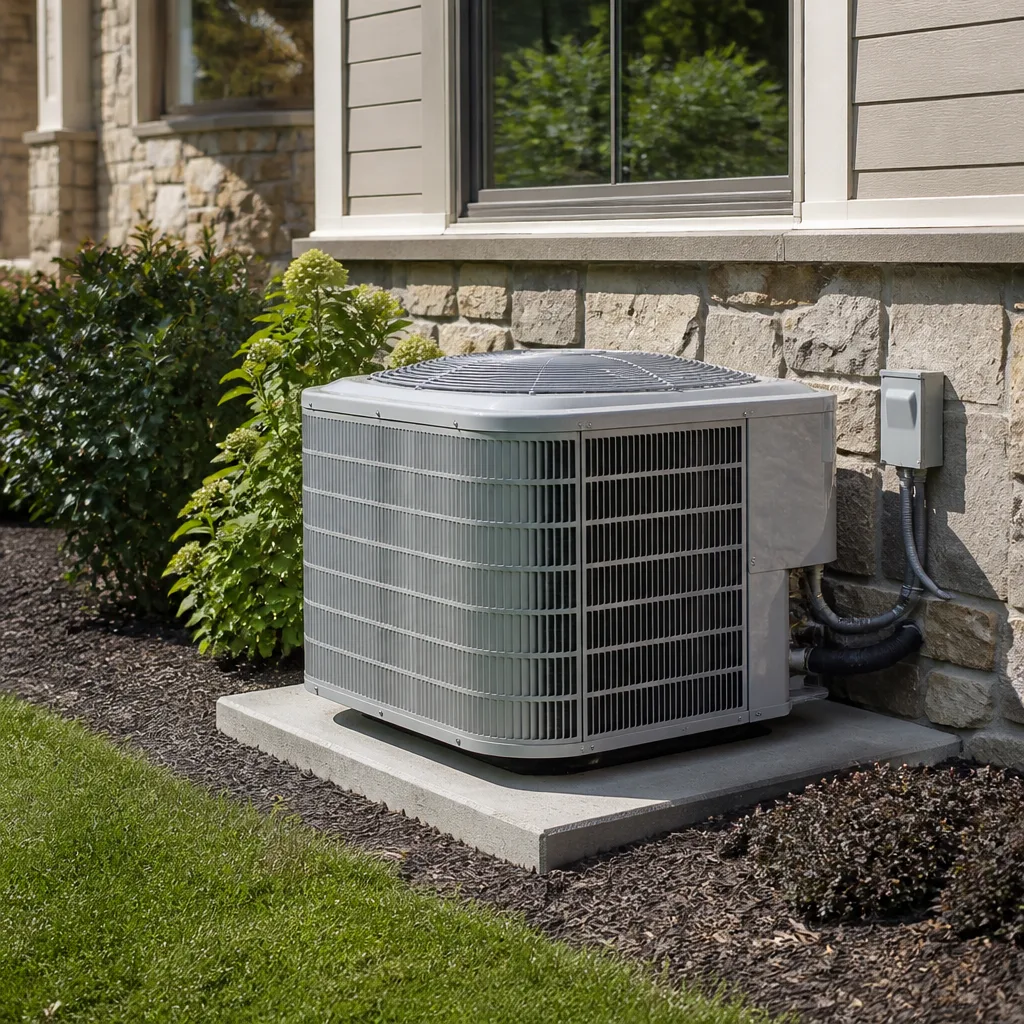 Carrier
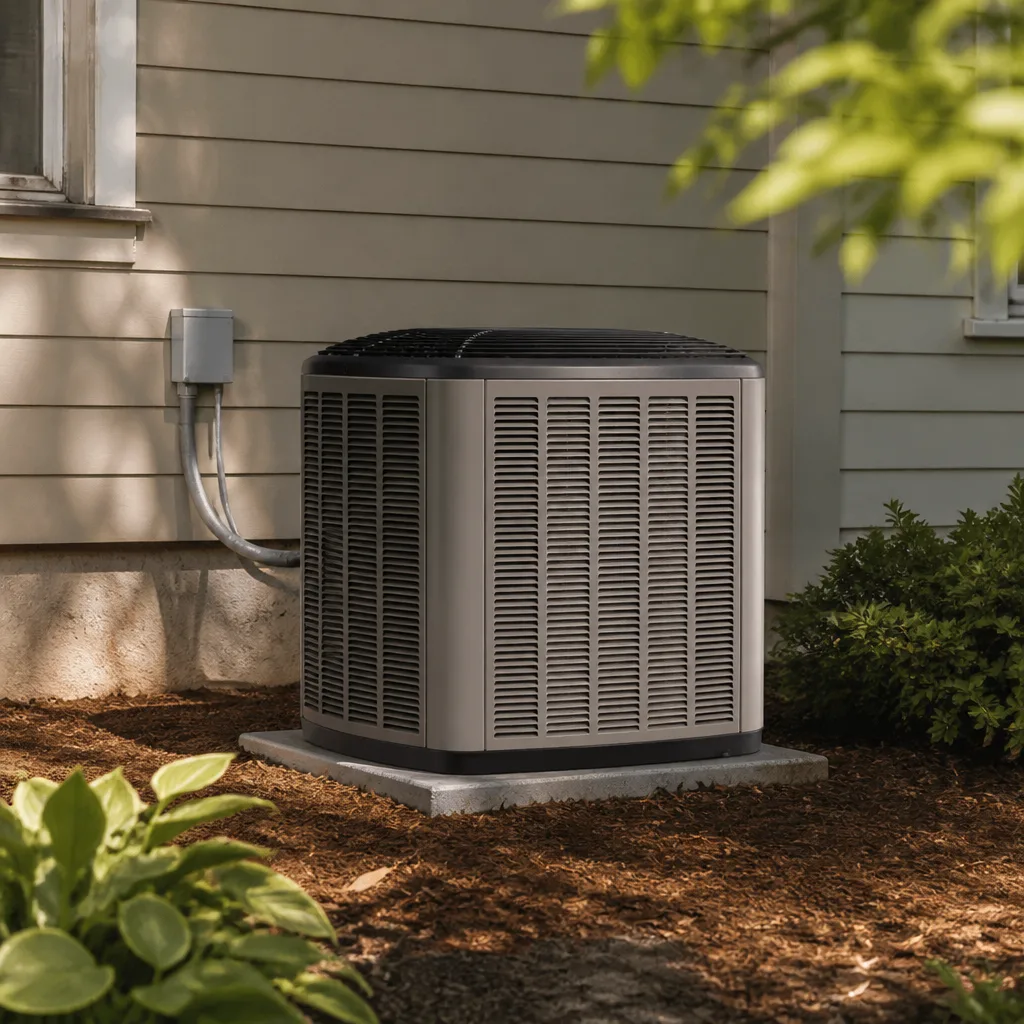 Trane
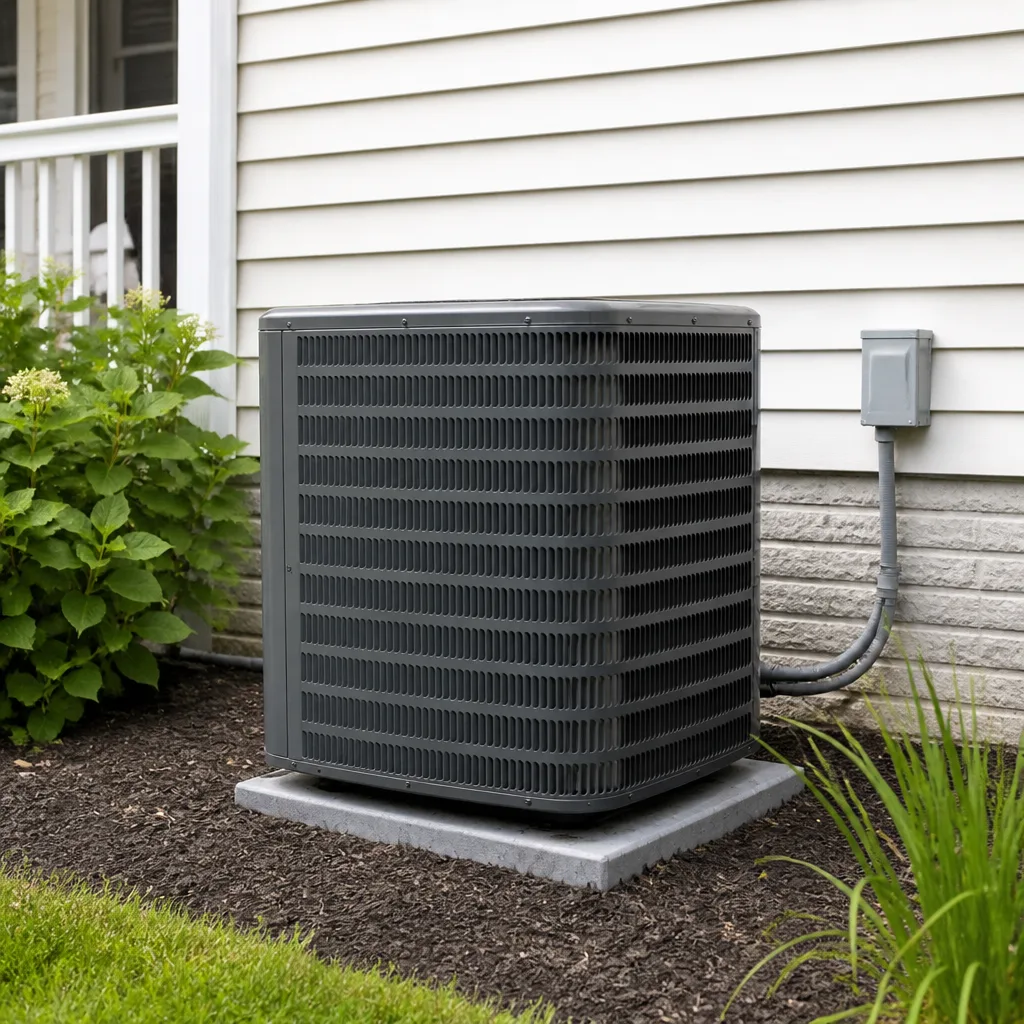 Goodman
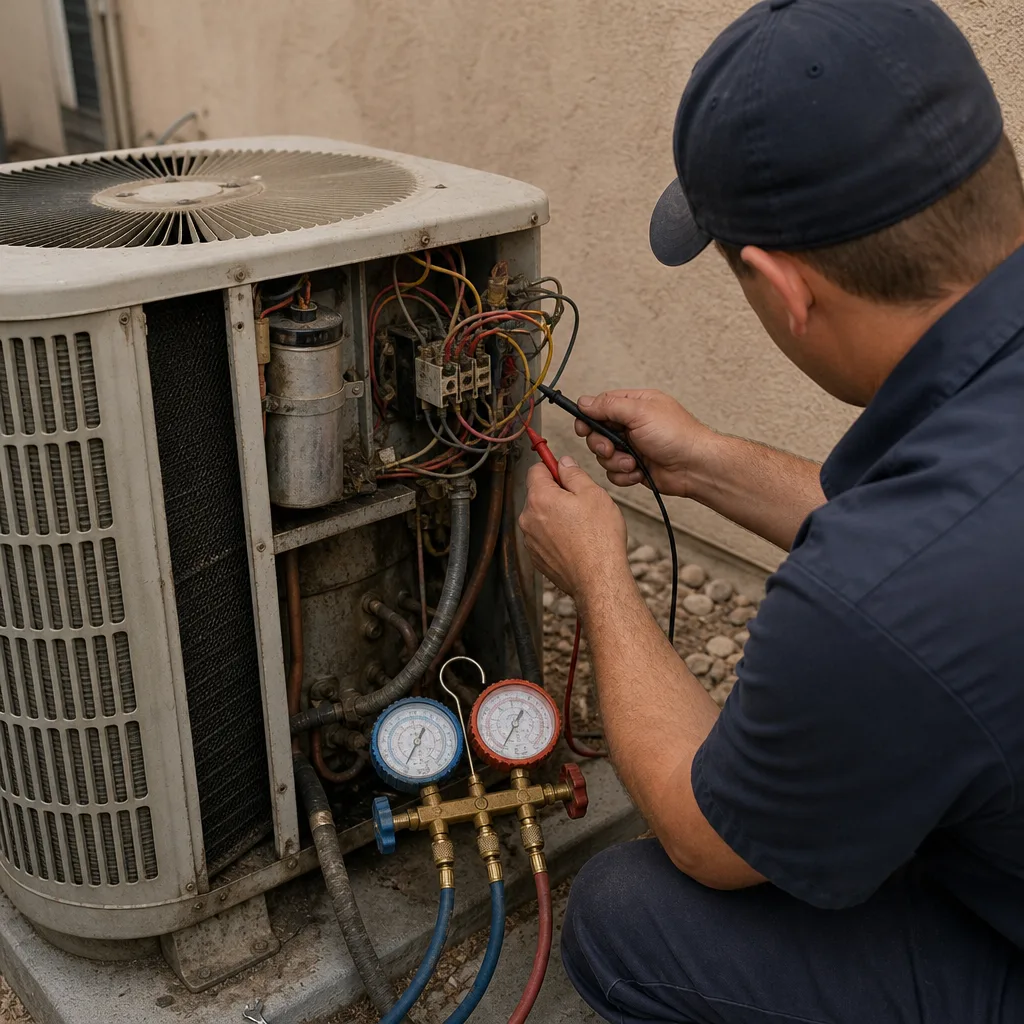
Seasonal tune-up and full diagnostic on your Carrier, Trane, or Goodman system - readings shown to you before any repair is proposed
Diagnosis first, numbers second - you approve the repair price before a single part goes in.
Get your free estimateDIY vs Professional Heat Pump & Mini Split: What’s Safe to Do Yourself
Pre-charged “DIY mini split” line sets are legal to install yourself in some states. In Nevada, they’re not – not if refrigerant is involved, and it always is. Nevada requires an EPA 608-certified technician to open, connect, or charge any system containing refrigerant, which puts most DIY mini split installations in Boulder City one inspection away from a mandatory re-do. That’s not a scare tactic from an HVAC company trying to sell you a service call. It’s state law, and it’s the line almost every YouTube tutorial skips past before it shows you the flare fittings. This guide draws that line honestly: what you can genuinely do yourself in Boulder City, what voids your warranty, what fails a Clark County inspection, and what a DIY install actually costs once the rework is counted.
Quick Answer
You can safely and legally do the non-refrigerant work yourself: mounting the indoor and outdoor units on wall brackets, running the electrical circuit to a disconnect, and routing the condensate drain. You cannot legally connect the refrigerant lines, braze or flare the connections, pull a vacuum, or charge the system in Nevada without EPA 608 certification. A minisplit installed by an uncertified homeowner will likely fail Clark County inspection, void most manufacturer warranties from the day of install, and cost more in rework than professional installation would have cost upfront.
Styles & brands we work with
- AC repair
- Furnace & heating
- Heat pumps
- Ductless mini splits
- Carrier
- Trane
- Goodman
Table of Contents
- What Nevada law actually says about refrigerant handling
- The jobs that are genuinely safe and legal for a homeowner
- What self-installation does to your warranty
- What Boulder City inspectors look for
- The honest cost comparison: DIY vs. professional
- Why the Mojave climate punishes shortcuts
- Common mistakes to avoid
- When to call a professional
What Nevada Law Actually Says About Refrigerant Handling
Here’s the part the product box doesn’t tell you. The EPA’s Section 608 rule, which Nevada enforces through its own contractor licensing framework, requires that anyone who opens a refrigerant circuit, connects line sets, or charges a system be certified under Section 608. That covers Type I (small appliances), Type II (high-pressure systems like residential mini splits and heat pumps), and Type III (low-pressure). A residential mini split falls under Type II. The certification requires a proctored exam and, in most cases, a documented apprenticeship or work history.
What this means for a Boulder City homeowner is narrower than you might think. It does not forbid you from owning the equipment. It does not forbid you from mounting the unit or wiring the circuit. It forbids you from doing the part that touches the refrigerant itself – the flare connections, the vacuum pull, the pressure test, the charge adjustment. Everything that happens after the lines are tightened down.
There’s a second layer most DIY guides ignore. A refrigerant leak isn’t just a warranty problem – it’s a federal environmental rule. Section 608 makes it illegal to knowingly vent refrigerant to the atmosphere, and it requires repairs to be done by a certified technician. If a homeowner’s self-install leaks and a technician is called in to fix it, that technician is legally required to document the repair, and depending on the amount released, the homeowner can face a reporting obligation. Nevada’s Clark County Air Quality Management Department enforces these rules locally. The short version: if the system has refrigerant in it and something goes wrong, you want a certified tech on the paperwork, not a neighbor with a wrench and a YouTube bookmark.
Boulder City adds one more wrinkle: because the city sits inside Clark County but operates its own building department for many residential permits, the inspection chain runs through Boulder City building officials rather than the county line. That’s a detail that matters below.
The Jobs That Are Genuinely Safe and Legal for a Homeowner
We’re not going to tell you there’s nothing you can do. There is, and for a handy homeowner, it’s meaningful. These are the tasks you can reasonably handle yourself in Boulder City, and some of them will genuinely save you money off a professional install.
- Selecting and purchasing the unit. Choosing a Carrier, Trane, Lennox, or Goodman mini split in the right capacity for your room is a research project, not a licensed task. A 12,000 BTU unit for a 400-square-foot bedroom is reasonable in the Boulder City climate; going oversized for a 200-square-foot space wastes money and short-cycles the compressor.
- Mounting the indoor air handler and outdoor condenser. Wall brackets, lag bolts into studs, and setting the outdoor unit on a level pad or wall bracket are all fair game. Get the bracket level. A tilted indoor unit drips.
- Cutting and framing the line-set penetration. Running a 2.5- to 3-inch sleeve through the wall to route the line set is general carpentry. Patch it properly on both sides to keep the Mojave dust out of the wall cavity.
- Running the electrical circuit to the disconnect. If you’re comfortable inside a panel and know how to size the breaker for the unit’s nameplate amperage, this is legal in most Nevada jurisdictions for a homeowner working on their own residence. If you aren’t completely confident, hire an electrician – panel work is one of the genuinely dangerous trades, and a bad connection is a fire risk.
- Routing the condensate drain. Pitch it downhill, terminate it where it drains away from the foundation, and add a trap if the manufacturer specifies one. A clogged drain is the most common mini split call we get in Boulder City, and a clean routing job prevents most of them.
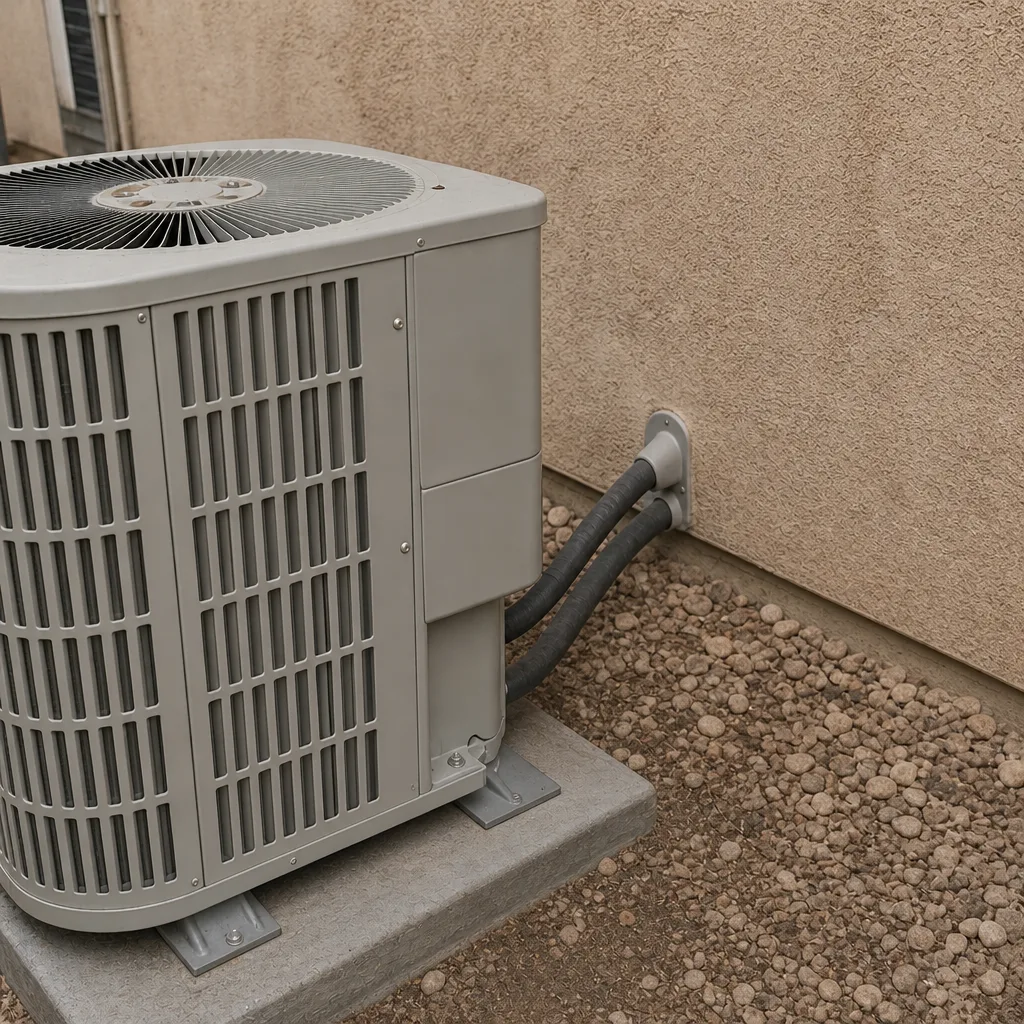
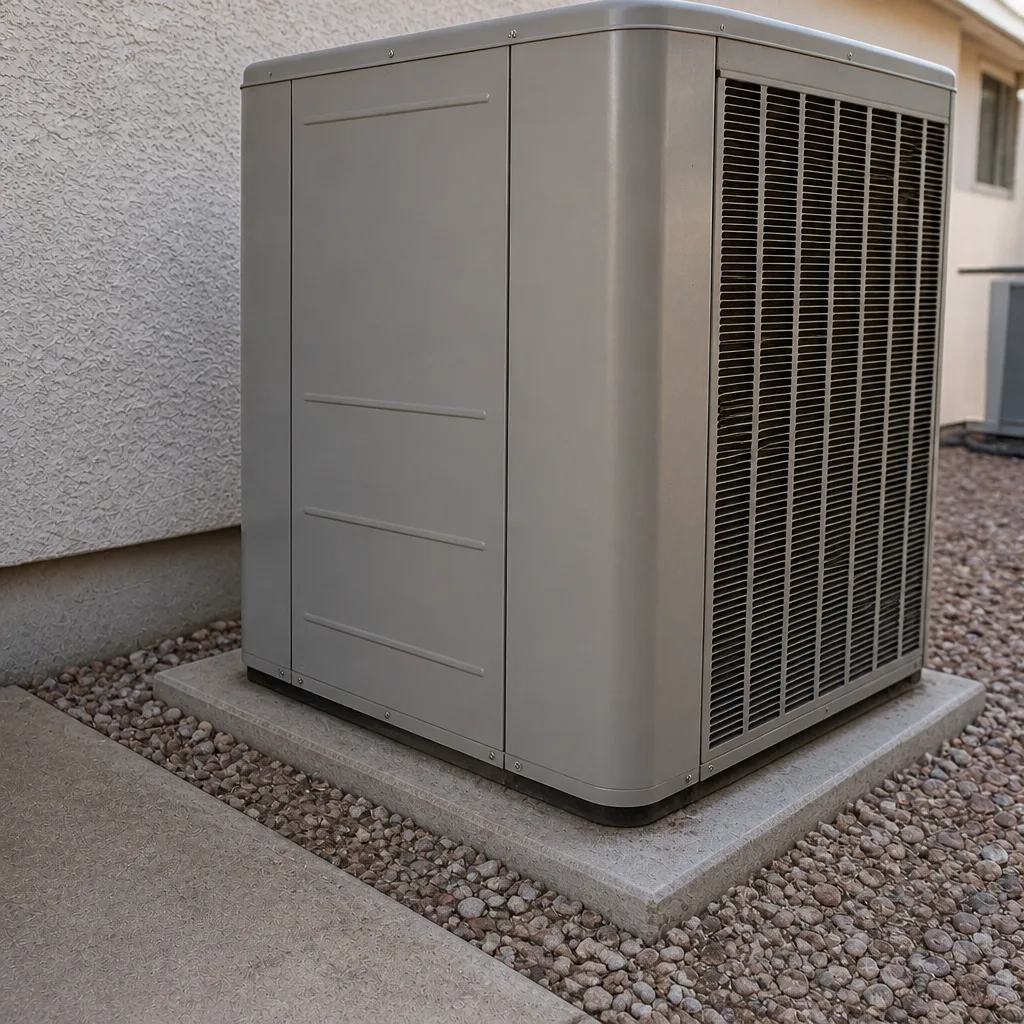
- Running conduit, painting, and landscaping around the outdoor unit. Clearance matters for airflow. Two feet of clearance on all sides and no gravel or debris piled against the coil.
What’s left over is the part you hire out: the flare or brazed connections, the nitrogen pressure test, the vacuum pull, the refrigerant charge verify, and the commissioning paperwork. That’s the whole licensed job. Most professional installers will happily do the “systems” portion of your install on a unit you purchased, which is a legitimate middle path. If you want to go that route, our guide to Heat Pump & Mini Split in Boulder City covers what a proper commission looks like.
What Self-Installation Does to Your Warranty
This is the part that costs Boulder City homeowners the most, and it’s the part no product page mentions. The major mini split brands sold in Nevada – and Carrier, Trane, Lennox, and Goodman are the four we see most often – all require the installer to be a licensed HVAC contractor to preserve the standard parts warranty. Carrier and Trane are the strictest here: their warranties typically require installation by a licensed contractor and often require a commissioning record submitted at install. Goodman is somewhat more lenient on the “who” but still requires the installation to meet the manufacturer’s spec, including proper evacuation and charge, and the warranty is void if the system is found with non-condensable gas in the lines – which is exactly what happens when a DIY install skips the vacuum pull.
Practically, here’s what a voided warranty means. A compressor that fails in year three of a five-year warranty is a $1,200 to $1,800 repair out of pocket. A leaking evaporator coil is a $600 to $900 repair. The DIY market has made the box look cheap; the warranty implications are where the real cost hides.
There’s a second layer to this in Nevada: some brands now require a “start-up sheet” or commissioning document from a licensed contractor before the extended warranty applies at all. If you bought the unit at a big-box store in Henderson or Las Vegas and installed it yourself, the serial number is registered, but the commissioning is not. When something fails, that gap is where the warranty claim dies.
What Boulder City Inspectors Look For
Boulder City permits most residential HVAC replacement and new installs, and the inspection itself is where a DIY mini split has the shortest shelf life. Here’s what the inspector is looking for, in the order they check it:
- Licensed contractor on the permit. Most Boulder City HVAC permits require a Nevada-licensed contractor’s name on the application. A homeowner’s permit for a new mini split install is often refused for the refrigerant portion, and for good reason – the inspector has to verify the person who sealed the system is the person authorized to do it.
- EPA 608 certification on the installing tech. The inspector can and often does request it. If the tech’s card isn’t on file, the install fails immediately.
- Electrical disconnect and lockout. A compliant disconnect within sight of the condenser, sized to the unit’s nameplate.
- Condensate drain routing. Terminates safely, pitched correctly, no daylight into the wall cavity.
- Clearance around the outdoor unit. Minimum 12 to 24 inches on service and airflow sides.
- Pressure test and vacuum documentation. Some inspectors ask for it. If you can’t produce it, the inspection fails.
A failed inspection means the work has to be re-done by a licensed contractor, re-inspected, and often re-permitted. The rework typically starts with a full evacuation and recharge of the system, which runs $250 to $500 on its own, before any actual repair. In our experience working Boulder City jobs, an inspection failure on a DIY mini split basically resets the project – and the homeowner usually ends up paying both bills.
The Honest Cost Comparison: DIY vs. Professional
We’re not going to inflate the professional side to make DIY look bad. The professional install genuinely costs more upfront. The DIY install genuinely costs less – until the rework happens. Here’s the honest math for a single-zone 12,000 BTU mini split in Boulder City:
| Line item | DIY (self-install) | Professional install |
|---|---|---|
| Mini split unit (Goodman 12K) | $900 – $1,300 | $900 – $1,300 (supplied by you) |
| Line set, bracket, pad, drain kit | $150 – $250 | Included in labor |
| Electrical circuit + disconnect (DIY or electrician) | $0 – $600 | Included or $400 – $600 |
| Mounting, drain routing labor (yours) | 0 (your weekend) | Included in labor |
| Licensed refrigerant work, vacuum, charge, commission | $350 – $550 (hired out separately) | $1,200 – $1,800 (labor, permits, commission) |
| Permit | $75 – $200 | $75 – $200 (often pulled by contractor) |
| Rework if inspection fails or warranty voided | $500 – $1,500 (common) | $0 |
| Realistic total | $1,475 – $4,400 | $2,575 – $3,900 |
So the actual numbers overlap. The DIY install saves money only if the inspection passes and the warranty holds – and the warranty almost always does not hold on a self-installed unit. The professional install costs more predictably and carries the 90-Day Done Right Promise, which means if it’s not right, we make it right, in writing, no arguing. For a homeowner in their seventies who wants to never think about this again, the professional install is the flat price. For a homeowner in their forties who wants the learning project, the self-installed unit with the refrigerant portion hired out is a defensible middle path – if your insurance and the manufacturer’s warranty both allow it, which you should verify before buying the box.
Why the Mojave Climate Punishes Shortcuts
Boulder City sits at roughly 2,400 feet in the Mojave Desert, and the summer design temperature here clocks in north of 108°F on the worst days. That’s a harder working environment than most of the country, and it exposes installation shortcuts fast. A mini split that wasn’t properly evacuated has residual moisture in the line set that turns to acid in the compressor oil. In a mild climate, that acid might take five years to kill the compressor. Here, running wide open from June through September, it kills in two.
Overcharge is the other one. A DIY install that “tops off” the charge without weighing it in will run the system with too much refrigerant, which drives discharge pressure up and head temperature up. In a Boulder City heat wave, that’s the difference between a compressor that runs twenty years and one that fails at year four. The dust is its own problem – condenser coils in Boulder City pack with desert dust faster than in almost any market we work, and a unit installed with poor clearance or against a stucco wall with no service side access is a unit that overheats by August. There’s a reason the professional install specifies clearances and service access.
If you’re planning a heat pump or mini split for a Boulder City home and want to know what the install should look like in this climate, our team at Fireside Heating & Air Co. Boulder City home is where to start. The climate factors into every sizing decision we make.
Common Mistakes to Avoid
- Skipping the vacuum pull. The single most common DIY error. A five-minute “vacuum” with a Harbor Freight pump isn’t a vacuum pull – it’s a vacuum pull that needs to reach 500 microns and hold for 15 minutes. If it can’t hold, there’s a leak, and the system shouldn’t be charged.
- Not pulling a permit because “it’s just a mini split.” Boulder City’s building department doesn’t care that it’s a small unit. When you sell the house and the buyer’s inspector sees an unpermitted mini split, you’ll be paying for the permit and the inspection retroactively, plus the rework.
- Buying the unit before confirming the warranty terms. Read the warranty card in the box before you buy, specifically whether it requires a licensed contractor to install. If it does – and Carrier and Trane usually do – you’re buying a warranty you can’t use.
- Oversizing because “bigger is better.” A 24,000 BTU unit in a 400-square-foot Boulder City bedroom will short-cycle, never dehumidify properly, and wear out the compressor faster than a properly sized 12,000 BTU unit. Sizing is a manual J calculation, not a guess.
- Routing the condensate drain uphill or into the wall. Boulder City’s dry air hides the problem until the unit drips into your drywall in July. Pitch it down and terminate it outside.
- Mounting the outdoor unit against a stucco wall with no service access. The next technician – and it will be a technician eventually – will charge you for the extra time it takes to reach the service valves. Usually $75 to $150 in access labor.
- Hiring a cheap “handyman” to finish the refrigerant work. If they aren’t EPA 608 certified and can’t produce the card, they’re not legal to be opening that system, and you’re on the hook for the consequences. This is the single biggest risk in the middle path.
When to Call a Professional
You should call a professional the moment the conversation turns to refrigerant, and you should call one proactively if any of the following is true: the unit is a heat pump of any kind where the reversing valve is involved, you’re installing more than one zone, the electrical panel doesn’t have room for the new circuit, the cut for the line set goes through a structural wall, the outdoor unit location requires a crane or roof mount, or you’ve never done a flare connection before. Likewise if you bought a Carrier or Trane unit and want the warranty to actually apply. Fireside Heating & Air Co. Boulder City offers free estimates in Boulder City – call (844) 312-0133 and we’ll tell you honestly whether the job is a DIY job or a professional job. Sometimes the answer is “you can do that part yourself,” and we’ll say so. Our technicians have up to 8 years of experience, and we’ve seen every version of a DIY mini split install in this town. The 90-Day Done Right Promise applies whether you had us do the whole job or just the refrigerant side.
See the difference
 Before
 After
 Before
 After
 Before
 After
Frequently Asked Questions
Partly. You can legally install the non-refrigerant portions – mounting, electrical circuit to the disconnect, condensate drain routing, and the line-set sleeve through the wall – as a homeowner in Boulder City. You cannot legally connect the refrigerant lines, pull the vacuum, or charge the system without EPA 608 certification, which is a federal requirement Nevada enforces. Most Boulder City mini split permits also require a licensed contractor’s name on the application for the refrigerant portion, so a homeowner pulling a full permit for a self-install often can’t get it approved. Call (844) 312-0133 if you want to check what your specific job requires – estimates are free.
Yes, on most of the major brands sold in Nevada. Carrier and Trane typically require installation by a licensed HVAC contractor to preserve the parts warranty, and both often require a commissioning record submitted at install. Goodman is somewhat more lenient on installer identity but still requires proper evacuation and charge per the manufacturer’s spec. If you self-install and the system later fails with evidence of non-condensable gas or improper charge in the lines, the warranty claim will frequently be denied. That’s a $600 to $1,800 repair out of pocket – call (844) 312-0133 if you want to talk through your warranty options before you buy.
A single-zone mini split install in Boulder City typically runs $2,575 to $3,900 for the full job – unit, line set, electrical, permit, commissioning – depending on whether you supply the equipment or we do. If you’ve already bought the unit and only want the licensed refrigerant work commissioned, that typically runs $350 to $550. Both figures are less than the rework cost of a failed inspection once you include the second permit, the evacuate-and-recharge, and the re-inspection. Call (844) 312-0133 for an exact quote on your job – estimates are free.
The three most common triggers are a missing EPA 608 certification card on the installing tech, a missing licensed contractor on the permit, and missing pressure-test or vacuum documentation. Inspectors also check the electrical disconnect, the condensate drain routing, and the outdoor unit clearance. Any single one of those failures typically results in a re-permit and re-inspection, and often a full evacuate-and-recharge of the system before the work can be re-inspected. Call (844) 312-0133 if you want us to pre-inspect your installation before the city inspector does – the walk-through costs less than the rework.
No, not legally. If the install involves opening the refrigerant circuit – the line-set connections, the vacuum pull, the charge – that work must be done by an EPA 608-certified technician, and in Nevada that technician is generally also required to be employed by a licensed HVAC contractor. A handyman who “does HVAC on the side” and can’t produce the certification card is doing work that will void your warranty, fail your inspection, and can put you on the wrong side of the Section 608 rules on refrigerant release. Call (844) 312-0133 if you’ve already had a non-certified handyman touch the system and want it checked before it becomes a bigger problem.
Rarely, on the numbers. The DIY install saves money only if the inspection passes and the warranty holds – and in Boulder City’s heat, a compromised install fails fast. A system that wasn’t vacuumed properly typically fails the compressor in two to four years here, versus fifteen to twenty on a properly commissioned unit, and the repair is $1,200 to $1,800. The math only works if you genuinely have an EPA 608-certified friend who will do the refrigerant work correctly and sign the paperwork. Call (844) 312-0133 for a straight answer on your specific situation – if a DIY approach makes sense for your job, we’ll tell you. Our AC Repair & Installation in Boulder City and Heating & Furnace in Boulder City pages may also help you plan the whole system.
The Bottom Line
The line between safe DIY and dangerous DIY on a mini split is drawn at the refrigerant circuit, and Nevada enforces it. Mount the unit, wire the disconnect, route the drain, cut the sleeve – all of that is genuinely yours to do, and it saves real money. Hand off the flare connections, the vacuum pull, and the commissioning to a certified technician, and keep your warranty and inspection intact. In Boulder City, where summer heat punishes a sloppy install faster than almost anywhere, the professional commission is worth the cost. Fireside Heating & Air Co. is ready when you need us – one phone number, a live person on the line, and a written price before the work starts. The flat estimate is the honest number, and we stand behind it for 90 days.
Wherever you are in Boulder City – the historic district, the neighborhoods off Nevada Way, or out toward the lake – call Fireside Heating & Air Co. Boulder City at (844) 312-0133 for a free estimate on your heat pump or mini split installation. We’ll tell you what’s safe to do yourself and what isn’t, and we’ll give you a written price you can count on. Ask about our standing offers: $50 off any repair over $250, a free second opinion on any written estimate, our $89 seasonal tune-up, and our permanent Senior and Veteran 5% discount. A square deal, done right – or we make it right.
Written by the team at Fireside Heating & Air Co. Boulder City.