
Last updated November 18, 2026
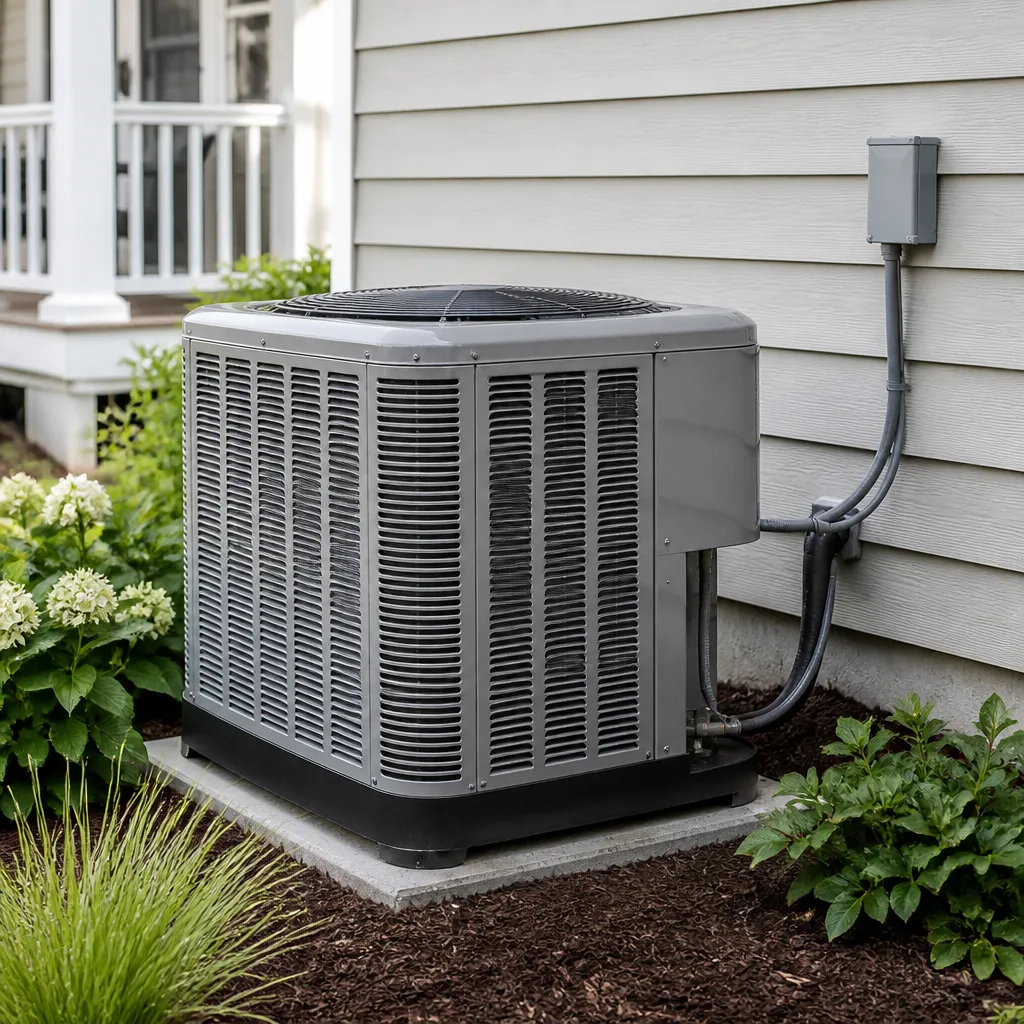 AC repair
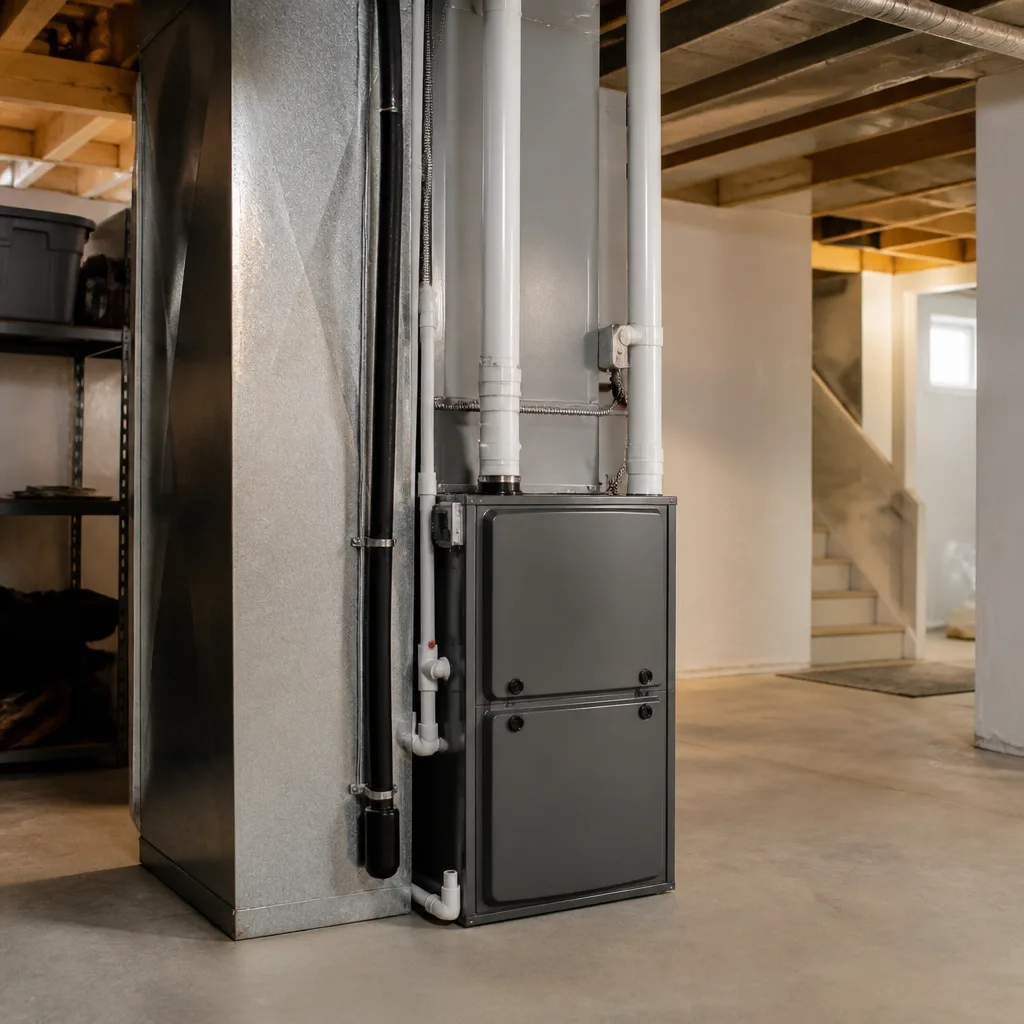 Furnace & heating
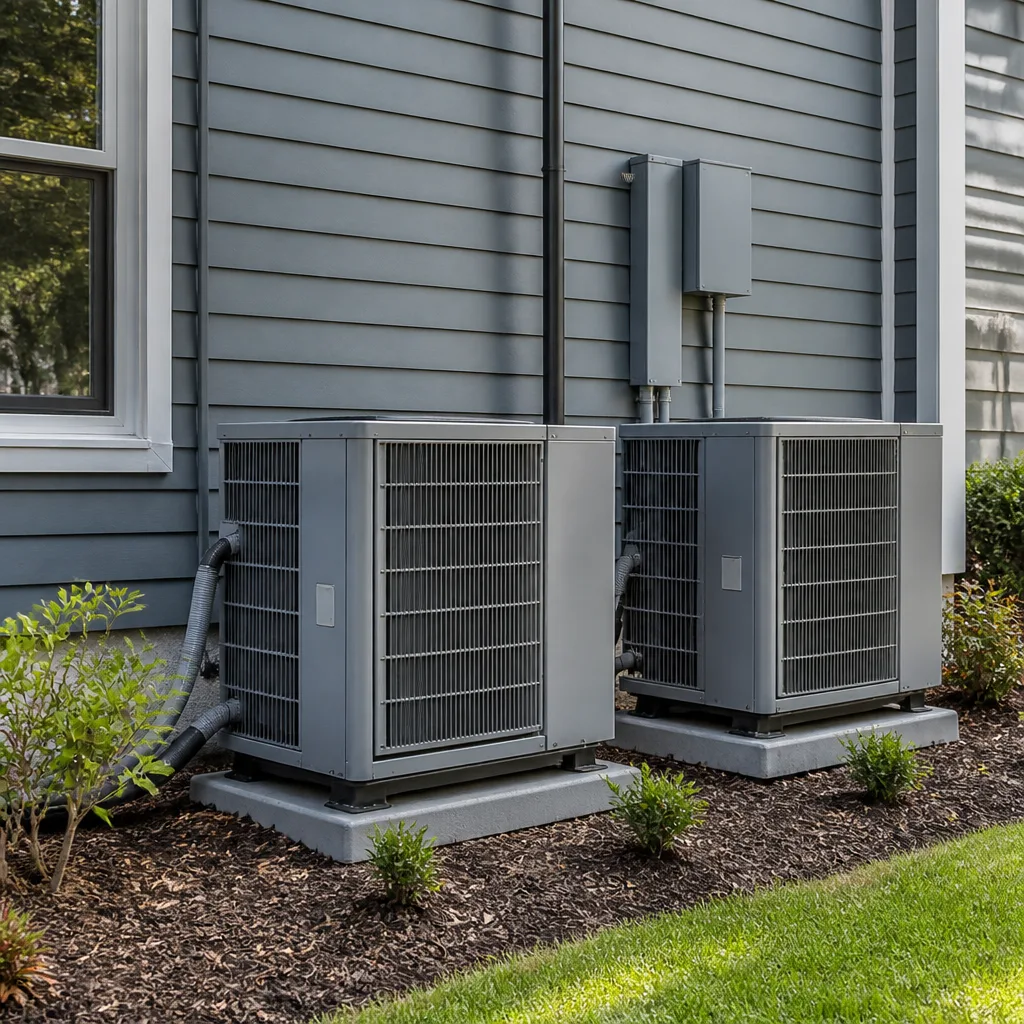 Heat pumps
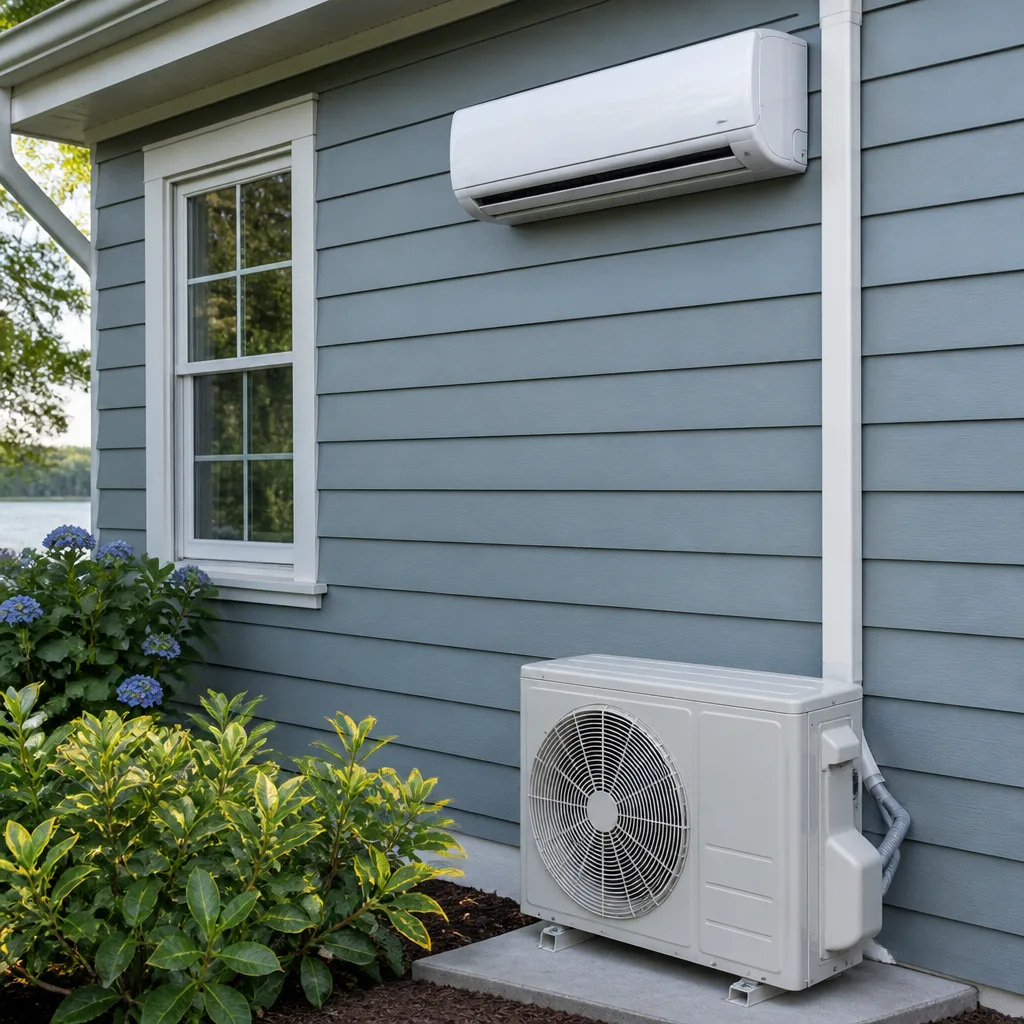 Ductless mini splits
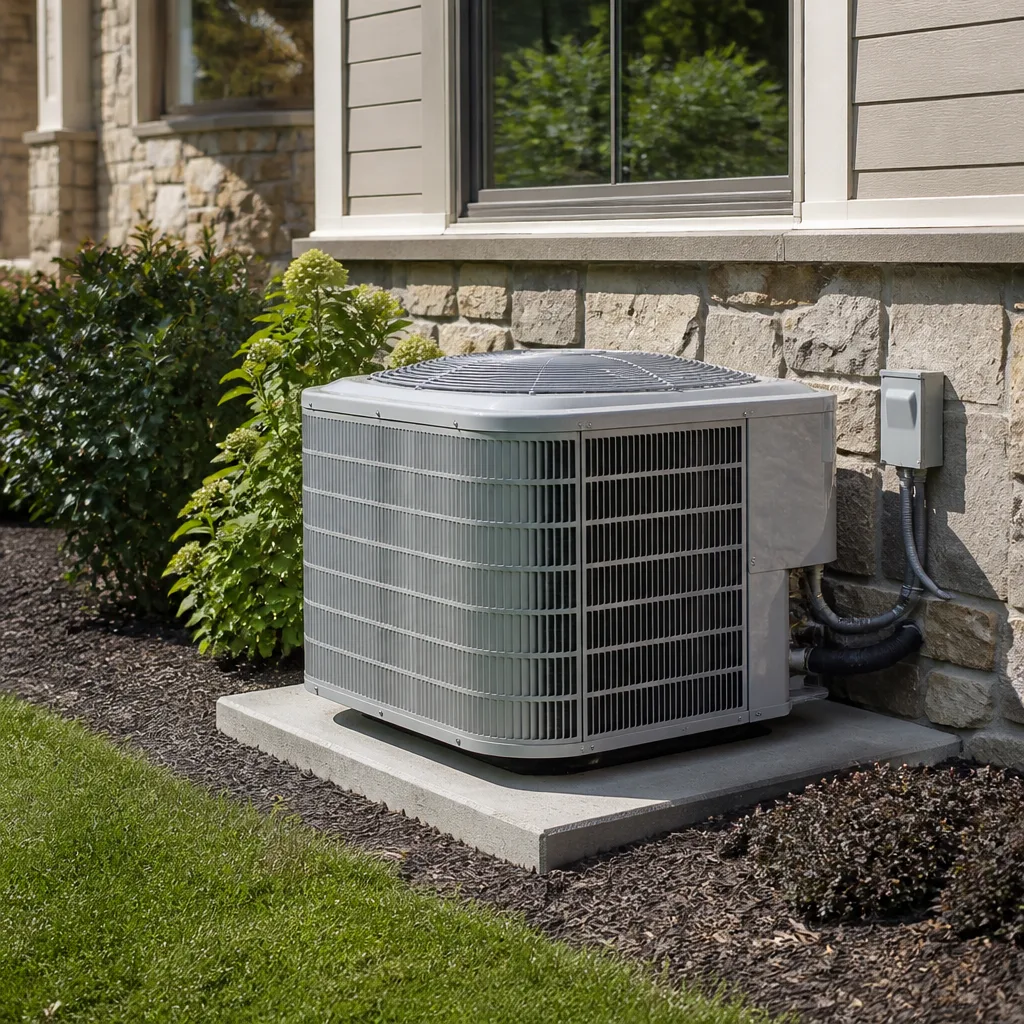 Carrier
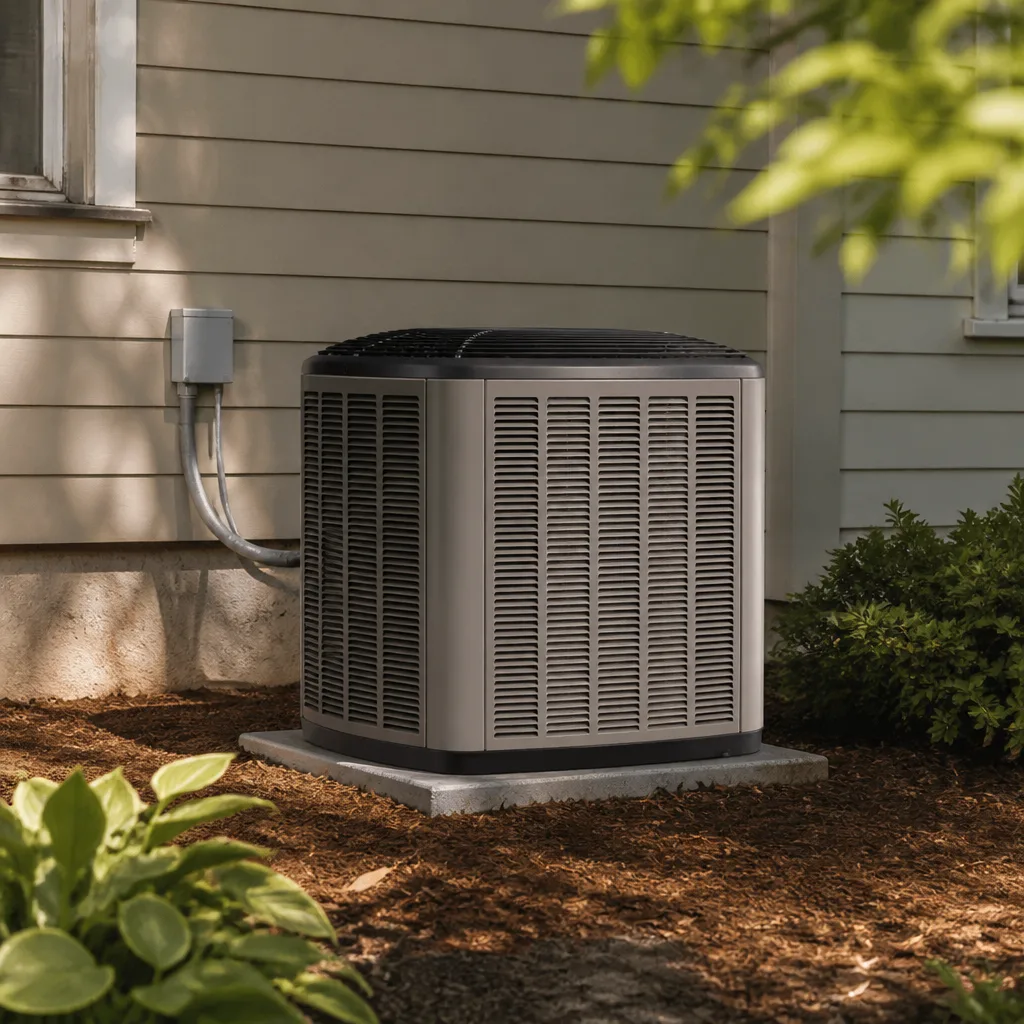 Trane
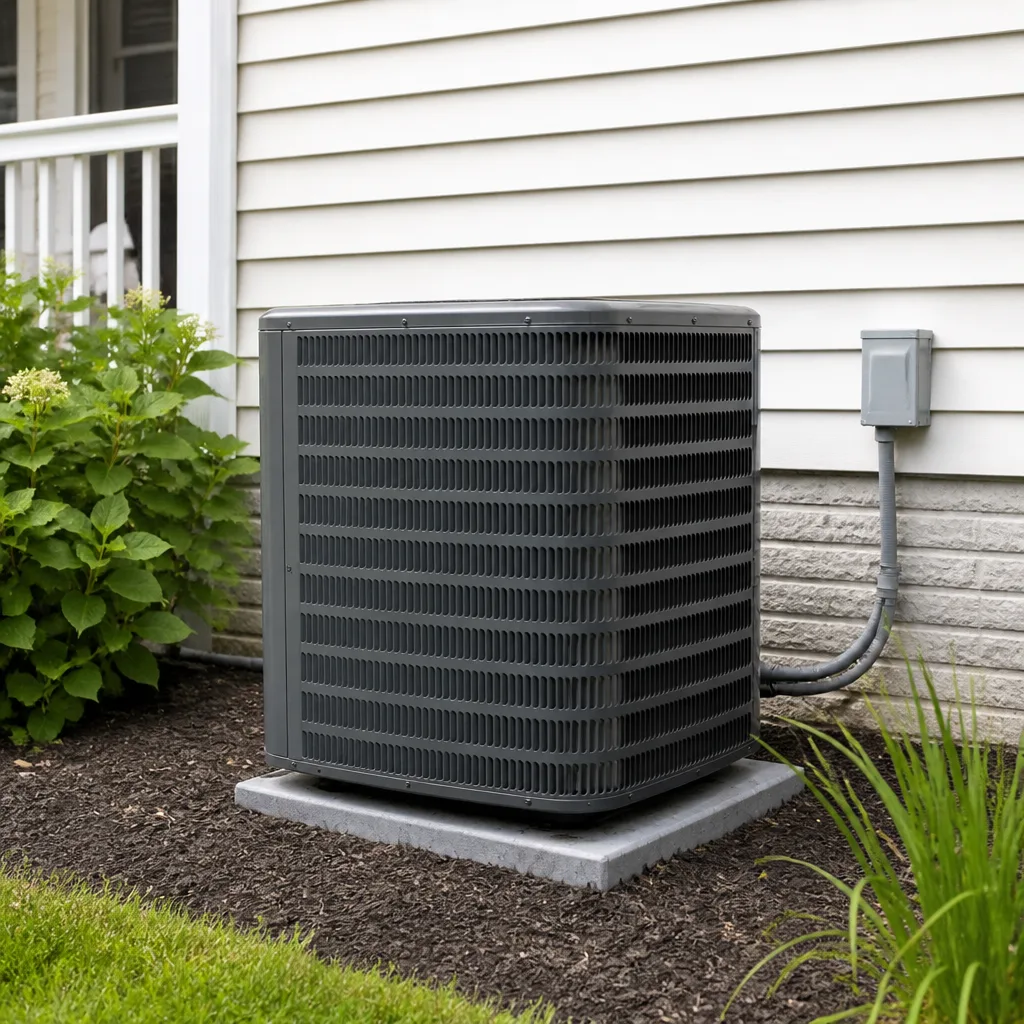 Goodman
Seasonal tune-up and full diagnostic on your Carrier, Trane, or Goodman system - readings shown to you before any repair is proposed
Diagnosis first, numbers second - you approve the repair price before a single part goes in.
Get your free estimateHVAC Warning Signs: A Boulder City Homeowner’s Reference Guide
A system that short-cycles in a humid climate is annoying. A system that short-cycles in Boulder City in July is a countdown. Every failed startup attempt under 112°F ambient heat adds thermal stress to a compressor that may already be running low on refrigerant, and the damage compounds faster here than it does almost anywhere else in Nevada. That is the difference this guide is built around: warning signs don’t all look the same. Some are sounds. Some are numbers on your energy bill. Some are patterns that only make sense when you know how a desert system behaves under sustained heat load. Below you’ll find each sign catalogued by what it actually indicates about your system’s condition, plus clear language on which ones mean “schedule service this week” and which mean “turn the system off now.”
Quick Answer
The most serious HVAC warning signs in Boulder City are repeated short cycling under summer heat, warm air from the vents after 15 minutes of runtime, a power bill that climbs more than 20% over the same month last year, and any grinding, hissing, or burning smell. Signs that mean schedule service this week: rising bills, uneven cooling between rooms, weak airflow, and unusual cycling patterns. Signs that mean shut the system down and call: burning smells, loud metallic grinding, ice on the indoor coil or refrigerant lines, or a breaker that trips twice.
Styles & brands we work with
- AC repair
- Furnace & heating
- Heat pumps
- Ductless mini splits
- Carrier
- Trane
- Goodman
Table of Contents
- Short Cycling: The Warning Sign Homeowners Rationalize Away
- Energy Bill Patterns That Show Trouble Before Anything Else Does
- Warm Air from the Vents: Why Desert Causes Differ
- Ductwork Warning Signs in Boulder City Attics
- Sounds, Smells, and What Each One Points To
- Signs That Mean Turn It Off Now Versus Schedule Service
- Heating-Side Warning Signs in a Cooling-Dominated Climate
Short Cycling: The Warning Sign Homeowners Rationalize Away
If there’s one pattern we see homeowners explain away more than any other, it’s short cycling. The system kicks on, runs for three or four minutes, clicks off, then starts again six minutes later. It still cools, so the owner decides it’s fine. It almost never is.
In Boulder City, short cycling is a much more serious signal than it is in a milder climate because every restart cycle carries the full weight of ambient heat. When a compressor starts up at 112°F instead of 85°F, the internal pressures spike higher and the motor draws more current. If your system is cycling eight or ten times an hour instead of the normal two or three, the compressor is living through three times the thermal stress it was designed for. What often drives the cycling in the first place is low refrigerant charge or an oversized unit, and both problems get worse, not better, with every extra cycle.
What makes short cycling especially dangerous is that it tends to hide. In spring and fall, when Boulder City is in the 80s, the system cycles less and everything seems fine. Then June arrives and the cycle count doubles. By the time the homeowner says “it’s really acting up this year,” the compressor has been run through a full summer of unnecessary starts.
Watch for these signs of abnormal cycling:
- The system runs for less than five minutes per cycle
- More than three complete cycles in an hour
- Cycling that gets noticeably more frequent as outside temperatures rise
- Indoor temperature swings of more than 3 or 4 degrees around the thermostat setting
- Compressor starts that make a clunk or a loud click you can hear from another room
If you’re seeing two or more of these, the right move is a service call this week, not next month. A Boulder City air conditioning repair visit early is the cheapest version of this conversation.
Energy Bill Patterns That Show Trouble Before Anything Else Does
The energy bill is the earliest objective evidence you’ll get, and it’s the one most homeowners ignore because it doesn’t make noise. A system losing efficiency signals it in kilowatt-hours long before you’ll hear anything mechanical.
Here’s what a normal comparison actually looks like for a Boulder City home. If your July bill over the past few summers has been in the $240 to $310 range for a home of moderate size, a single month at $380 is noise, but two consecutive Julys at 20% above the running average is a trend. That’s the threshold to act on: roughly 15% to 20% above the same month the prior year, sustained across two billing periods.
Three patterns in particular point at declining efficiency rather than weather:
- Bills climbing while the weather looks flat. If August was a few degrees cooler than July but your electricity usage went up, that’s the system, not the sun.
- A bill that’s high even in mild months. A system that eats power in April and October is telling you the compressor is working harder than it should at any temperature.
- Bill hikes that started suddenly. A jump of more than 25% from one month to the next, with no change in how you run the house, usually points to a single failure (refrigerant loss is the most common) rather than gradual wear.
On the heating side, the pattern is the same with a different season. A furnace or heat pump that used to cost $90 to run in January and now costs $140 is the same message in colder weather. A professional Boulder City heating and furnace inspection in the fall catches these patterns before they compound.
Warm Air from the Vents: Why Desert Causes Differ
When a homeowner in a milder climate calls and says “the air is warm,” the most likely culprit is a refrigerant leak or a failing compressor. Those are possibilities in Boulder City too, but there are two desert-specific causes that show up here far more often.
The first is attic heat gain. In a Boulder City attic in July, the air around ductwork can hit 150°F to 170°F. If any part of your duct system is leaking or has lost its insulation, the 55°F supply air mixes with that attic air on the way to the room. By the time it reaches the register, it’s 75°F to 80°F, which feels “warm” even though the system is cooling correctly at the indoor unit. A technician can confirm this in ten minutes by measuring the supply air temperature right at the air handler versus the register. A difference of more than 8 or 10 degrees says it’s the ducts, not the equipment.
The second is a refrigerant problem that shows up as warm air earlier in the day. A system with a slight undercharge can cool the house during the cooler morning hours and then lose ground by afternoon once the load climbs. If your air is warm at 3 p.m. but cool at 8 a.m., the diagnosis is almost always refrigerant.
When you call, describe the warm air like this: the outdoor and indoor temperatures, how long the system has been running before you checked, whether some rooms are warm and others are cool, and whether the pattern changes with the time of day. That level of detail saves the technician a trip back to the truck and gets you a straight answer faster.
Ductwork Warning Signs in Boulder City Attics
Attic ductwork is one of the quietest problems in a Boulder City home, and one of the most expensive if left alone. The physics are simple: a duct system that leaks 15% to 20% of its supply air into a 160°F attic isn’t just wasting that air, it’s also pulling unconditioned Boulder City air into the return side, which makes the system work through the same load twice.
The monthly cost of ignored ductwork is real. For a typical 1,800-square-foot Boulder City home running a 3-ton system, a moderately leaky duct system adds roughly $30 to $60 per month to the summer bill. Over a full May-through-September season, that’s $150 to $300, and that’s before any compressor stress from the extra runtime.
Warning signs that point specifically at ductwork:
- Some rooms cool well and others never do, especially the ones at the far end of the house
- Registers feel like they’re pushing air, but it’s not cold
- You can hear a whistling or a rushing sound at registers when the system is on
- The house has a noticeable temperature difference between floors of more than 4 degrees
- Dust collects quickly on ceiling fans and returns
- Attic insulation looks collapsed or disturbed around the ducts
Ductwork in Boulder City tends to fail at the connections first, then at the flex duct joints where the attic heat cycles them hot and cool every day. A proper duct inspection includes a temperature differential check at the last register in the run, not just the closest one. If you’re not sure whether it’s ducts or equipment, a heat pump and mini split assessment can help clarify whether a ductless option would suit your Boulder City home better than chasing leaks in the attic.
Sounds, Smells, and What Each One Points To
Sound is often the first warning you get, and it’s also the easiest to misread. Different noises mean different parts. Here’s how we read them.
A hissing sound at the outdoor unit or near the refrigerant lines usually points to a refrigerant leak. It’s one of the most urgent non-catastrophic signs because a system running low on refrigerant is running hot.
A grinding or screeching sound from the outdoor unit is usually a motor bearing or a fan blade contacting the housing. Turn the system off and call; running it further can damage the compressor.
A clunk on startup is more common with aging contactors or a failing capacitor. Not an emergency, but it should be looked at this week.
Rattling is often a loose panel or a fan blade out of balance. Sometimes cosmetic, sometimes not. Worth a check.
A burning smell from any part of the system means shut it off and call. Do not run it again until someone has looked at it.
A musty or dirty sock smell from the vents is a moisture or biological issue in the indoor coil or ductwork. Common in Boulder City when a system is cycled hard and the coil never fully dries out. Fixable, and usually not urgent unless it’s paired with visible water.
Write down when the sound happens. “Grinding on startup for the first ten seconds” is a much more useful diagnostic detail than “it makes a noise sometimes.”
Signs That Mean Turn It Off Now Versus Schedule Service
Not every warning sign is an emergency. Here’s the plain split.
Turn the system off and call now:
- Any burning smell from the indoor or outdoor unit
- Loud metallic grinding that repeats
- Ice visible on the indoor coil or the refrigerant lines outside
- A breaker that trips more than once, or any sparking at the shutoff
- Visible water pooling around the indoor unit
- A gas smell near a furnace (leave the house before calling; from a neighbor’s phone if needed)
Schedule service this week:
- Short cycling, unusual cycling patterns, or temperature swings
- Weak airflow from registers
- Warm air that appears seasonally or by time of day
- Bill that jumped 15% to 20% over the previous year
- New noise from the outdoor unit that doesn’t repeat consistently
- Rooms that have never cooled evenly
Watch and note:
- Occasional rattles
- Dust on ceiling fans (usually a filter or duct issue, rarely an emergency)
- Mild sounds only in the first 15 seconds of startup
Heating-Side Warning Signs in a Cooling-Dominated Climate
Boulder City homes run their cooling systems far harder than their heating systems, which is exactly why heating warning signs get missed. A furnace or heat pump that gets 45 minutes of use in a mild week tells you much less about its condition than an AC system running six hours a day.
The signs appear in the colder weeks and usually show up first as comfort problems, not equipment problems. Cold rooms at the end of the house. A system that runs constantly to hold 68°F. A heat pump that cycles into defrost mode multiple times an hour on a mild morning. A furnace whose blower runs longer than it used to after the burner shuts off.
Colder-weather signals that point at real trouble:
- Cold air from registers on a heat pump when the outside temperature is above 30°F (short heat pump defrost cycles can produce brief cold air, but sustained cold means a problem)
- The furnace clicking but not igniting
- The blower running with no heat being produced
- Any yellow rather than blue flame at the burner
- A gas odor anywhere near the furnace
The gas-odor, yellow-flame, and click-without-ignite signals are all safety items and warrant a call the same day. The comfort ones deserve a fall checkup so the heating side is proven before it’s depended on. Fall is also when a Boulder City home HVAC assessment can catch issues before the first cold week.
Common Mistakes to Avoid
- Waiting for a total failure before calling. In Boulder City, a compressor that fails in late June can mean a two- to five-day wait for parts before the worst case. A $150 diagnostic in April avoids most of that risk.
- Ignoring the bill and only watching the thermostat. Your energy bill is the earliest objective signal. A 20% rise from last year deserves a check even if the house feels fine.
- Running the system on ice. If you see ice on the indoor coil or the refrigerant lines, turn it off first. Continuing to run it while frozen adds compressor stress for zero benefit.
- “Topping off” refrigerant instead of finding the leak. Refrigerant doesn’t get used up; it escapes. Topping off without a leak search just delays the same failure and pays for it twice.
- Assuming the ducts are fine because the system runs. Duct leaks are invisible, but they typically add $30 to $60 a month to a Boulder City summer bill and stress the compressor with the extra runtime.
- Hiring the lowest bid without the warranty in writing. The 90-Day Done Right Promise exists because a cheap fix that fails in a month costs more than a good fix that lasts.
- Replacing a system before a second opinion. Free second opinions on a written estimate are one of the cheapest ways to know whether the quoted repair is real. If the number is large, get it checked.
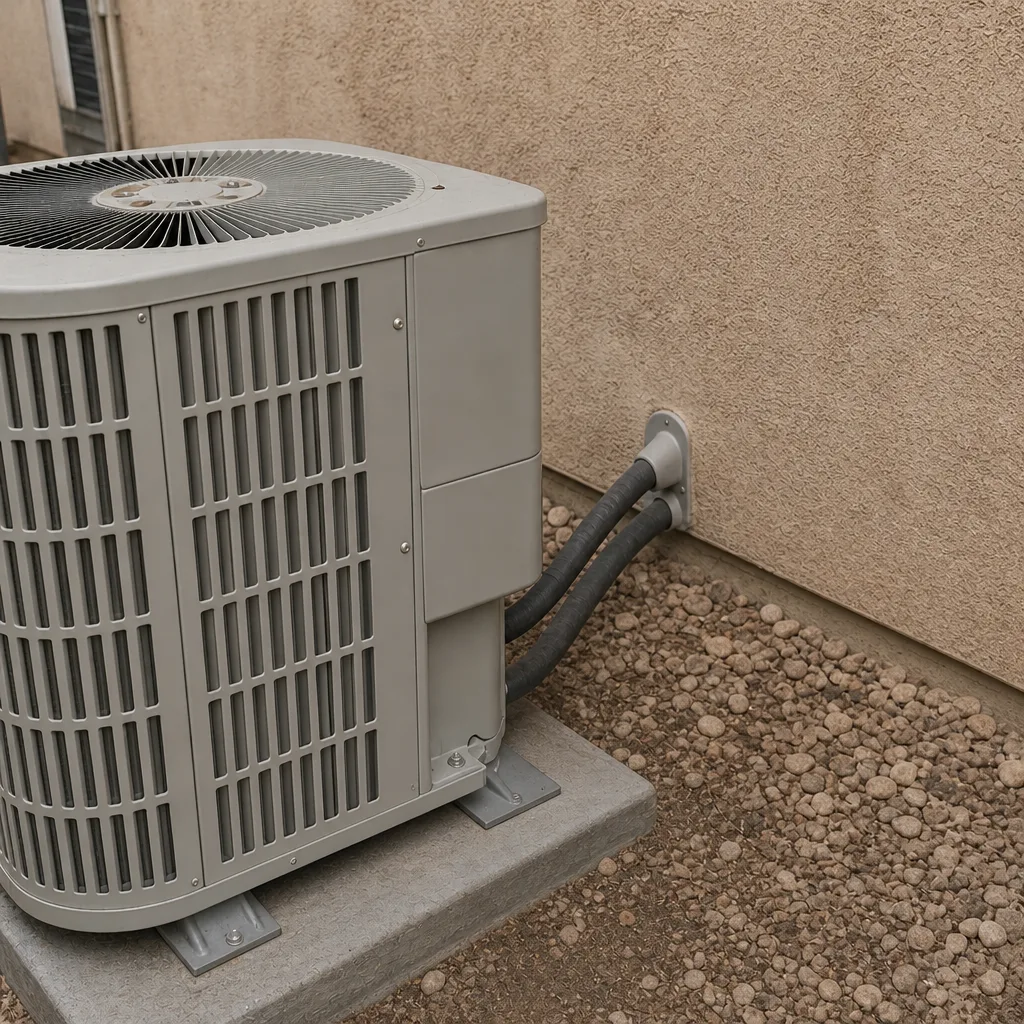
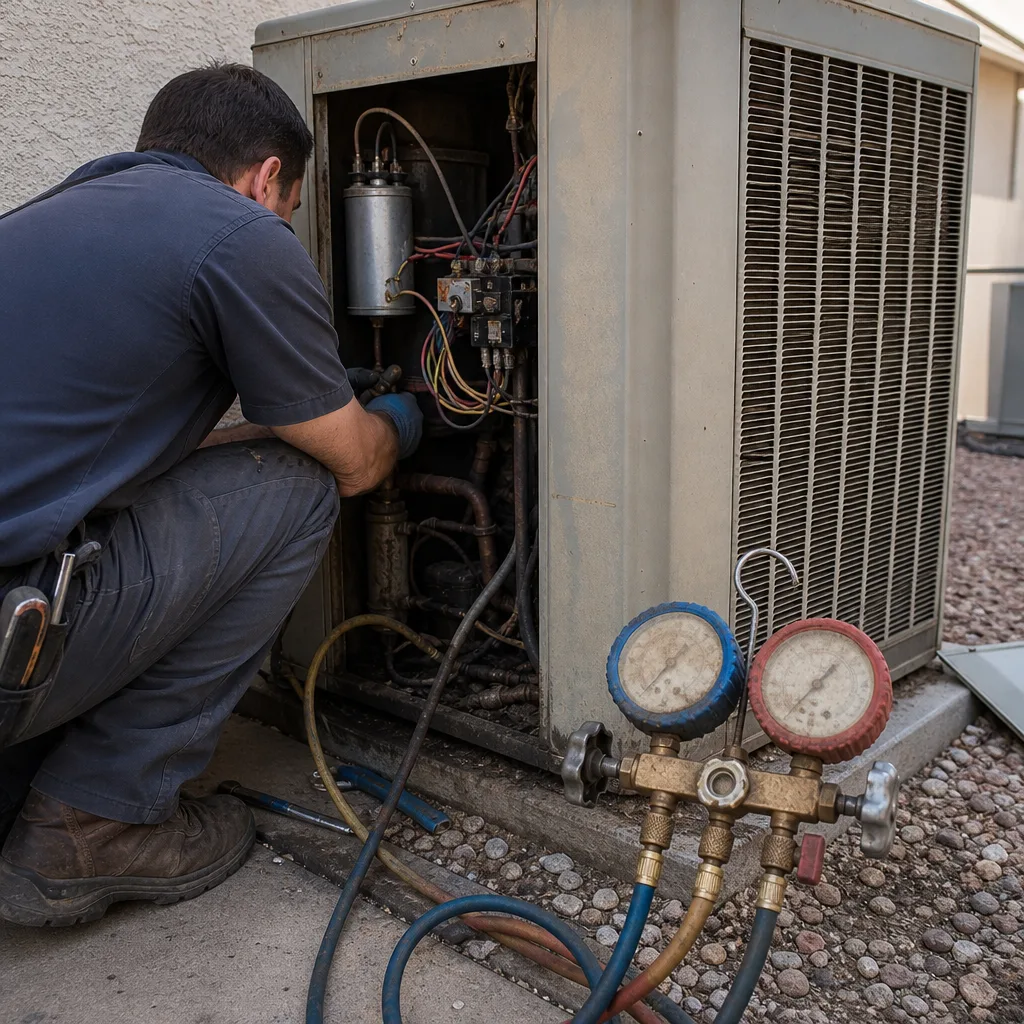
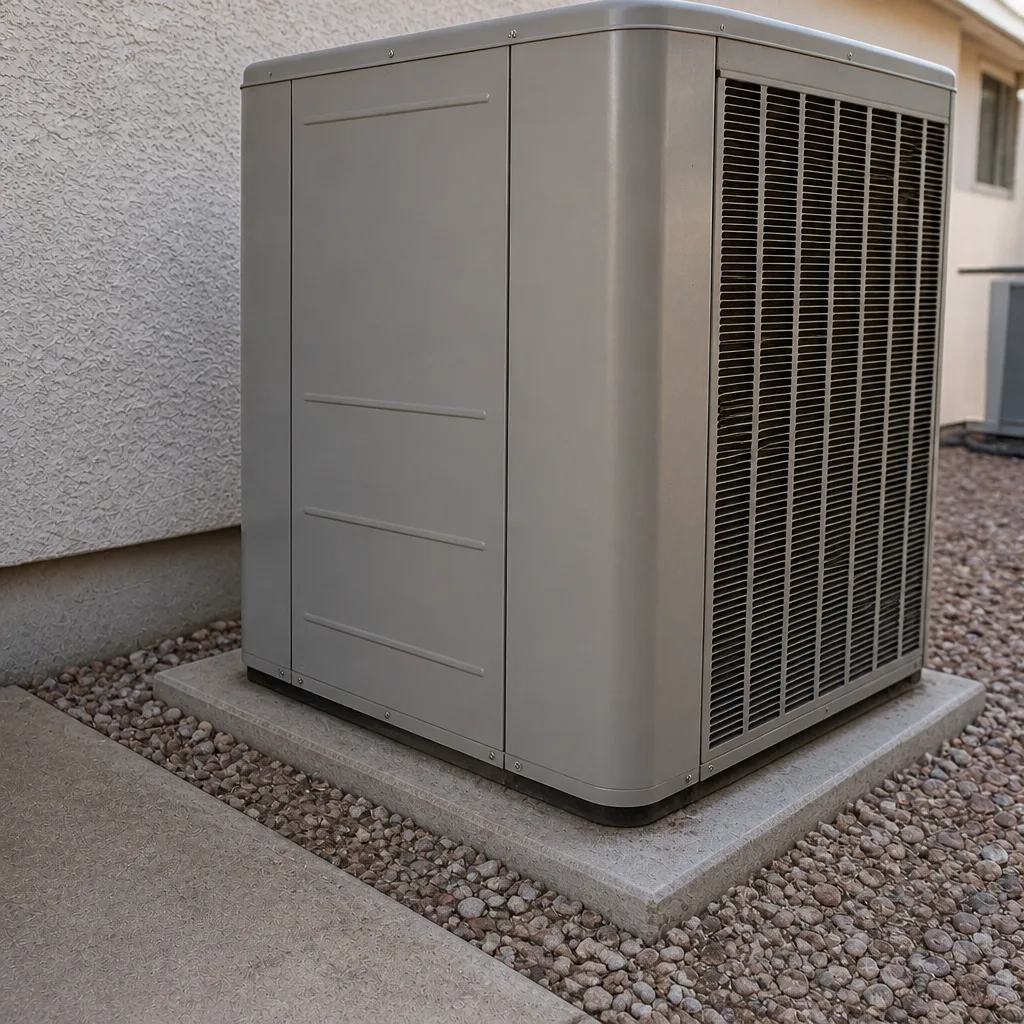
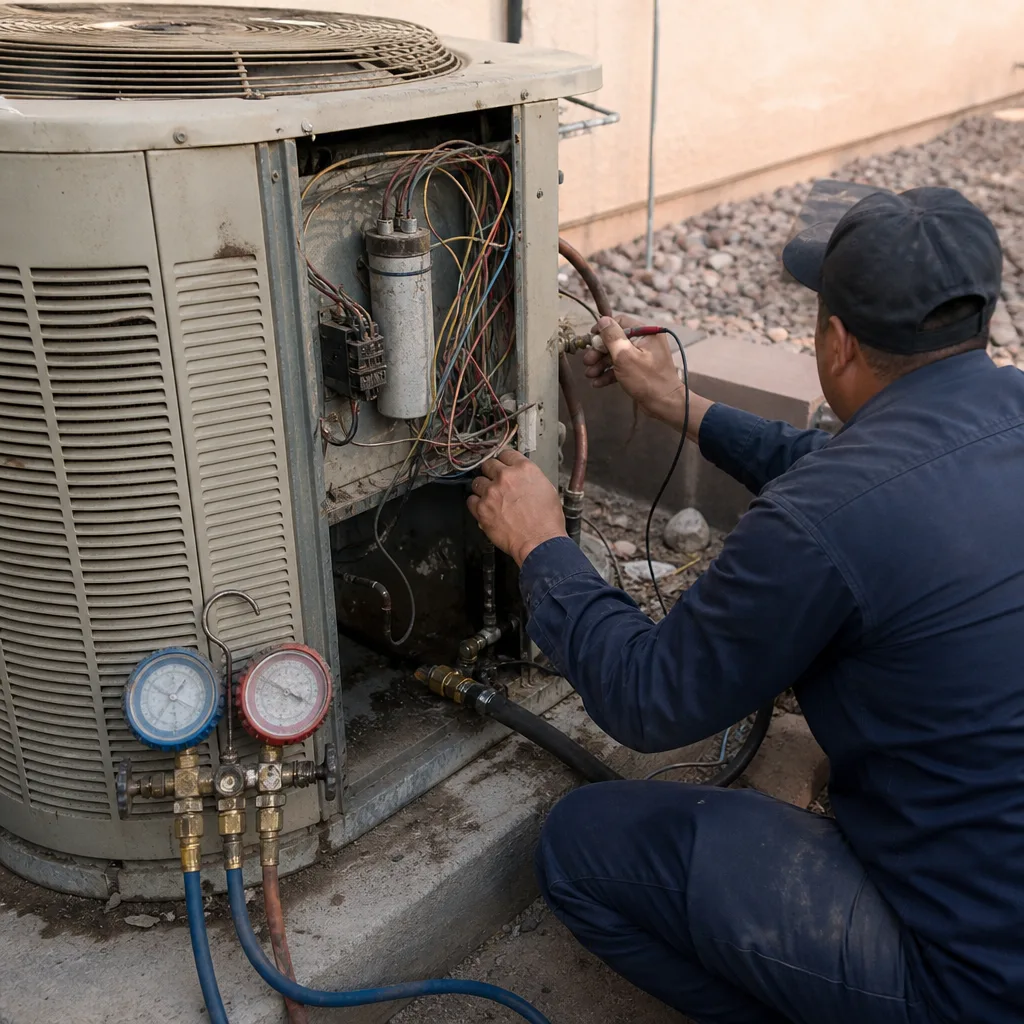
See the difference
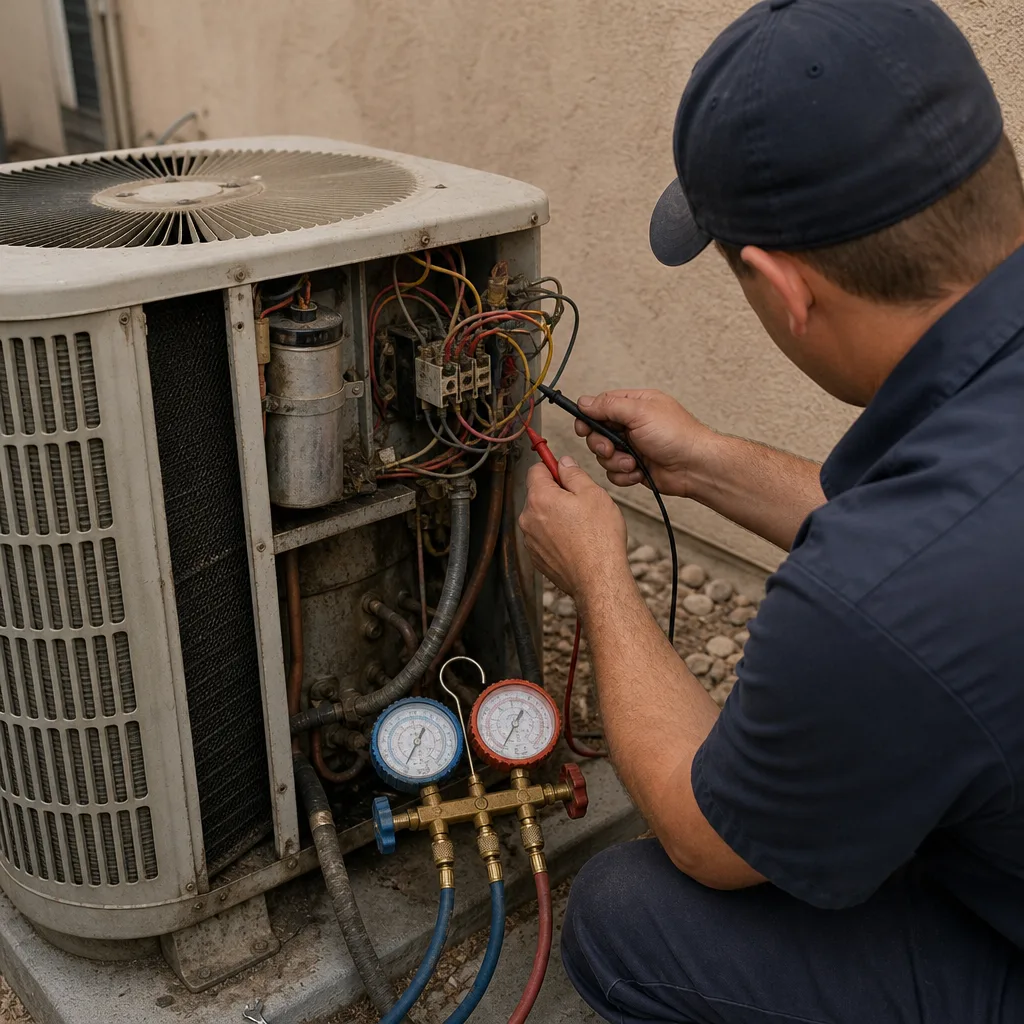 Before
 After
 Before
 After
 Before
 After
When to Call a Professional
Call when you see burning smells, metallic grinding, ice on the system, a breaker that trips twice, or a gas odor near the furnace. Also call when you see the slower signs: short cycling, bills up 15% to 20% over last year, warm air that appears only in the afternoon, weak airflow, rooms that have never cooled evenly, or a heating side that ran fine last winter and doesn’t now. In those cases, the earlier the call, the cheaper the outcome.
Fireside Heating & Air Co. Boulder City offers free estimates in Boulder City – call (844) 312-0133. Phones are answered by a live person around the clock, every day of the year, including the 2 a.m. no-heat call. Every repair is background-checked, uniformed, and backed by the 90-Day Done Right Promise: if it isn’t done right, we make it right, in writing, no arguing. We service nine major brands, including Lennox, Goodman, and Rheem, and our technicians have up to 8 years of experience on the tools.
Frequently Asked Questions
A 15% to 20% rise in your summer electricity bill compared with the same month last year, without a matching rise in the thermostat setting. It shows up weeks before any sound or mechanical symptom. Call (844) 312-0133 for a same-day diagnostic if you’re seeing that pattern this season.
Because the ambient temperature drives the load, and every restart carries more thermal stress at 112°F than at 82°F. The underlying cause is usually low refrigerant or an oversized unit, and both get worse with every extra cycle. Turn it into a service call this week – the longer it cycles under full heat, the shorter the compressor’s life.
Yes. Ice on the indoor coil or the refrigerant lines means the system is struggling to move refrigerant or airflow, and running it while frozen compounds the damage. Turn the system off, let it thaw, and schedule a diagnostic. Call (844) 312-0133 for a prompt appointment in Boulder City.
We quote the diagnostic upfront and the price you’re given is the price you pay. Free second opinions are available on any written estimate from another company, and there’s a standing $50 off any repair over $250, plus a permanent Senior and Veteran 5% discount. Call (844) 312-0133 – estimates are free.
For a moderately sized home running a 3-ton system, summer bills commonly land in the $240 to $310 range per month when the system is running well. If you’re consistently above that with no change in how you live, the gap is the warning sign. Call (844) 312-0133 to have the system checked before the next billing cycle.
It depends on the age of the equipment and whether the fixes are priced against the total replacement cost. If you’re facing a compressor problem plus duct leaks plus a rising bill in the same season, a straight comparison is worth having. Straight talk about repair versus replace is part of what we do – call (844) 312-0133 for a free estimate that lays both options out side by side.
The Bottom Line
Warning signs come in three shapes: sounds, numbers, and patterns. The sounds are easy to hear but often ignored until failure. The numbers on your energy bill are the earliest and most objective signal, and they deserve a call when they climb 15% to 20% over the same month last year. The patterns – short cycling, rooms that never cool evenly, warm air that shows up only in the afternoon – are the ones that almost always escalate before the next season in Boulder City. Catch them this week and they’re a service call. Miss them and they’re a compressor replacement. Call (844) 312-0133 and a live person will pick up.
Written by the team at Fireside Heating & Air Co. Boulder City.