
Last updated November 18, 2026
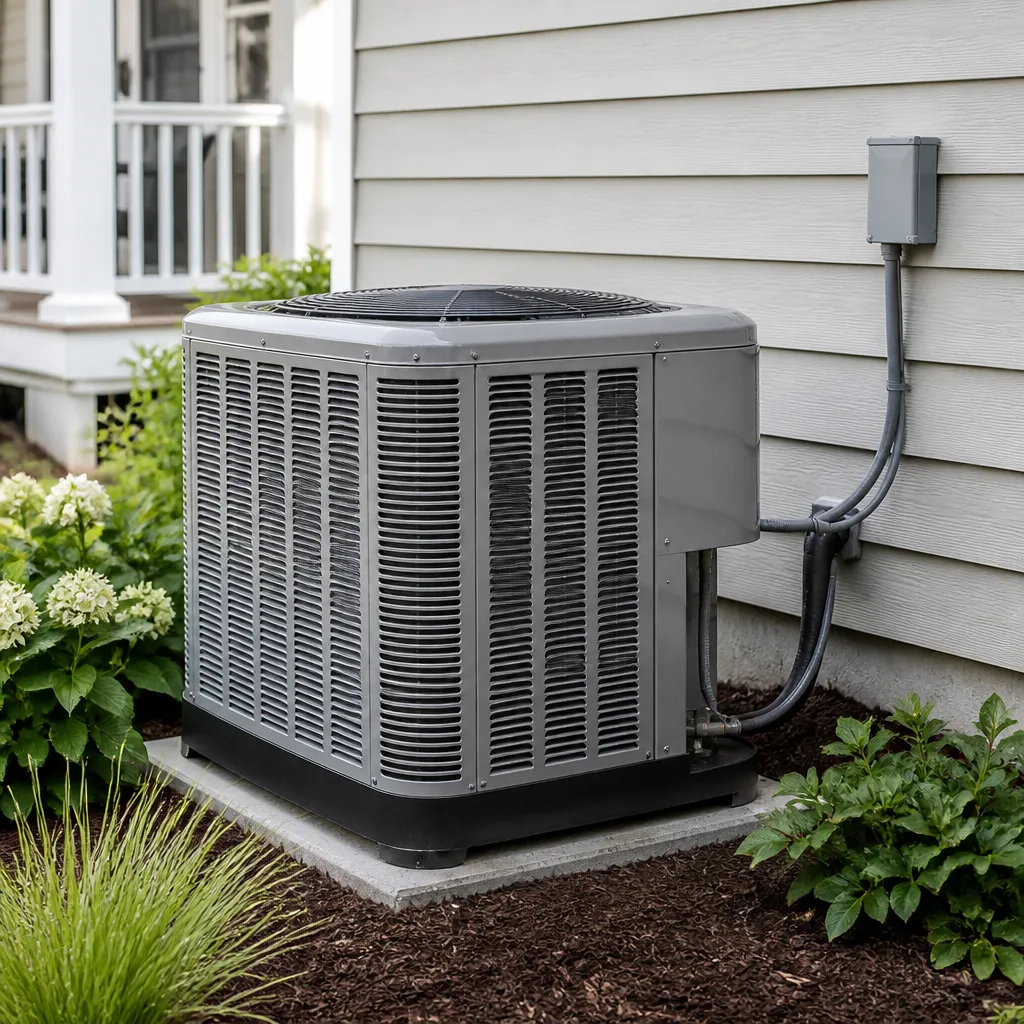 AC repair
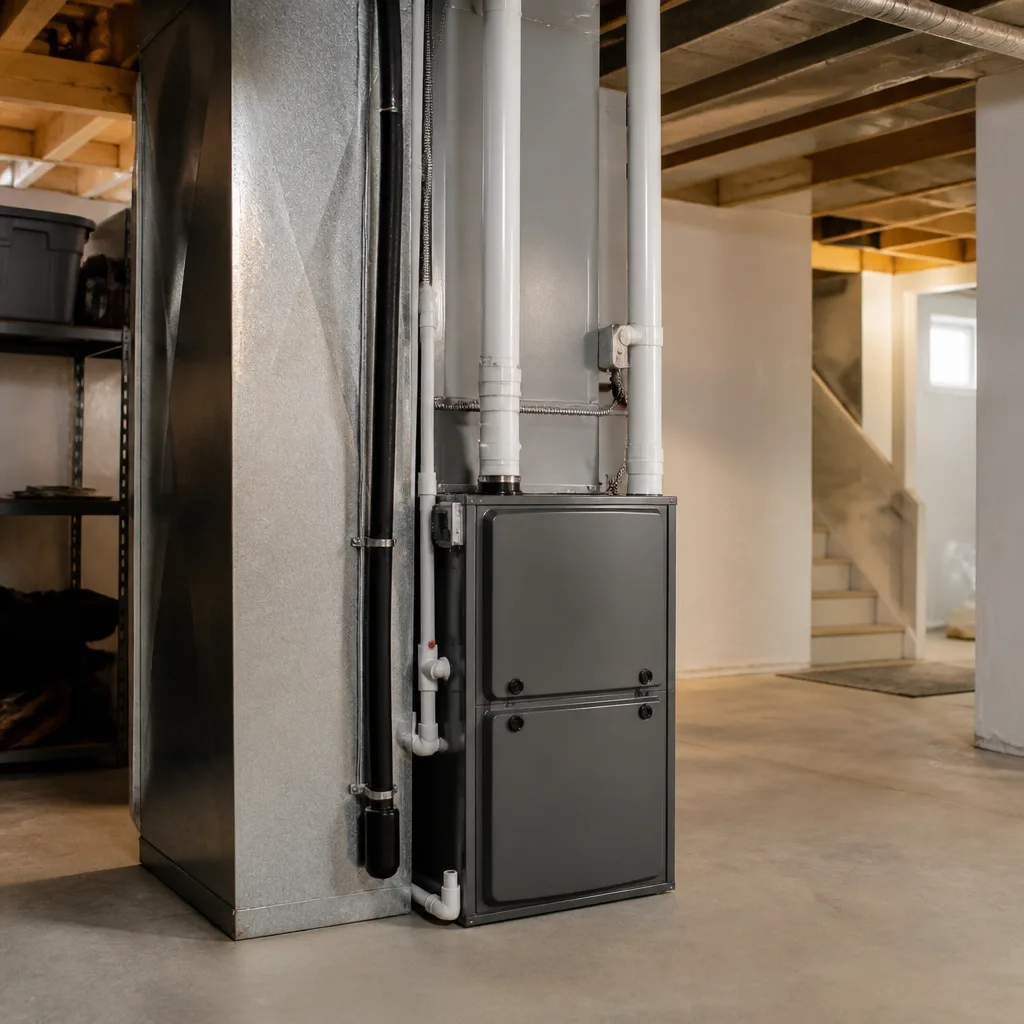 Furnace & heating
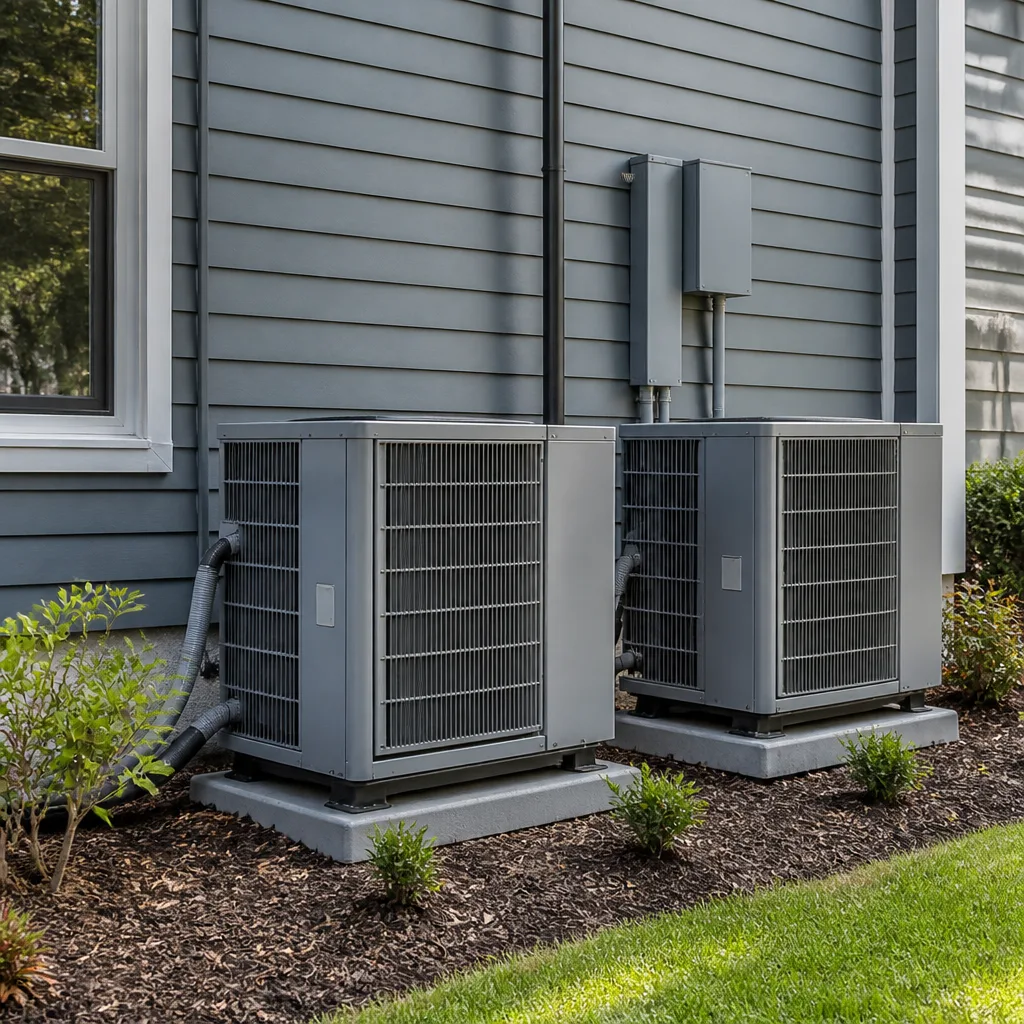 Heat pumps
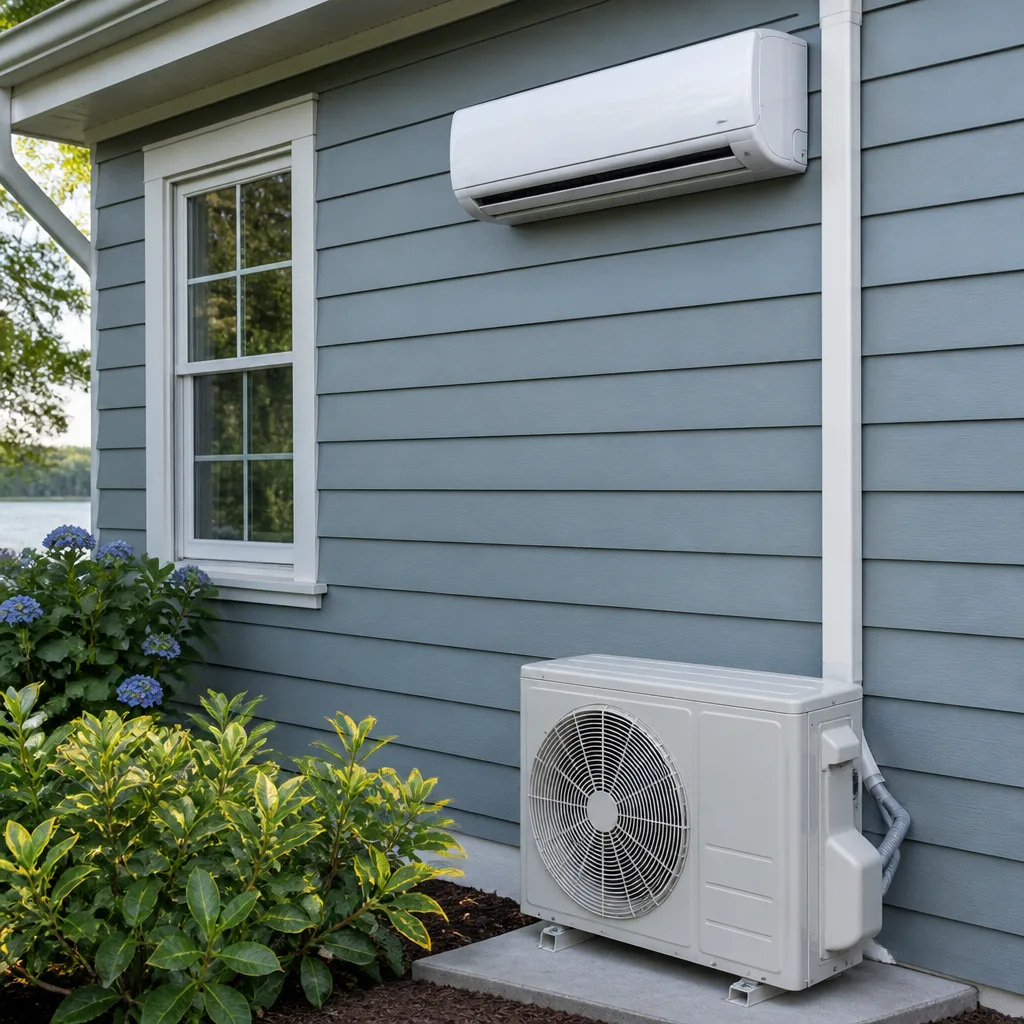 Ductless mini splits
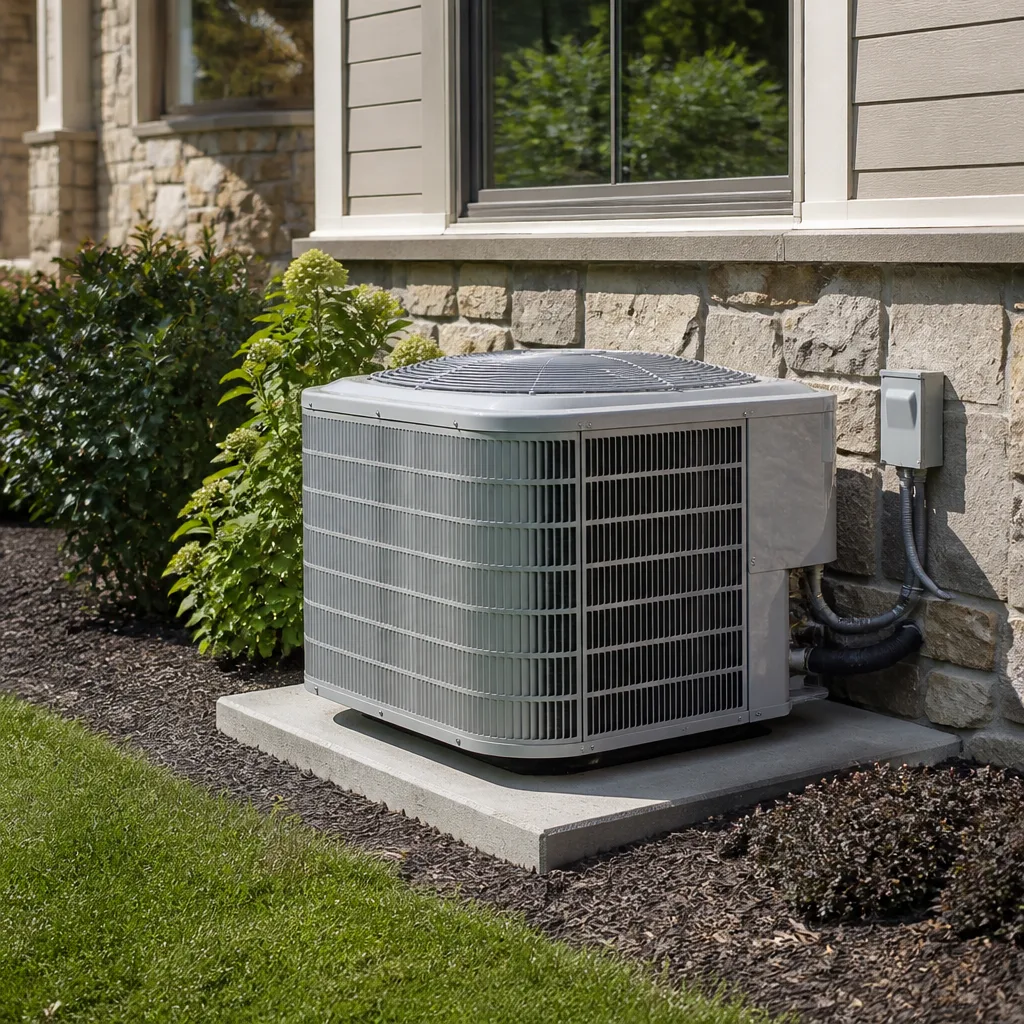 Carrier
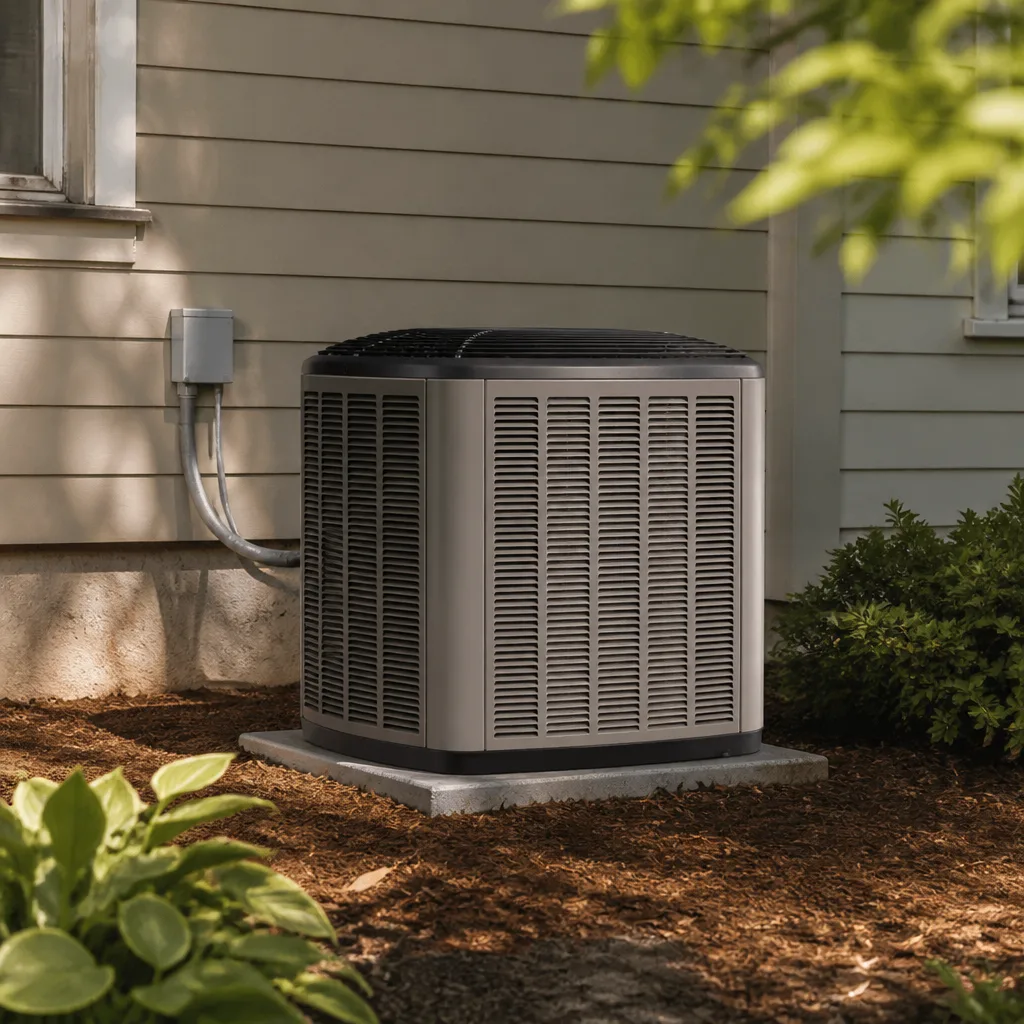 Trane
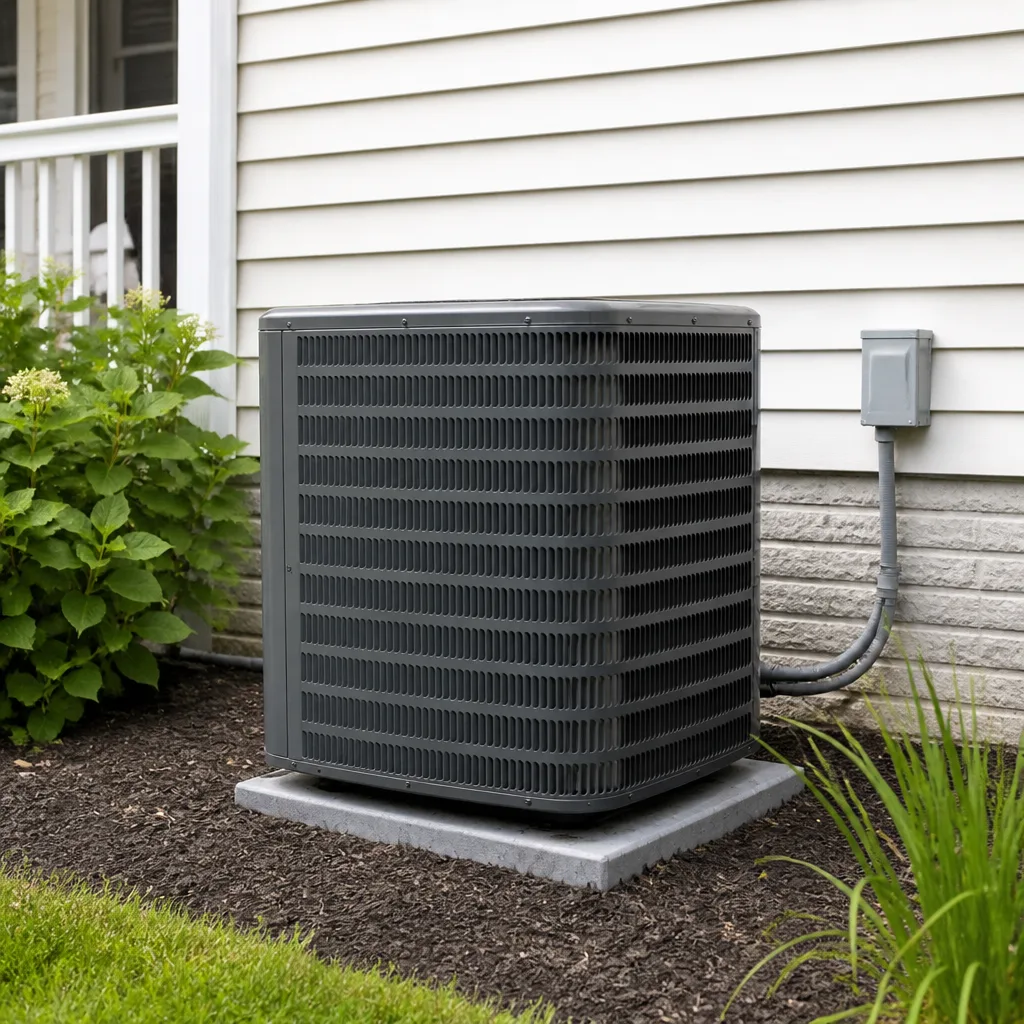 Goodman
Seasonal tune-up and full diagnostic on your Carrier, Trane, or Goodman system - readings shown to you before any repair is proposed
Diagnosis first, numbers second - you approve the repair price before a single part goes in.
Get your free estimateSeasonal HVAC Care for Boulder City: Year-Round Homeowner’s Guide
The worst time to discover your AC is low on refrigerant is June 1st. The best time to have found it was February, when technicians have open schedules, parts sit on the shelf, and you aren’t paying emergency rates to a crew that drove in from Henderson. Boulder City doesn’t run on four equal seasons. It runs on a punishing cooling season, a short shoulder window most homeowners waste, and a mild winter that fools a system into looking healthy right up until the first triple-digit week. This guide reframes the maintenance calendar around how Boulder City actually heats and cools, so you service the equipment when it prevents a failure instead of when it’s traditional.
Quick Answer
In Boulder City, the highest-value HVAC maintenance happens in February and March, not spring. A pre-season cooling check in late winter catches low refrigerant, weak capacitors, and dirty coils before June demand hits, while fall shutdown work in October and November protects heating equipment that sits idle for months in desert dust. The real year-round rhythm is: winter inspection, spring cooling prep, a monsoon-humidity check in late July, and a fall heating tune-up.
Styles & brands we work with
- AC repair
- Furnace & heating
- Heat pumps
- Ductless mini splits
- Carrier
- Trane
- Goodman
Table of Contents
- Why February and March Are the Highest-Leverage Months in Boulder City
- What the Monsoon Transition Does to Your Home
- Fall Shutdown Tasks for Desert Systems
- Why Heating Equipment Fails From Neglect, Not Use
- How to Stage a Year-Round Maintenance Log
- What You Can Do Yourself vs. What Needs Licensed Hands
- Common Mistakes to Avoid
- When to Call a Professional
Why February and March Are the Highest-Leverage Months in Boulder City
Most homeowners think of spring as HVAC season. In Boulder City, spring is already late. By the time the first ninety-degree afternoon lands in late April or early May, the cooling system is being asked to run hard, and any weak component is already under load. February and March give you a buffer. Technicians aren’t slammed, the truck has the part you need, and a problem found now is a repair instead of an emergency.
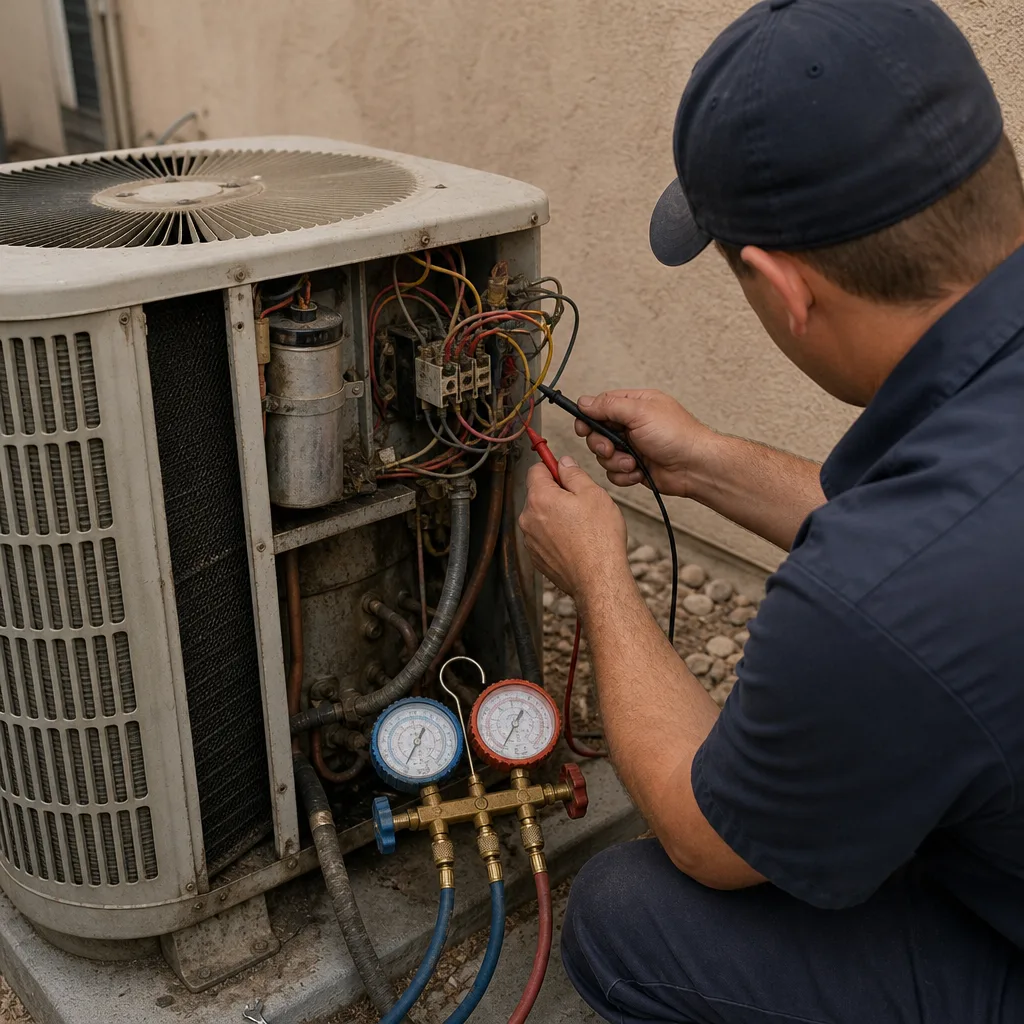
The February inspection is where the value sits. Here’s what a pre-season cooling check should actually cover, and why each item matters in our climate:
- Refrigerant charge and pressures. A slow leak over the mild winter shows up as low charge the first hot week. Catching it in February means a top-off and leak search, not a mid-July breakdown.
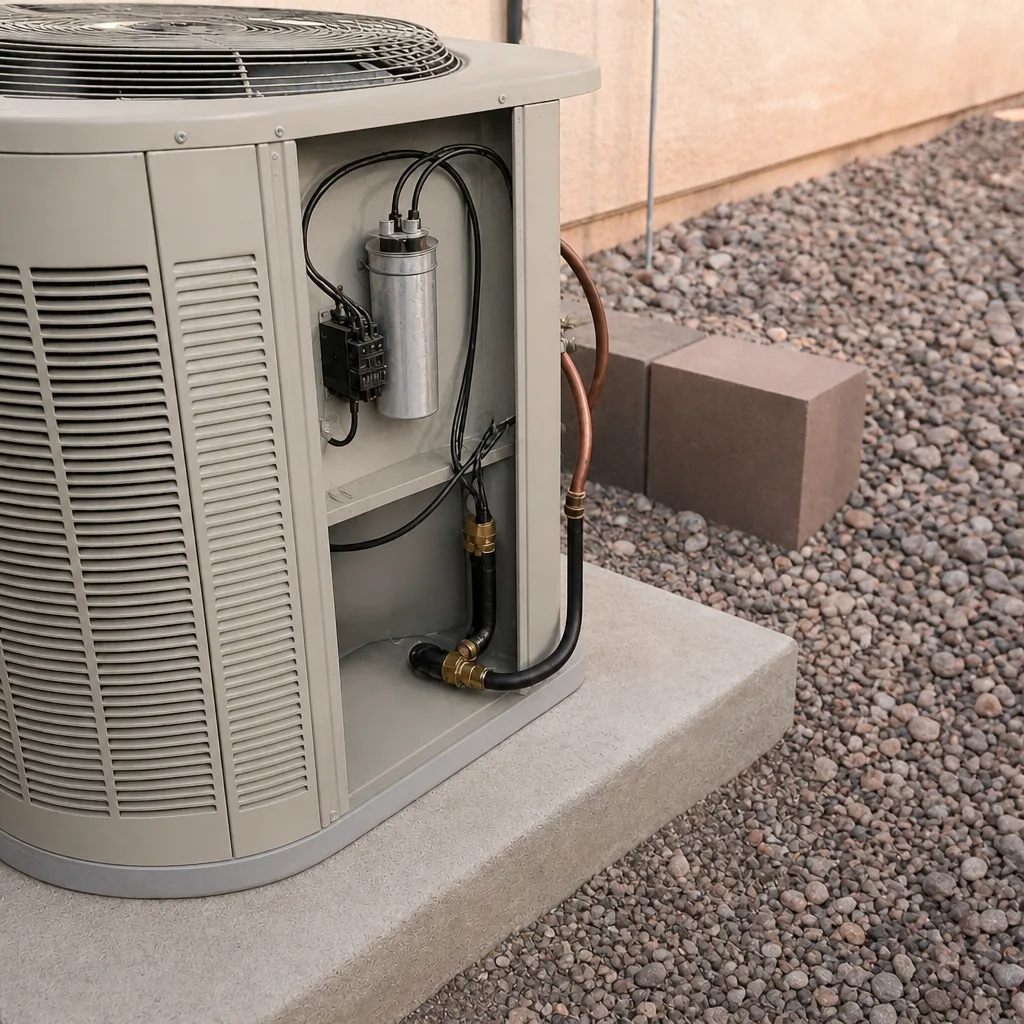
- Capacitors and contactors. These are the parts that fail on the first hot day after months of sitting. A technician can test them cold and replace a weak one before it strands you.
- Condenser coil cleaning. Desert dust and cottonwood collect on the outdoor coil all winter. A dirty coil drives up head pressure and shortens compressor life once June arrives.
- Drain line and float switch. The condensate line clogs with dust and algae. Clearing it now prevents a water leak into the ceiling the first week the AC runs continuously.
- Thermostat calibration and filter change. Cheap to do, easy to skip, and a frequent cause of “the system isn’t keeping up” calls.
We’ve seen the same pattern in Boulder City for years: the calls that flood in the first week of June are almost always problems that were visible in February. A February tune-up is our $89 seasonal service, and it’s the single most cost-effective thing you can do for a desert cooling system. For a deeper look at what a full cooling inspection involves, our AC repair and installation in Boulder City page walks through the whole checklist.
What the Monsoon Transition Does to Your Home
Late July into August is the window most homeowners ignore, and it matters here. Boulder City sits close enough to the Mojave monsoon pattern that humidity spikes for a few weeks, then drops back. That brief stretch does two things to your HVAC: it raises indoor humidity enough that the system’s sensible-to-latent balance shifts, and it stresses any equipment already running at the edge of its capacity.
During the monsoon window, the checks change. Cooling capacity gets partly spent pulling moisture out of the air, so a system that felt fine in June can suddenly feel like it’s not keeping up. That’s not always a failure. Before you panic, look at these:
- Confirm the thermostat is set to cool, not fan-only, and the fan is on auto rather than continuous so it isn’t re-humidifying the house.
- Check the indoor coil and drain pan for standing water or a musty smell. High humidity is when a slow drain clog announces itself.
- Change the filter if it’s been more than 90 days. A restricted filter plus high humidity is the classic “system can’t keep up” combination.
- Look at the outdoor unit for debris blown against the coil during monsoon winds. A blocked condenser in a humid stretch is harder on the compressor than in dry heat.
- If indoor humidity stays high after these checks, ask about dehumidification or airflow balance rather than assuming the AC is dying.
It’s a short window, but the monsoon stretch is where a lot of Boulder City homeowners get talked into a replacement they didn’t need. Straight talk about repair versus replace matters here. If a system handles June fine and only struggles for three humid weeks, that’s a different problem than a failing compressor. Our heat pump and mini split in Boulder City work often includes humidity and airflow checks for exactly this reason.
Fall Shutdown Tasks for Desert Systems
October and November are when you shut the cooling side down and prepare the heating side. In Boulder City the heating season is short, but that doesn’t mean the equipment can be ignored. A furnace or heat pump that sits idle for eight months in desert dust is a piece of equipment that gets no natural exercise. When you finally call on it in December, it fails.
Fall shutdown is a distinct set of tasks. Here’s what a proper autumn service covers:
- Cooling side shutdown. Clean the condenser, verify the disconnect, and check for any deferred issues you noticed during the summer before they get forgotten.
- Heating side inspection. Igniter, flame sensor, burners, and heat exchanger on a gas furnace; reversing valve and defrost cycle on a heat pump. These are the components that fail after a long idle stretch.
- Safety checks. On any gas-fired equipment, a heat exchanger inspection and combustion check is non-negotiable. Carbon monoxide is a genuine risk with a neglected furnace, and no homeowner should be diagnosing that themselves.
- Duct and vent review. Desert dust finds gaps in ductwork and vents. A quick look catches leaks that waste money all winter.
- Filter and thermostat reset. Swap to a clean filter and switch the thermostat to heat mode so the first cold morning isn’t a surprise.
Our heating and furnace in Boulder City page covers the full fall checklist, including the safety items that require licensed hands. The point of fall service isn’t to sell you something. It’s to catch the idle-season failures before the first cold snap, when everyone in the valley is calling at once.
Why Heating Equipment Fails From Neglect, Not Use
Boulder City winters are mild. That’s the trap. Because the heating system runs so little, homeowners assume it’s fine, and because it runs so little, small problems have months to get worse without anyone noticing. A furnace that would show a symptom in a cold climate goes quiet here. Then December arrives, you turn it on, and the igniter that corroded over the summer won’t light.
The failures we see most in Boulder City heating equipment after a long idle period:
- Igniters and flame sensors that corroded or collected dust during the off months.
- Pilot or ignition faults on older gas equipment that sat untouched.
- Heat pump reversing valves stuck from inactivity, so the unit blows cold when it should heat.
- Blower motors that seized or dried out from months of disuse.
- Thermostat batteries dead and settings drifted, so the system never gets the call to run.
The fix is simple: run the system before you need it. In October, switch the thermostat to heat for fifteen minutes on a mild afternoon. If it doesn’t come on, or smells like burning dust, or short-cycles, you’ve found the problem with weeks to spare instead of hours. If you run a heat pump, a fall service checks the defrost cycle and reversing valve so the first cold morning isn’t the test. We service all nine major brands, including Bryant and American Standard heat pumps, so a fall inspection covers whatever is already in your home.
How to Stage a Year-Round Maintenance Log
A maintenance log sounds fussy until you sell the house or hand the system to a new technician. A clear history tells anyone reading it what’s been done, what’s been replaced, and what’s been a recurring problem. It’s the difference between a technician guessing and a technician knowing. Here’s how to build one that stays useful for years.
- Start with a single sheet or a notes app entry per system. Record the equipment make, model, and install date. If you don’t know the install date, the model and serial number let a technician look it up.
- Log every service visit with date, technician company, and what was done. Include parts replaced and any readings (refrigerant pressures, amp draw, filter size). A copy of the invoice attached or stapled works fine.
- Note the seasonal tasks separately. Spring cooling prep, monsoon humidity check, fall heating tune-up. A quick checkbox grid makes it obvious if a season was skipped.
- Keep a running list of symptoms you noticed. A rattle in July, a musty smell in August, a slow warm-up in December. Symptoms logged when they happen are gold for the next technician.
- Store it where the next person will find it. Inside the air handler closet door or a labeled folder near the thermostat. Not buried in a drawer.
When a home buyer or a new technician can read the history of a system at a glance, everyone makes better decisions. A logged system gets honest repair-versus-replace advice. An unlogged system gets guesses. It’s a five-minute habit that pays off for as long as you own the house.
What You Can Do Yourself vs. What Needs Licensed Hands
There’s no upselling in this section. Some tasks are genuinely homeowner-level, and some are genuinely dangerous or require tools and licensing you don’t have. Here’s the honest split.
Safe for most homeowners
- Changing the air filter every 60 to 90 days, more often during dusty or monsoon weeks.
- Clearing debris, leaves, and cottonwood from around the outdoor unit.
- Keeping the area around the condenser clear so it can breathe.
- Checking and replacing thermostat batteries.
- Running the heating system for a test in October and the cooling system in March.
- Keeping the maintenance log and the invoices.
Needs licensed hands
- Anything involving refrigerant. Handling refrigerant requires licensing and equipment. Adding charge without finding the leak just delays the failure and costs more later.
- Electrical components. Capacitors, contactors, and wiring carry a real shock risk. A capacitor can hold a charge after the power is off.
- Gas-fired equipment. Heat exchanger inspection, burner adjustment, and combustion checks are genuine safety work. Carbon monoxide is not a do-it-yourself diagnosis.
- Compressor and motor work. These need the right tools and the right training.
- Duct sealing and any airflow changes. Airflow balance affects the whole system and needs to be measured, not guessed.
If a task is on the safe list, do it. If it’s on the licensed list, don’t. A technician trained as a journeyman with up to 8 years of experience is the right call for the second column, and we’ll tell you plainly which column a job belongs in. Our technicians aren’t paid on what they sell, so the answer you get is the answer the system needs.
Common Mistakes to Avoid
- Waiting until June to think about the AC. By then, every company in the valley is booked and emergency rates apply. The high-leverage maintenance happens in February and March.
- Skipping the fall heating check because “it’s mild here.” Boulder City winters are gentle, which is exactly why heating equipment sits idle long enough to fail from neglect. A fifteen-minute October test prevents a December emergency.
- Assuming a monsoon-week struggle means the system is dying. A few humid weeks tax any AC. Check the filter, the fan setting, and the drain before you accept a replacement quote.
- Letting the filter go a full year. Desert dust plus cottonwood clogs a filter in weeks, not months. A restricted filter is the cheapest-to-fix cause of “not keeping up” calls.
- Hiring a company that drove in from Henderson for the emergency and disappeared after. Boulder City homeowners know the difference between a local company that stands behind the work and a truck that’s here for the season.
- Running a gas furnace that’s never had a heat exchanger inspection. This is the one mistake that isn’t just expensive; it’s a safety issue. Get it checked.
- Never logging the service history. The next technician, or the next owner, deserves to read the system’s past. A short log turns guesswork into a plan.
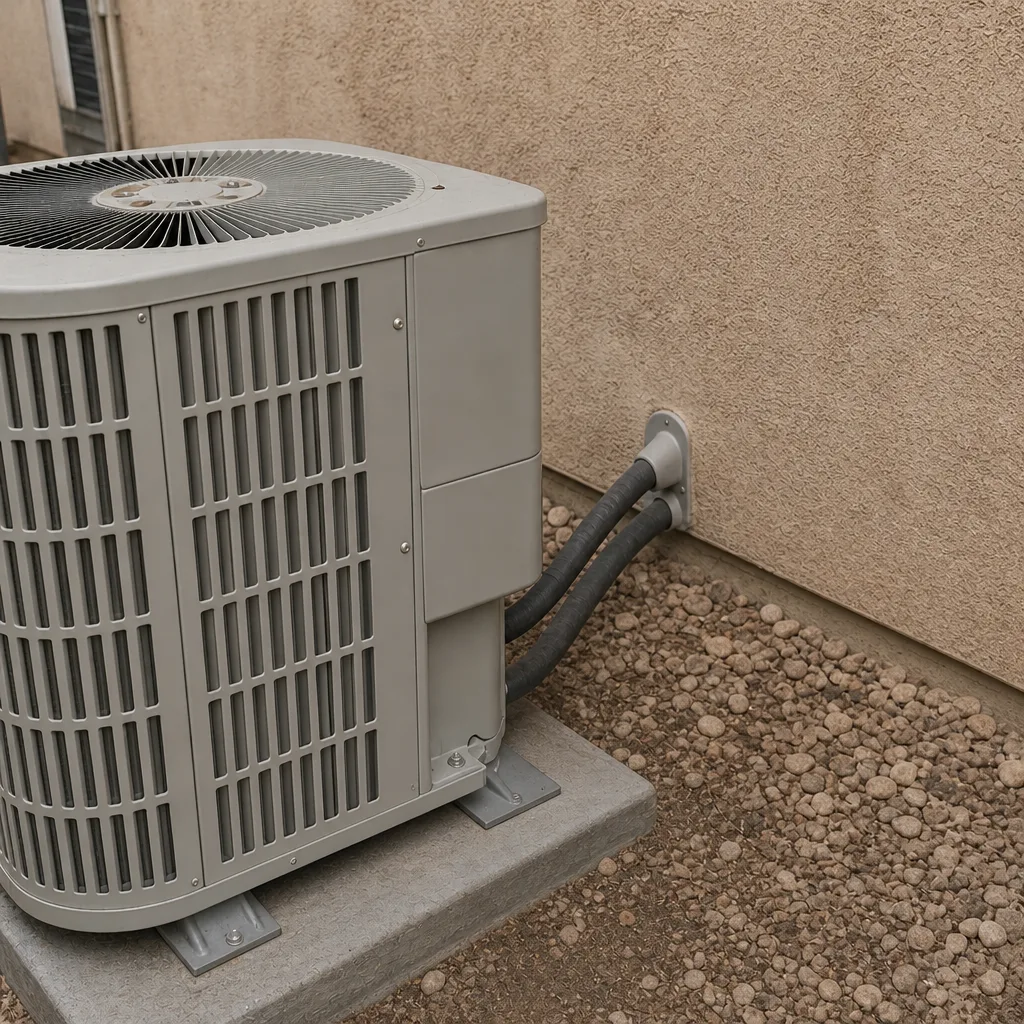
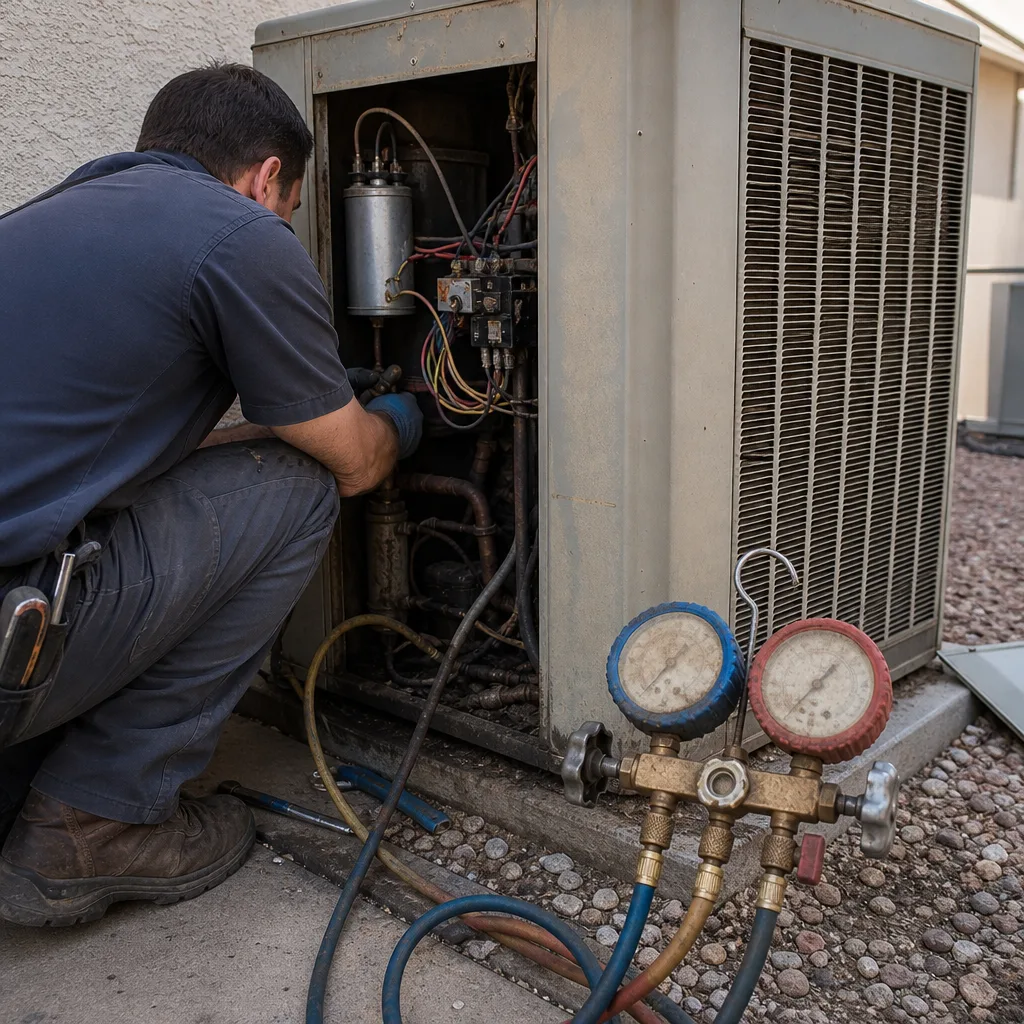
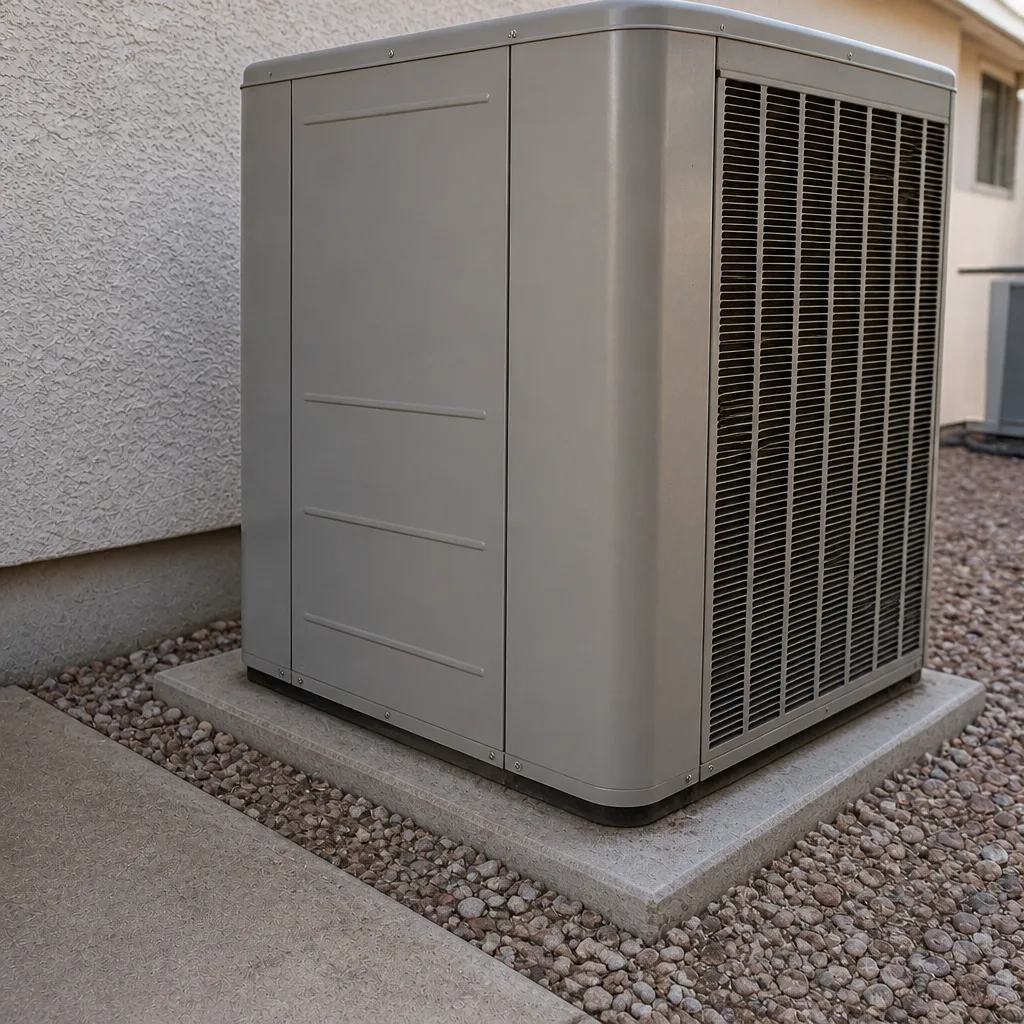
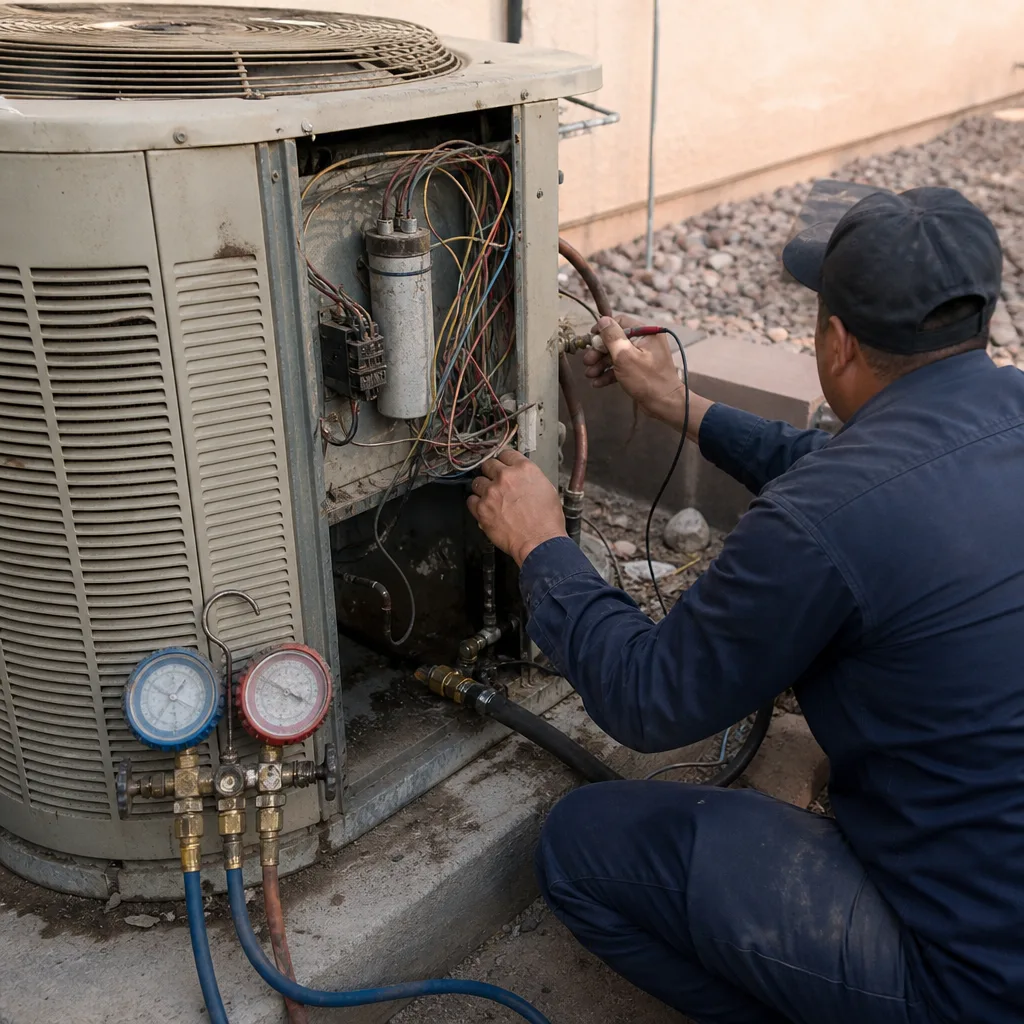
See the difference
 Before
 After
 Before
 After
 Before
 After
When to Call a Professional
Some things are worth a phone call rather than a weekend. Call a licensed technician when your system won’t keep up in normal weather, when you smell gas or burning, when you see water around the air handler, when the outdoor unit trips the breaker, when a heat pump blows cold in heating mode, or when your energy bill jumps without explanation. Those aren’t maintenance tasks, they’re symptoms, and diagnosing them wrong costs more than diagnosing them right. Also call if your system is over ten years old and has never had a proper inspection; a baseline is worth having. Fireside Heating & Air Co. Boulder City offers free estimates in Boulder City, and a live person answers every call, nights and weekends included. Call (844) 312-0133 and we’ll tell you straight what the system needs.
Frequently Asked Questions
Twice a year. Once in February or March for cooling prep, and once in October or November for heating shutdown. The desert climate is hard on equipment, and skipping either season is how small issues turn into June or December emergencies.
No. February and March are better. By spring the first heat is already arriving, technicians are booking up, and a low refrigerant charge or weak capacitor has less time to be caught. The pre-season window in late winter is the highest-leverage time to service cooling equipment here.
Humidity. For a few weeks in late July and August, the system spends part of its cooling capacity pulling moisture out of the air, so it can feel like it’s not keeping up. Check the filter and the fan setting first; if it still struggles, have a technician look at airflow and drain lines before you assume the unit needs replacing.
You can run it for fifteen minutes on a mild October afternoon and note any smell, rattle, or failure to ignite. You should not inspect the heat exchanger or adjust burners yourself; that’s safety work for a licensed technician. A fall heating tune-up covers those checks.
It’s our flat seasonal maintenance price, and it covers the core checklist for the season: filter change, coil and drain check, electrical component testing, refrigerant pressure check, and a written report of what we found. If something needs a repair, you get a written estimate and a chance for a free second opinion on it.
Yes. Every job is backed by our 90-Day Done Right Promise. If it’s not done right, we make it right, in writing, no arguing and no paperwork. It applies to repairs and service, and it’s part of how we stand behind the work.
Do I Really Need a Maintenance Log?
You don’t need one to get through a season. You need one the day a technician asks what’s been done, or a home buyer asks how the system has been cared for. A simple log turns those conversations into a short answer instead of a shrug. Start one this month, add each visit and symptom, and keep it where the next person will find it. It’s the lowest-effort habit in this whole guide and one of the more useful.
The Bottom Line
Boulder City doesn’t need four equal seasons of HVAC care. It needs the calendar flipped. The highest-value maintenance happens in February and March, before cooling demand arrives. The monsoon weeks in late July need their own checks, not a knee-jerk replacement quote. Fall is when heating equipment gets inspected so it doesn’t fail from idle neglect in December. Do the safe homeowner tasks yourself, call licensed hands for refrigerant, electrical, and gas work, and keep a log so the system’s history is readable. Done in that rhythm, maintenance stops being an expense you dread and becomes the reason you never have a 2 a.m. no-heat call.
If you’d rather have one dependable company handle the calendar for you, that’s what we do. Our technicians are background-checked and trained as journeymen, we service all nine major brands, and every job is backed by the 90-Day Done Right Promise. Call (844) 312-0133 for a free estimate, or start with Fireside Heating & Air Co. Boulder City home and we’ll get you on the right seasonal schedule.
Written by the team at Fireside Heating & Air Co. Boulder City.