
Last updated November 18, 2026
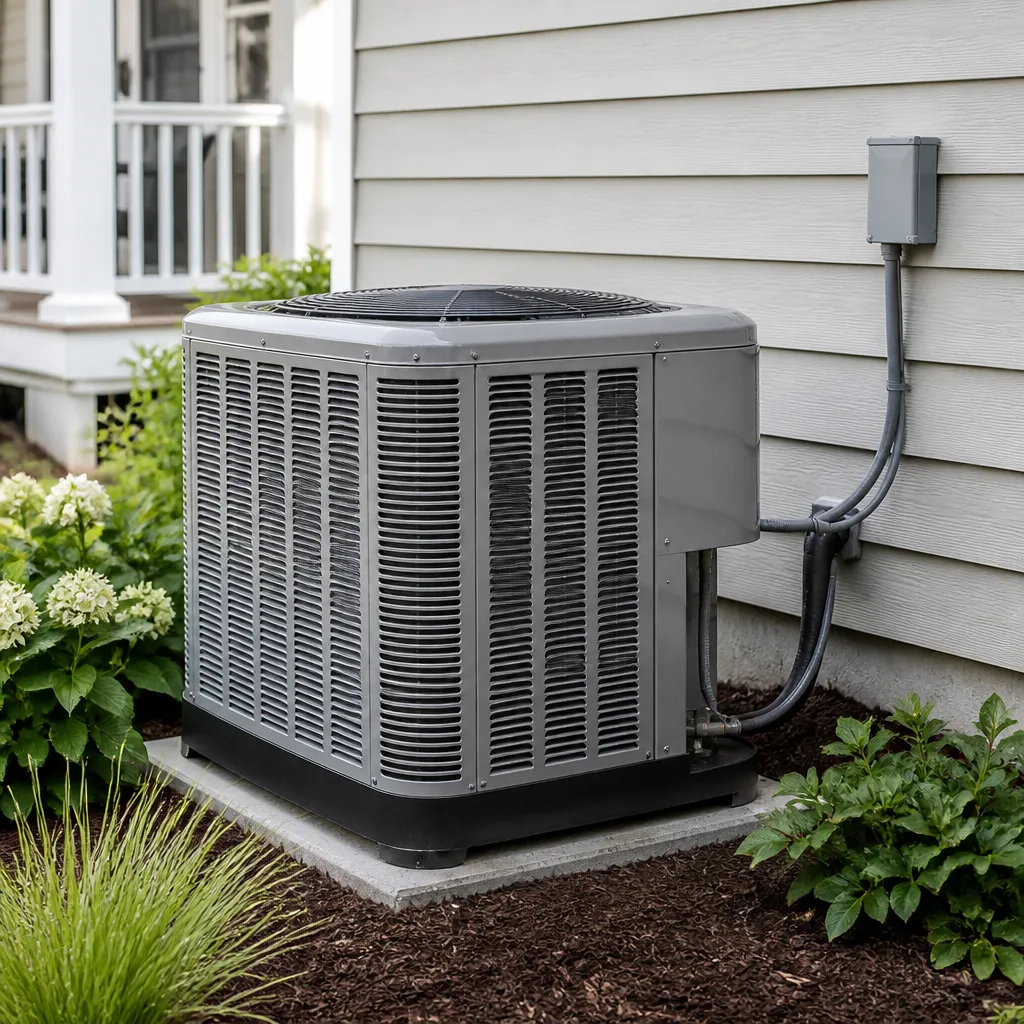 AC repair
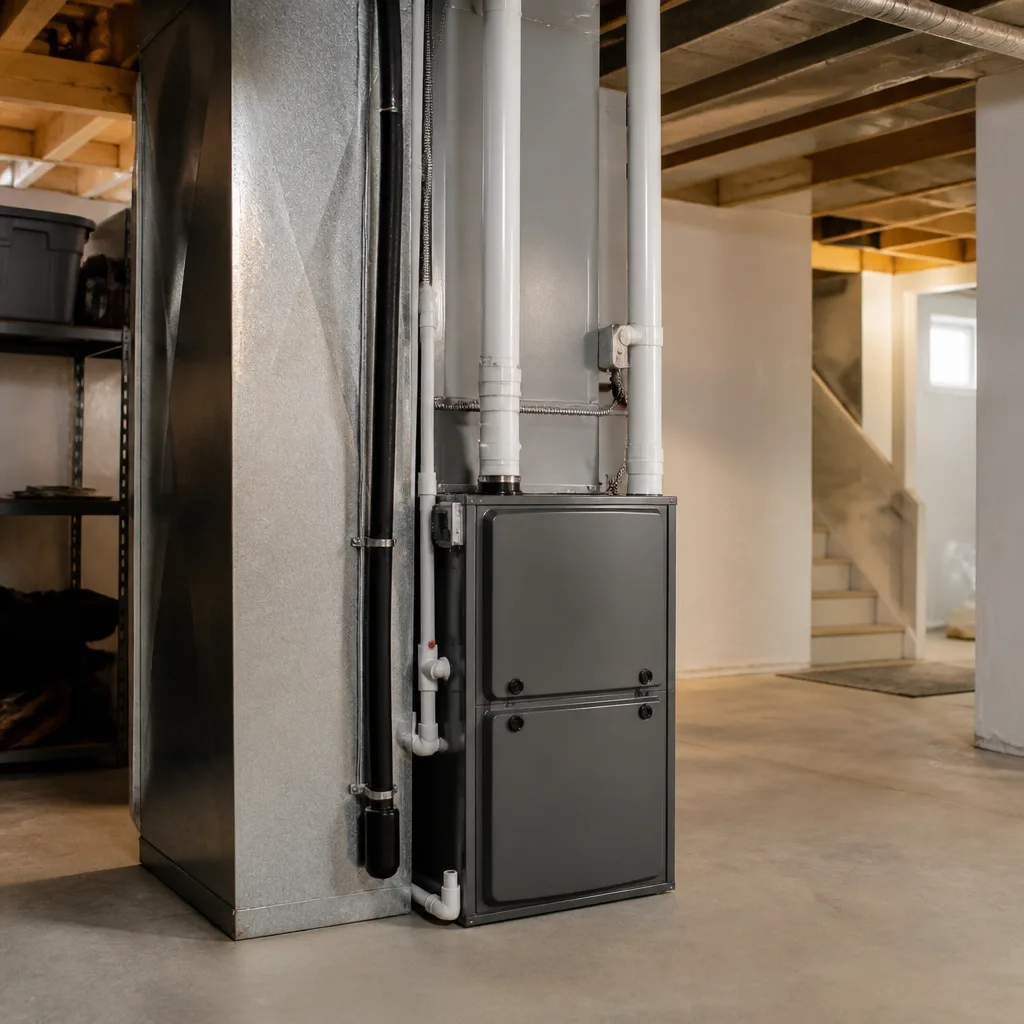 Furnace & heating
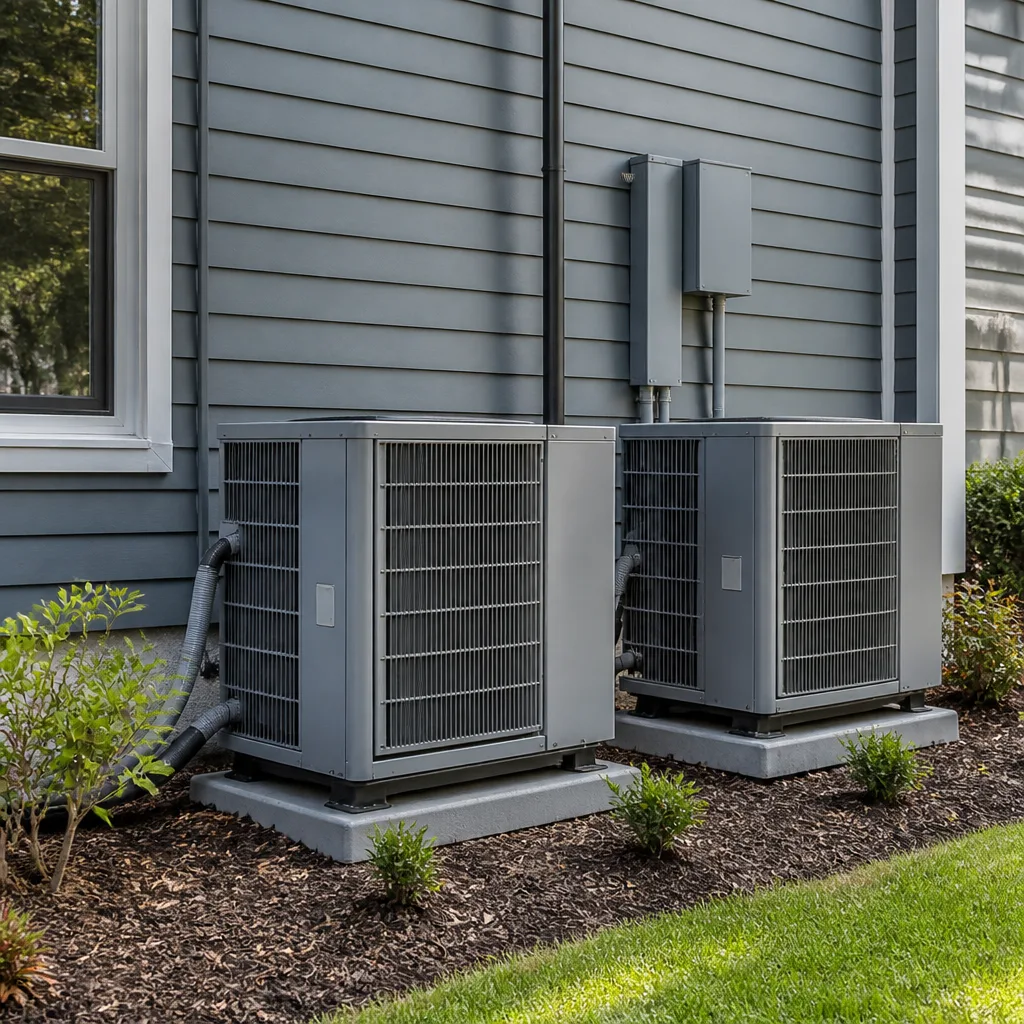 Heat pumps
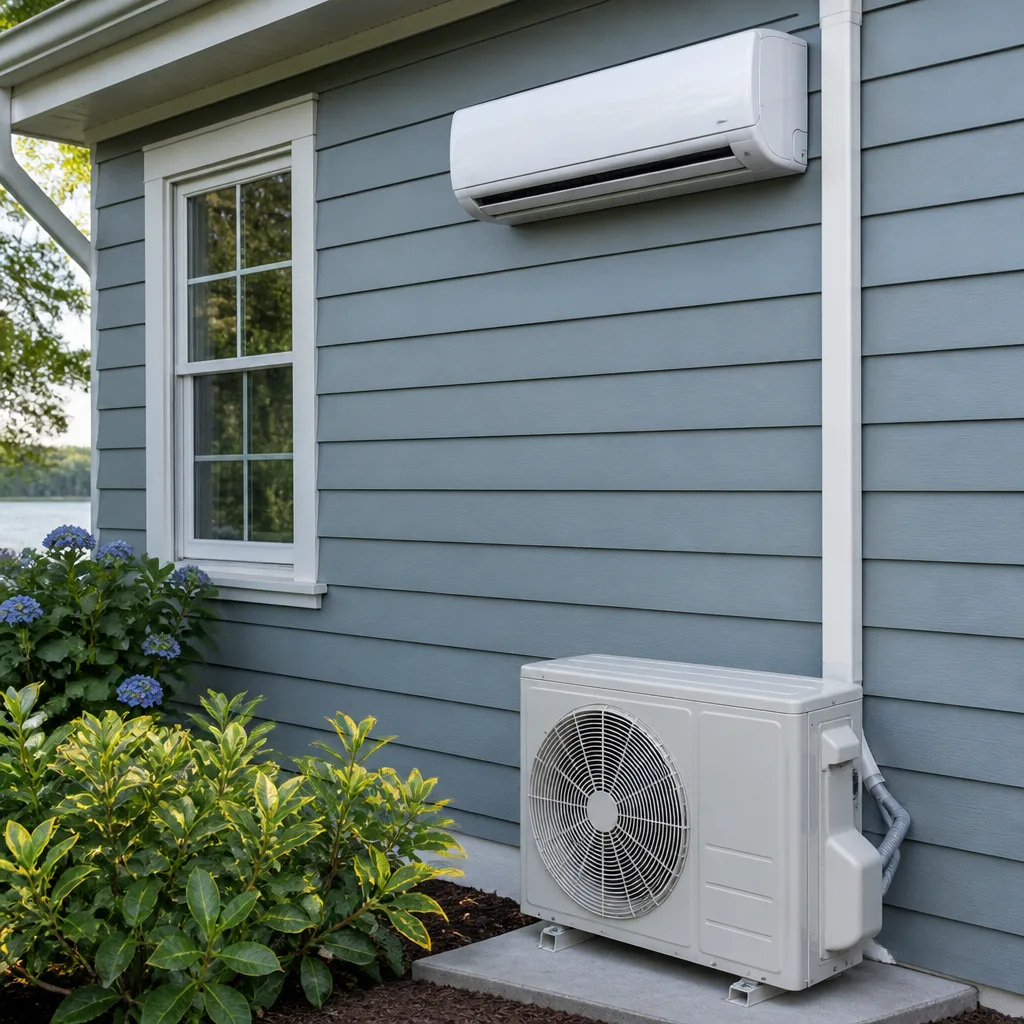 Ductless mini splits
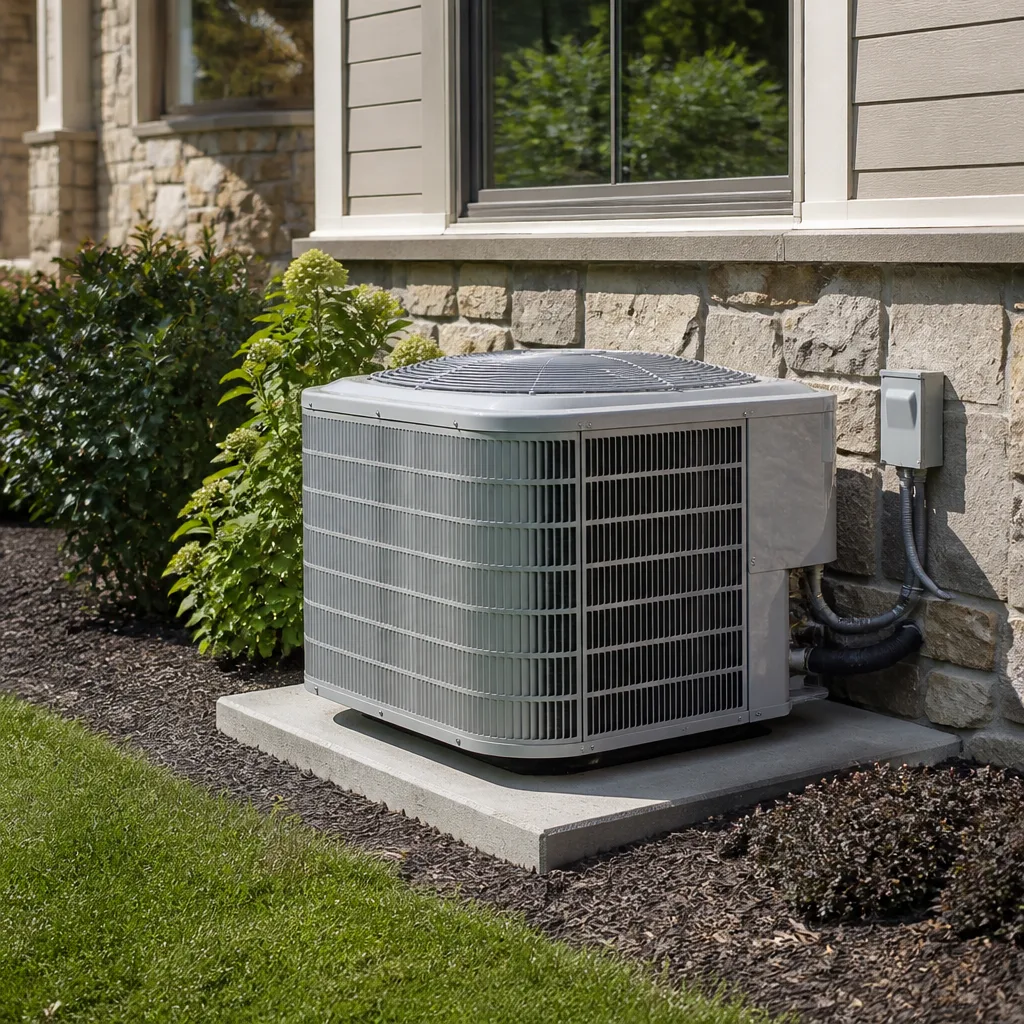 Carrier
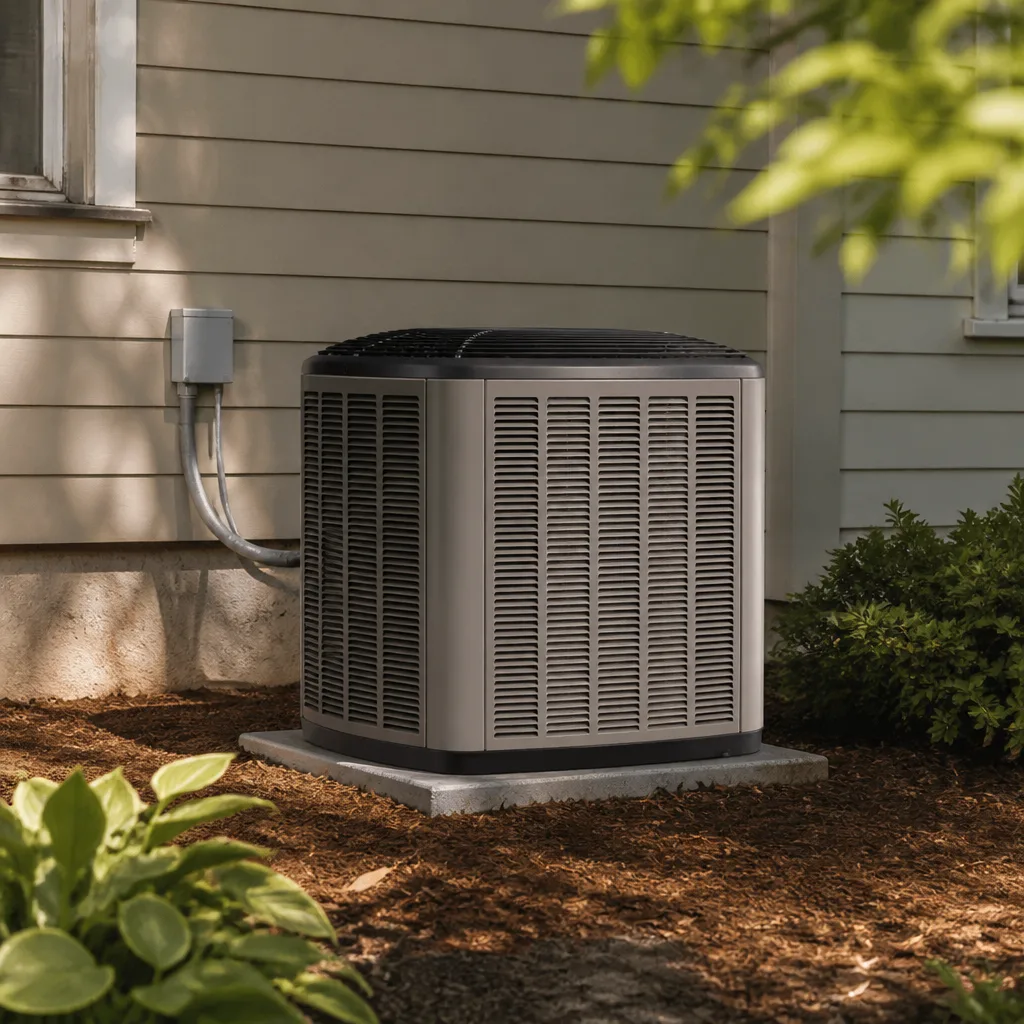 Trane
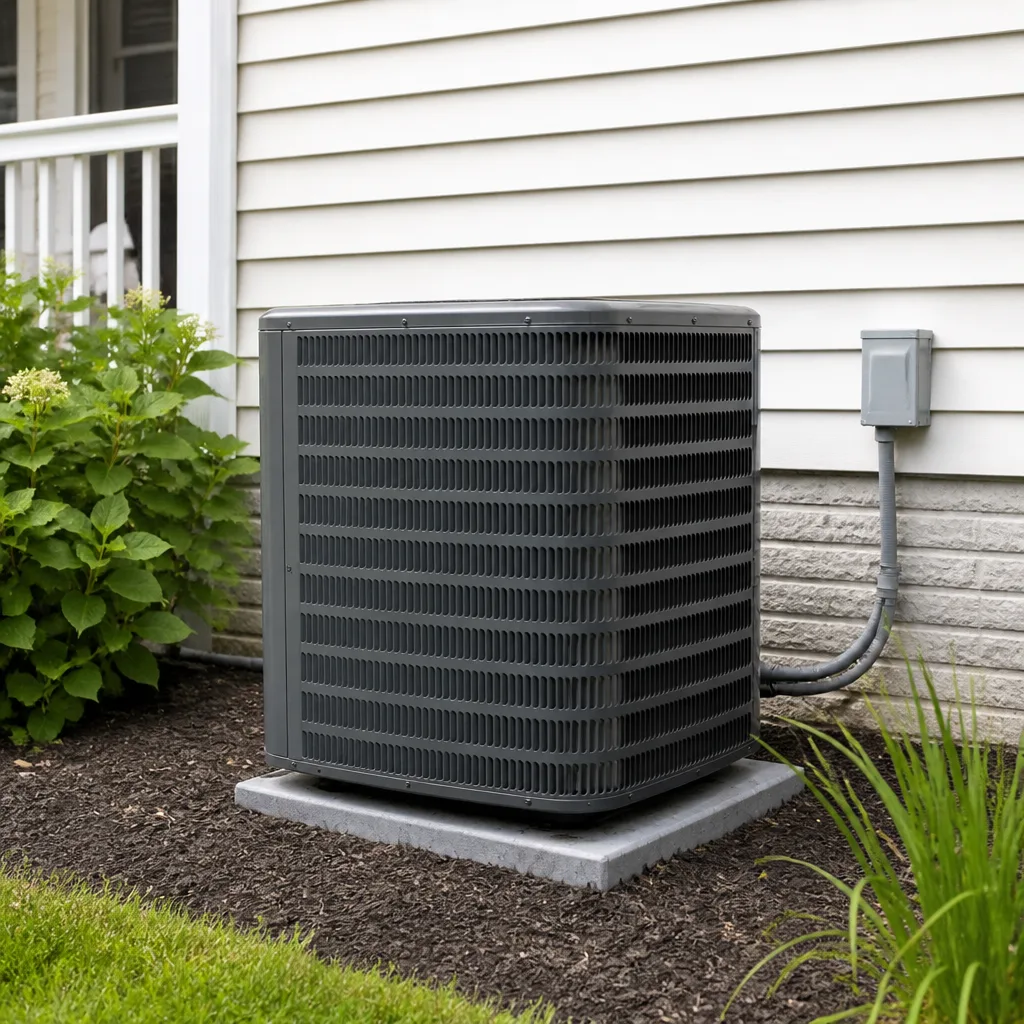 Goodman
Seasonal tune-up and full diagnostic on your Carrier, Trane, or Goodman system - readings shown to you before any repair is proposed
Diagnosis first, numbers second - you approve the repair price before a single part goes in.
Get your free estimateHVAC Permits, Codes & Inspections in NV: What You Need to Know
Most homeowners find out about HVAC permits at the worst possible moment: the pre-sale inspection, when the buyer’s contractor points at the mini-split in the garage and asks for the permit number. The deeper problem is quieter. An unpermitted installation in Nevada can give your insurer grounds to deny a fire claim traced to the system, a clause buried in the policy most people never read and most contractors never mention. This guide walks backward from that moment. We’ll cover what Boulder City and the state of Nevada actually require, who pulls the permit, what a failed inspection does to your schedule, and how to fix work that was done without one before it costs you a sale.
Quick Answer
In Nevada, any HVAC project that adds, replaces, or significantly alters equipment or its electrical and gas connections requires a permit and inspections. Like-for-like parts swaps (a thermostat, a filter, a blower motor, a capacitor) do not. Boulder City issues its own permits through the city building department, and the process typically moves from a plan review to a rough-in inspection and a final inspection before the system is signed off. Skipping that process can affect your insurance coverage and your ability to sell the home.
Styles & brands we work with
- AC repair
- Furnace & heating
- Heat pumps
- Ductless mini splits
- Carrier
- Trane
- Goodman
Table of Contents
- What HVAC work needs a permit in Nevada
- What’s genuinely exempt (no gray areas)
- How the Boulder City permit process works, start to finish
- Nevada’s energy code and what it means for your new system
- How to permit work that was done without one
- Who’s legally responsible: you or the contractor?
- What inspectors actually look at
- Common mistakes to avoid
What HVAC work needs a permit in Nevada
Nevada treats HVAC work the way it treats most work that touches a home’s electrical, gas, or structural systems. If you’re adding capacity, moving equipment, or changing how a system connects to the house, a permit is required. This is not a gray area. The state’s contractor licensing rules and the local building codes line up on it, and Boulder City follows the same logic as Clark County on what triggers a permit.
These projects require a permit:
- Replacing a furnace, air conditioner, or heat pump with a new unit, even of the same size
- Installing a new mini-split or ductless system, including a single-zone unit
- Adding or removing ductwork, or rerouting a duct run to a new room
- Converting from one fuel type to another (electric to gas, or the reverse)
- Installing or replacing a gas line or flue connection for heating equipment
- Adding a new thermostat circuit that requires new wiring
- Any work that changes the electrical panel load calculation
We’ve seen the permit question come up most often in Boulder City’s older neighborhoods, where a 1960s ranch house still has its original duct layout and a homeowner wants to add a ductless head to a converted garage. That’s a permit job, and it’s how you protect the value of the home when you sell.
What’s genuinely exempt (no gray areas)
Not every visit from a technician needs a permit. Straightforward repairs and maintenance swaps fall outside the permit requirement, and that’s true in Boulder City as much as anywhere in Nevada. The test is simple: if you’re replacing a component and leaving the system’s design, capacity, and connections as they were, no permit is needed.
Genuinely exempt work includes:
- Replacing a thermostat, filter, belt, capacitor, contactor, or blower motor
- Cleaning coils, clearing a drain line, or recharging refrigerant on an existing system
- Tightening electrical connections or replacing a disconnect switch
- Sealing duct joints and insulating exposed ductwork in place
- Seasonal tune-ups and diagnostic visits
One caution: a repair that turns into a replacement mid-visit still needs the permit. If the technician tells you the compressor is gone and the honest answer is a new condenser, the permit applies to that installation even though the visit started as a repair. Ask before the work begins so the paperwork is handled before the equipment is on the pad.
How the Boulder City permit process works, start to finish
Boulder City issues its own building permits through the city’s building department, separate from Clark County. That’s good news for homeowners here: the process is local, the reviewers know the housing stock, and the timeline is usually shorter than the county’s. Here’s how a typical residential HVAC replacement moves through it in Boulder City.
- Application and plan submittal. Your contractor submits the permit application along with equipment specifications, the model and efficiency ratings, and a simple site or load description. Small residential replacements often qualify for an over-the-counter review.
- Plan review. The city checks that the proposed equipment meets current energy code and that the electrical and gas connections are properly sized. Simple replacements can clear in a few business days; anything involving new ductwork or a panel change may take longer.
- Permit issued, work scheduled. Once the permit is in hand, the installation can proceed. A reputable contractor won’t start before this step, because starting earlier puts the whole job at risk.
- Rough-in inspection (when applicable). For projects that involve new ductwork, gas line work, or refrigerant line routing, the inspector checks the work before it’s closed up or finished. This is the stage where a failed inspection costs you time.
- Final inspection. After the equipment is running, the inspector verifies installation, clearances, venting, electrical connections, and that the system operates as designed. This is the sign-off that goes on record.
A failed inspection doesn’t sink the project, but it does reset the clock. The contractor corrects the issue, reschedules, and the schedule slips. The common causes in Boulder City are improper clearances around outdoor units, missing combustion air for gas furnaces, and venting that doesn’t meet the manufacturer’s spec. A contractor who’s done this work in town knows to get those right the first time.
Nevada’s energy code and what it means for your new system
Nevada has adopted recent editions of the International Energy Conservation Code (IECC), and that adoption has real consequences for a permitted HVAC replacement. The short version: the equipment you install has to meet a minimum efficiency threshold, and the ductwork has to be sealed and insulated to a minimum standard. That’s true whether you’re in Boulder City or anywhere else in the state.
What that means in practice:
- Your new system’s efficiency rating has to meet the code floor for your climate zone. A budget unit that doesn’t clear it won’t pass review.
- Duct sealing and insulation are part of the inspection, not an optional upgrade. Leaky ducts in an attic that hits 130°F in July are a real problem, and the code addresses it.
- Manual J load calculations are part of a proper permit package for a new installation, so a contractor who sizes by rule of thumb and skips the calc is cutting a corner the code doesn’t allow.
- Rebates may be available for higher-efficiency equipment, and a permitted job with documentation in hand is how you qualify for them.
When we install a system in Boulder City, we provide the efficiency documentation with the permit so the homeowner has a record for rebate paperwork and for the eventual sale. If you’re comparing bids, ask each contractor for the model number and efficiency rating in writing before you sign. The AC repair and installation service in Boulder City page covers how we handle that part of the job.
How to permit work that was done without one
This is the situation that brings most people to this page: work was done years ago, no permit was pulled, and now a buyer’s inspector has flagged it. The good news is that retroactive permitting is possible in Nevada. The hard part is that it’s rarely quick, and it’s not free. Boulder City’s building department can typically walk you through the process, but expect it to feel like a second job.
The general steps look like this:
- Contact the Boulder City building department and describe the existing installation. Ask what they’ll require to bring it into compliance. Some jurisdictions want a licensed contractor to open a permit on the existing work; others want documentation and an inspection.
- Have a licensed contractor inspect the installation. The contractor confirms the equipment is safe, properly sized, and installed to code, and identifies anything that needs correction before the city will sign off.
- Correct any deficiencies. Common fixes include proper clearances, correct venting, a properly sized electrical disconnect, and ductwork brought up to current sealing standards.
- Open the permit and schedule the inspection. The city inspects the finished installation, and if it passes, the permit is finalized and the work is on record.
- Keep the paperwork. The final inspection record is what the buyer’s contractor will ask for, and it’s what your insurer will want if there’s ever a claim.
The cost depends heavily on what has to be corrected and how much the city charges for the permit and inspection. In our experience, a clean installation with minor fixes can clear for a few hundred dollars in permit and inspection fees plus a service visit; one that needs ductwork or venting corrected runs higher. Leaving it unpermitted and hoping the sale closes is a real gamble in Boulder City’s market, because most buyers today have a contractor look at the systems before they sign.
Who’s legally responsible: you or the contractor?
The permit is the licensed contractor’s job to pull, and the contractor is the party the city holds accountable for the work being done to code. That’s the straightforward part. The part homeowners miss is that the property owner is responsible for the outcome. If a permit was never pulled, the record belongs to the house, and the house is yours.
Here’s how the split actually works:
- The contractor is responsible for pulling the permit before work starts, meeting code, scheduling the inspections, and passing them. A licensed contractor who skips the permit is risking their license, not just your project.
- The homeowner is responsible for the state of the property, which means an unpermitted system is your problem at resale, and potentially with your insurer, regardless of who installed it.
- The seller’s disclosure in Nevada asks about permits and unpermitted work. Answering it accurately matters, and a buyer’s inspector will find what’s there.
This is why we ask for the permit as a condition of the job. It’s also why the difference between a contractor who pulls the permit without being asked and one who quietly doesn’t is worth paying attention to. You can read more about how we handle the paperwork on our Fireside Heating & Air Co. Boulder City home page.
What inspectors actually look at
The inspection is the part of the process most homeowners never see, so it helps to know what’s being checked. The inspector isn’t looking for cosmetic quality. They’re checking the items that affect safety and code compliance, and in Boulder City they’re familiar with the housing stock and the common failure points.
Expect scrutiny on:
- Clearances around the outdoor condenser and around the furnace in the closet or attic
- Combustion air for gas furnaces and the condition of the flue or vent
- Electrical connections, disconnect placement, and proper grounding
- Duct sealing, insulation values, and support of duct runs
- Refrigerant line routing, insulation, and protection where it passes through walls
- Equipment efficiency ratings against the permit documentation
- Condensate drainage and the secondary drain pan on attic or closet installations
A final inspection that passes means the installation is on record as code-compliant. That’s a document worth keeping with the home’s papers alongside the warranty. When it’s time for the next service call, heating and furnace service in Boulder City is where we keep those records and where the system’s history lives.
Common Mistakes to Avoid
- Assuming “it’s just a swap” means no permit. A replacement with a different model or capacity is a permit job, even if the old unit came out of the same closet. Get the permit question answered before the equipment is ordered.
- Letting the contractor start before the permit is issued. In Boulder City, starting early can mean the inspection happens too late to catch a rough-in problem, which is exactly the situation the permit exists to prevent.
- Skipping the permit to save a few hundred dollars. The savings are real, and so is the exposure at resale and with your insurer. An unpermitted installation traced to a fire is a claim an insurer can deny.
- Not keeping the final inspection record. The paper trail is what the buyer’s contractor and your insurer will ask for. A folder with the permit and final inspection is worth having.
- Assuming the old work in the house was permitted. Boulder City has plenty of homes with additions and equipment installed before current rules took effect. Have a contractor look at it before you list the house.
- Bidding on price alone. The lowest bid on a permitted job has to cover the permit, the inspection, and the code compliance. A bid that doesn’t account for those is a bid that skips them.
See the difference
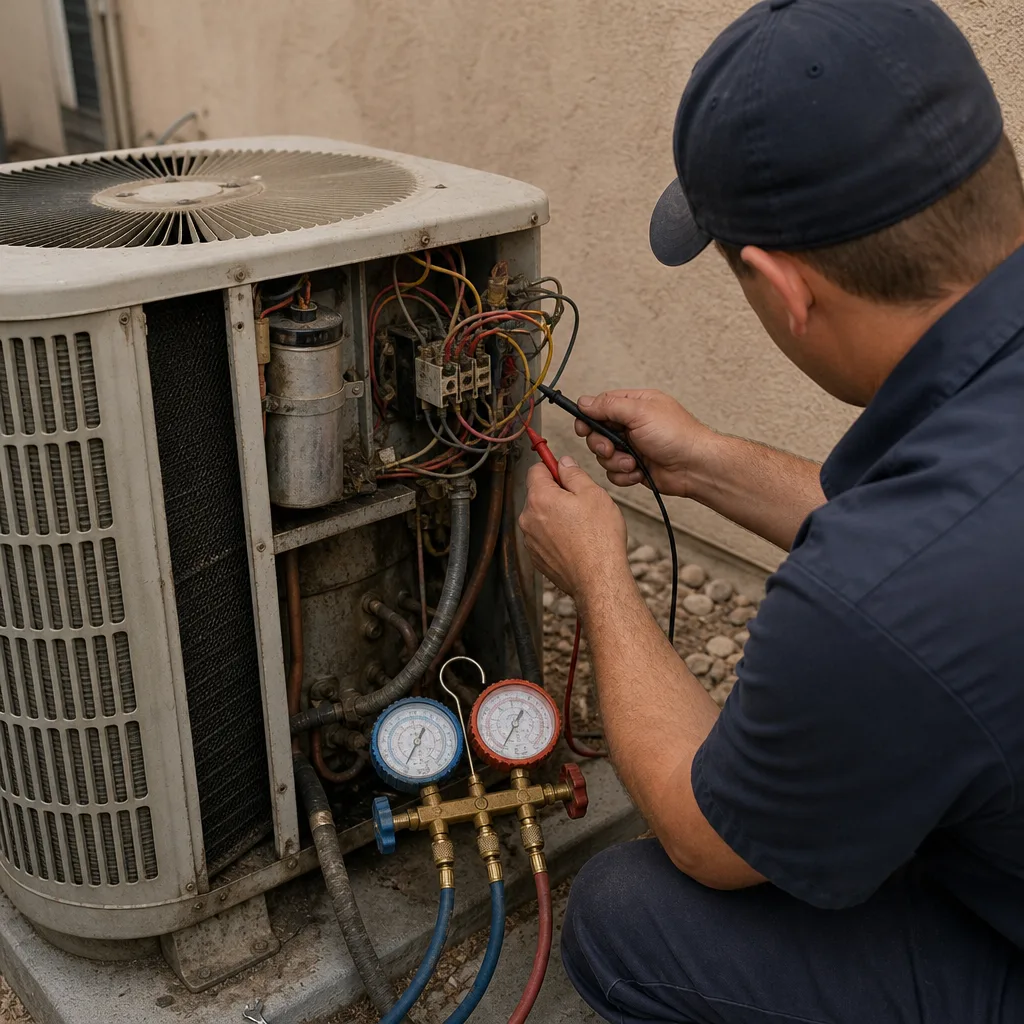 Before
 After
 Before
 After
 Before
 After
When to Call a Professional
Some of this is paperwork a homeowner can reasonably ask about. The installation and the inspections are not. If you’re replacing a system, adding a mini-split, converting fuel types, correcting unpermitted work, or facing a pre-sale inspection that flagged the HVAC equipment, that’s a licensed contractor’s job, and in Boulder City it’s the job of a contractor who knows the local process. We don’t recommend pulling a permit yourself or opening anything up to see what’s wrong. The equipment carries refrigerant under pressure and connects to your electrical panel and gas line, and those are the parts that hurt people. Fireside Heating & Air Co. Boulder City offers free estimates in Boulder City – call (844) 312-0133, and we’ll tell you what the work needs, permit included, and what it will cost.
Frequently Asked Questions
Yes. Replacing an AC or heat pump with a new unit requires a permit from the Boulder City building department, even when the new unit is the same size as the old one. The permit covers the installation, the electrical connections, and the efficiency rating. Call (844) 312-0133 for an estimate that includes the permit in the price.
Unpermitted work stays on the home’s record and can affect insurance claims and the sale of the house. The fix is to have a licensed contractor inspect the installation, correct any deficiencies, and open a permit on the existing work so the city can inspect and finalize it. Call us for a free second opinion on the situation before you decide what to do.
Yes. A ductless mini-split installation requires a permit, including a single-zone system added to a garage or addition. The permit covers the refrigerant lines, the electrical connection, and the equipment placement. We handle the paperwork for you. For more on how that looks in practice, see our page on heat pump and mini-split systems in Boulder City.
Yes. Nevada has adopted recent IECC editions, which set minimum efficiency ratings for new equipment and duct sealing and insulation standards. A permitted installation has to meet those, and the documentation comes with the permit. We provide the efficiency ratings in writing with every installation estimate.
The licensed contractor pulls the permit and is accountable for the work passing inspection. The homeowner is responsible for the state of the property, which is why an unpermitted system becomes your problem at resale even though you didn’t install it. Insist on the permit as part of the job, and ask for the final inspection record when it’s done.
Simple residential replacements often clear plan review in a few business days, while projects involving new ductwork or a panel change can take longer. The final inspection is scheduled after the installation is running. We won’t start the job before the permit is in hand, and we’ll tell you the timeline up front so you know when the work will actually happen.
The Bottom Line
In Nevada, any HVAC installation or replacement needs a permit, and Boulder City runs its own process through the city building department. Repairs and component swaps don’t require one. The permit protects you at resale and with your insurer, which is why the cost of pulling it is part of the job, not an extra. If you’re facing unpermitted work, it can be corrected, but it takes longer than doing it right the first time. Keep the final inspection record. Treat the permit question as one to ask before the work starts, not after.
If you have a project coming up in Boulder City and want straight talk about what it needs, permit included, call us for a free estimate at (844) 312-0133. Every job we do carries the 90-Day Done Right Promise, and phones are answered by a live person around the clock.
Written by the team at Fireside Heating & Air Co. Boulder City.